-
-
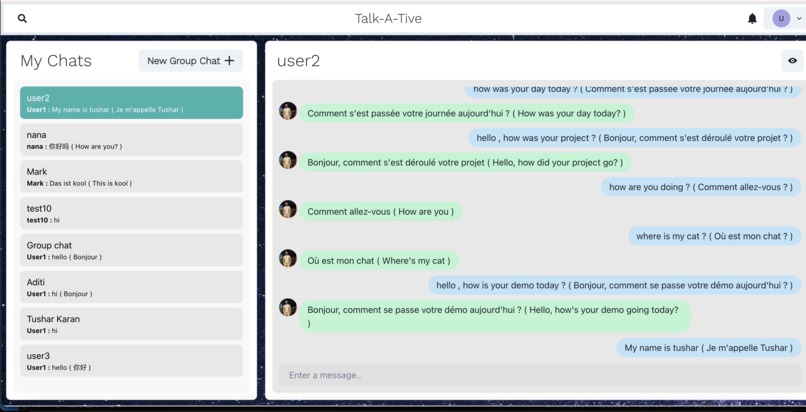
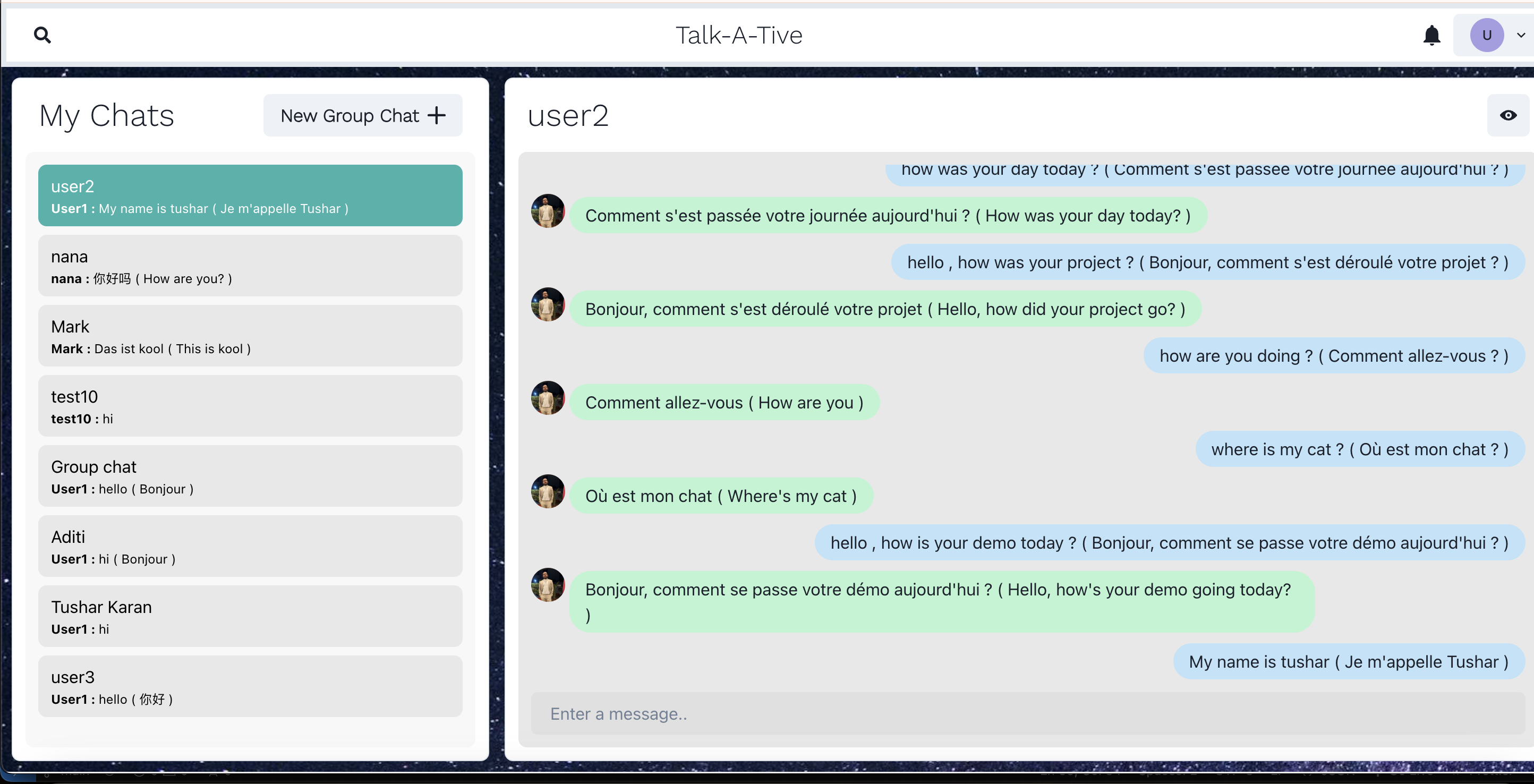
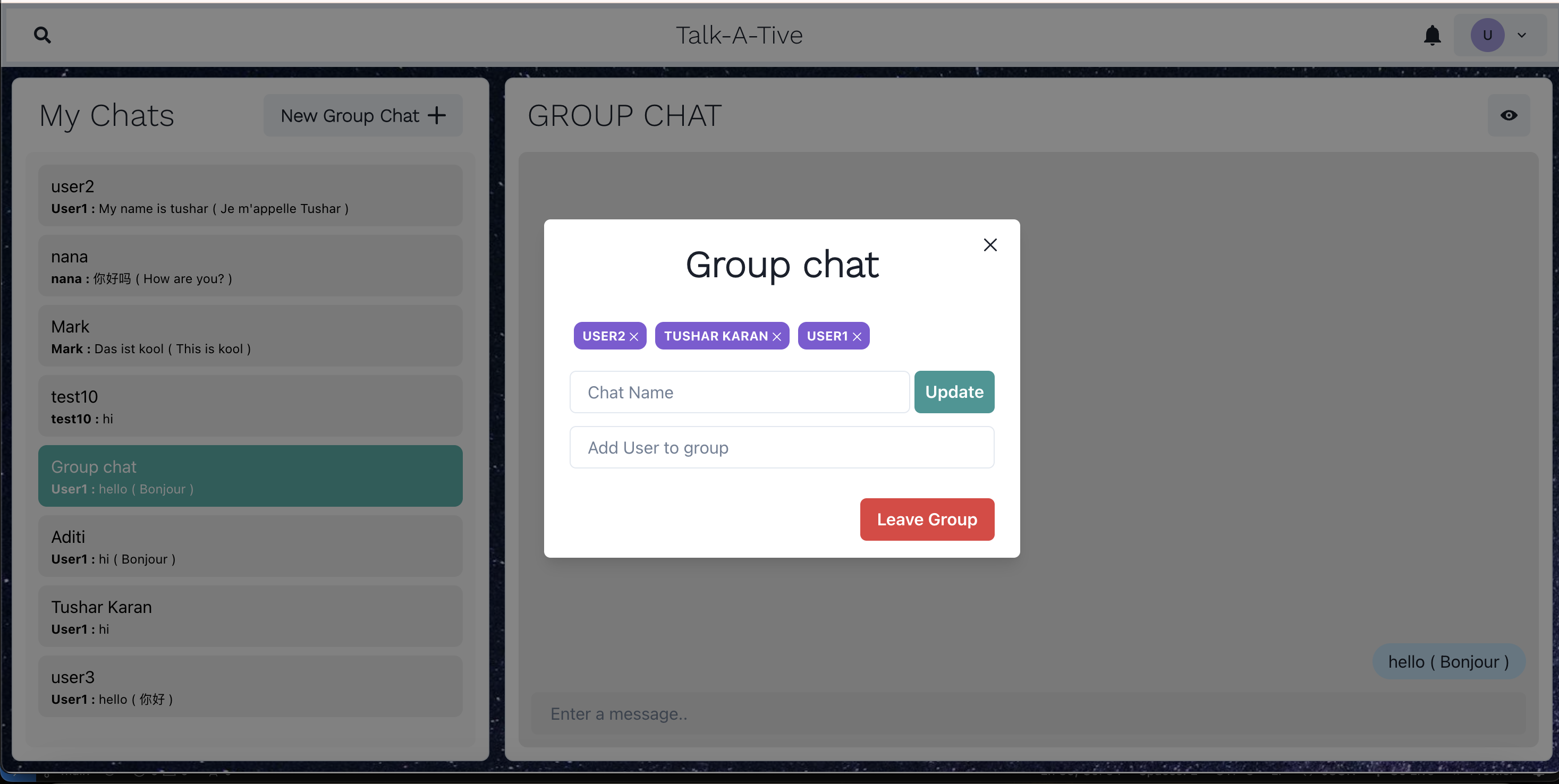
Chat Page
-
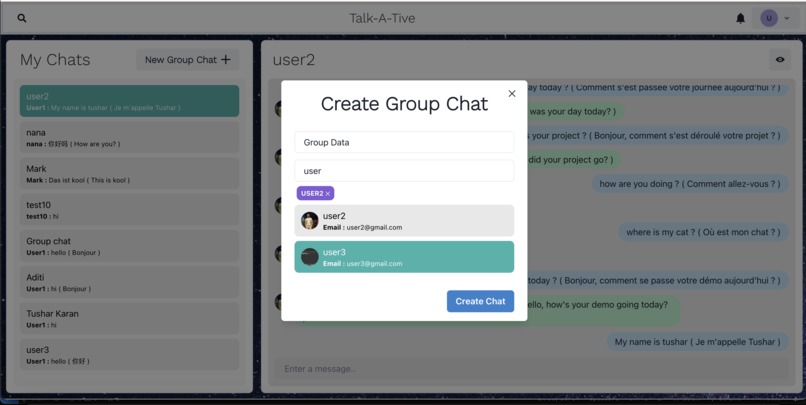
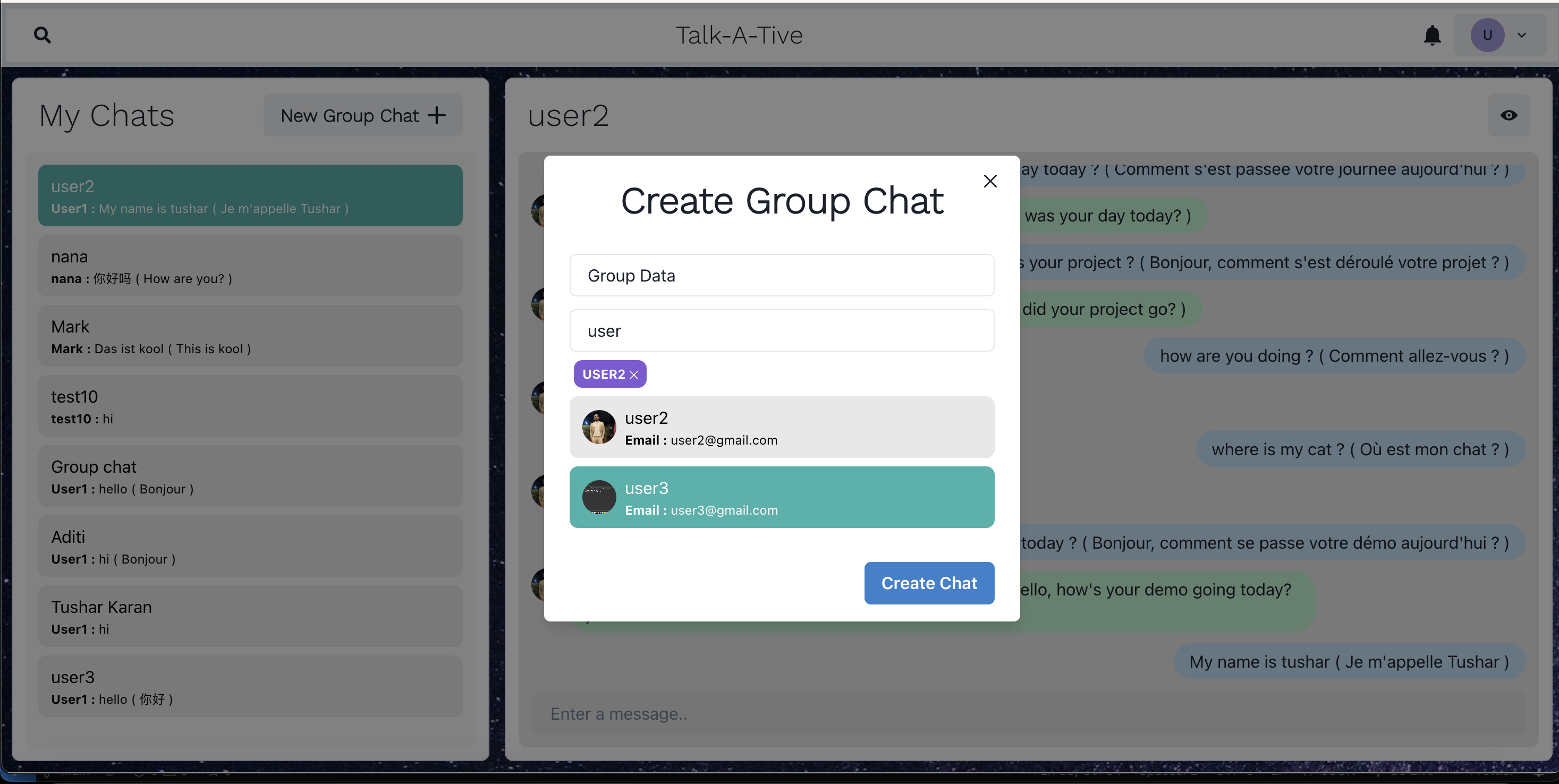
Create Group
-
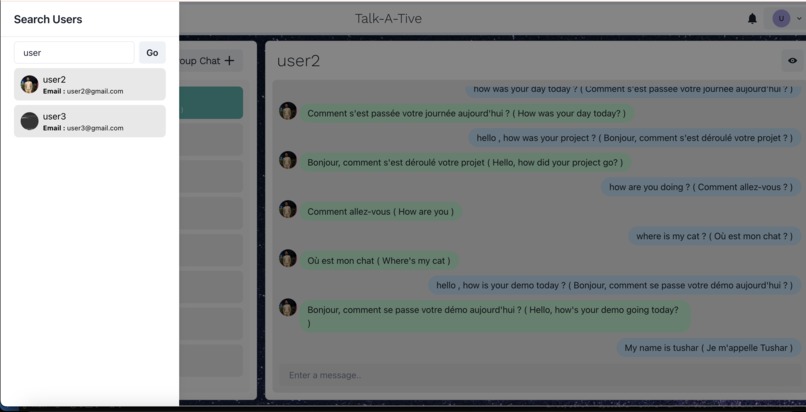
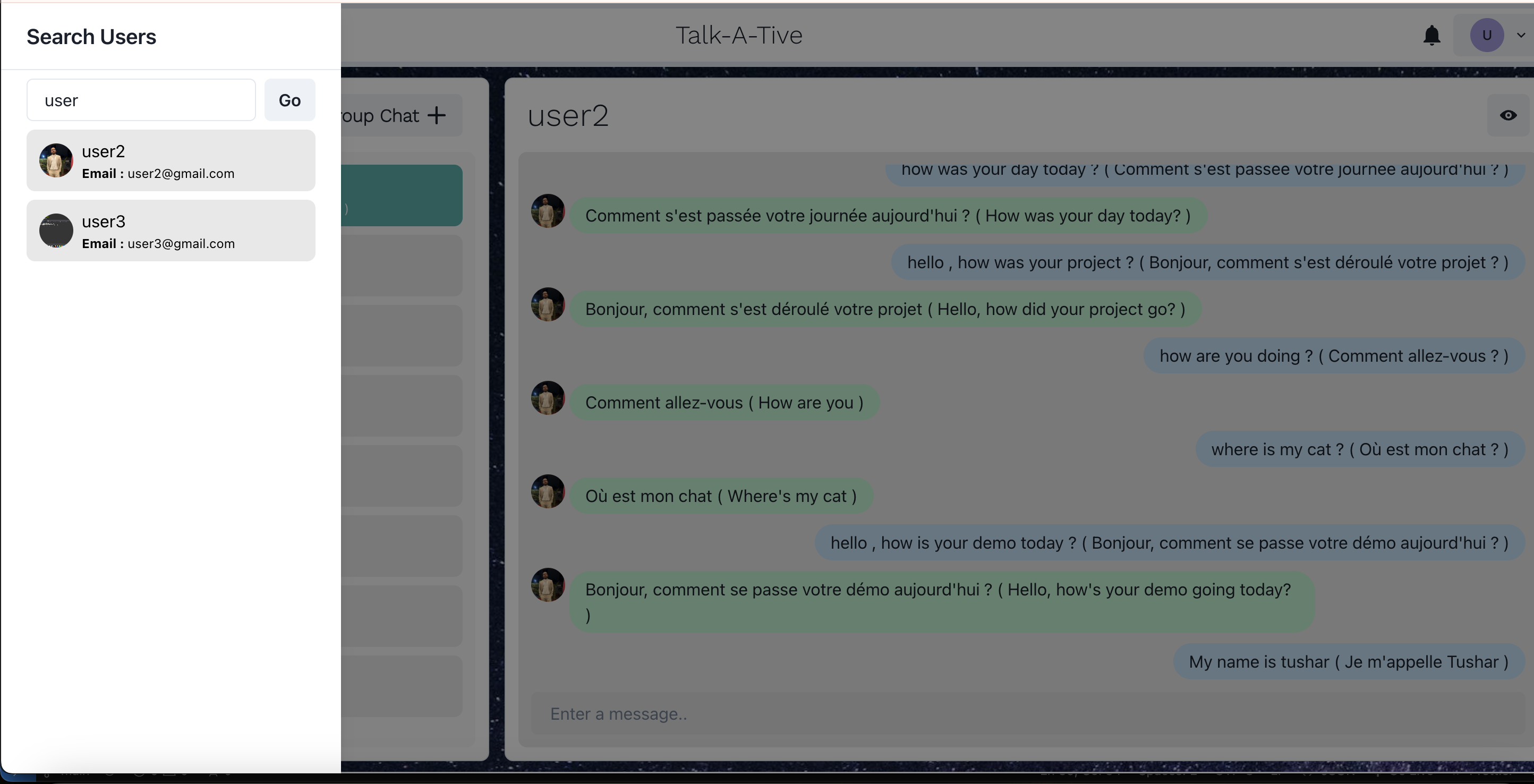
Search User
-
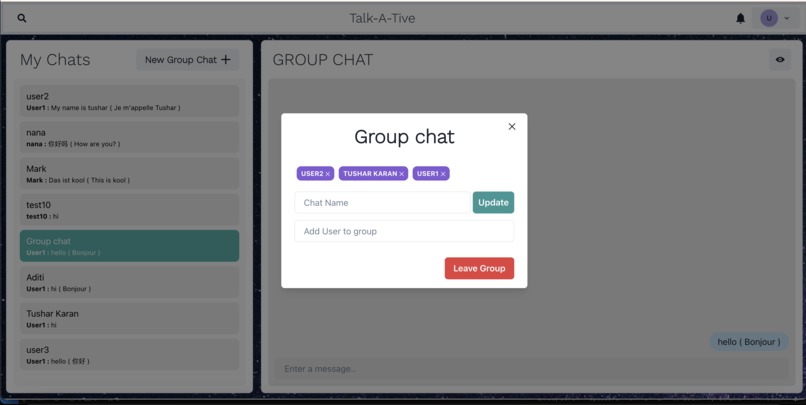
Add , remove or rename Group
-
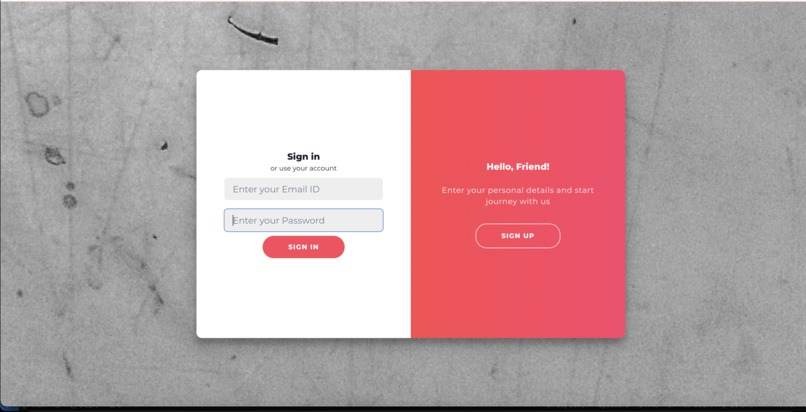
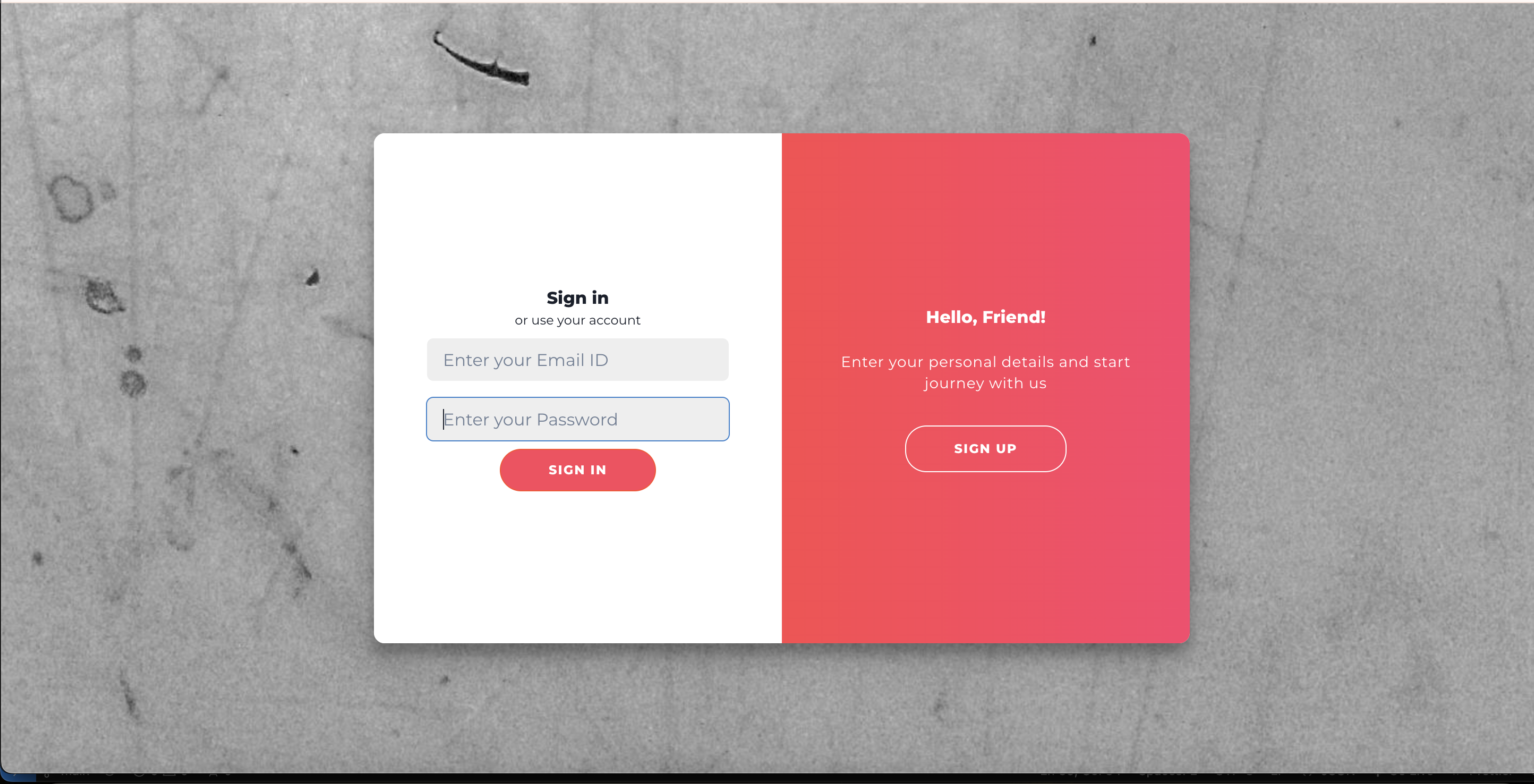
Login
ChatWave
Inspiration
When I landed in Canada for my master's studies, it was the first time I had ever been in a different country. At the airport, I met a Chinese girl, and we quickly became friends. However, communicating with her was a significant challenge. Each time we wanted to talk, I had to rely on Google Translate, which was frustrating and time-consuming. This experience made me acutely aware of the barriers language can create in forming meaningful connections. Determined to overcome this challenge, I developed a chat application with real-time translation using React, Node, Express, and Socket.io.
This application aims to bridge the communication gap, enabling seamless conversations across different languages. Beyond personal interactions, the implications for business are profound. David Grossman reported in "The Cost of Poor Communications due to language barrier" that a survey of 400 companies, each with 100,000 employees, cited an average loss per company of $62.4 million per year due to inadequate communication between employees. By eliminating language barriers, my application can help reduce such losses and foster better understanding and collaboration in both personal and professional settings.
What it does
ChatWave is a chat application with real-time translation capabilities, designed to facilitate seamless communication across different languages. It allows users to send messages in their native language, which are then instantly translated into the recipient's language. This enables users from diverse linguistic backgrounds to communicate effortlessly without the need for external translation tools.
Features:
- One-to-one chatting
- Group chatting
- Notifications
- Typing indicator
- Supported languages: English, French, Spanish, German, Italian, Portuguese, Russian, Chinese, Japanese, Korean
How we built it
I built ChatWave using a combination of modern web technologies:
- Front-end: React was used to create a responsive and intuitive user interface.
- Back-end: Node.js and Express provided a robust server framework to handle API requests and manage user sessions.
- Real-time communication: Socket.io enabled real-time messaging and updates, ensuring a smooth and instant chat experience.
- Translation service: Integration with translation APIs allowed us to perform real-time translation of messages.
Challenges we ran into
One of the main challenges I encountered was ensuring the accuracy and speed of the real-time translations. Handling multiple languages and ensuring the context was preserved during translation required extensive testing and fine-tuning of the translation algorithms. Another challenge was maintaining a seamless user experience while managing the real-time data flow between users and the server, especially under high load conditions.
Accomplishments that we're proud of
I am particularly proud of successfully implementing a system that allows real-time translation without significant delays, which was a major technical hurdle. Additionally, receiving positive feedback from users who found the application helpful in breaking down communication barriers has been extremely rewarding. The application’s ability to foster connections between people who would otherwise struggle to communicate is an accomplishment I cherish.
What we learned
Throughout the development of ChatWave, I gained valuable insights into the complexities of natural language processing and the nuances of real-time communication systems. I also learned the importance of user feedback in refining and improving the application. This experience underscored the need for meticulous planning and testing in the development process.
What's next for ChatWave
- Expanding language support: Adding more languages to cater to a wider audience.
- Enhancing translation accuracy: Continuously improving the translation algorithms to provide more accurate and context-aware translations.
- Mobile application: Developing a mobile version of ChatWave to make it accessible on the go.
- Business integration: Introducing features tailored for business communication, such as team chat rooms and document translation, to help companies overcome language barriers and improve productivity.
- User customization: Allowing users to customize their translation preferences and interface to enhance their user experience.

Log in or sign up for Devpost to join the conversation.