🧠 Inspiration
I’ve always been a fan of Figma, but it can feel overwhelming for beginners. Plus, it tends to lag on slow internet connections. That got me thinking — what if I could make something simpler, faster, and fully local? A lightweight design tool that saves everything in user storage, with no backend, for better speed and privacy. That’s how Design Canvas was born.
💡 What it Does
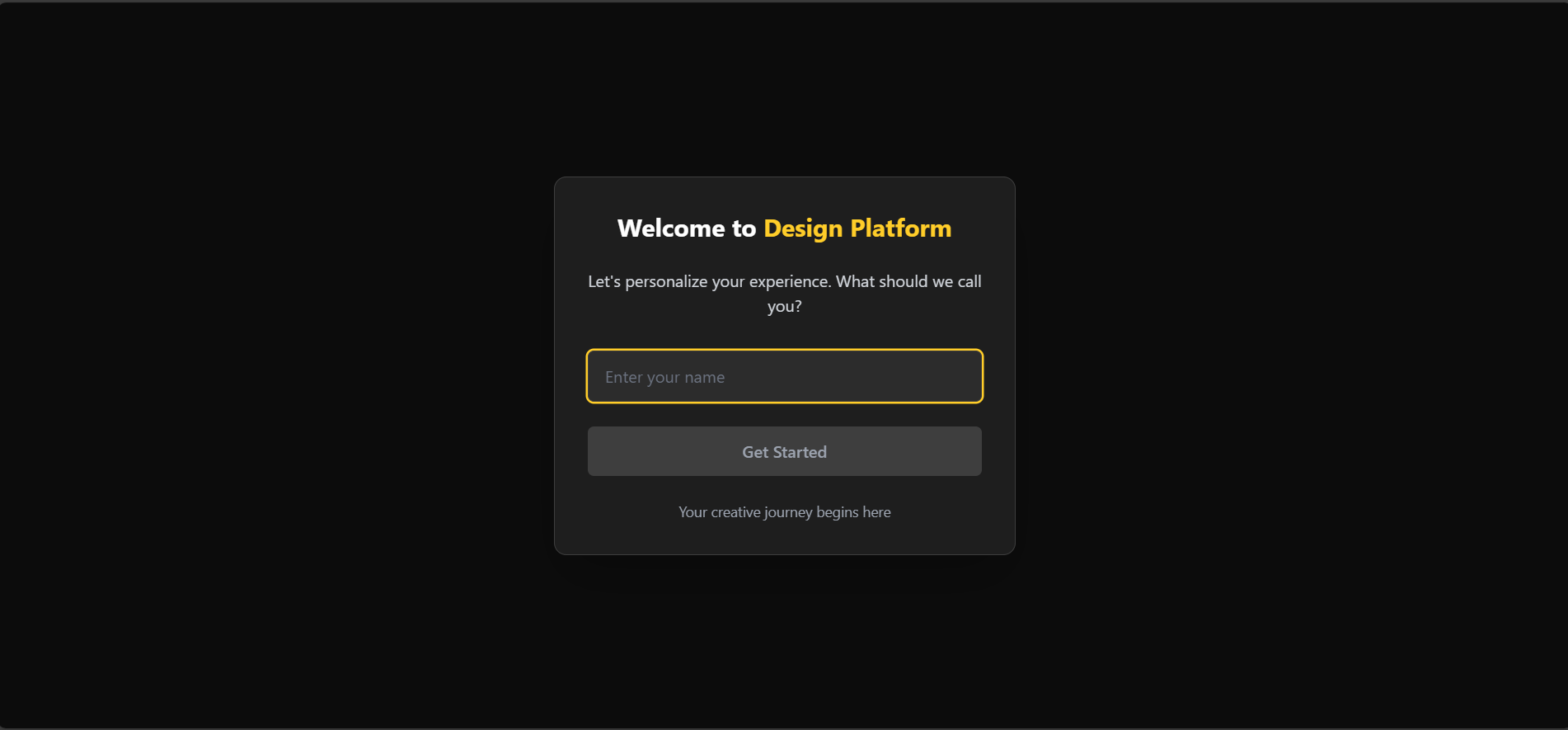
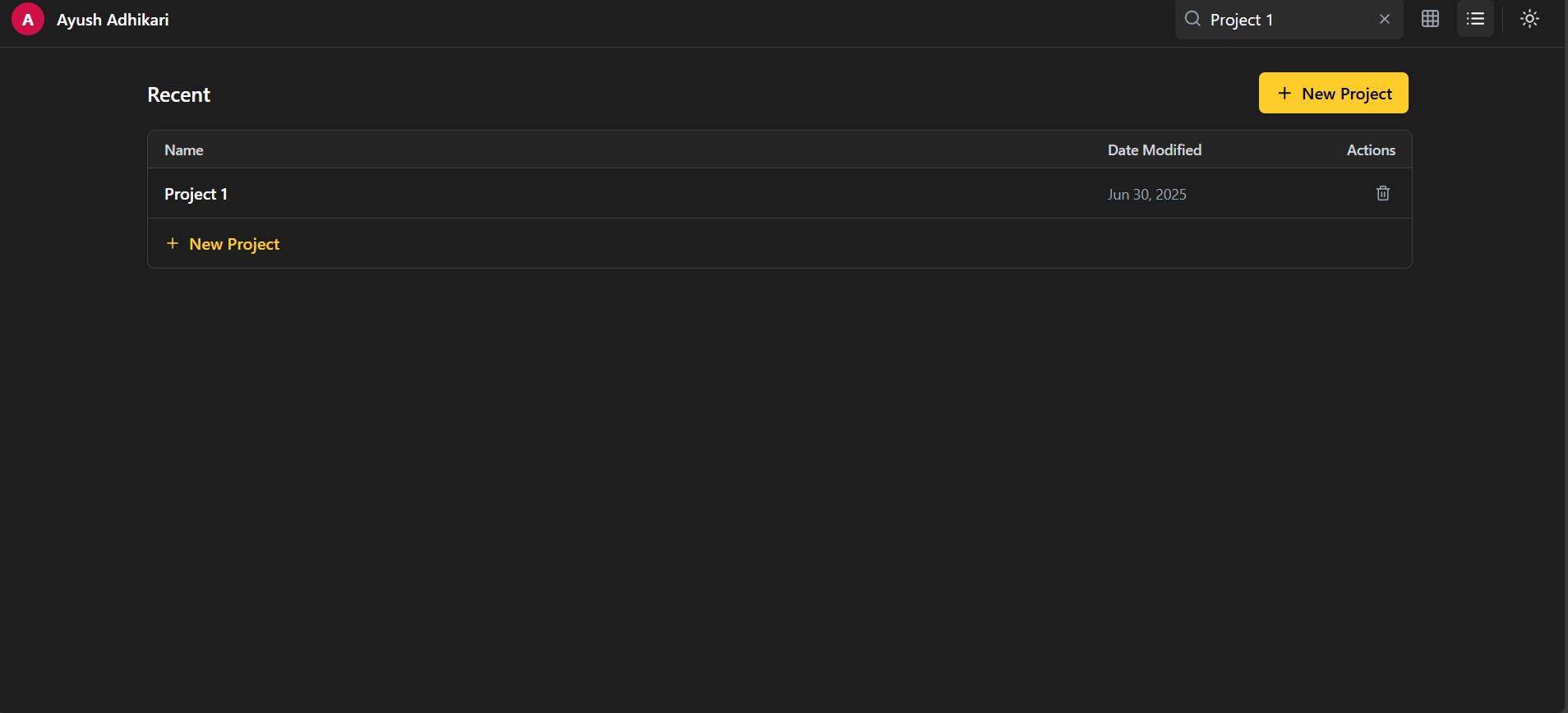
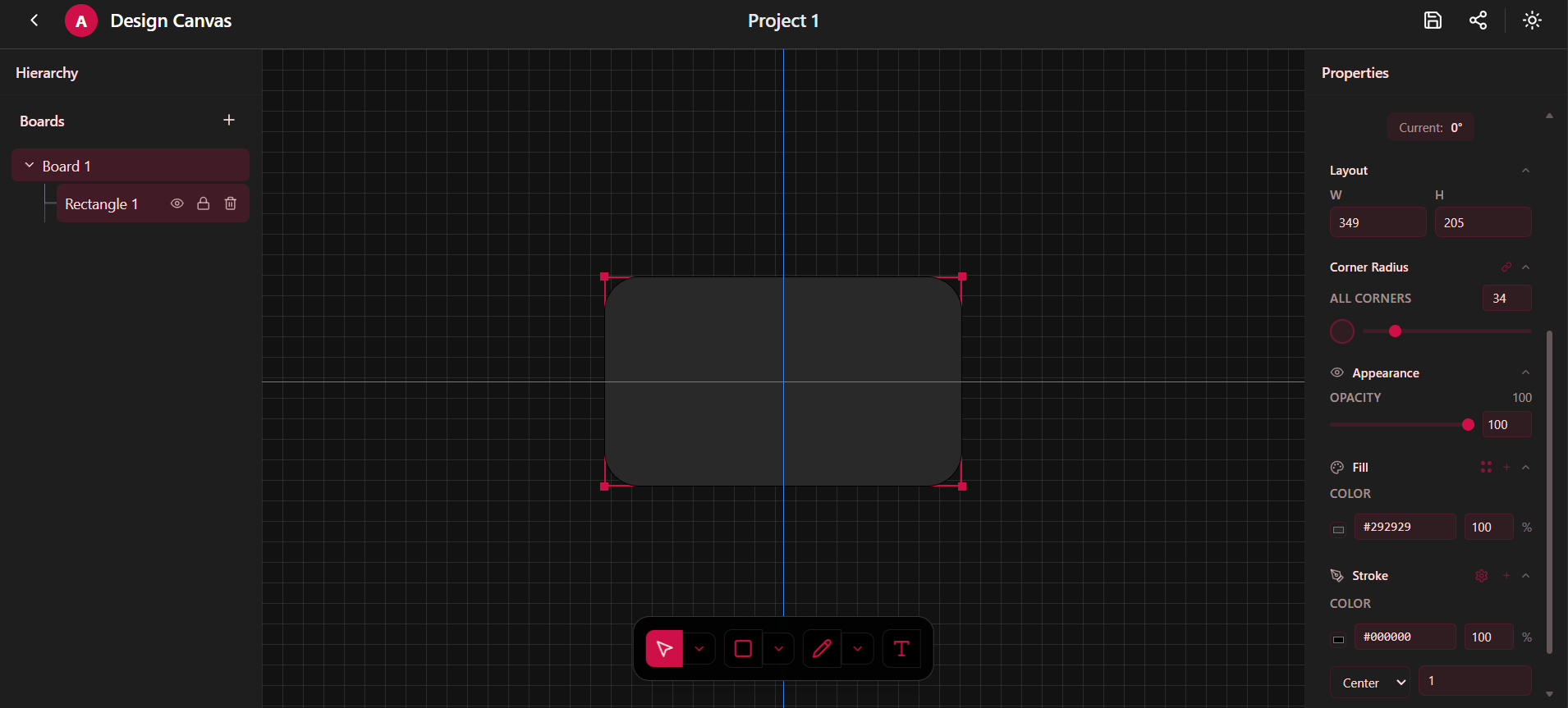
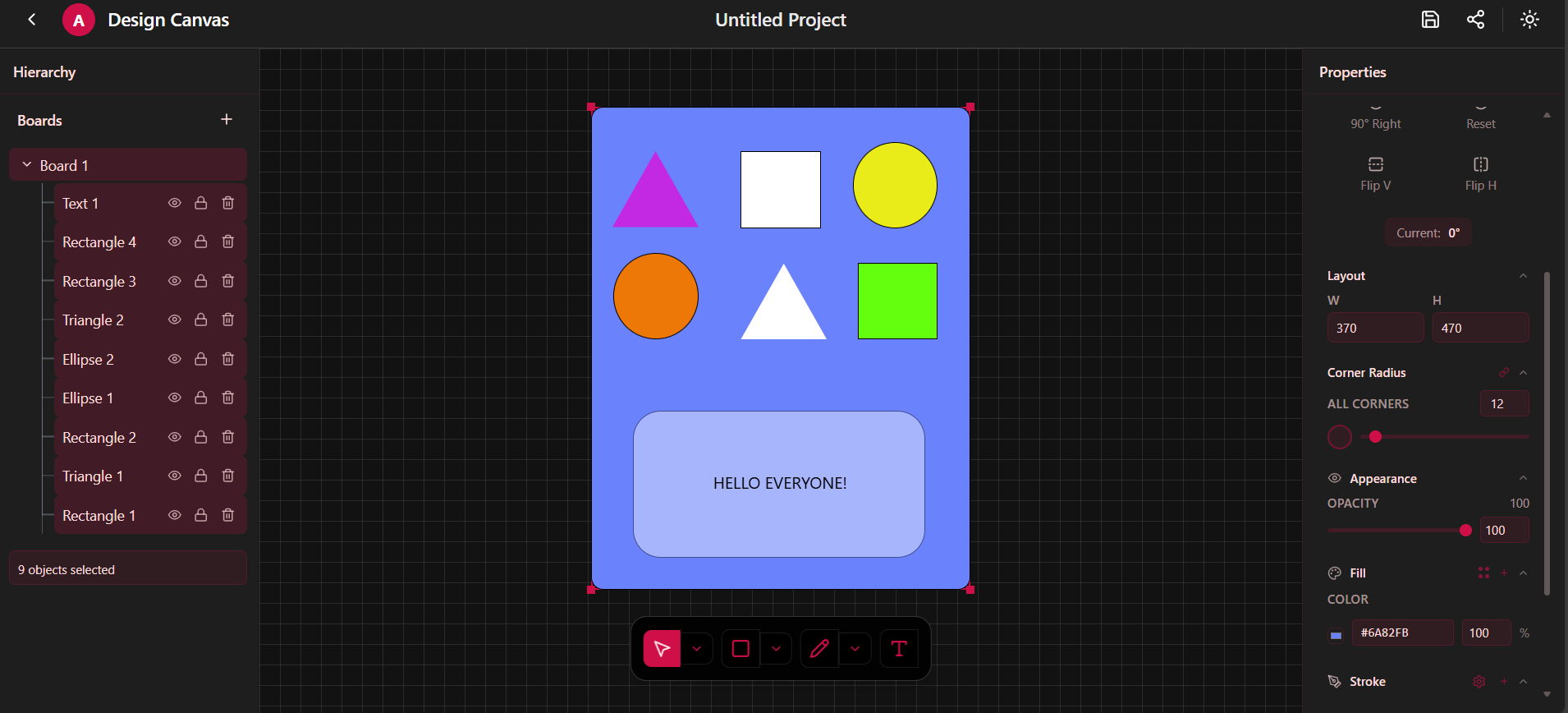
Design Canvas is a web-based vector design tool, inspired by Figma. It allows users to create and edit designs visually in the browser — no accounts, no servers, just instant design freedom. It’s lightweight, local-first, and made to feel snappy and intuitive.
🛠️ How We Built It
Honestly, I didn’t write a single line of code myself.
- I used 95% Bolt.new AI from the ground up.
- For prompt refining and problem-solving, I used DeepSeek and ChatGPT.
- For UI design ideas and inspiration, I generated references with ChatGPT image tools.
- Everything was done using text prompts only.
Huge thanks to the Bolt team for giving us free Pro access and 20M credits during the hackathon weekend — without that, this wouldn’t have been possible.
🧩 Challenges We Ran Into
While Bolt.new made it super easy to get started, things got tricky as the project grew:
- Once files got larger than ~2000 lines of code, the AI sometimes started to bug out, forget things, or override features I had already added — often burning credits in the process.
- Some features disappeared randomly when the AI tried to "improve" something else.
- Keeping the AI aligned with my goal as the app complexity increased was a real challenge.
Despite that, it was fun, and I learned a ton.
🏆 Accomplishments We're Proud Of
- Created a full web app without writing code manually.
- Built a real design tool with no backend and local storage.
- Learned how to leverage AI tools efficiently in a production-like setup.
- Managed complexity and design flow using only text prompts.
📚 What We Learned
- AI is a great co-developer, but it has limits.
- As projects grow, clear prompting and version control become essential.
- You need to adapt your thinking — you're not writing code, you're managing a conversation with the AI.
- AI can create full-stack apps, but you need to guide it like a team lead, not a tool.
🔮 What’s Next for Design Canvas
- Adding AI-powered design generation: Describe a design, get it auto-generated.
- Building a community sharing platform where users can post and remix designs.
- Planning to use DeepSeek or GPT-4o to generate JSON-based design structures that render into actual vector components.
Built With
- html5
- localstorage-for-data-persistence
- react
- react-router-for-navigation
- svg
- tailwind-css
- typescript


Log in or sign up for Devpost to join the conversation.