-
-
App overview
-
Product mission and vision
-
Technical solution
-
Market sizing
-
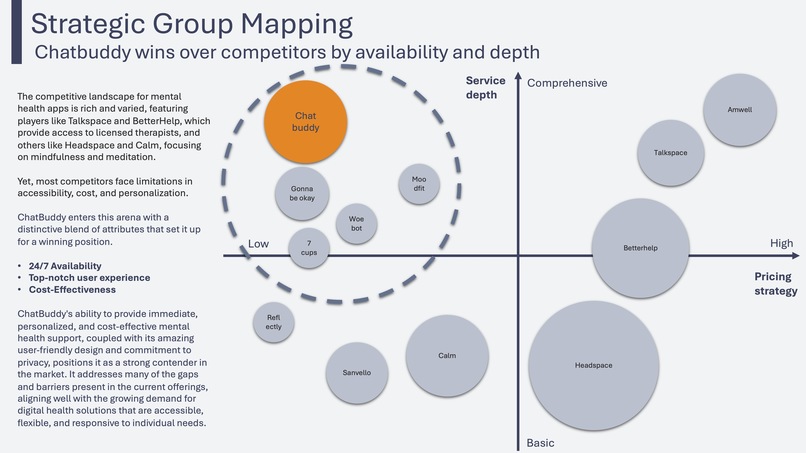
Strategic Group Mapping
-
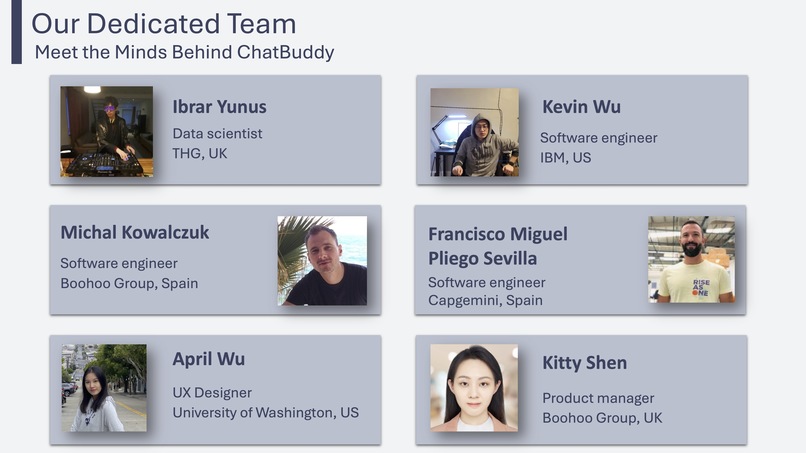
Team overvi
-
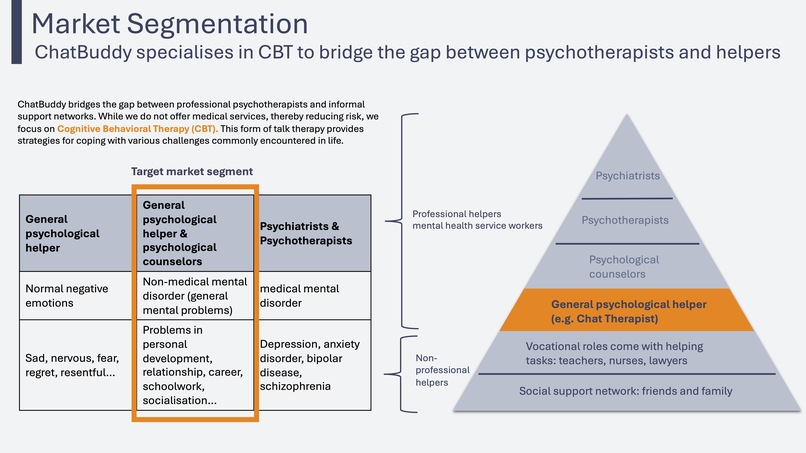
Market segmentation
-
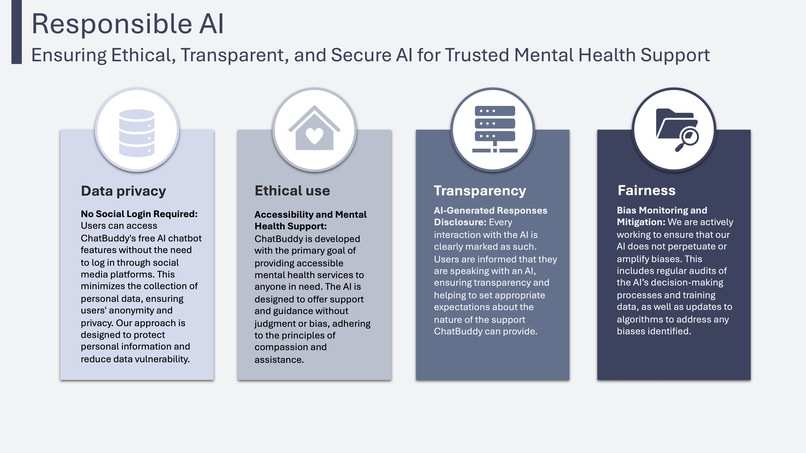
Responsible AI
-
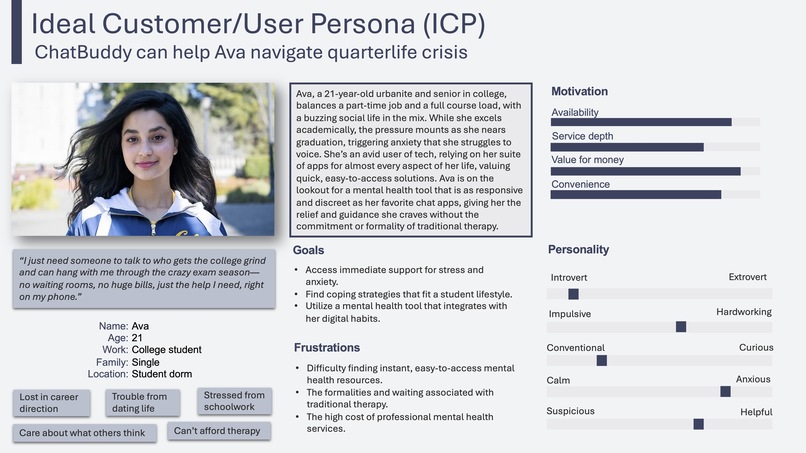
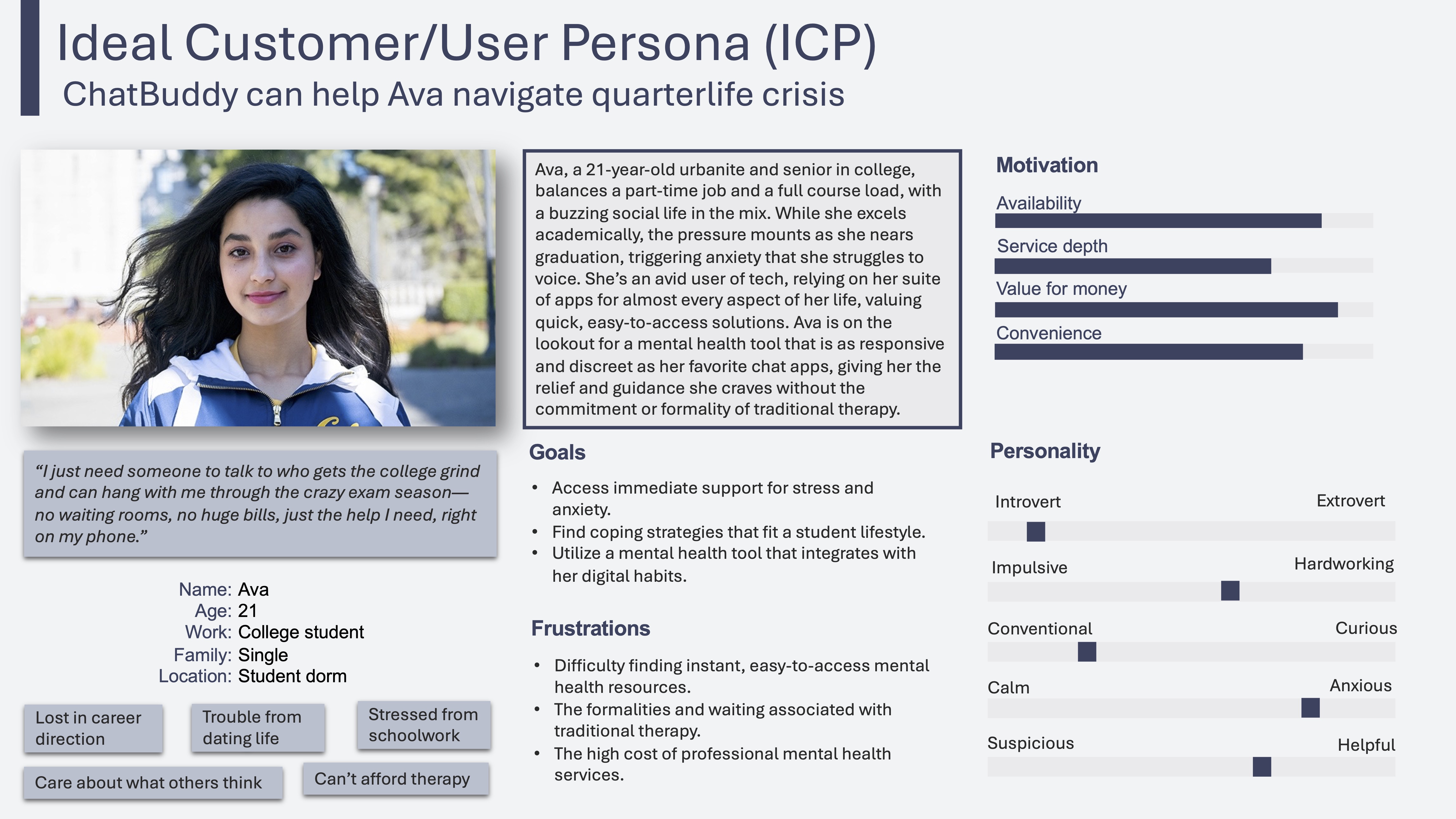
ICP1
-
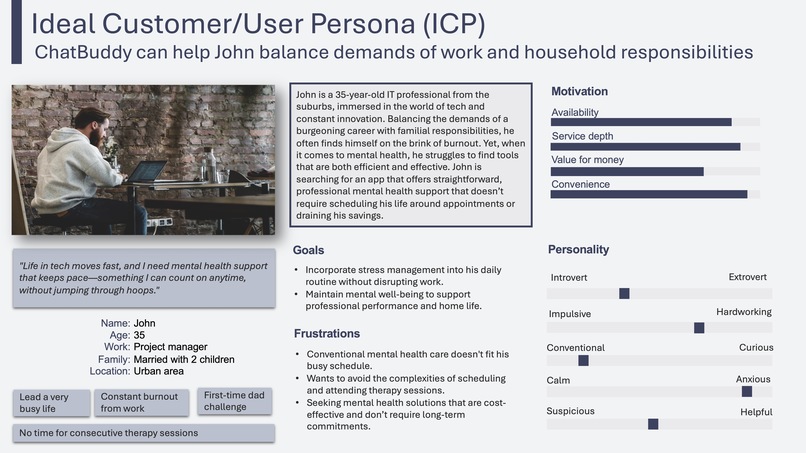
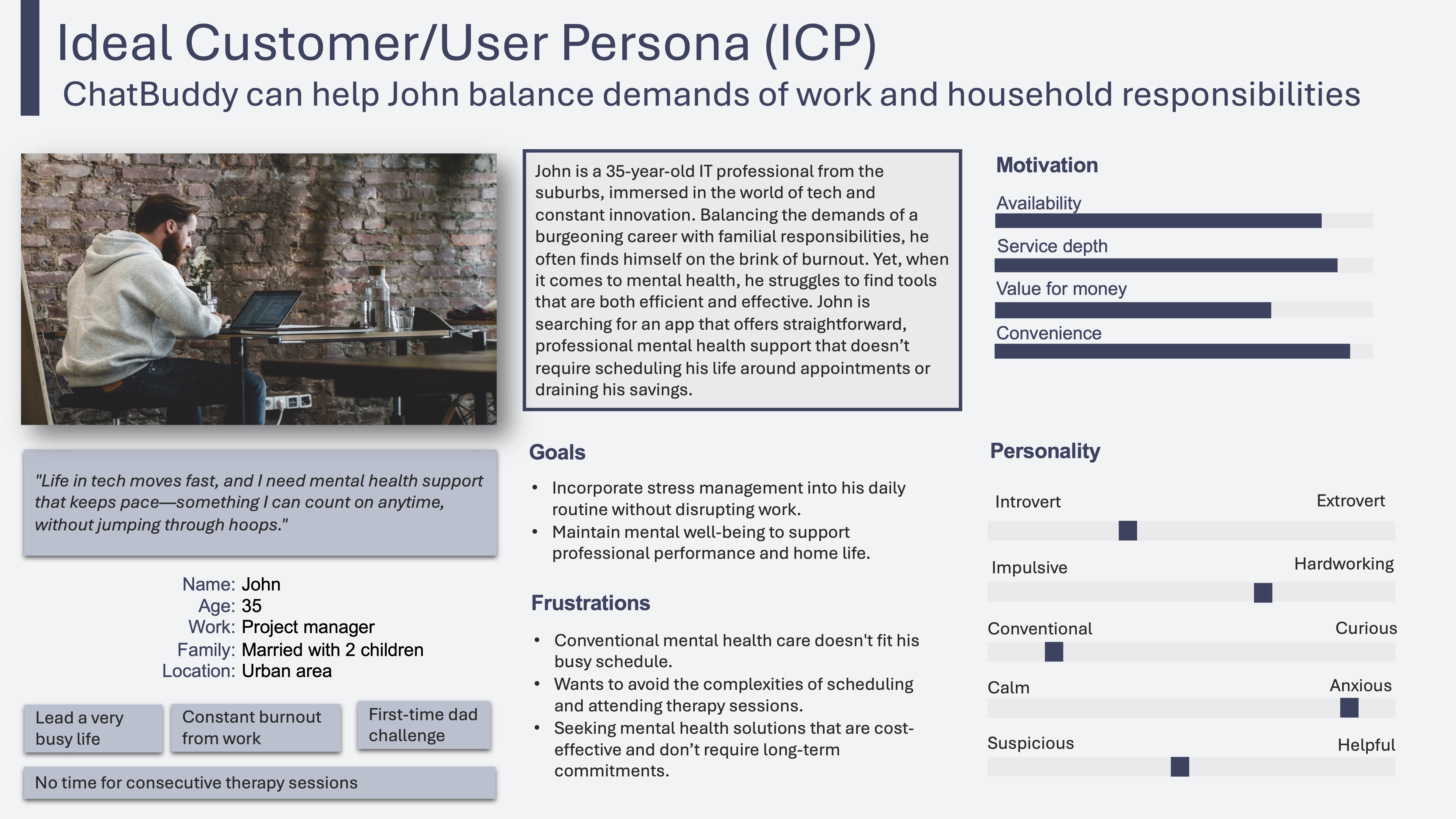
ICP2
-
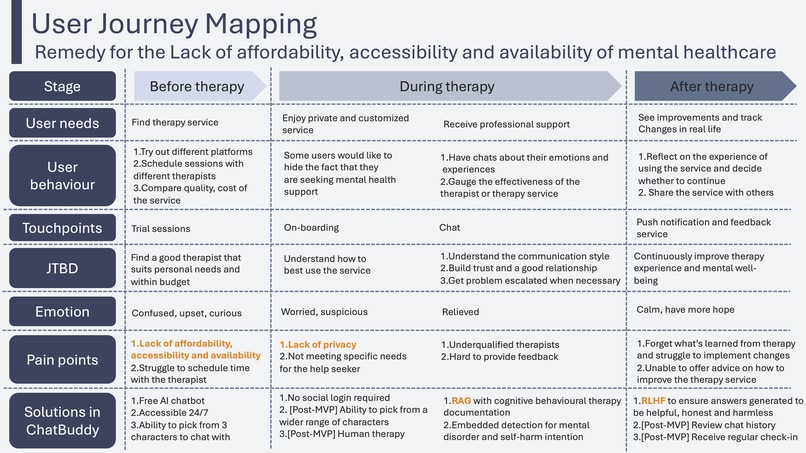
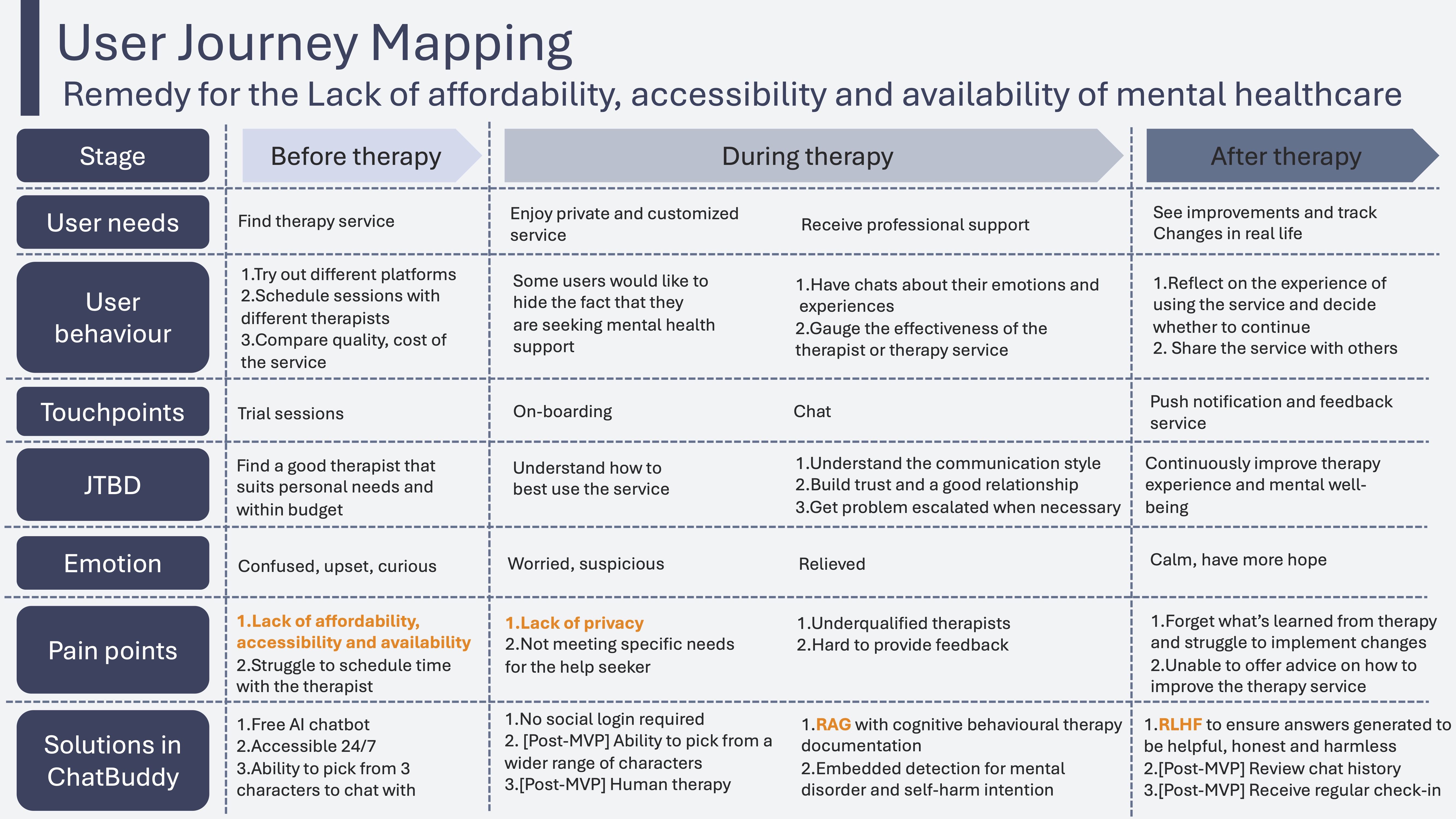
User journey mapping
-
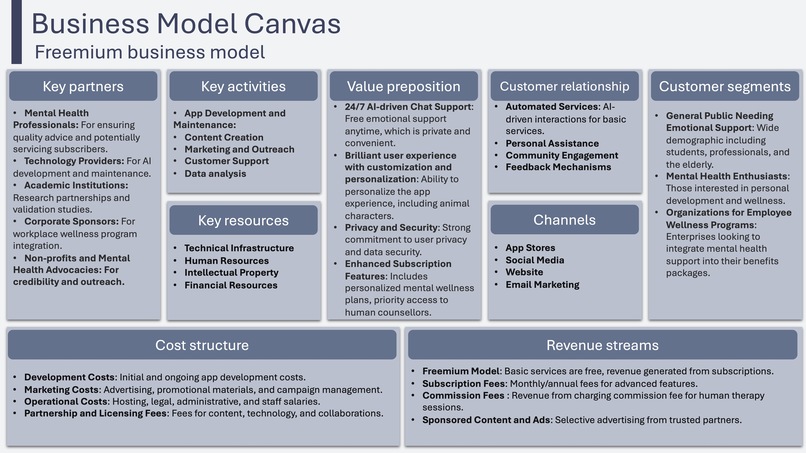
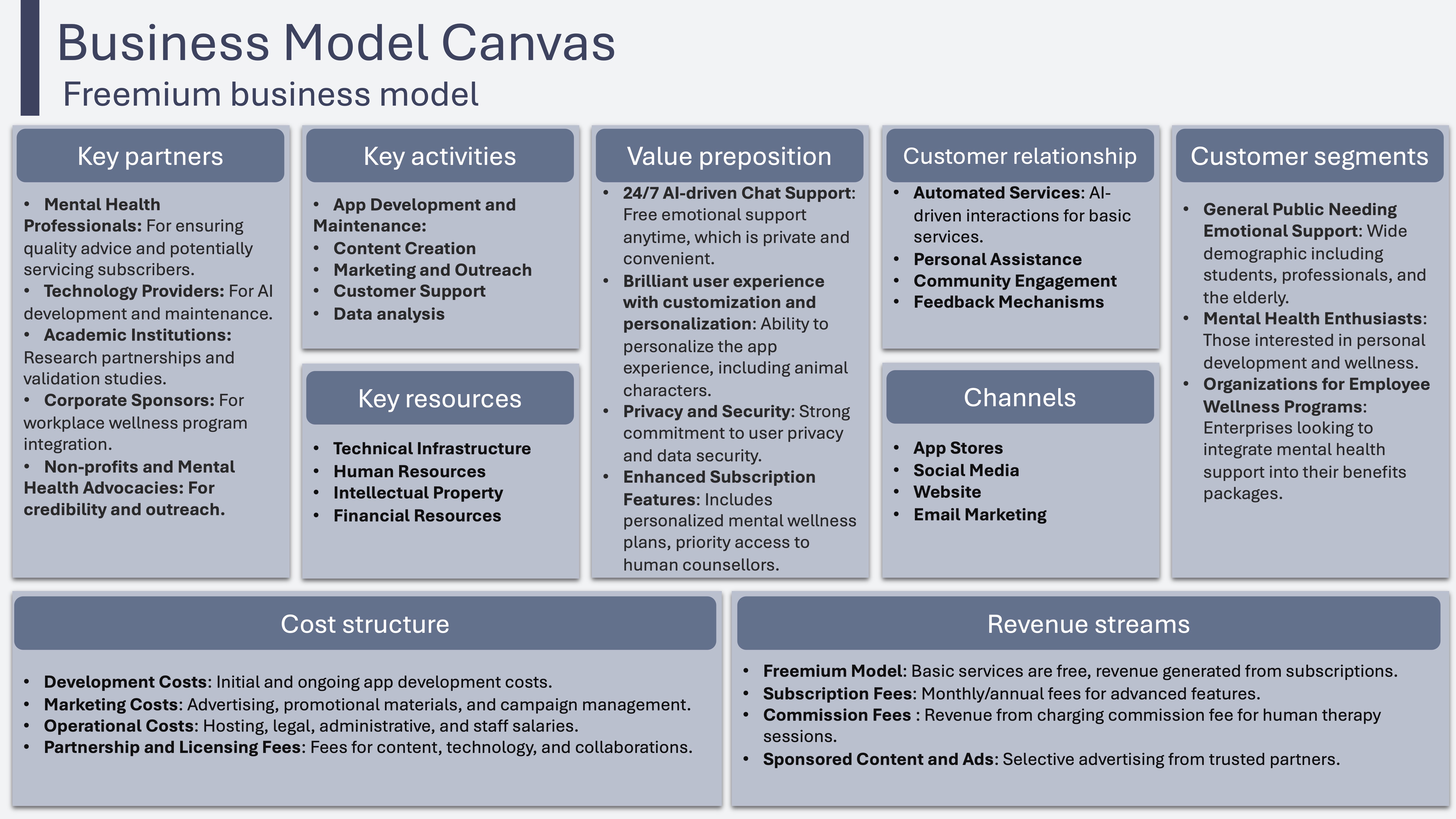
Business model canvas
Inspiration
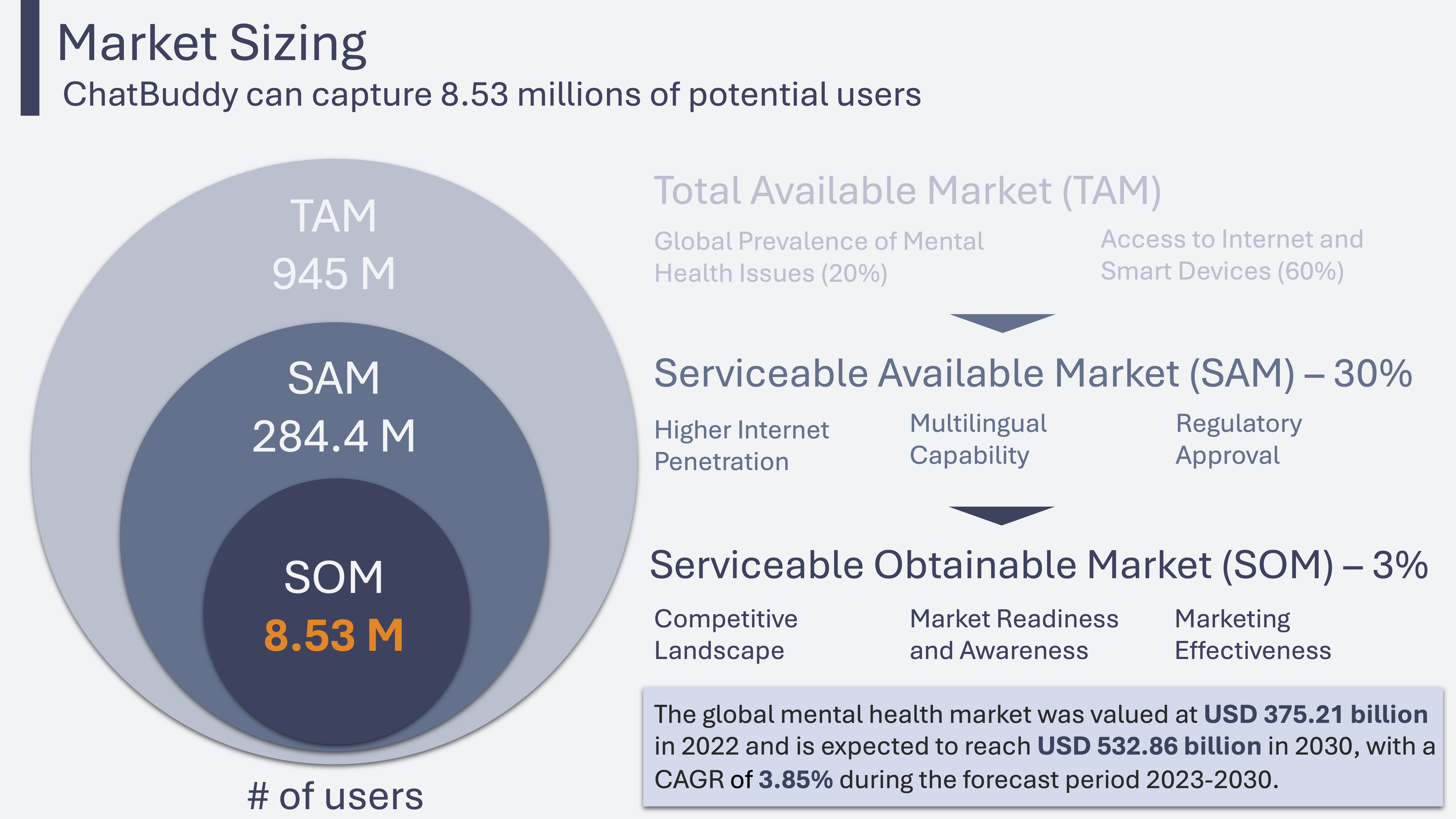
Too many people are left grappling with mental health issues in silence. 1 in 4 people are afflicted by mental health problem at some point in their lives; 70% of people with mental health conditions don’t receive the care they need; 31% seeking mental health treatment worry about what others will think. The barriers of cost, availability, and stigma often prevent individuals from seeking the help they need. Our goal was to bridge the divide between the immediacy of digital interaction and the depth of professional therapy.
What it does
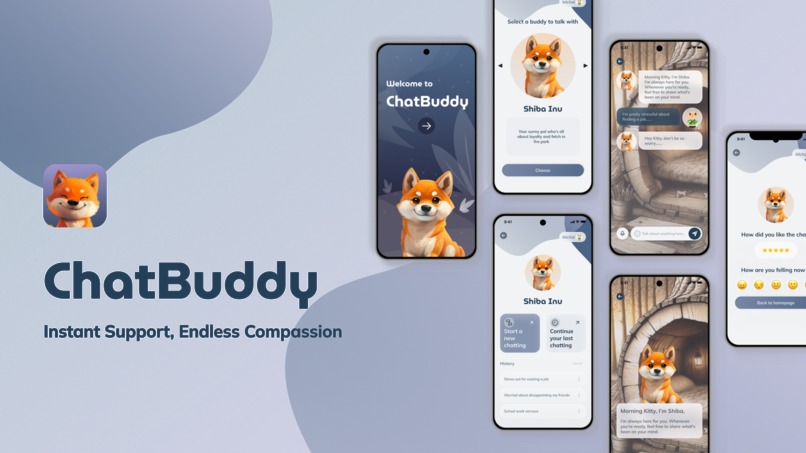
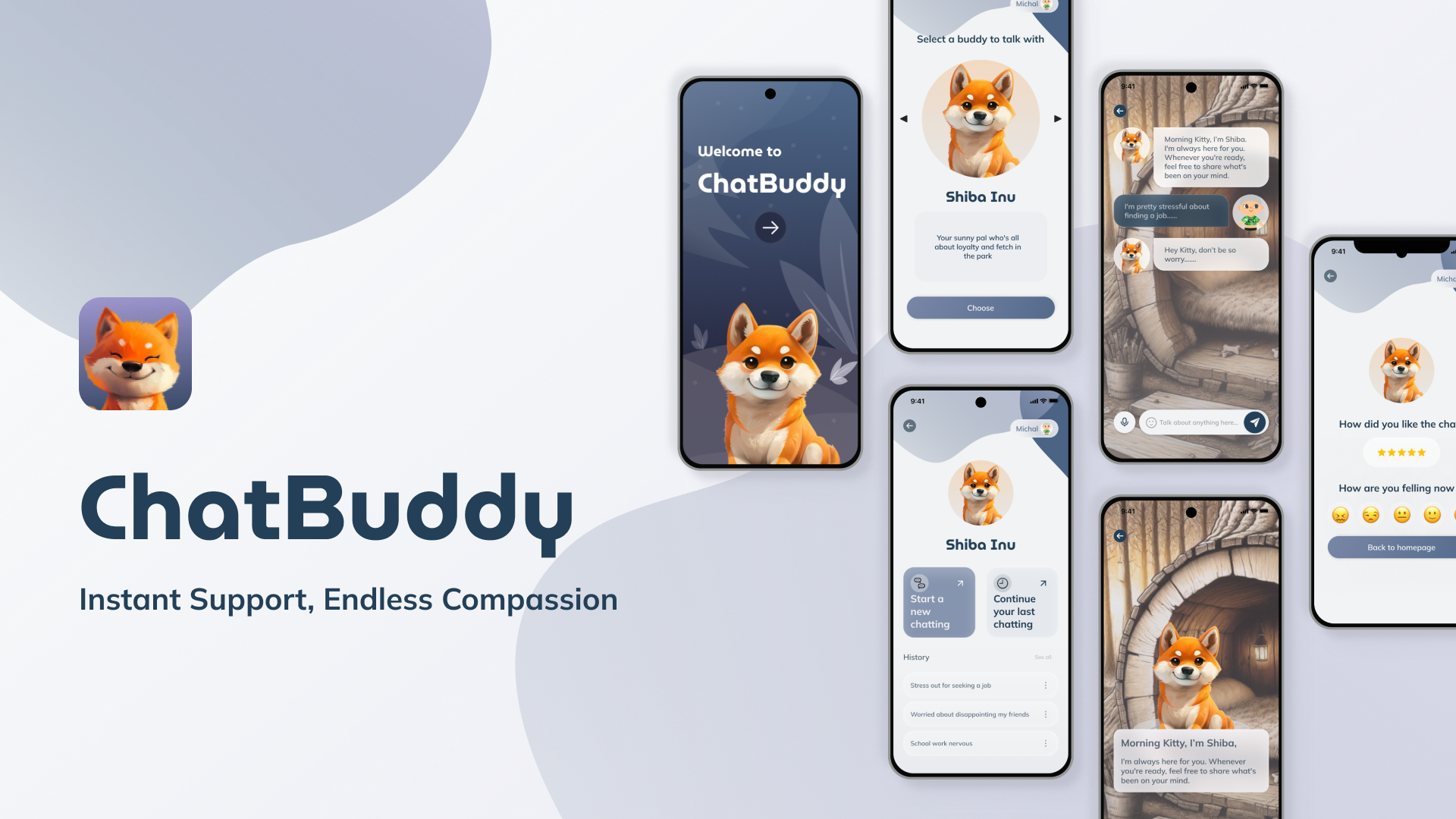
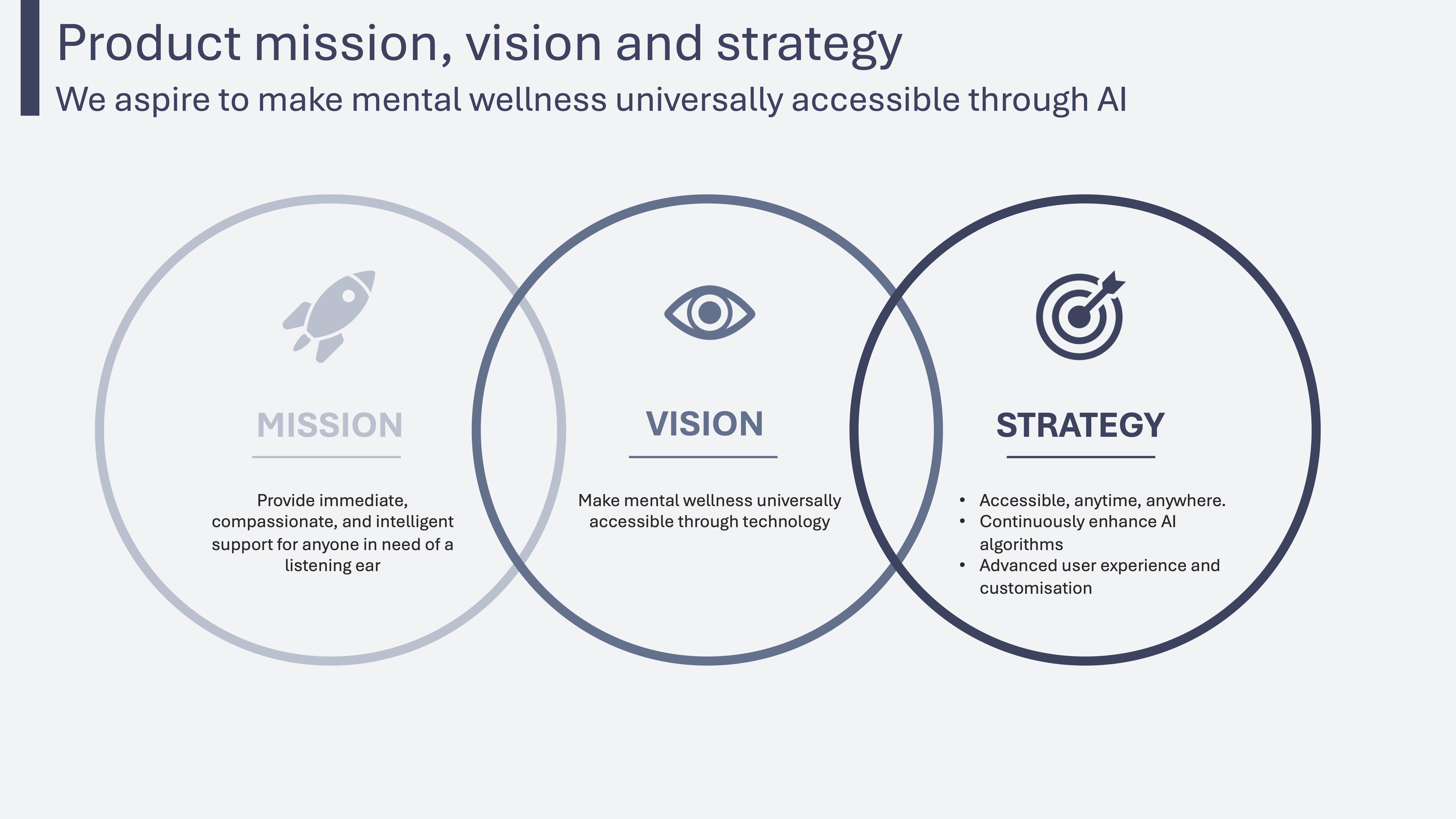
ChatBuddy is a mobile application that offers 24/7 AI-driven chat services for instant and tailored emotional and mental support. It's designed to provide a comforting, empathetic presence for anyone facing life's challenges, whether they're related to work, school, relationships, or general life stresses. The app also includes an option to connect users to real-life trained therapists for deeper human interaction, and it uses advanced technology to detect severe mental distress, ensuring timely interventions.
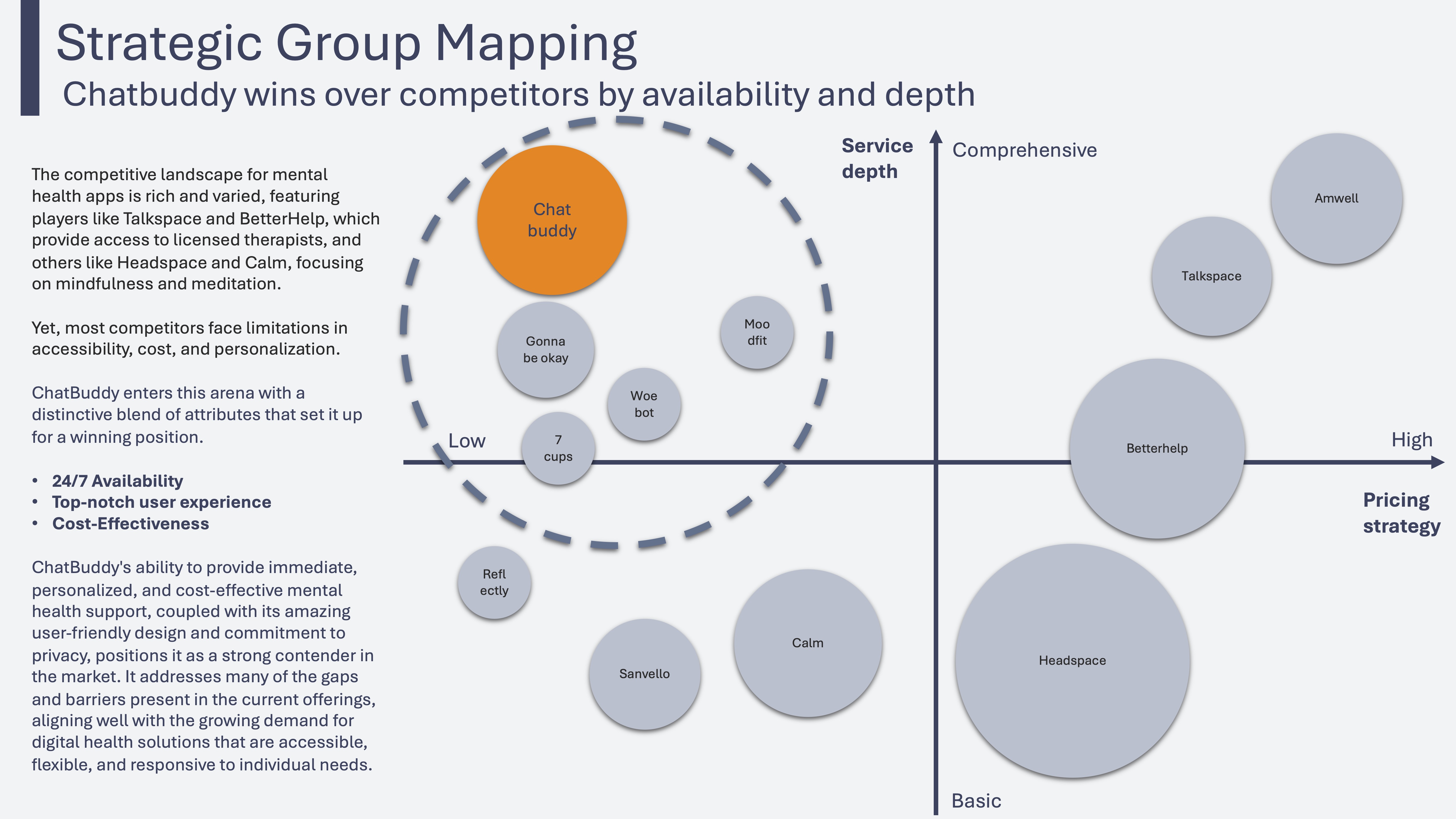
ChatBuddy differentiates itself from its competitors by cost effectiveness, service depth, and most importantly, user experience. Instead of replicating characters of a human therapist, ChatBuddy features 3 animals: a cheerful shiba inu, a wise rabbit grandma and a brainy owl. During conversations, users can feel like they're chatting with buddies in a cozy cabbin in a forest rather than in a cold therapy room. This experience allows users to talk more freely without worrying about exposing their secrets to other people or concerning what others will think about them taking mental health treatment.
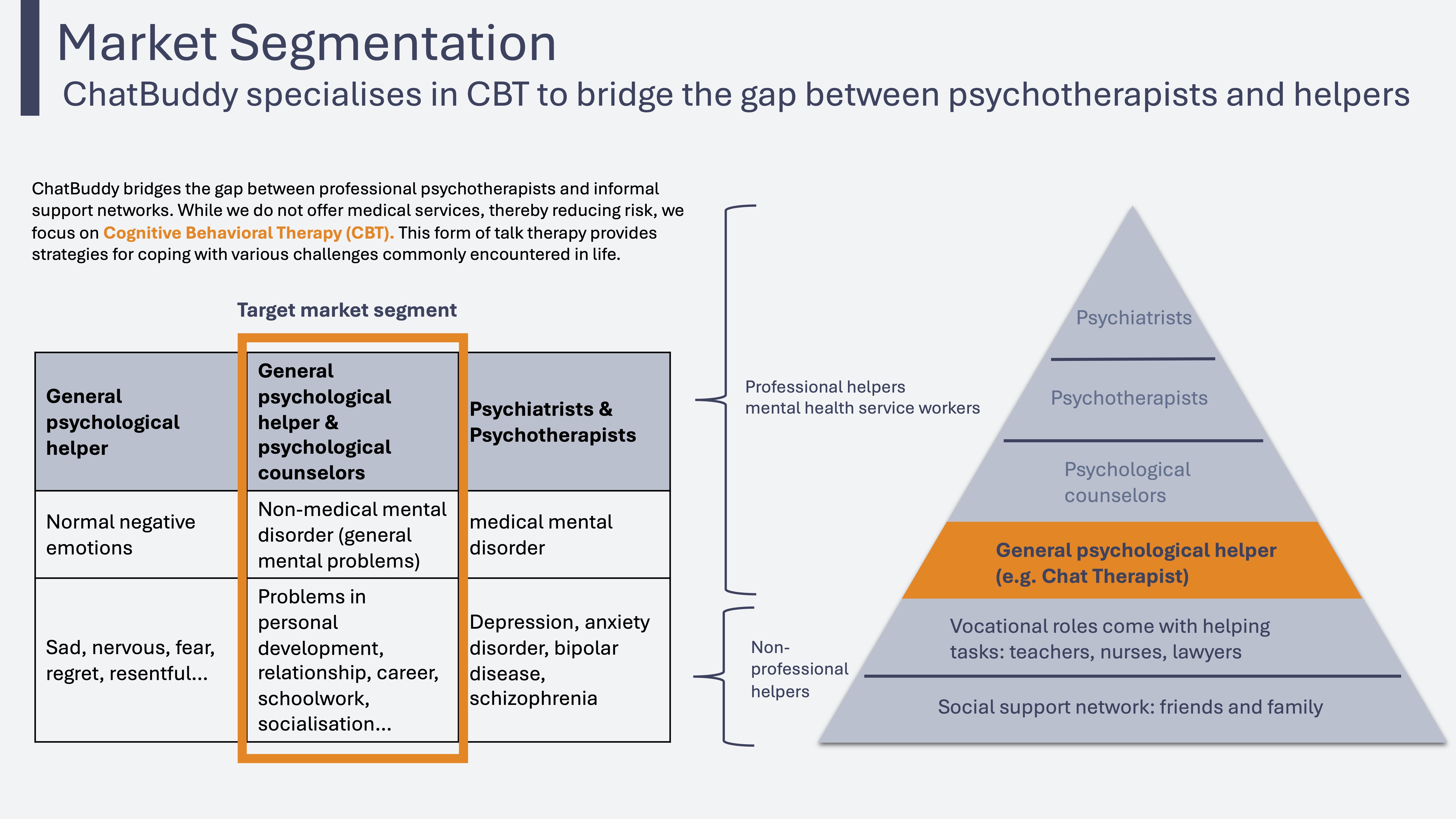
ChatBuddy bridges the gap between professional psychotherapists and informal support networks. While we do not offer medical services, thereby reducing risk, we focus on Cognitive Behavioral Therapy (CBT). This form of talk therapy provides strategies for coping with various challenges commonly encountered in life.
We do not position ourselves as an alternative to professional psychiatrists or psychotherapists. Rather, we see ChatBuddy as a general psychological helper and psychological counselor who focuses on non-medical mental issues (problems in personal development, relationship, career, schoolwork, social life etc.). We bridges the gap between certificated mental health service workers and informal support networks, such as our friends and family. While ChatBuddy doesn’t provide medical advice due to ethical and legal consideration, it identifies signs of mental health issues and it will gently suggest professional help when needed. Additionally, when it detects intentions for self-harm, it will alert suicide prevention services in urgent cases and suggest contacting help hotlines if necessary. After each conversation, users can provide feedback, which helps us use reinforcement learning from human feedback (RLHF) to ensure responses are helpful, honest, and harmless.
How we built it
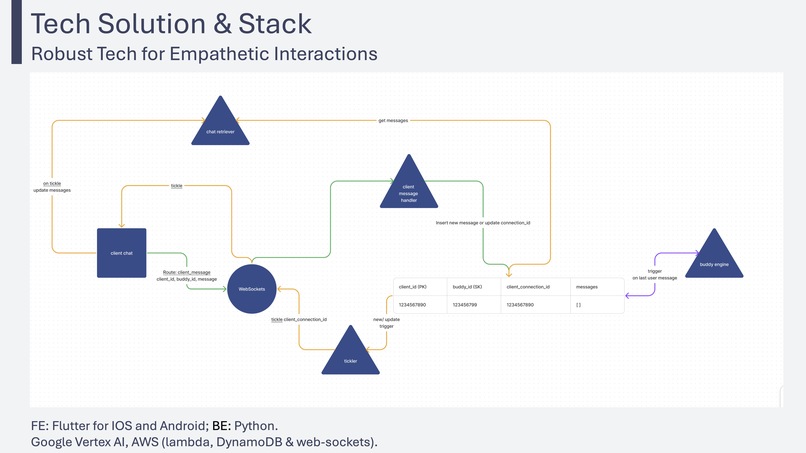
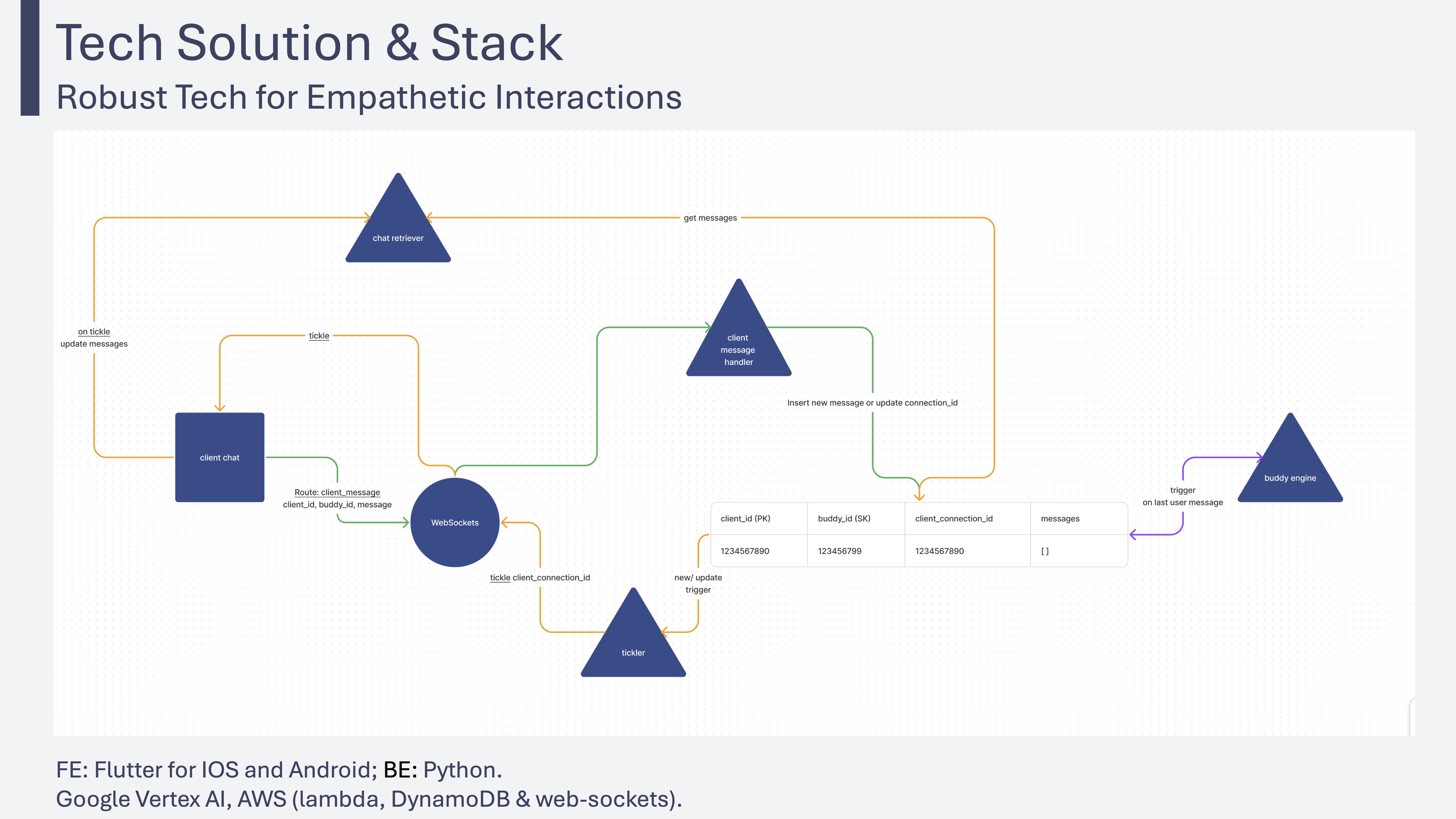
We built ChatBuddy using a combination of Python for backend services, Flutter for a cross-platform mobile experience, and Gemini AI for implementing the AI chatbot. We utilized natural language processing models to interpret and respond to user inputs empathetically and contextually. The development process involved iterative testing with potential users to refine the chatbot's accuracy and responsiveness.
Challenges we ran into
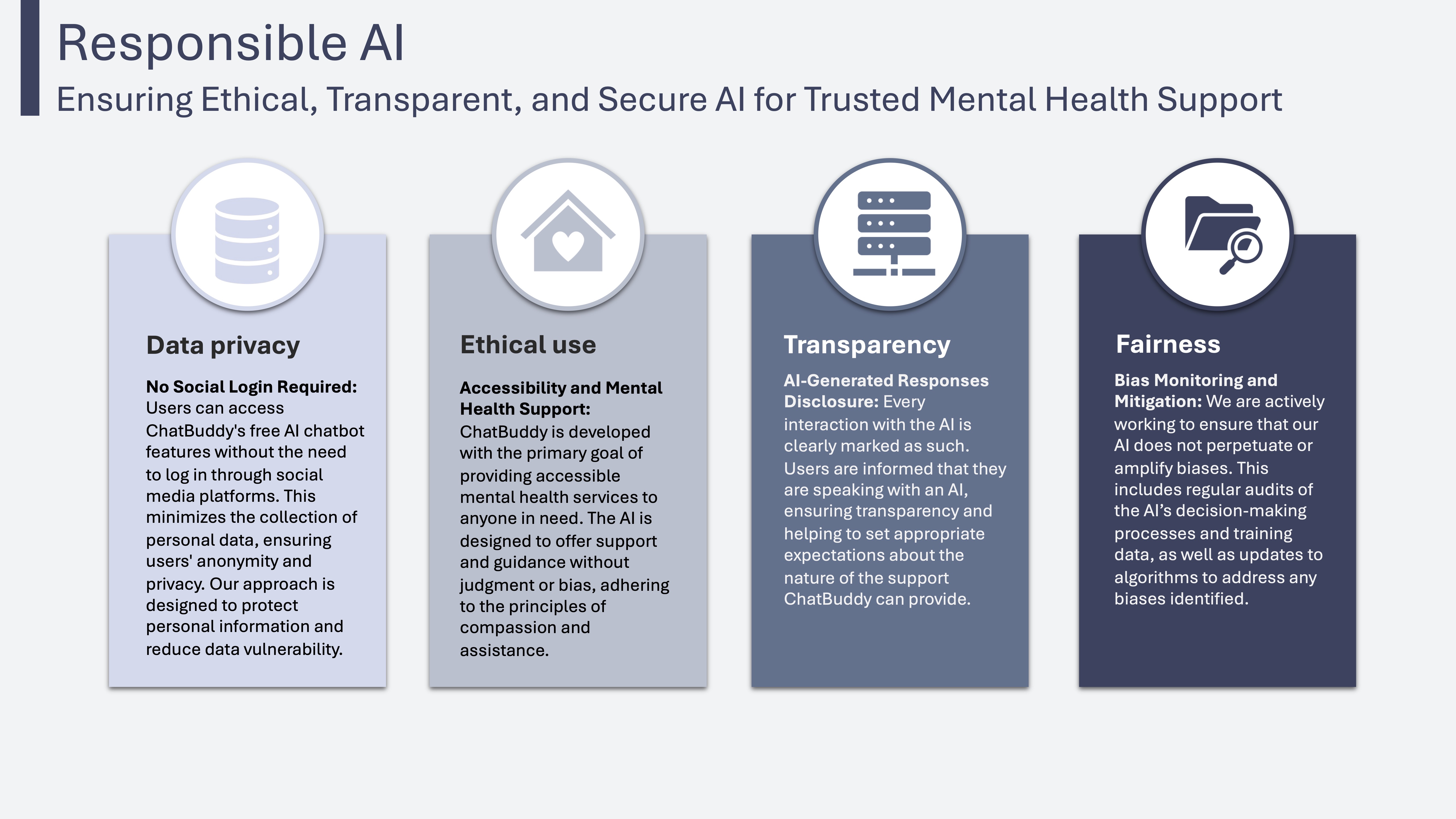
One of the biggest challenges was ensuring the AI could understand and respond to a wide range of emotions and topics sensitively and appropriately. Balancing technical robustness with empathetic, human-like interaction was complex. Additionally, integrating real-time intervention features without compromising user privacy posed significant technical and ethical hurdles.
Accomplishments that we're proud of
We're incredibly proud of creating an app that can genuinely make a difference in people’s lives. ChatBuddy's ability to provide immediate support and its capacity to learn from interactions to offer more personalized care stand out as significant achievements. Moreover, seeing early positive feedback from users about the app's impact has been immensely rewarding. Try it out with the 2 following links: FE BE
What we learned
Throughout this project, we deepened our understanding of AI's potential in mental health applications. We learned about the importance of privacy, the sensitivity required when handling mental health data, and the intricacies of creating AI that can effectively mimic human empathy. The technical learning curve was steep, but understanding the real-world impact of our work was even more profound.
What's next for ChatBuddy
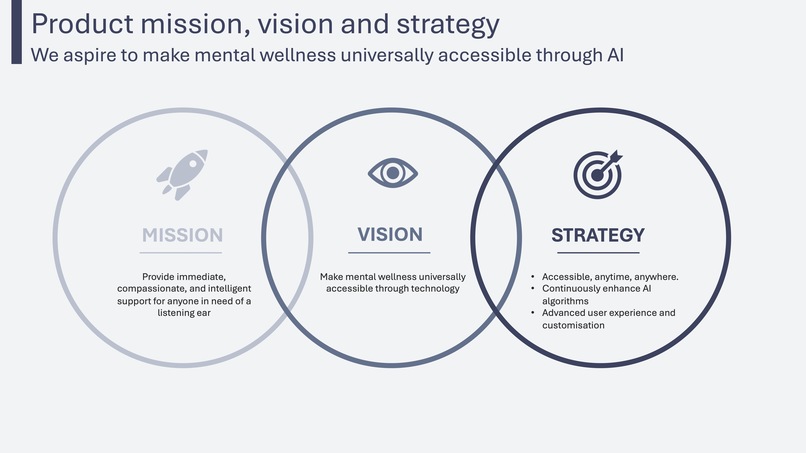
Looking ahead, we plan to expand ChatBuddy’s language options to reach a global audience and enhance the AI's contextual understanding to cover even more areas of mental health. We also aim to strengthen our backend infrastructure to support a growing user base and explore partnerships with mental health organizations to increase our outreach. Our ultimate goal is to make ChatBuddy a leading solution in the movement towards accessible, immediate, and compassionate mental health support across the globe.
Built With
- amazon-dynamodb
- amazon-web-services
- flutter
- python
- vertexai
- vertexapi
- websockets


Log in or sign up for Devpost to join the conversation.