-
-
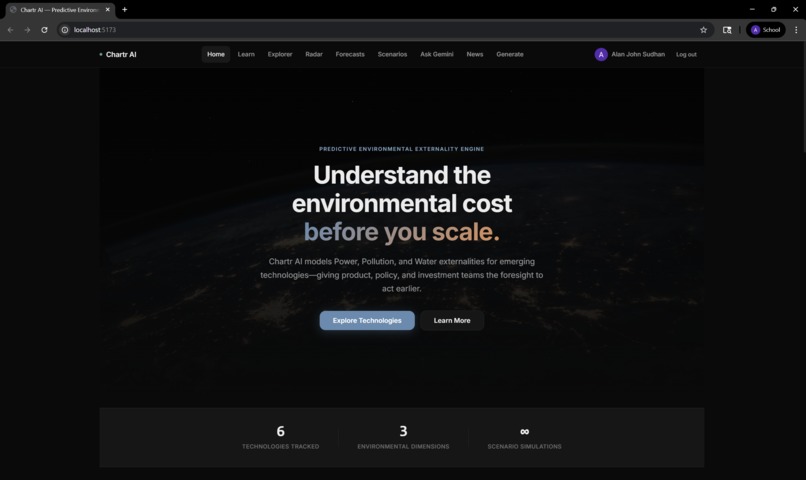
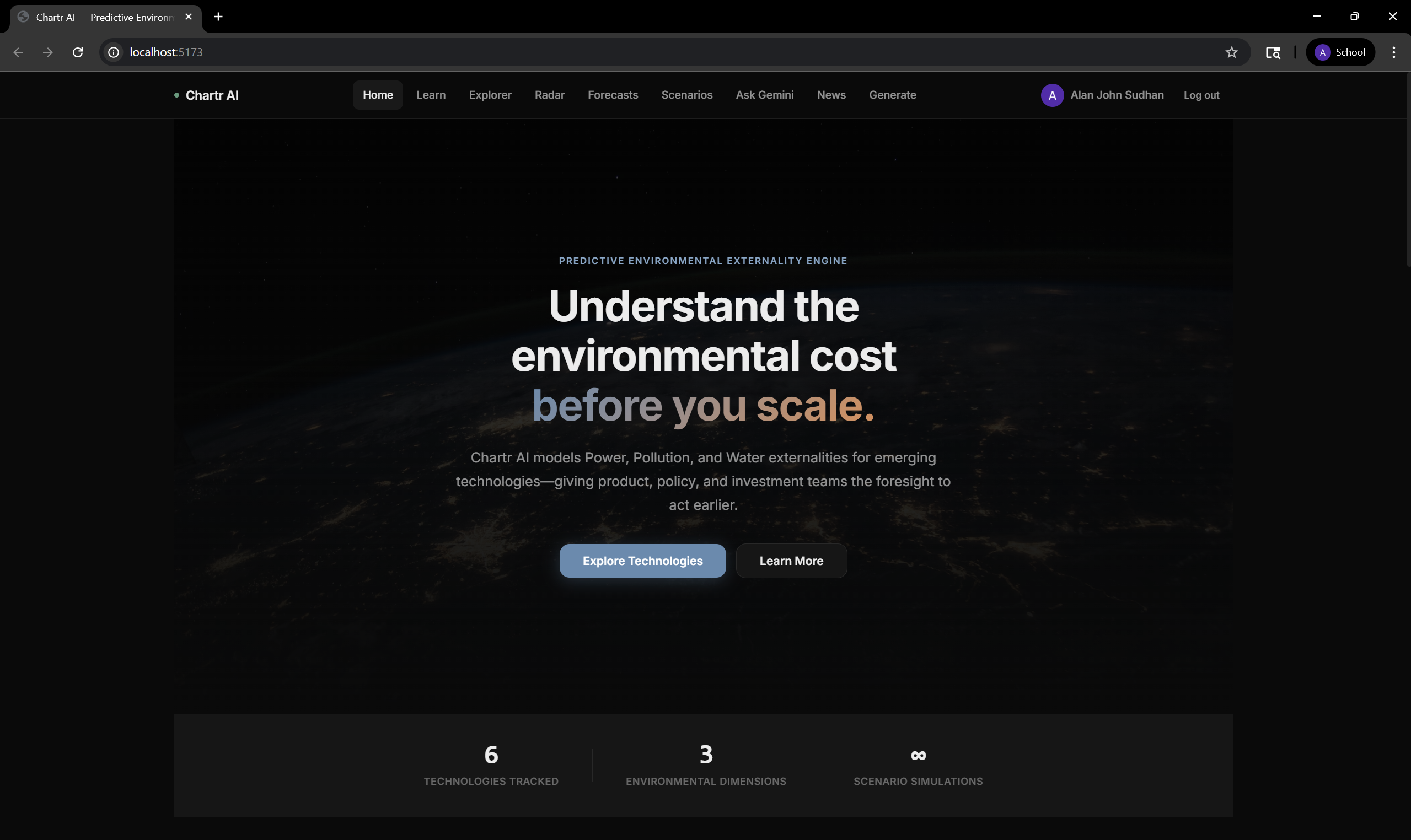
The Homepage
-
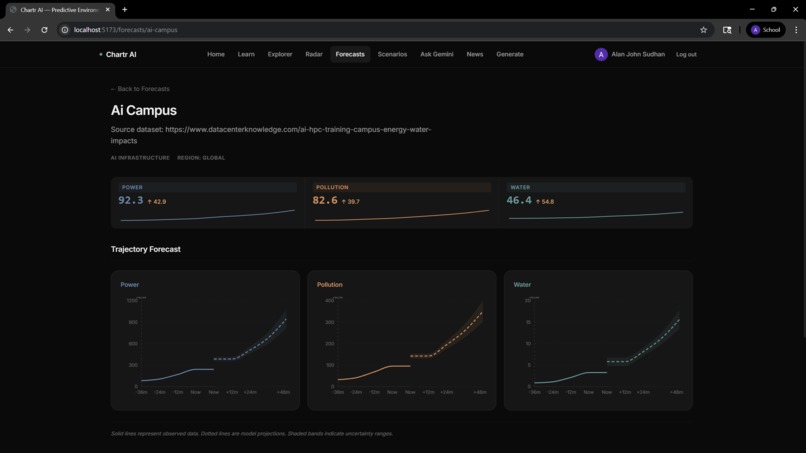
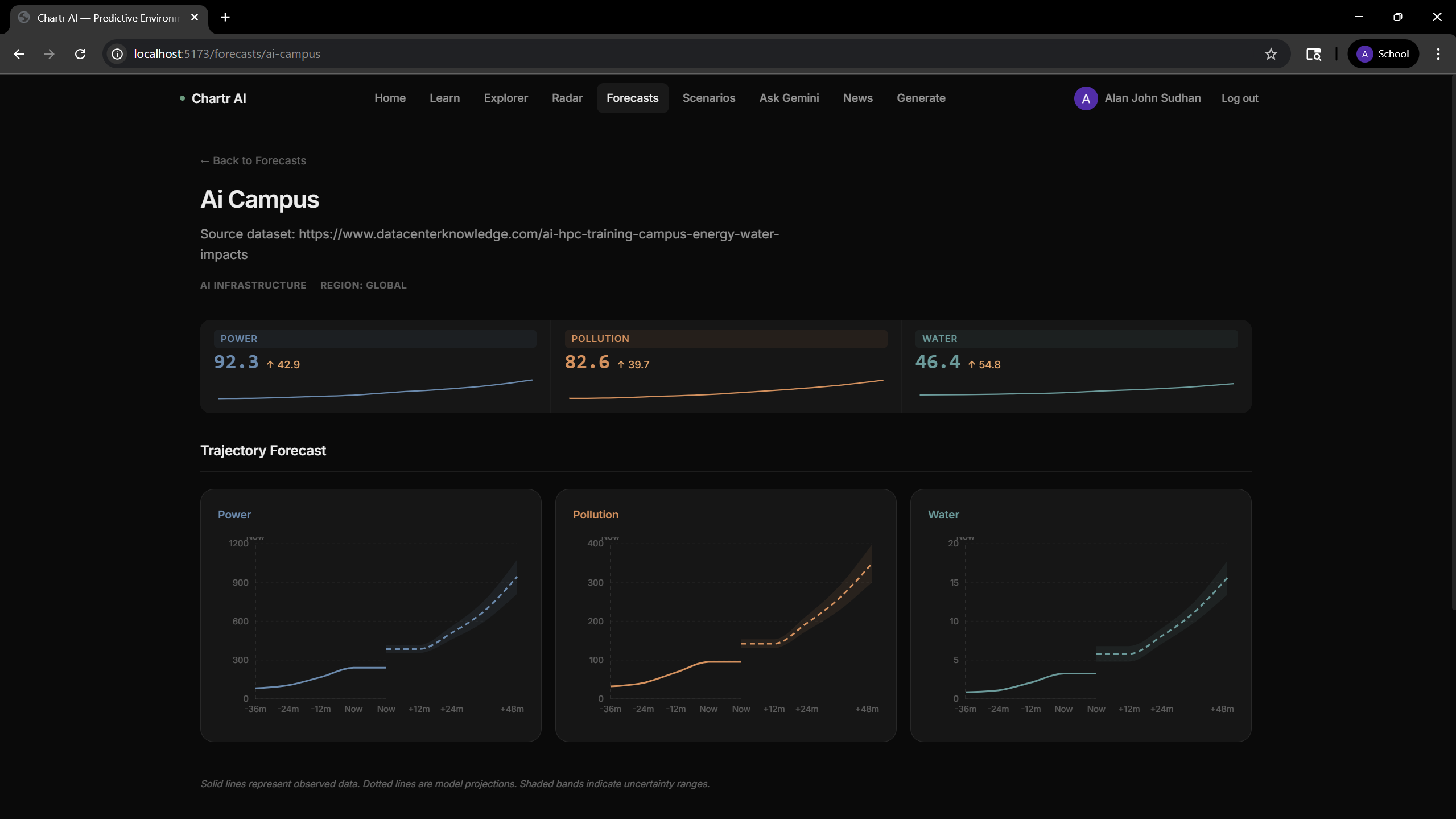
Forecasts
-
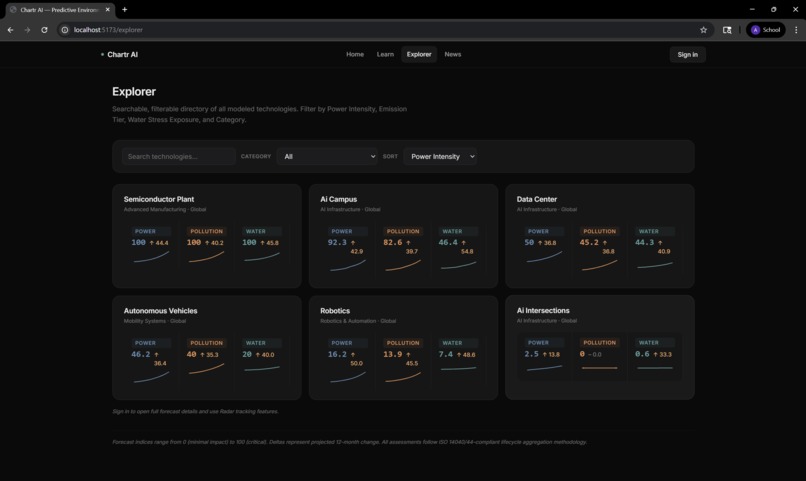
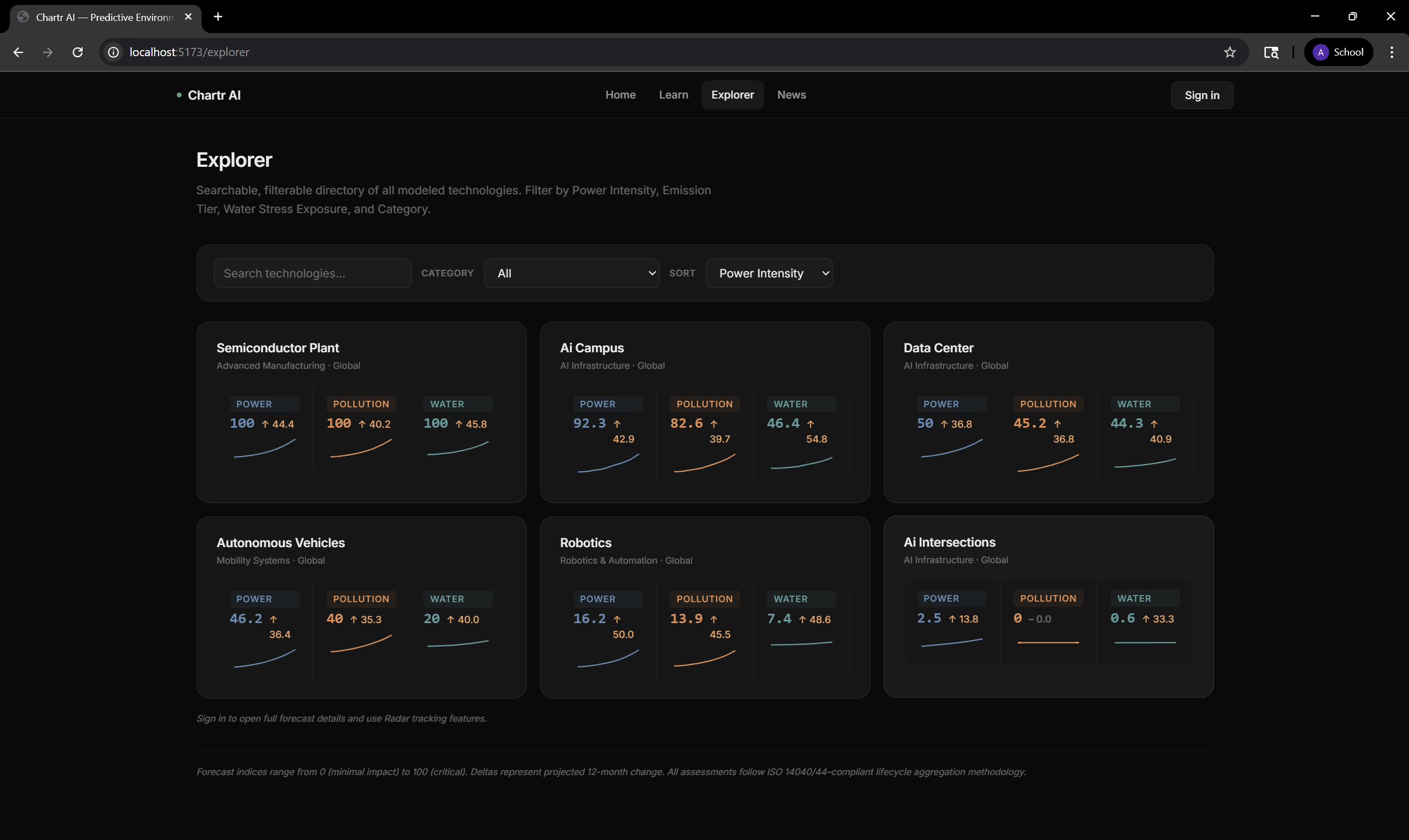
The Explorer
-
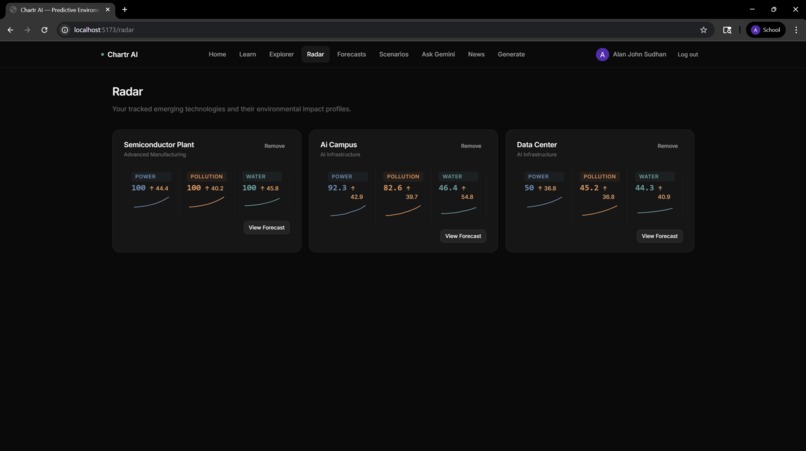
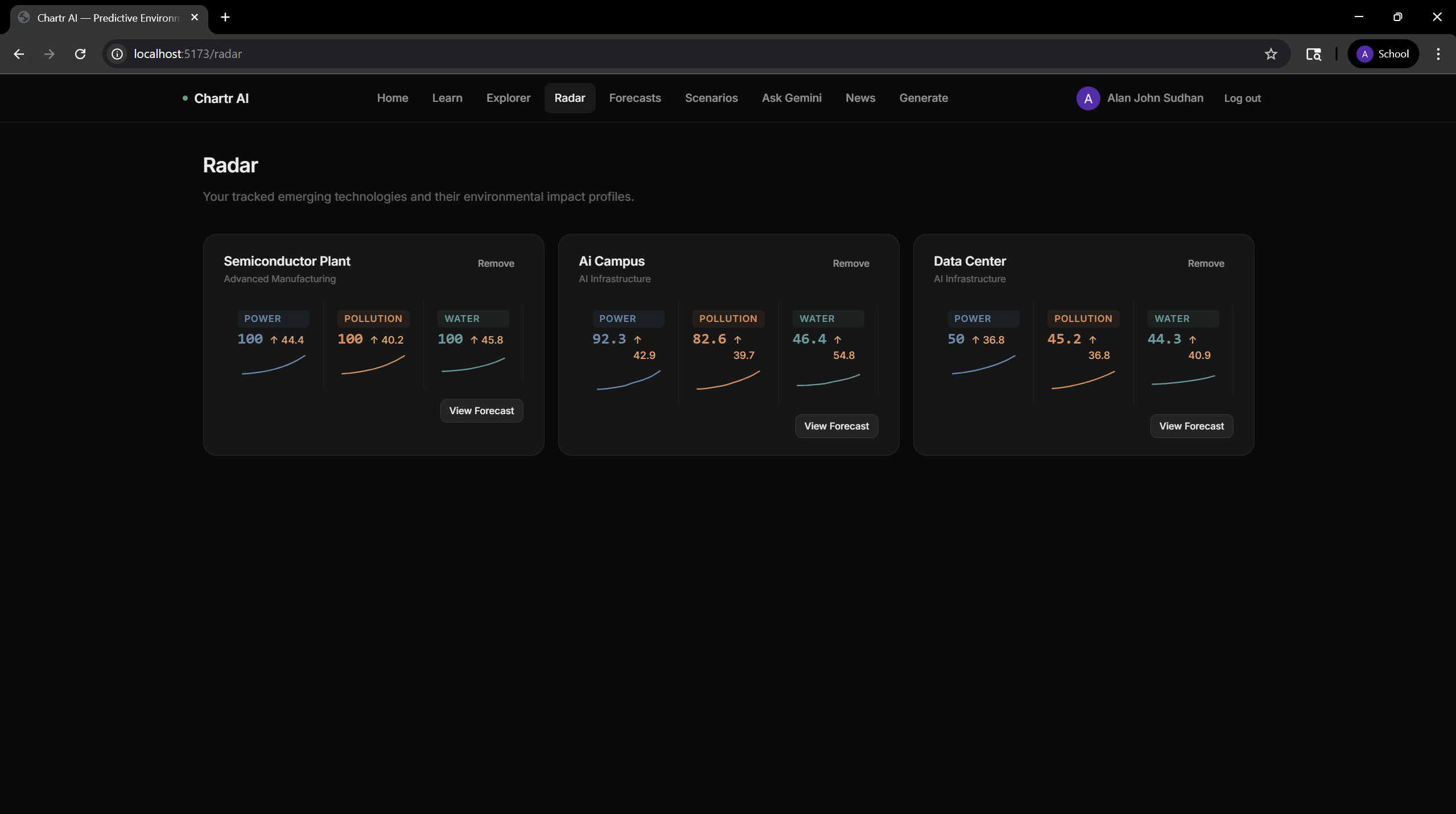
Radar
-
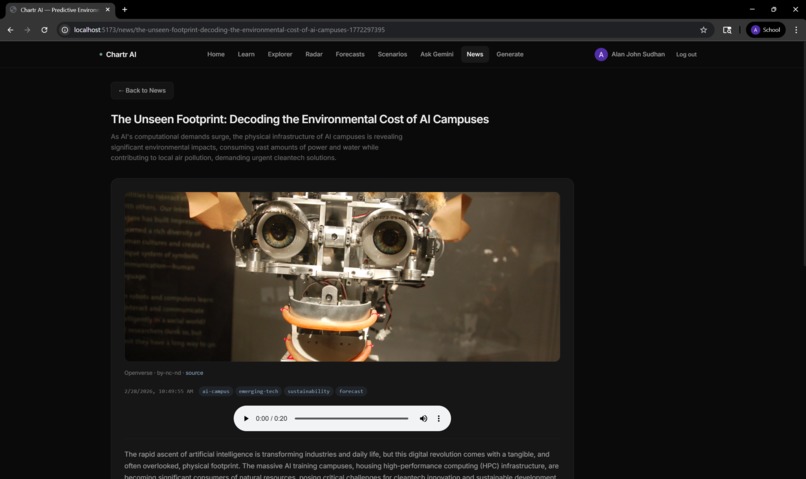
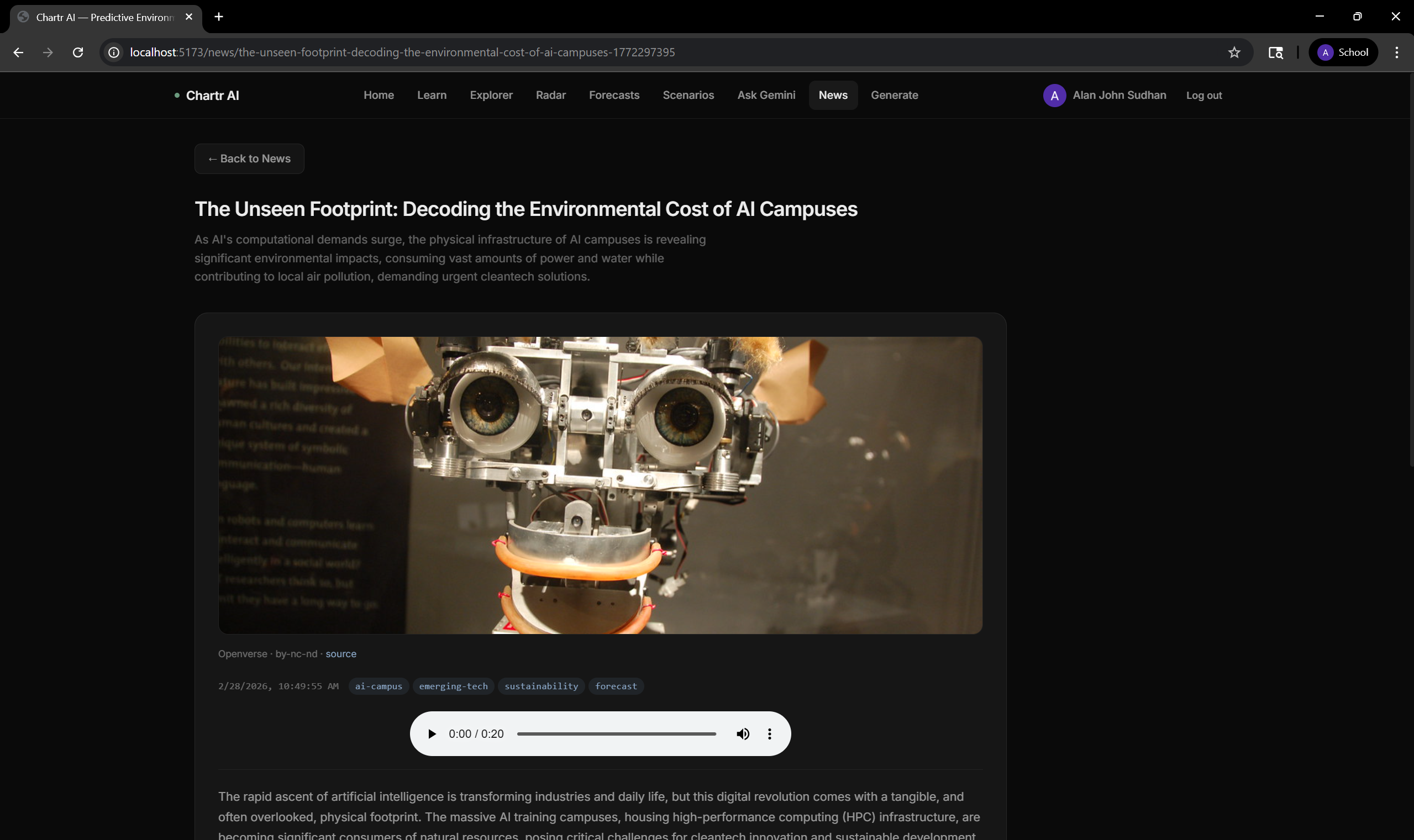
Recent News
Inspiration/Design
Cities around the world are rapidly adopting smart technologies in an effort to improve efficiency, sustainability, and quality of life. However, many companies implement these technologies without fully understanding the infrastructure requirements, long-term resource demands, or systemic impacts associated with adoption. As a result, cities risk investing in solutions that are inefficient, incompatible with existing systems, or unsustainable at scale.
To address this gap, we developed an application that enables city planners and technology providers to simulate the impact of proposed smart technologies before deployment. Our platform allows users to select technologies and visualize projected effects on power consumption, water usage, and pollution levels. By modeling these impacts in advance, companies and cities can make evidence-based decisions that align with sustainability goals and resource constraints.
How we built it
We started with creating a simple home screen and a “Learn” page to explain the smart technologies that our application would utilize. From there, we moved on to create our feature: forecasting. This was done by using external APIs to collect historical data from 5 to 10 years ago and present the current information to our machine learning model to create future predictions on how these technologies may affect the use of resources and the environment.
To further help the user understand the information being provided, we incorporated Gemini to allow the user to ask questions regarding the forecasts and how the information provided relates to the EPA standards. Additionally, we included a news section to keep the user updated on the latest technology and ElevenLabs to create an accessible application through the use of text-to-speech functionality.
The frontend was built using React to give the user an interactive experience, and the backend was built using FastAPI.
Challenges we ran into
One of the biggest challenges we had was the lack of data that was easily accessible for reference. This was mainly because we could not find any comprehensive data that could give us an estimate of the impact of smart technology on the usage of power, water, or pollution output.
Another challenge we faced was the integration of the various smart technologies we implemented into the application. We had some trouble integrating the Auth0 authentication, especially regarding the handling of the authentication token that is sent during the session.
We also faced some issues with the token usage limits for the ElevenLabs integration, so we had to come up with more efficient ways of handling the requests that come into the application.
We also faced some authentication-related issues when integrating the Gemini API, so we had to debug the API permissions as well.
Accomplishments that we're proud of
Seamlessly integrated multiple APIs and technologies: We have effectively integrated real-time and historical data sources, Gemini API for AI-based explanations, and Eleven Labs API for accessibility features into a fully interactive and informative platform. Developed accurate forecasting models: Through machine learning algorithms, we have created forecasting models that can accurately predict the impact of smart technology on resource utilization and environmental factors. Designed an intuitive and user-friendly interface: Our React-based front end makes complex data easily understandable and consumable by users, while FastAPI provides us with a robust backend framework that can efficiently handle data processing and forecasting predictions. Enhanced accessibility and inclusivity: By integrating text-to-speech functionality into our platform, we have made it easily accessible and usable by a broader audience, including those with visual impairments. Simulated a real-world application environment: We have gained hands-on experience dealing with authentication, routing, and security issues while building this project.
What we learned
This was an invaluable experience for learning the intricacies of integrating various APIs and technologies into a single, cohesive application. The authentication process, backend routing, as well as the security issues, provided us with hands-on experience working with various development scenarios that we might face in the real world. The complexities of the various APIs provided us with the experience of working in a professional environment, simulating the way scalable, secure applications are built and deployed.
What's next for CHARTR
The next step for CHARTR is to move it from a prototype into a full-fledged platform that can be actively used by cities and urban planners. We would like to see our vision of securing funds such as through the Team Innovation Projects (TIP) to further develop the product, test our models using city data, and pilot the platform with partner cities.
We also see our next steps for CHARTR as evolving it into a software product as well as a consulting service. As a software product, we envision an interactive platform where city planners can simulate infrastructure investments, analyze environmental and resource effects, and explore multiple technology adoption strategies before committing public funds. As a consulting service, we envision working directly with cities and technology providers to customize models, provide actionable strategies for city planning, and integrate city data into our models.
Built With
- auth0
- elevenlabs
- gemini
- postgresql
- python
- react


Log in or sign up for Devpost to join the conversation.