-
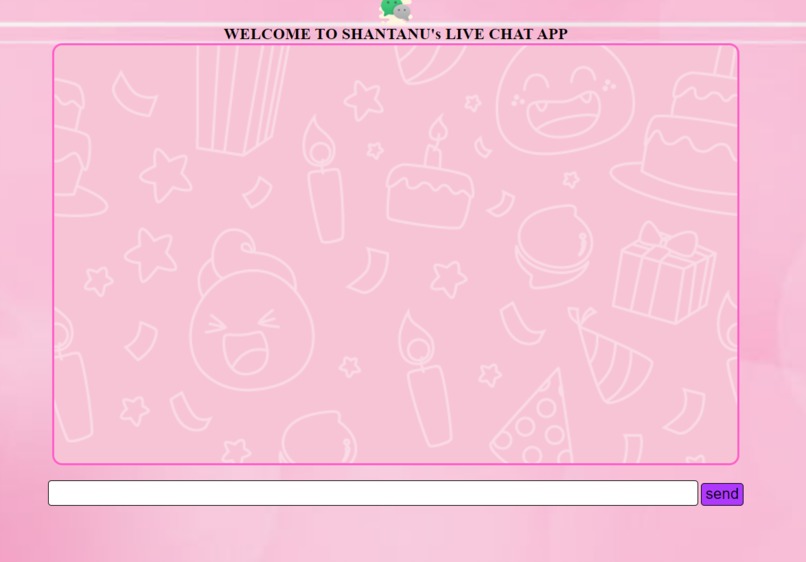
home page in chart app
Inspiration
The inspiration for CHART_APP came from the need for an intuitive and user-friendly tool to visualize data in real-time. In many industries, making data-driven decisions is crucial, but the complexity of existing tools often hinders this process. We wanted to create an application that simplifies data visualization, making it accessible to everyone, regardless of their technical background.
What it does
CHART_APP is a versatile data visualization tool that allows users to create dynamic charts and graphs from various data sources. It supports multiple chart types, including line charts, bar graphs, pie charts, and more. Users can upload datasets, customize their visualizations, and see updates in real-time. The app also offers options for data filtering, sorting, and exporting the visualizations for presentations or reports.
How we built it
We built CHART_APP using a combination of modern web technologies. The frontend is developed with React.js for its component-based architecture and ease of state management. For the backend, we used Node.js and Express.js to handle data processing and API requests. Data storage and retrieval are managed using MongoDB, providing a flexible and scalable database solution. We also integrated D3.js for the powerful and flexible rendering of visualizations.
Frontend: React.js, Redux, and CSS for styling. Backend: Node.js, Express.js. Database: MongoDB. Visualization: D3.js. Hosting: Deployed on Heroku for easy scalability and accessibility. Challenges we ran into One of the significant challenges we faced was ensuring real-time updates and interactions with large datasets. Efficiently managing state and data flow in React, especially with extensive data, required careful planning and optimization. Another challenge was integrating D3.js with React, as both libraries have different approaches to manipulating the DOM, which led to some initial conflicts and required custom solutions.
Accomplishments that we're proud of
We are particularly proud of creating a seamless and responsive user interface that makes data visualization straightforward and enjoyable. Achieving real-time data updates without compromising performance was a significant milestone. Additionally, the flexibility of our app to handle various data sources and types of visualizations showcases the robustness of our solution.
What we learned
Throughout this project, we gained deep insights into managing state in React applications, especially when dealing with large datasets. We also enhanced our skills in backend development with Node.js and learned how to optimize data queries and storage with MongoDB. The process of integrating D3.js taught us valuable lessons about combining different libraries and tools to leverage their strengths effectively.
What's next for CHART_APP
The next steps for CHART_APP include adding more advanced data analysis features, such as predictive analytics and machine learning integrations. We also plan to enhance the customization options for visualizations, allowing users to create even more tailored and insightful charts. Additionally, improving collaboration features, like sharing and real-time collaboration on visualizations, will make CHART_APP an even more powerful tool for teams and organizations.
Built With
- and
- apis
- apis:
- authentication
- backend)
- built
- cloud
- css
- custom
- data
- database
- databases:
- deployment
- express.js
- for
- framework
- frameworks:
- frontend)
- handle
- heroku
- hosting)
- html
- javascript
- languages:
- management)
- mongodb
- node.js
- node.js)
- other
- platforms:
- processing
- react.js
- redux
- scalability)
- services:
- state
- technologies:
- to
- user
- visualization)
- web
- with

Log in or sign up for Devpost to join the conversation.