-
-
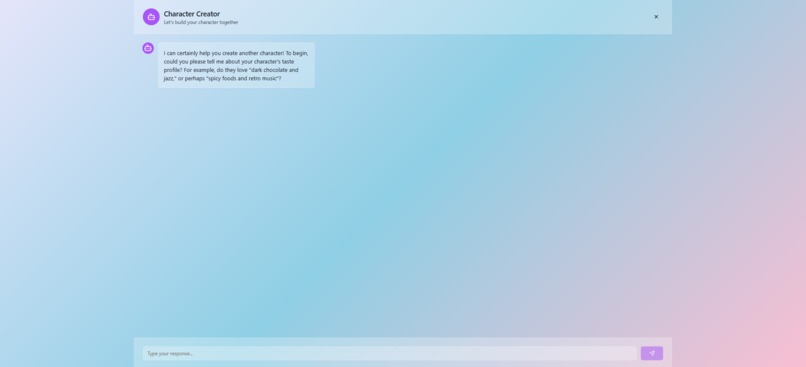
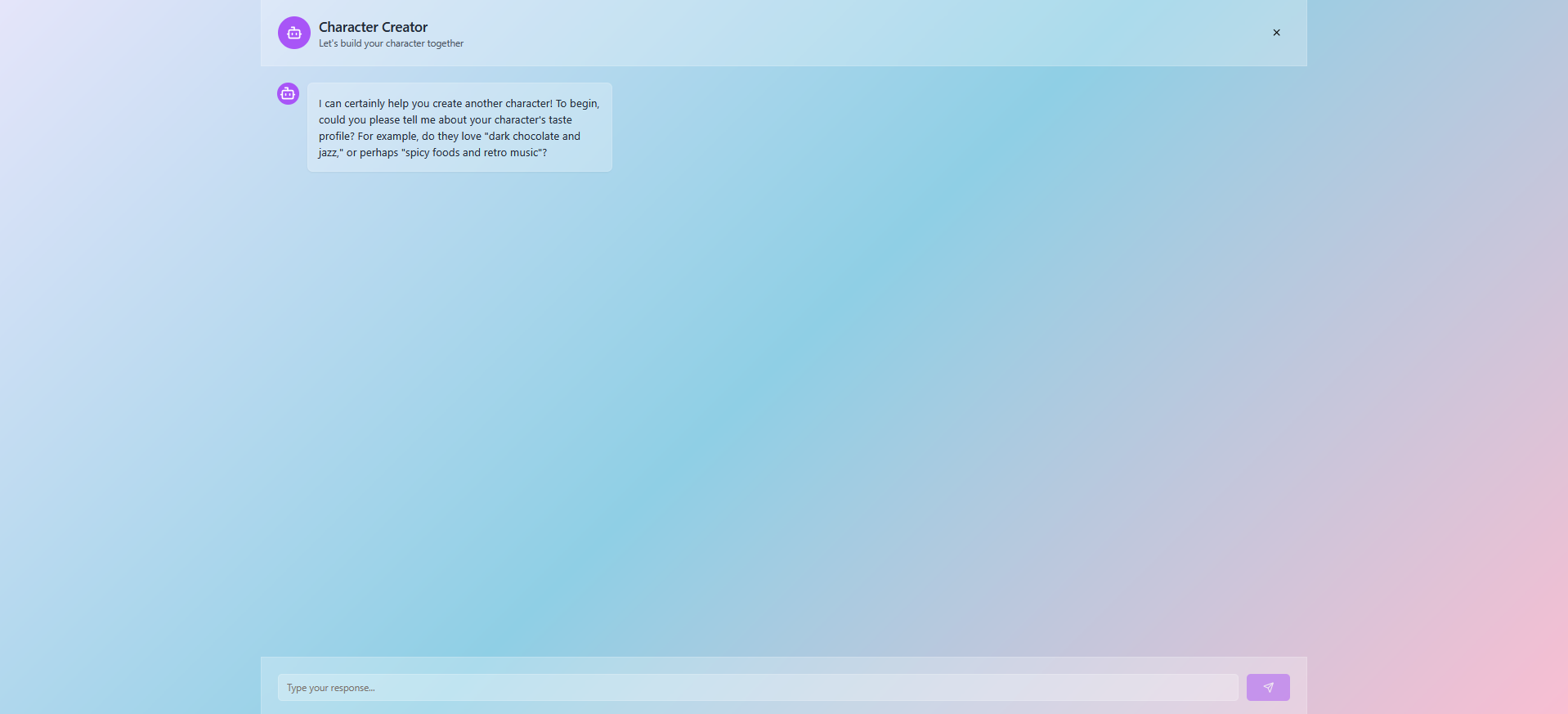
character creation page website
-
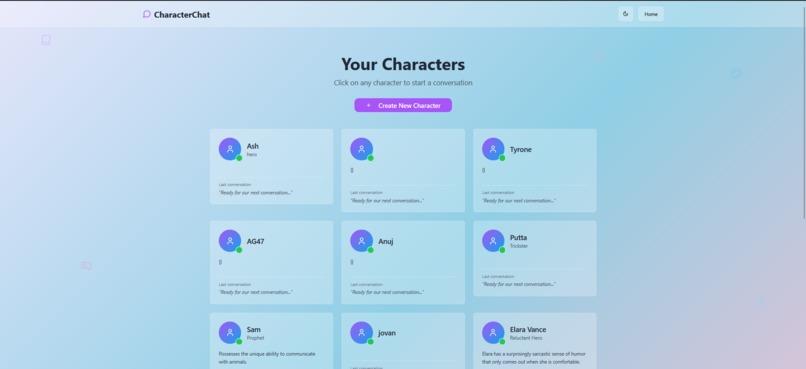
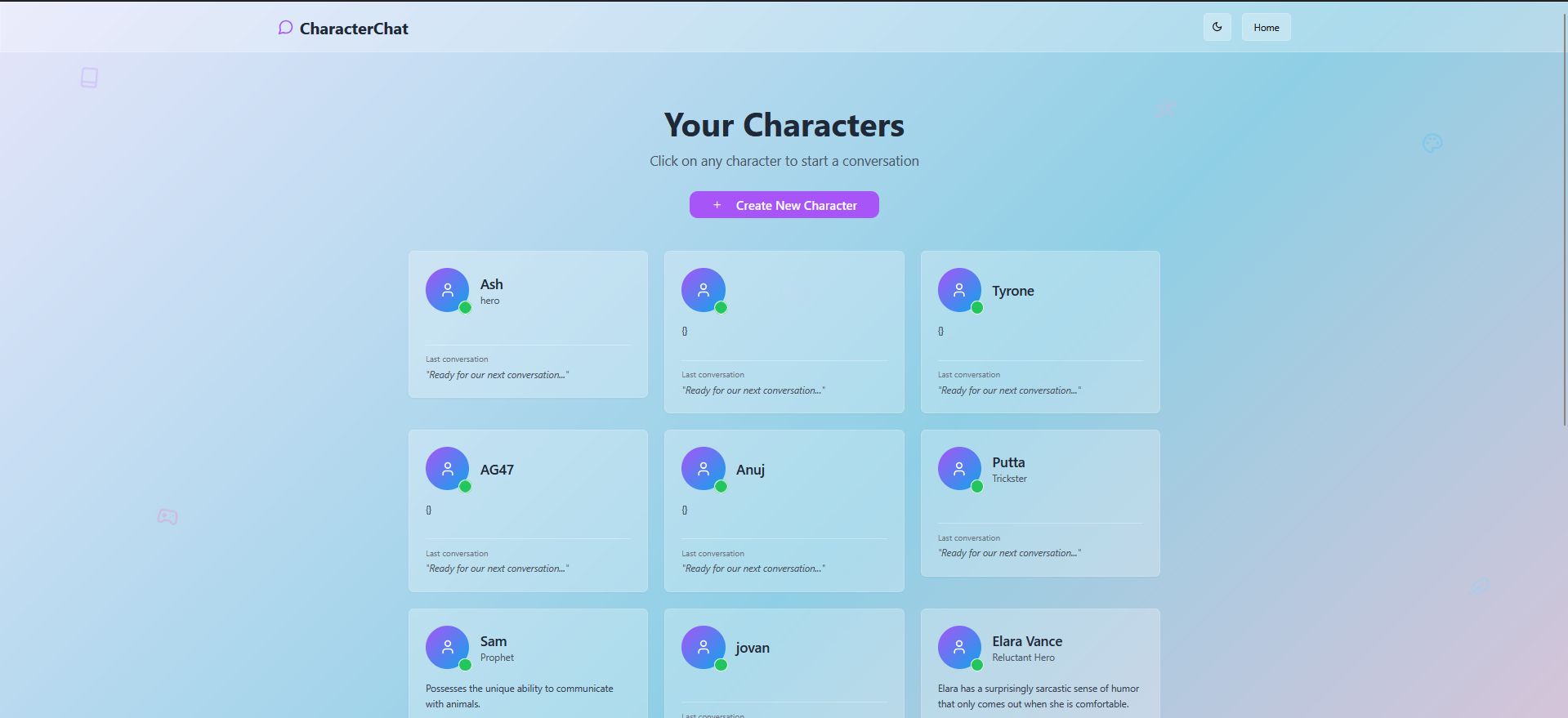
dashboard page of website
-
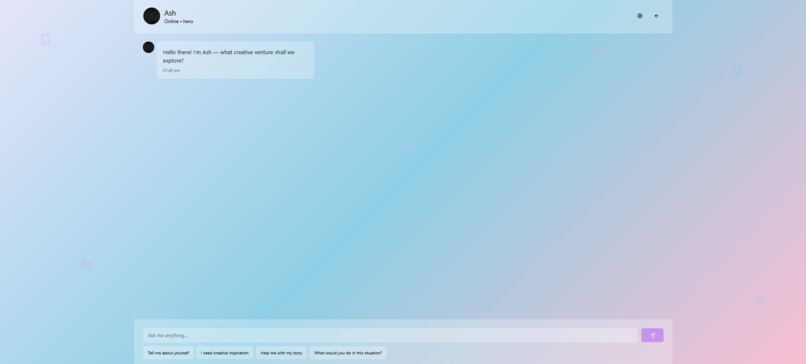
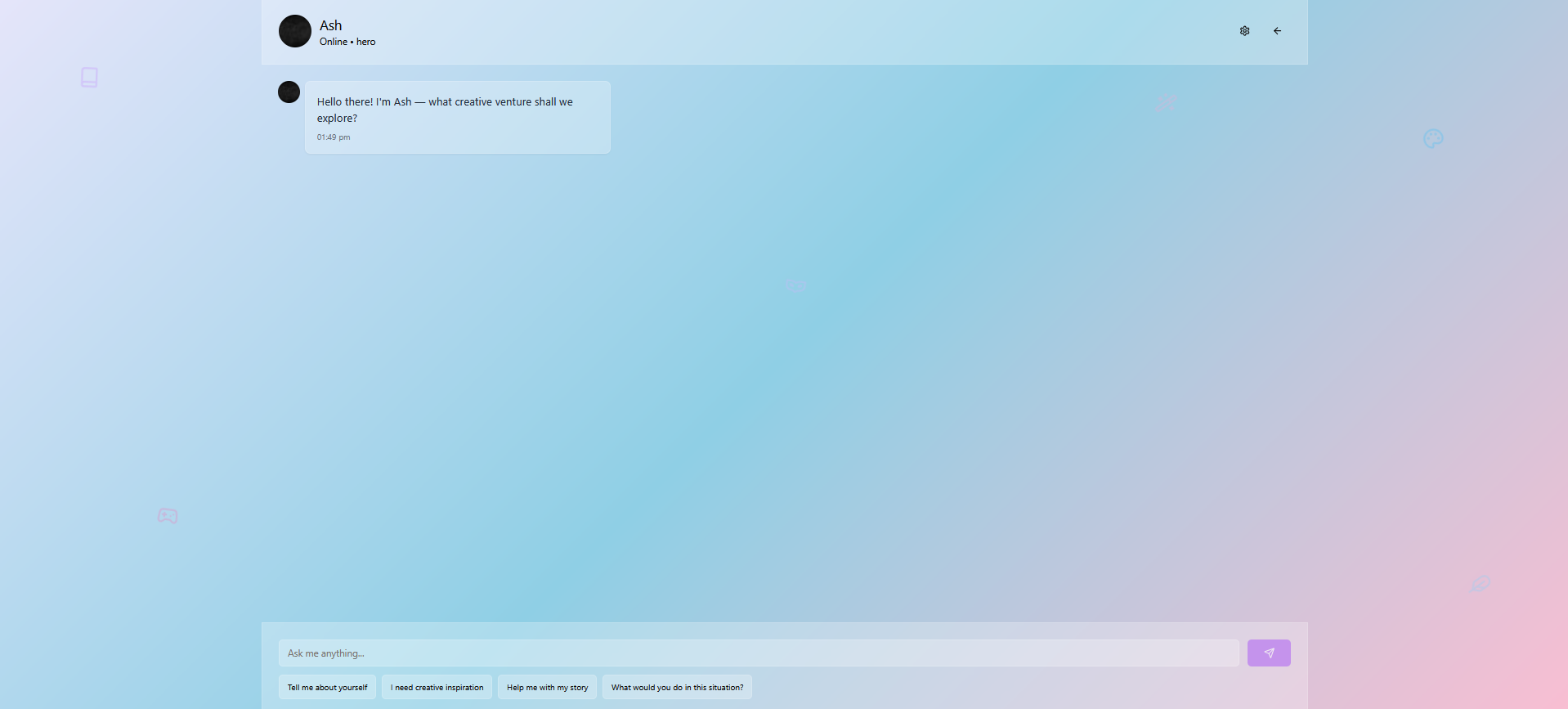
chracter chat page website
-
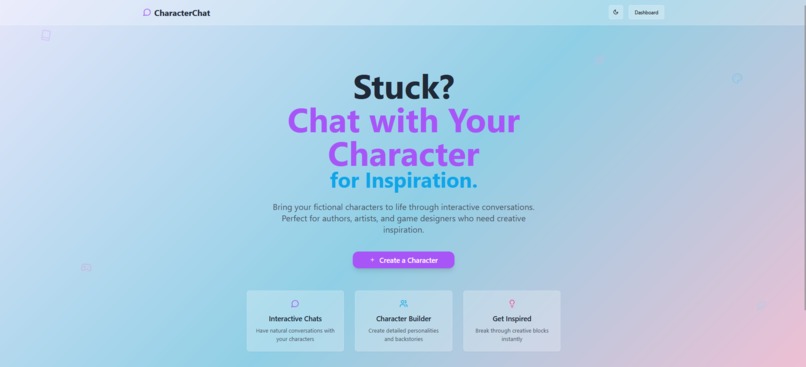
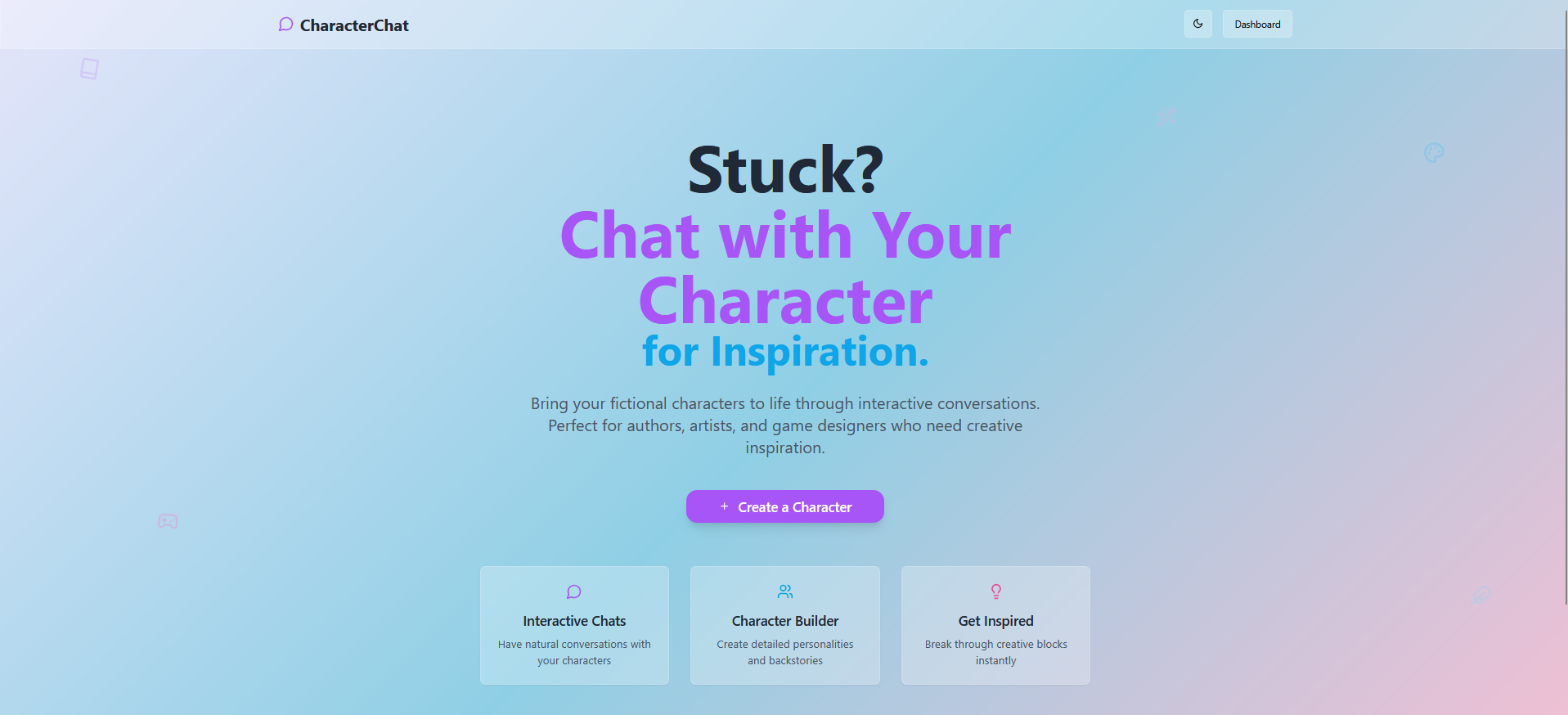
home page website
-
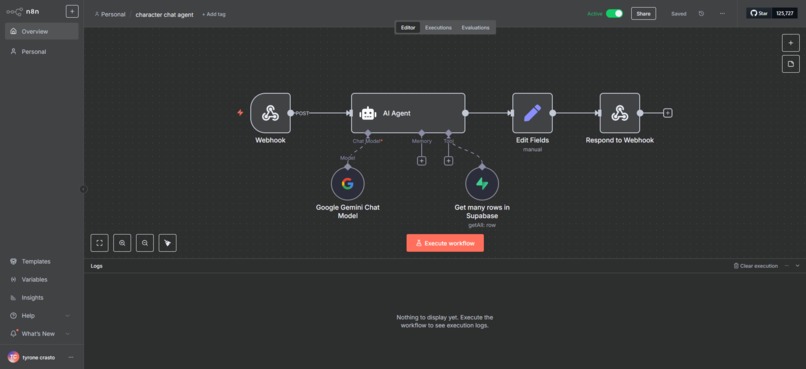
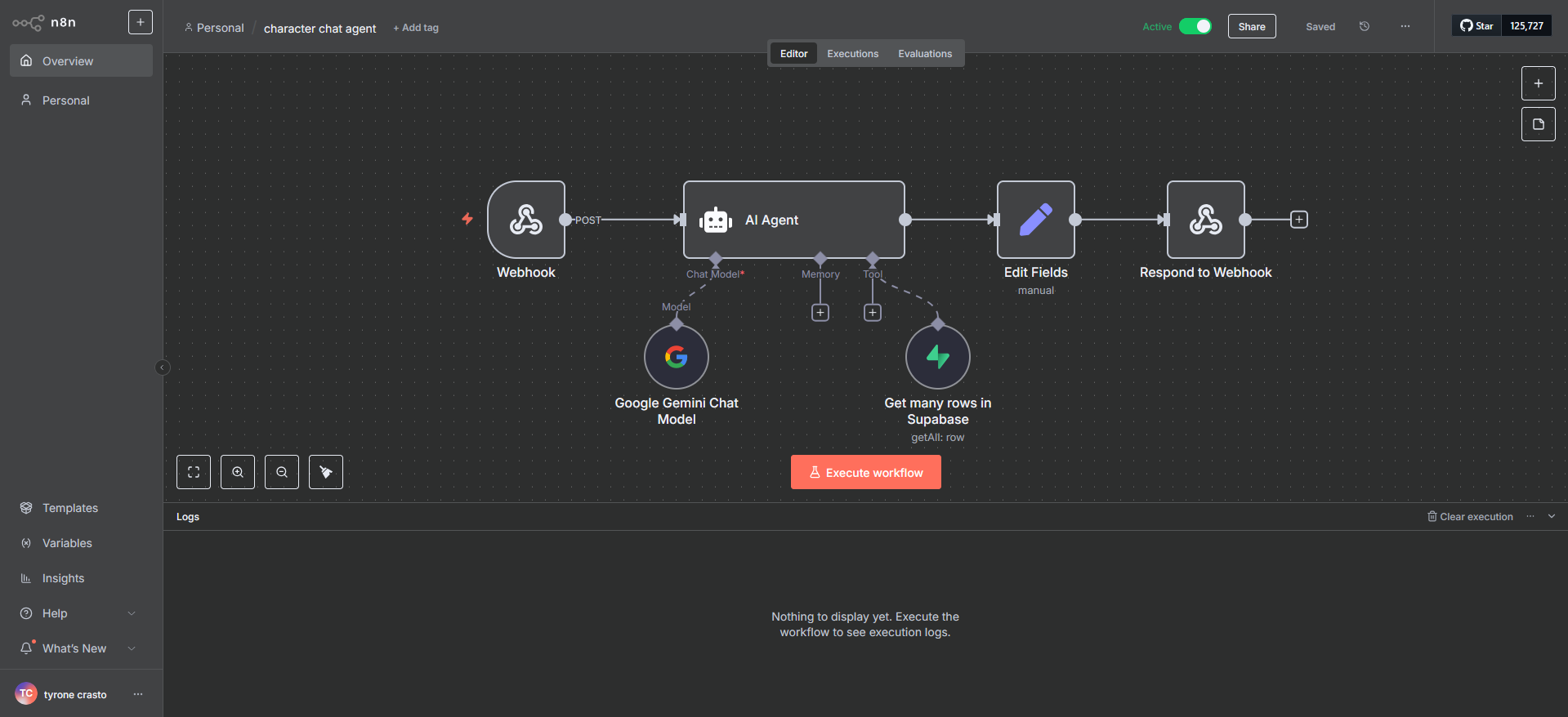
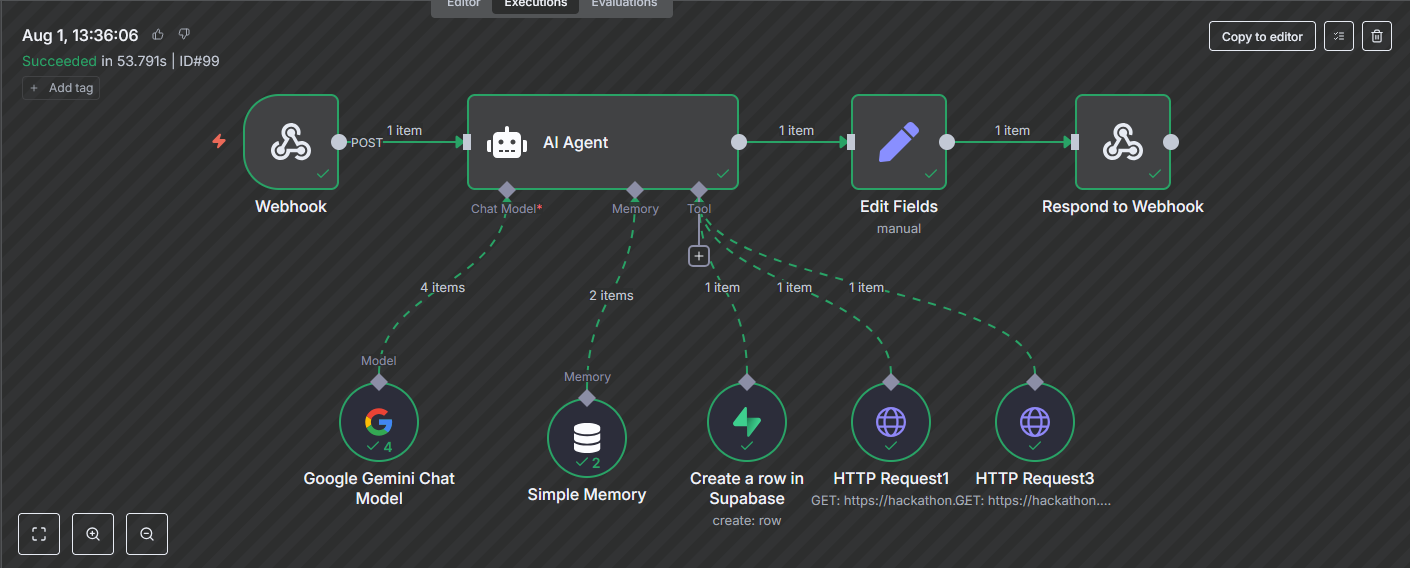
AI Agent Workflow - Character Chat Processing
-
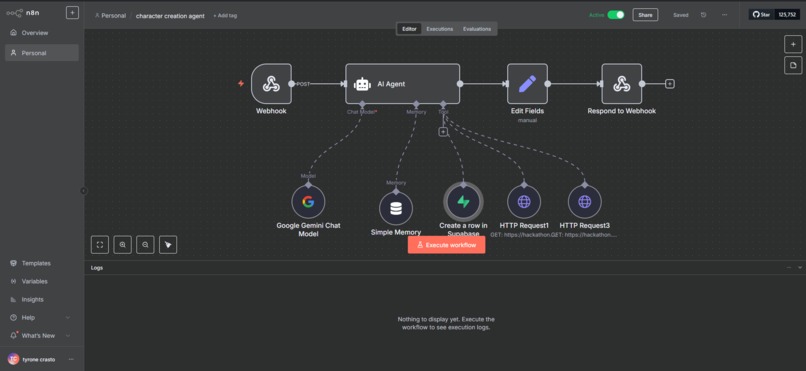
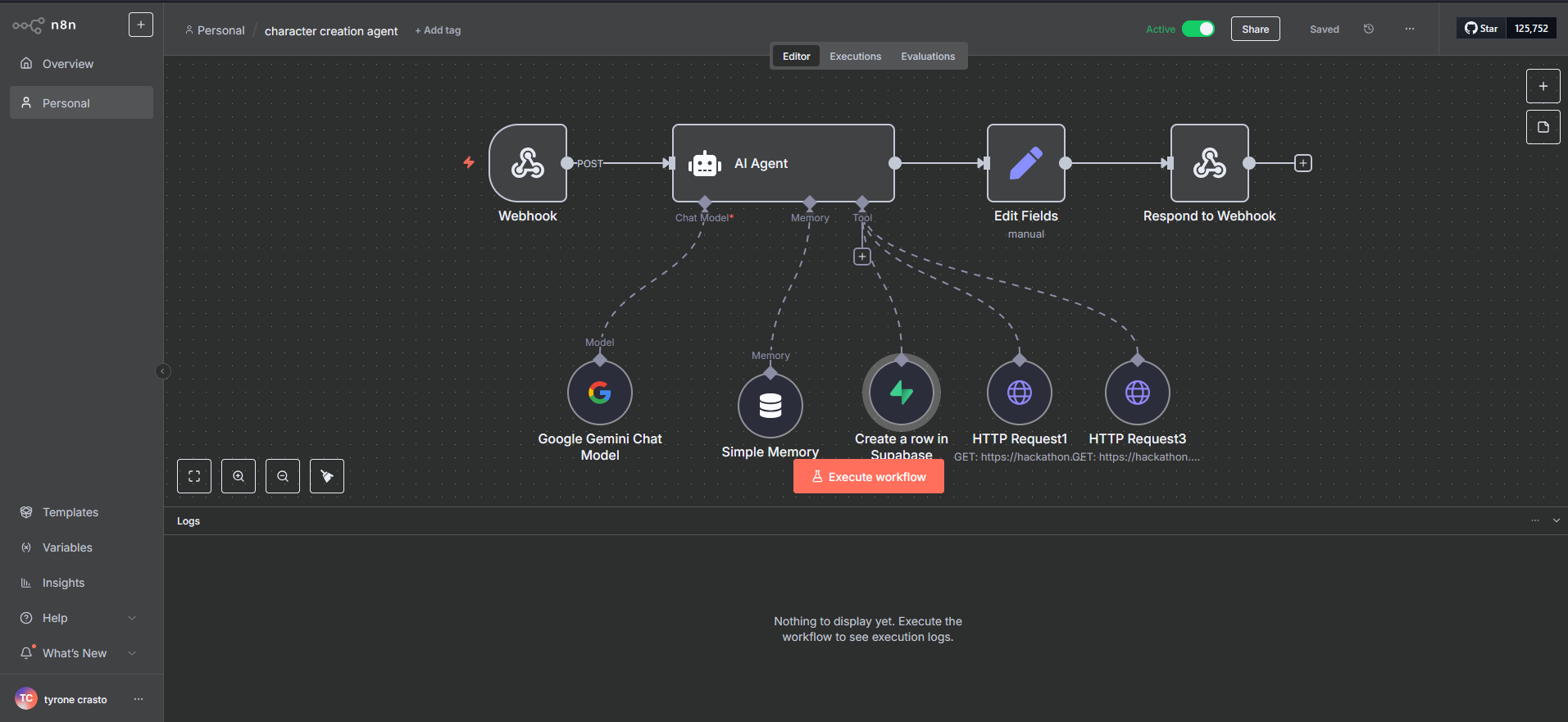
Character Creation Workflow - AI-Powered Generation
-
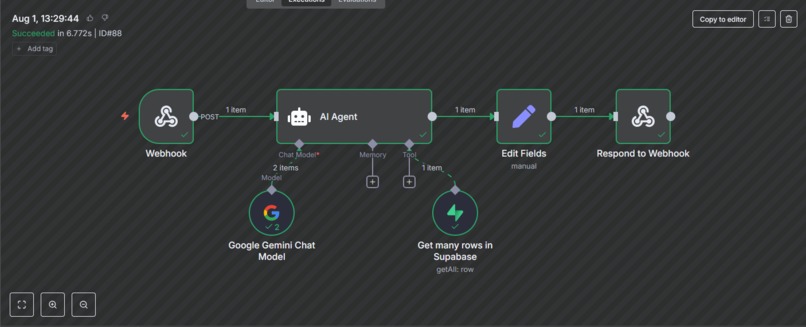
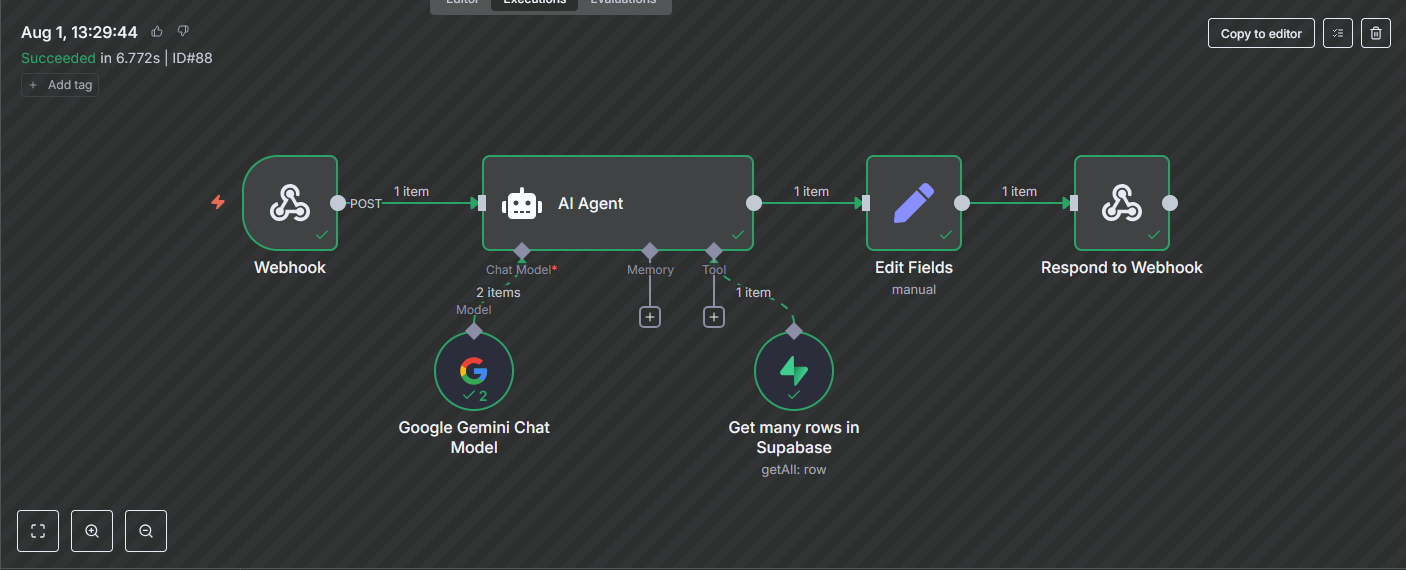
Character Chat Agent - Successful Execution
-
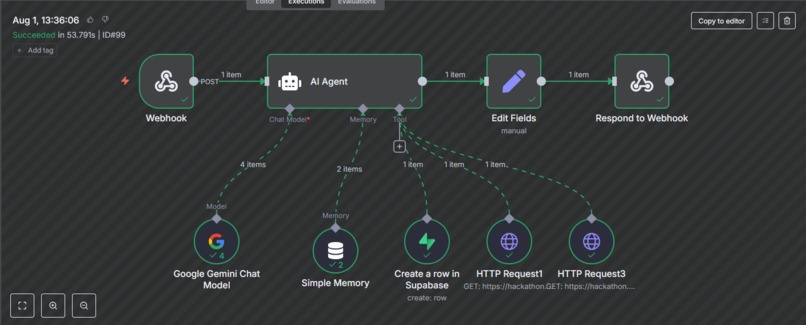
Character Creation Agent - Successful Execution
-
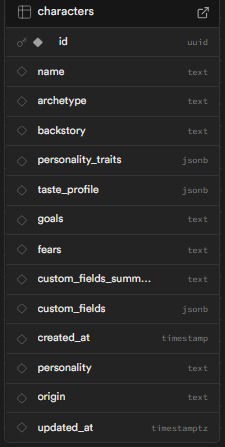
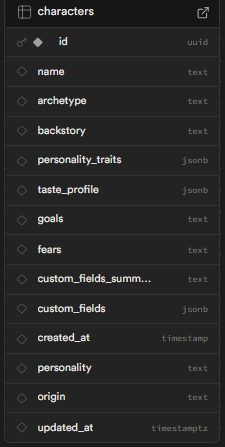
Supabase Database Schema
Inspiration
As a team of creatives and technologists, we’ve often seen how authors, artists, and game designers struggle with building deep, believable characters. Traditional tools lack cultural nuance and personality modeling. We wanted to create something that could not only help creators break through creative blocks, but also converse with their own characters to discover who they truly are.
That’s how CharacterChat was born — an AI-powered platform that brings fictional characters to life through interactive chat.
What it does
CharacterChat allows users to: Create fully fleshed-out characters using an AI-assisted form or prompt. Integrate real-world taste data (via Qloo) to define personality, interests, and behavior. Have real-time conversations with characters that reflect their unique background and voice. Use character interactions to guide story development, visual design, and game prototyping.
How we built it
Our stack includes: Frontend: React.js for a clean, dynamic user experience. Backend: Node.js with Express to manage routing and API endpoints. Database: Supabase (PostgreSQL) with Drizzle ORM for structured and scalable storage. AI Layer: Gemini 2.5 flash for language generation, and Qloo’s Taste AI for personality shaping. Automation: n8n for connecting chat input/output and LLM processing. Schema: A flexible character model using JSONB to store personality traits, taste profiles, goals, fears, and backstories.
Challenges we ran into
System prompts tuning: Balancing instructions to ensure the character stays “in character” while still being responsive and relevant was a big challenge. It took lots of trial and error.
Schema design: We needed to support both structured and flexible data (like custom traits), so designing a scalable yet intuitive schema using JSONB was tricky.
Accomplishments that we're proud of
We successfully integrated Qloo’s Taste AI™ with LLM character generation, creating dynamic, culturally-grounded conversations. Built a fully working full-stack app with real-time chat, customizable characters, and a smooth UI/UX in under a hackathon timeframe. Created something genuinely useful for a wide range of creative professionals.
What we learned
How to use taste data across domains to influence AI behavior. Prompt engineering and system message design for character consistency. Designing flexible yet structured schemas for creative tools. Combining multiple APIs, databases, and automation tools into a cohesive platform.
What's next for CharacterChat
We plan to expand CharacterChat with: Voice-based interactions - allowing users to speak directly with their characters. Cross-cultural personality modeling - using Qloo’s global taste data to simulate behavior from different cultures or regions. Integration with creative tools like Figma or game engines to streamline content export. Character-to-character interactions - simulate group dialogue, relationships, and conflict between multiple AI characters.
Built With
- cors
- drizzleorm
- express.js
- gemini
- n8n
- node.js
- qloo
- react
- restapi
- supabase
- tailwind
- typescript
- vite


Log in or sign up for Devpost to join the conversation.