-
-
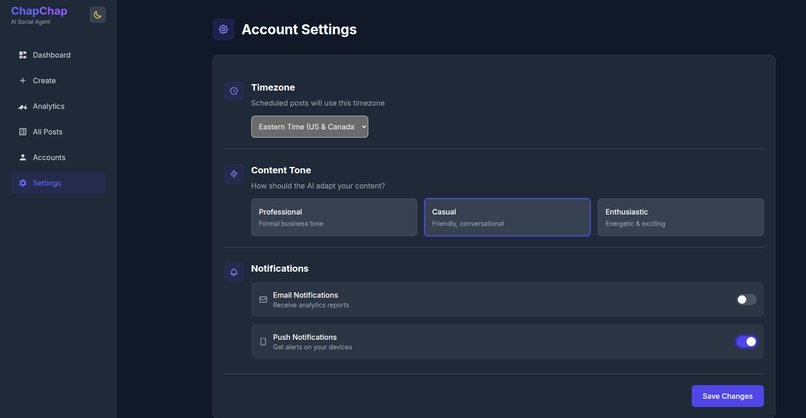
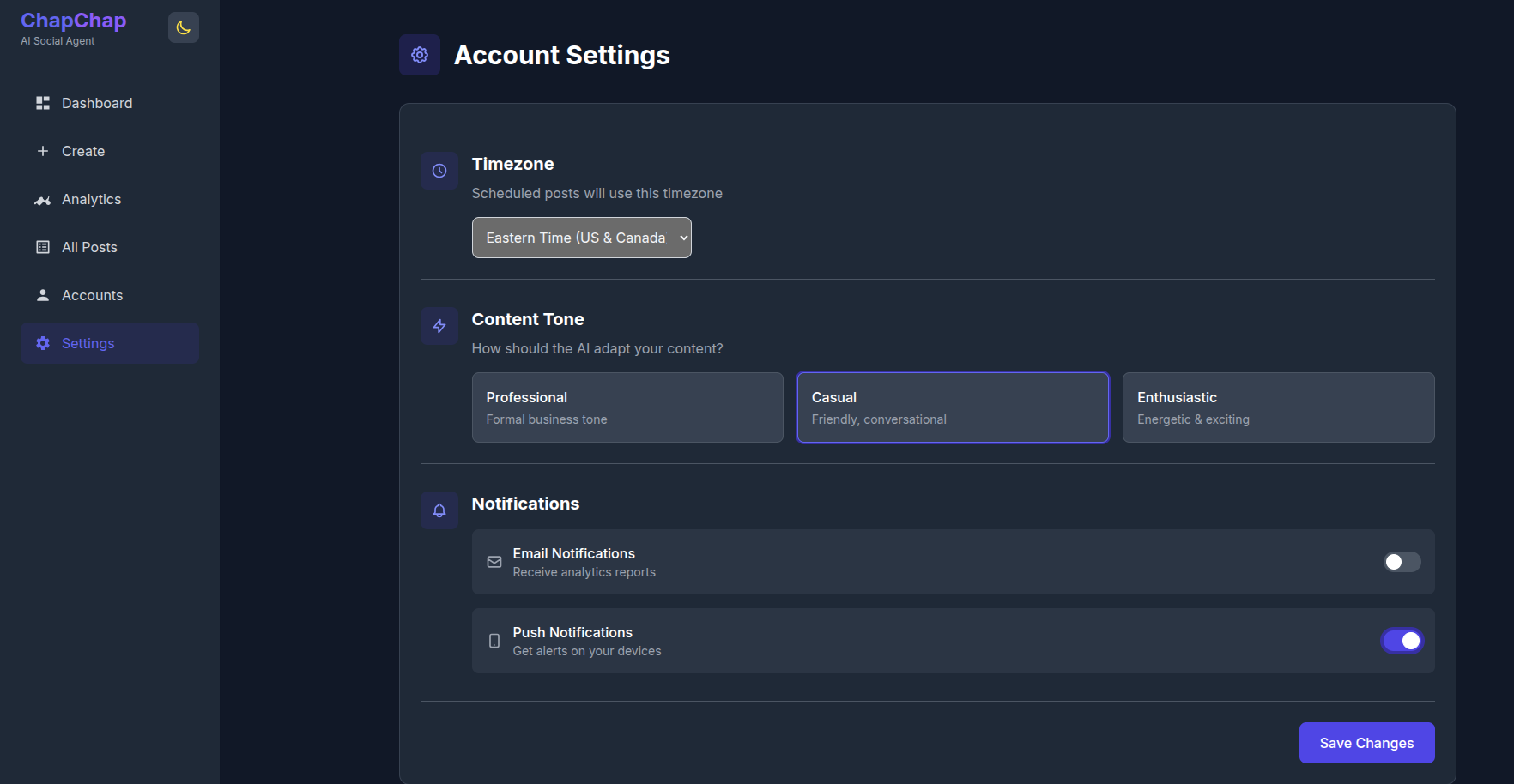
settings page
-
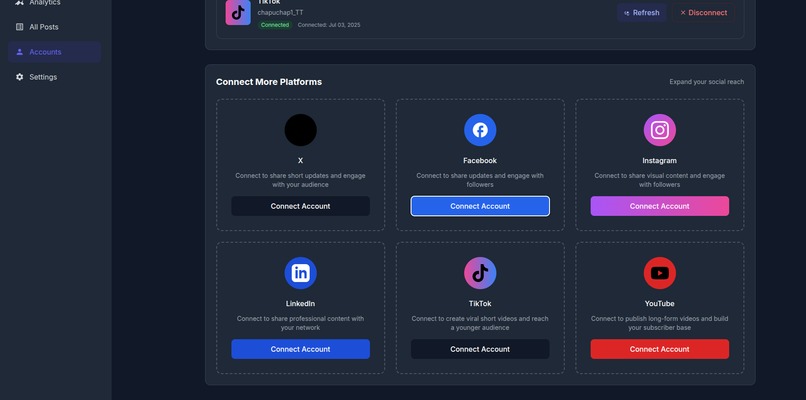
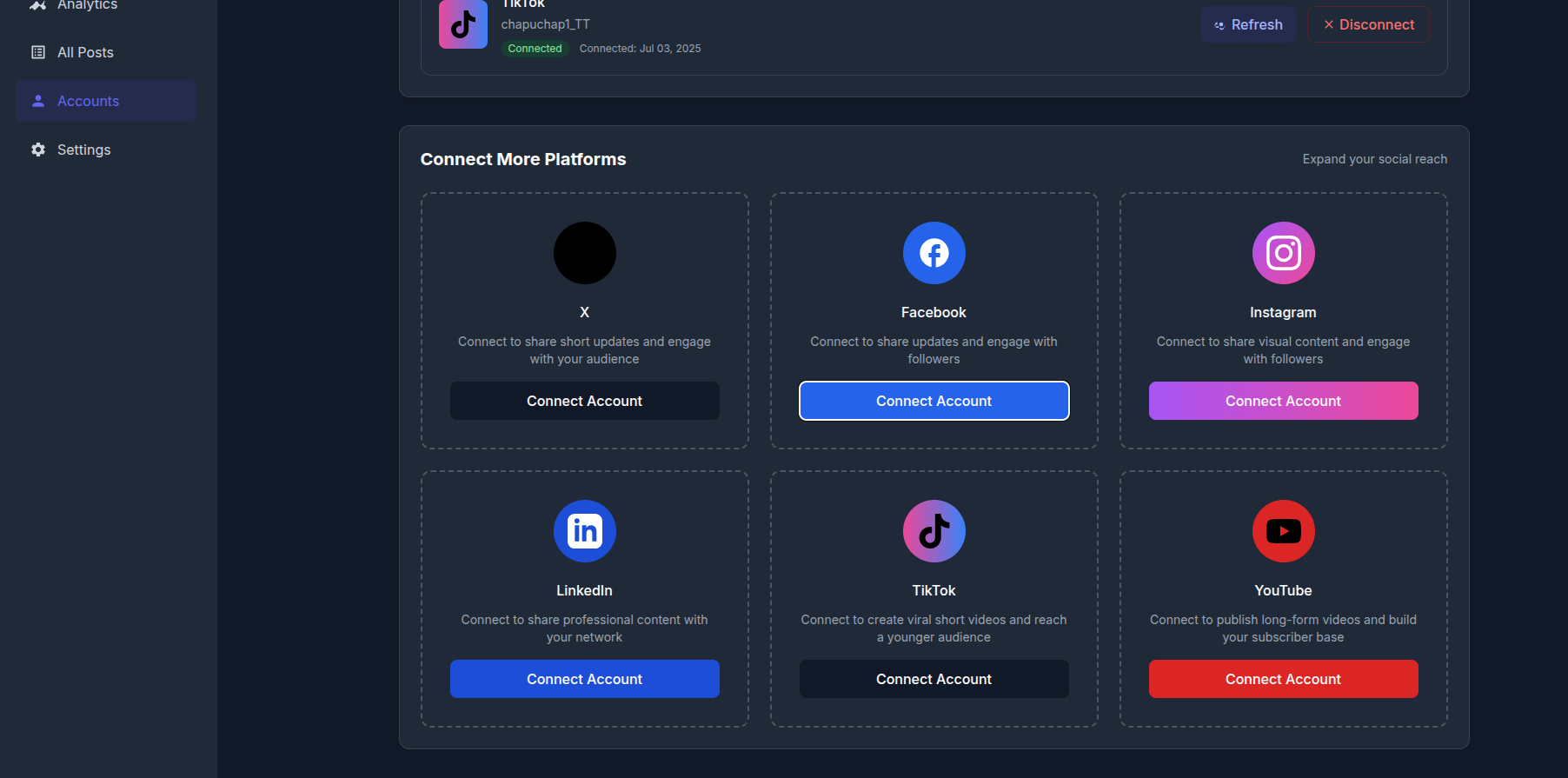
accounts page for connecting social media accounts
-
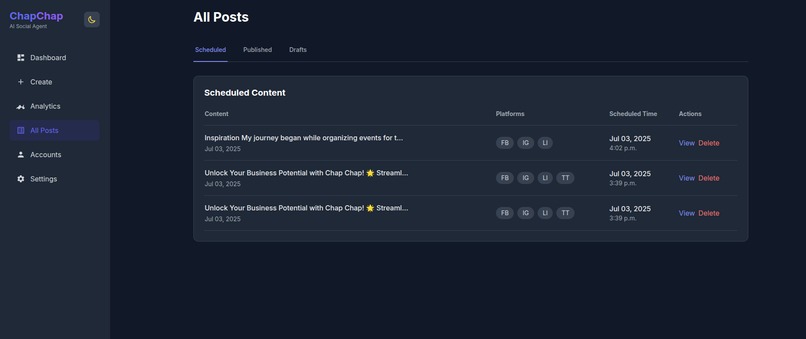
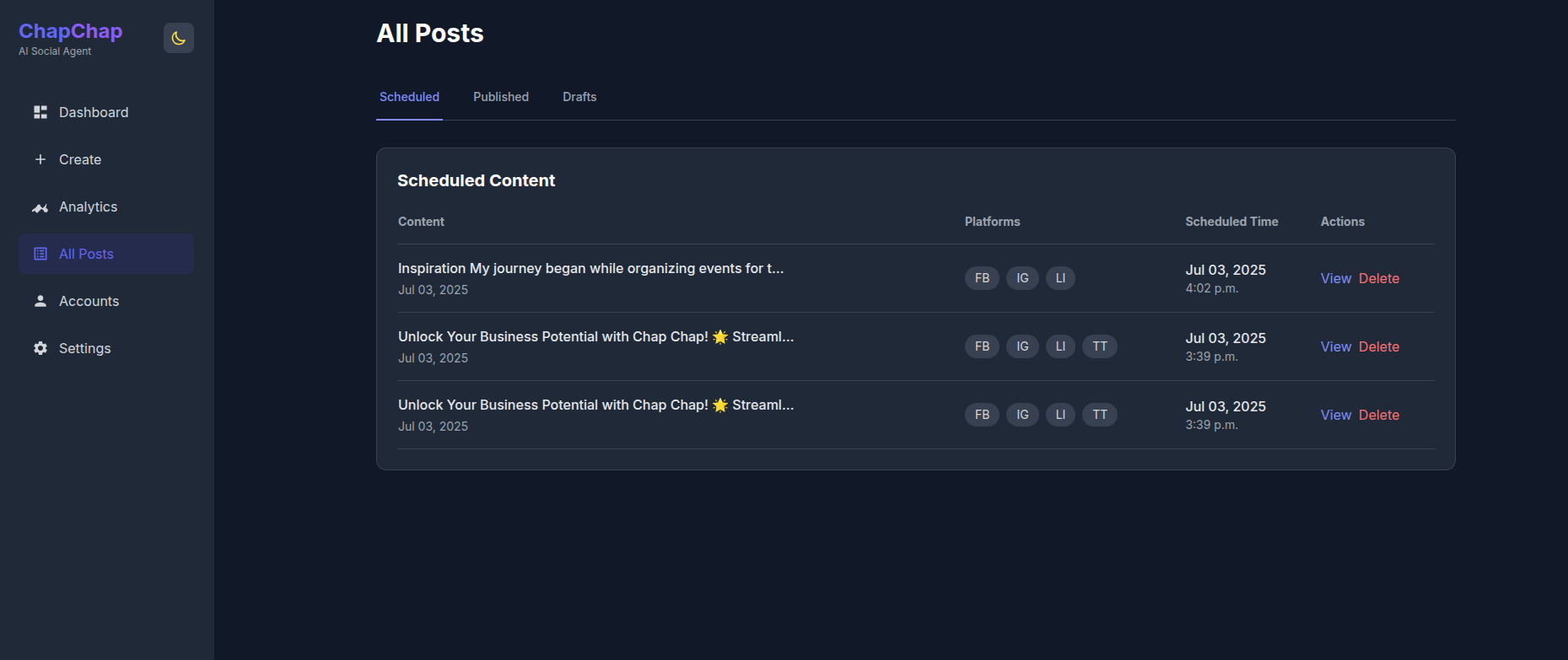
all posts page for keeping track of published posts, scheduled posts and drafts
-
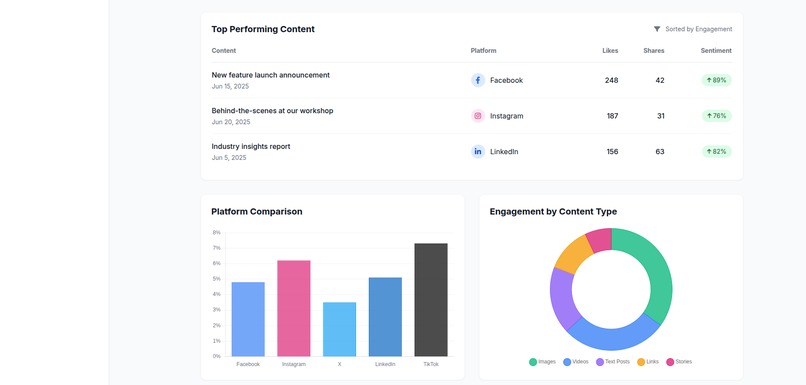
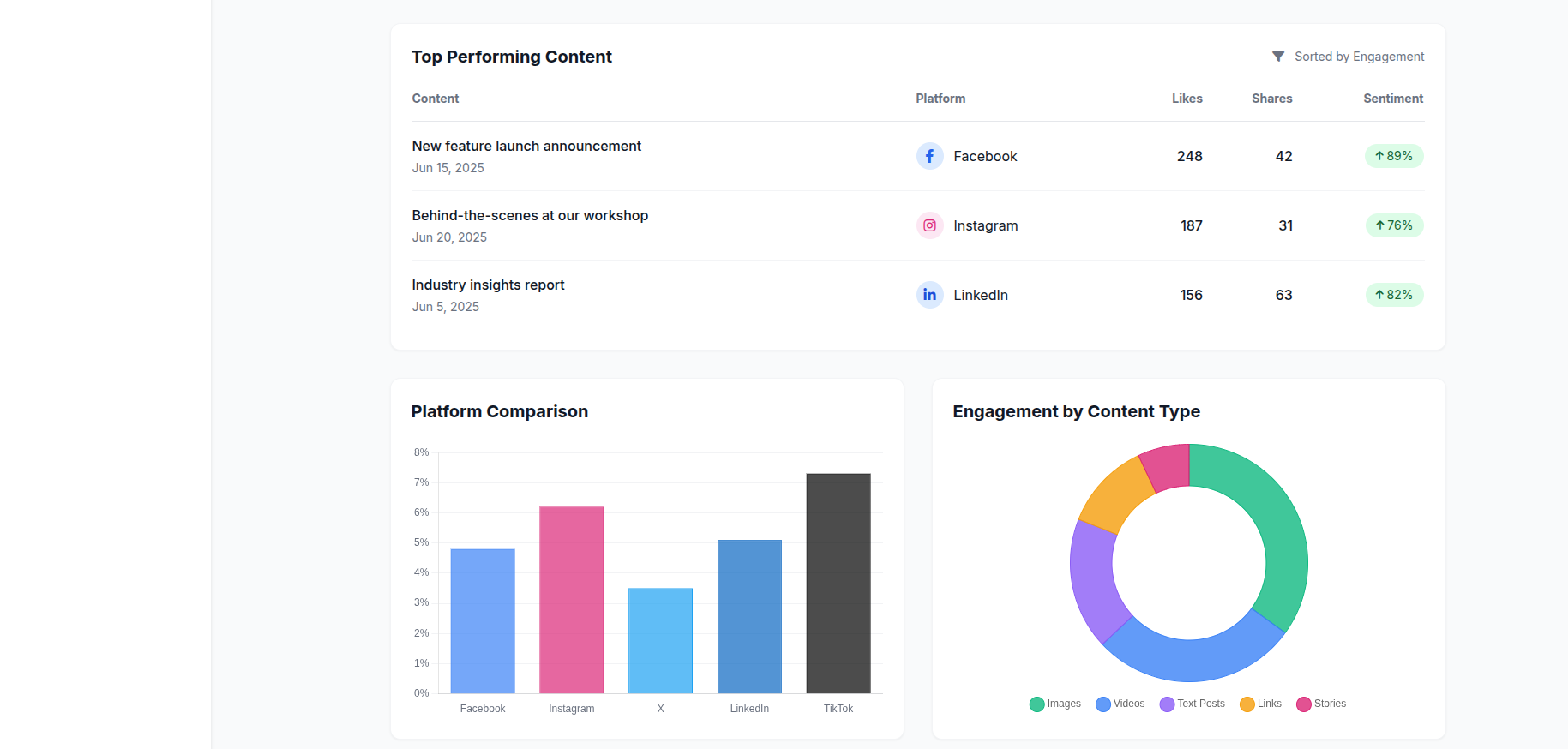
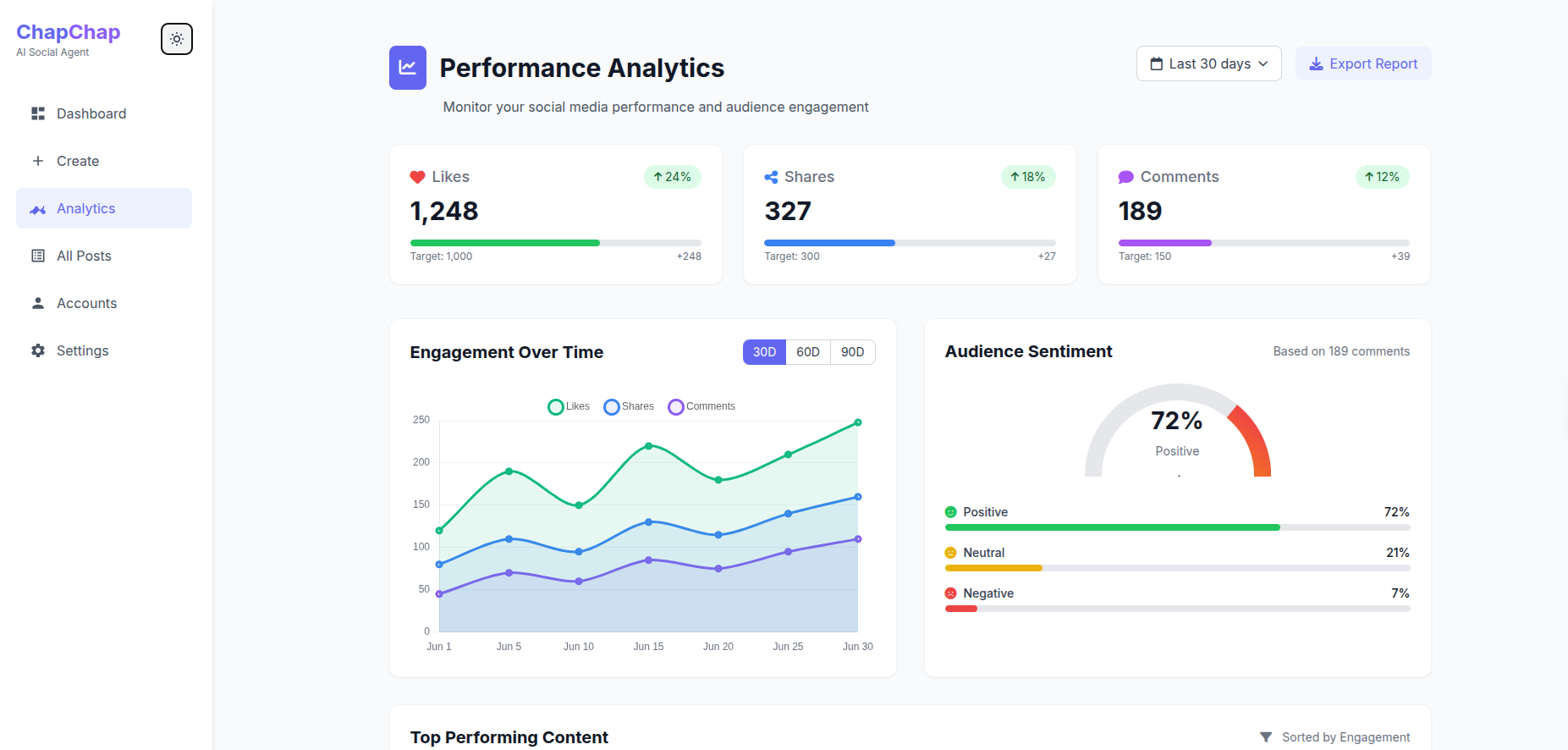
lower part of analytics page in light mode
-
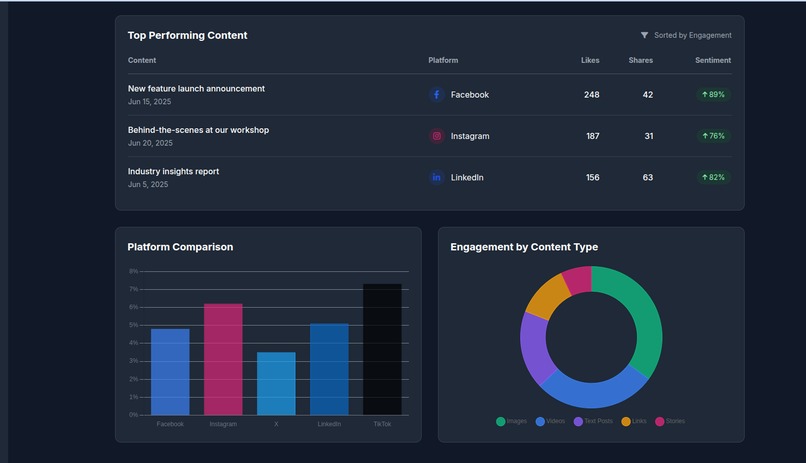
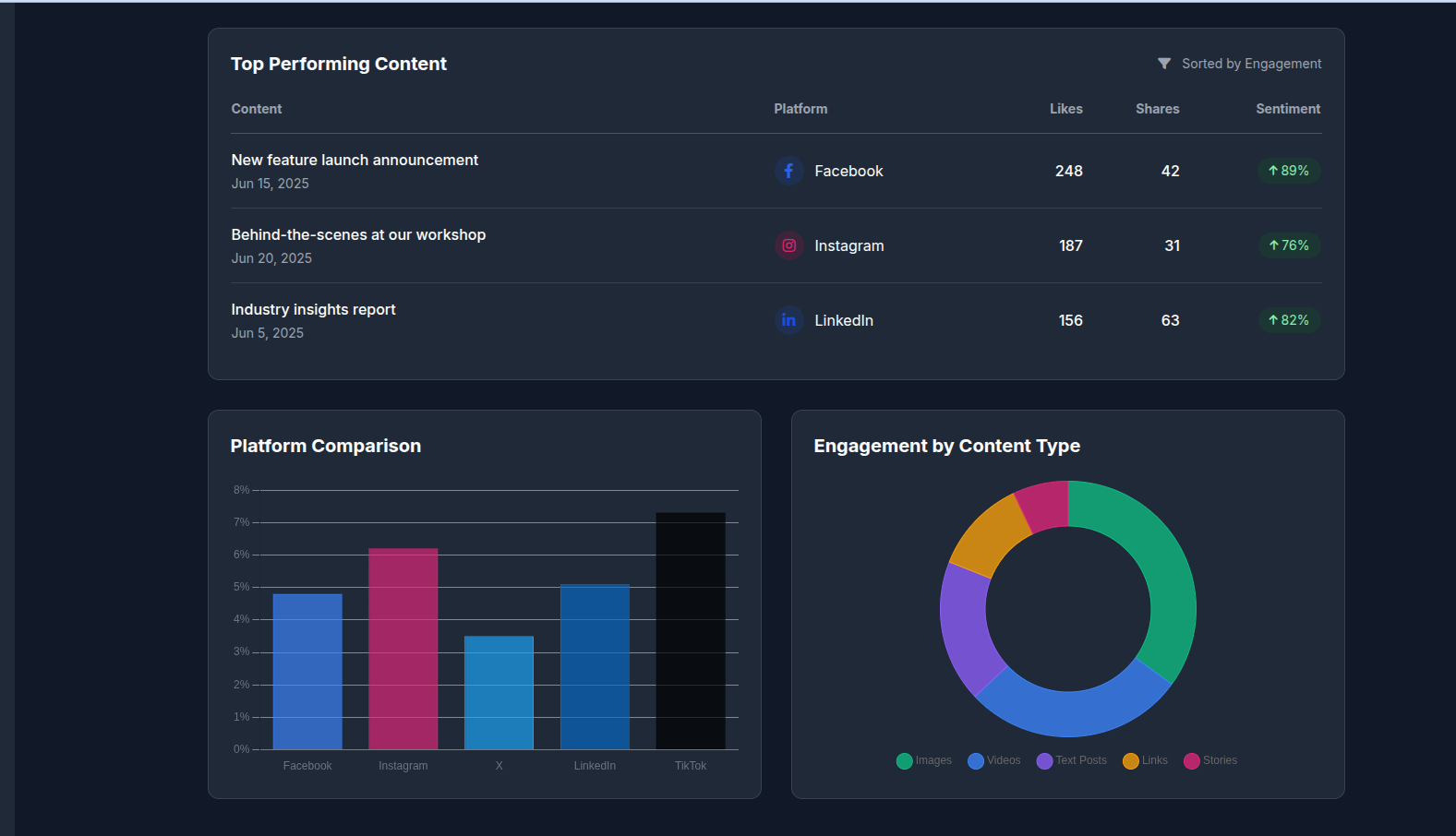
lower part of analytics page
-
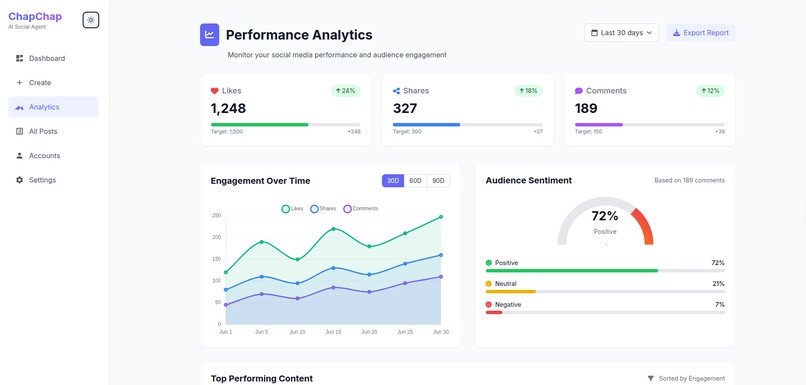
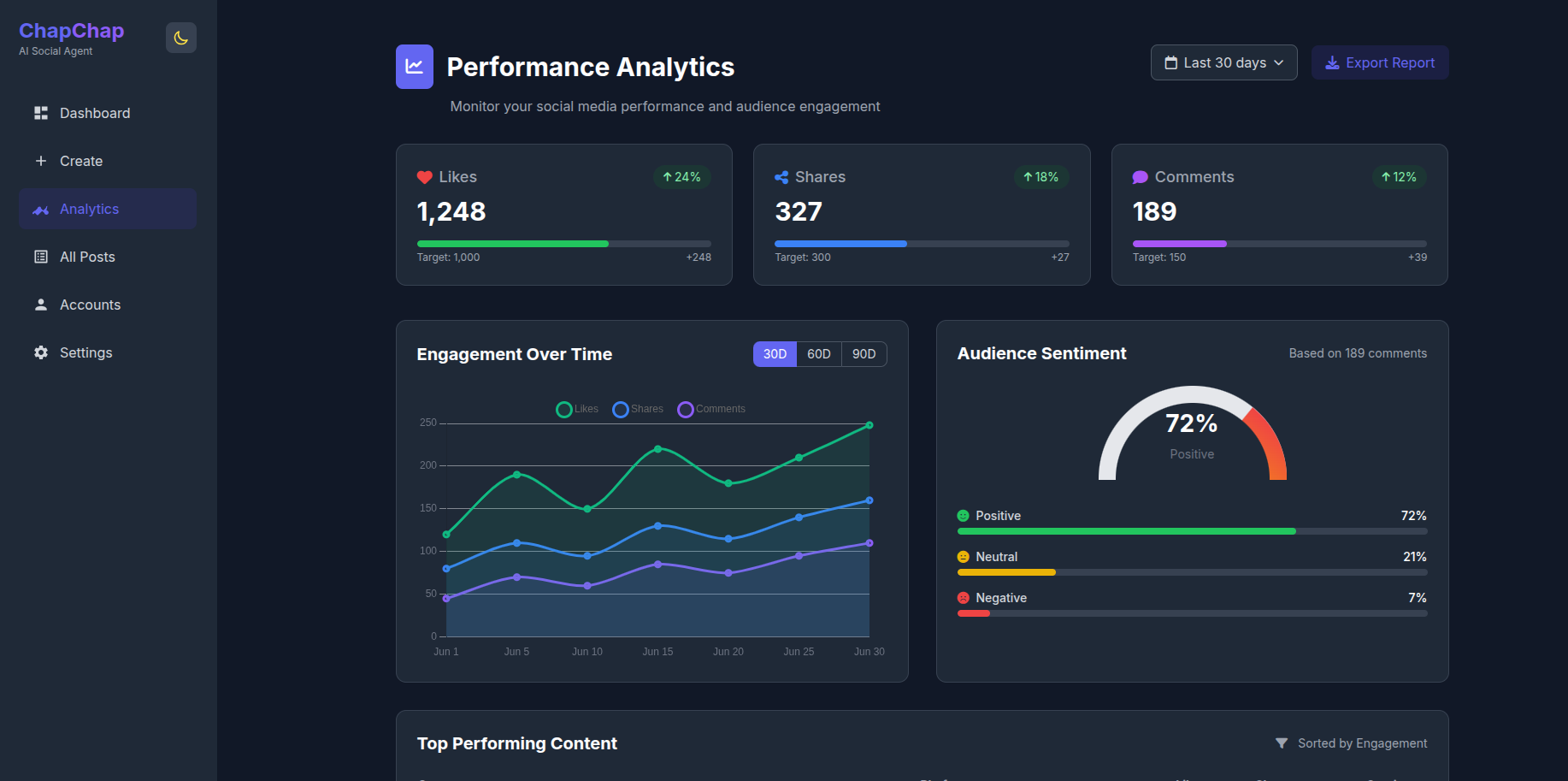
analytics page light mode
-
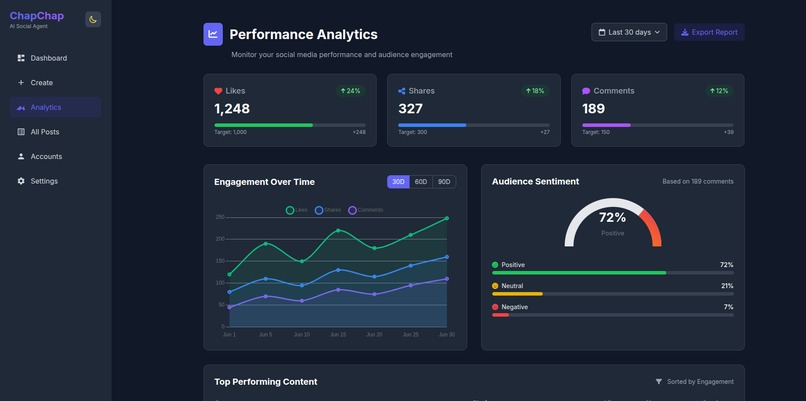
analytics page dark mode
-
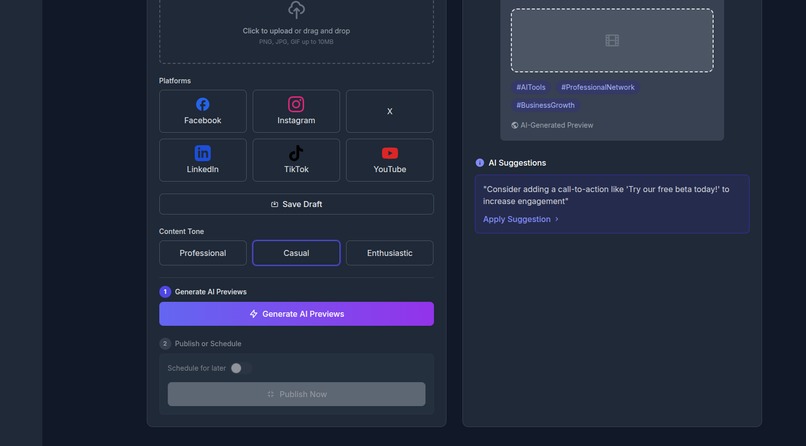
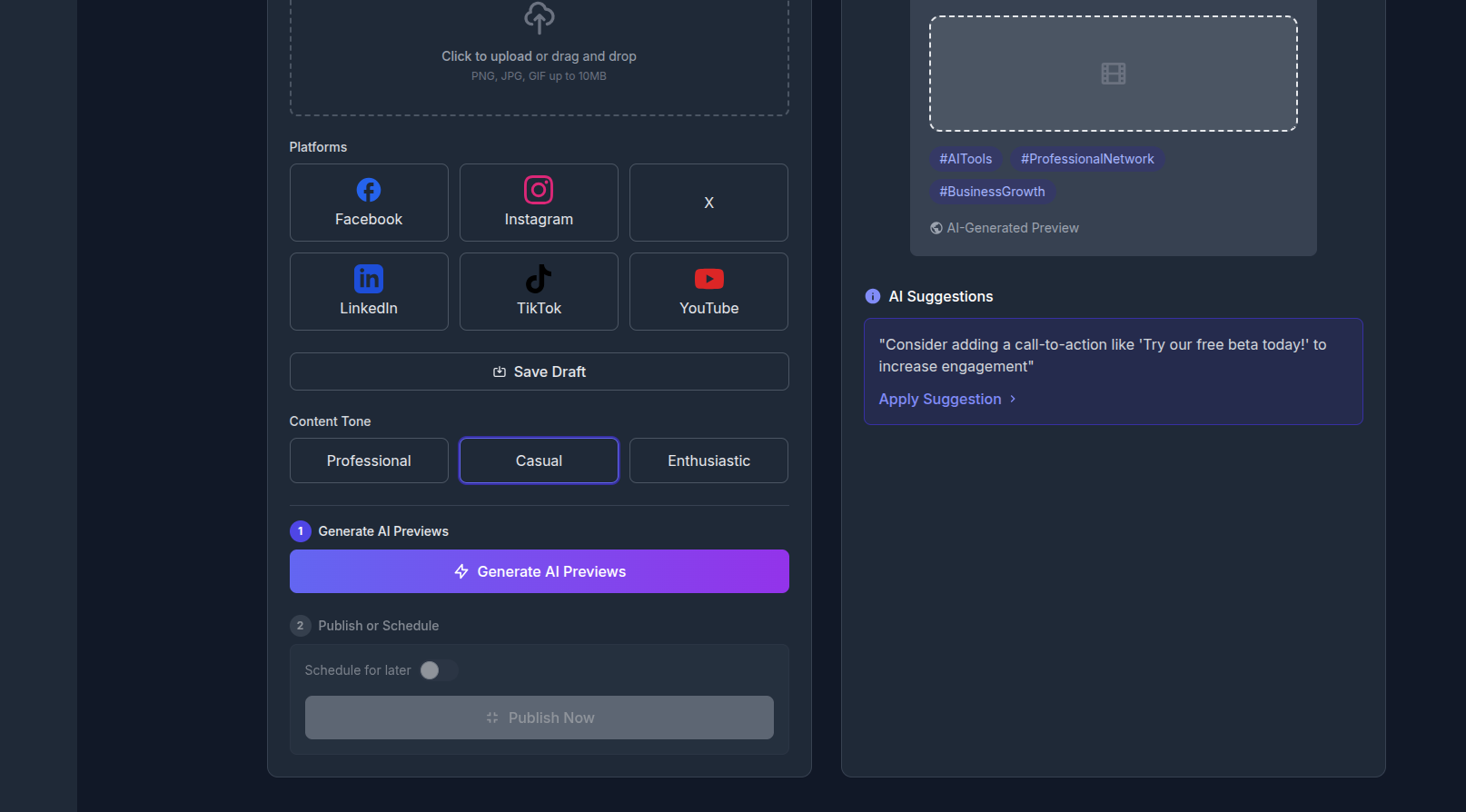
lower part of create page. shows ai previews to the right
-
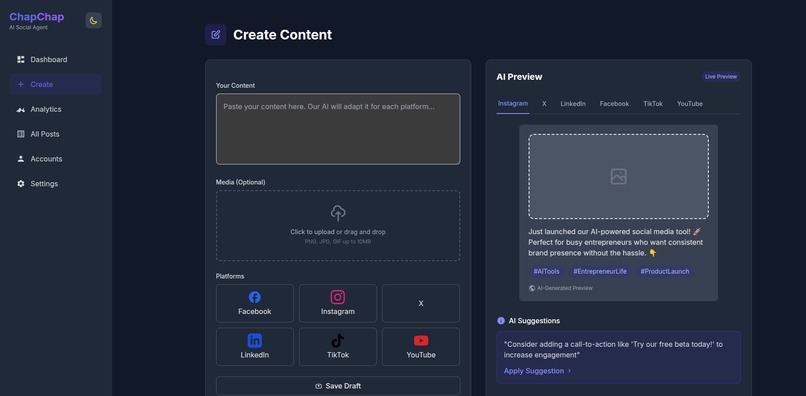
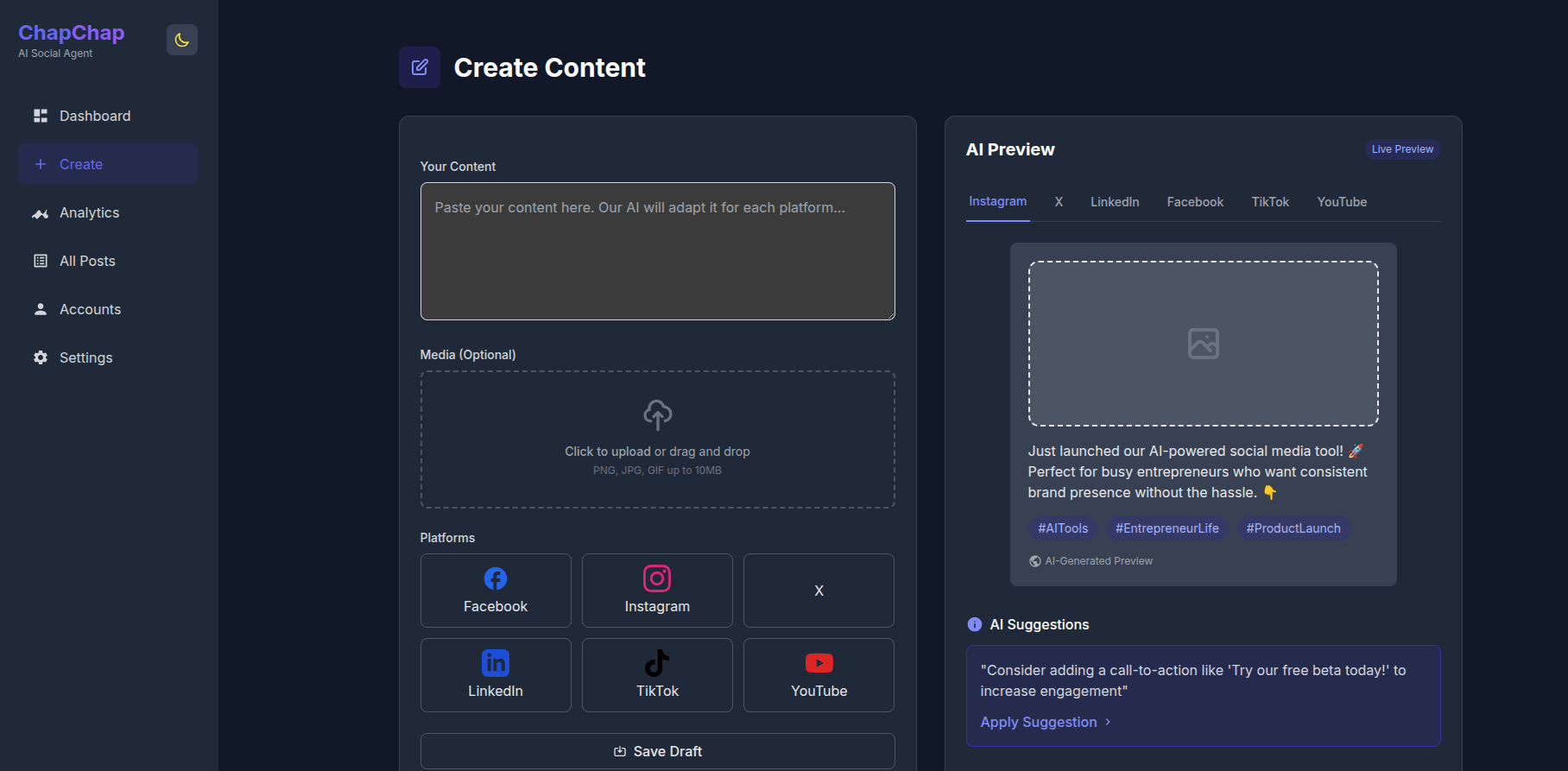
create page dark mode, for creating the posts and adapting them for different platforms
-
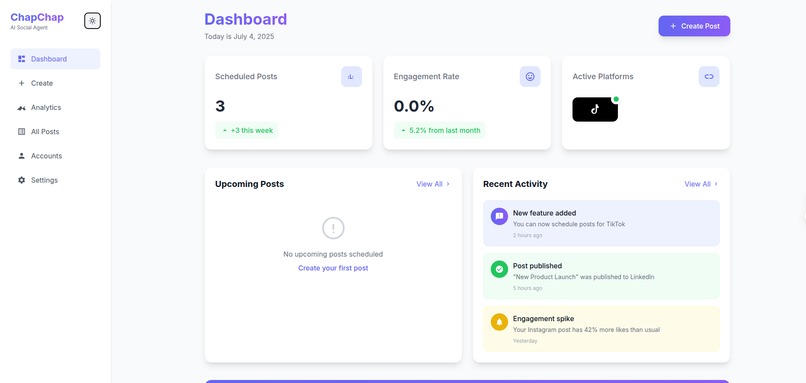
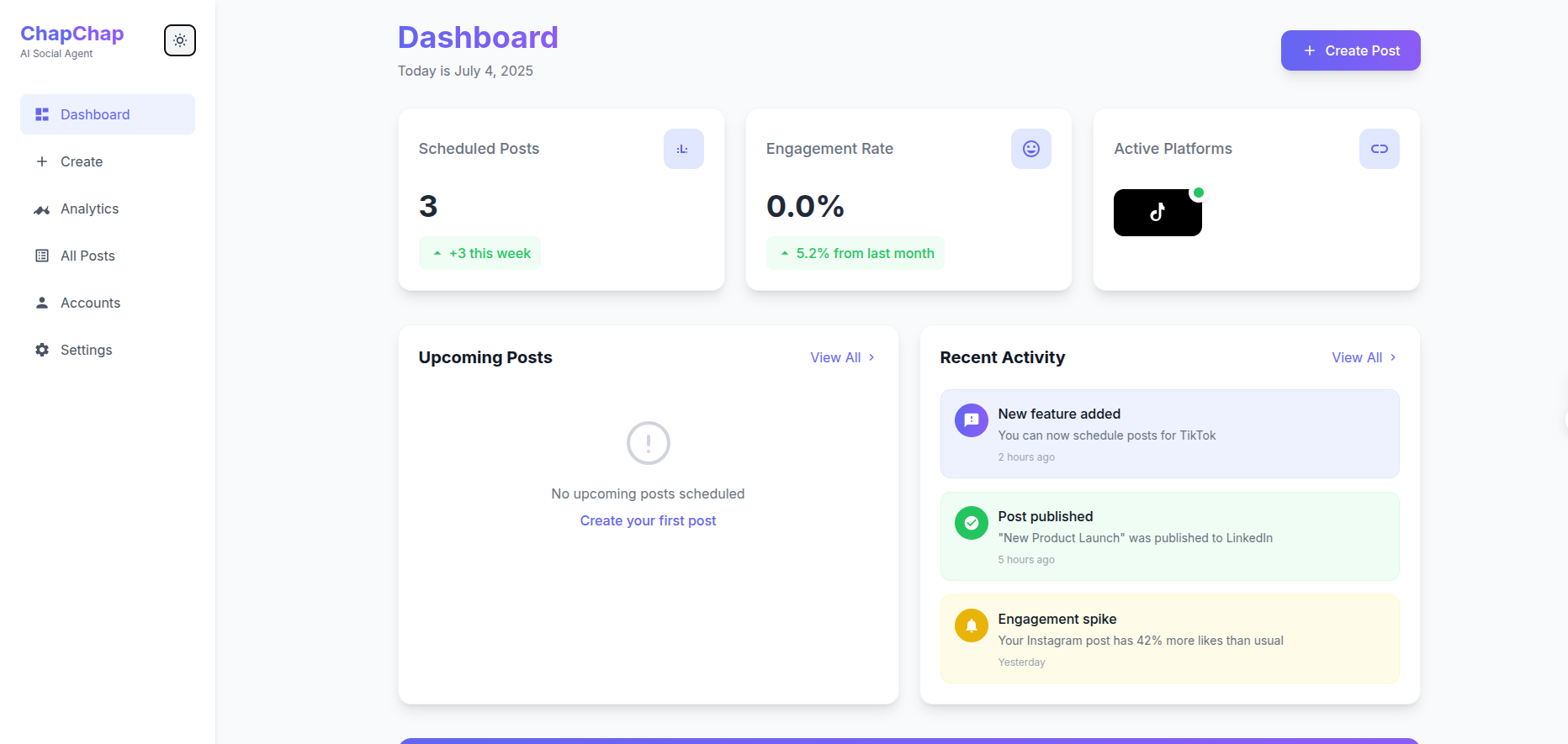
dashboard page light mode
-
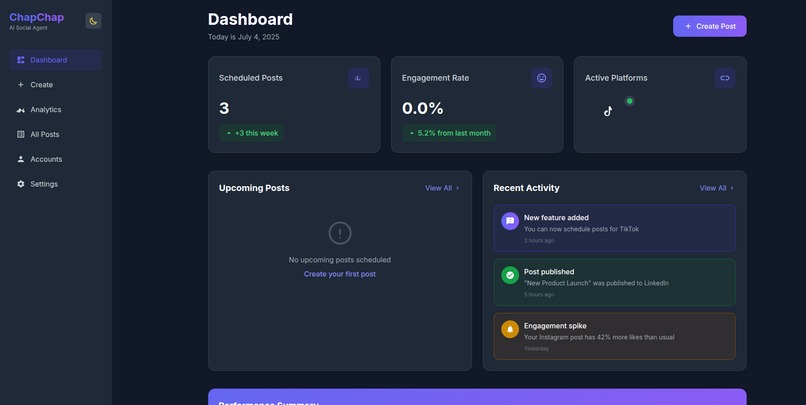
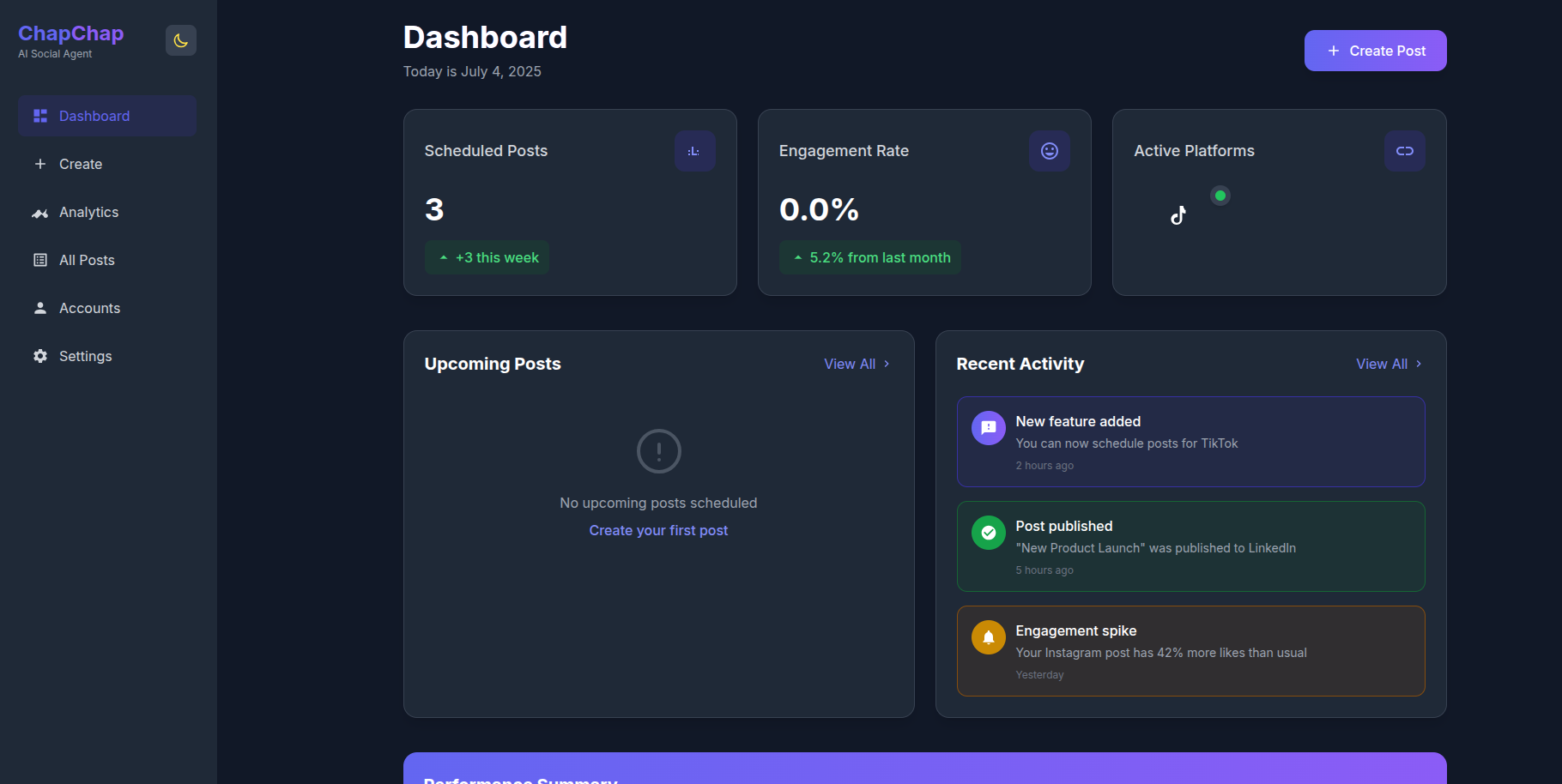
dashboard page dark mode
ChapChap: Social Media Management, Supercharged
Inspiration
Picture this: It's 2 AM, and I'm sitting at my desk, staring at five different social media apps open on my laptop. I had just finished organizing a community event and needed to promote it across Facebook, Instagram, LinkedIn, Twitter, and YouTube. Each platform demanded its own approach—Facebook needed longer, conversational posts; Twitter required punchy 280-character messages; LinkedIn called for professional tone; Instagram wanted hashtaggy emojis and captions.
After spending three hours adapting the same announcement for each platform, I thought: "There has to be a better way." That frustration sparked ChapChap. I realized that countless event organizers, small business owners, and content creators face this same exhausting cycle daily. We're all drowning in the redundant complexity of multi-platform social media management.
What it does ChapChap is like having a social media expert in your pocket. You write your content once, and our AI Adaptation Agent automatically transforms it for each platform. Need a Facebook post? It creates engaging, conversation-starting content. Twitter? It crafts concise, impactful messages. LinkedIn? Professional tone, industry-relevant language.
The platform features a clean dashboard where you can see all your content at a glance, schedule posts for optimal times, and track performance with real-time analytics. Users can connect their social accounts, manage multiple campaigns, and even get AI-powered suggestions to boost engagement.
How we built it
Building ChapChap was like assembling a puzzle while learning what the final picture should look like. I started with Django for the backend because I needed something reliable and scalable and that I was comfortable with. The frontend combines HTML, CSS, and JavaScript with Tailwind CSS for that clean, modern look.
The real magic happens in our AI Adaptation Agent. We integrated multiple AI models—OpenAI's gpt 3.5, Mistral's mistral-7b-instruct-v03, and Hugging Face's distilBART—with smart fallback systems. If one model fails, another takes over seamlessly. The platform includes a sophisticated scheduling system using APScheduler for automated posting.
For the user experience, I focused on simplicity. Dark mode toggle, intuitive navigation, responsive design—every detail matters when someone's managing multiple social accounts at once.
Challenges we ran into
The biggest challenge? Getting AI models to understand the nuances of different platforms. Facebook users expect different content than LinkedIn professionals. Teaching the AI to recognize these subtle differences took countless iterations.
DNS connectivity issues nearly derailed the project. When external AI services went down, the entire platform became unusable. I had to build robust fallback systems and even create mock AI simulation for demos.
Managing state across multiple preview tabs while ensuring real-time updates was another headache. Users needed to see their content adapted live, but coordinating all those moving pieces proved trickier than expected.
Accomplishments that we're proud of
We created something that actually solves a real problem. The platform successfully adapts content for various platforms while maintaining each platform's unique voice and requirements. The UI/UX is clean and intuitive—users can navigate the entire platform without confusion.
I'm particularly proud of the fallback systems. Even when external services fail, ChapChap keeps working. The dark mode implementation is smooth, and the responsive design works beautifully across devices.
Most importantly, we built something that saves people real time. Instead of spending hours crafting posts, users can focus on creating great content and engaging with their audience.
What we learned
Building ChapChap taught me that user experience trumps technical complexity every time. I could have built the most sophisticated AI system, but if users can't figure out how to use it, it's worthless.
I learned the importance of graceful degradation. When things break (and they will), your system should fail elegantly, not crash spectacularly. Robust error handling isn't just good practice—it's essential for user trust.
The social media landscape is constantly evolving. Building a platform that adapts to these changes requires flexible architecture and forward-thinking design decisions.
What's next for ChapChap: Social Media Management, Supercharged
Phase 3 is all about connecting to actual social media APIs. We're integrating with Facebook, Instagram, LinkedIn, Twitter/X, and YouTube to enable direct posting from the platform. No more copy-pasting—just click publish and watch your content go live across all platforms.
We're also developing advanced analytics features. Users will see engagement patterns, optimal posting times, and content performance metrics. Think of it as having a personal social media analyst.
Future features include team collaboration tools, content calendar management, and automated A/B testing for posts. We're building toward a comprehensive social media command center that makes managing multiple platforms effortless.
The goal? Transform ChapChap from a content adaptation tool into the ultimate social media management platform. Because in today's digital world, everyone deserves to have their voice heard without the headache of managing multiple platforms.
Built With
- django
- html5
- huggingface
- javascript
- mistral
- openai
- python
- sqlite
- tailwindcss
- transformers


Log in or sign up for Devpost to join the conversation.