-
-
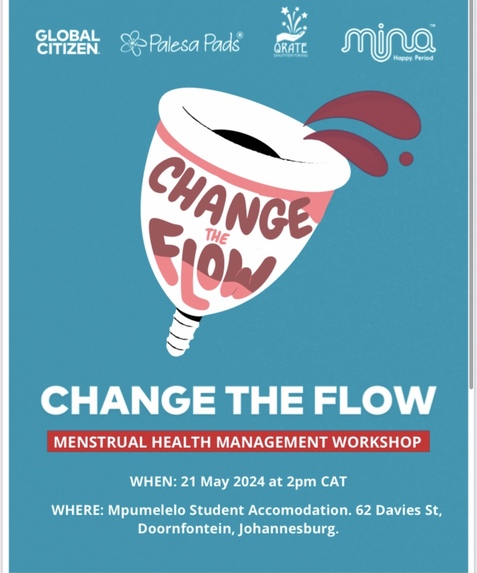
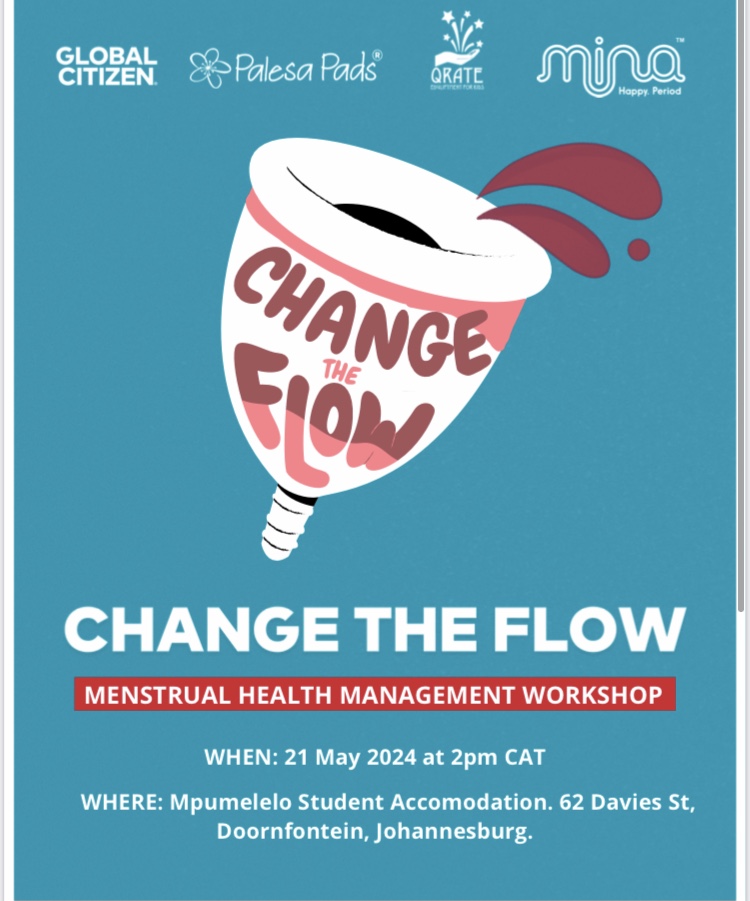
#ChangeTheFlow Event Poster
-
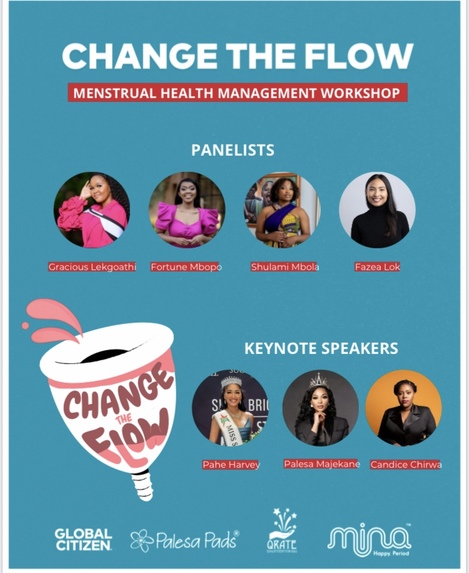
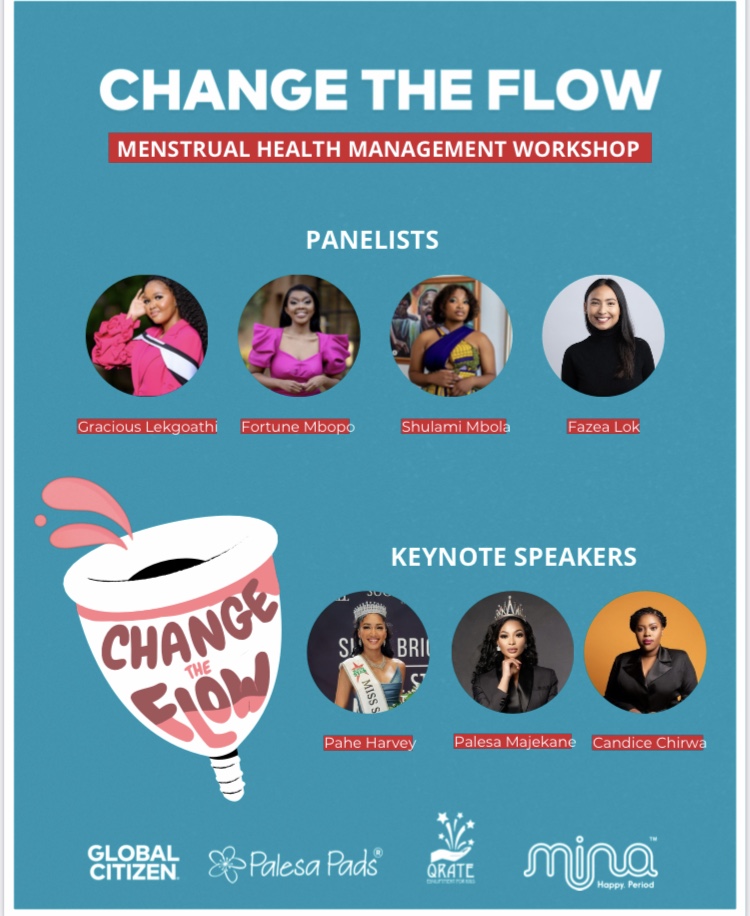
#ChangeTheFlow Speakers & Experts Poster
-
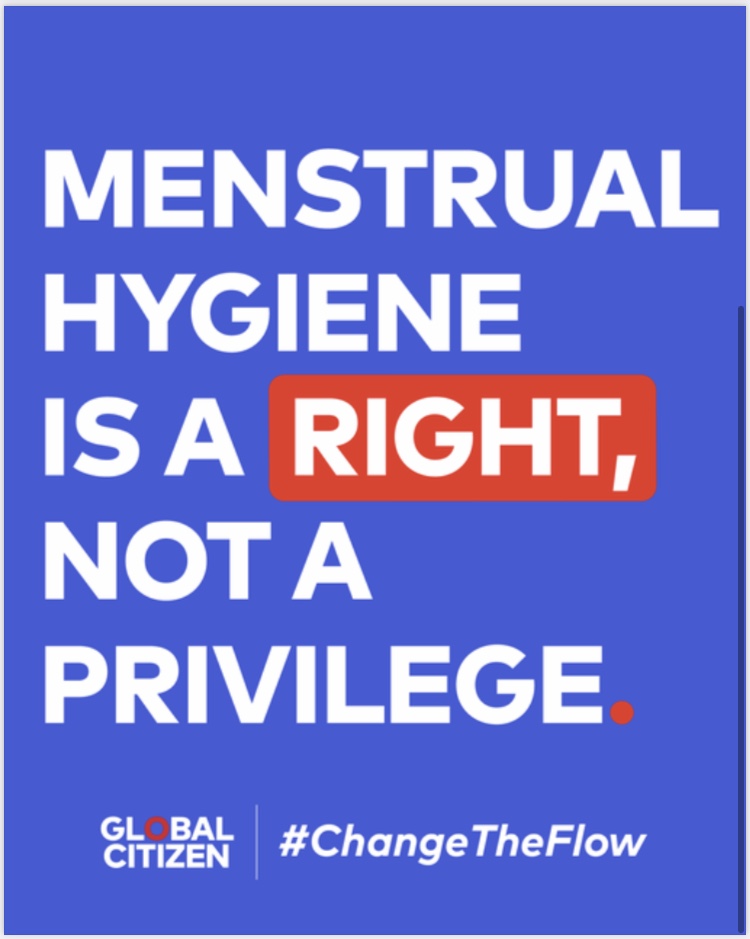
#ChangeTheFlow Social Tolkit
-
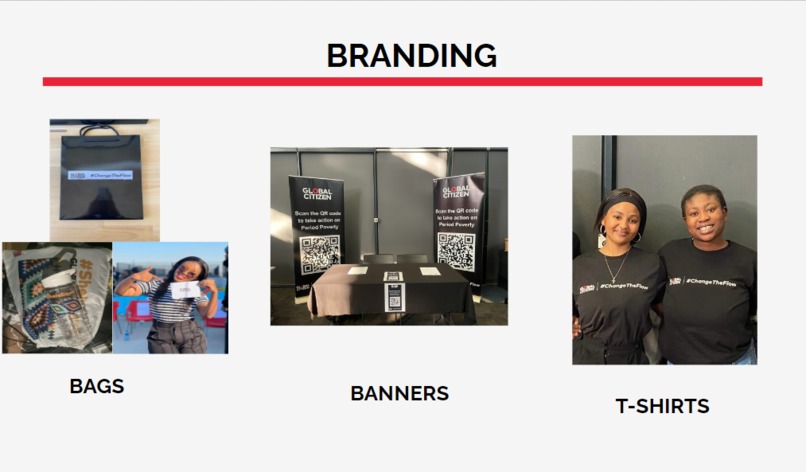
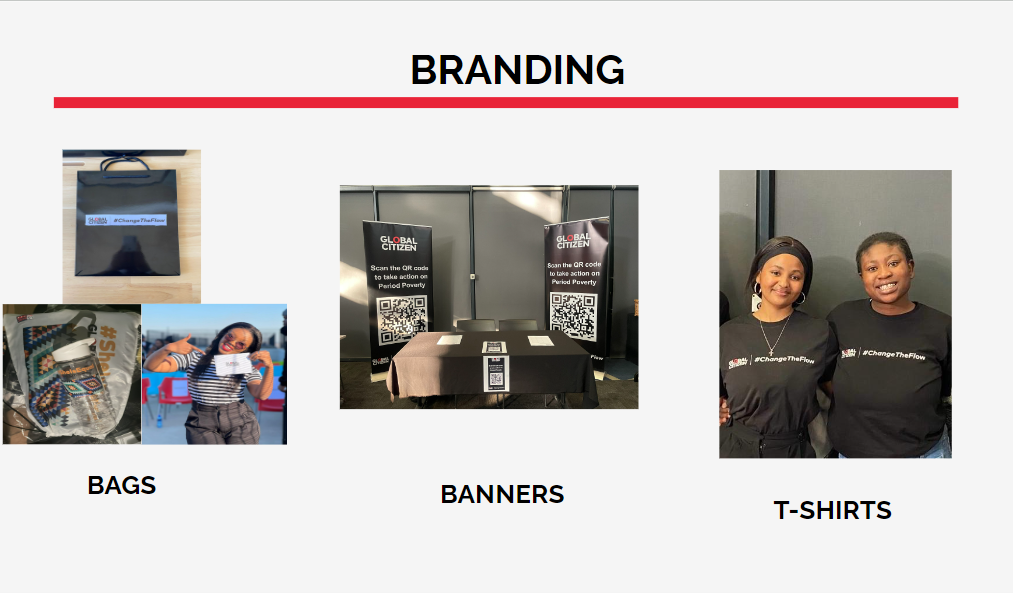
The Team brands creation
-
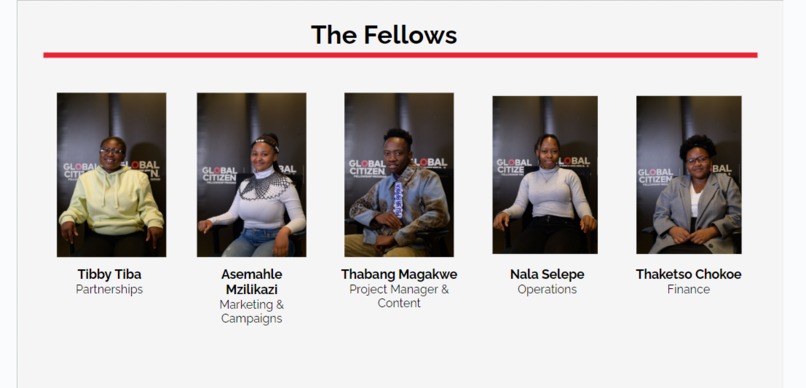
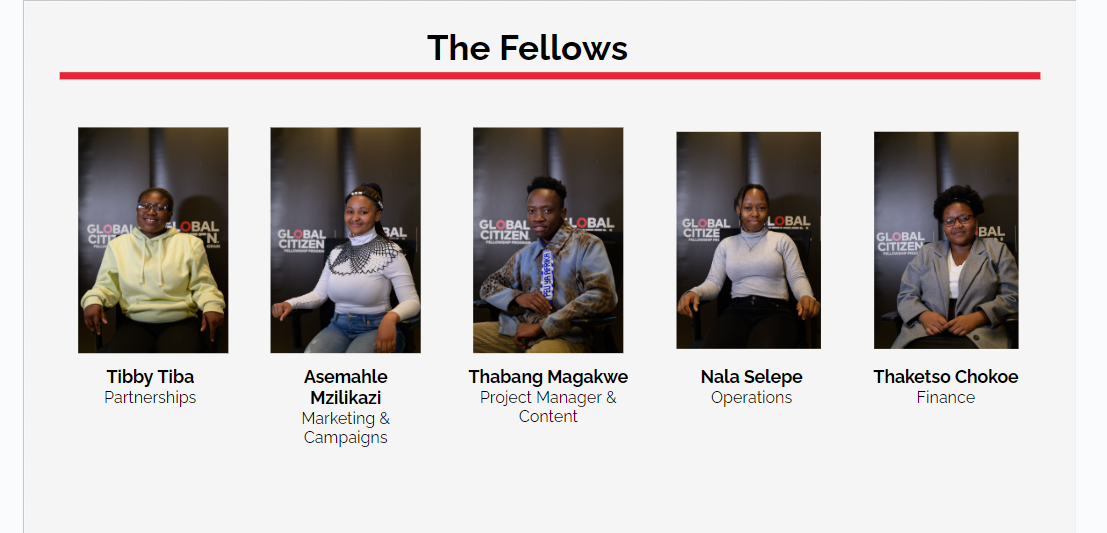
The #ChangeTheFlow Team
Inspiration:
The inspiration behind our campaign was to inspire young girls to view menstruation as a normalized conversation. Changing the flow means changing how we view our period and speak about, and addressing the scarcity of affordable menstrual products. This initiative aims to empower girls in university settings. In a world where silence often surrounds the most natural human experiences, #ChangeTheFlow emerged as a beacon of hope and transformation. The campaign started with a simple yet powerful idea: to demystify menstrual hygiene management and normalize conversations about menstruation. Imagine young menstruators in rural communities, still afraid to talk about menstruation due to cultural barriers. The inspiration for the #ChangeTheFlow campaign is about transforming mindsets and breaking taboos by having conversations. By normalizing these conversations, we can end period poverty and demystify the stigmas around menstruation through peer-to-peer engagements and involving boys in the discussion.
What it does:
ChangeTheFlow is an activation campaign designed to raise awareness about menstrual health, advocate for access to menstrual products, and destigmatize menstruation. Our events aim to create inclusive spaces where everyone, regardless of gender, can engage in meaningful conversations and drive change. We focus on empowering women and girls, providing education, and mobilizing communities to take action.
Equips young males and females with knowledge about Menstrual Hygiene Management and breaks taboos.
How we built it
it all started with a simple, yet profound question: How can we make menstrual health a topic that everyone, regardless of gender, feels comfortable discussing? We knew that to drive real change, we had to break down the taboos and stigmas surrounding menstruation. And thus, #ChangeTheFlow was born, driven by a mission to empower, educate, and inspire. The idea sparked during a casual conversation with my team about the challenges girls and women face when it comes to menstrual hygiene. Stories about young girls missing school because they couldn't afford sanitary products or women having to choose between buying bread or pads struck a chord with us. We realized that menstrual health wasn't just a women's issue, it was a human rights issue. We chose to hold our event at Mpumelelo student accommodation, understanding that university life comes with unique challenges. Many students face the harsh realities of financial constraints, balancing academics with part-time jobs, and the mental and emotional stress of being away from home. Period poverty is a hidden but significant issue among students, with some choosing between textbooks and sanitary products. We crafted our messaging and activities to resonate with students, emphasizing relatable stories and practical solutions.
We further conducted research and identified the following:
*Globally, approximately 500 million women and girls lack adequate facilities for menstrual hygiene management (source: World Bank). In many low- and middle-income countries, nearly 1 in 5 girls miss school due to a lack of menstrual hygiene management facilities (source: UNICEF). Moreover, research shows that 71% of women feel uncomfortable discussing their menstrual cycle openly (source: PLOS ONE).
Challenges we ran into
We encountered several challenges along the way. The biggest hurdle was overcoming the stigma and discomfort surrounding menstruation. Many people, especially men, felt awkward discussing menstrual health. We had to create a safe, open environment to facilitate these conversations. Logistically, coordinating speakers and ensuring smooth event execution required planning and teamwork. Balancing our limited resources while trying to maximize our impact was another constant challenge. Despite technical challenges with the sound system, our speakers projected their voices, and the event proceeded smoothly. The change in venue to the rooftop, presenting us with hot weather conditions, did not deter our team or attendees' spirits
Accomplishments that we're proud of
Despite the obstacles, we achieved significant milestones. Collecting over 92 email addresses for Global Citizen was a highlight, allowing us to amplify our message through an effective email marketing campaign. The engagement from attendees was overwhelming. Hlayisani Shiburi's poetry moved the audience deeply and the panel discussion saw active participation and heartfelt stories being shared. Seeing men in the audience actively engage and learn about menstrual health was a breakthrough moment for us. With support from MINA Cups, we distributed 100 menstrual cups. These small, silicone vessels represent more than just a product; they symbolize empowerment, dignity, and a commitment to breaking down barriers. Imagine the impact—100 lives transformed, 100 futures unshackled. Beyond cups, we addressed the urgent need for sanitary pads. Our dedication led us to provide 2160 pads, ensuring that students—our sisters, daughters, and future leaders—can focus on their education without the burden of period poverty. Each pad represents a step toward equality, a bridge between dreams and reality. The "Menstrual Project" exhibition at the University of Johannesburg was a resounding success. Featuring 39 artworks by local artists, it provided a platform for students to learn and engage in meaningful dialogue. The #ChangeTheFlow workshop allowed participants to delve into the themes of the art, fostering a sense of empowerment and challenging societal perceptions
What we learned
Timeliness is crucial; it fosters efficiency and respect for everyone's time. Effective teamwork amplifies our strengths and leads to greater achievements. We learned the importance of working together with passionate individuals and organizations magnified our impact. Resourcefulness is key; it turns challenges into opportunities for growth. The power of personal stories became evident as they resonated deeply with the audience and drove the conversation forward. We also learned that change starts with us, by taking small, consistent actions we can create a ripple effect that leads to significant societal shifts. We learned that creating a campaign can be challenging but also rewarding. It helps us to encourage young girls and women to talk about the conversation of pads because it is a norm.
What's next for #ChangeTheFlow
Ongoing Movement: Continues beyond the initial launch, encouraging others to join and sustain the campaign Focusing on driving positive change and making a lasting impact. Call to Action: Aim to end extreme period poverty by increasing accessibility to affordable menstrual products. Primary Objectives: Drive open conversations about menstruation. Host educational workshops across the country, from local to provincial levels, and ensure that no one is left behind. Creating Stigma-Free Spaces: Promote environments where menstruation is openly discussed, including in public spaces like lifts and cars. Encourage young girls and boys to talk freely about menstruation. Community Engagement: Transform mindsets and break cultural taboos through ongoing conversations, And Involve boys and men in conversations about menstruation to promote inclusivity.
Built With
- adobe-creative-sdk
- canva
- english
- globalcitizenapp


Log in or sign up for Devpost to join the conversation.