ChalkPad
Inspiration
Imagine working through a tough math problem, only to get stuck without knowing where you went wrong. That moment of frustration and uncertainty sparked the idea for ChalkPad — a web app designed to guide students through their learning journeys. We envisioned a tool that not only provides instant, intelligent feedback on handwritten work but also helps students reinforce their understanding with AI-generated flashcards. ChalkPad was built to be that always-available study partner — one that makes learning interactive, efficient, and just a little more fun.
What it does
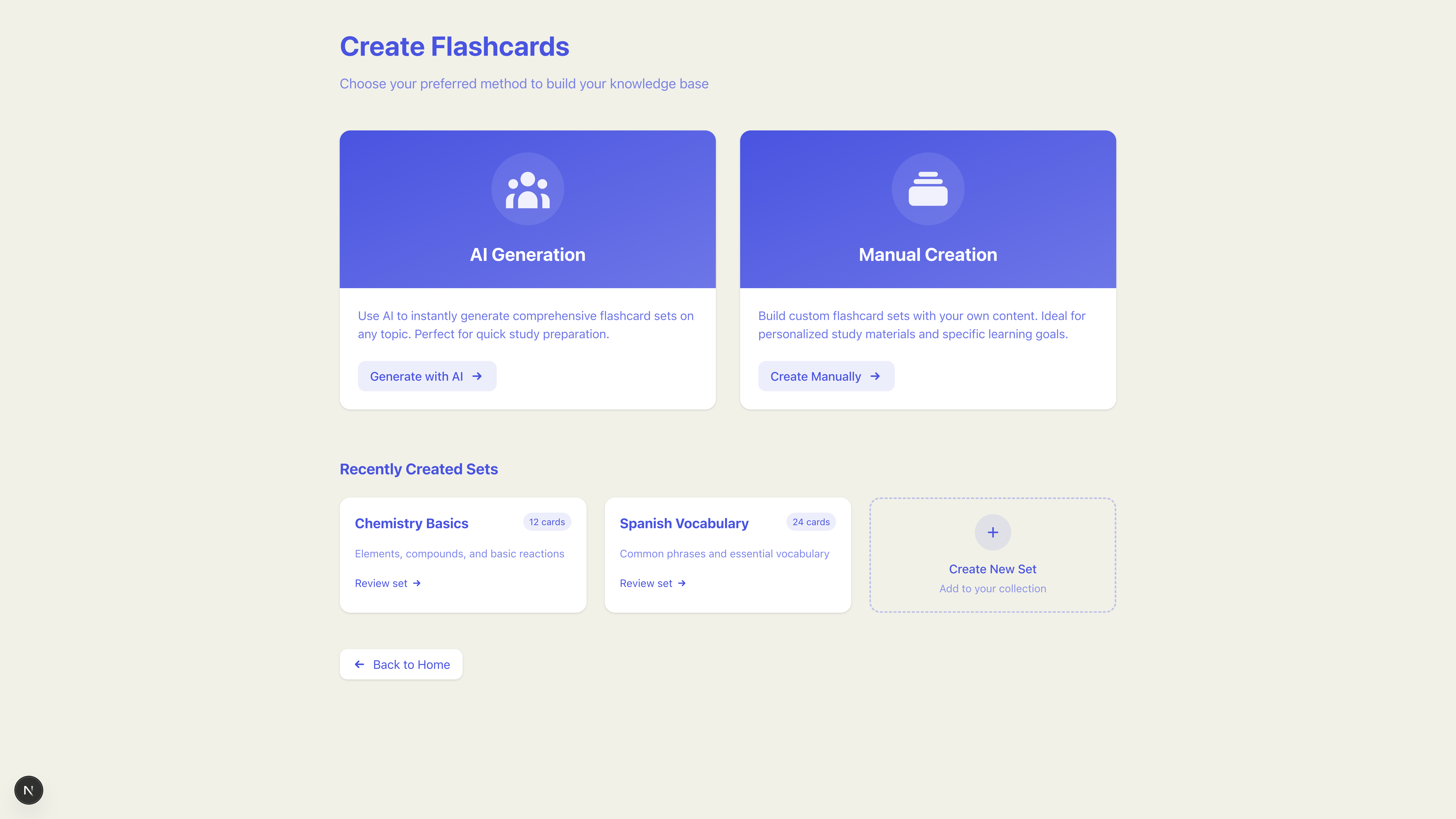
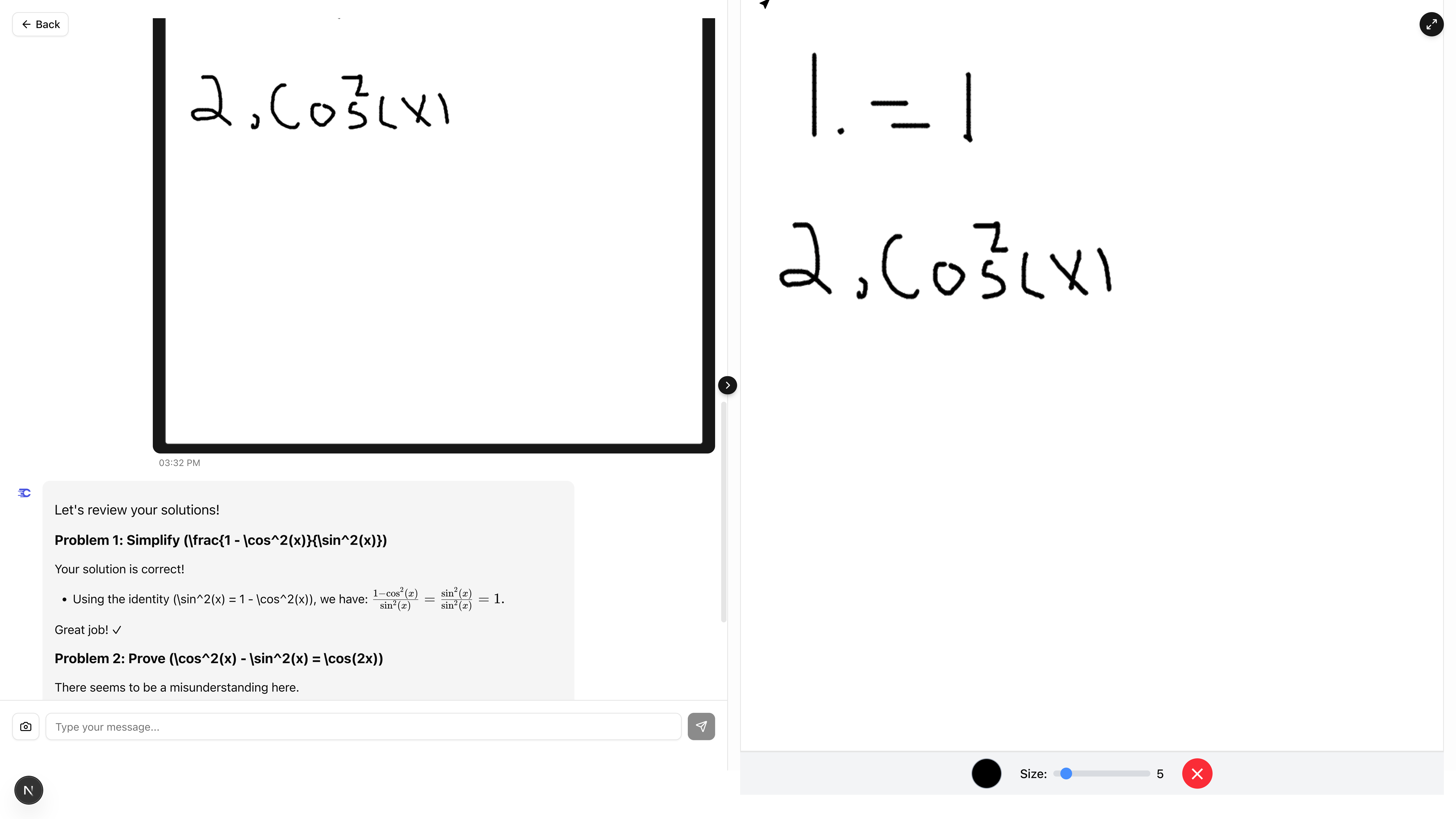
ChalkPad is an interactive web application powered by OpenAI that helps users get real-time feedback on their handwritten work and generates customized flashcard sets for further study. Whether you're solving math problems or brushing up on biology terms, ChalkPad reads your work, provides insightful feedback, and creates relevant flashcards — all in one seamless experience. It eliminates the hassle of manually making flashcards, while ensuring each one is tailored to the user’s learning needs.
How we built it
ChalkPad is built using the Next.js framework for a responsive and dynamic front-end. We use PostgreSQL to manage and store user data securely, and we've implemented secure authentication to ensure user privacy. The heart of ChalkPad lies in its integration with OpenAI's GPT-o3 API, which powers both the feedback system and the flashcard generation. One of our key achievements was implementing a real-time whiteboard interface that interacts directly with the AI — a feature that took significant research and fine-tuning to get right.
Challenges we ran into
One of the biggest technical challenges we faced was integrating the whiteboard feature with our chatbot interface in real time. Merging dynamic handwriting input with AI-driven feedback required both performance optimization and creative problem solving. Ensuring that the AI could understand handwritten input, deliver helpful suggestions, and do so efficiently was no small feat. We also had to ensure a smooth and secure backend infrastructure to handle user data and API calls reliably.
Accomplishments that we're proud of
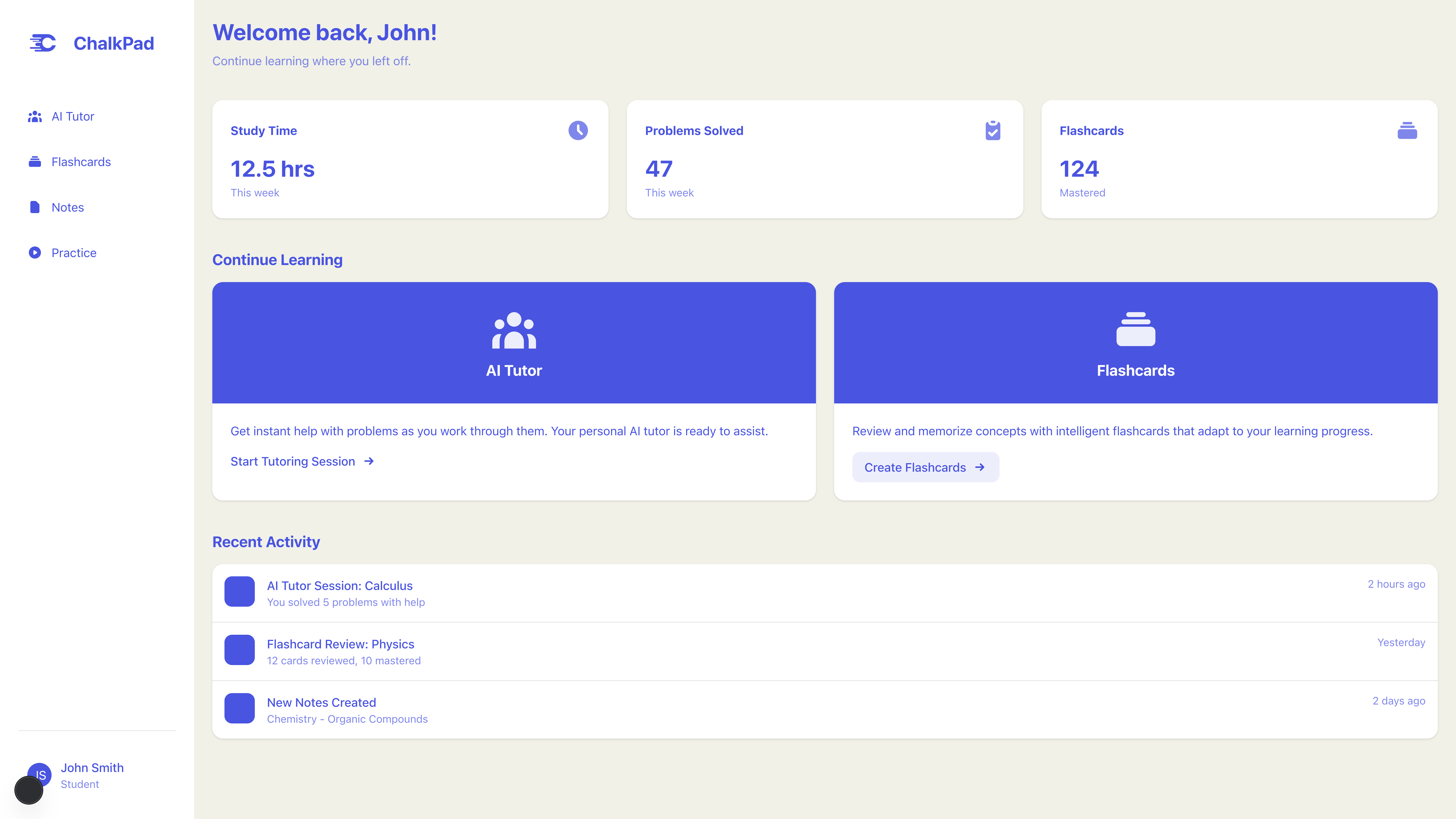
We're especially proud of the way our user interface turned out — it's clean, responsive, and engaging, with intuitive interactions and a cohesive color scheme that supports our brand identity. More importantly, we successfully built a tool that bridges the gap between writing and comprehension — something that felt both ambitious and necessary. Seeing ChalkPad provide real-time feedback and generate useful study tools made all the effort worthwhile.
What we learned
Throughout the development of ChalkPad, we learned a lot about API integration, real-time data handling, and building an app that combines multiple technologies smoothly. We also gained valuable insights into how users interact with AI-driven tools, and how to make that interaction feel both helpful and human. This project pushed our skills in full-stack development, UI/UX design, and machine learning integration.
What's next for ChalkPad
We see ChalkPad as just getting started. In the near future, we plan to expand the app's capabilities by:
- Supporting more subjects and types of input (like diagrams or typed text)
- Improving handwriting recognition for more precise feedback
- Adding collaborative features so students can study together
- Implementing analytics to help users track their progress over time
Our ultimate goal is to turn ChalkPad into a go-to platform for interactive, AI-enhanced learning — accessible to students everywhere.
Every problem has a solution. Find yours.
Built With
- next.js
- openai
- postgresql

Log in or sign up for Devpost to join the conversation.