-
-
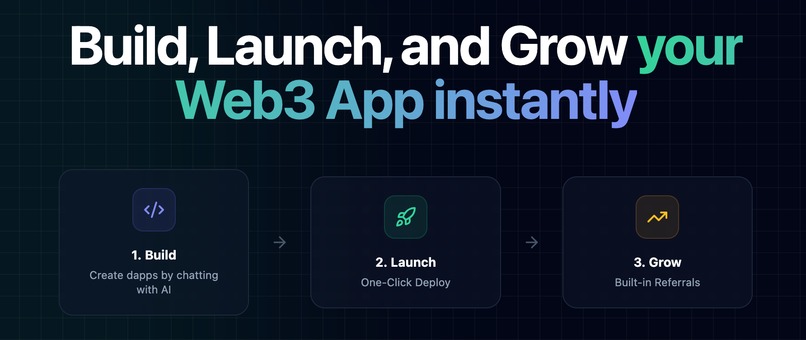
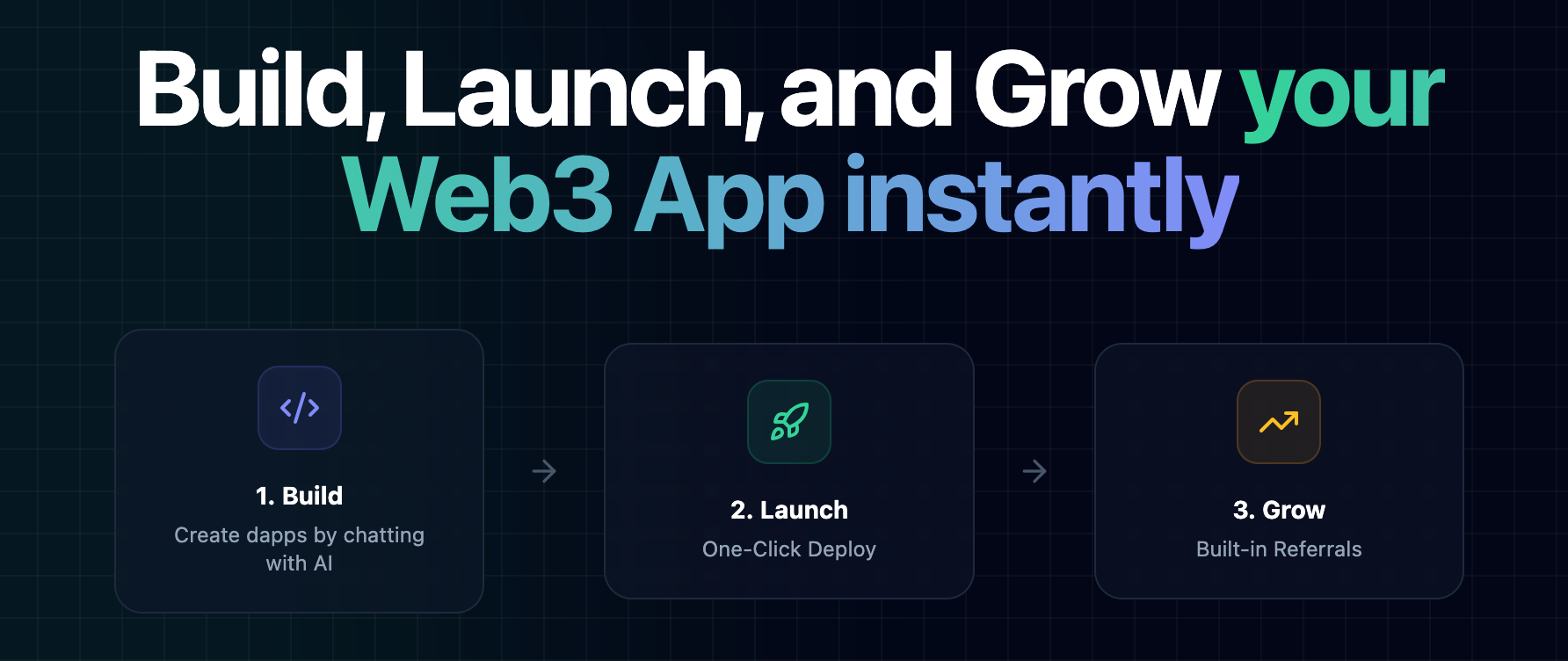
Build Lanuch and grow your web3 app instantly with ChainCodeX
Inspiration
We were inspired by the fragmented experience developers face when building on Web3. While deploying smart contracts and dApps is possible, there’s often a disconnect between building, launching, and growing a project.
We wanted to create a platform that lets builders ship faster and smarter, with everything from smart contract deployment to user acquisition in one place. Hackathons and open-source communities also inspired us—speed and iteration are key, and builders need infrastructure that keeps up with their creativity.
What it does
ChainCodex is an all-in-one platform for Web3 builders. It allows users to:
Deploy and manage smart contracts seamlessly
Launch dApps without worrying about infrastructure
Track usage metrics and analytics in real time
Automate repetitive tasks like testing and deployment scripts
Grow their user base with built-in engagement tools
Mathematically, we optimize gas costs for contract functions:
Total Gas Cost
∑
𝑖
1 𝑛 OperationGas 𝑖 Total Gas Cost= i=1 ∑ n
OperationGas i
Minimizing redundant operations ensures efficient, cost-effective deployments.
How we built it
Frontend: React + TypeScript dashboard for managing dApps and analytics
Backend: Node.js + Express server coordinating blockchain interactions
Smart Contracts: Rust-based contracts on Polkadot, tested with cargo test
Integration: Polkadot JS API and ethers.js for cross-chain compatibility
Automation: Scripts for deployment, verification, and monitoring transactions
Our deployment flow:
Compile smart contract
Deploy to testnet
Verify contract ABI & state
Expose dashboard for user interaction
Track gas usage and execution results
Challenges we ran into
Tooling & version conflicts: Rust, Node, and CLI versions often broke builds; Docker helped standardize environments
Manual deployment steps: Compiling → deploying → verifying → interacting had friction, which slowed iteration
Debugging contracts: On-chain errors were opaque, requiring custom logging for clarity
User onboarding: Wallet connections, transaction signing, and contract interactions required careful UX design
Accomplishments that we're proud of
Built a fully functional platform that streamlines the end-to-end dApp lifecycle
Automated repetitive tasks to reduce deployment time by 50%+
Successfully optimized gas usage across multiple contract types
Enabled builders to launch and track dApps without deep blockchain knowledge
What we learned
Every on-chain action must have a caller; smart contracts do not run automatically
UX is as critical as backend logic for adoption
Automation and tooling consistency are crucial for fast iteration
Gas efficiency and error handling are major levers for builder success
What's next for ChainCodex
Add cross-chain support for Ethereum, Polygon, and more
Integrate community engagement tools for dApp growth
Build a marketplace for reusable contract templates
Enhance analytics & reporting to help builders understand user behavior

