-
-
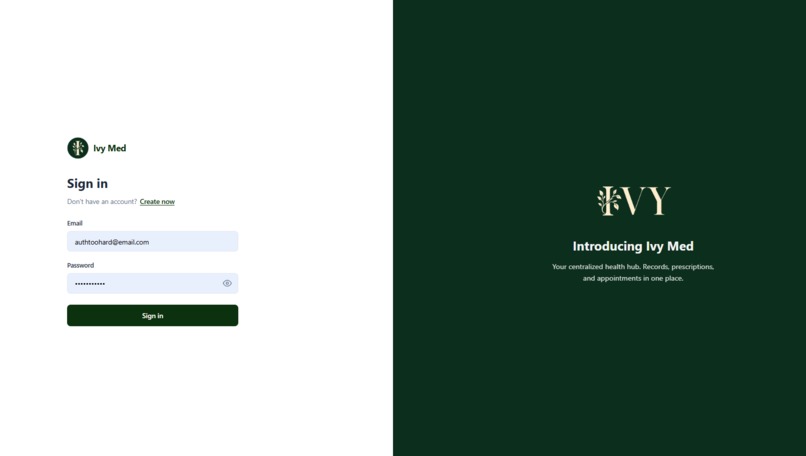
Authentication page
-
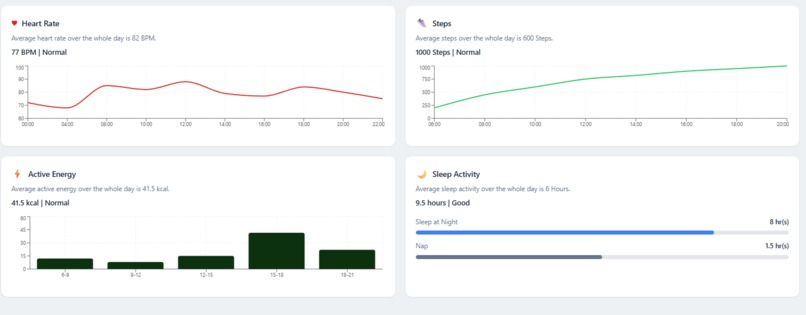
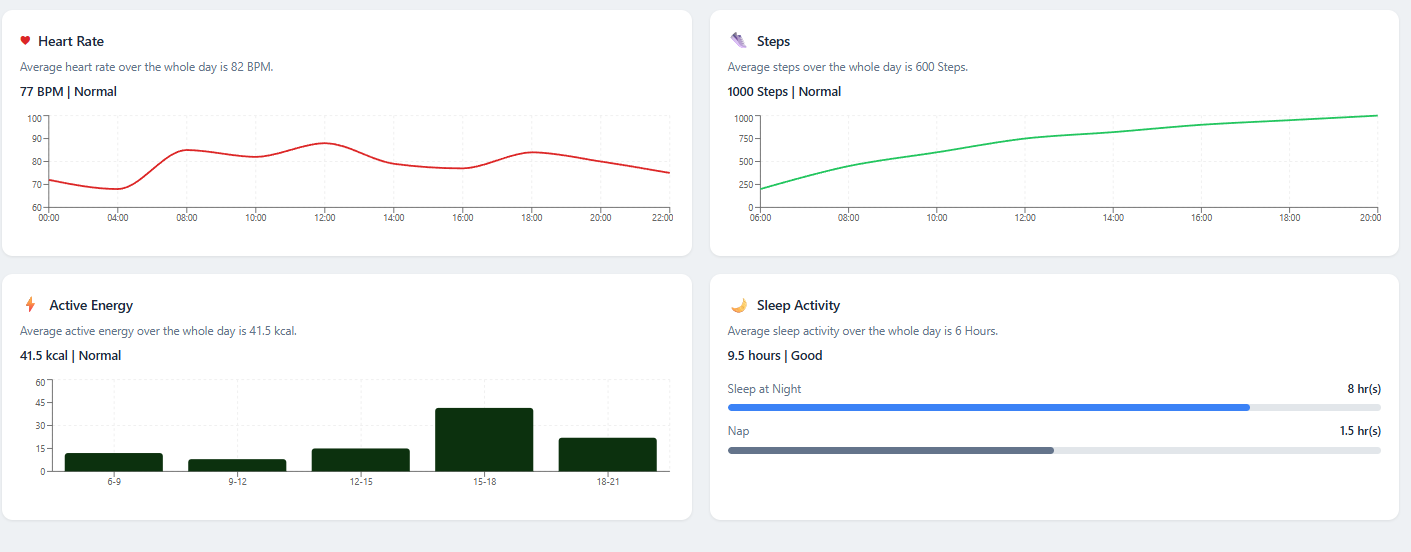
Remote Health Monitoring
-
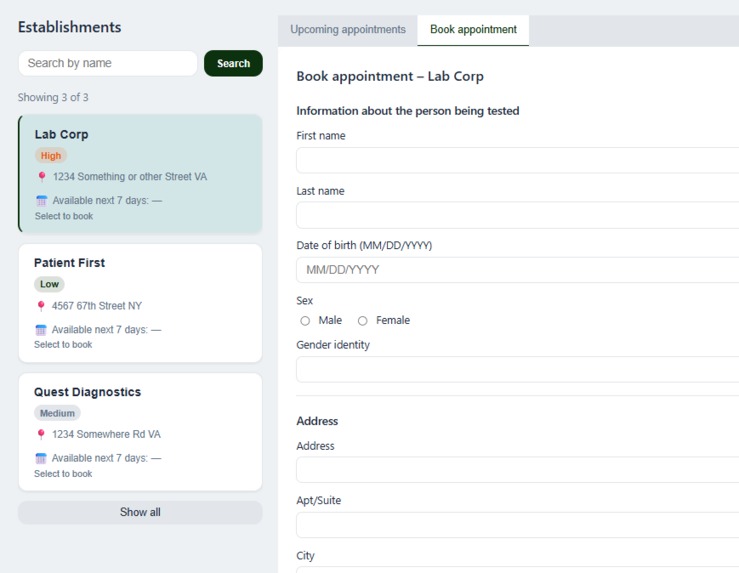
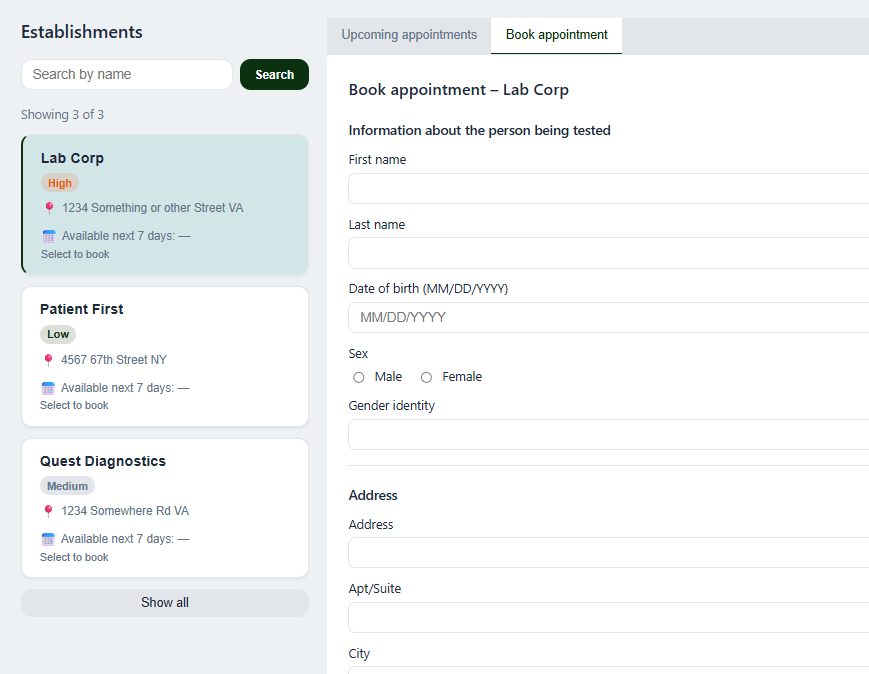
Schedule Appointments
Inspiration
We both brainstormed in the health/healthcare track and decided to merge our best ideas. We shotgunned as many different ideas as we could and picked the ones that sounded most feasible.
What it does
Our project simplifies the medical process by creating a centralized location for all documents irrespective of which hospital, care center, or laboratory data was held in. With a simple upload, all of the data will get refactored into its proper place.
Backend:
Once the data was in place, we began to synthesize and analyze in a few different ways:
Gemini API acted as the chatbot that our users would interact with. They could ask questions about their medication (with information fed from MedlinePlus’s US government API) or about their previous/current prescriptions, appointments, remote monitoring data, etc (with information fed from Supabase).
Not only could patients directly take information back into their hands and have a comprehensive overview of their “health portfolio,” but the system is running predictive models as a “Guardian Angel” / proactive health intelligence system to carefully monitor patients and anticipate any trends based on their heart rate fluctuation, sleep patterns, etc. with data collected from 3rd party sources like Apple Watch, Oura Ring, etc.
How we built it
We used Native for frontend and Python for backend. Instead of following an MVC or MVVM method of building, we agreed to keep a simple frontend/backend split with direct communication to speed up build time, as architecture development was slowing us down.
Frontend consisted of React js, and custom CSS styling with a modular, card-based layout.
Backend consisted of MedlinePlus for drug, herb, and supplement information, the Gemini API, auth, Supabase database integration, and an in-progress predictive system, all done in Python.
Challenges we ran into
The Herculean challenge faced was determining the RLS policies needed for auth on Supabase, as we didn't realize that users needed to also be able to read their own data in order to insert data. Rate limiting was also another issue, as we could only test so many times before we were blocked from sending additional requests, which limited how much we could test our Gemini and MedlinePlus API integration.
Our start was also hindered by the infamous act of Vibe Coding… We initially trusted AI to write our code, however very quickly we noticed the weak structural integrity of the system it had created. It constantly generated redundant folders, made wordy explanations, and completely annihilated our file structure. Once we realized that building a full application DOES require some critical thinking, we put our brain cells together, and the rest was history…
Accomplishments that we're proud of
We’ve created a sleek modern UI & UX experience for both patients and medical professionals. Outside of what we actually developed, we learned a lot about a variety of tools in a short amount of time. Every setback was another opportunity to get closer under the hood and understand where our shortcomings were coming from and how to actually overcome them.
What we learned
We learned what actually makes RLS policies tick with very precise SQL language, how to stay sane with error after error after error, and how to adapt endpoints and integration between different tools based on changing needs.
What's next for the Centralized Medical System
Working out some bugs and kinks, making the process a bit more fluid, finalizing the predictive models using proper methods like time series forecasting, regression, and anomaly detection, and applying to Redbull's Basement. Having an easy data migration solution for medical establishments to transfer their data would also be a great way to allow the industry to acclimate to the system.

Log in or sign up for Devpost to join the conversation.