-
-
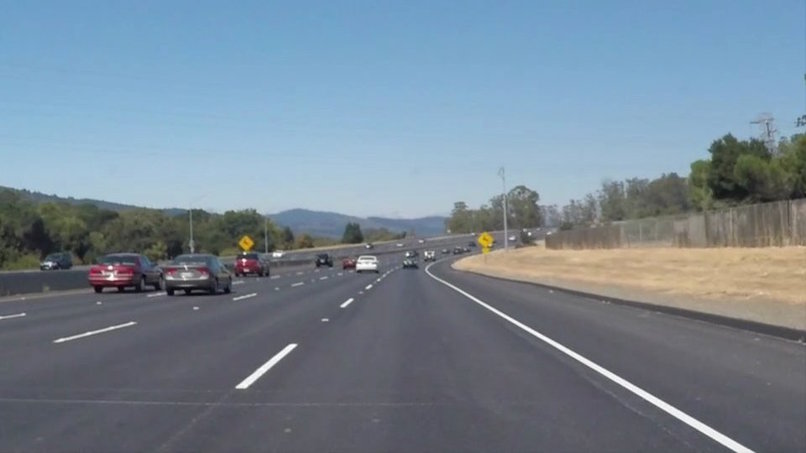
video snapshot
Inspiration
The recent announcement of our college's Tech Fest spurred a surge of participation, but the prevalence of run-of-the-mill ideas fueled my desire to craft something truly exceptional.
What it does
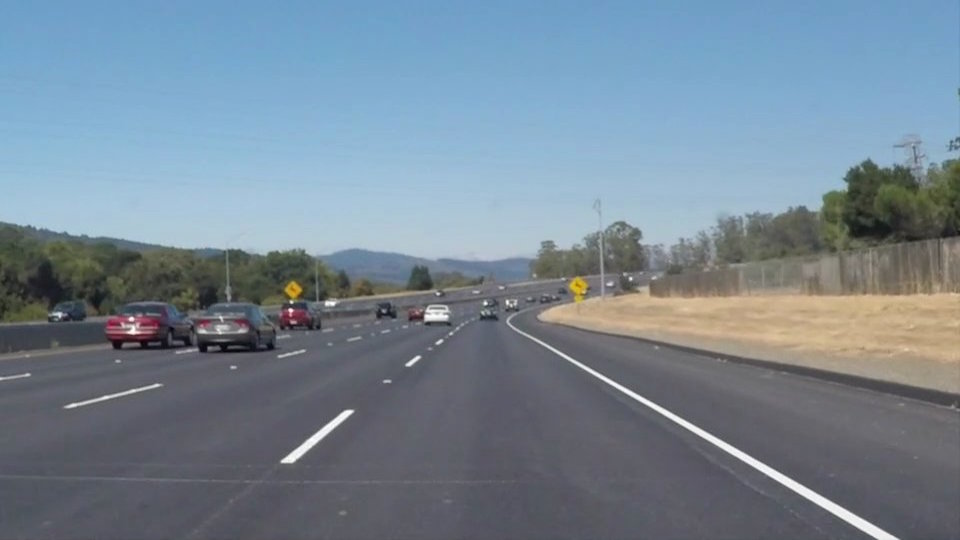
This system leverages computer vision to ascertain the vehicle's lane position and issues an audio or visual alert upon imminent lane departure.
How we built it
After nearly two days of deliberation, the concept finally crystallized. I then embarked on a meticulous process, first identifying the necessary tools and subsequently determining the most appropriate programming language for the project's execution.
Challenges we ran into
The initial phase of the project was fraught with errors, and even the computer system presented significant limitations. However, through collaboration with a colleague, I was ultimately able to navigate these hurdles and bring the project to fruition.
Accomplishments that we're proud of
Despite encountering numerous errors and inadequate computer support in the first phase, I persevered and completed the project.
What we learned
We explored ways to rewrite the sentence in a clearer and more concise way, while also considering different stylistic choices.
What's next for Lane Line Detection
The lane line detection system is a work in progress, and we anticipate the need for additional modifications to achieve state-of-the-art performance.
Uday Kiran Chowdary Pudota pen_spark


Log in or sign up for Devpost to join the conversation.