-
-
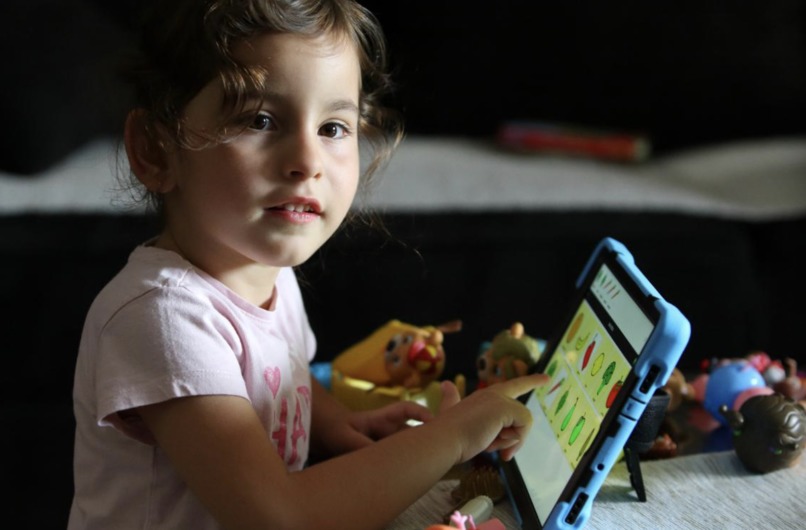
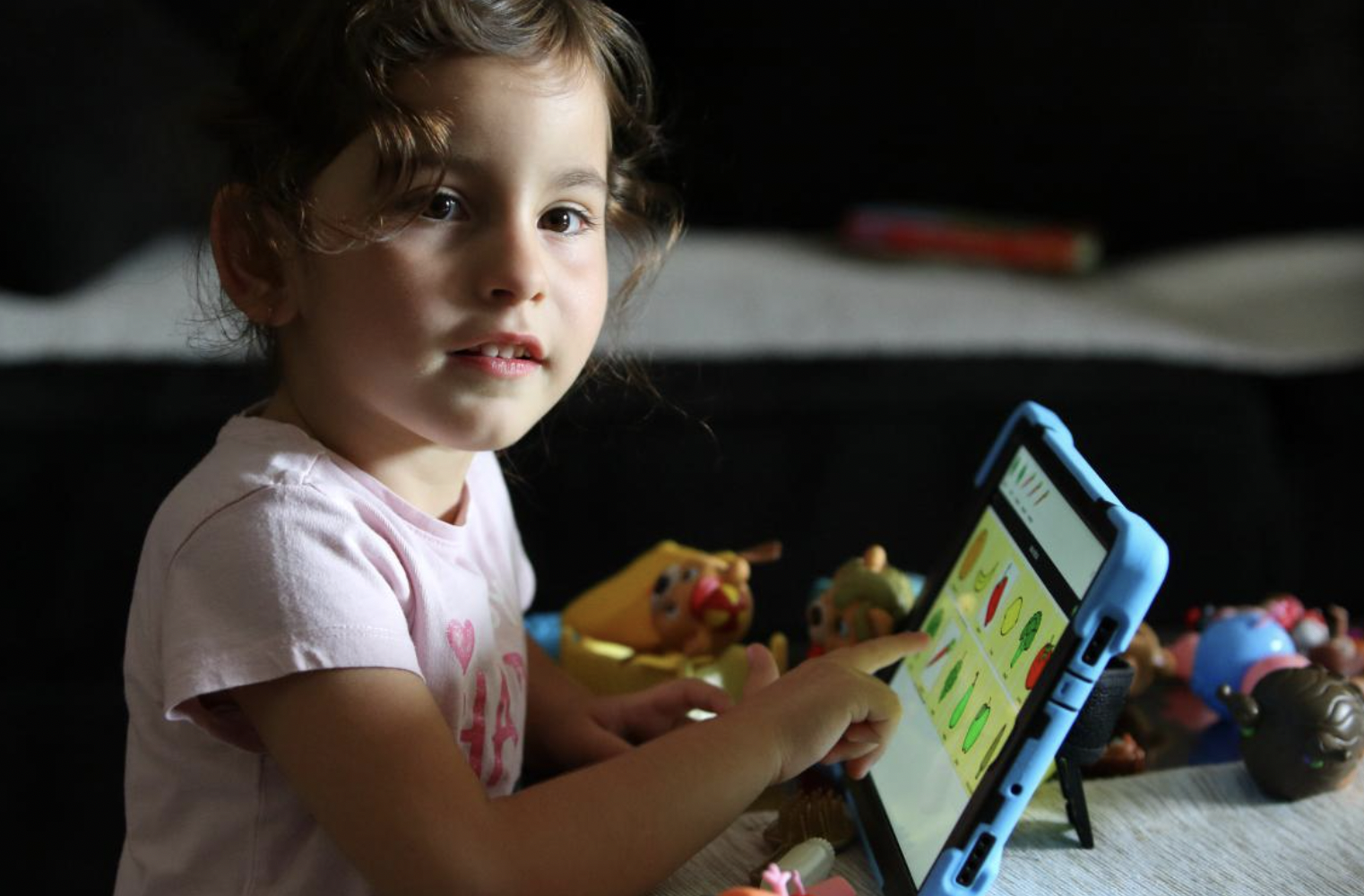
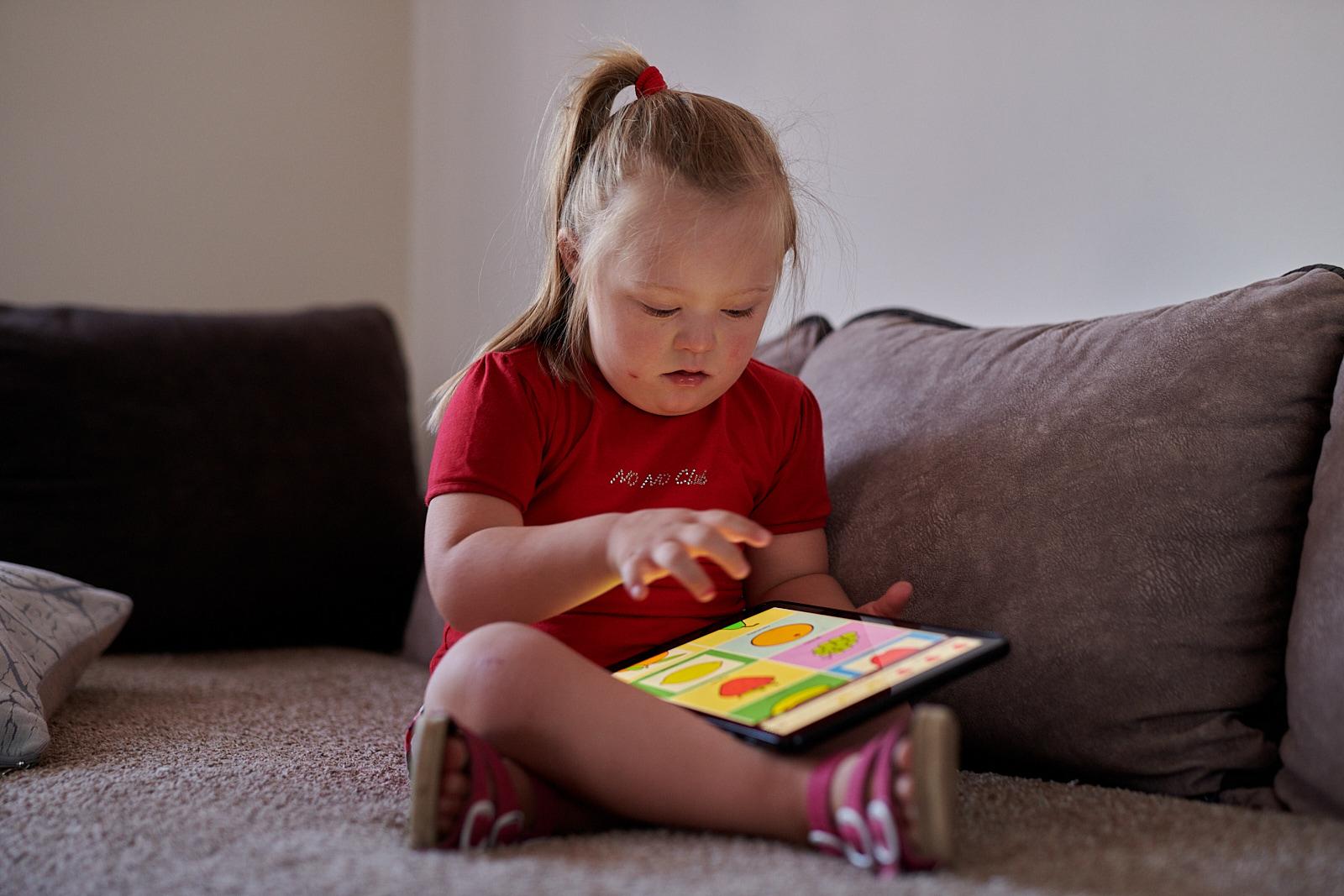
Srna using Cboard
-
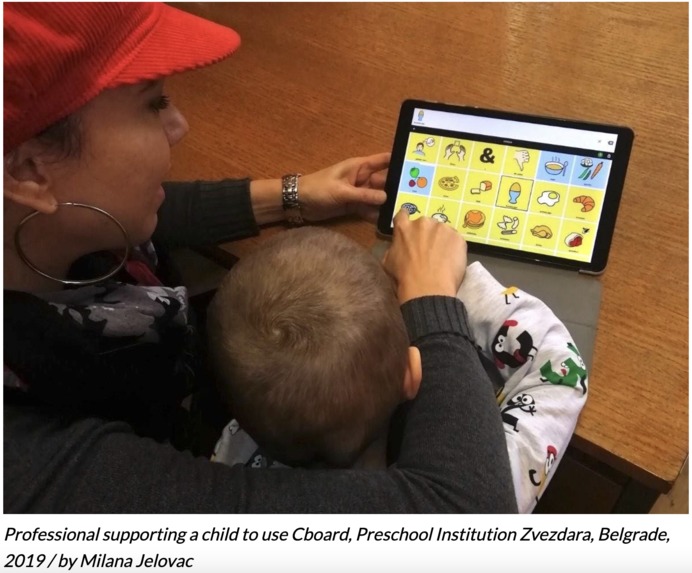
-
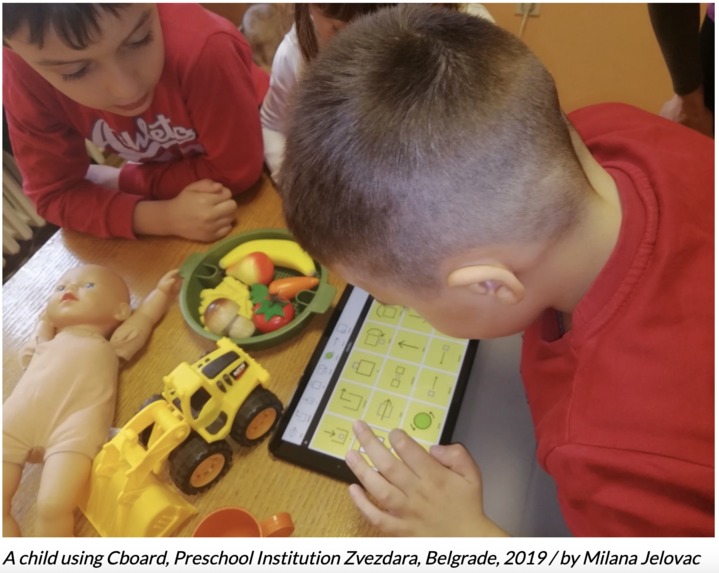
-
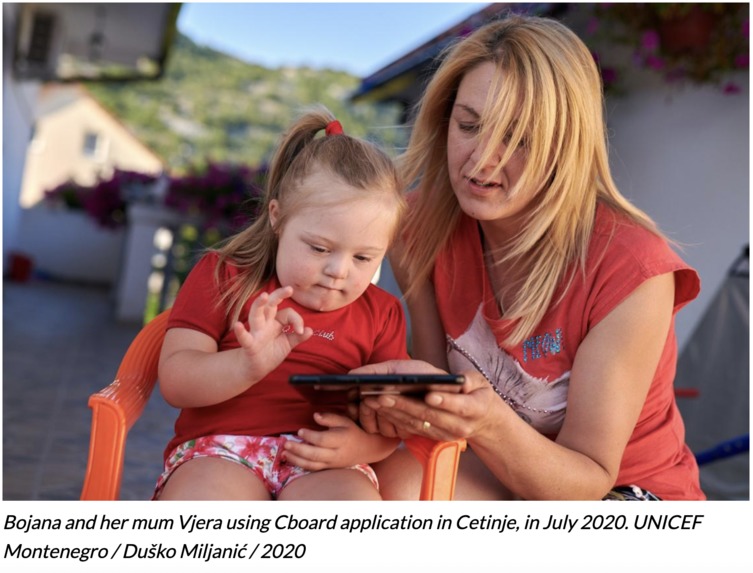
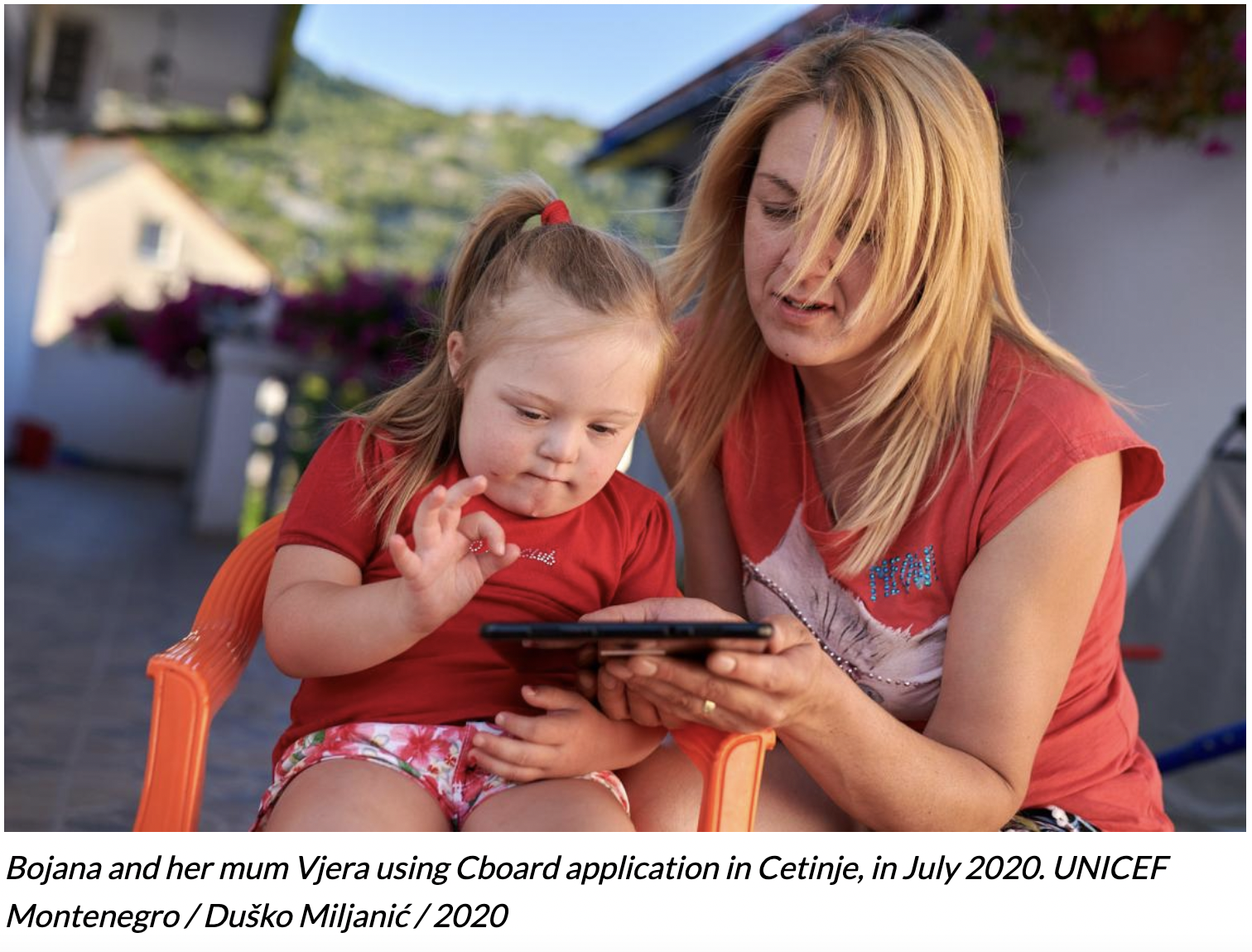
Bojana and her mum Vjera using Cboard
-
Cboard logo
-
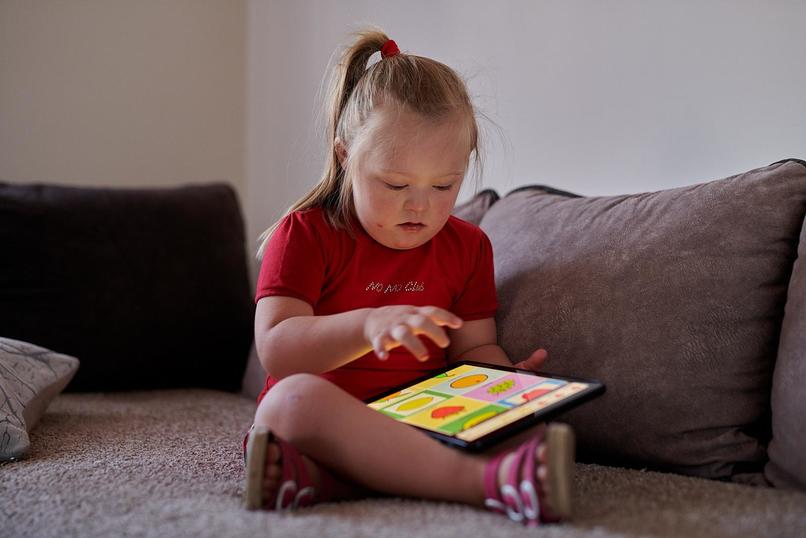
Bojana and using Cboard
-
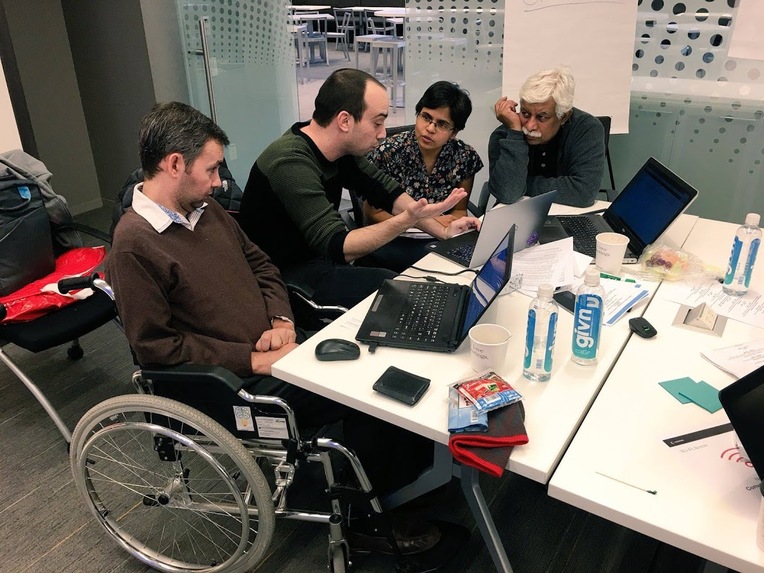
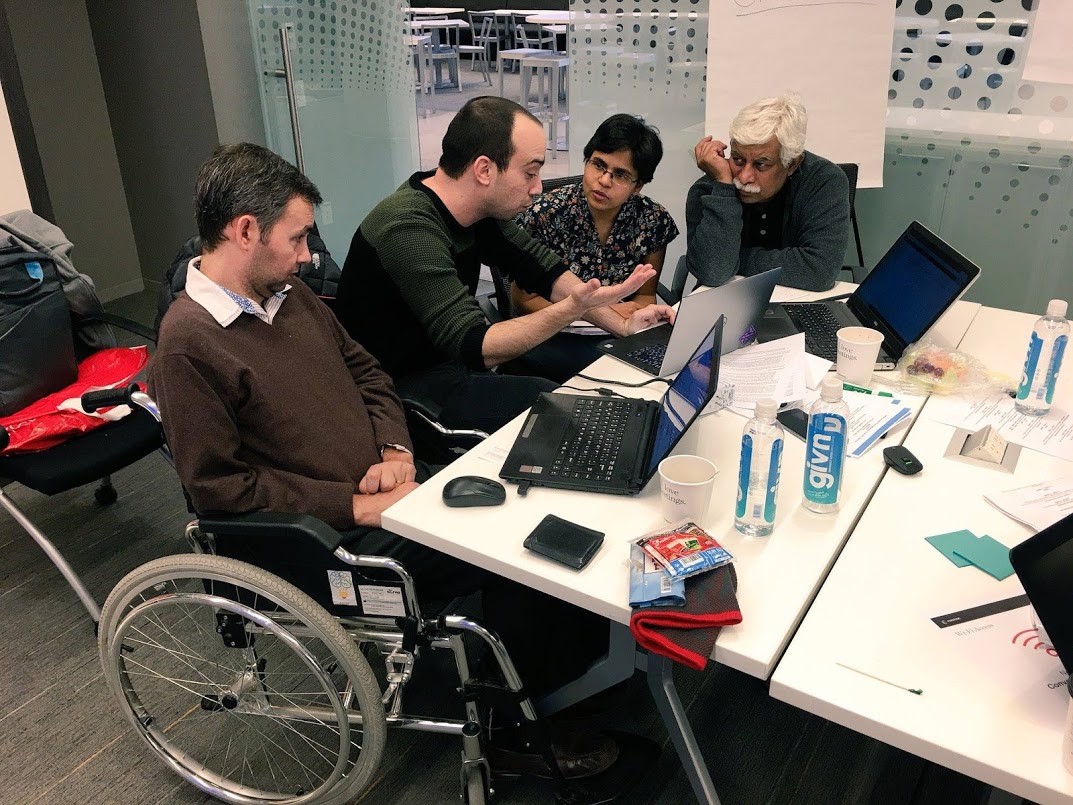
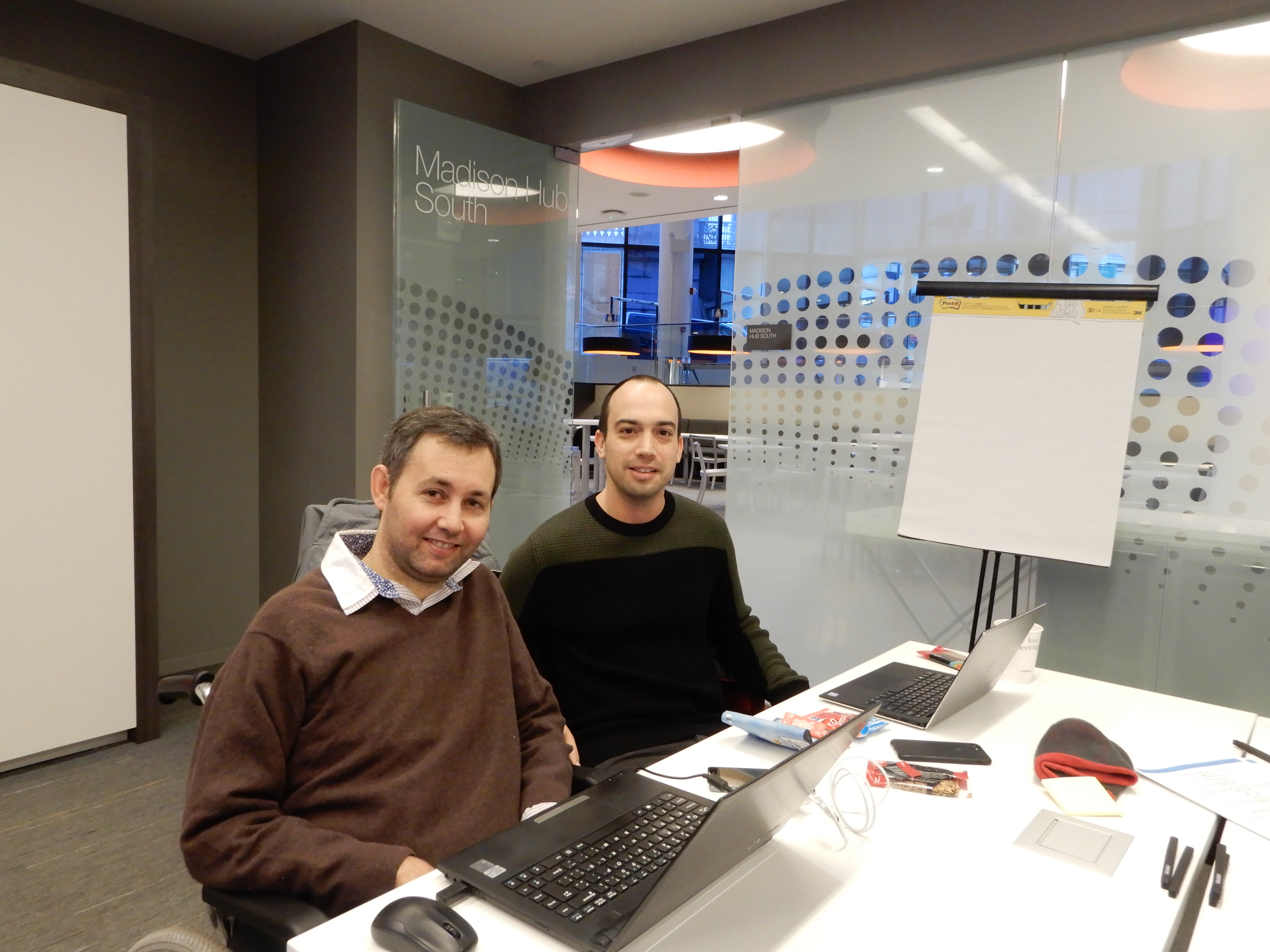
Martin and Shay, the co-founders
-
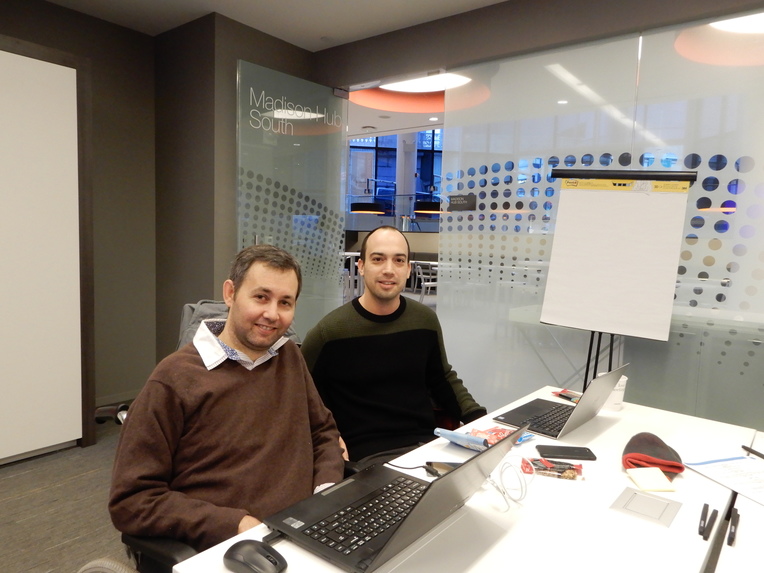
Martin and Shay, the co-founders
Inspiration
Millions of people worldwide suffer from speech, voice, or language disorders. This can be due to a number of reasons, including autism, down syndrome, developmental delays, and cerebral palsy, among many others. In many cases, tools can be used to help people communicate, or learn to do so. Many of these tools are expensive, work in few languages, and are ultimately inaccessible to the populations that most need it. This is where Cboard comes in.
The idea for Cboard stems from the need for an accessible Augmentative and Alternative Communication (AAC) tool that can be fully customized to the needs of each user, works in over 44 languages (and we are working on adding more translations), is open source, and is currently free of charge. Cboard can be made as simple or complex as necessary. We believe in order to be truly inclusive, it must be open source. Our goal is to help provide an accessible AAC tool for people worldwide, in as many languages as possible, and create a network of Cboard supporters through our open-source community.
Our co-founder Martín Bedouret thought of the idea for Cboard following his diagnosis with ALS, while working with his speech therapist at a rehabilitation center in Córdoba, Argentina. Our objective is to be a global one-stop solution for technological solutions for people with disabilities, where innovation, affordability and empathy are our key motivators.
What it does
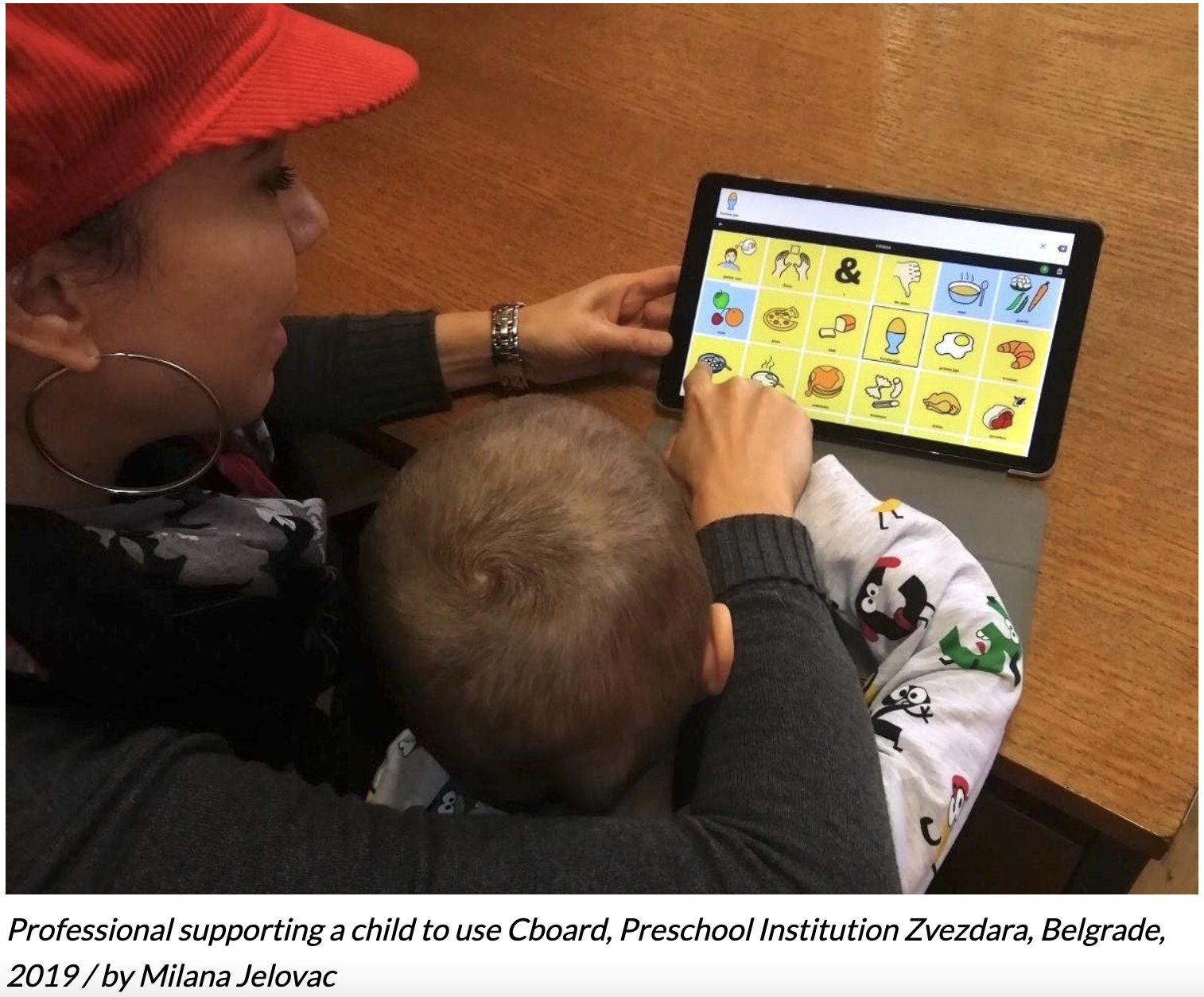
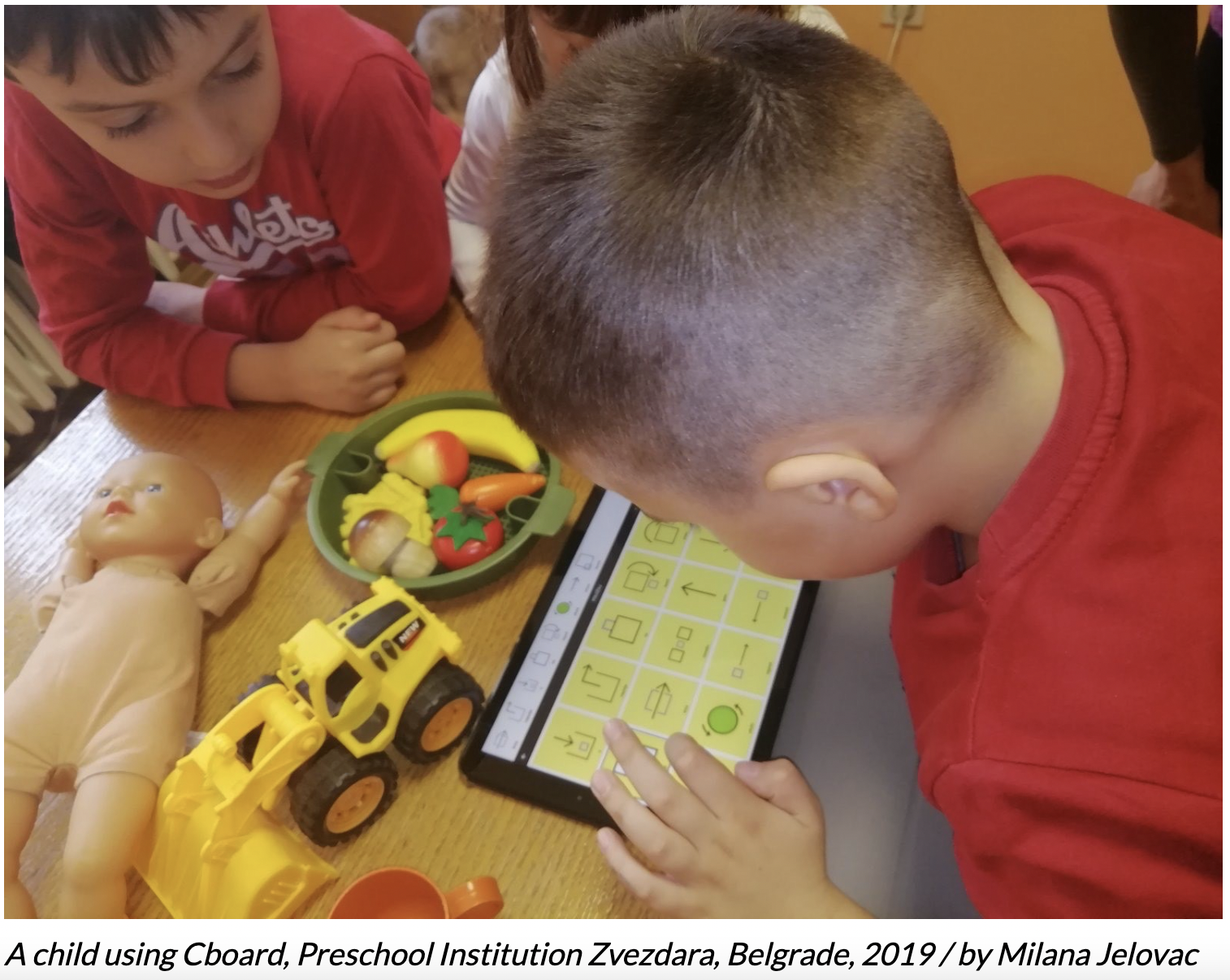
Cboard helps people with disabilities to communicate using visual symbols and text-to-speech technology. In order to support as many platforms as possible, Cboard runs on web browsers, and we have developed an Android app and a windows desktop application.
How we built it
Cboard is an open-source project that was started by Shay Cojocaru, an Israeli developer, and then Martín Bedouret from Argentina joined. Later they received the support of CIREHA, a rehabilitation center in the city of Córdoba, in Argentina, and quickly received an investment financed by UNICEF. The project has become the most popular open-source AAC initiative, supported by many contributors around the world.
A diverse team was critical for the development of Cboard. We counted with support from software developers, biomedical engineers, speech therapists, families, and people with disabilities.
Cboard is a complete full-stack system including: a frontend web application developed using React-Redux technology. a RESTful API that uses Nodejs-Express technologies. a DB cluster based on MongoDB-mongoose technologies. an Android app based on Cordova-PhoneGap. a Windows 10 app based on Cordova-PhoneGap. Cboard main infrastructure is deployed in the Microsoft Azure services. We have redundant virtual machines using docker images for every Cboard service. We also use Azure services for media storage, translation, and backups. Cboard uses an email dispatch service in the cloud called SendGrid. Cboard uses a translation service in the cloud called Crowdin.
Challenges we ran into
Certain challenges we have run into relate to finding ways to finance our project, without charging our users because we know that cost can often be an important barrier for users with limited access to assistive technology.
Accomplishments that we're proud of
We were awarded a grant by the Unicef Innovation Fund We're proud that Cboard has over 44 available languages, is fully open source, and has contributors all over the world helping provide an accessible assistive technology for people worldwide. Since our official launch, we have expanded and have users in 81 countries. In January 2021, Cboard was added to the Digital Public Goods Alliance DPG Registry. A Digital Public Good is defined as open source software, open data, open AI models, open standards and open content that adhere to privacy and other applicable laws and best practices, do no harm, and help attain the SDGs. We are very proud to have been recognized for our efforts to be as inclusive and sustainable as possible. Even though that the above accomplishments are very important, the thing we are most proud of is to give a voice to the children who cannot communicate. These are some of these stories: https://www.unicef.org/serbia/en/stories/long-awaited-first-word https://www.unicef.org/montenegro/en/stories/c-board-application-makes-communication-easier-children-disabilities
What we learned
We had the possibility of piloting Cboard in different countries with different cultures and economic development, and we realized that Cboard was loved in those countries that have never had an alternative communication solution due to language constraints. That’s why we focused on supporting as many languages as we could and building an open-source platform that is able to support collaboration for translations. We have translations for a wide range of countries, from big countries like China, to small islands like Timor - Leste.
What's next for Cboard
We are applying for funding to be able to support all our plans for Cboard. We would like to hire more software developers to keep up with a growing need to add more features to Cboard to cover the needs of our users. We also have plans to add more translations for countries and areas with limited access to other solutions, Estonia and Indonesia for instance. Cboard could benefit from further user testing, a larger team to address the results of user testing, and the addition of more languages to our database.

Log in or sign up for Devpost to join the conversation.