-
-
-
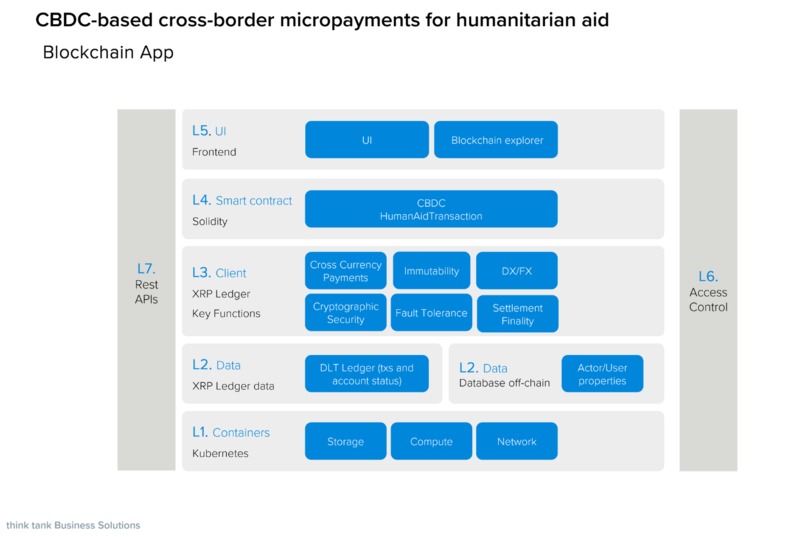
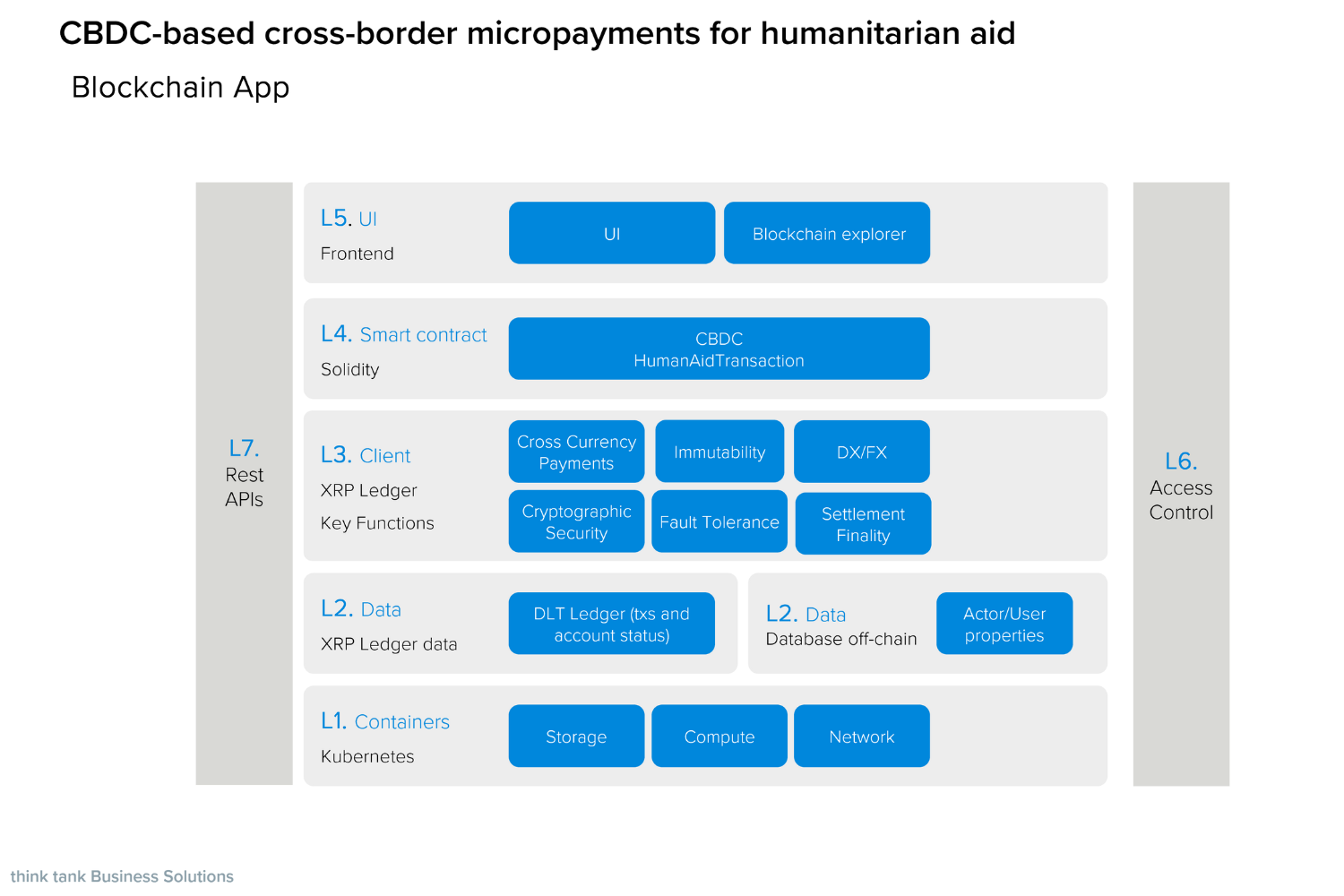
Global Blockchain App Archictecture
-
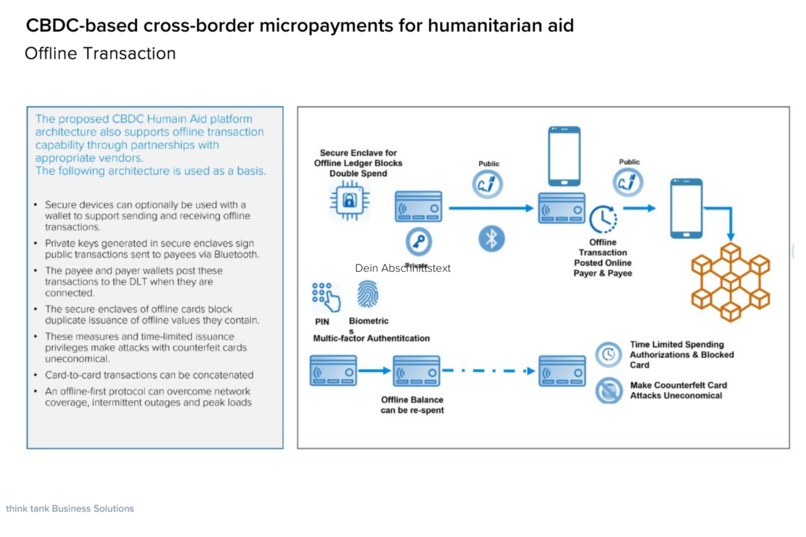
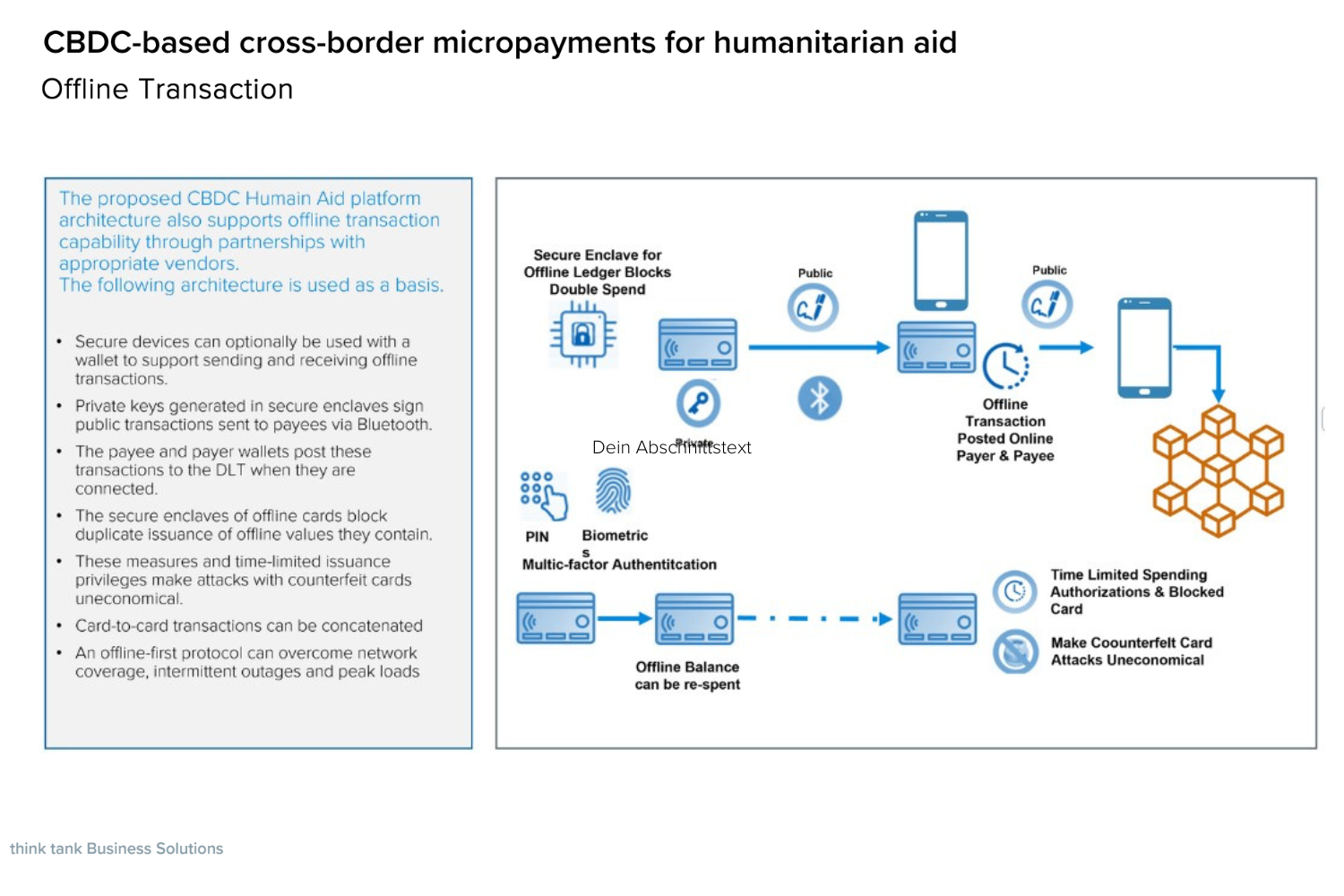
Offline Transaction Example
Inspiration
Today's humanitarian aid payments are characterized by many intermediaries, resulting in long processing times, high costs, lack of transparency, high risk of fraud, and lack of security. This builds distrust among investors and donors. In today's world, people who provide aid want to be assured that their aid will directly reach those affected
What it does
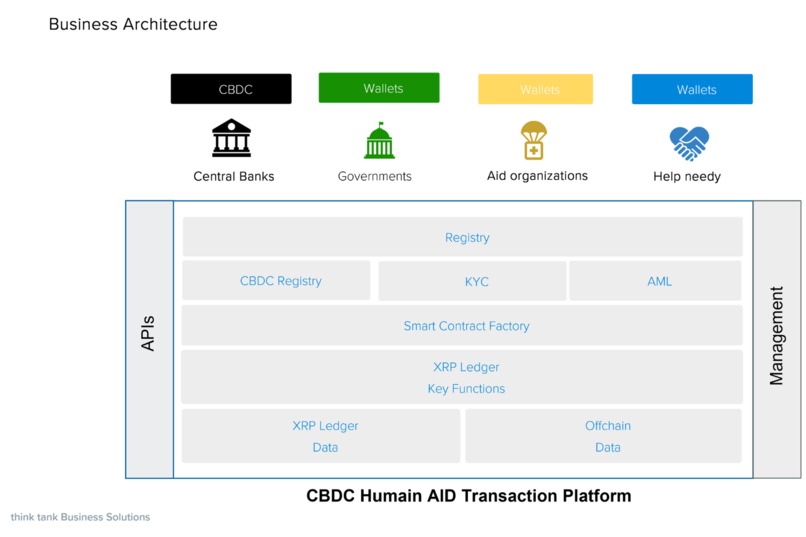
With the launch of a Human AID Ripple-based CBDC platform and CBDCs for humanitarian purposes by respective governments, as well as the development and installation of on- and offline wallets for beneficiaries, fast, transparent and trustworthy humanitarian payments can be made by registered aid organizations, private individuals as well as registered governments. A decentralized autonomous organization (DAO) will be established to specialize in humanitarian micro-payment processing. Registered donors will be able to deposit directly into the DAO, which will automatically convert these funds into Ripple CBDCs. Our solution supports rapid relief in emergency and crisis situations, transparency and traceability of transactions between all parties, while minimizing costs and increasing security and trust. With support for offline payments and offline-enabled wallet solutions, relief funds can be processed even in locations that lack IT infrastructure. In today's world, trust and transparency in payments are more important than ever, especially when it comes to supporting those in need during crisis situations. With this solution, we create efficiency, transparency and trust between all parties involved and accelerate support for those in need.
How we built it
Since we unfortunately only found out about the challenge on 07.08.2023, we did not have enough time to develop an application for our use case. However, we have so far built the blueprints based on already developed projects and solutions in this topic area. We would be very happy if our application is still considered.
Challenges we ran into
We encountered the following challenges during the development of the use case:
Offline capability and infrastructure: implementing offline payment and custody solutions requires a robust technology infrastructure to ensure that transactions and custody work smoothly even in areas with limited or unstable Internet connectivity. This requires the development of appropriate technologies and protocols to ensure offline capability.
Security and privacy:
providing offline payment and custody capabilities requires stringent security measures to minimize the risk of fraud, data loss, or theft. Integrating security protocols, biometric identification or other authentication methods is critical to ensure the integrity and security of transactions and custody.
Interoperability and standards:
The adoption of CBDC-based cross-border micropayments requires collaboration and interoperability among different countries, financial institutions, and technology providers. The creation of common standards and interfaces is necessary to enable smooth transactions and custody across different systems.
Regulatory challenges:
Implementing such a solution requires close collaboration with national and international regulators to ensure that the solution meets all necessary legal requirements and complies with regulations for cross-border transactions.
Trust building and adoption:
adoption of a new payment and custody solution requires extensive trust building with humanitarian organizations, beneficiaries, and financial institutions. It is important to communicate the benefits of the solution and address concerns about security, privacy, and efficiency.
From our perspective, addressing these challenges requires comprehensive planning, technological innovation, collaboration with relevant stakeholders, and consideration of the specific needs of the humanitarian sector. Developing such a solution has the potential to make cross-border humanitarian aid more efficient, secure, and accessible.
Accomplishments that we're proud of
Even though we did not have enough time to create a solution or a click dummy, we are proud to have developed this use case based on CBDC. From our experience, the integration of CBDC in the retail sector is one of the biggest challenges. Our use case represents a meaningful use of cbdc's in the retail as well as in the wholesale segment. Furthermore, it offers many advantages for the real everyday life.
What we learned
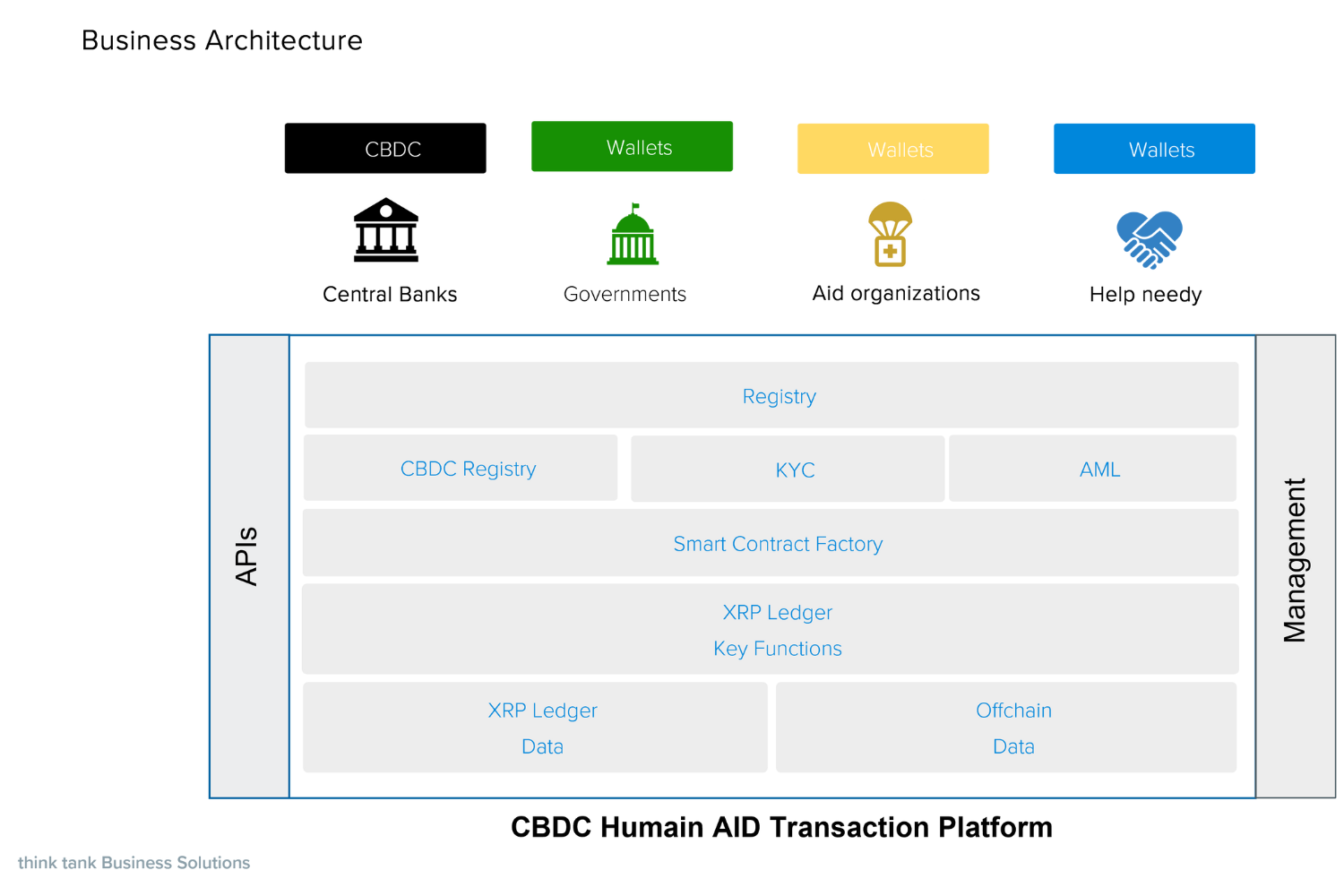
The complexity in this use case lies not only in the technology, but also in the associated governance, regulatory and legal aspects. Another challenge is the integration and motivation of stakeholders such as governments, aid organizations and private individuals. These challenges are reflected in the design of the technical as well as the business architecture.
What's next for CBDC-based cross-border micropayments for humanitarian aid
- Developing a Pilot/PoC solution
- Focus on interoperability in CBDC payments.
- Development of NFC based offline wallets
- Development of on and offline custody solutions.
- Development of DAO based management solution
Built With
- docker
- dynamodb
- javascript
- json-rpc
- kafka
- kubernetes
- microservices
- python
- solidity
- websockets
- xbr-ledger


Log in or sign up for Devpost to join the conversation.