Inspiration
We started with a simple question:
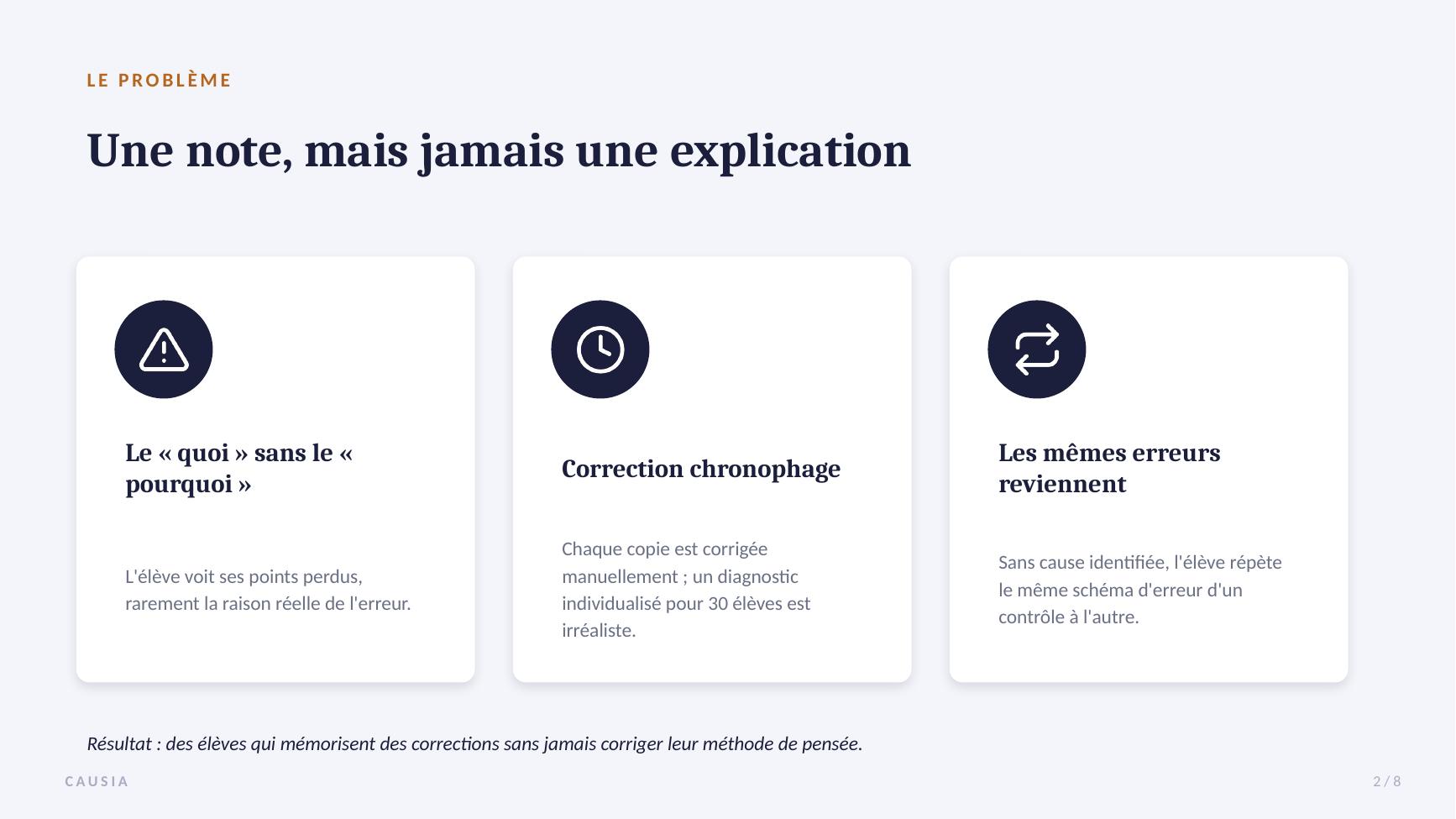
When a student loses points on an exam, do they really understand why?
Most educational tools are designed to tell students whether an answer is right or wrong, and sometimes provide the correct solution. But a grade alone does not explain the underlying problem.
A student can repeatedly make mistakes without realizing that they come from the same misconception, reasoning pattern, or knowledge gap.
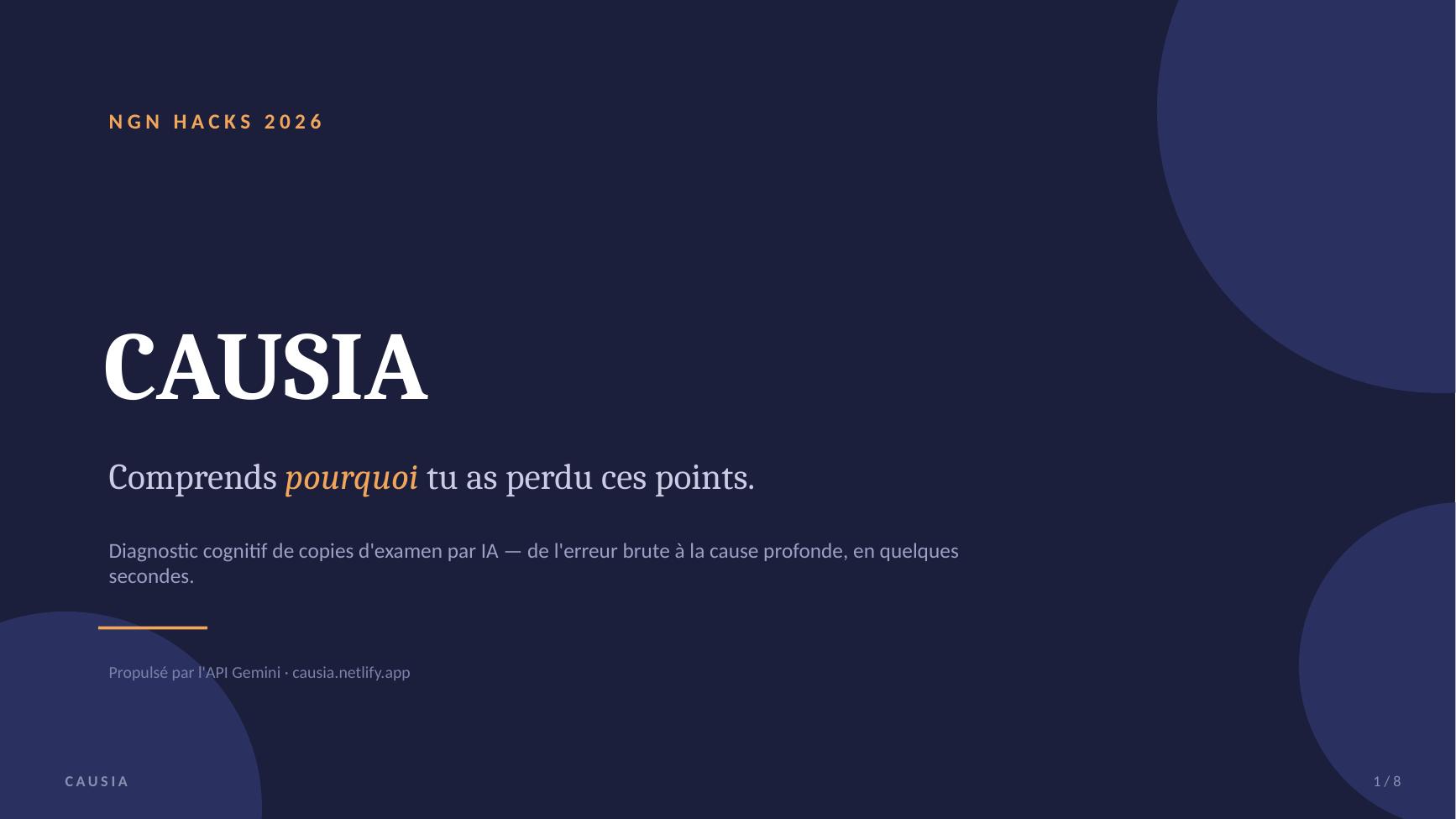
That led us to the idea behind Causia: an AI-powered learning intelligence platform designed to analyze students' exams and assignments, understand the causes behind their mistakes, and transform those insights into personalized learning actions.
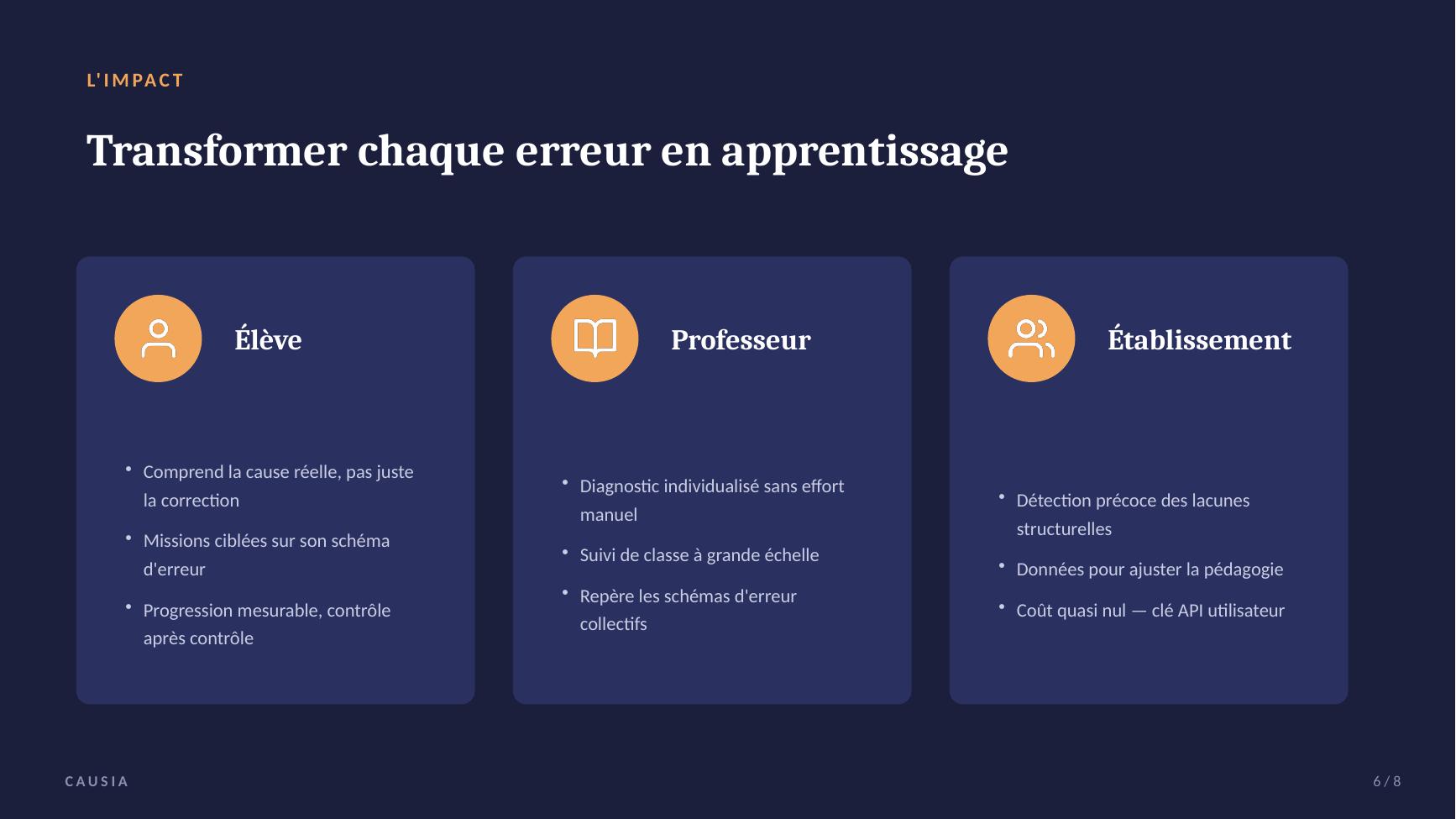
Our goal is not to replace teachers or simply give students answers. It is to make mistakes useful data for learning.
What it does
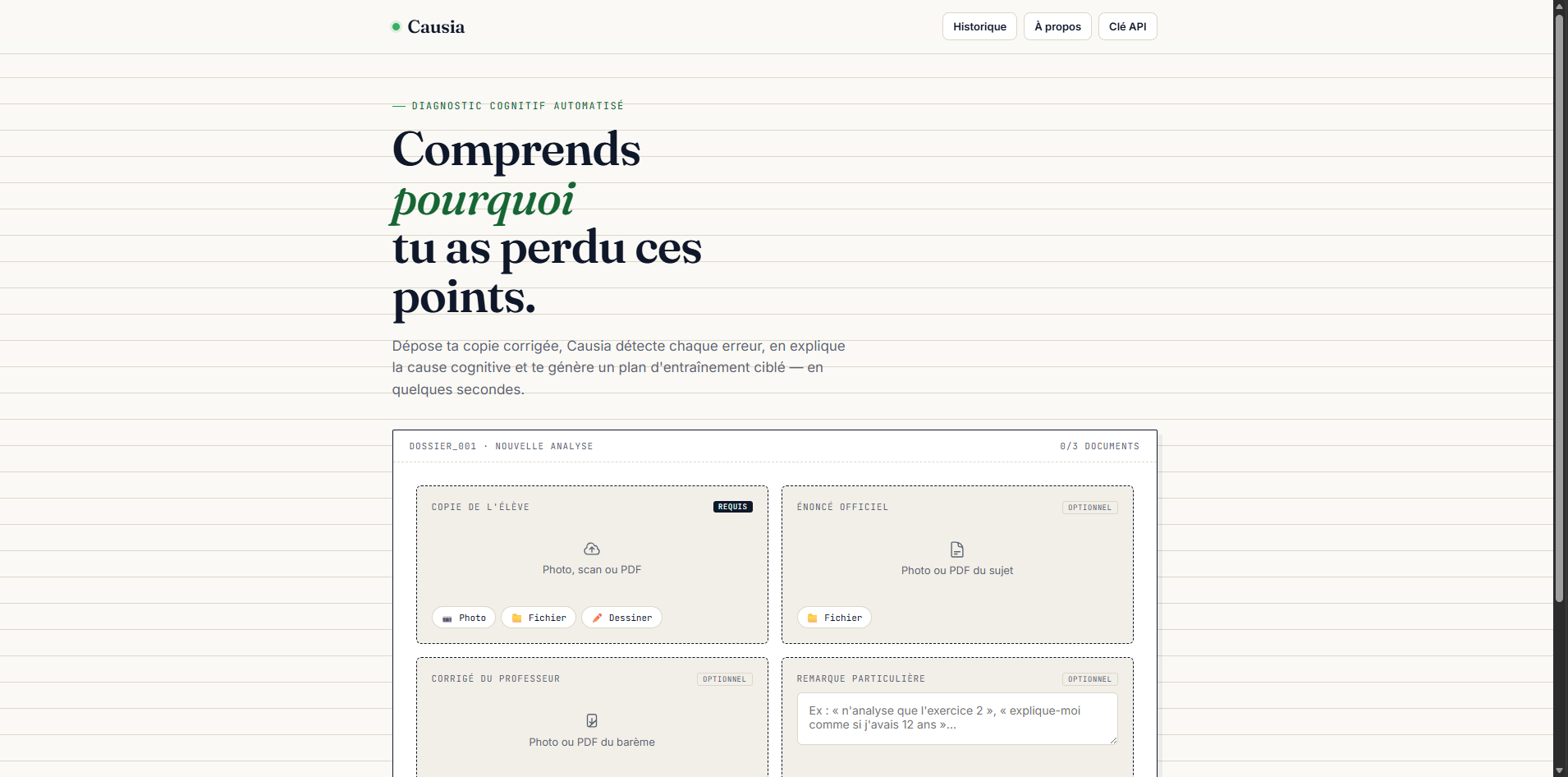
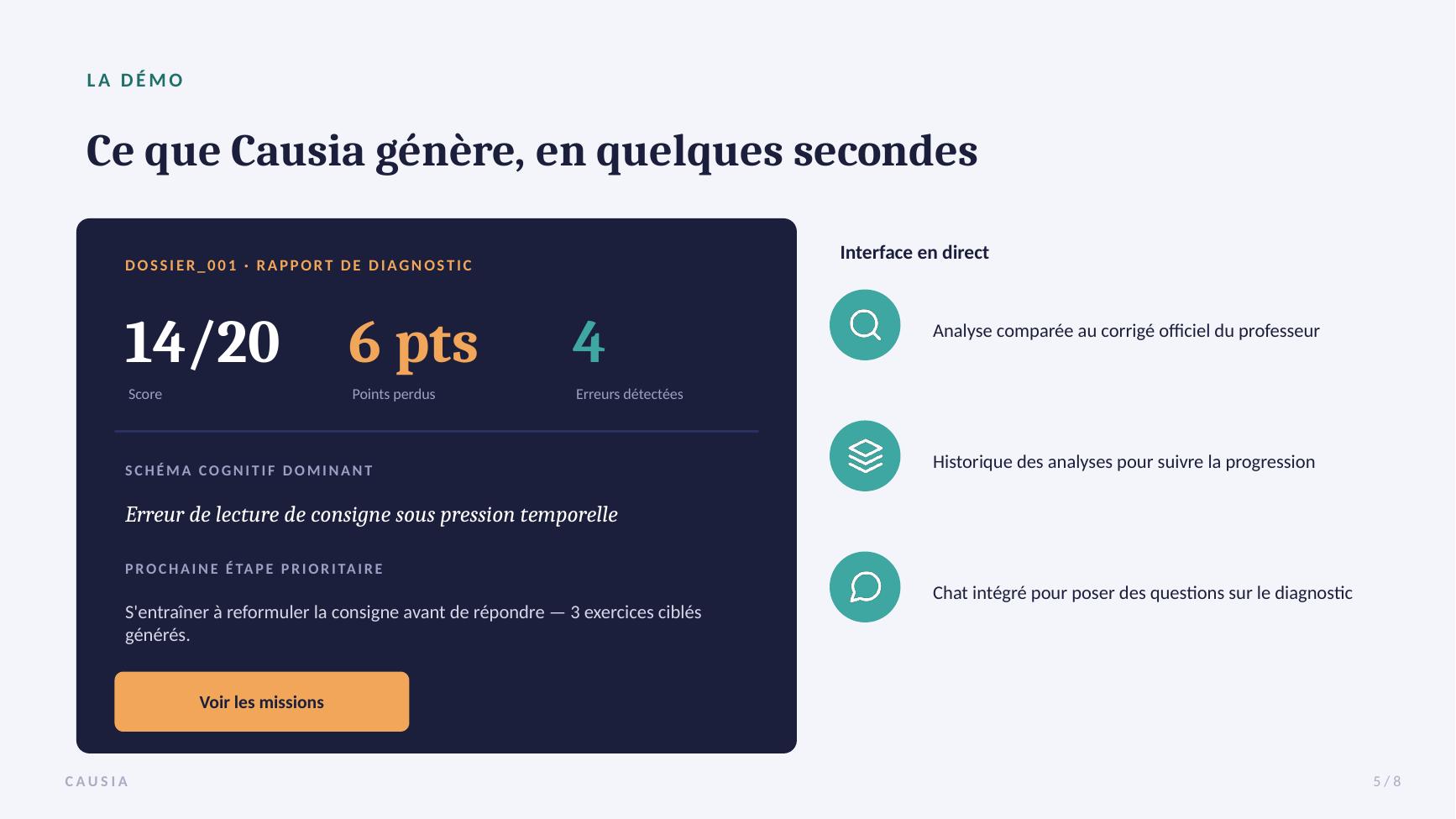
Causia analyzes a student's exams and assignments to understand why they make mistakes, rather than only identifying whether an answer is correct or incorrect.
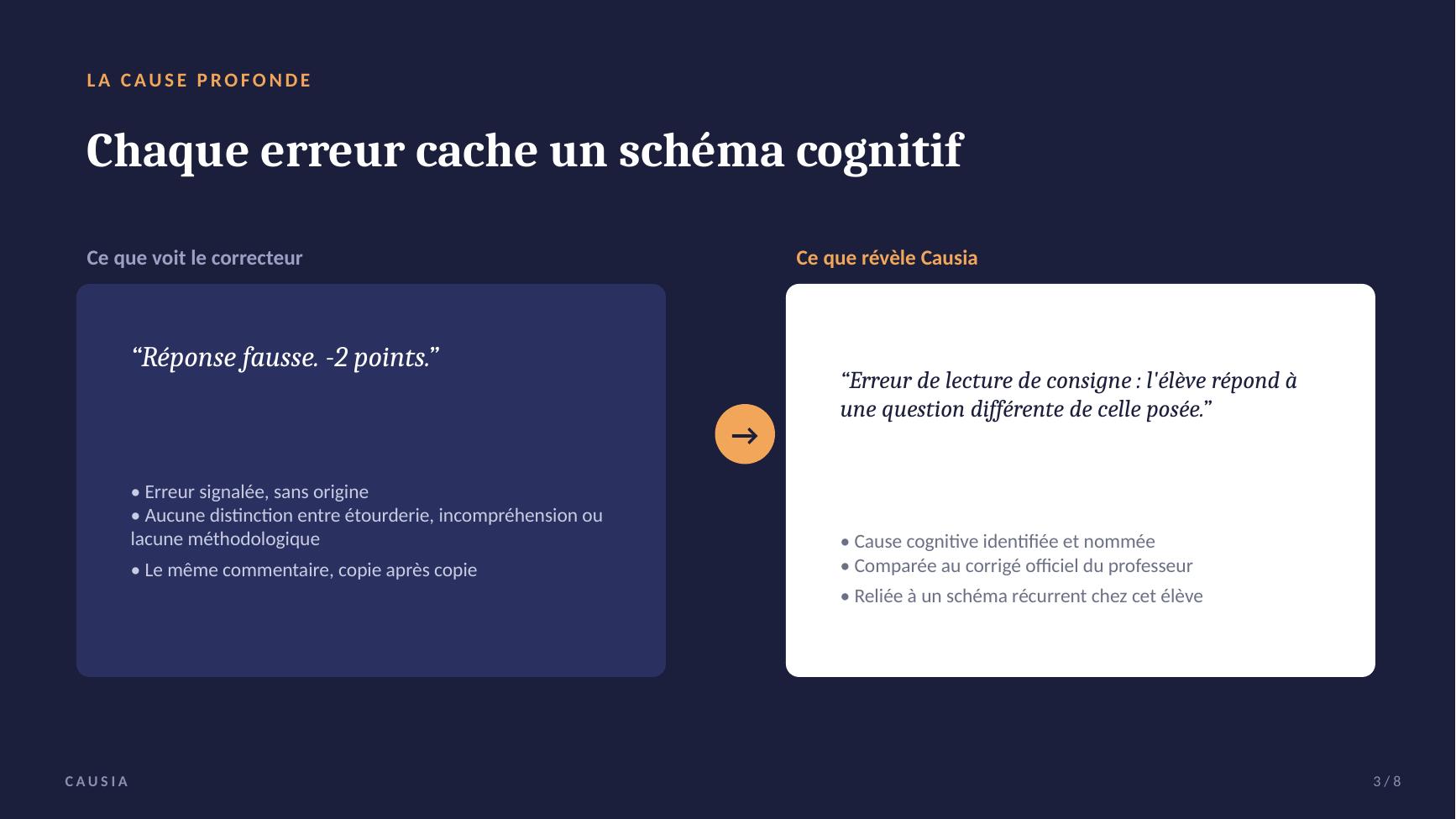
Instead of stopping at:
"This answer is wrong."
Causia aims to provide deeper insight into the student's learning difficulties and identify patterns in their mistakes.
The platform can organize these insights around areas such as:
- Conceptual misunderstandings
- Knowledge gaps
- Reasoning difficulties
- Misinterpretation of questions
- Recurring mistakes
- Procedural or careless errors
Causia then turns these insights into personalized learning actions, helping students understand what they should work on next.
The core idea is simple:
Mistakes → Understanding → Action → Improvement
How we built it
Causia was built as an Android application using Kotlin and Gradle.
We used Google AI Studio during development to accelerate the implementation of the AI-powered experience, and we used GitHub to manage and structure the project.
The application is organized as an Android project with a Kotlin-based codebase and a Gradle build system.
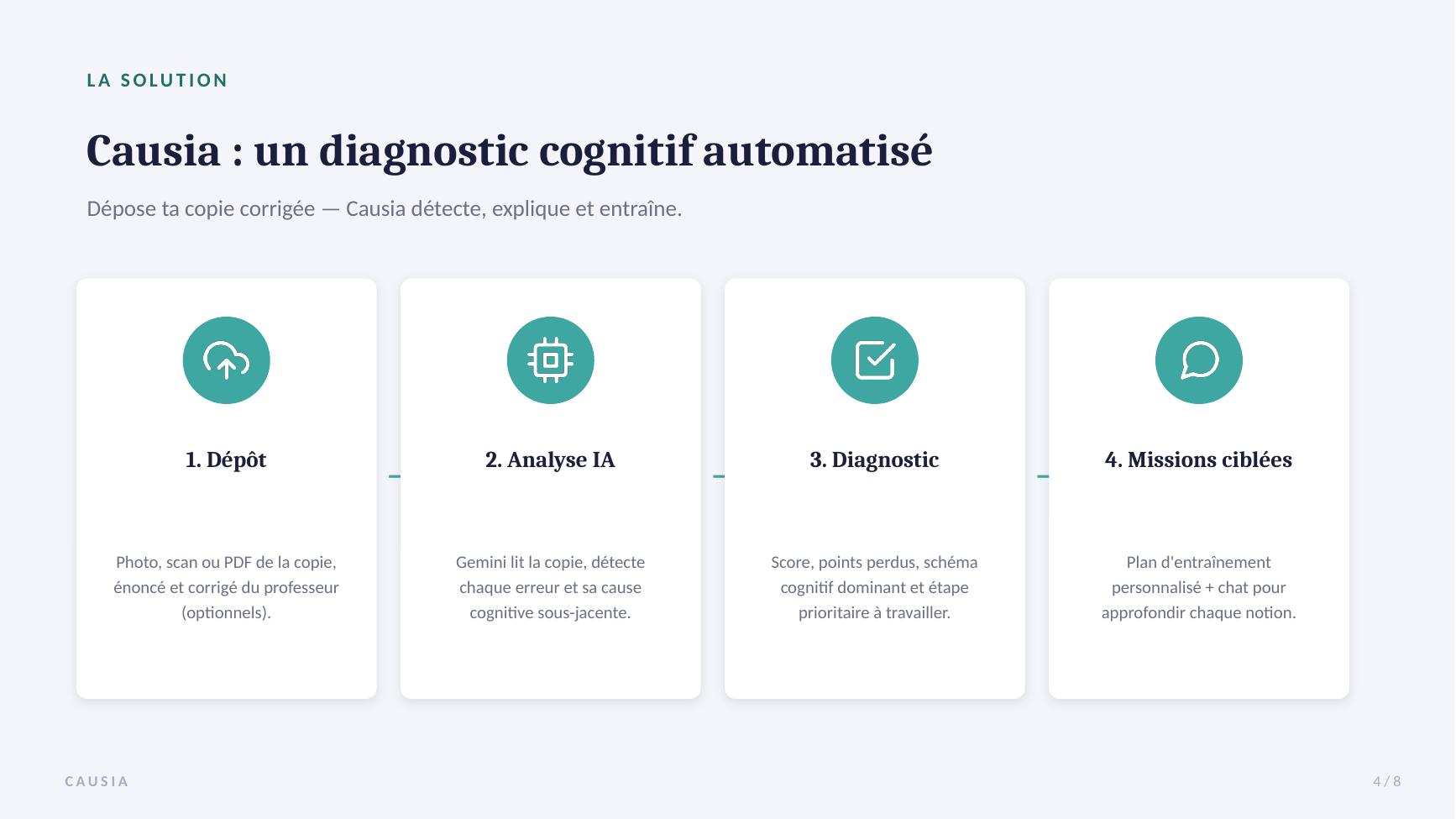
Our development process focused on three main layers:
1. Student input
The student provides their academic work, such as an exam or assignment.
2. AI analysis
The AI analyzes the student's work and focuses on identifying the underlying causes and patterns behind mistakes.
3. Learning intelligence
The analysis is transformed into understandable insights and actionable recommendations that the student can use to guide their future studying.
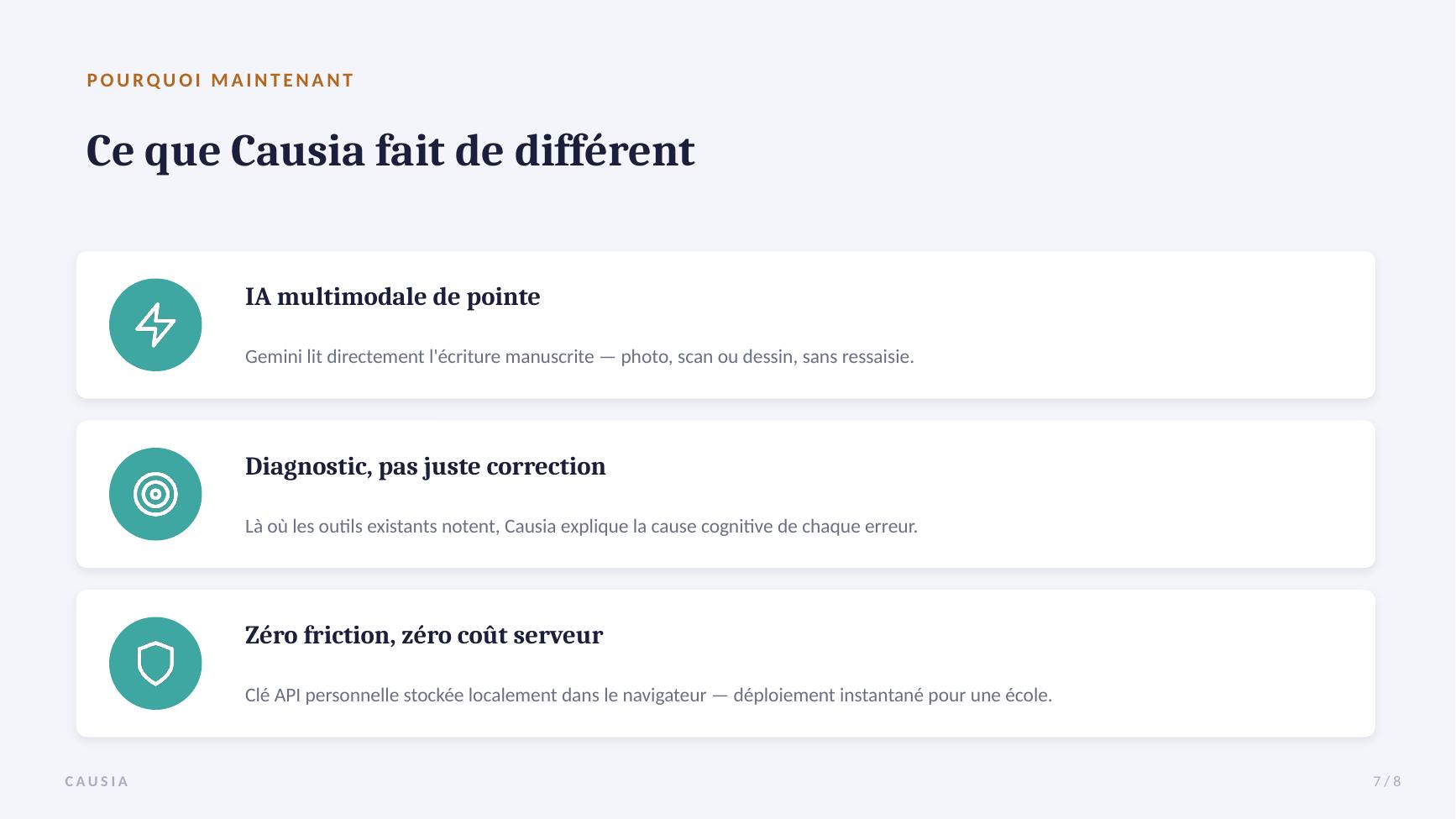
We deliberately designed Causia around the idea that AI should not simply generate answers. It should help students understand themselves as learners.
Challenges we ran into
One of our biggest challenges was turning the concept of "mistake analysis" into something meaningful.
It is relatively easy for an AI system to identify that an answer is incorrect. The harder problem is determining why the student made the mistake and making that information useful.
We therefore had to think carefully about the difference between:
- Correcting an answer
- Explaining an answer
- Diagnosing the student's difficulty
Causia focuses on the third one.
Another challenge was building the project as a functional Android application while working under hackathon time constraints.
We also had to balance the complexity of AI analysis with a simple user experience. Students should not need to understand how the AI works in order to benefit from it.
Accomplishments that we're proud of
We are proud that we turned an educational problem into a functional AI-powered Android concept rather than building another generic AI chatbot.
The most important accomplishment is the shift in perspective:
A student's mistakes are not just failures. They are data.
Causia is designed around that principle.
We are also proud of building the project as a real Android application using Kotlin and Gradle and structuring the project through GitHub.
Most importantly, we created a foundation that can evolve into a much larger learning intelligence platform.
What we learned
This project taught us that building an AI product is not just about connecting an application to an AI model.
The most important part is deciding what the AI should understand and what should happen with that understanding.
We learned to think beyond:
"What is the correct answer?"
and instead ask:
"What does this mistake tell us about the student's learning?"
We also gained experience with Android development, Kotlin, Gradle, GitHub-based project management, and integrating AI into a practical student-facing product.
The project also taught us the importance of designing AI outputs around actions, rather than simply generating large amounts of information.
What's next for Causia
Causia is only the beginning.
Our next goal is to make the learning intelligence more comprehensive and personalized.
Future versions could include:
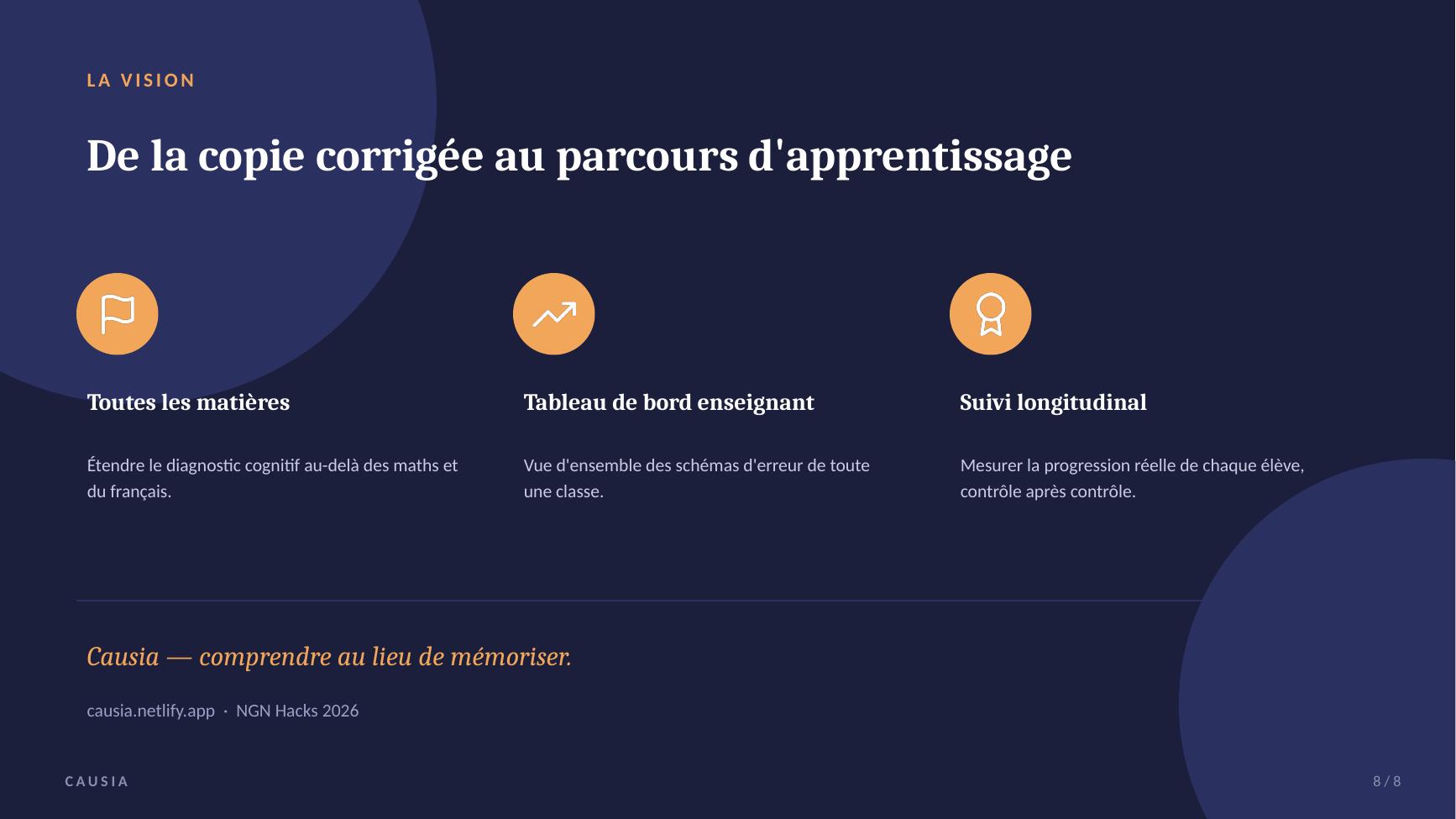
- Long-term mistake tracking across multiple exams
- Student learning profiles that evolve over time
- Detection of recurring misconceptions
- Personalized revision plans based on diagnosed weaknesses
- Progress tracking to measure whether a weakness is improving
- Support for more subjects and academic levels
- More advanced analysis of handwritten exams and scanned documents
- Teacher dashboards to help educators identify class-wide learning difficulties
- A knowledge graph connecting mistakes, concepts, and learning resources
Ultimately, we want Causia to evolve from an exam-analysis tool into a personal learning intelligence system.
The long-term vision is simple:
Don't just tell students what they got wrong. Help them understand why — and what to do next.
Built With
- ai
- claude
- cssartificial
- edtech
- education
- gemini
- generative
- github
- html
- intelligence
- javascript
- learning
- machine
- netlify
- react
- studio
- typescript

Log in or sign up for Devpost to join the conversation.