Inspiration
I wanted to build the kind of game I actually reach for at the end of the day: quiet, cozy, no timers, no ads screaming at you. Sokoban is a 40-year-old formula that still works, so I gave it the coziest theme I could think of — a cat nudging yarn balls into baskets. Shipaton was the push to stop tinkering and actually ship it to production.
What it does
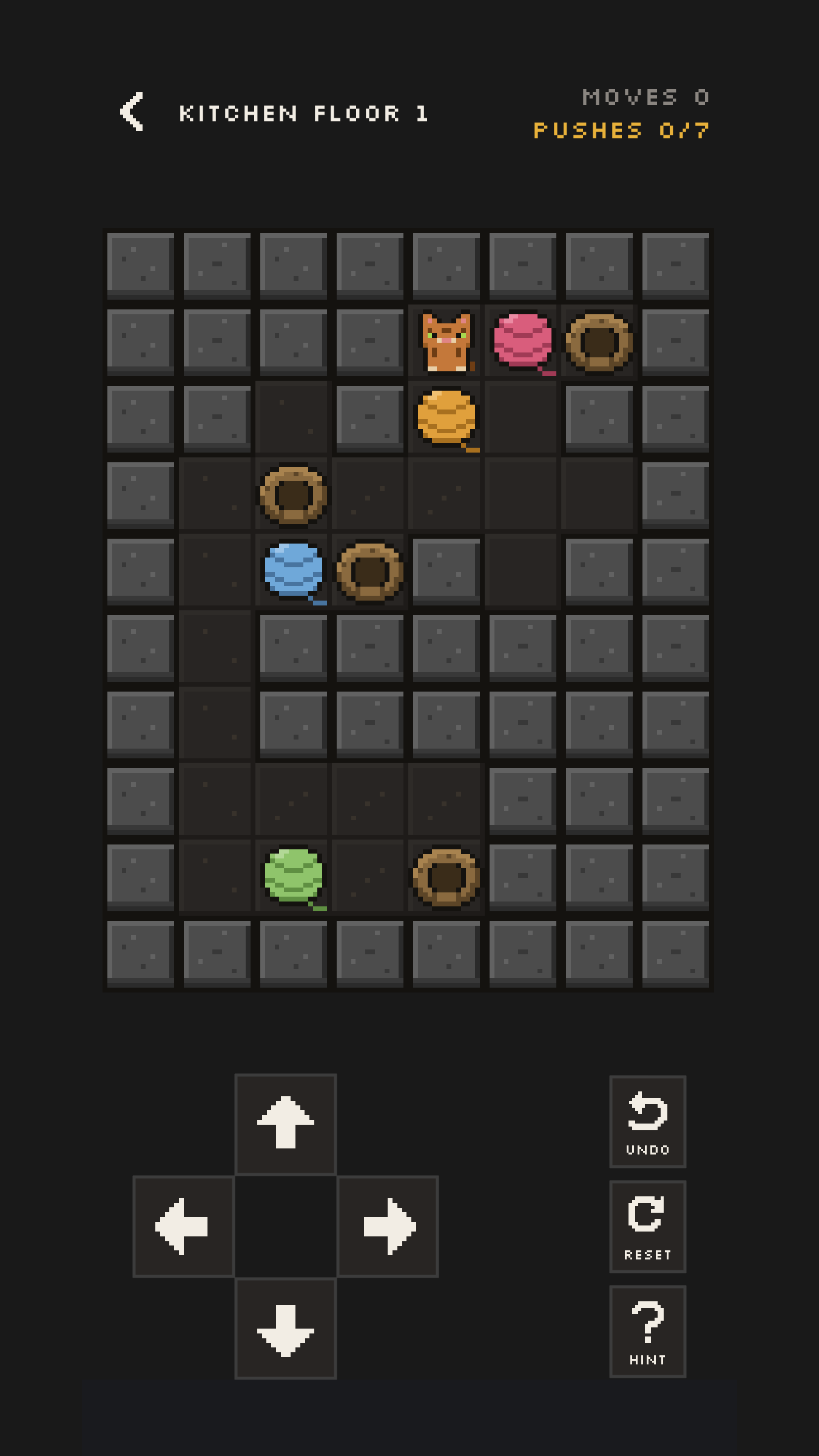
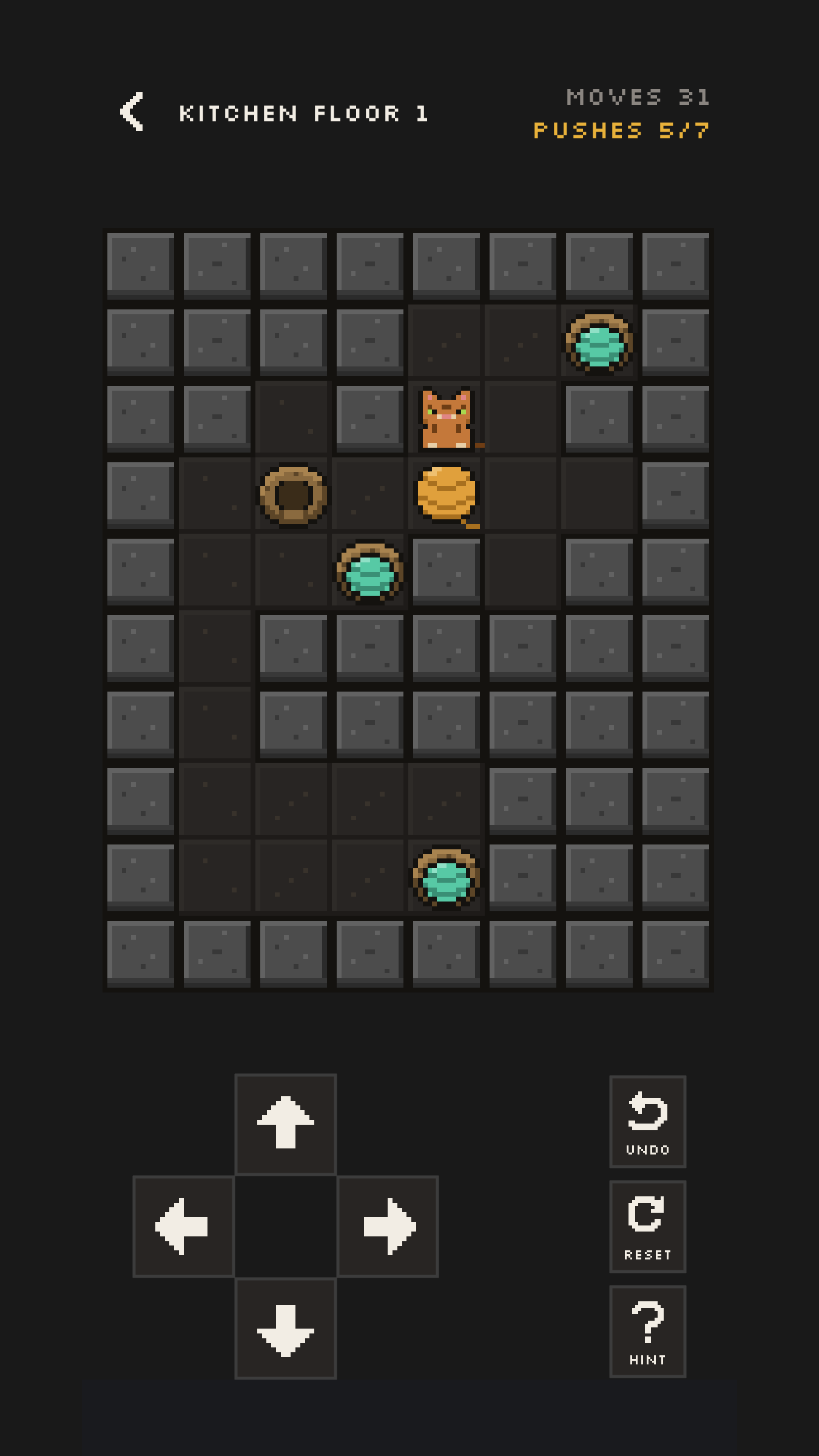
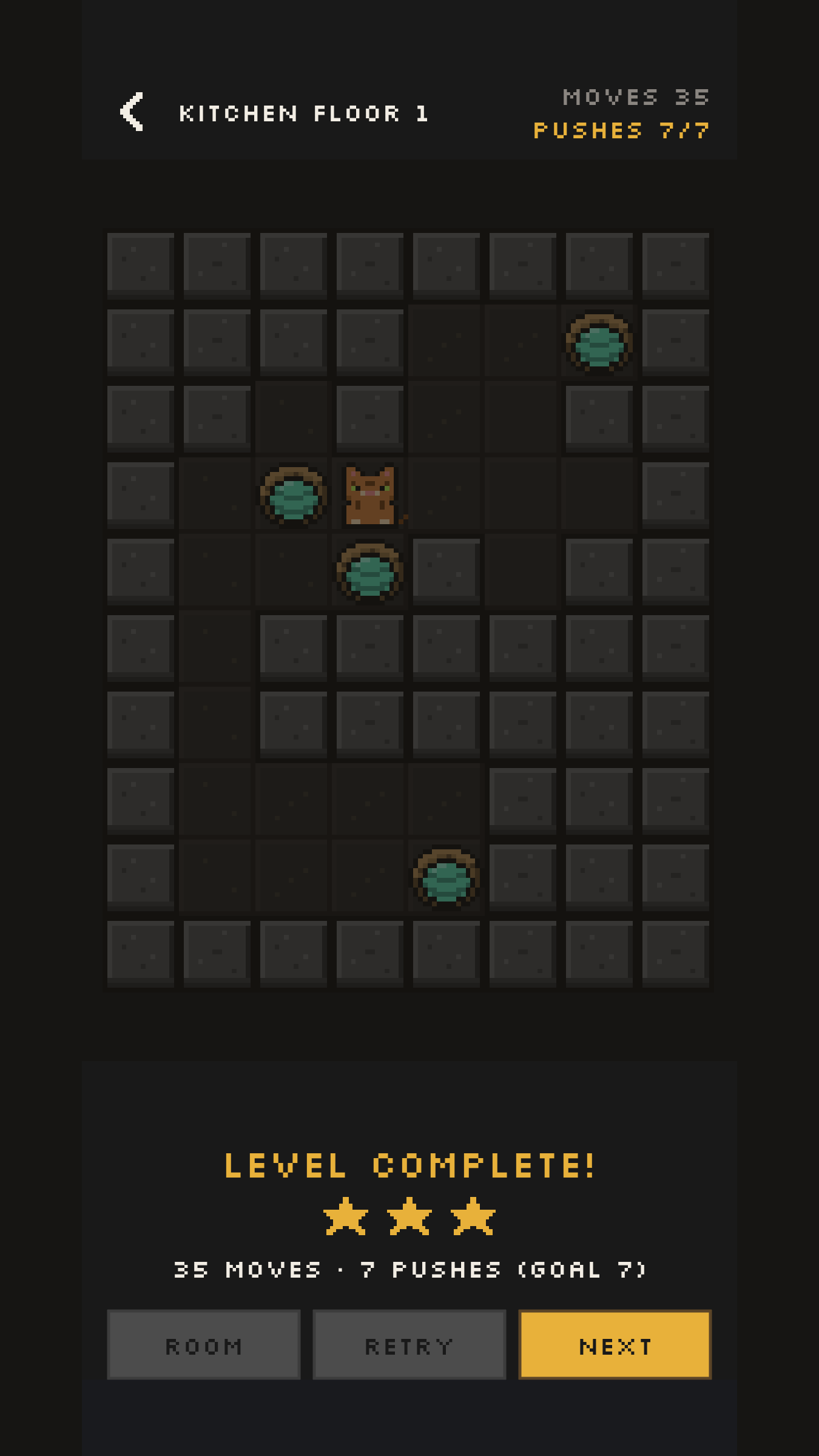
Catoban is a cozy Sokoban puzzle game for Android. You swipe to move a cat around handcrafted control option for fast replays.
Monetization is built entirely on RevenueCat:
- A single
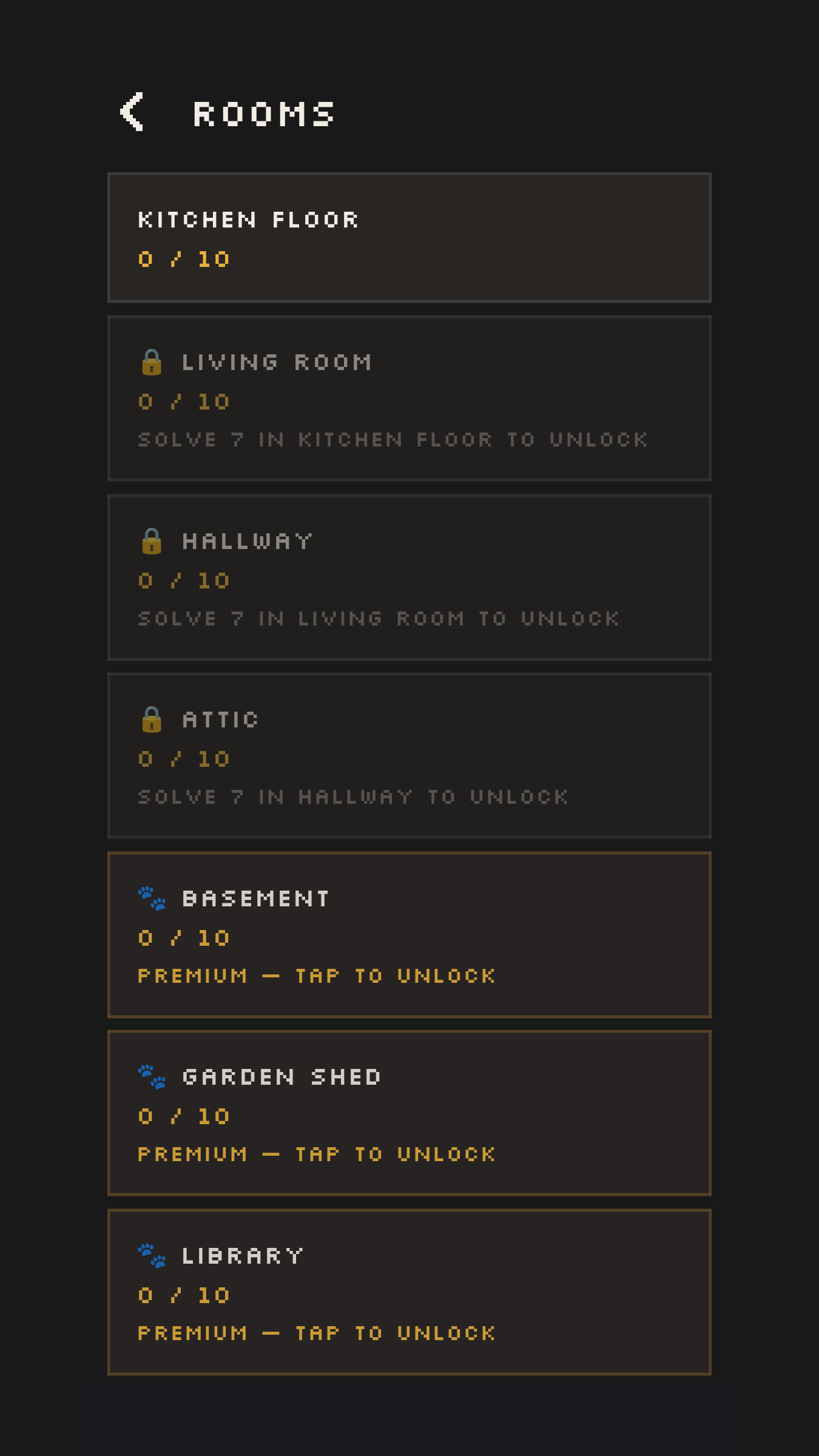
premiumentitlement unlocks the later level packs (packs 5–12) through a native paywall. - A tip jar — a consumable "treat" product in its own RevenueCat offering that deliberately grants nothing: no levels, no power-ups. It's purely a way for players to say thanks, and they can tip as many times as they like. Prices are always read from the store, never hardcoded.
How I built it
- Expo SDK 56 + Expo Router (TypeScript) with EAS for builds, store submission, and OTA updates.
- The whole board renders on a Skia canvas from a custom sprite atlas that's generated by a build script; Reanimated drives the animations.
- Zustand stores + MMKV persistence for progress, settings, and tip history.
- Levels live in a compiled pipeline (
build:levels) with par pushes and reference solutions baked in. - react-native-purchases for the paywall and tip jar, wired so the store layer is a safe no-op when the native module isn't available (Expo Go, Jest) — the game never crashes because of the store.
Challenges I ran into
- Google Play's closed-testing gate: as a new personal developer account I needed 12 testers over 14 days before I could even apply for production. Recruiting testers and verifying real end-to-end purchases on a live track was a project of its own.
- EAS runtime-version fingerprint mismatches: a dependency's build script mutates its own manifest inside
node_modules, which changed the fingerprint on every build. Tracking that down and fixing it with a.fingerprintignoretook a while. - Store-safe monetization: making every purchases call degrade gracefully so one missing native module or a misconfigured key can't take the game down.
Accomplishments I'm proud of
- Catoban is live in production on Google Play, solo-built, with real purchases verified end to end.
- The tip jar: my favorite monetization surface — zero pressure, and people actually use it.
- A rendering pipeline (atlas + Skia) that stays smooth on low-end devices.
What I learned
Shipping is 20% game code and 80% everything around it: store policies, tester recruitment, build fingerprints, IAP review quirks. RevenueCat removed a whole class of that work — entitlements, receipts, and offerings meant I never touched raw billing APIs.
What's next for Catoban
- iOS release (the RevenueCat side is already scaffolded, waiting on the App Store Connect app).
- More level packs and a level-pack roadmap driven by which packs players finish.
- Small delights: more cat animations, seasonal yarn skins.
