-
-
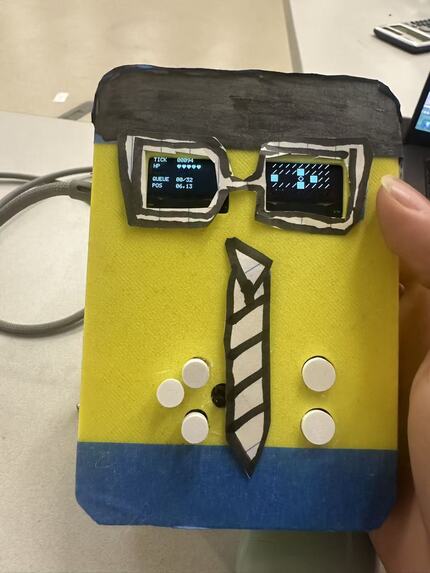
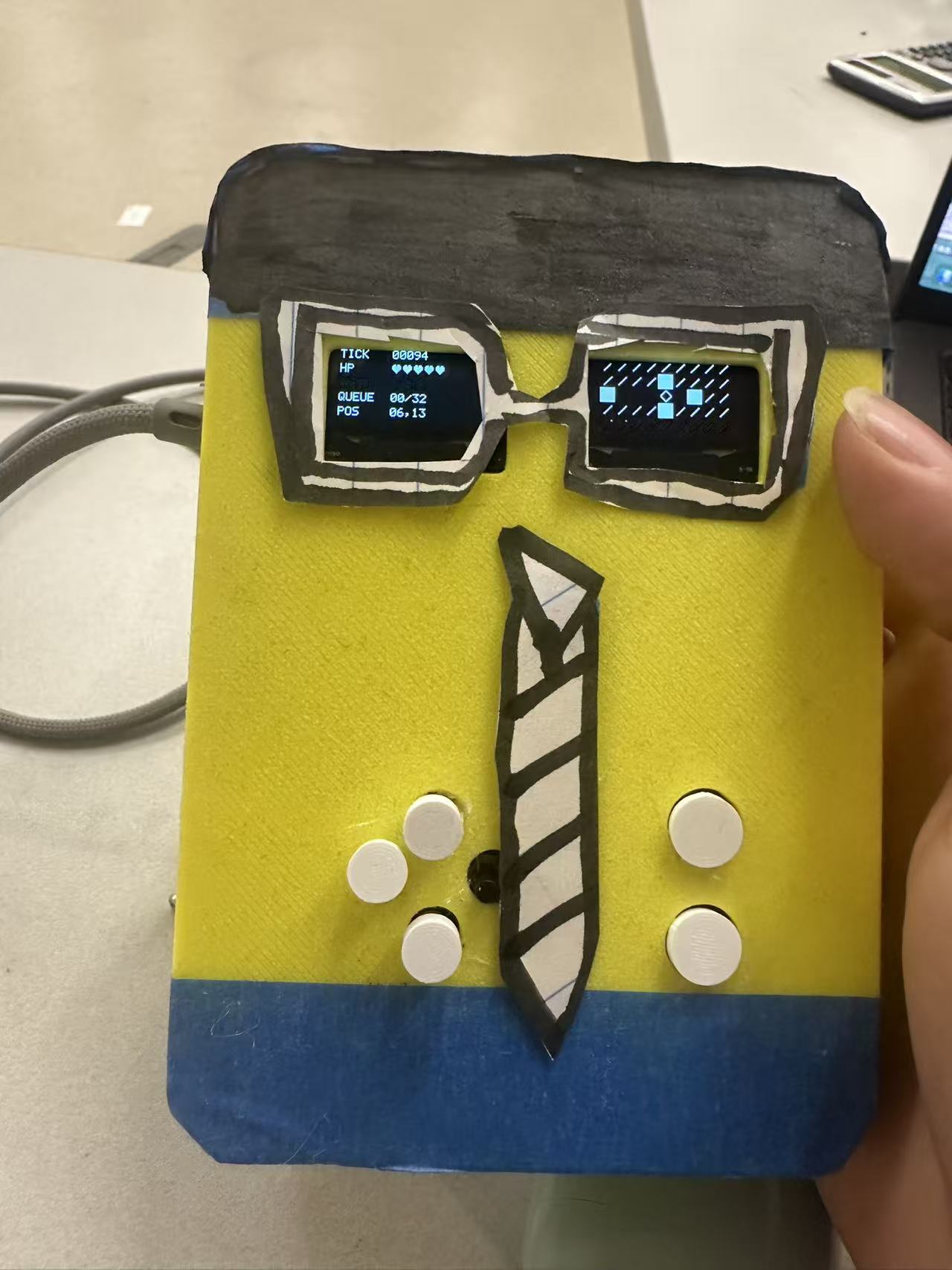
These eyes also serve as game screen
-
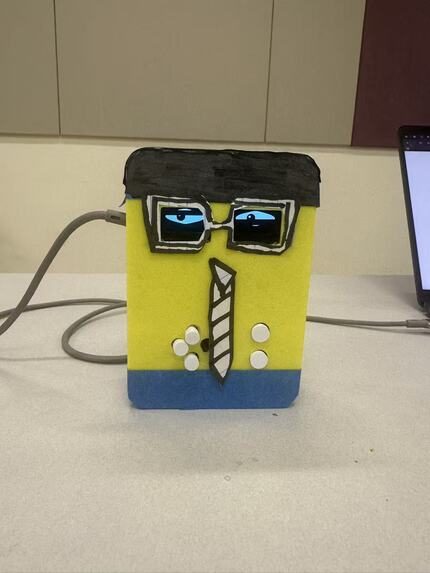
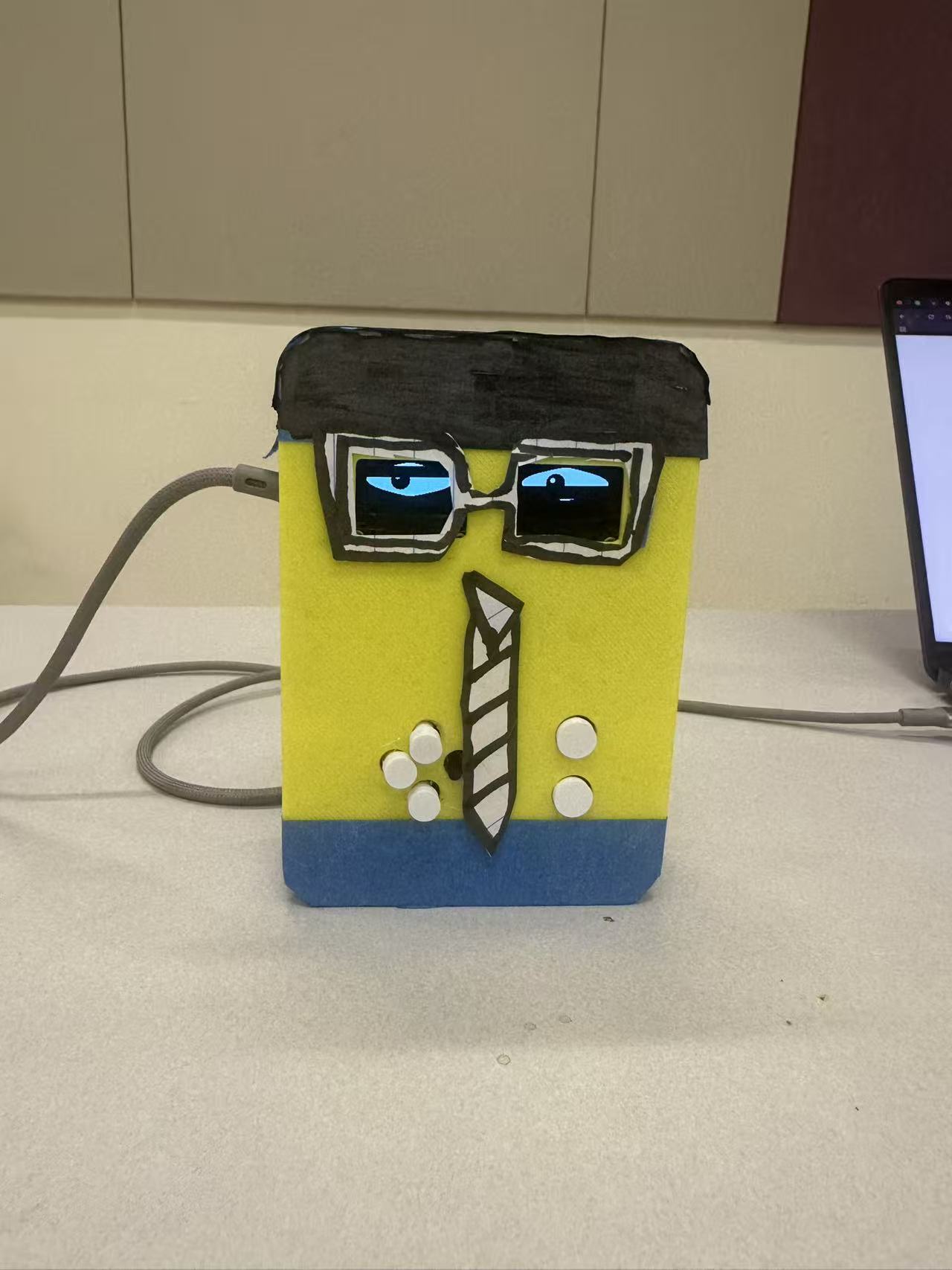
Facial expression changes in idle mode
-
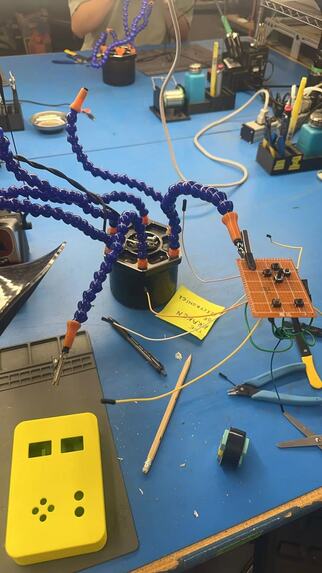
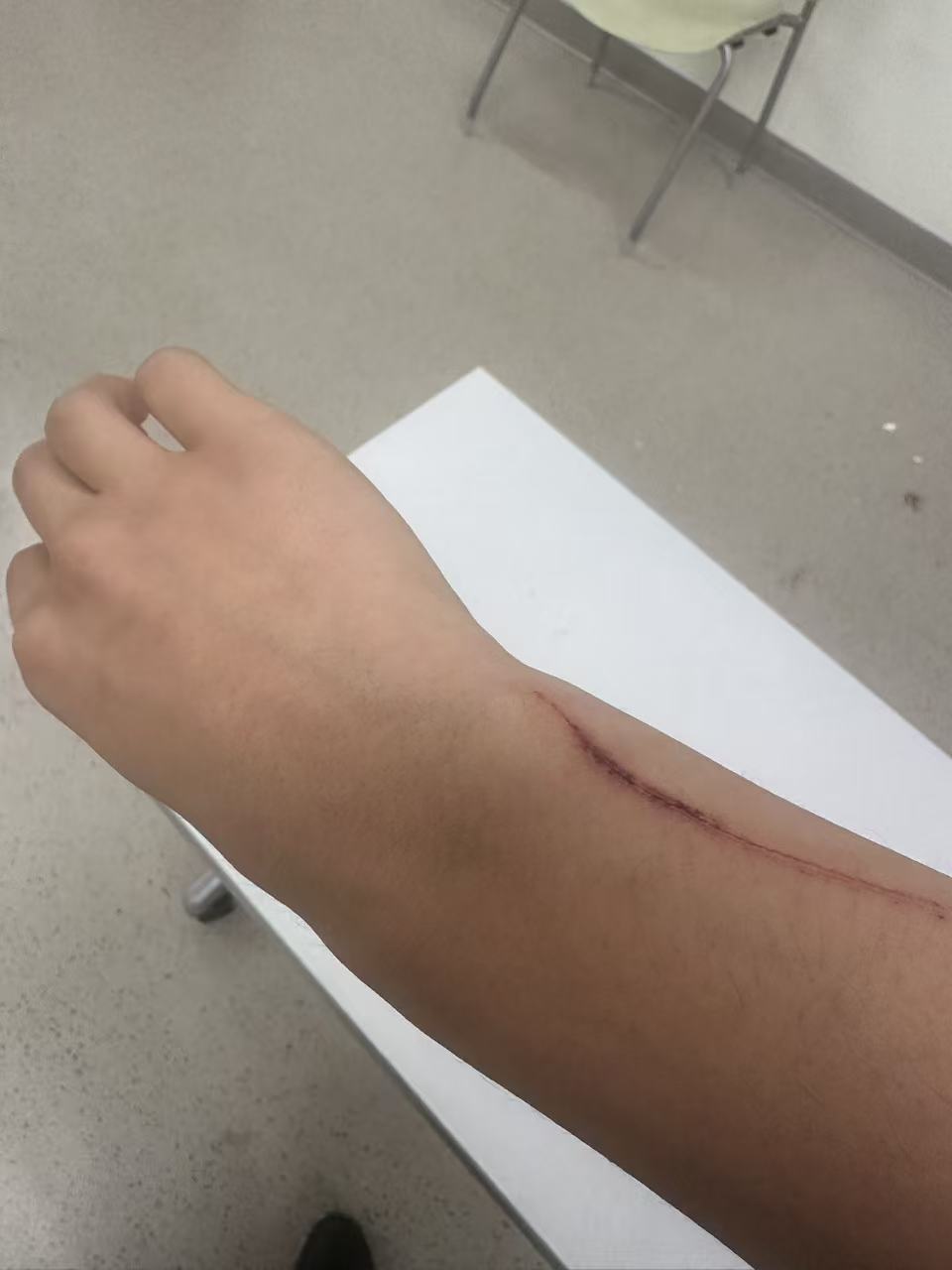
My first time soldering!
-
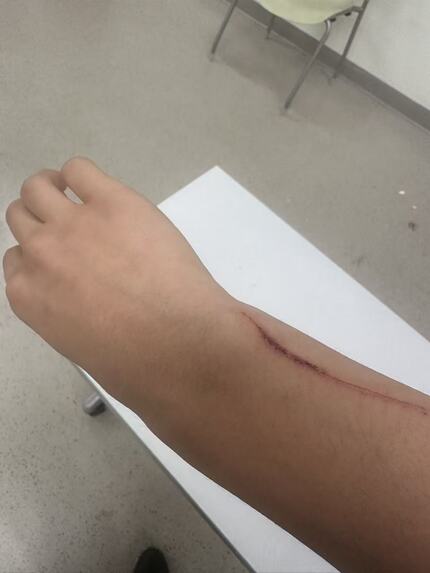
The cost
CataMaze
Inspiration
Ever since I was a child, I've wanted to have a cat or a dog.
Now that I'm studying abroad, thousands of miles away from home, I sometimes find myself feeling quite lonely. Living alone in a foreign country made me realize how important emotional companionship can be. Sometimes, you don't necessarily need someone to talk to. You just want to feel that something is there with you.
That was the original idea behind CataMaze.
I wanted to create a little companion that could sit on my desk, have its own personality, and make everyday life feel a bit less lonely. At the same time, I've always loved games, so I started wondering: what if a handheld game console could also be a companion?
I actually imagined much more than what I managed to build. But I'm only one person, and this was my first hardware project. There were many ideas I simply didn't have the time or experience to bring to life.
So I decided to start somewhere. CataMaze is my first step toward that bigger idea.
What it does
CataMaze is a small, ESP32-powered handheld maze game console designed around the idea of eventually becoming a personal companion.
It has two OLED displays that can serve as the console's interface or as the expressive eyes of a little character.
The game itself is a maze survival game. Players explore procedurally generated mazes with limited visibility, navigate around obstacles, and fight against three AI enemies. The player can move, shoot, and make decisions based on a small local view of the map.
Each enemy has a different strategy, making the game more interesting than simply avoiding randomly moving opponents.
The device runs independently on an ESP32-S3, without requiring a computer or an internet connection to play.
This version mainly focuses on building a working game console and establishing the foundation for the companion I eventually want to create.
How we built it
I built CataMaze on my own, from programming the game to assembling the final physical device.
First, I wrote the game in C++ and adapted it to run on an ESP32-S3. The game includes maze generation, player movement, combat, enemy behavior, and rendering for the two small OLED displays. Getting all of this working on an embedded device was the foundation of the project.
Next, I trained three reinforcement learning models using four NVIDIA V100 GPUs, each with 16 GB of VRAM. Each model was trained for a different playstyle:
- Defensive: A more cautious enemy that prioritizes survival.
- Aggressive: An enemy that actively seeks confrontation.
- Exploration: An enemy that focuses on discovering and navigating the maze.
I wanted the enemies to behave differently, rather than having three copies of the same opponent.
Then came the hardware.
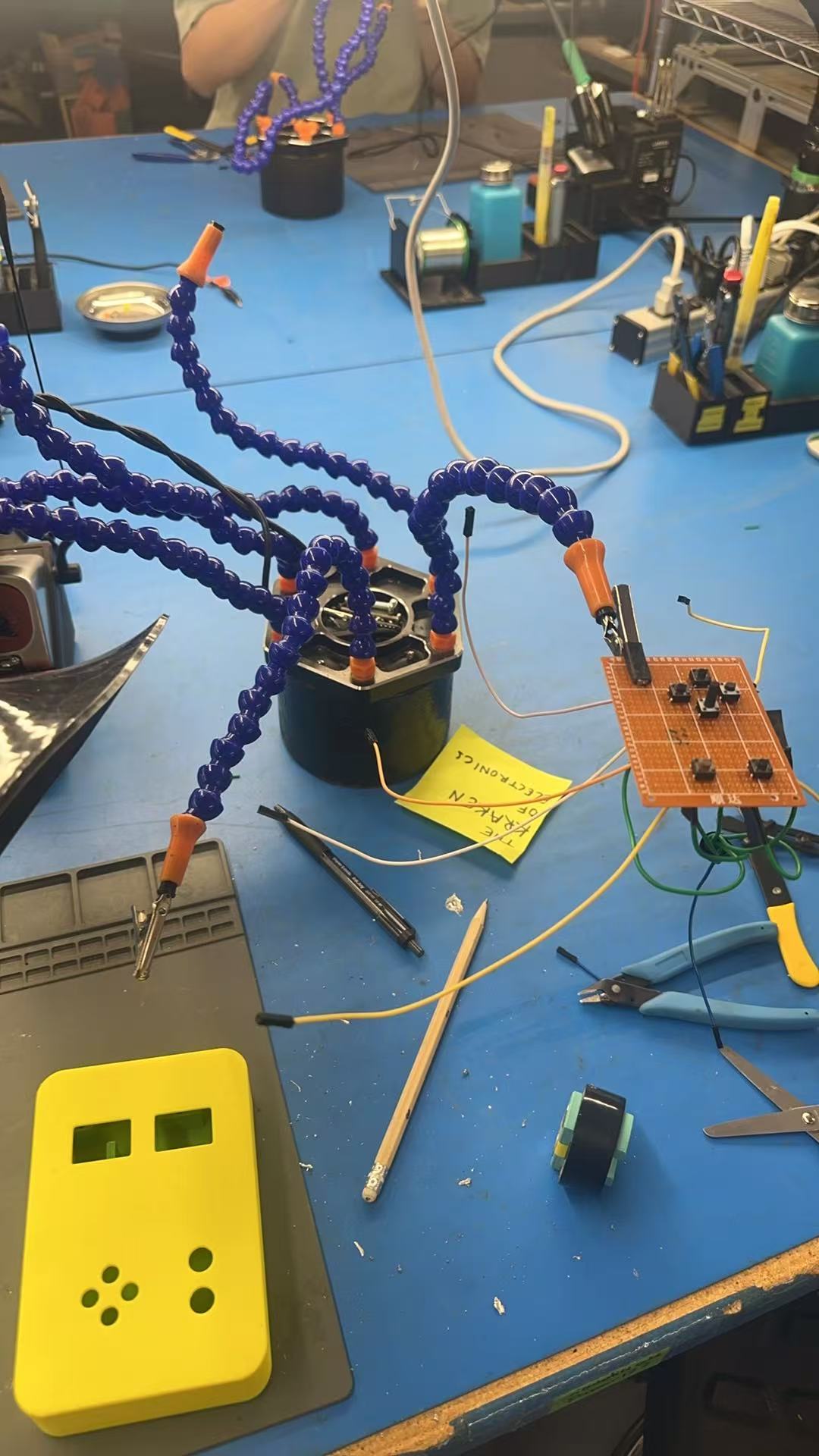
I designed the circuit, figured out the connections between the ESP32, two OLED screens, and physical buttons, and assembled the electronics myself. This involved a lot of wiring and soldering, both of which were almost completely new to me.
For the physical enclosure, I used Shapr3D to model the case, taking into account the dimensions of the displays, circuit board, buttons, and internal wiring. I then 3D printed the parts and assembled everything into a handheld device.
It was my first time going through the entire process of turning software into something I could actually hold in my hands.
Challenges we faced
The biggest challenge was simple: I had never built hardware before.
Before this hackathon, I didn't even know how to solder properly.
I spent an enormous amount of time drawing circuit layouts, checking connections, and figuring out where every wire was supposed to go. I made mistakes, struggled with the soldering iron, and ended up damaging three circuit boards along the way.
Even seemingly simple things, like connecting a button correctly or fitting everything inside a small enclosure, took much longer than I expected. (For example, It took me forever to put the melted tin to the wire).
There were moments when the software was ready, but the physical device still refused to work. Unlike programming, where I could often trace an error through the code, hardware problems forced me to examine every connection and question whether I had assembled something incorrectly.
Working alone also meant that I had to switch constantly between being a programmer, a hardware beginner, and a 3D designer.
I couldn't implement every feature I originally wanted. But I learned far more about electronics and hardware engineering than I expected, largely because I had to figure things out myself.
What we learned
Before CataMaze, most of my experience was in programming and AI research. I knew how to train models and write software, but I had very little understanding of what it took to build a physical product.
This project changed that.
I learned how to design a basic circuit, solder components, troubleshoot hardware, model an enclosure, and think about the physical constraints that software doesn't usually have to deal with.
I also realized how much work goes into seemingly simple electronic devices. A tiny console with two screens and six buttons might look straightforward, but making everything fit together and function reliably is an entirely different challenge.
Most importantly, I learned that I don't have to build my entire vision at once. Sometimes, creating the first working version is already a meaningful step.
What's next
CataMaze is still far from the companion I originally imagined.
There are two directions I especially want to explore.
1. Give it a voice.
I want to add a microphone, speaker, and real-time voice streaming so that I can actually have conversations with it.
Rather than just responding to button presses, I want it to become something I can talk to while studying, working, or simply spending time alone.
2. Create many different companions.
I don't want to make just one CataMaze.
I imagine creating many little companions, each with a different personality. Some might be energetic and playful, while others could be quiet, curious, or even a little stubborn.
I want people to be able to choose a companion whose personality they genuinely like, instead of interacting with the same generic assistant.
Ultimately, I don't want CataMaze to be just another handheld game console.
I want it to be something that makes people feel a little less alone.
And hopefully, one day, I'll have a whole family of these little creatures sitting on my desk.


