Inspiration
Healthcare. Old people falling.
How it works
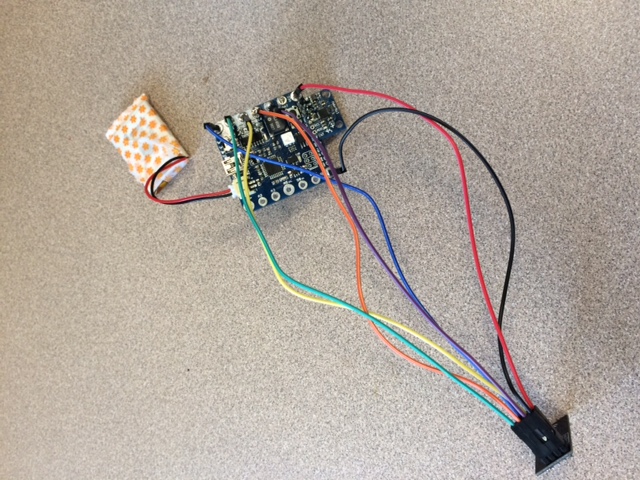
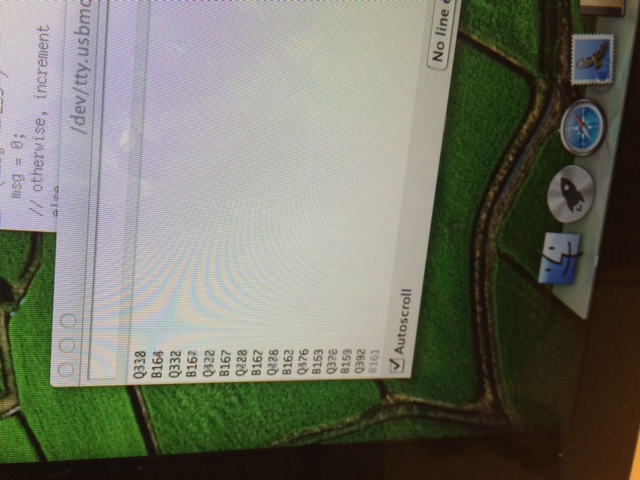
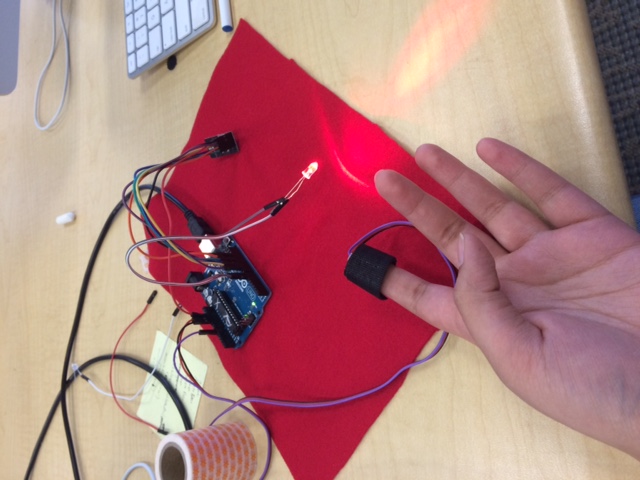
The accelerometer (held in broach) keeps track of the angle between the elderly person and the ground. The data is automatically sent to a "brain" that is supposed to send out an alert to the proper authorities if a fall is detected. In addition, the "brain" also activates the pulse sensor, which tracks the patient's vital signs until the proper help arrives.
Challenges I ran into
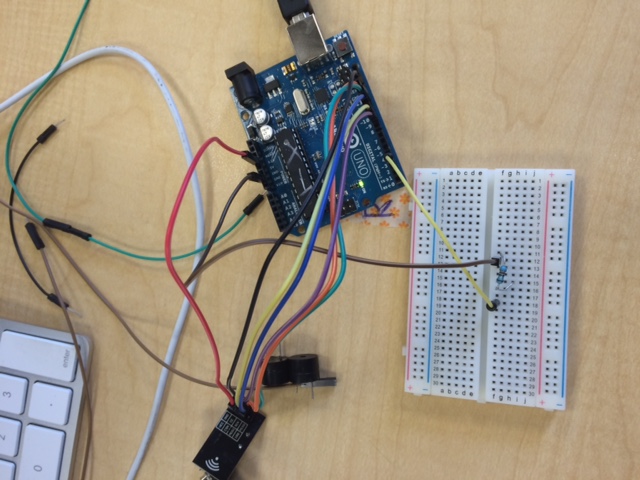
HARDWARE! The accelerometer was difficult to get running in the first place, and we burned a lot of time getting it to work. Getting individual components to work together was also challenging, especially in regards to the pulse sensor.
Accomplishments that I'm proud of
Zoe: Using 24 hours to create a really creative and well thought out project. Ishanee: The pulse sensor. Yavneeka: Bonding with my teammates as well as getting the accelerometer to work.
What I learned
We learned to never give up, because success is always within reach if you keep trying. Also, hardware is difficult to manage in a short period, and this should be factored into our plan of attack. Last, be flexible and willing to change the design because of how the prototypes are running.
What's next for Catch Me If You Can
(1) Contacting authorities needs refinement (2) Making the stationary "brain" mobile (3) Proper activation of pulse sensor
Built With
- accelerometer
- arduino
- pulse-sensor
- rf-(tx-and-rx)\
- squarewear

Log in or sign up for Devpost to join the conversation.