-
-
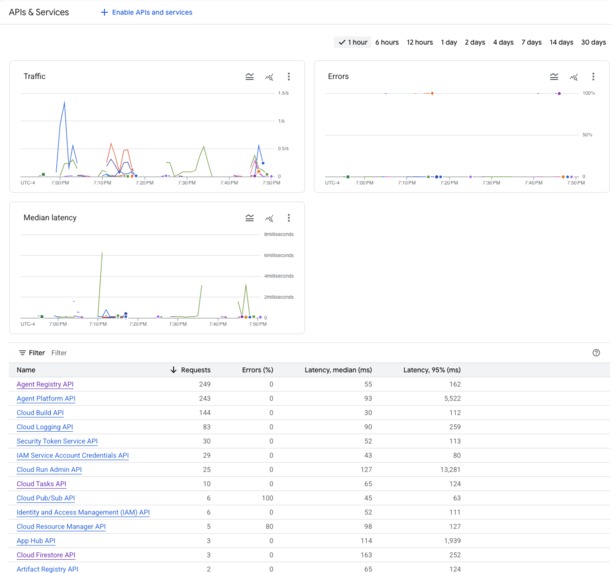
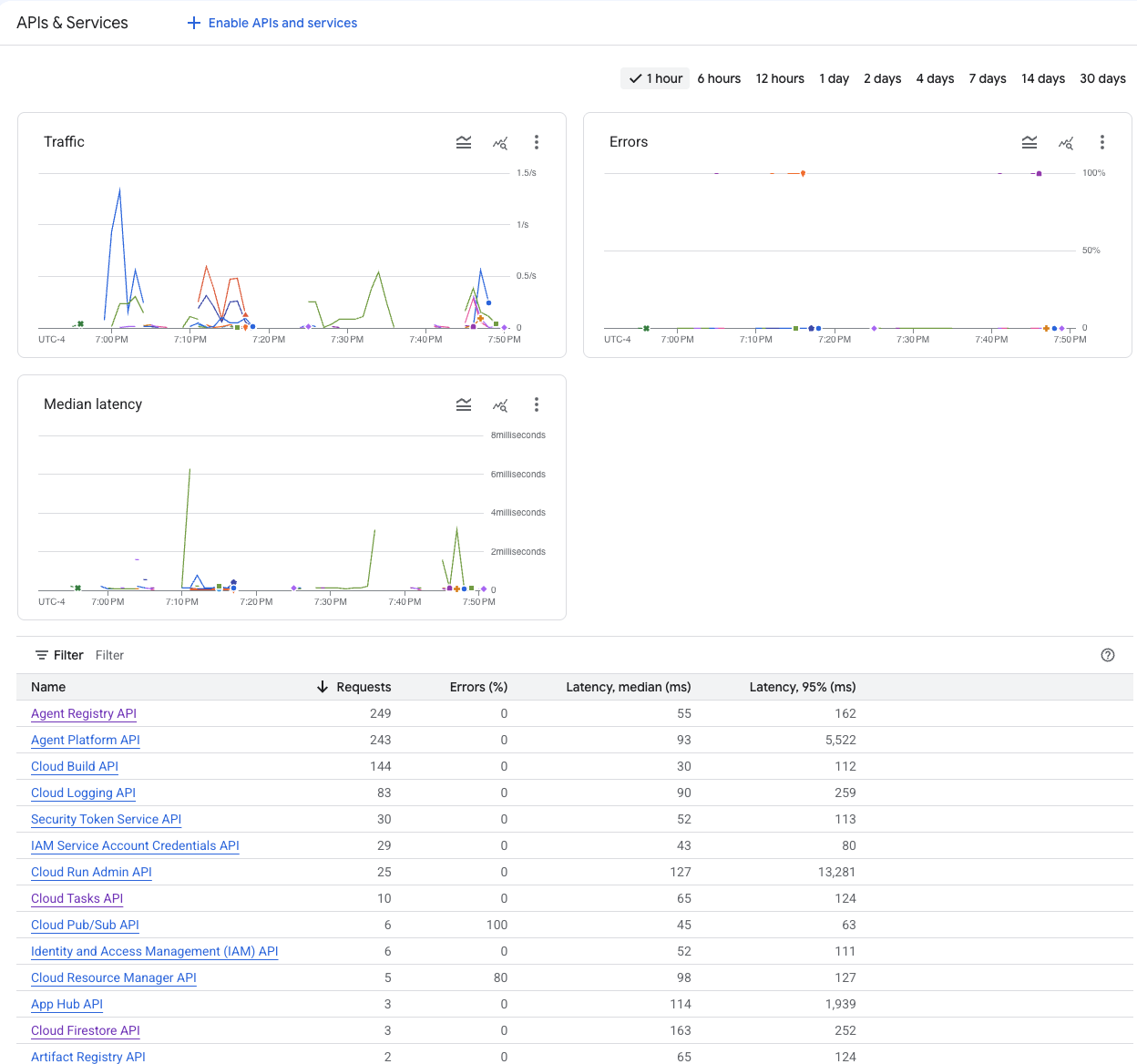
Google Cloud Services - API Usage
-
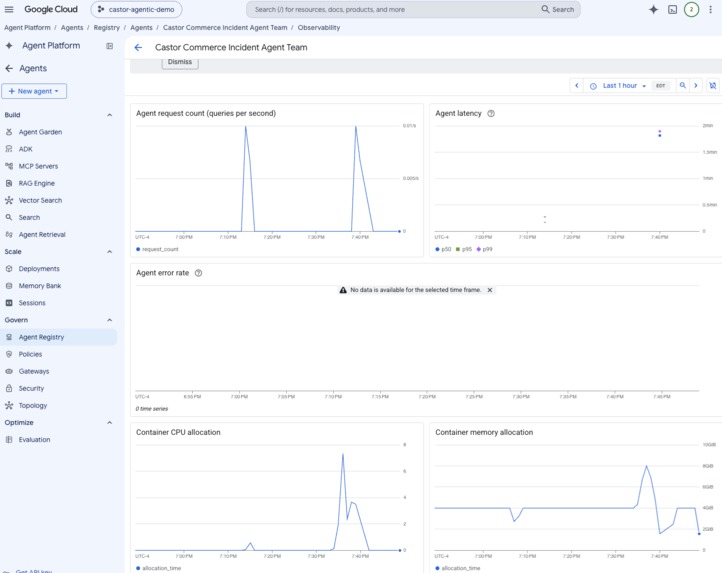
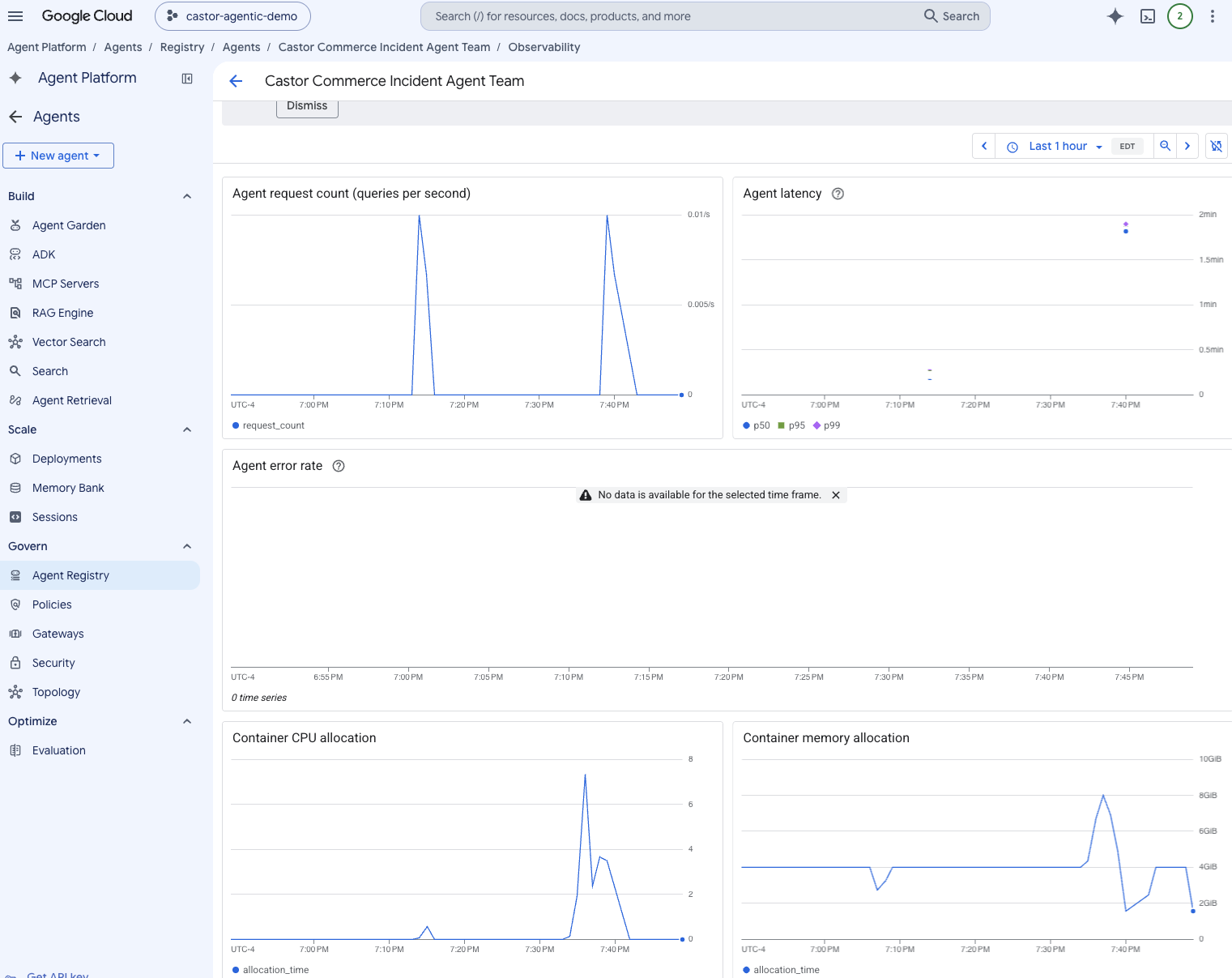
Google Cloud Services - Agent Observability
-
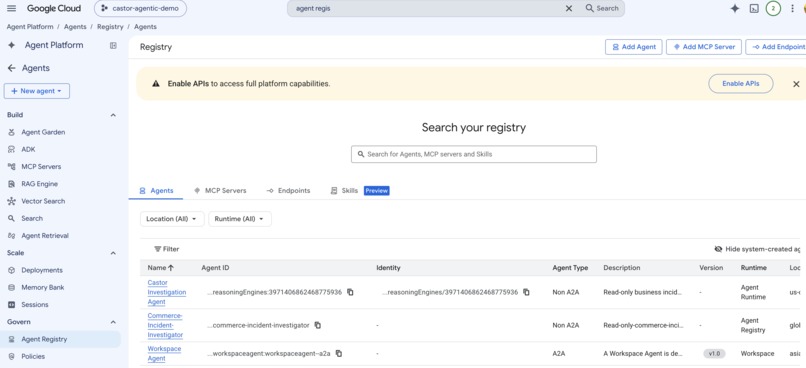
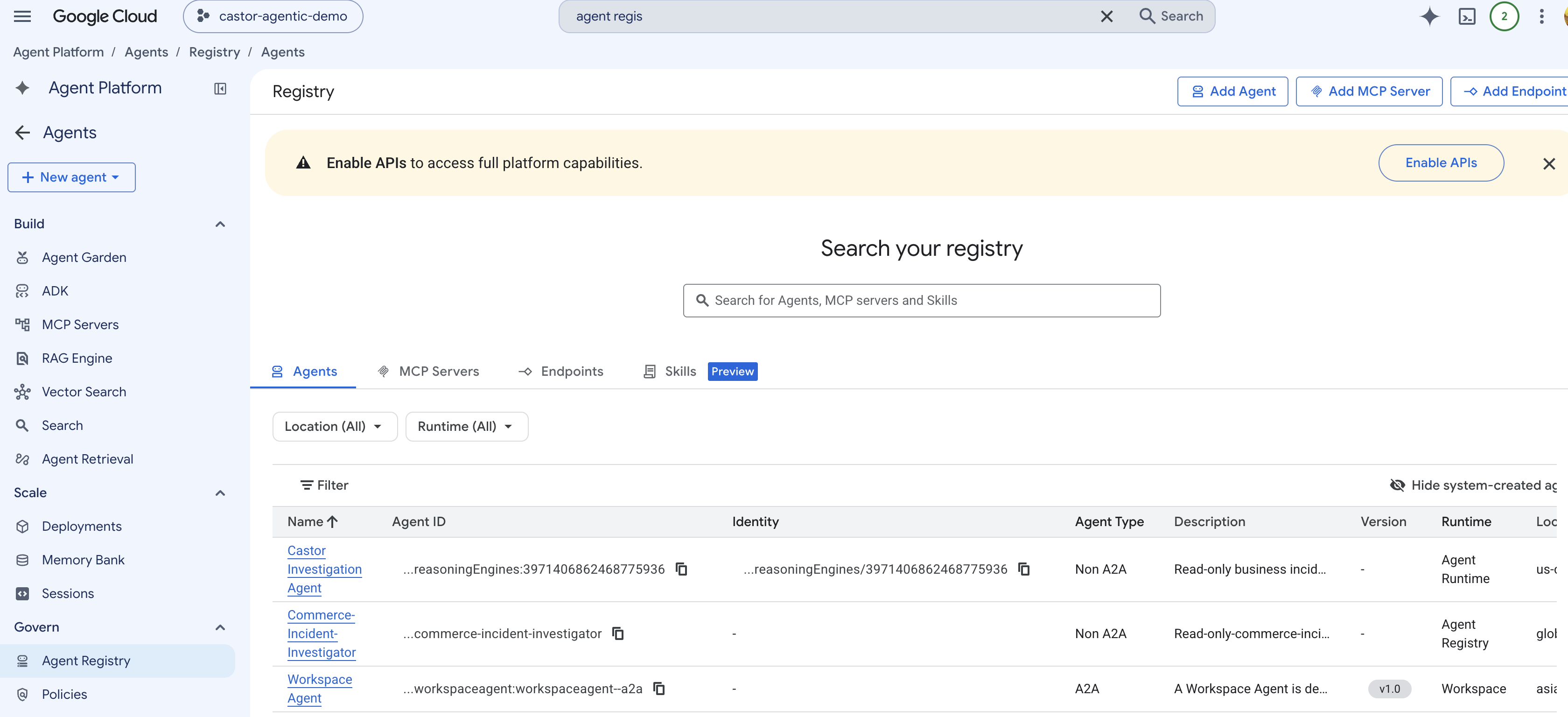
Google Cloud Services - Agent Registry
-
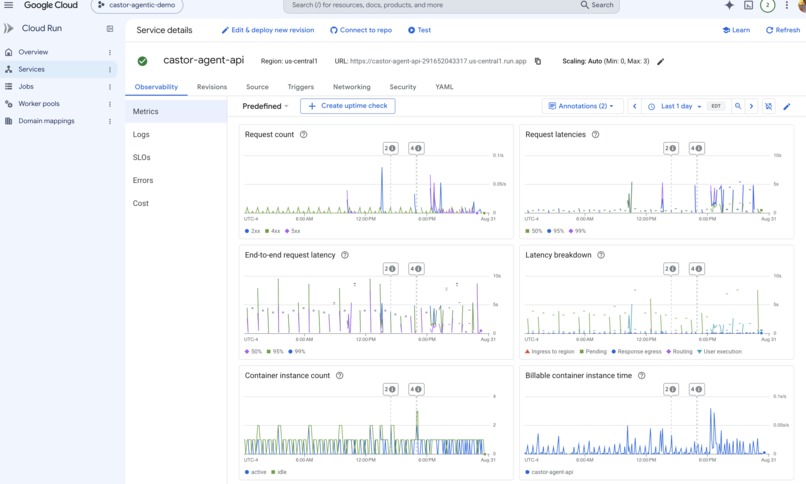
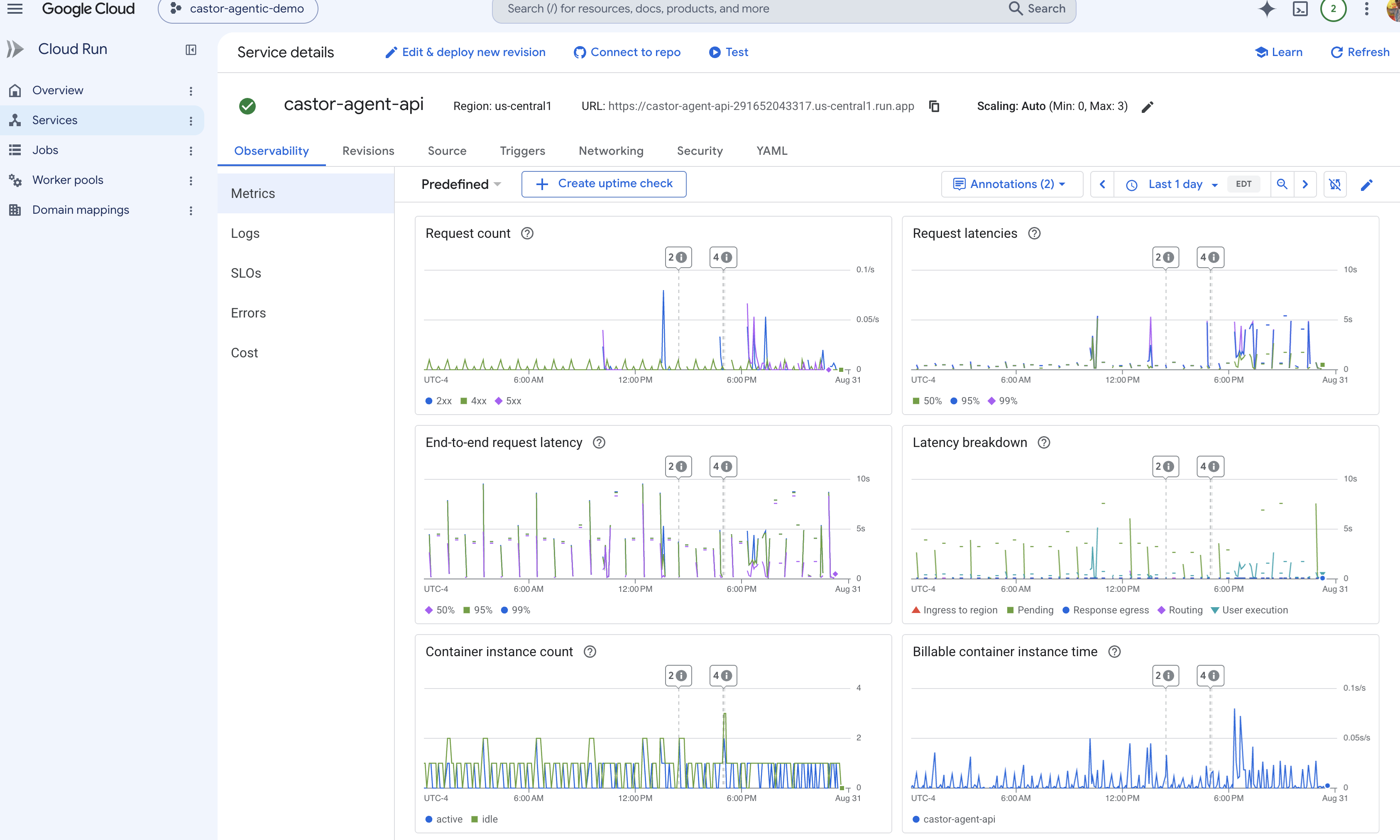
Google Cloud Services - Cloud Run Usage
-
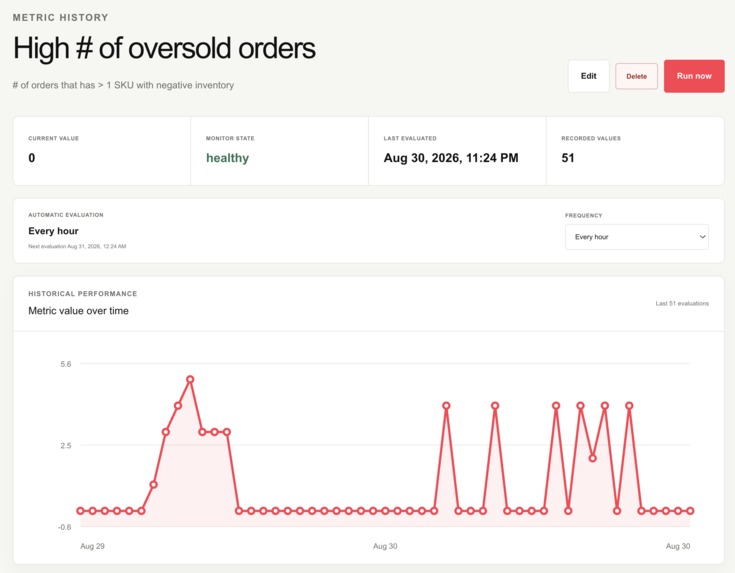
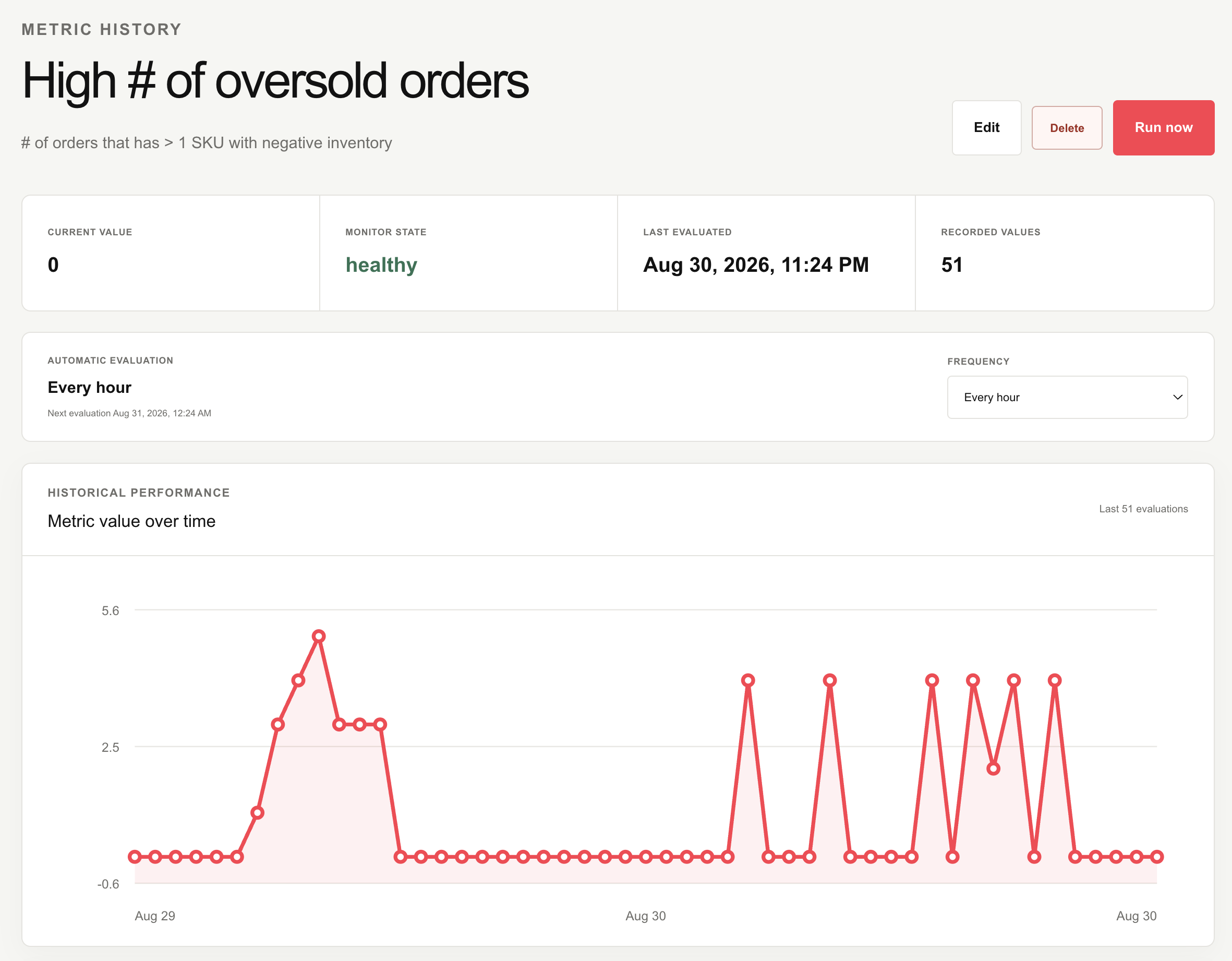
Castor App - Metrics
-
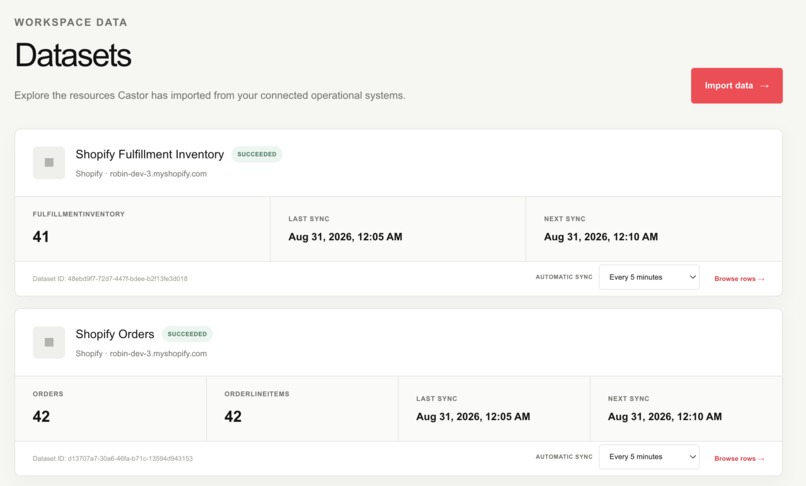
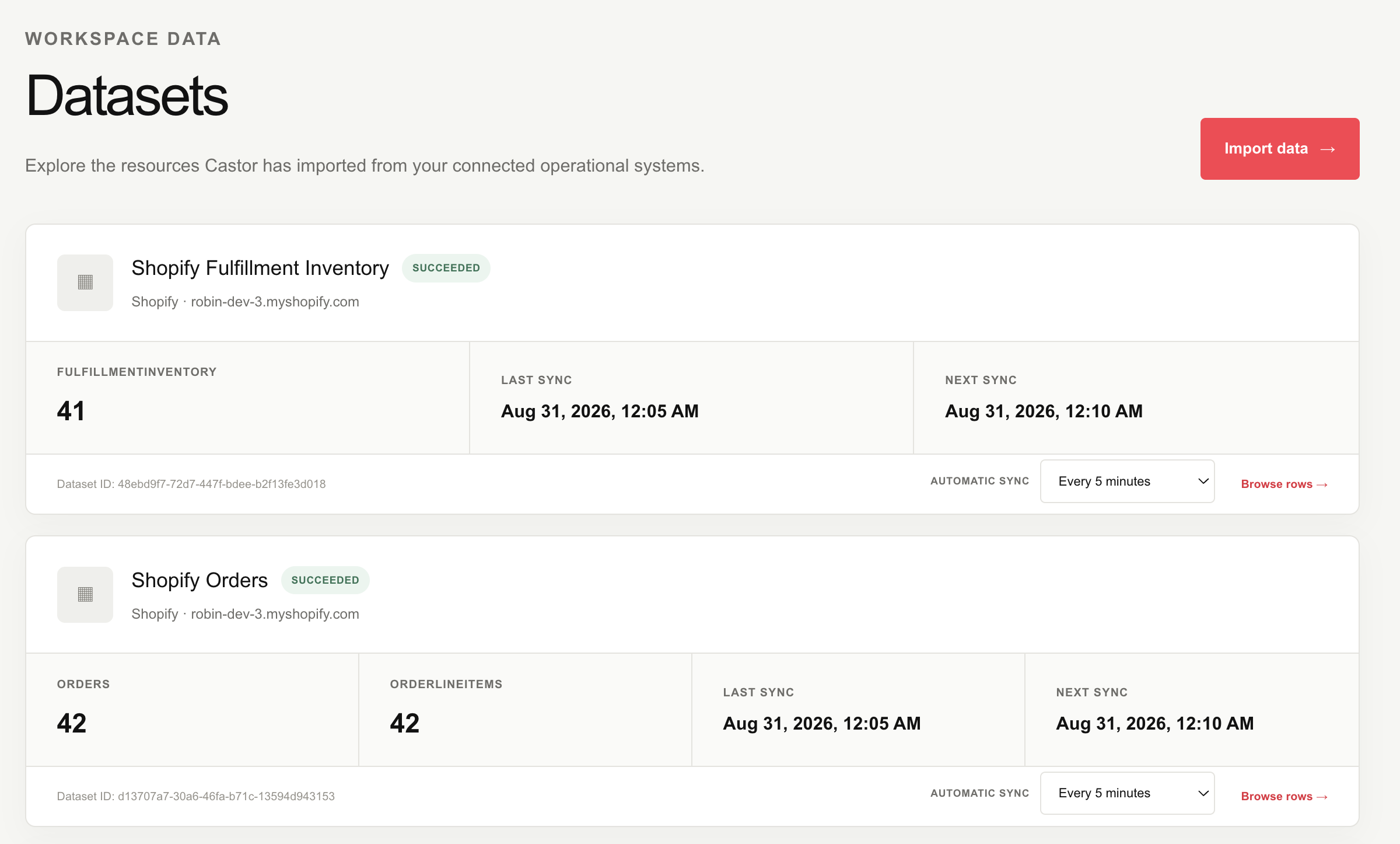
Castor App - Data Sync
-
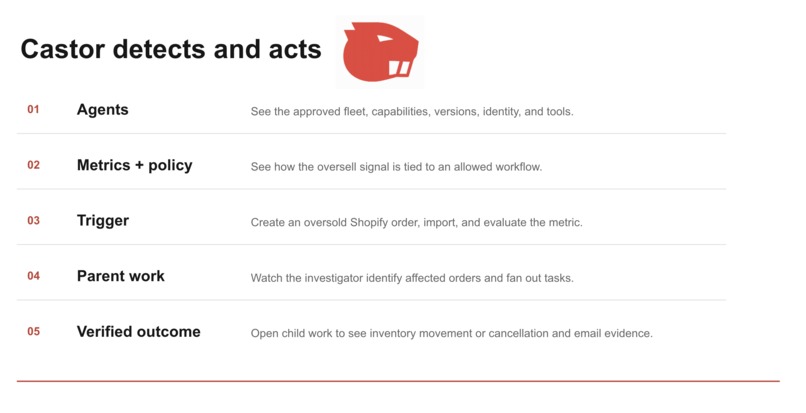
Castor Description
-
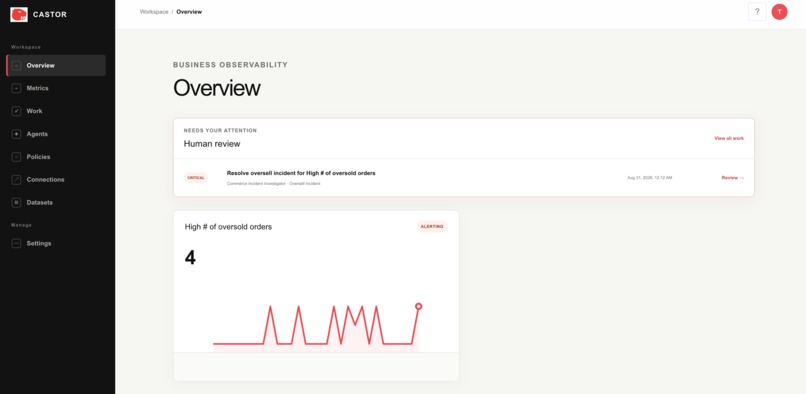
Castor App - Dashboard
-
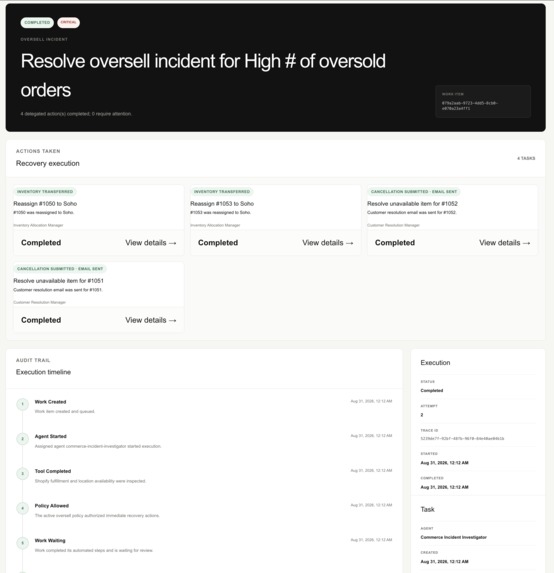
Castor App - Agent Work Details
-
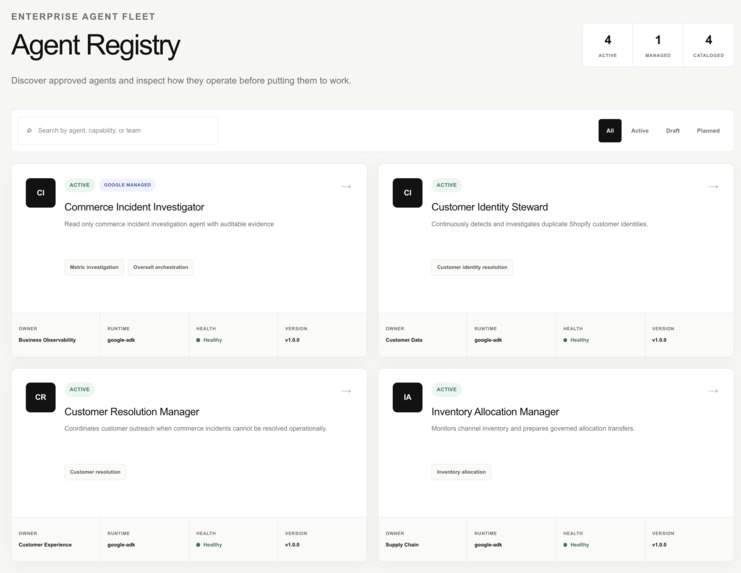
Castor App - Agent Directory
Inspiration
At Amazon, I worked as a software engineer on systems that moved customer orders through fulfillment. During on-call, we had powerful internal tools to monitor systems, investigate issues, and often catch problems before customers were impacted.
In my previous job as an ERP and data integrations consultant, I led SaaS implementations for large retail clients. When orders stopped flowing correctly, we often had to pull data from multiple systems, inspect errors, combine everything in spreadsheets, and manually figure out what went wrong. Sometimes the integrations succeeded but the business data itself was still wrong.
Most retailers didn’t have the kind of observability tooling Amazon had built internally. Castor came from wanting to bring that same proactive visibility to business operations.
What it does
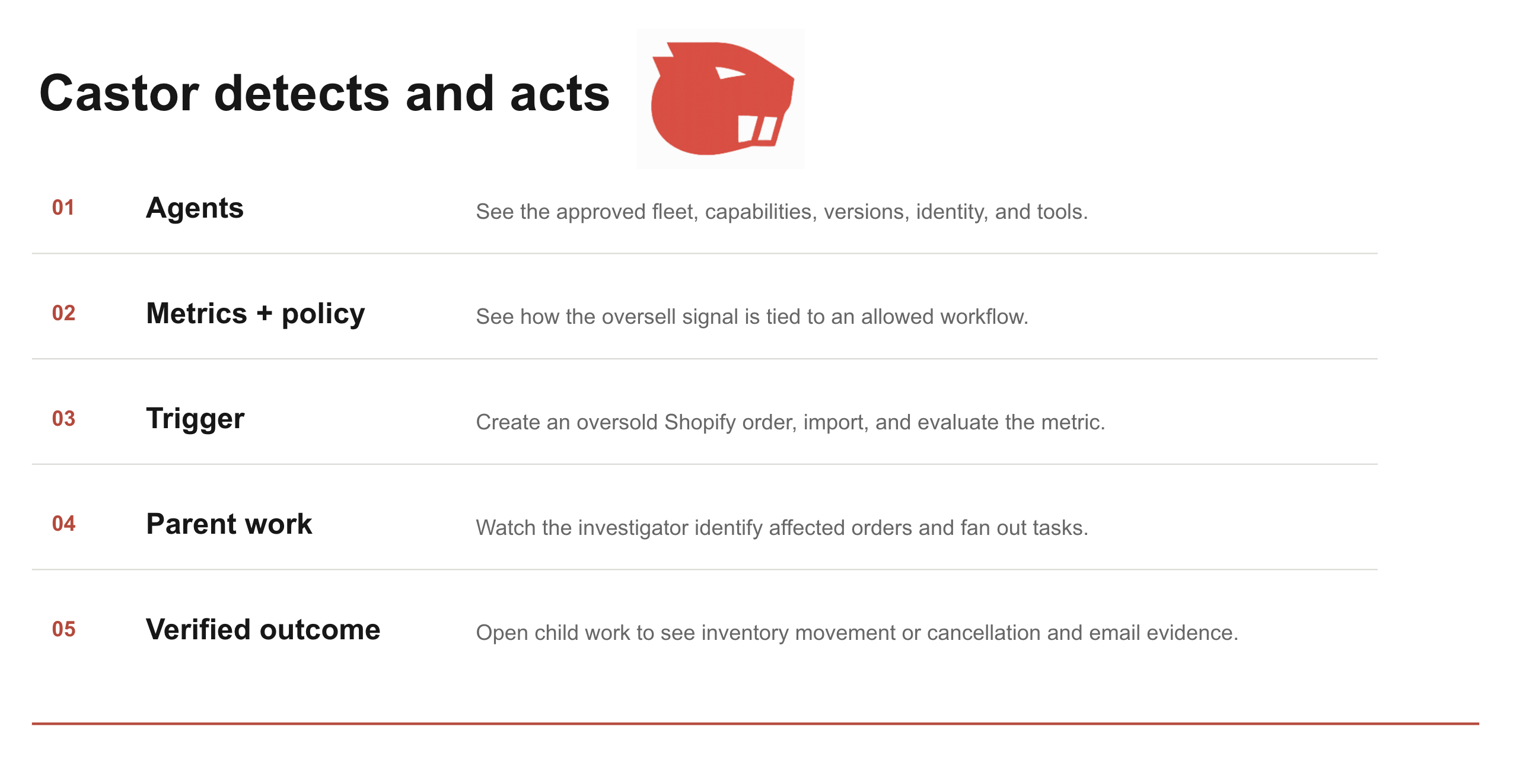
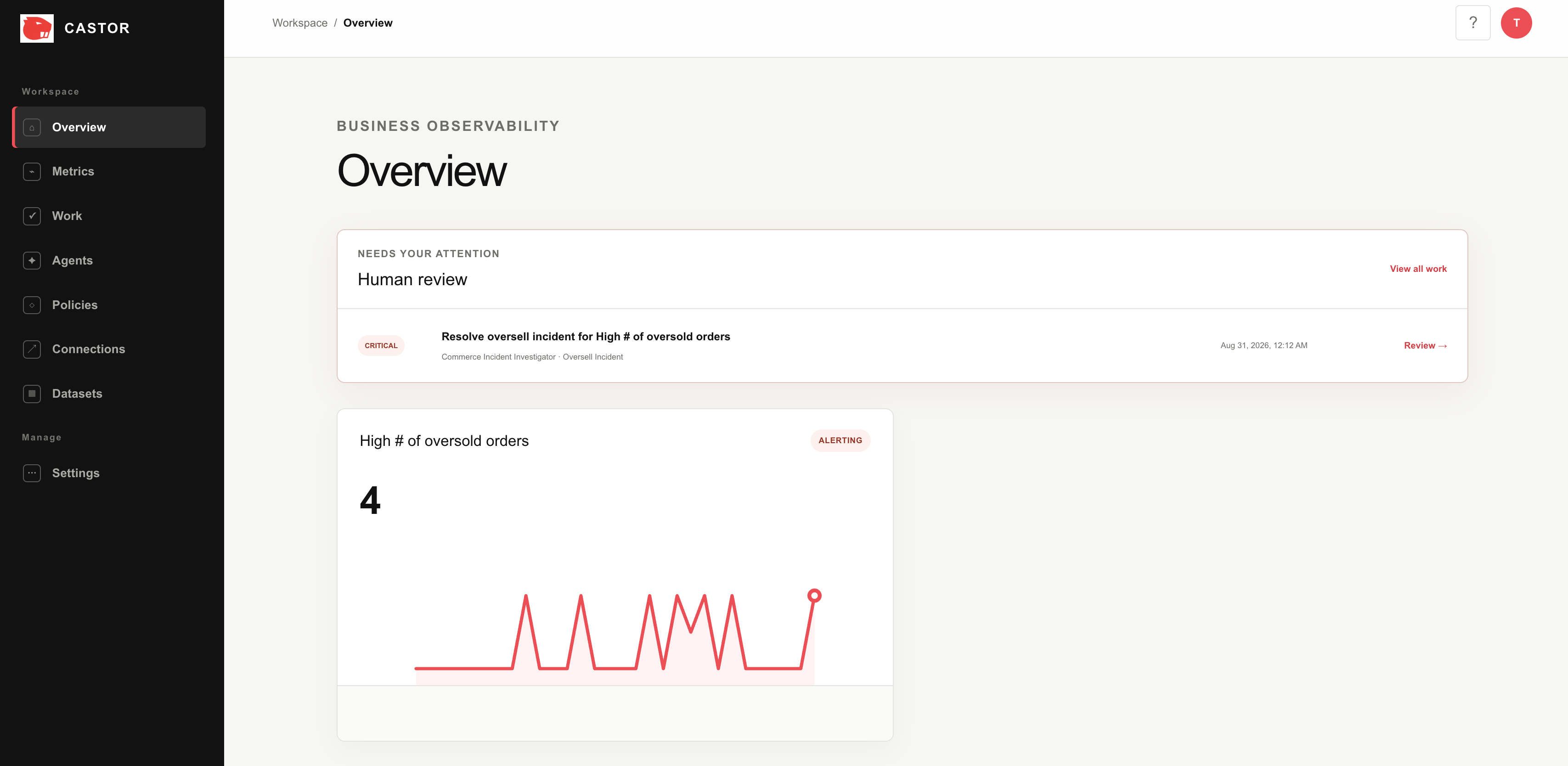
Castor continuously monitors business data for problems and investigates them when something looks wrong.
Instead of relying on someone to notice a broken dashboard or manually compare data across systems, Castor can detect issues like missing sales orders, duplicate customers, inventory mismatches, or unusual drops in revenue, then investigate the underlying data and help determine what happened.
The goal is to give business operations teams the kind of proactive observability that engineering teams already have for infrastructure.
How we built it
Castor’s frontend is deployed on Cloudflare, while its core backend, business-system integrations, secrets, and email delivery run on AWS. Operational data and metric queries are stored in ClickHouse Cloud.
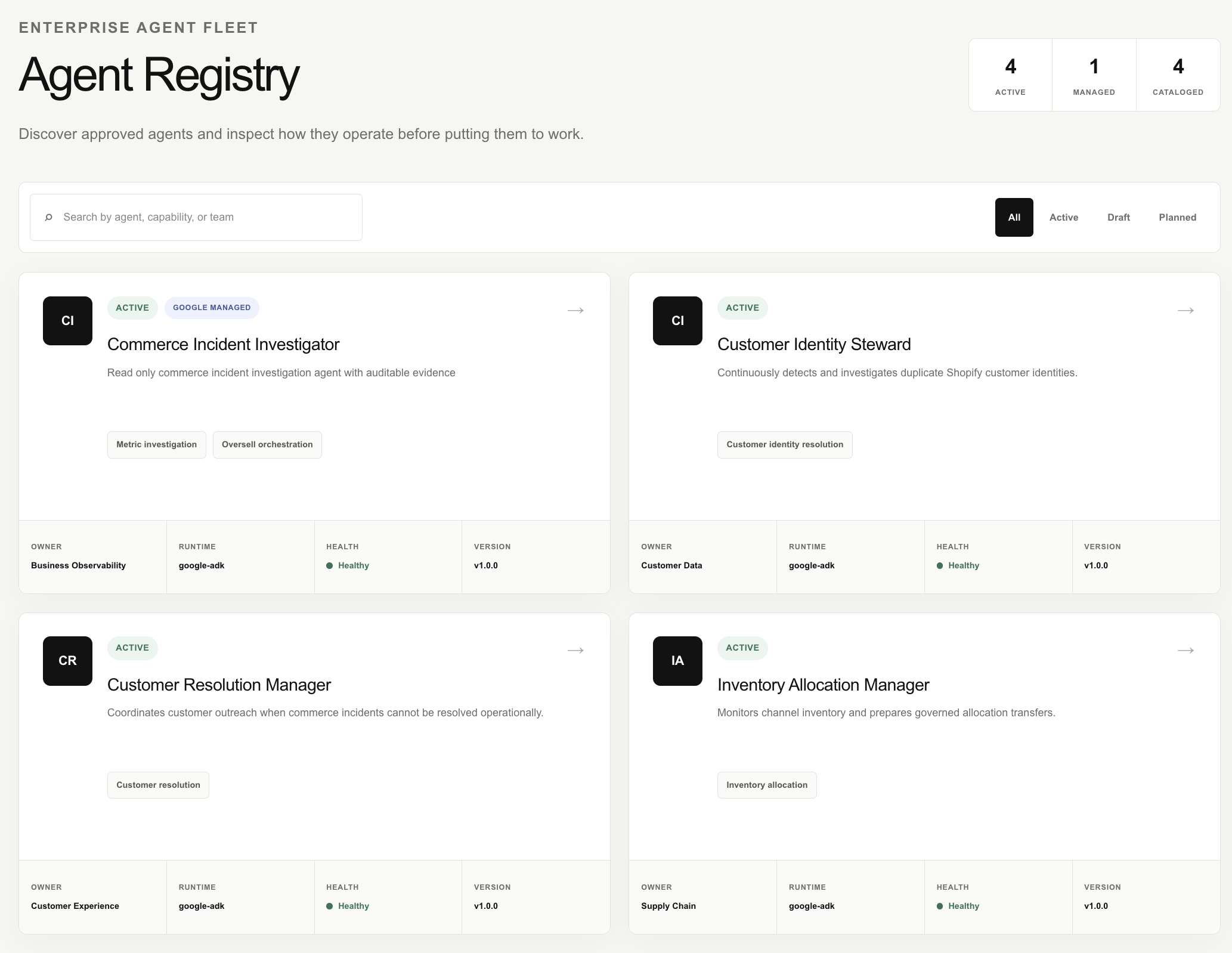
The agentic layer runs on Google Cloud using Gemini and Google ADK. Cloud Run hosts the agent service, Cloud Tasks manages asynchronous workflows, Firestore persists work and audit history, Agent Registry catalogs the fleet, and Google IAM provides identity-based access to Castor’s AWS tools.
Challenges we ran into
Shopify introduced several practical challenges. Its inventory, location, fulfillment, customer, refund, and order APIs use different permissions and data models. We had to manage OAuth scopes, GraphQL query-cost limits, fulfillment-order behavior, asynchronous cancellation jobs, and inventory availability across locations.
Reliable synchronization was another challenge. Imported commerce data changes over time, so Castor needed to handle updates, deletions, canceled orders, and duplicate snapshots without allowing stale records to influence metrics or agent decisions.
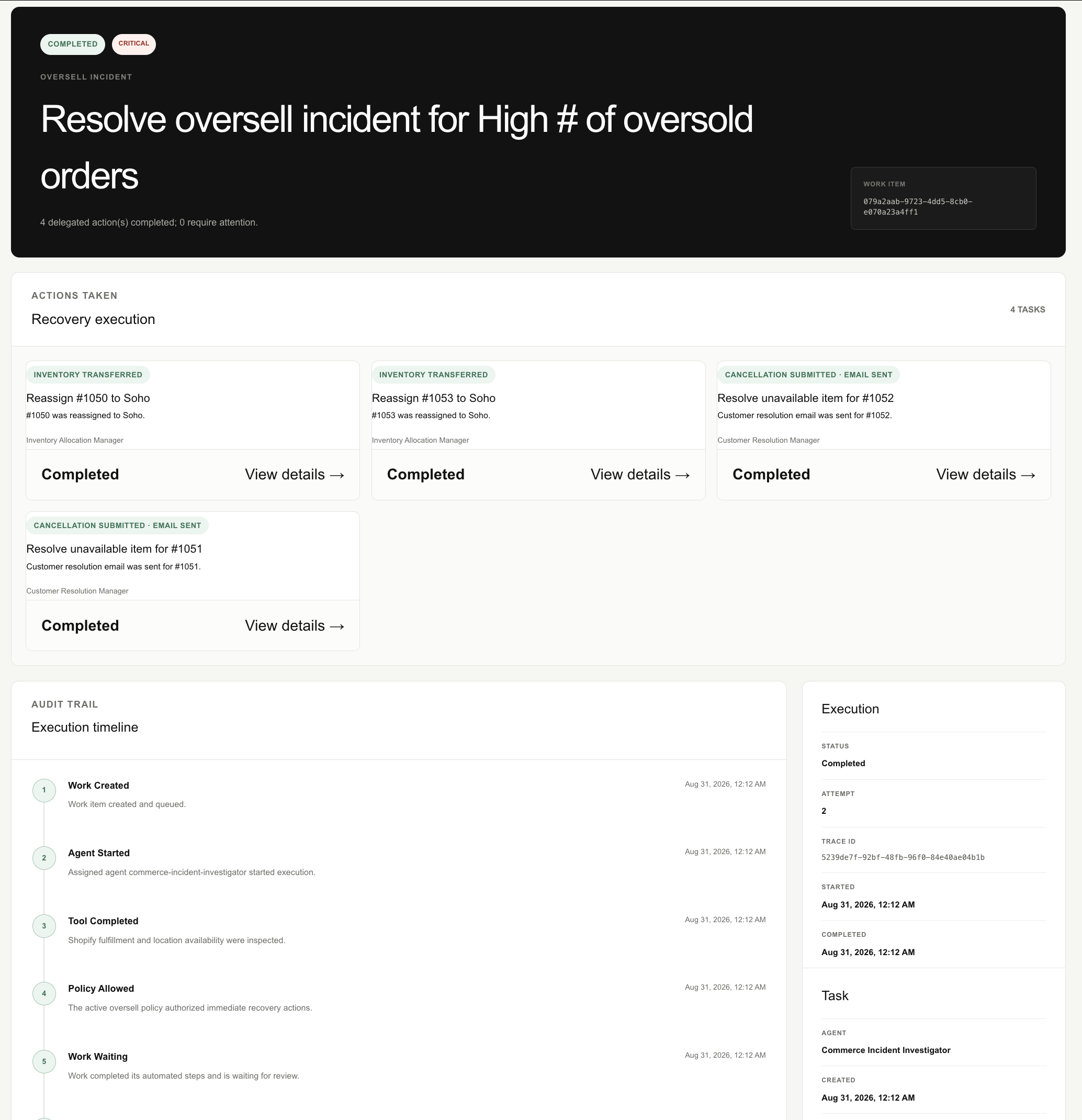
I also learned that agent reasoning alone is not enough for production operations. The system needs deterministic context, constrained tools and retries. We implemented exponential backoff for transient Gemini failures and designed business-system mutations so repeated executions would not silently duplicate actions.
Accomplishments that we're proud of
In three weeks, I built an end-to-end solution for a major e-commerce headache: operational problems that require people to constantly monitor dashboards and manually coordinate across disconnected systems.
I built Shopify and PostgreSQL connectors, an AWS and ClickHouse data backend, user-defined metrics and policies, and a Google Cloud agent fleet that can detect issues, coordinate recovery, take action, and verify the outcome. While the demo focuses on overselling, the same platform can support many operational workflows across inventory, fulfillment, customer service, fraud, returns, and customer data.
What we learned
I learned that metrics and policies are an effective bridge between observability and autonomous operations. Metrics determine when attention is required, while policies determine when agents are permitted to act. This allows agents to begin work from real business conditions rather than waiting for someone to write a prompt
What's next for Castor
I plan to talk with former clients who manage business systems at retail companies to understand the operational issues they face most often and where Castor can help most.
Those conversations will shape Castor’s next monitoring, investigation, and remediation capabilities.
Built With
- adk
- api-gateway
- clickhouse
- cloudflare
- gemini
- google-cloud
- lambda
- react


Log in or sign up for Devpost to join the conversation.