-
-
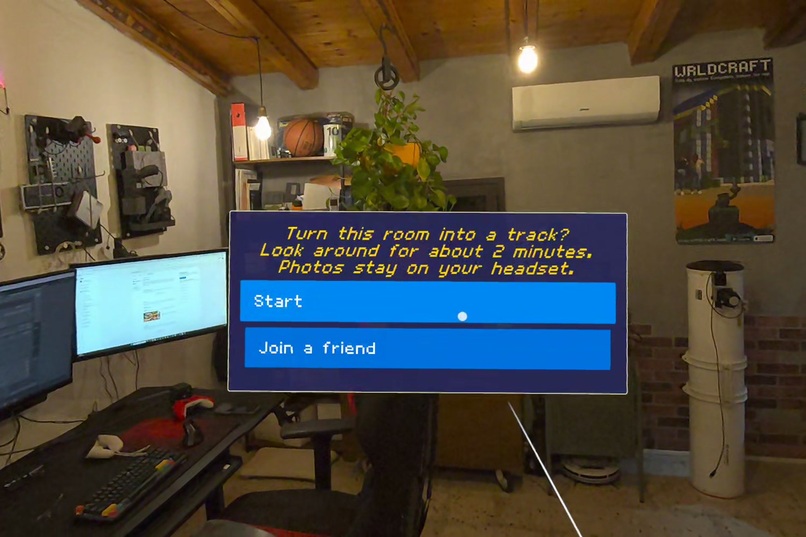
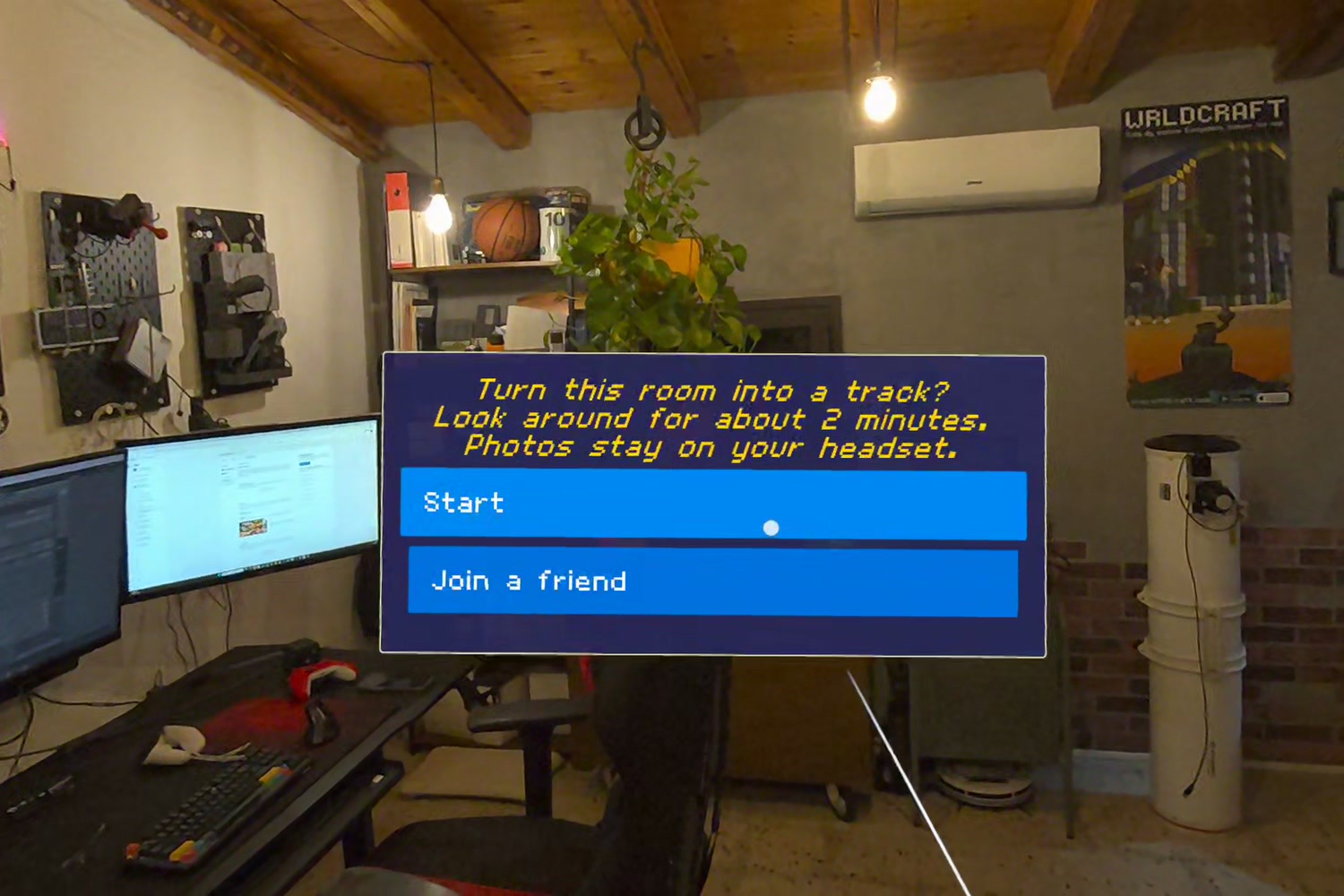
real room prompt
-
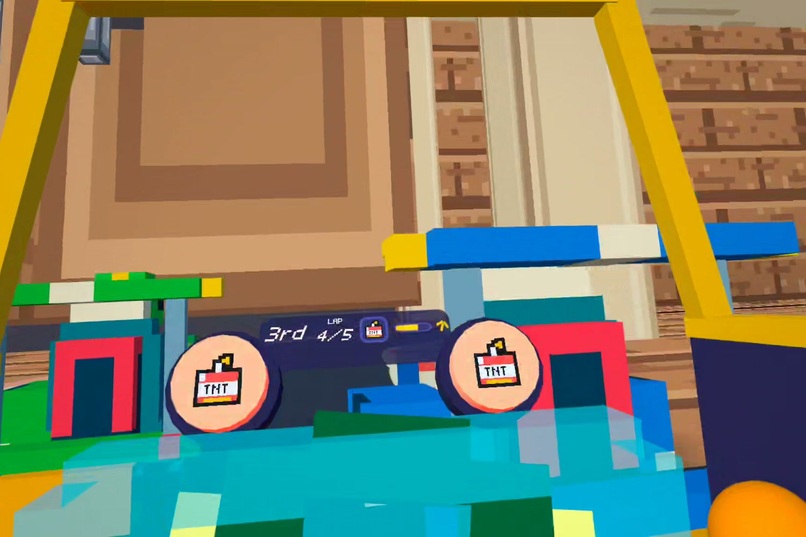
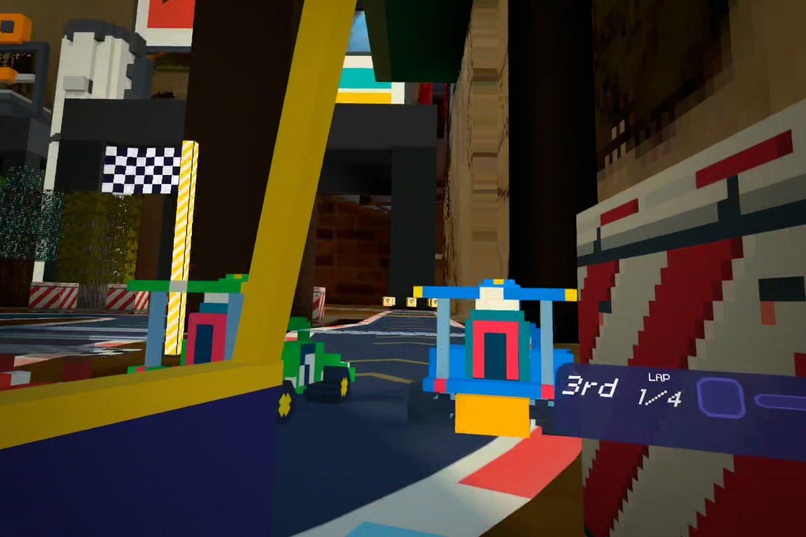
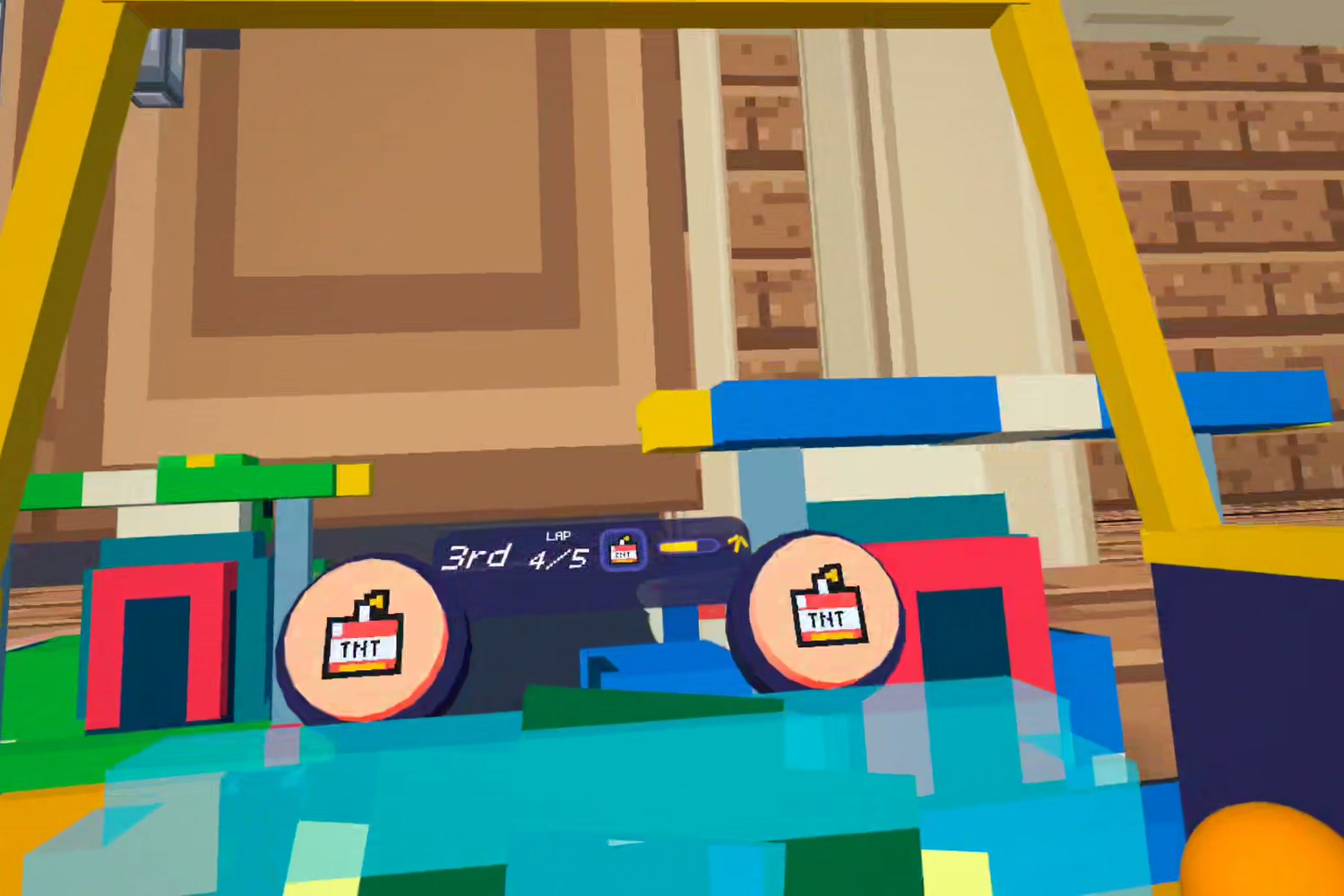
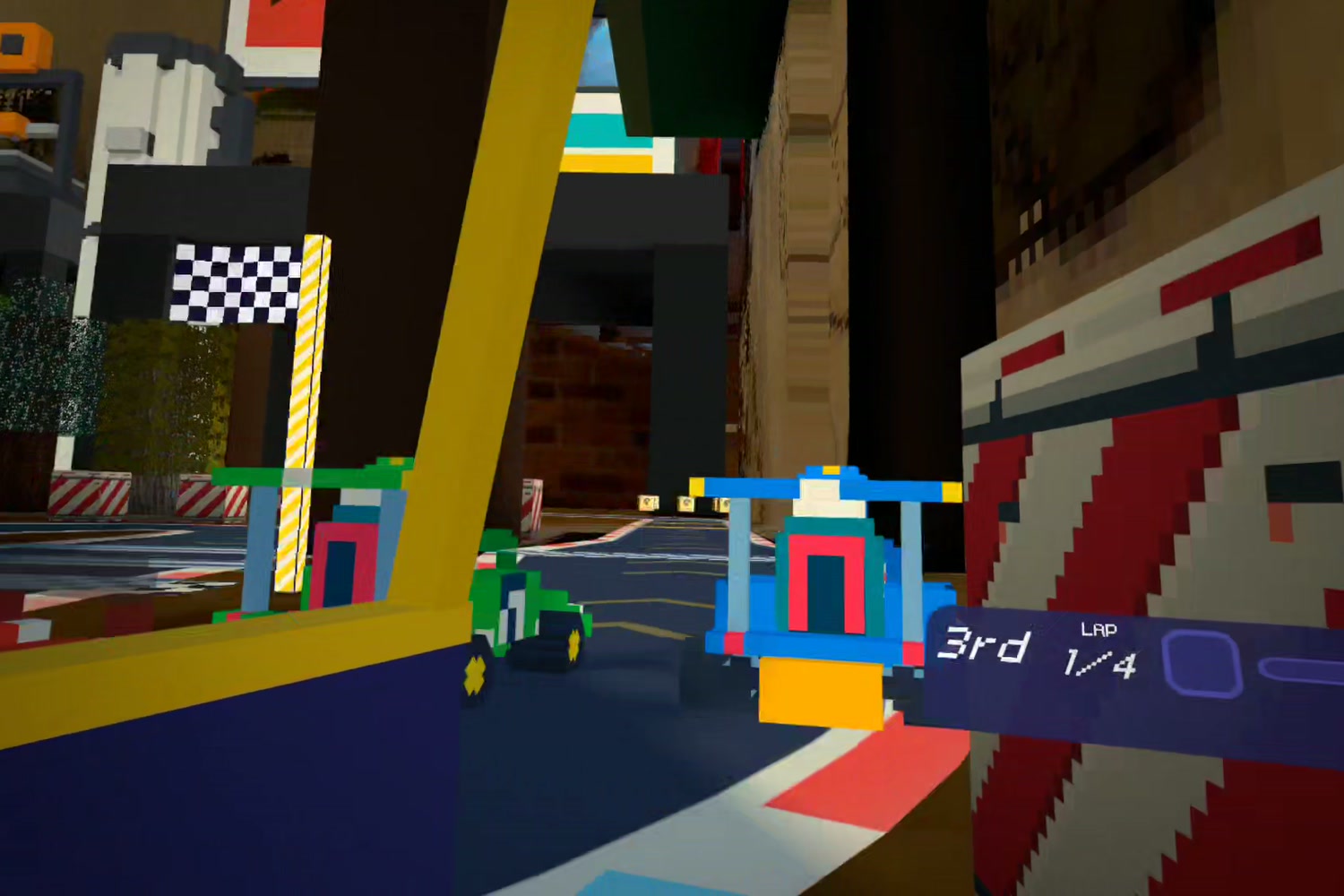
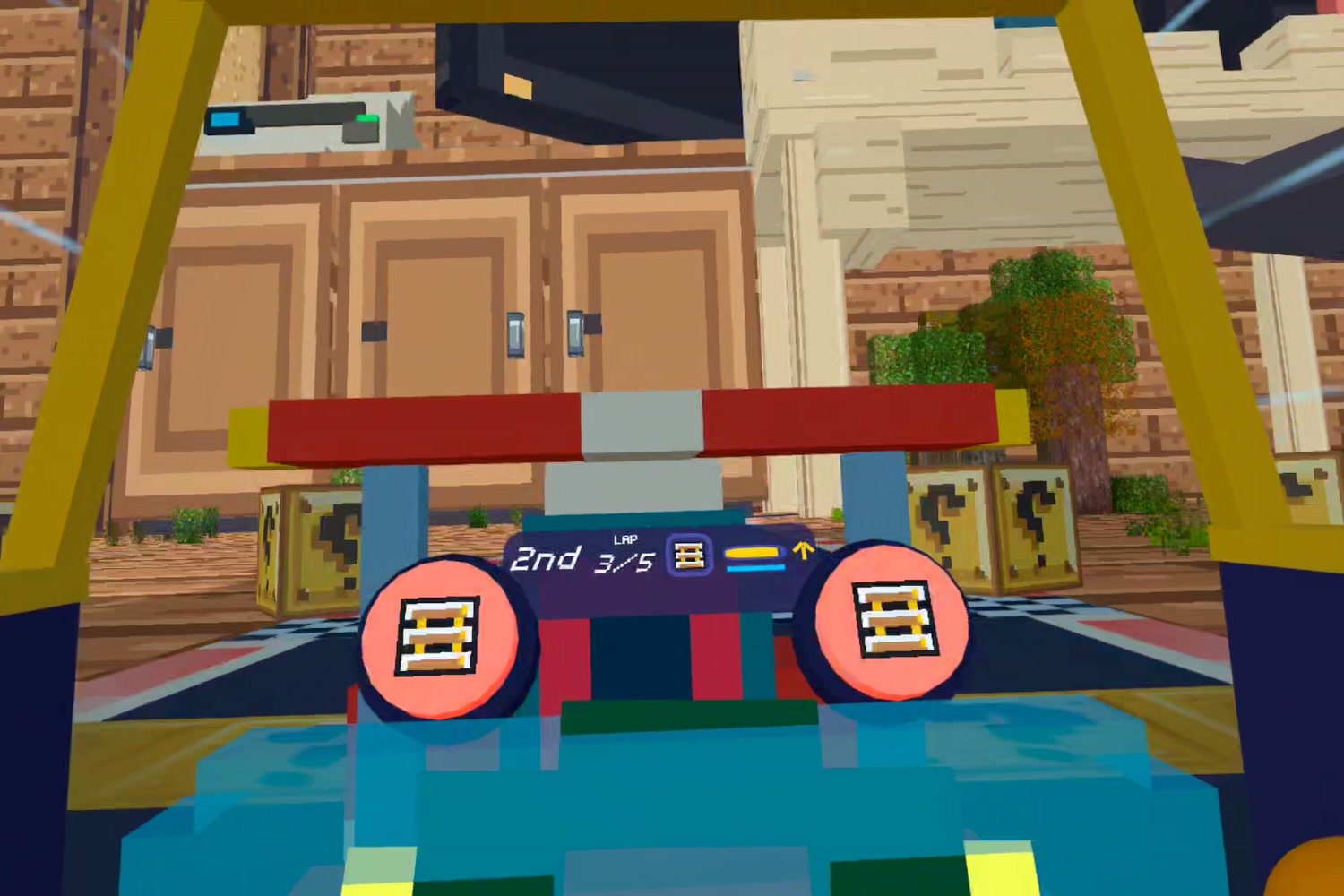
Two karts in a fight for third
-
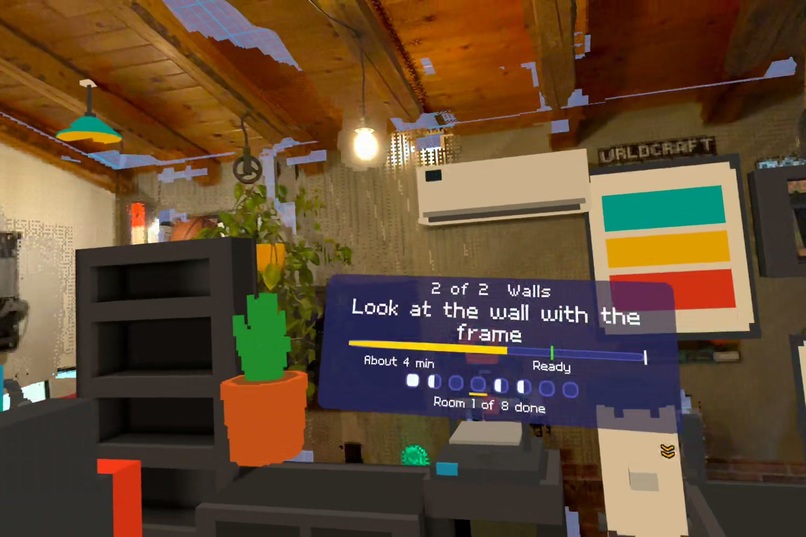
real room turns voxel
-
-
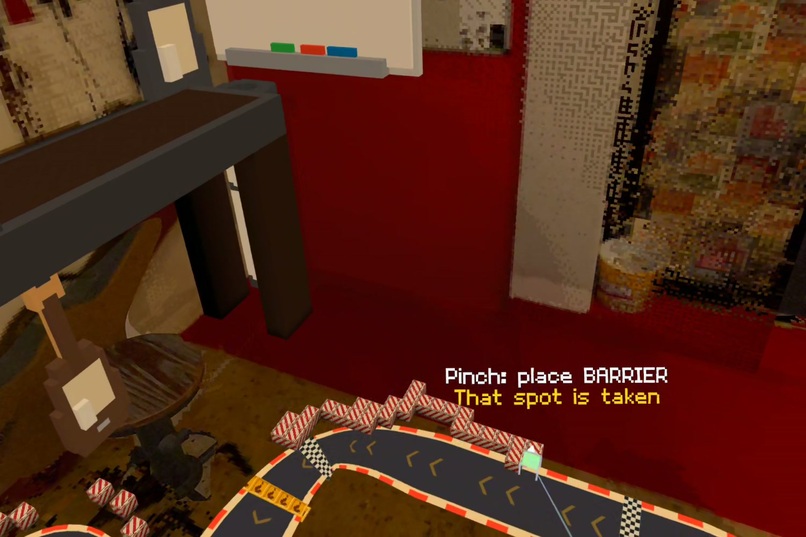
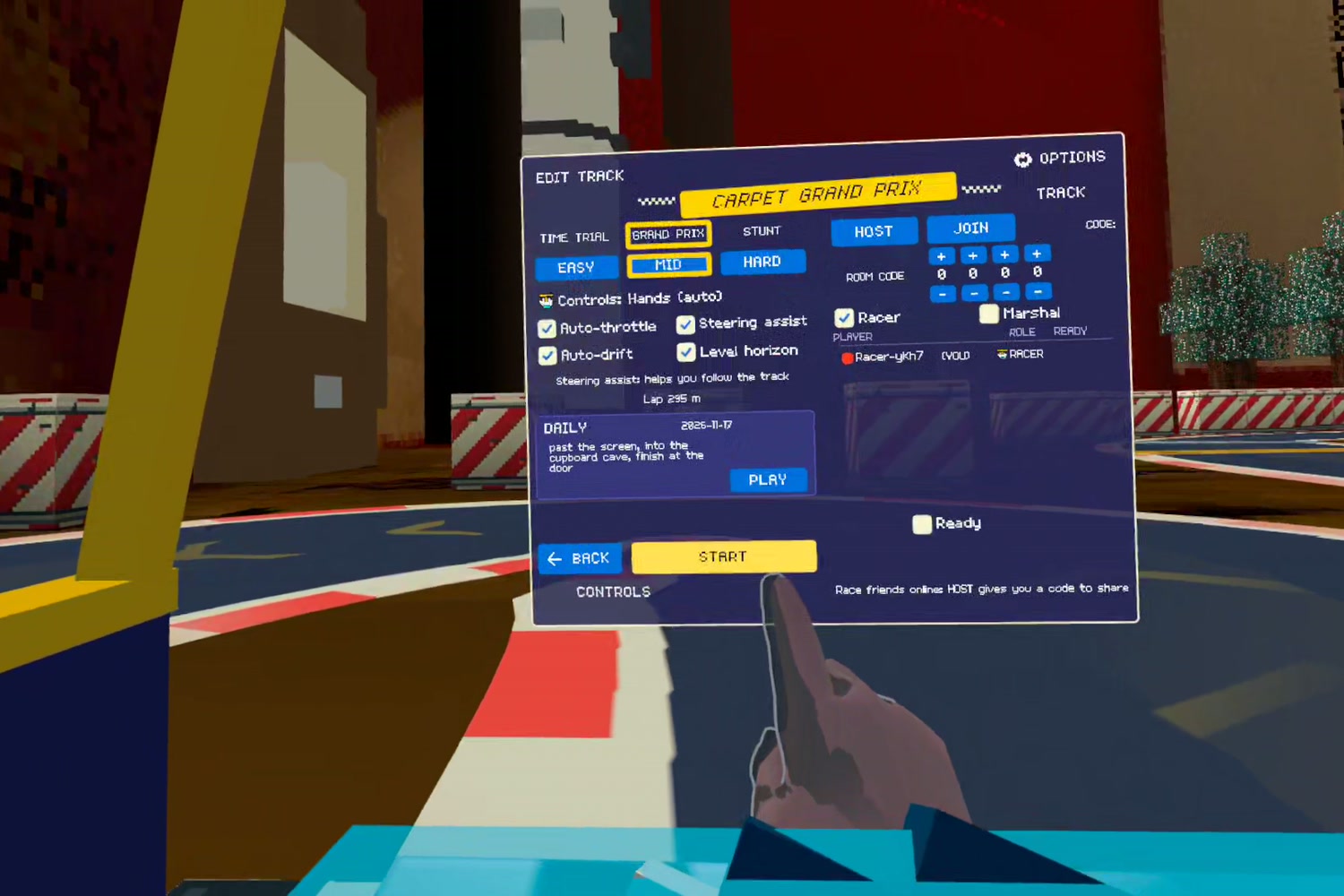
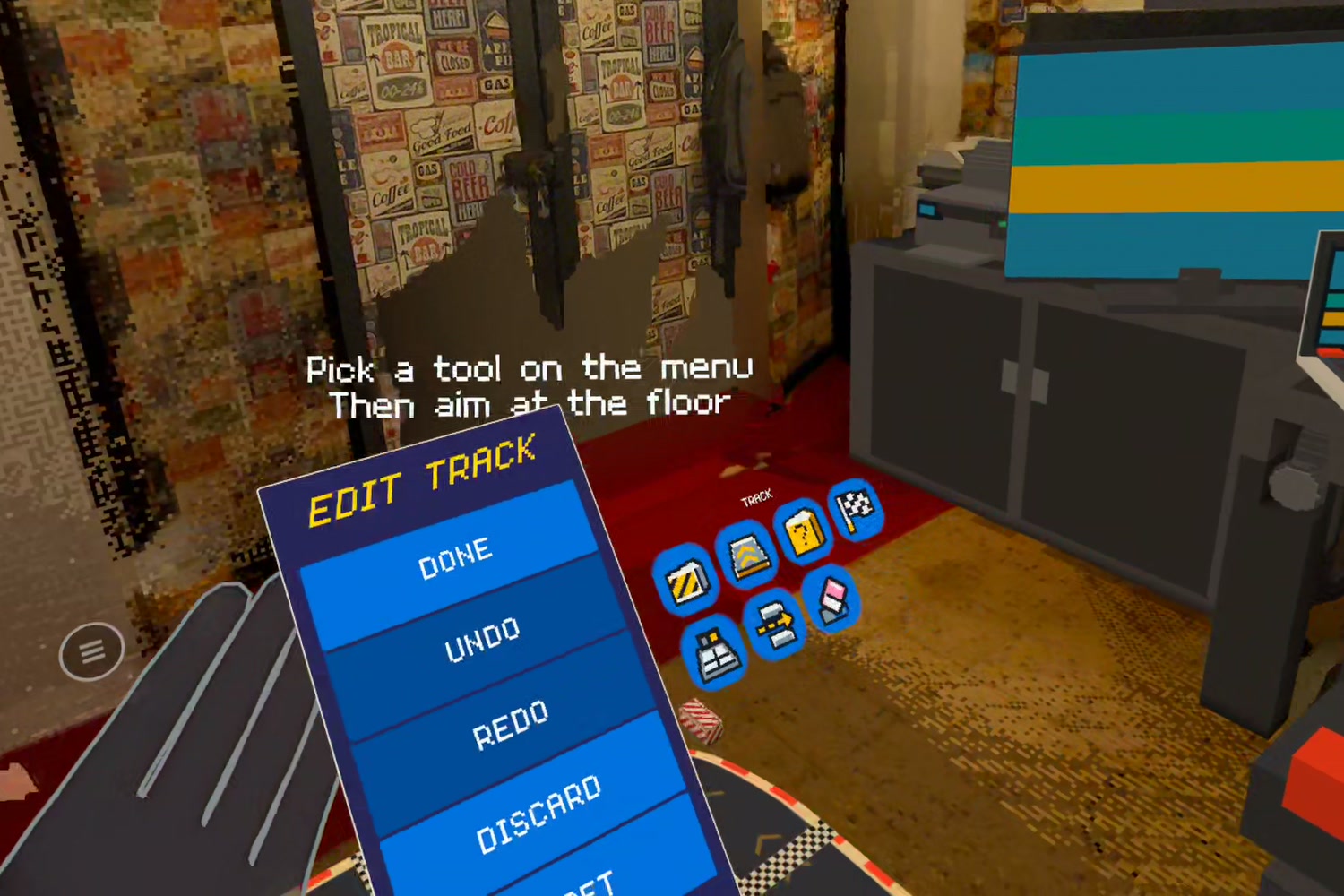
Editing track
-
-
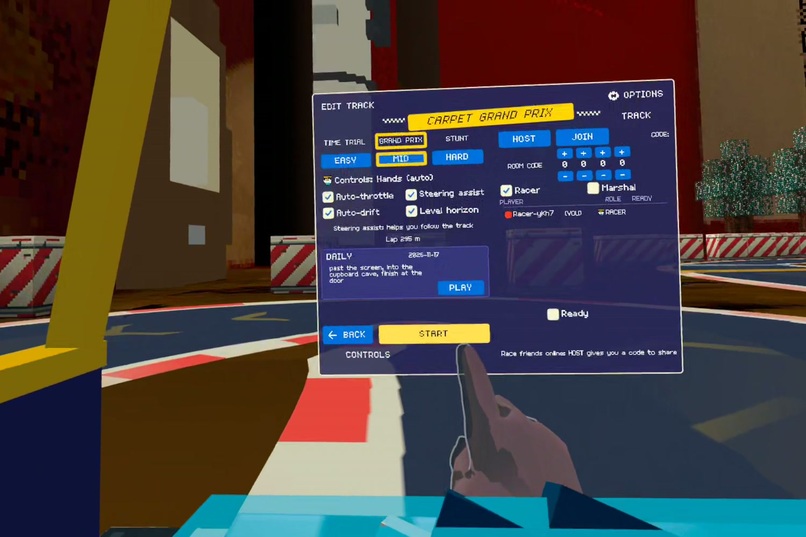
-
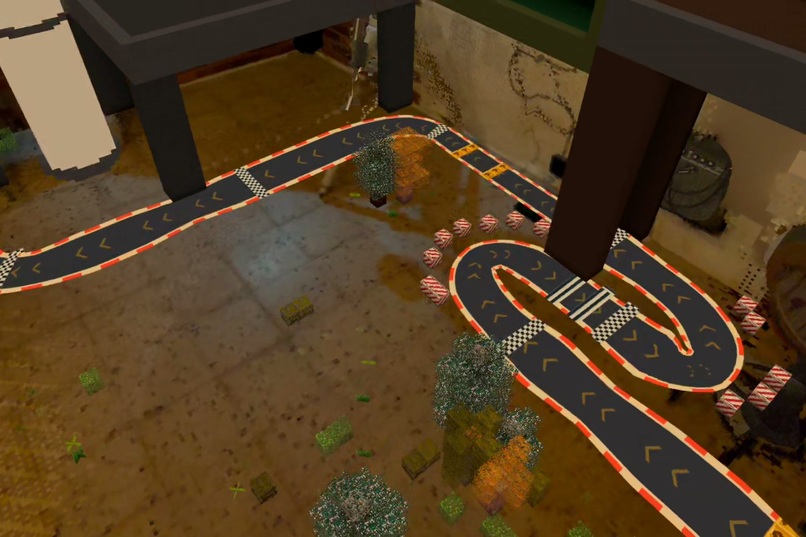
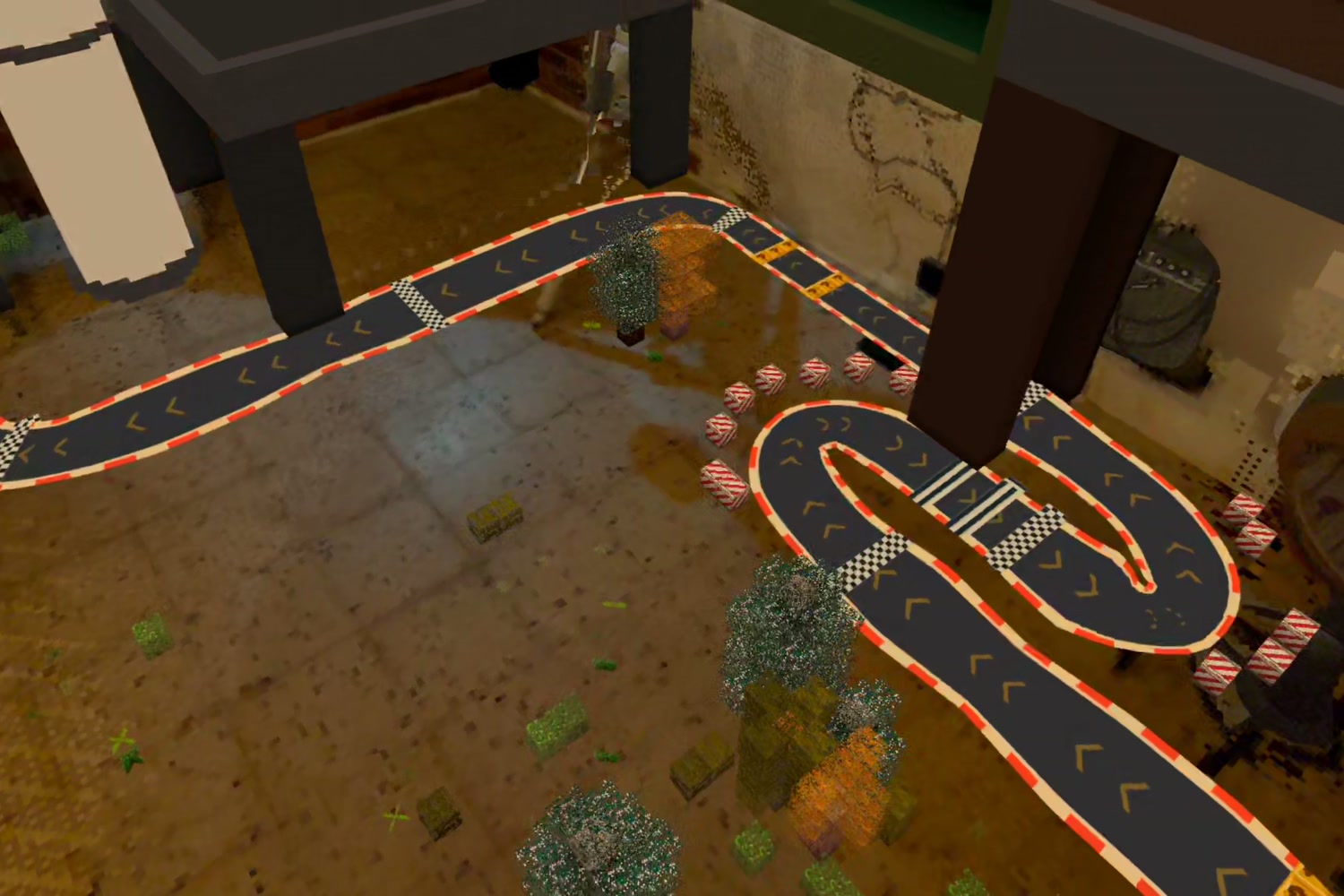
The track around furnitures
-
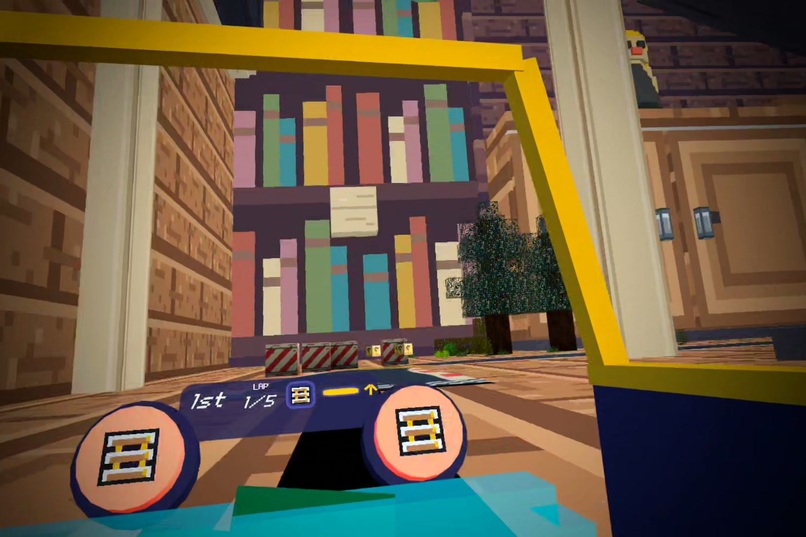
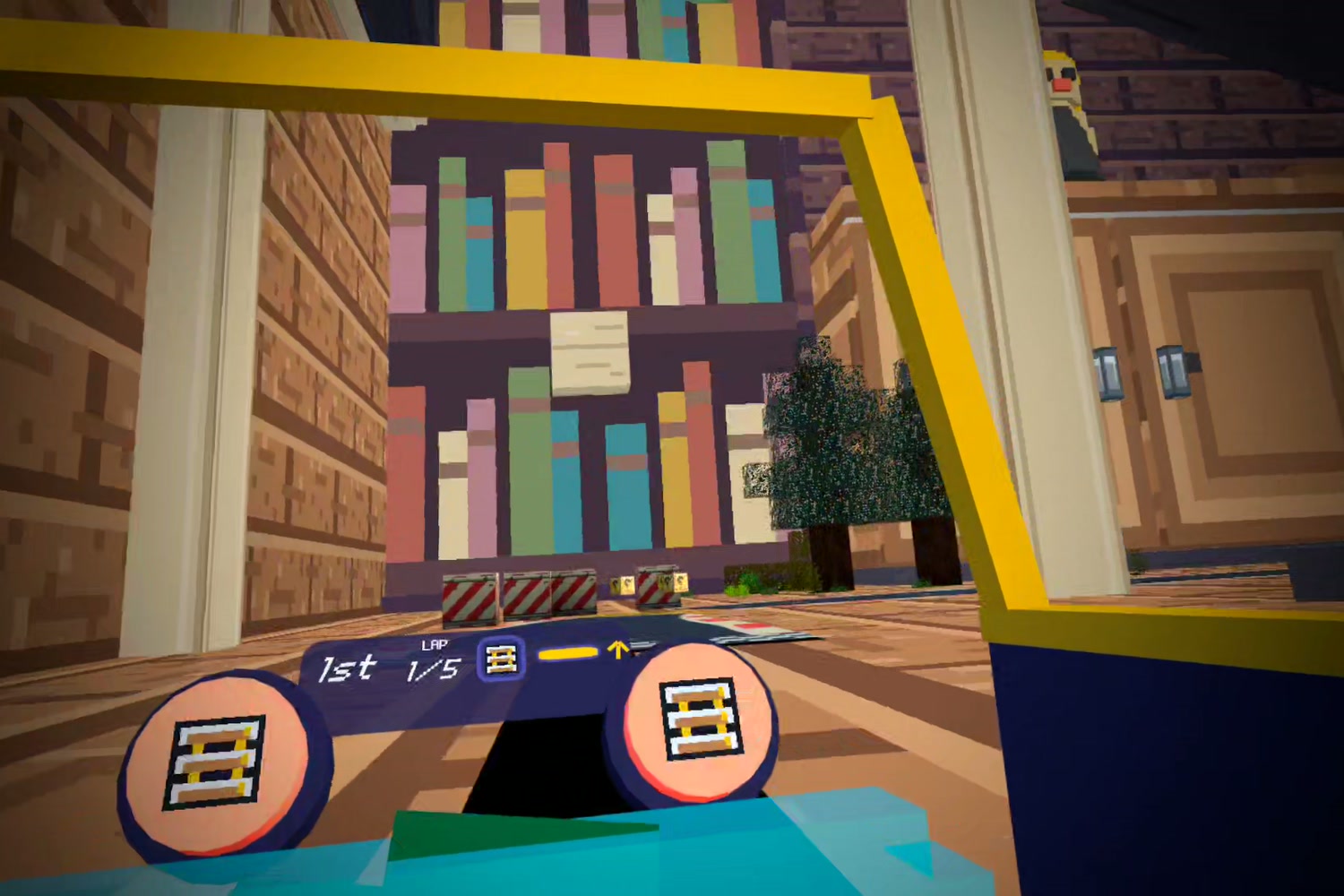
Racing toward the block bookshelf
-
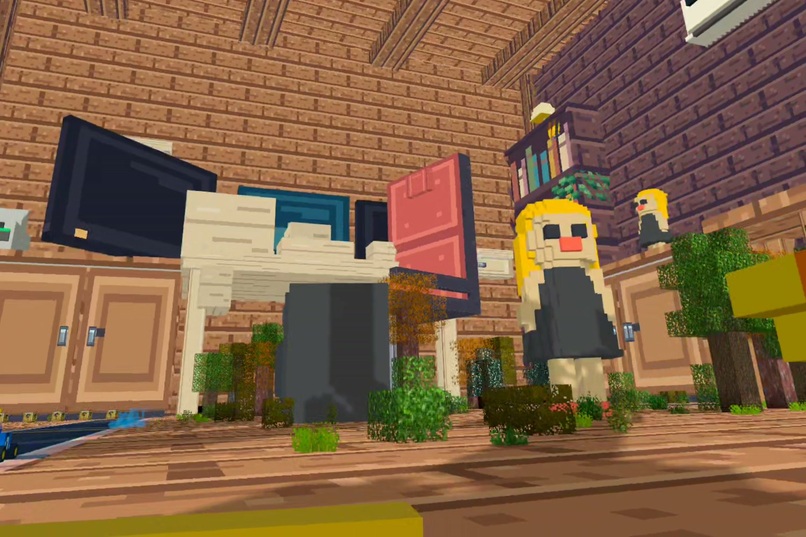
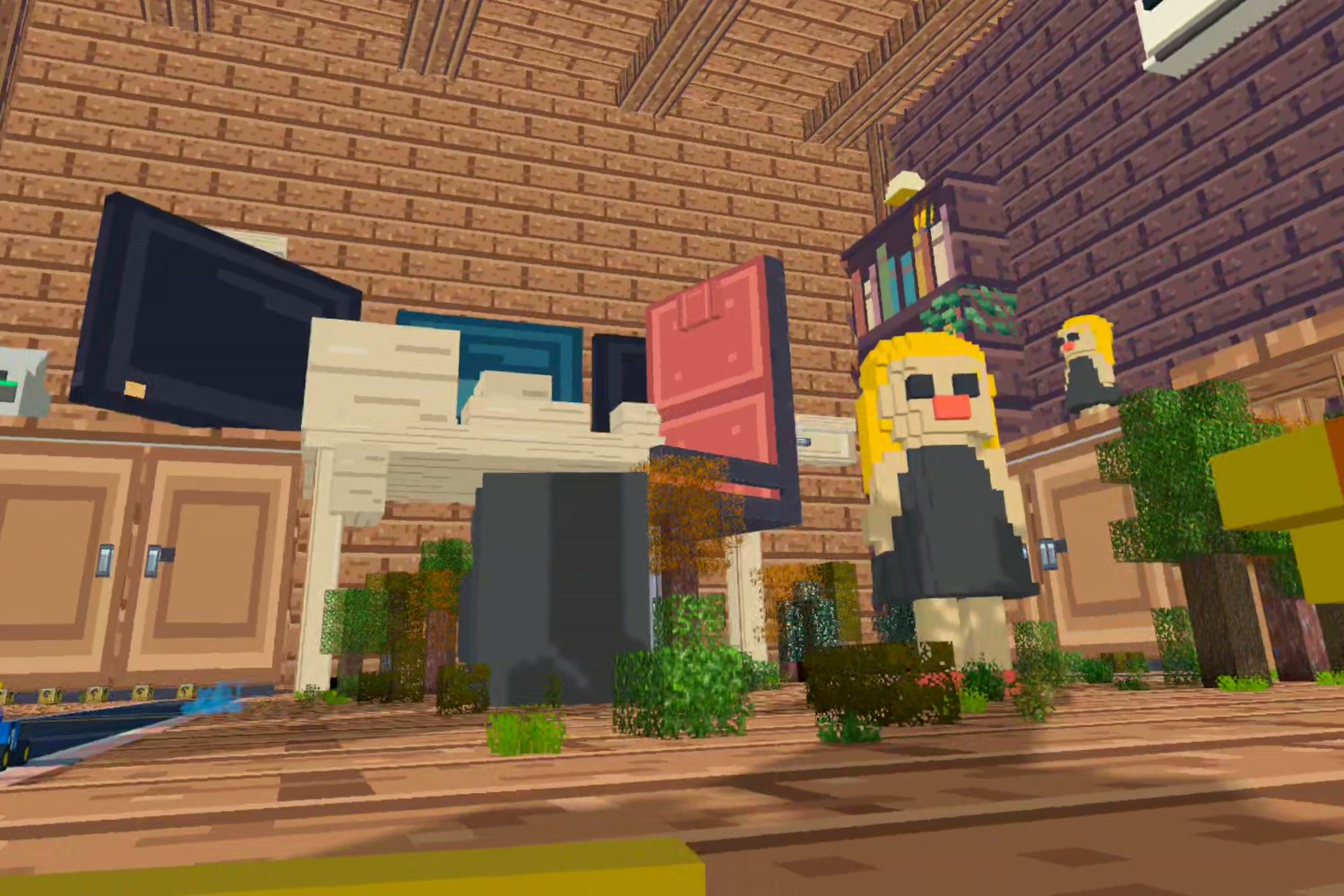
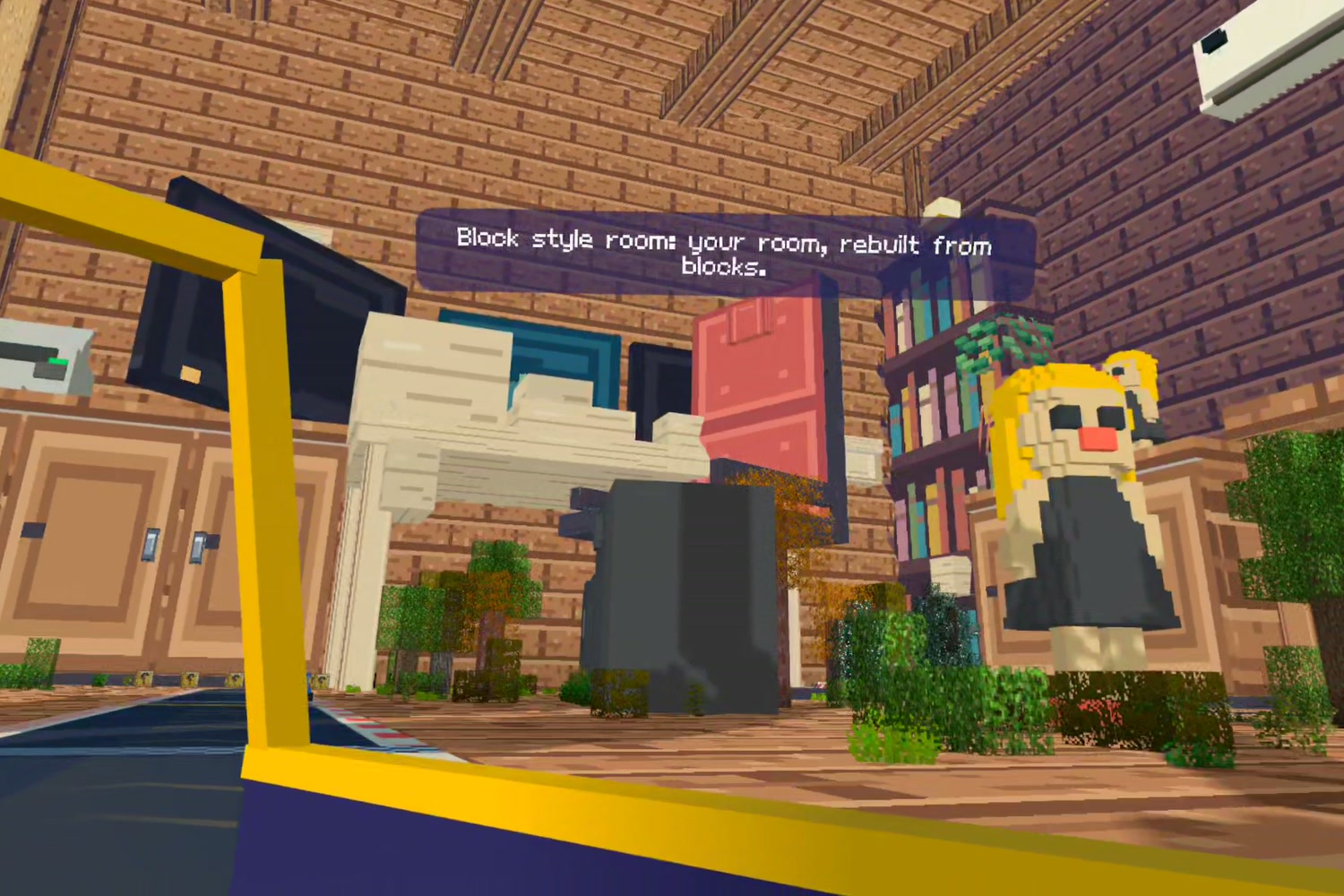
The Block room at kart size: brick walls, wooden doors, desk and monitors
-
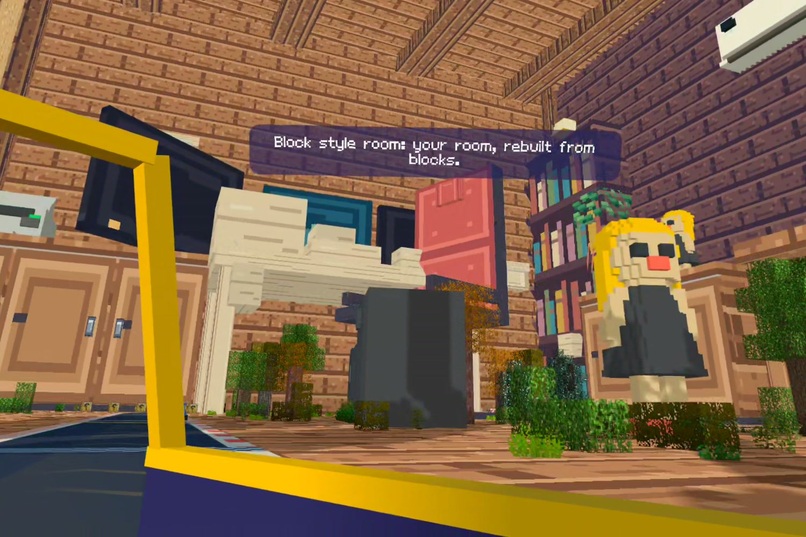
The moment the room switches, with the game’s “Block style room: your room, rebuilt from blocks” note
-
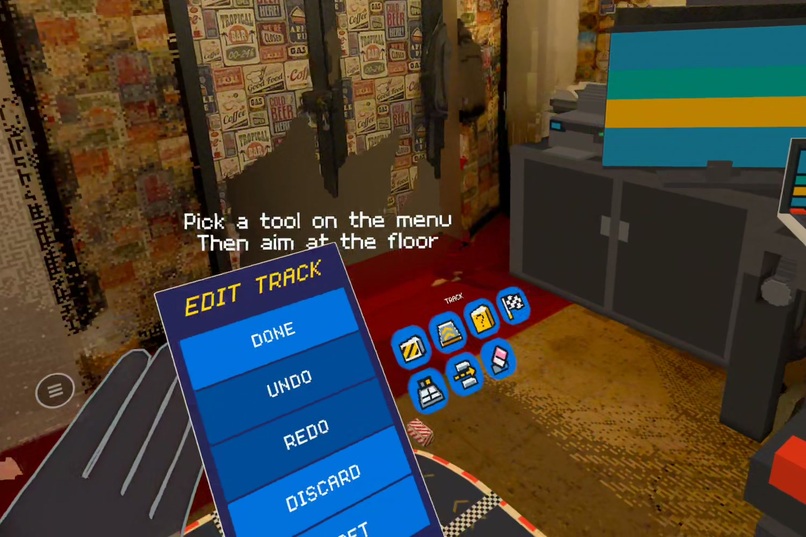
Editing track
-
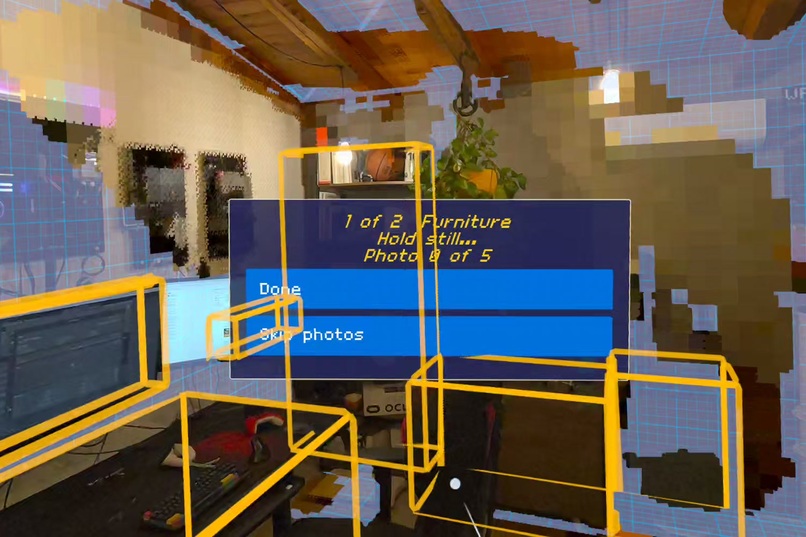
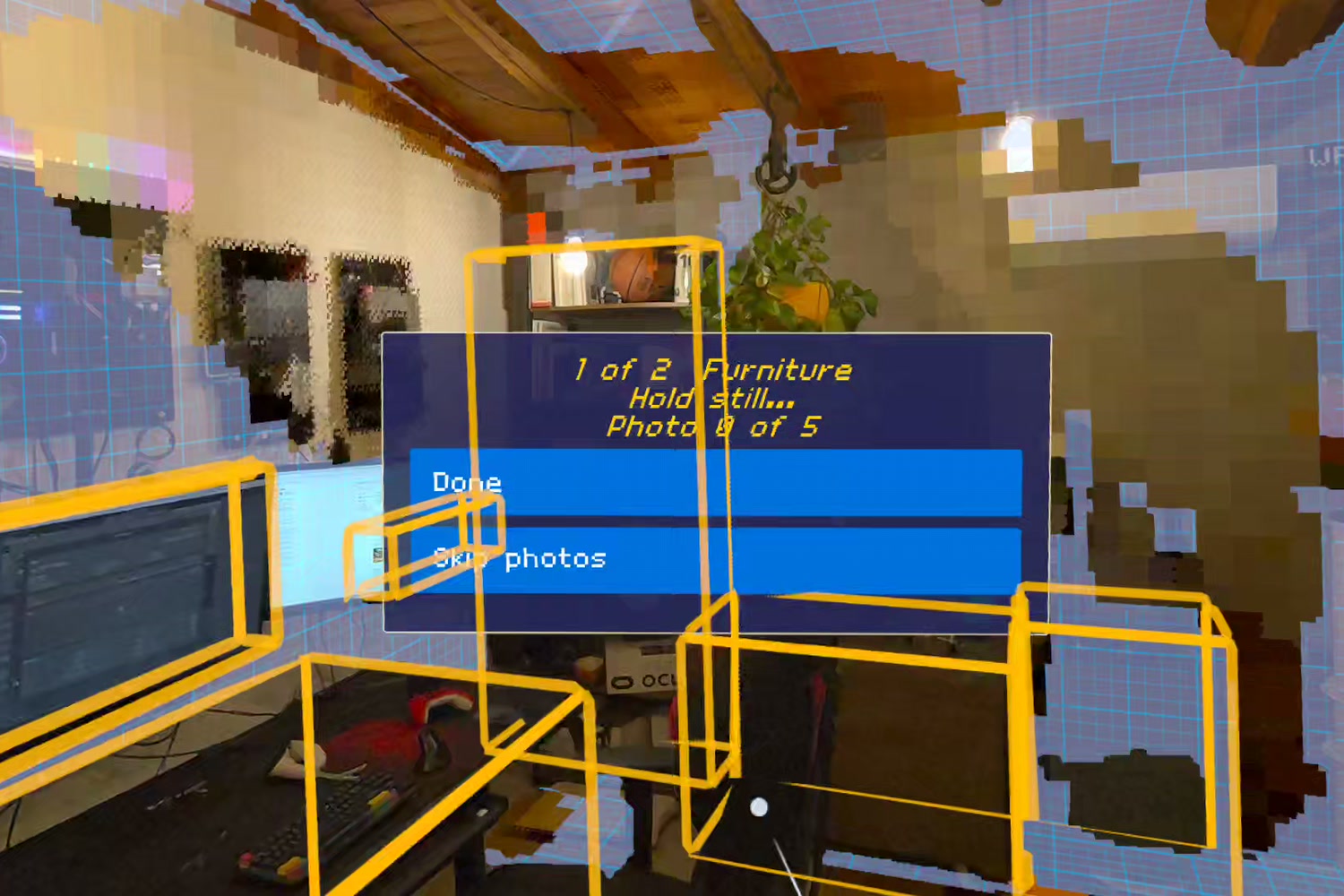
scan furnitures
-
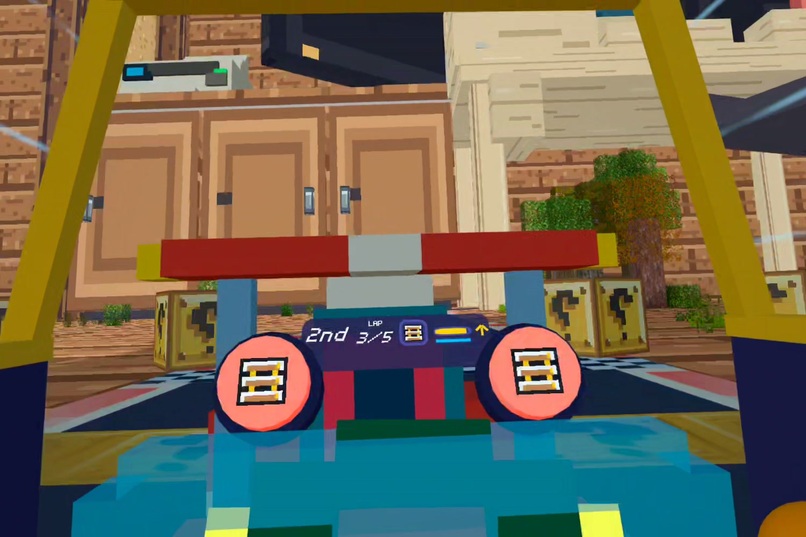
A rival right ahead, item boxes on the track
Inspiration
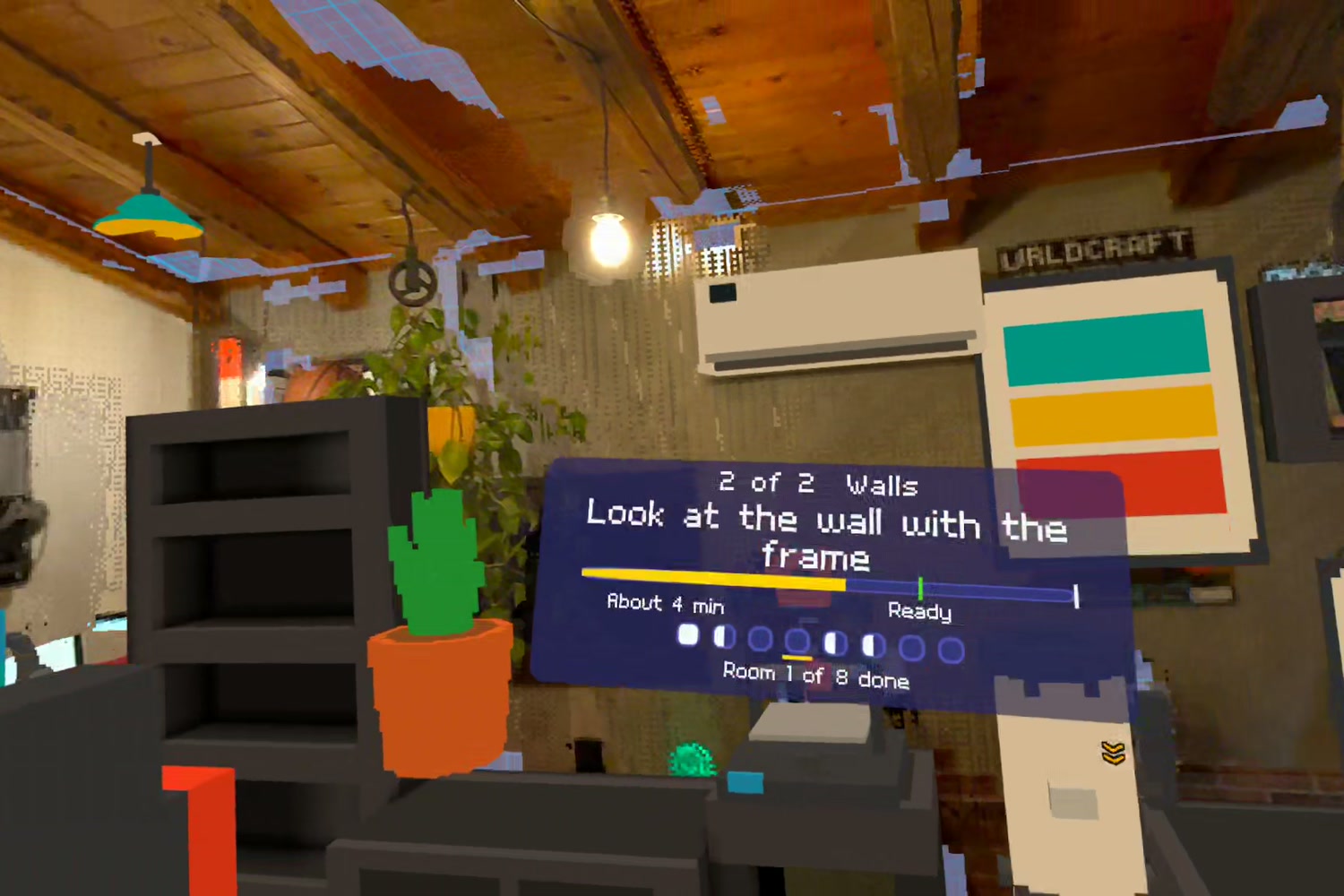
Every kid has raced a toy car around the table legs and under the sofa. Mixed reality can make that game real, because the headset already knows where your walls, desk and chair are. Carpet Karts asks: what if the room you are sitting in was the race track, and you were small enough to drive it?
What it does
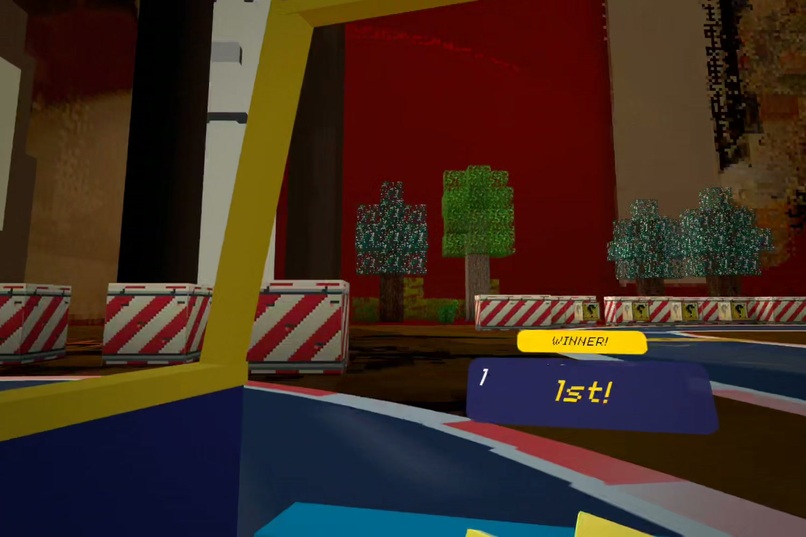
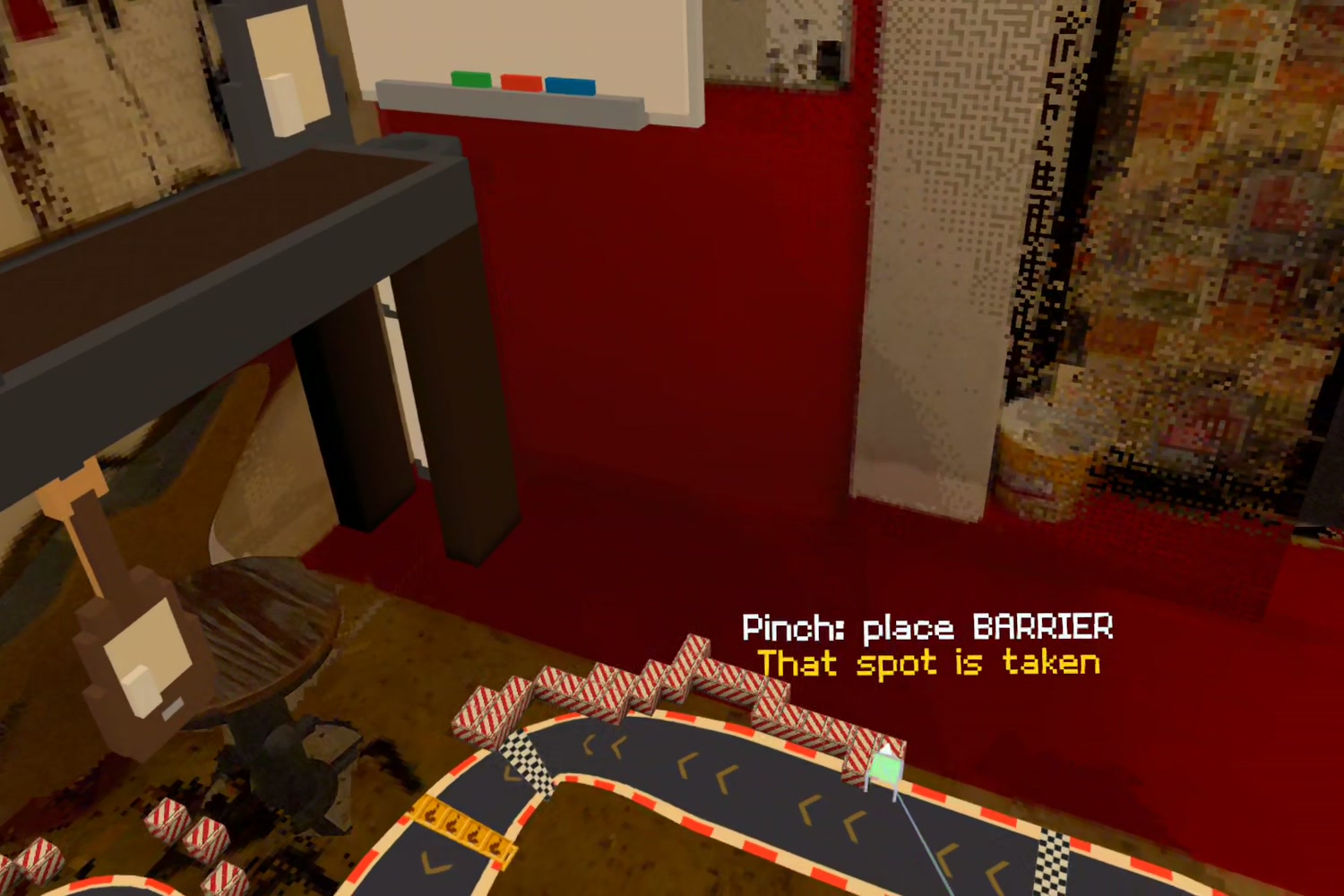
You look around for about two minutes while the headset scans the room. Walls and furniture are rebuilt as a voxel copy, coloured from the passthrough cameras, and a circuit is generated around what is really there. You can reshape it in a track editor, walk your own room at kart size, then sit in the kart and race bots or up to four players, online or in the same room.
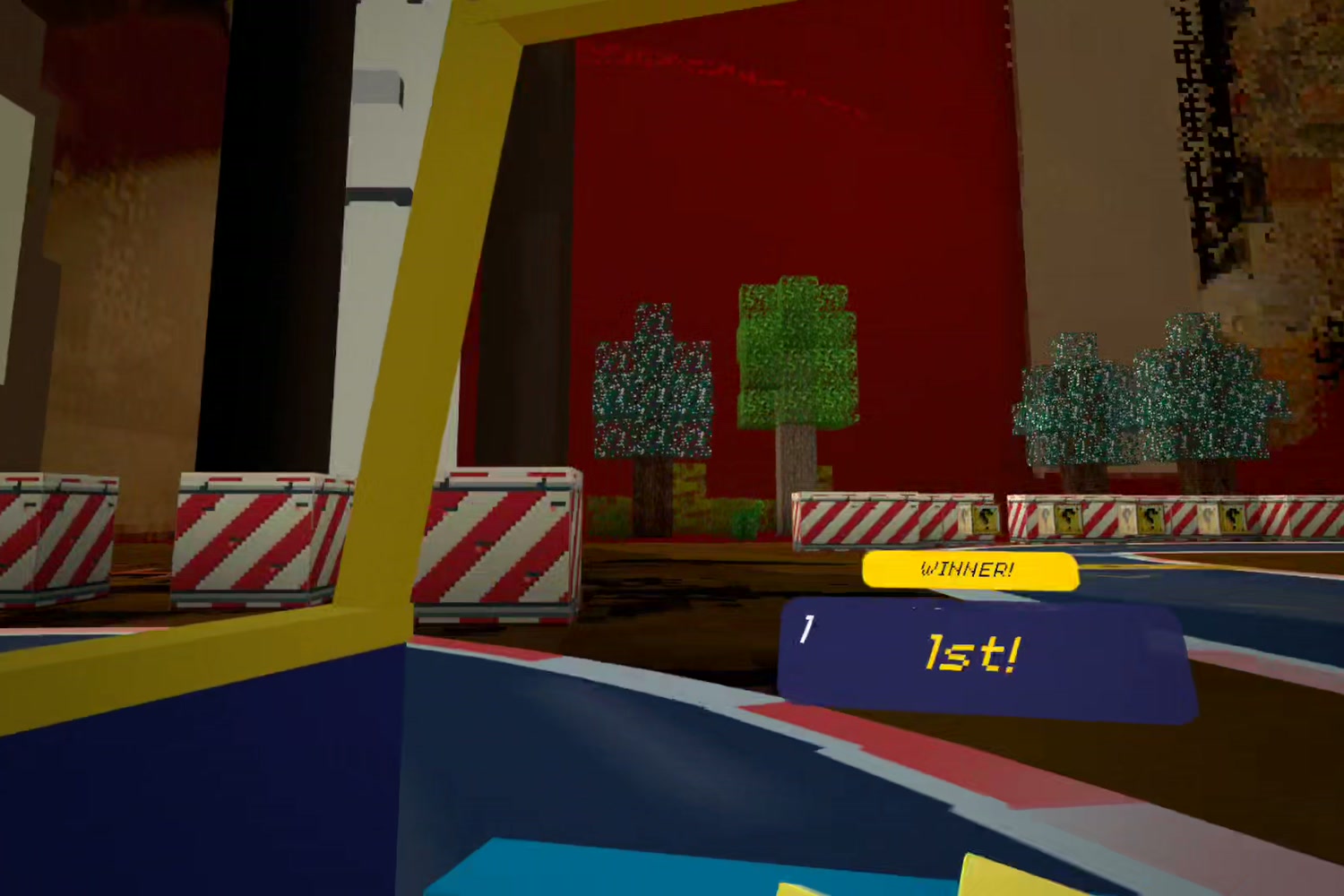
The room comes in two styles you can switch at any time: Classic, coloured from photos of your real walls and furniture, and the new Block style, where the same room is rebuilt from textured building blocks (brick walls, wooden doors, bookshelves) on the same layout and the same track.
Everything is played with bare hands, seated, from the first prompt to the podium. Without your room there is no level, and no two rooms give the same race.
How I built it
- I work alone, in Unity 6.3 with the Meta XR SDKs v209: MR Utility Kit, Passthrough Camera API, Depth API, spatial and shared anchors, and the Interaction SDK for hands.
- The room lives in Voxel Play, a third-party voxel engine and the only pre-existing technology. The scan, track generator, karts, hand controls, editor and multiplayer were built during the competition.
- Furniture is recognised by a small model running on the headset. Camera images and the scan never leave the device.
- Netcode for GameObjects on Unity Gaming Services for online rooms, Vivox for voice.
- AI coding agents drove and verified builds through the Meta VR CLI, the XR Simulator and the Meta XR Operator layer.
Challenges I ran into
- Driving with hands. A virtual wheel has nothing to hold. Early versions dropped the grip on every tracking blip. The fix: steer from the angle of the line between both hands, grab by finger curl with hysteresis, and keep the grip through short tracking losses.
- Real rooms are messy. Sloped ceilings, windows and dark furniture broke the first scan and each needed its own correction.
- Memory. The voxel engine reserved far more than a room needs; bounding the world brought it inside Quest limits.
- Staying seated. Menus come to the cockpit, the editor sits on your palm, and sitting down puts you in the kart.
Accomplishments that I'm proud of
- The first time a kart drove under my real desk and I ducked.
- A complete loop with no controller: scan, edit, walk, sit, race, podium.
- One hand is enough to steer.
- No cloud processing of your room.
- Block style: one tap turns your scanned room into a block world, and the race carries on.
What I learned
- Hands need forgiveness more than precision: hysteresis, grace periods, big targets.
- Teach one gesture at a time, with a hand glyph, when it is needed.
- Scene understanding is a starting point, not ground truth.
- AI agents help most when they can drive the simulator and check their own work.
What's next for Carpet Karts
- More tracks, better fitting the furniture shapes
- Cups across several rooms, shareable tracks, more items and kart parts.
- Better room voxelization and rasterization
- Animated props
- Localization


