
Inspiration
When trying to find food at on-campus eat dining locations, we would often find ourselves struck with indecision. Which restaurant could we agree to go to, that wouldn't take too long to get food at peak hours, and that would ensure that we were eating a variety of food that we also liked?
What it does
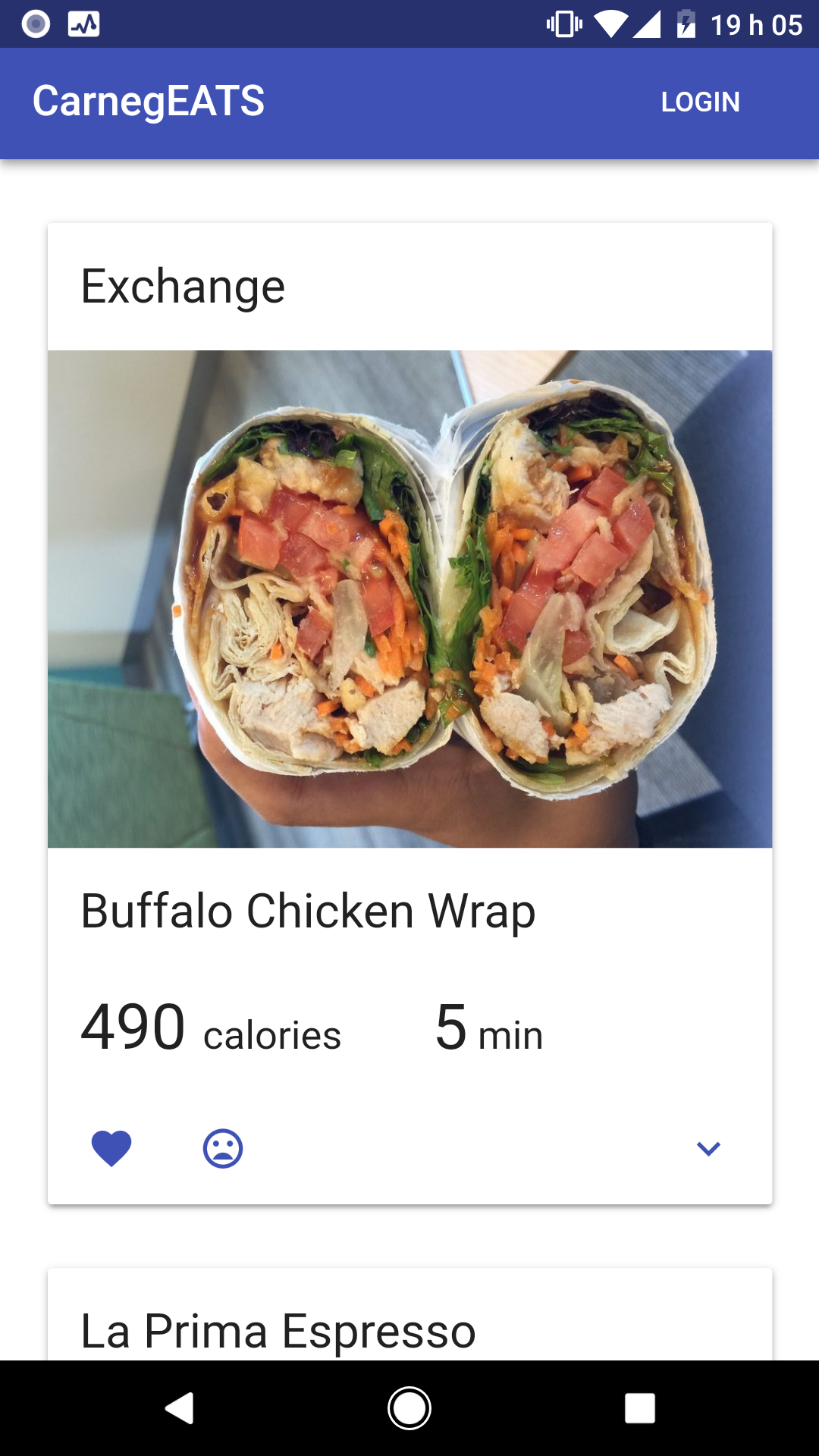
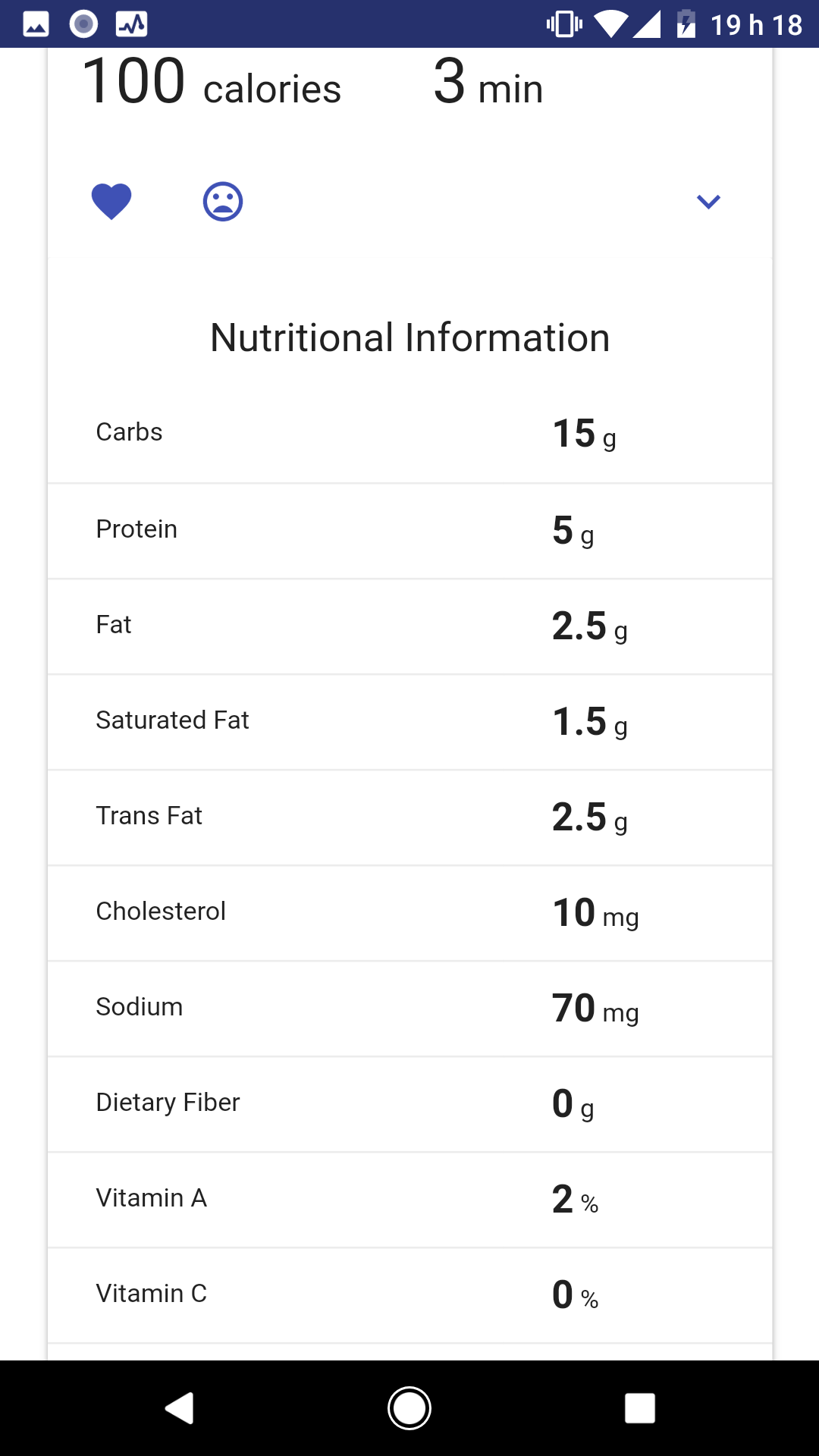
CarnegEATS takes into account user preferences to offer recommendations dishes on campus that you might find enjoyable and that you haven't tried before. Moreover, it provides users with estimated wait times and nutritional data so that they can make informed decisions about where to eat.
How we built it
We used React to create our application, along with the Material UI library for our design elements. We also used Python code to develop a rudimentary database which our app pulled information from. The information about dishes and nutrition is scraped from the CMU Nutrition website.
Challenges we ran into
Unfortunately, we didn't have enough time to flesh out a full backend and database structure, so the data in the application is more rudimentary than it should be. Furthermore, the source we scraped data from is not up to date, meaning that information about recently opened dining locations is missing.
Accomplishments that we're proud of
We're happy that we were able to successfully obtain information about the majority of menu items on campus, including nutritional data, and surface those dishes to the user in an easily comprehensible format.
What we learned
For each of us, this was the first application we'd developed with the React framework, which we learned throughout the hackathon. We also learned how to manage our time effectively during hackathons, and work together to develop ideas and manage the progress of the project.
What's next for CarnegEATS
We hope to continue developing our application as a useful tool for CMU students.


Log in or sign up for Devpost to join the conversation.