-
-
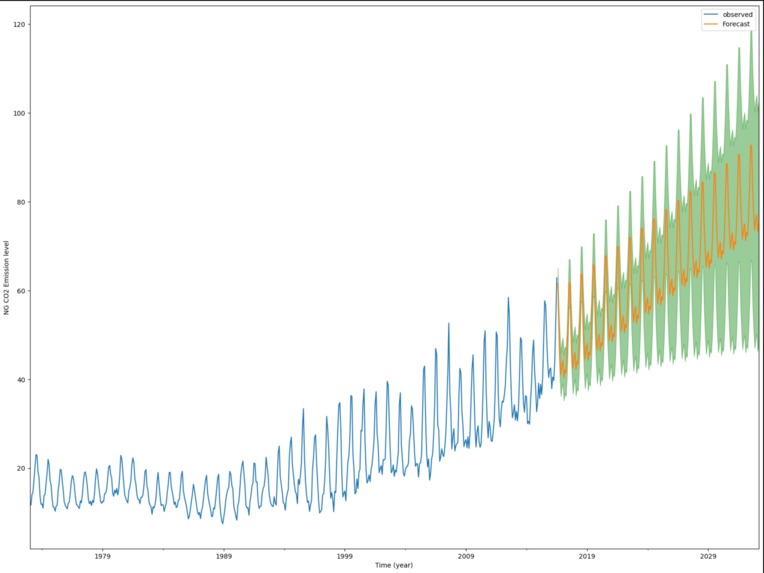
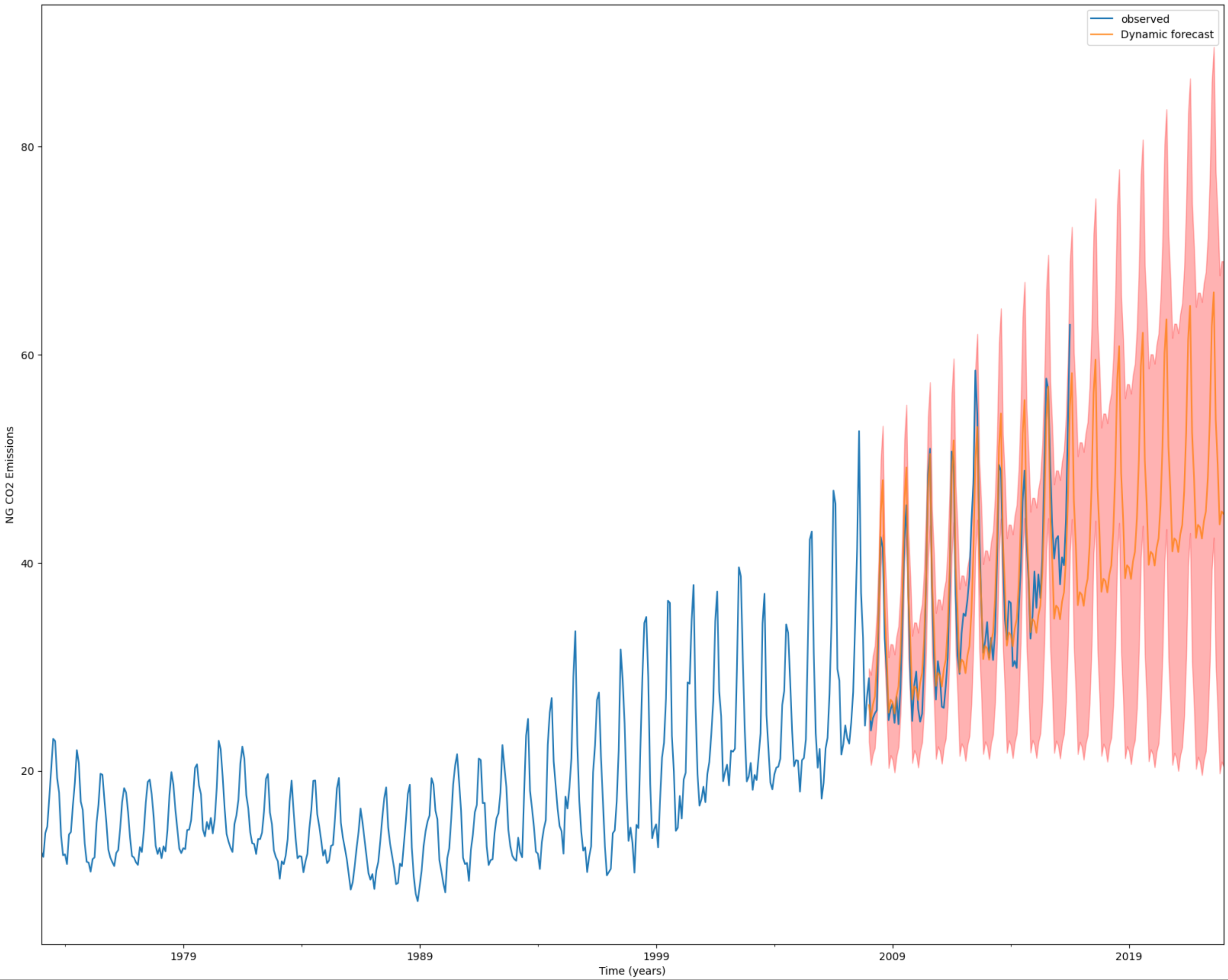
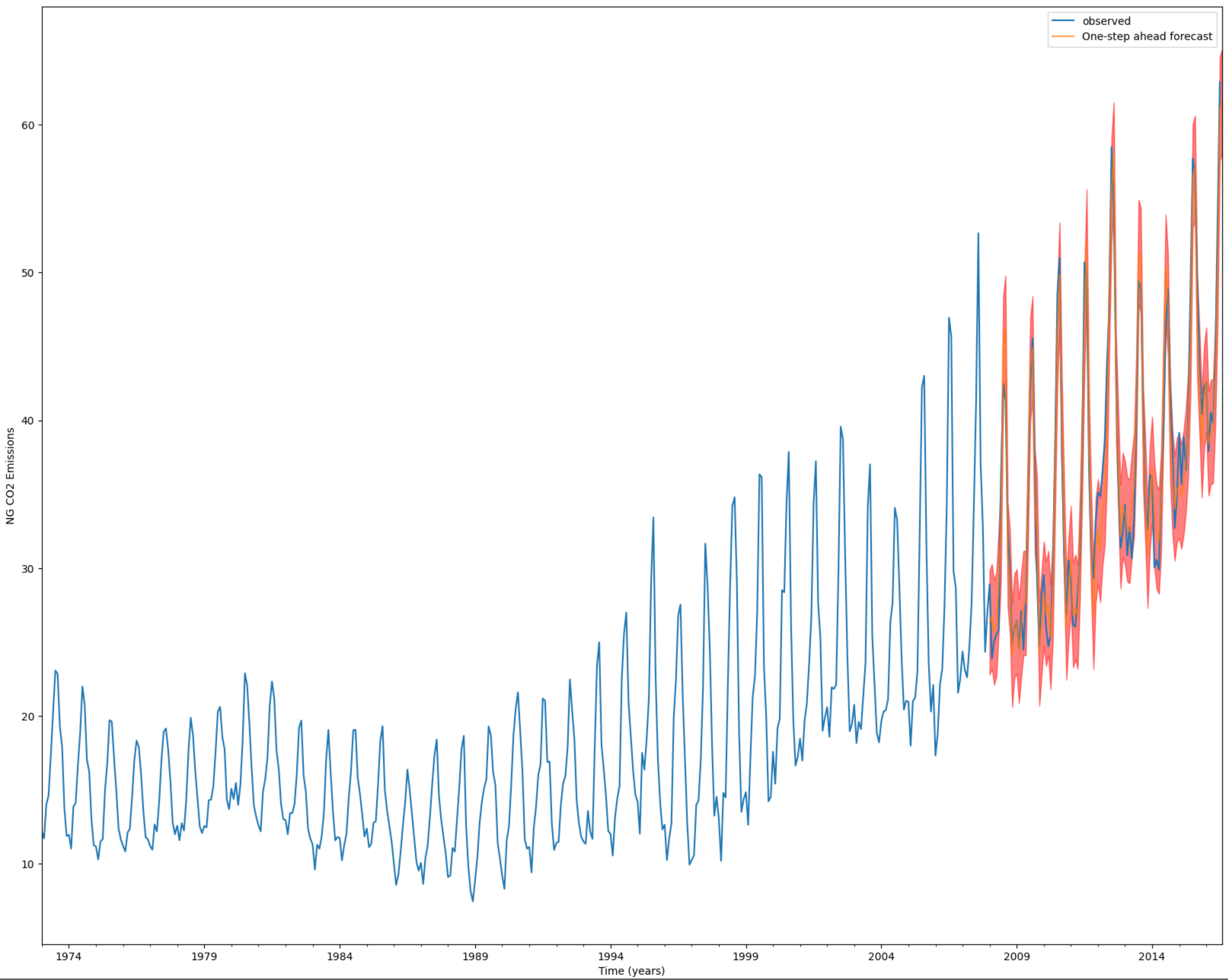
General Forecast of Emissions for the Next Decade
-
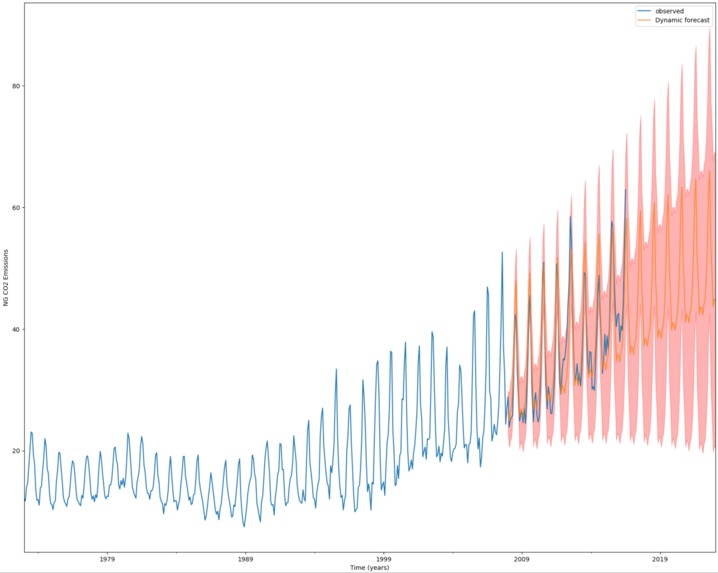
Long Term Dynamic Forecast
-
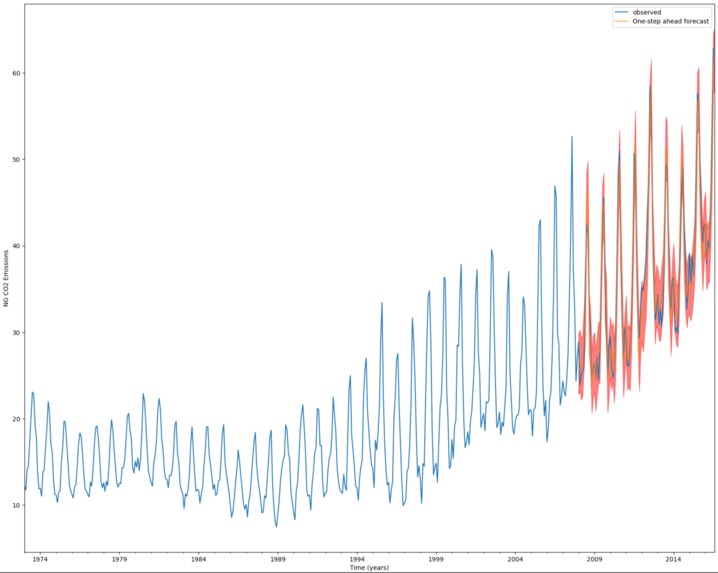
Short-term One Step Look-Ahead Forecast
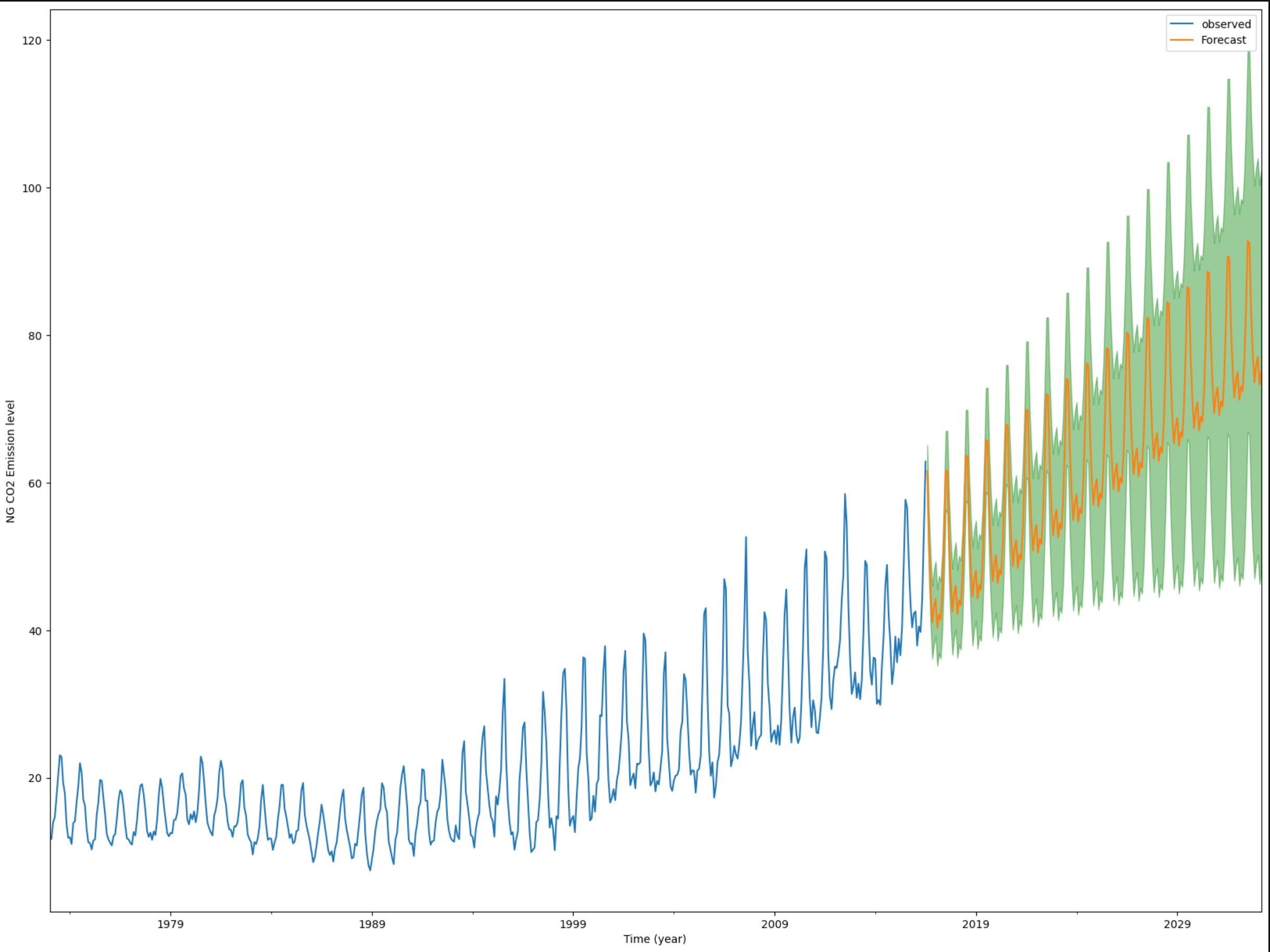
Inspiration
Climate change is an urgent issue that requires immediate action due to its severe impacts on our planet. Here are some key points:
Human Activities: Humans are the main cause of climate change, primarily through burning fossil fuels and deforestation, which leads to a rise in average global temperatures.
Rising Temperatures: The Earth has already warmed by about 1 degree Celsius since the 19th century, and we’re on track toward 1.5 degrees C by as early as 2030.
Severe Consequences: Rising temperatures have led to worsened extreme weather events, longer wildfire seasons, loss of ice in the Antarctic, and bleaching of coral reefs. These changes put our agriculture, health, water supply, and more at risk.
Emission Reductions Needed: To prevent warming beyond 1.5°C, we need to reduce emissions by 7.6% every year from now until 2030. The longer we delay action, the more difficult and costly it becomes to reduce emissions.
Despite these challenges, it’s not too late to slow the pace of climate change and avert the worst impacts — as long as we act today. There are many ways individuals can help fight the climate crisis. The United Nations has also called for urgent action to combat climate change through its Sustainable Development Goals.
What it does - Our Solution
Monitoring Carbon Emissions: The platform monitors real-time carbon emissions from various industries from public datasets. Data Analysis: The platform analyzes the collected data to identify trends and patterns in carbon emissions. This analysis could help policymakers in drafting effective and targeted policies. Carbon Credit Trading: The platform also serves as a public exchange for trading carbon credits. It aims to ensure that the credits traded are from legitimate environment conservation organizations and the process is transparent.
How we built it
In our efforts to comprehend and predict carbon dioxide (CO2) emissions, we turned to the Seasonal Autoregressive Integrated Moving Average (SARIMA) time series model. SARIMA, an extension of the well-established ARIMA model, emerged as a crucial tool in capturing the intricate patterns and fluctuations inherent in CO2 emission data. Taking into account both the temporal and seasonal components of the dataset, SARIMA empowered us to build a robust predictive framework. Its capacity to factor in seasonality, trends, and lagged dependencies proved instrumental in generating accurate forecasts, enabling a thorough analysis of future CO2 emission trends. Our choice of SARIMA reflects our commitment to employing sophisticated analytical techniques to navigate the complexities of environmental data, ultimately contributing to a more enlightened understanding of the dynamics of CO2 emissions over time.
Our training involves retrieving, visualizing, and transforming a CSV time series dataset. It explores techniques for testing and transforming time series stationarity, with a focus on employing the Seasonal Autoregressive Integrated Moving Average (SARIMA) model. The process involves grid search for optimal parameters and diagnostics for predictive accuracy. Using a public dataset of monthly carbon dioxide emissions from electricity generation, sourced from the Energy Information Administration and Jason McNeill, the notebook demonstrates the analysis, forecasting, and validation of future CO2 emissions over a 10-year period. The content covers dataset retrieval, transformation, testing, modeling, and predictive assessment, offering a comprehensive guide to time series analysis in the context of environmental data.
Challenges we ran into
After exploring various methods to predict CO2 emissions, such as Long Short-Term Memory (LSTM) and other models, we found that the Seasonal Autoregressive Integrated Moving Average (SARIMA) consistently outperformed the alternatives. SARIMA proved particularly effective in capturing both short-term fluctuations and long-term trends within the time series data. While models like LSTM have their strengths in specific scenarios, SARIMA's explicit consideration of seasonality and autocorrelation patterns in emission data provided a more precise depiction of the underlying dynamics. This real-world evidence emphasizes the practical success of SARIMA in our specific application, emphasizing the importance of tailoring modeling approaches to the unique characteristics of environmental datasets.
Accomplishments that we're proud of
Successful training of a SARIMAX Model to read into patterns in carbon emissions to monitor and observe the effects of policies on curbing emissions. Overcoming the hurdles in a short-time frame, and adapting to the various constraints with team members residing in various cities is a significant accomplishment.
What we learned
We learnt a lot about running containerized instances on the cloud, running on partial instances on the IBM Z mainframes is a new experience, with more computer networking - using SSH and training on vCPUs and using Docker. We learnt quite a bit about time series ML models and forecasting; not to mention scouting for good datasets.
What's next for Carmex
A more complete trading platform's implementation is in order. Once it's effectiveness and functionality is established as a proof-of-concept, a serious deployment and helping interested companies and wildlife conservatory organizations is the next course of action.

Log in or sign up for Devpost to join the conversation.