-
-
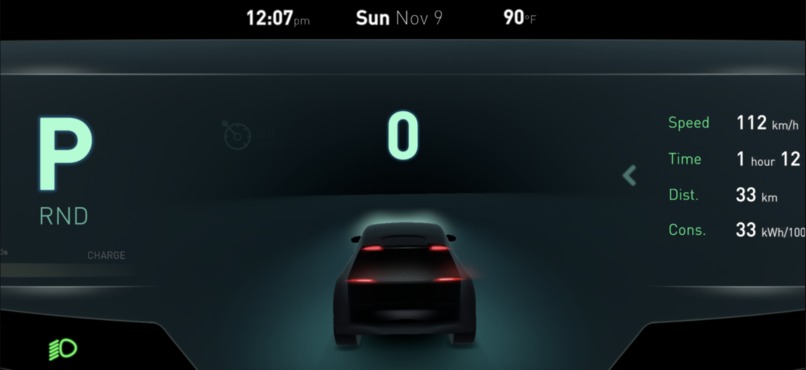
Display for AR prototype for viewing an interior/exterior of cars in VR enviornment (Unity)
Inspiration
It all started when one of our teammates spent weeks trying to buy a used car. Between dozens of tabs, dealership visits, and confusing listings, the process felt outdated and exhausting. You could spend hours researching a vehicle online — only to find it sold, misrepresented, or nothing like the photos once you saw it in person.
That frustration sparked an idea: what if you could instantly find nearby cars that matched your preferences — and experience them as if you were standing right beside them?
That’s how CarMatch was born — a fusion of AI intelligence and virtual reality immersion, designed to make car discovery faster, smarter, and more personal. By combining AI-powered search with virtual reality visualization, CarMatch reimagines how people discover and experience vehicles.
What It Does
CarMatch allows users to instantly find vehicles near their location using an optimized filtering system powered by the Gemini API. Users can search by type (SUV, sedan, etc.), price range, make, model, VIN, and other specifications. Once a car is matched, they can step into a virtual reality environment using a Meta Oculus VR headset to explore the actual vehicle in 3D, getting a realistic sense of its design and features before ever visiting the lot.
How We Built It
CarMatch was built with a clean, interactive frontend designed to display vehicles and filters seamlessly. The backend integrates the Gemini API with a custom dataset created through web scraping to locate and filter vehicles in real time. Two teammates compiled and structured listings from multiple marketplaces to refine the recommendation logic.
The VR component, developed in Unity using the Meta SDK, allows users to view dynamically loaded 3D vehicle models corresponding to selected listings. A linking mechanism lets the backend pass each model’s 3D asset URL to the VR system, which loads it inside an immersive virtual showroom.
Challenges We Ran Into
We faced challenges integrating multiple APIs and datasets to ensure accurate vehicle listings, converting web-scraped data into structured formats, and linking backend vehicle data with real-time VR models. Setting up and testing the Meta Oculus VR environment under time constraints, while optimizing large 3D assets for smooth performance, was another major hurdle.
Accomplishments We’re Proud Of
We successfully linked real-world car listings with virtual reality visualization, creating a working prototype that bridges AI-driven discovery and immersive exploration. The Gemini API integration enables smart, real-time vehicle filtering, while the interface feels modern, responsive, and intuitive. Delivering a fully functional prototype under hackathon conditions was an accomplishment we’re especially proud of.
What We Learned
We learned how to integrate AI APIs into real-world applications, the importance of clean, structured data, and best practices for VR asset optimization and runtime model loading in Unity. Above all, we learned how to collaborate efficiently under pressure, taking an idea from concept to demo in just a few days.
What’s Next for CarMatch
Next, we plan to expand our dataset to include more regions, dealerships, and verified sellers. We’re developing AR visualization, allowing users to project cars into their own driveways, and exploring AI-generated summaries and voice-guided tours inside VR. We also aim to partner with dealerships to offer direct booking, test drives, and price negotiation — bringing CarMatch closer to a truly intelligent, immersive car-buying experience.Inspiration
It all started when one of our teammates spent weeks trying to buy a used car. Between dozens of tabs, dealership visits, and confusing listings, the process felt outdated and exhausting. You could spend hours researching a vehicle online — only to find it sold, misrepresented, or nothing like the photos once you saw it in person.
That frustration sparked an idea: what if you could instantly find nearby cars that matched your preferences — and experience them as if you were standing right beside them?
That’s how CarMatch was born — a fusion of AI intelligence and virtual reality immersion, designed to make car discovery faster, smarter, and more personal. By combining AI-powered search with virtual reality visualization, CarMatch reimagines how people discover and experience vehicles.
What It Does
CarMatch allows users to instantly find vehicles near their location using an optimized filtering system powered by the Gemini API. Users can search by type (SUV, sedan, etc.), price range, make, model, VIN, and other specifications. Once a car is matched, they can step into a virtual reality environment using a Meta Oculus VR headset to explore the actual vehicle in 3D, getting a realistic sense of its design and features before ever visiting the lot.
How We Built It
CarMatch was built with a clean, interactive frontend designed to display vehicles and filters seamlessly. The backend integrates the Gemini API with a custom dataset created through web scraping to locate and filter vehicles in real time. Two teammates compiled and structured listings from multiple marketplaces to refine the recommendation logic.
The VR component, developed in Unity using the Meta SDK, allows users to view dynamically loaded 3D vehicle models corresponding to selected listings. A linking mechanism lets the backend pass each model’s 3D asset URL to the VR system, which loads it inside an immersive virtual showroom.
Challenges We Ran Into
We faced challenges integrating multiple APIs and datasets to ensure accurate vehicle listings, converting web-scraped data into structured formats, and linking backend vehicle data with real-time VR models. Setting up and testing the Meta Oculus VR environment under time constraints, while optimizing large 3D assets for smooth performance, was another major hurdle.
Accomplishments We’re Proud Of
We successfully linked real-world car listings with virtual reality visualization, creating a working prototype that bridges AI-driven discovery and immersive exploration. The Gemini API integration enables smart, real-time vehicle filtering, while the interface feels modern, responsive, and intuitive. Delivering a fully functional prototype under hackathon conditions was an accomplishment we’re especially proud of.
What We Learned
We learned how to integrate AI APIs into real-world applications, the importance of clean, structured data, and best practices for VR asset optimization and runtime model loading in Unity. Above all, we learned how to collaborate efficiently under pressure, taking an idea from concept to demo in just a few days.
What’s Next for CarMatch
Next, we plan to expand our dataset to include more regions, dealerships, and verified sellers. We’re developing AR visualization, allowing users to project cars into their own driveways, and exploring AI-generated summaries and voice-guided tours inside VR. We also aim to partner with dealerships to offer direct booking, test drives, and price negotiation — bringing CarMatch closer to a truly intelligent, immersive car-buying experience.


Log in or sign up for Devpost to join the conversation.