-
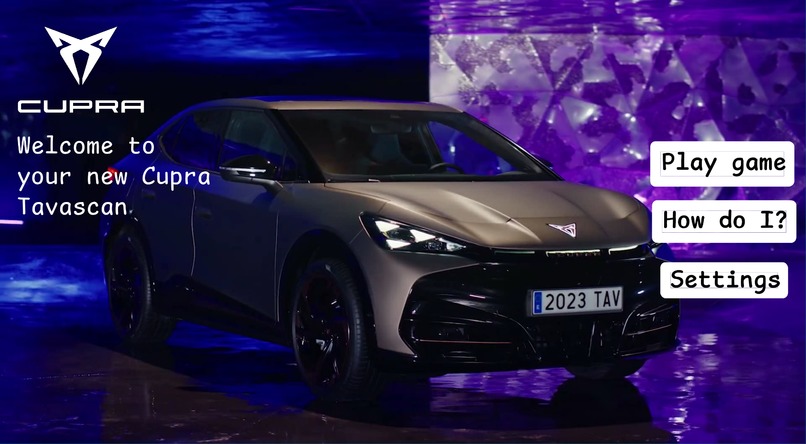
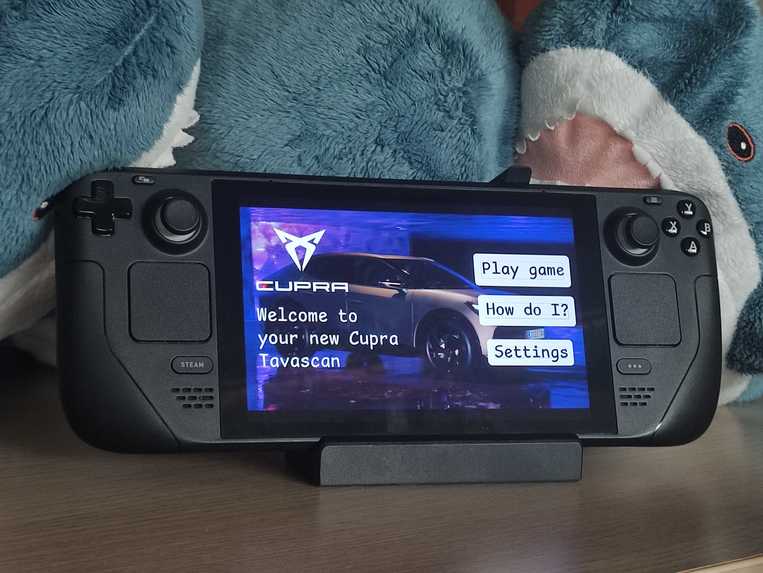
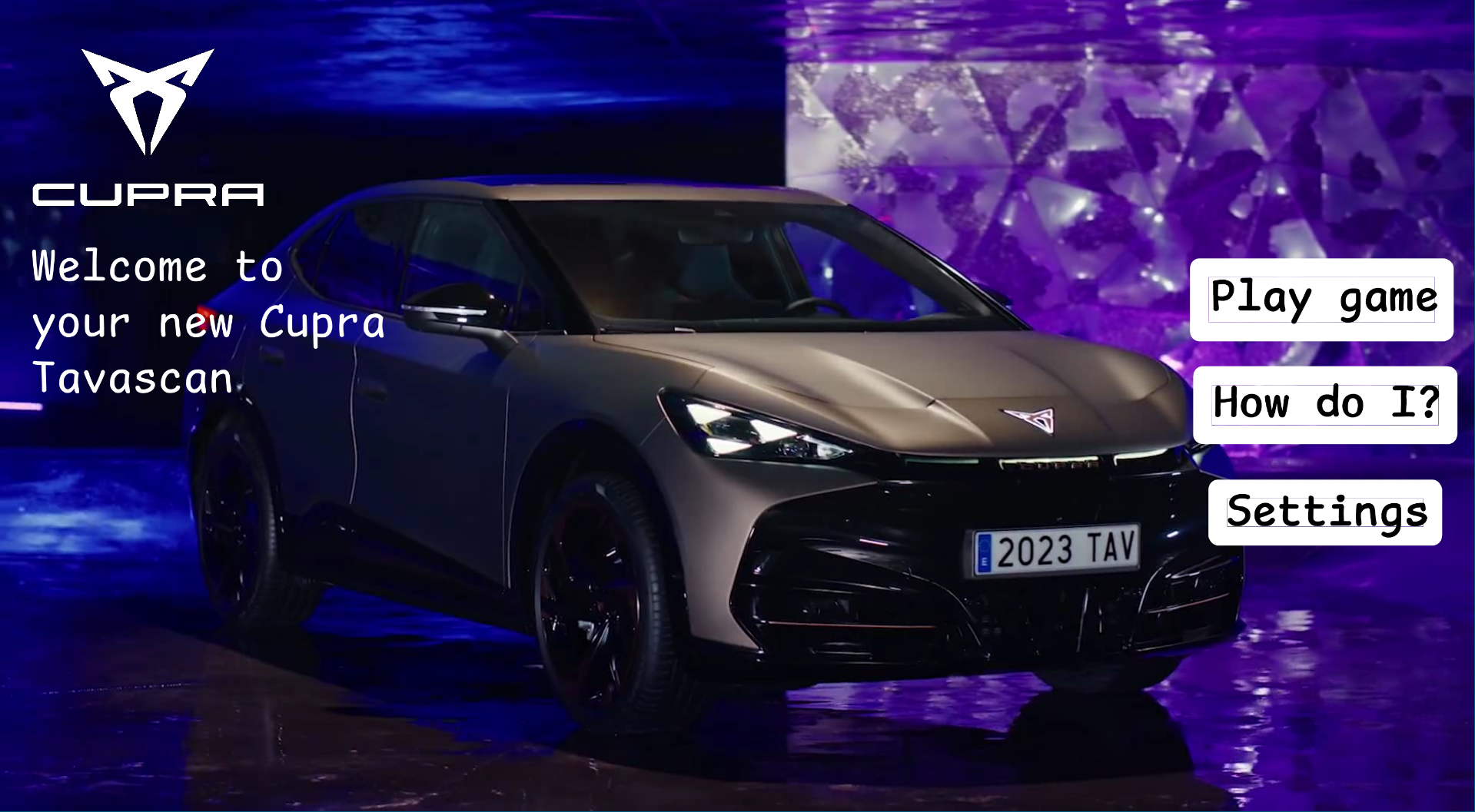
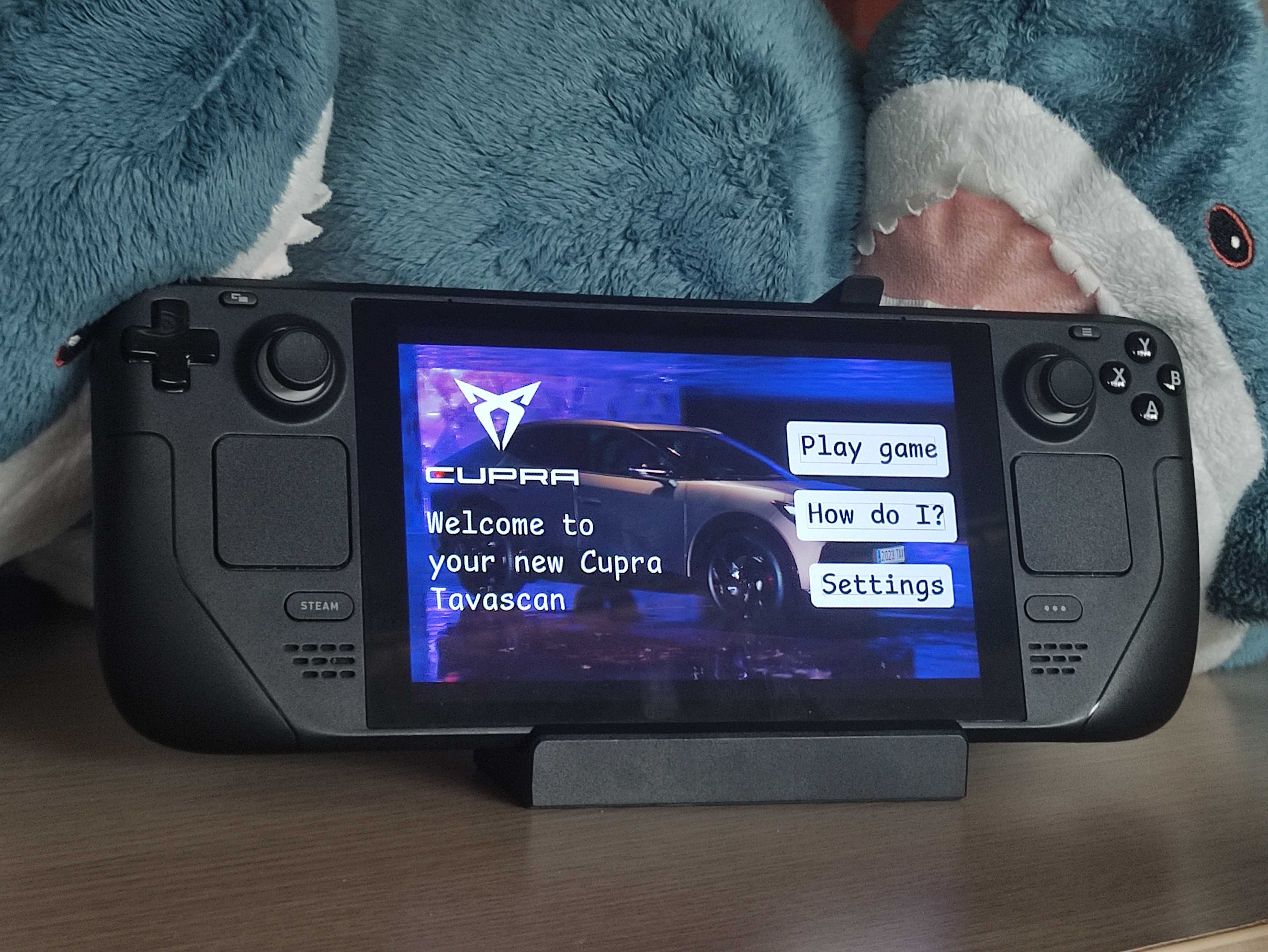
Main menu
-
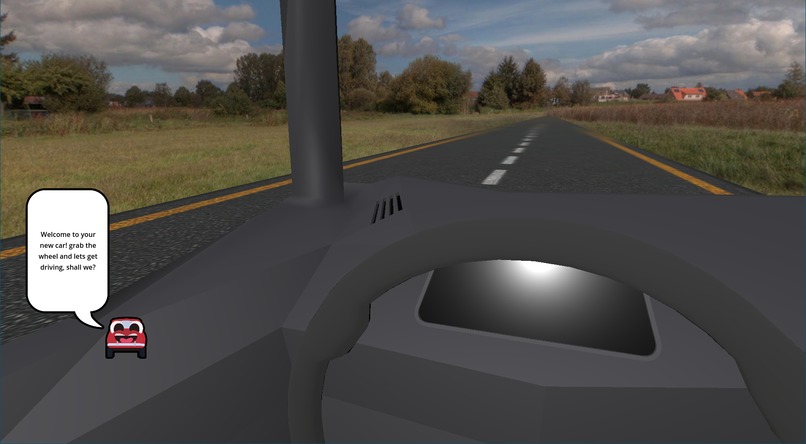
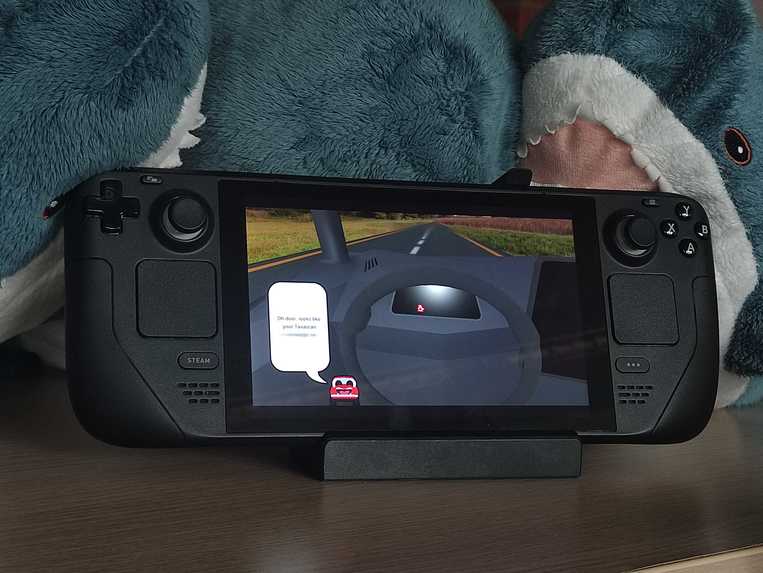
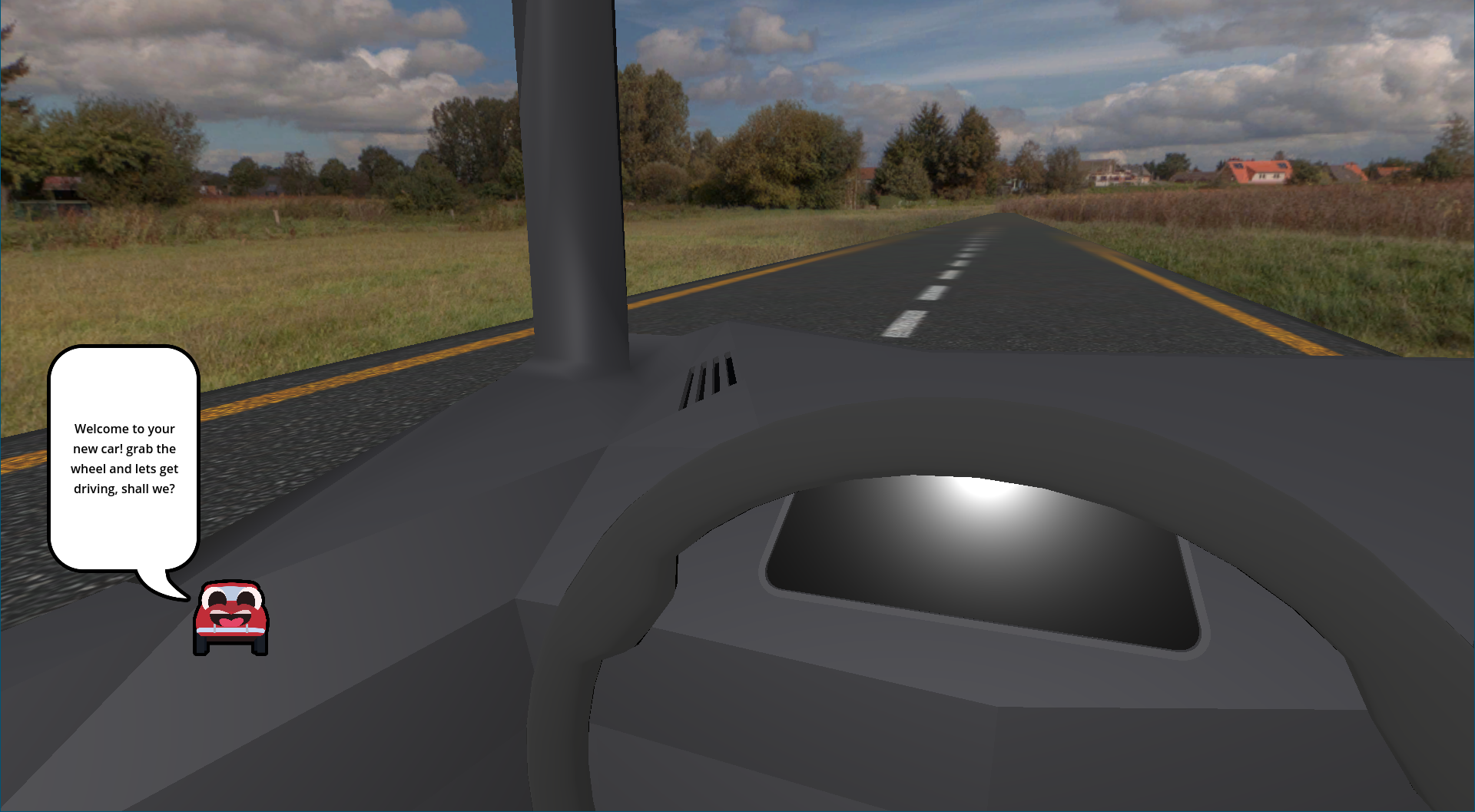
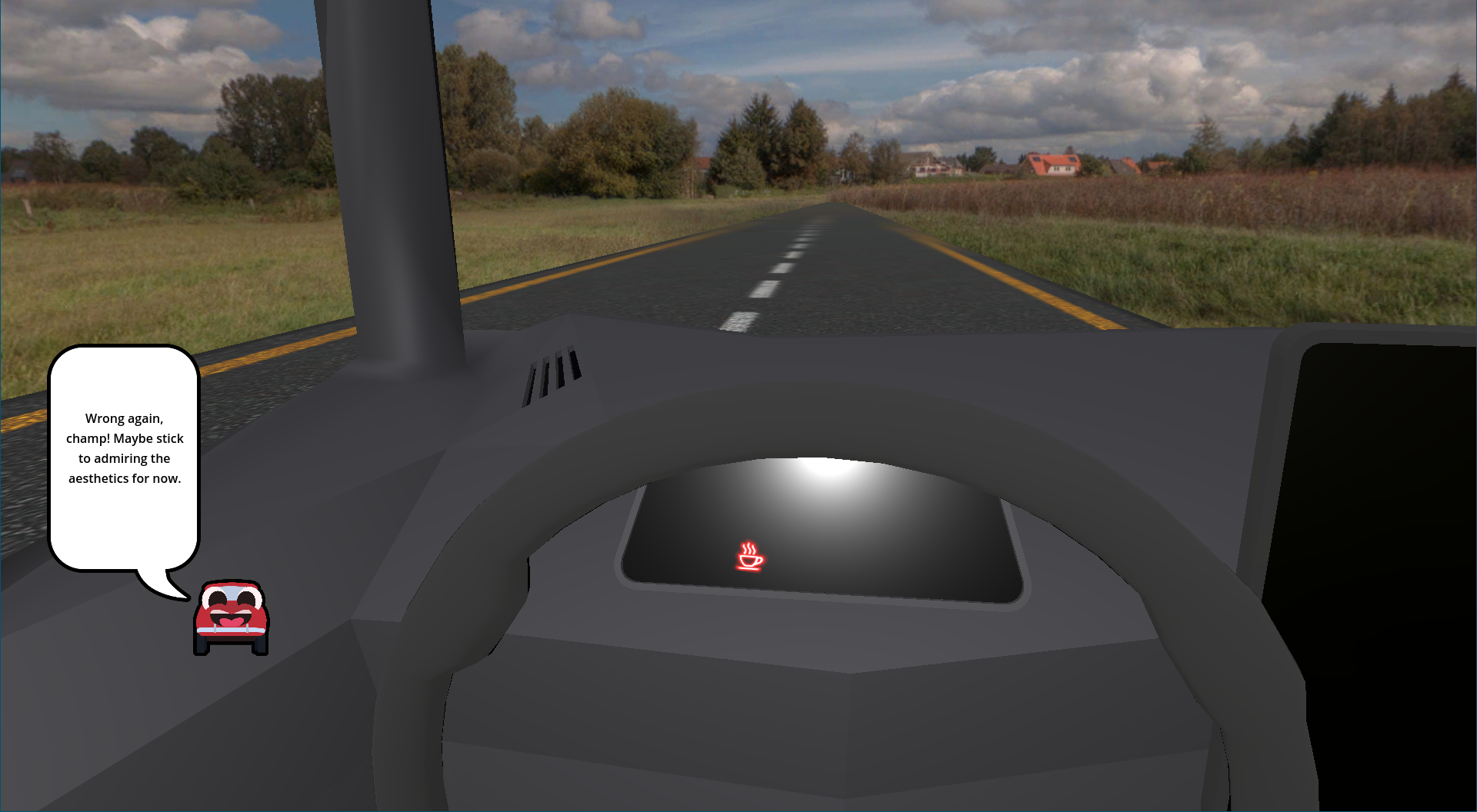
Cupri gives you introductory tips
-
-
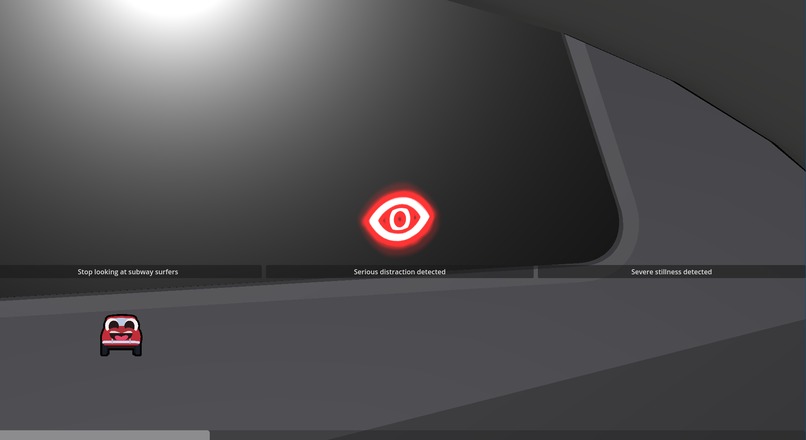
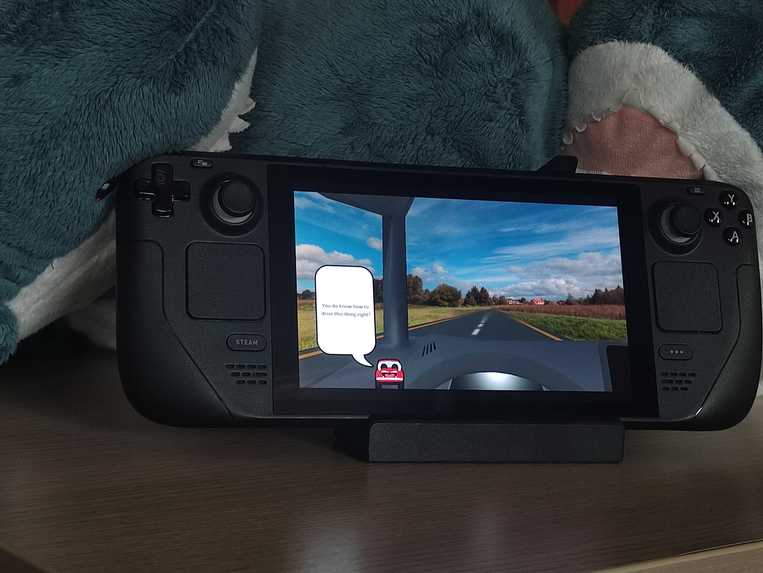
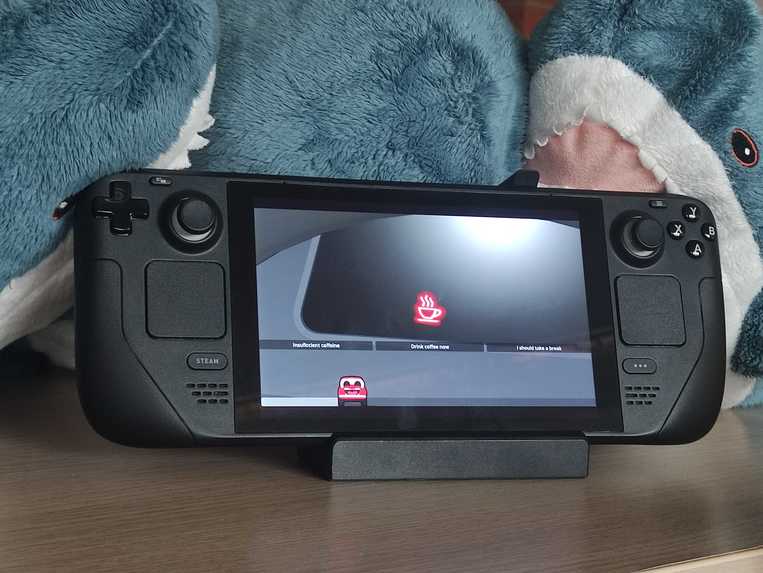
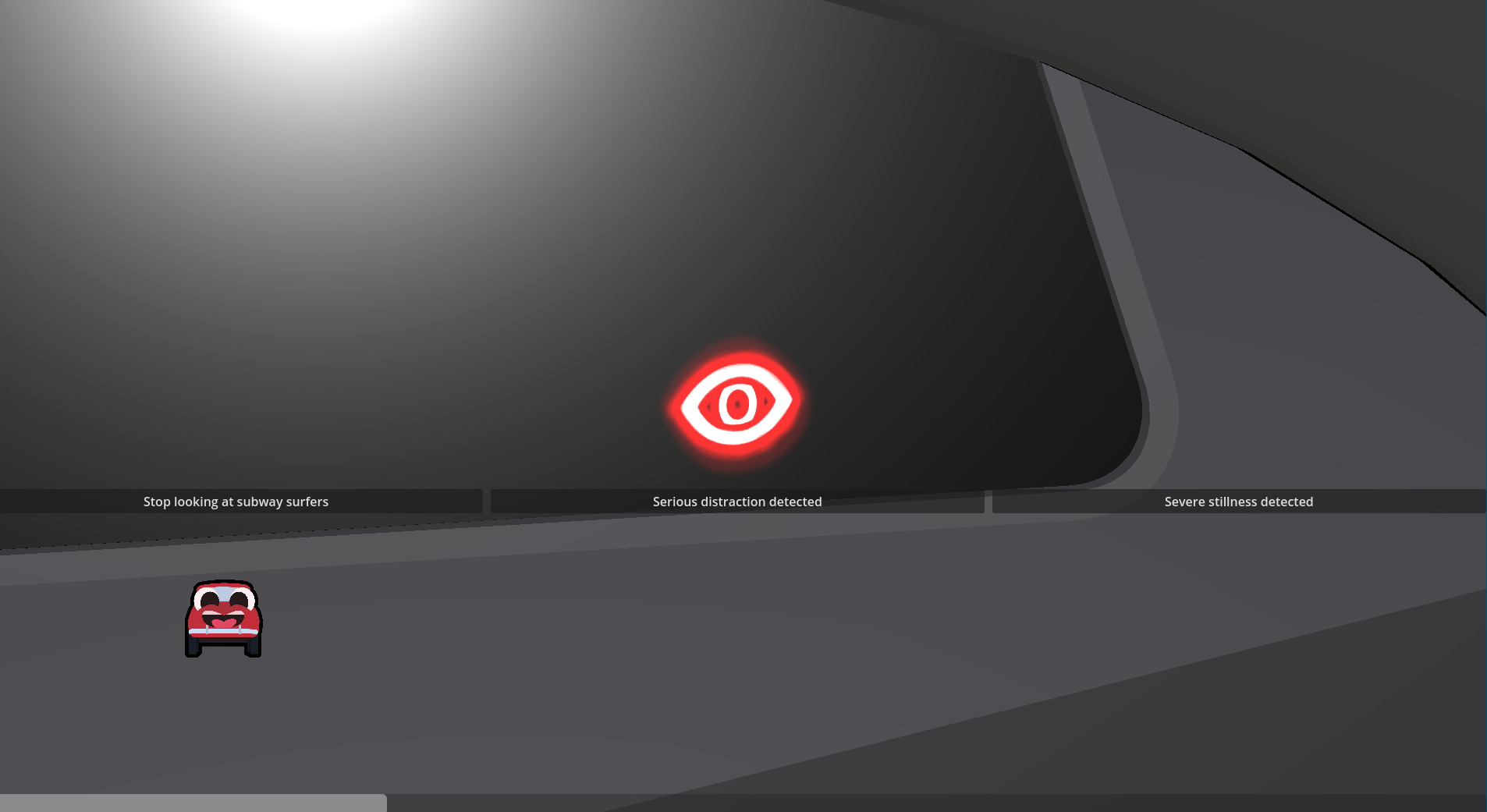
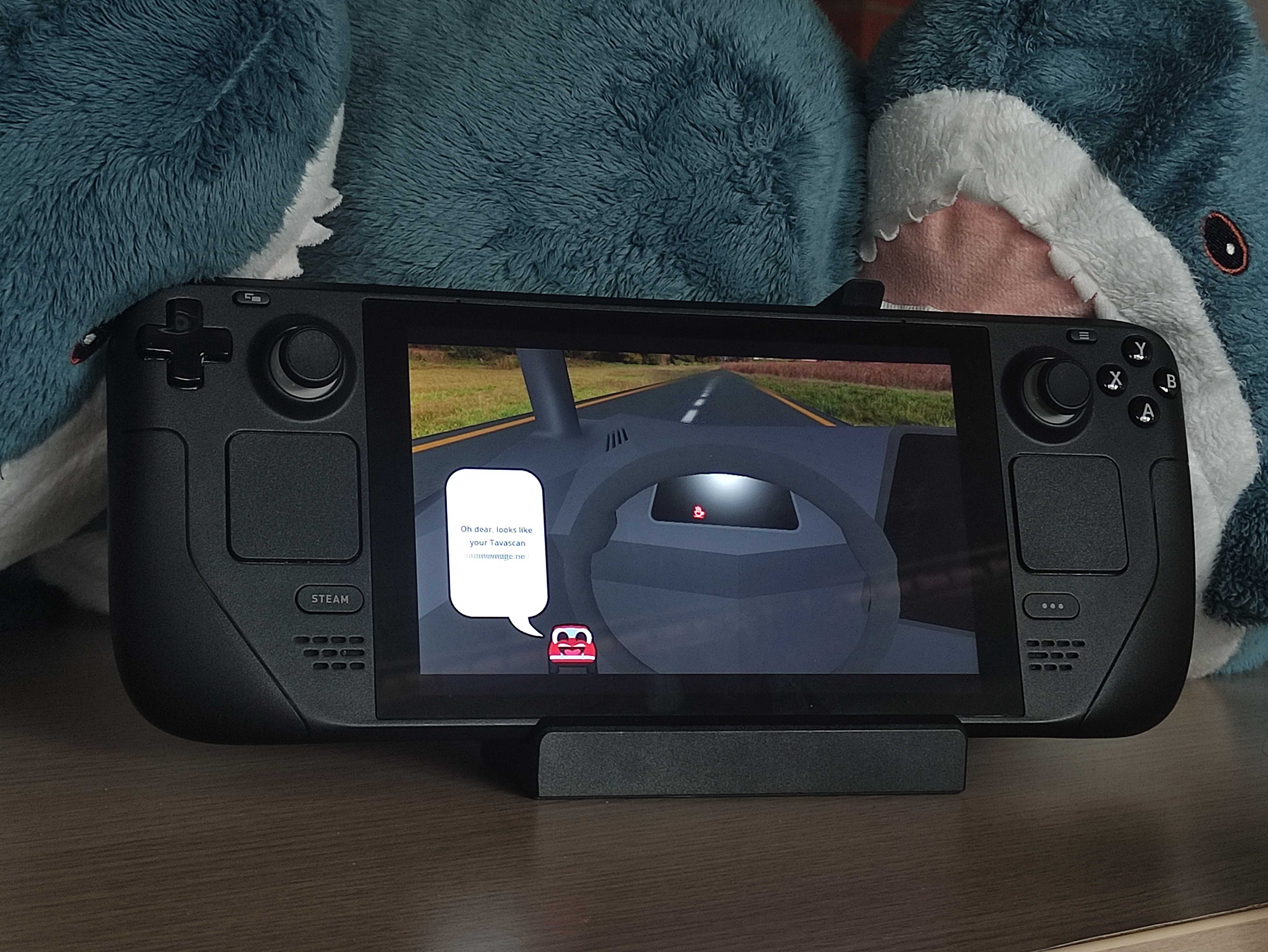
Oh no! An indicator lit up! What could it be?
-
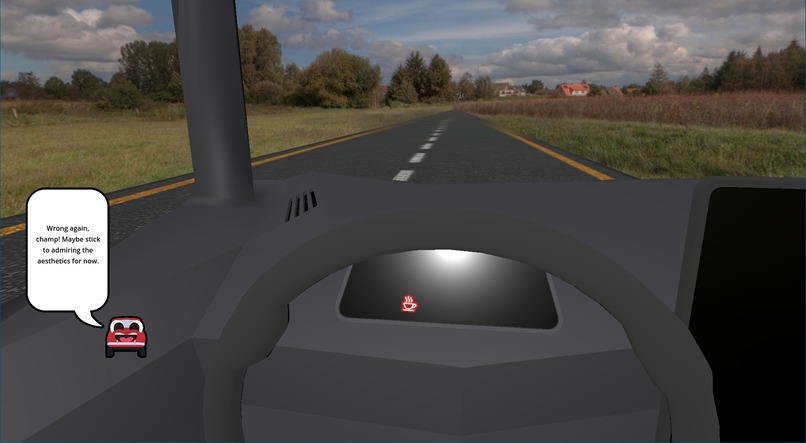
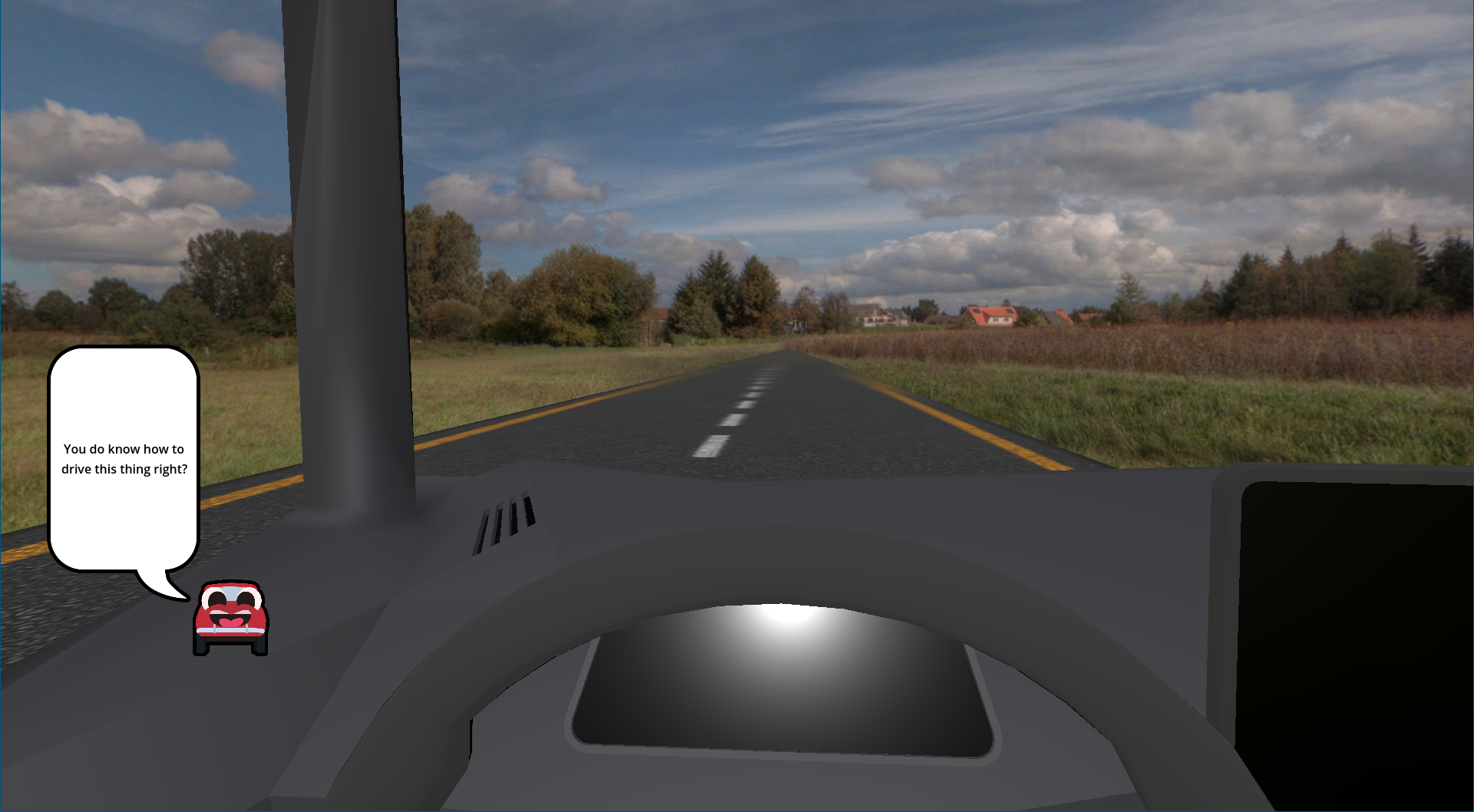
Cupri is a silly folk
-
-
-
-
Inspiration
SEAT's unique challenge stood out to the team. We saw an opportunity to learn technologies we had never used, such as game engines and LLMs. We also got to flex our creative skills in a way a hackathon has never demanded from us before. Game design and asset creation are a whole beast we had to tackle face on for the first time in this fast-paced environment.
What it does
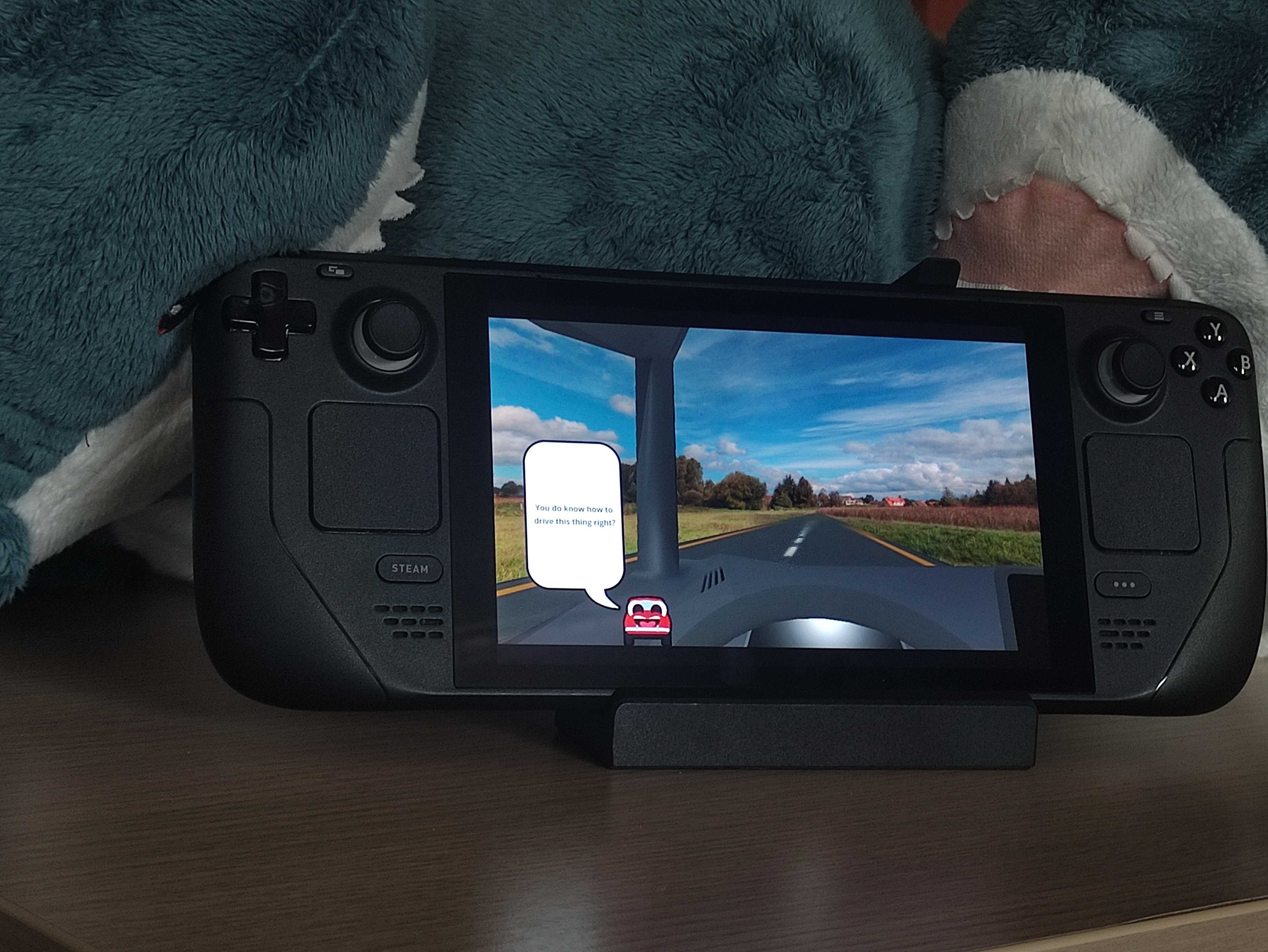
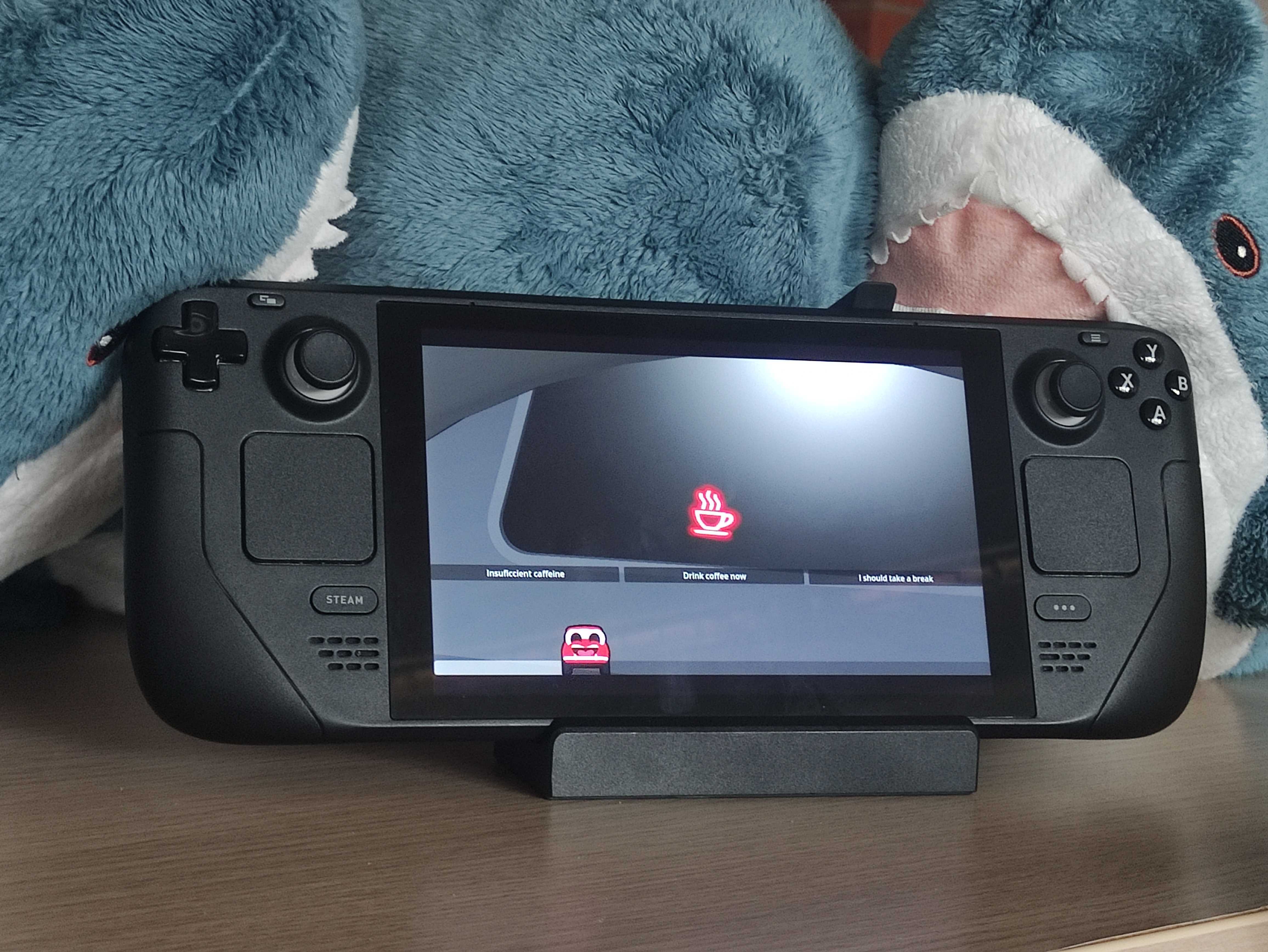
CarHaj allows new owners of the Cupra Tavascan to familiarize themselves with the unique features of their new car. Through fun, fast-paced activites and with the help of Cupry, users can build an intuitive sense of all the indicators on their car. CarHaj also serves as a quick-reference manual, and the users can send questions directly to Cupry, and get an answer on topics related to the CUPRA Tavascan.
How we built it
CarHaj is built using the Godot game engine, an open source game engine that provided us with a ton of flexibility to make this project possible. We also tried out LLMs - Communicating via REST with Google Gemini 1.5 Flash, we were able to give Cupry an aloof but encouraging personality.
Challenges we ran into
We encountered some issues with Godot and vanishing files, which we believe may have been due to some git shenanigans. We also encountered issues with Gemini. We wanted to use 2.0 Flash at first, but it turns out it has a massive bug that affects the caching function for free users, disallowing us from using it at all.
Accomplishments that we're proud of
We're really proud of the courage we had as a team to attempt a project so alien to us. Building CarHaj demanded us to develop new abstract skills like game design and asset creation.
What we learned
We all learned how to use Godot and GDScript, as well of touching up on using REST APIs.
What's next for CarHaj
We would love some support from SEAT to continue developing CarHaj. With official models, we could turn it into an immersive VR experience that could be deployed on dealerships and at events.


Log in or sign up for Devpost to join the conversation.