-
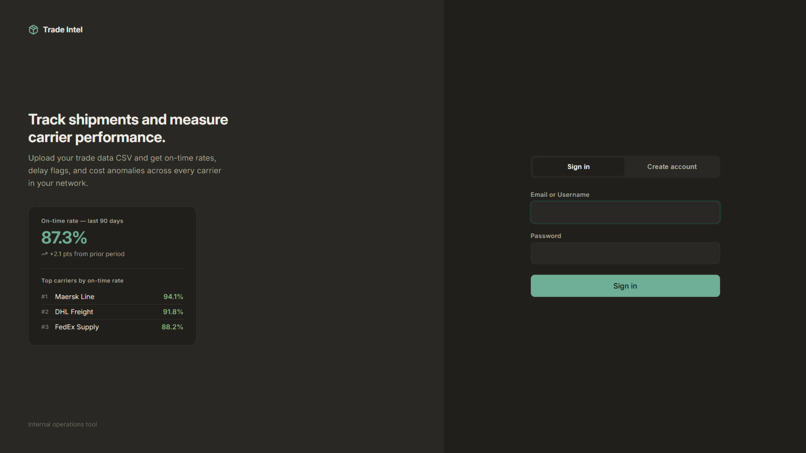
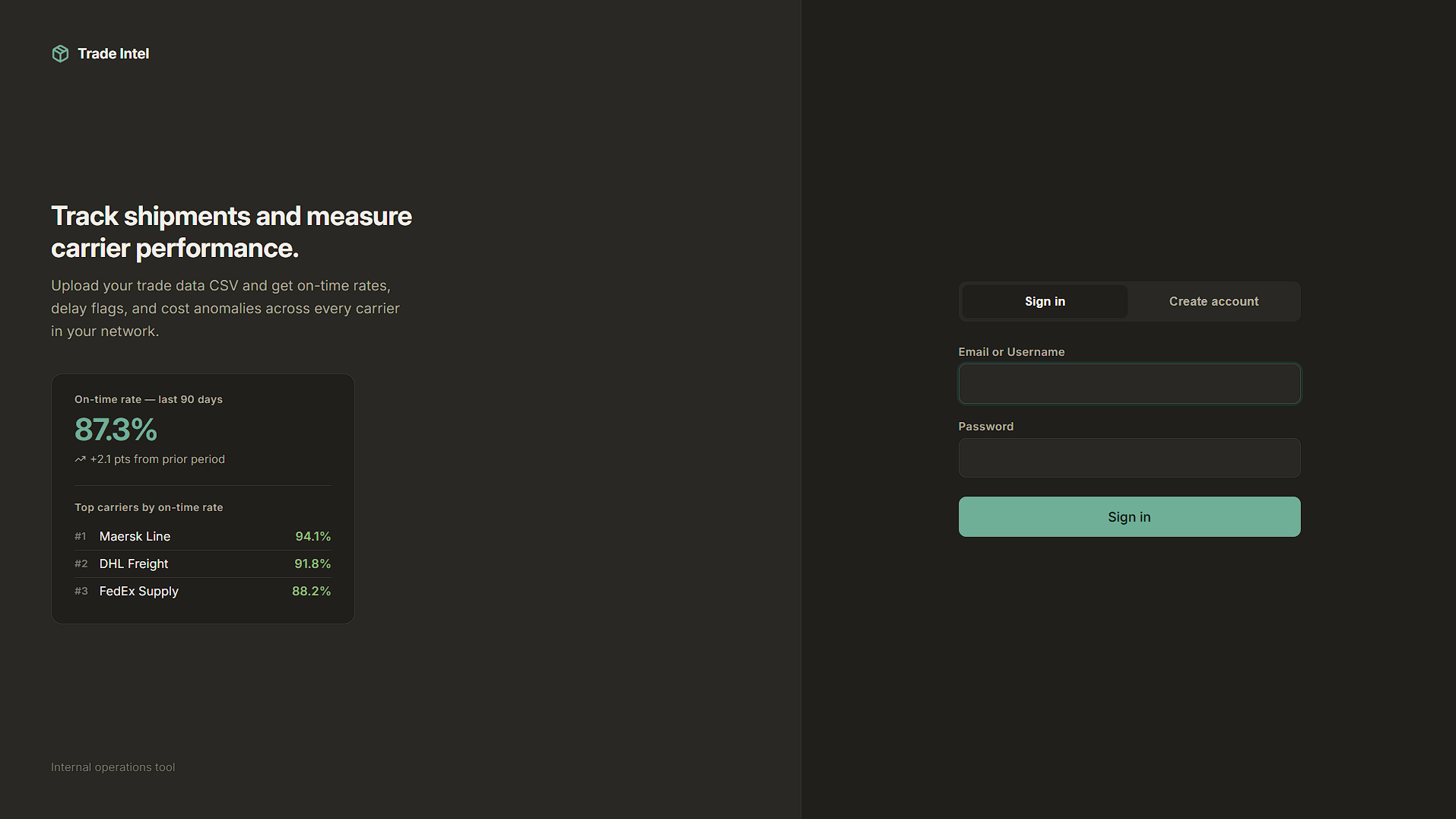
Login Page - Two Interfaces after loging in based on the credentials used. They are Admin Portal and Primary User Interface
-
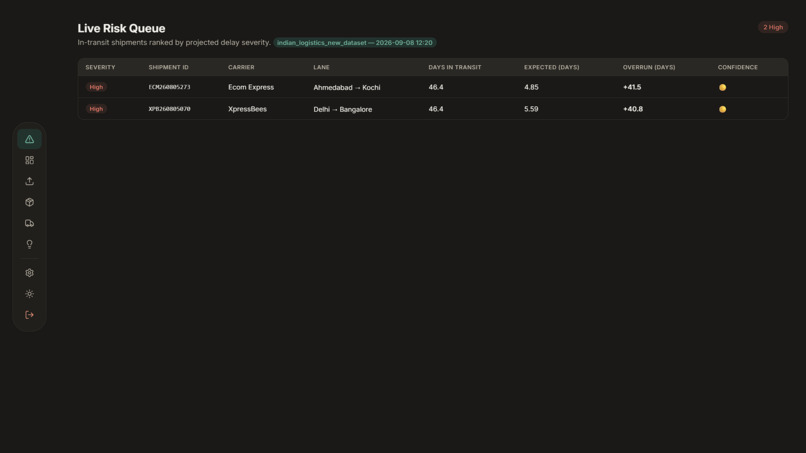
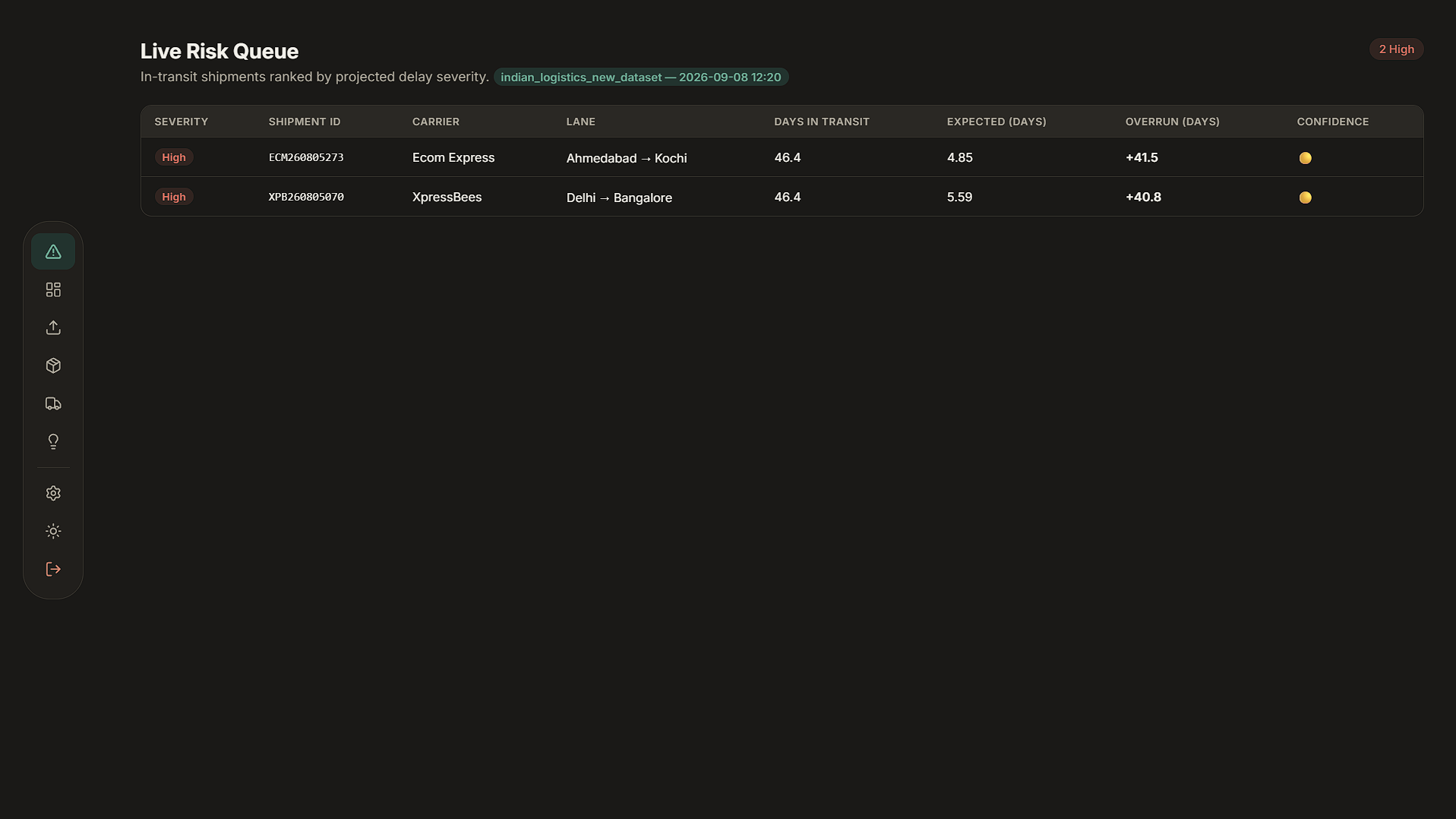
Primary User - Risk Queue
-
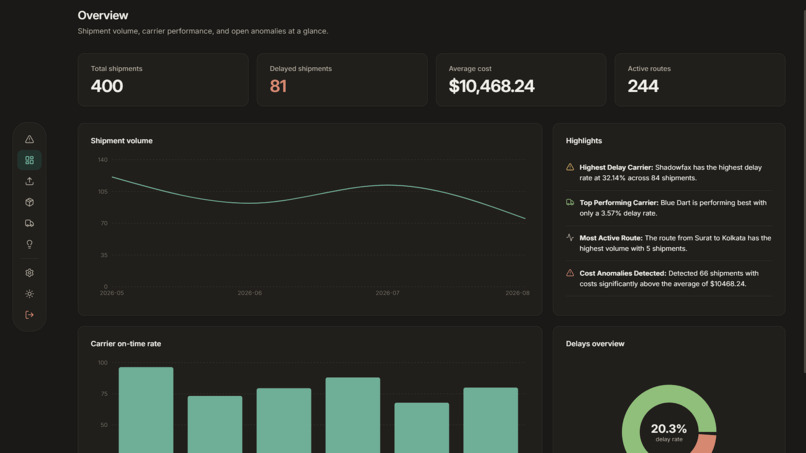
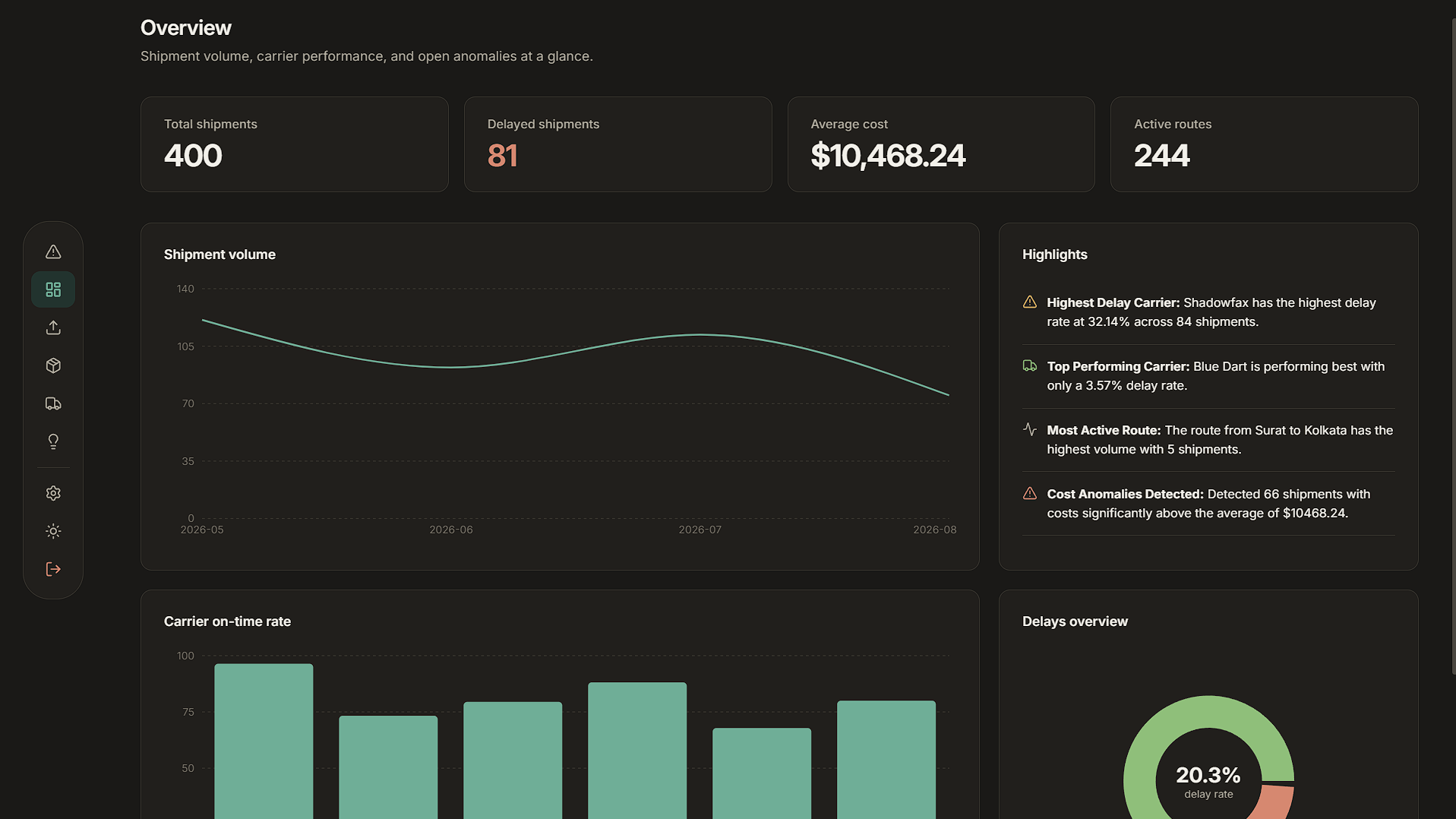
Primary User - Dashboard
-
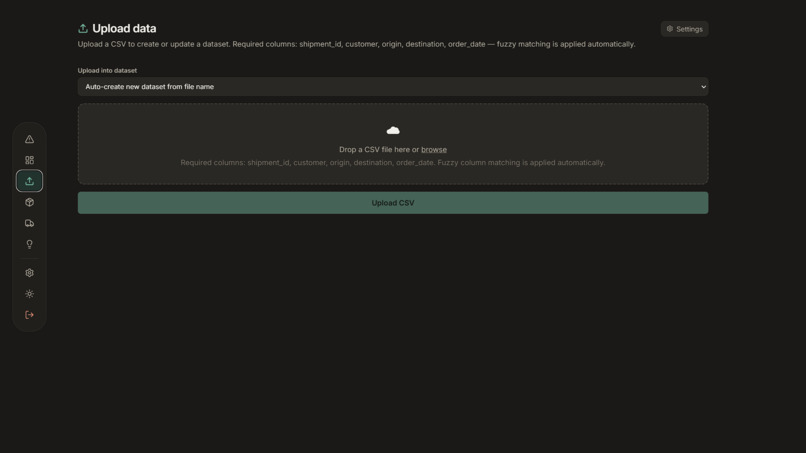
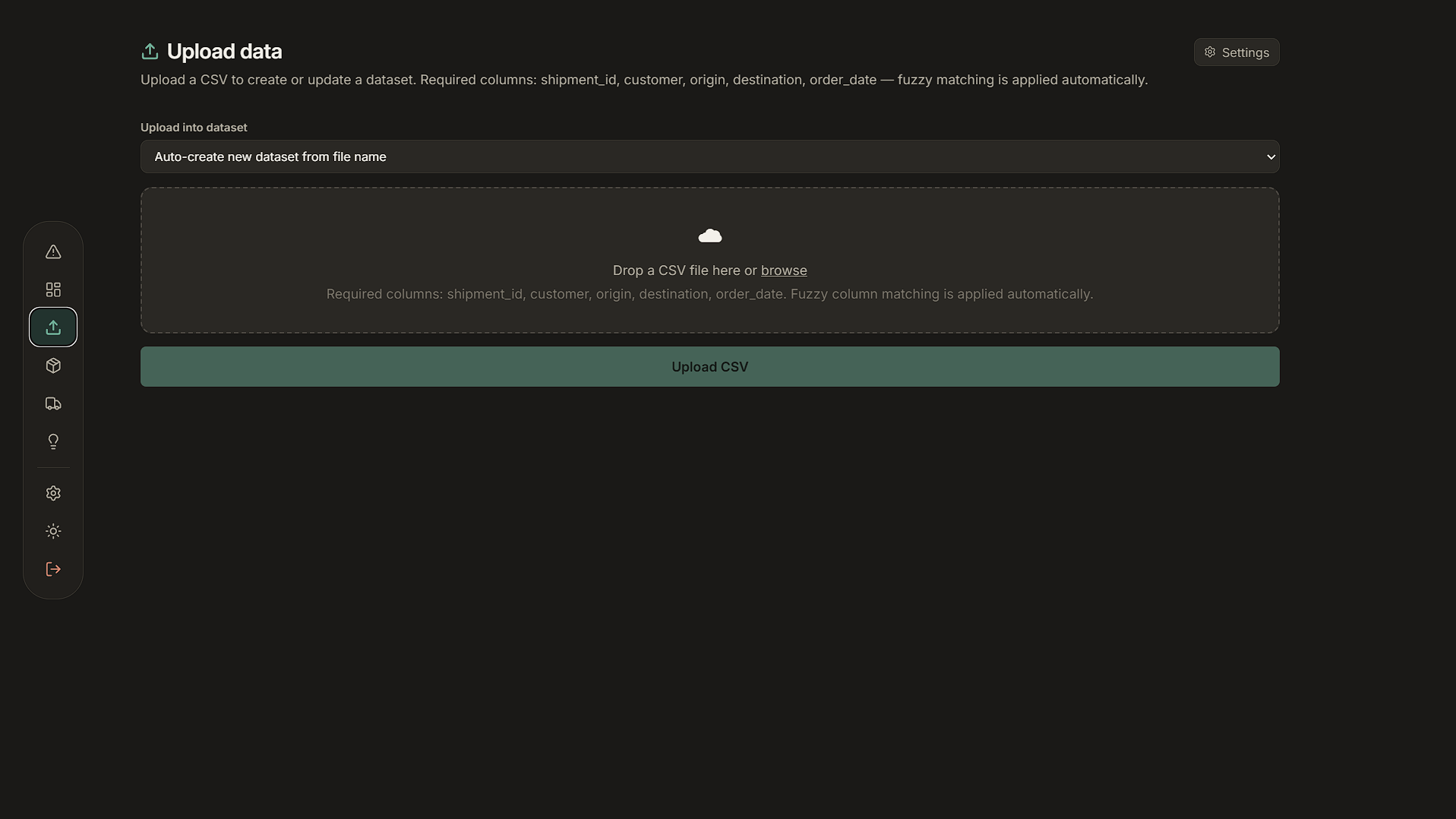
Primary User - Upload data
-
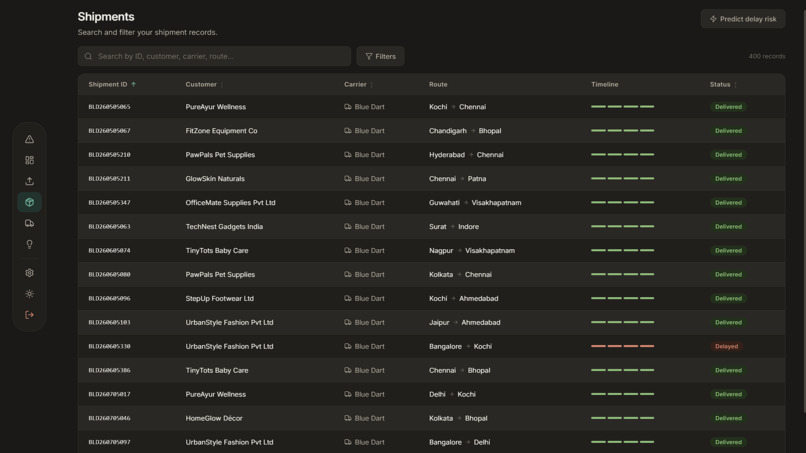
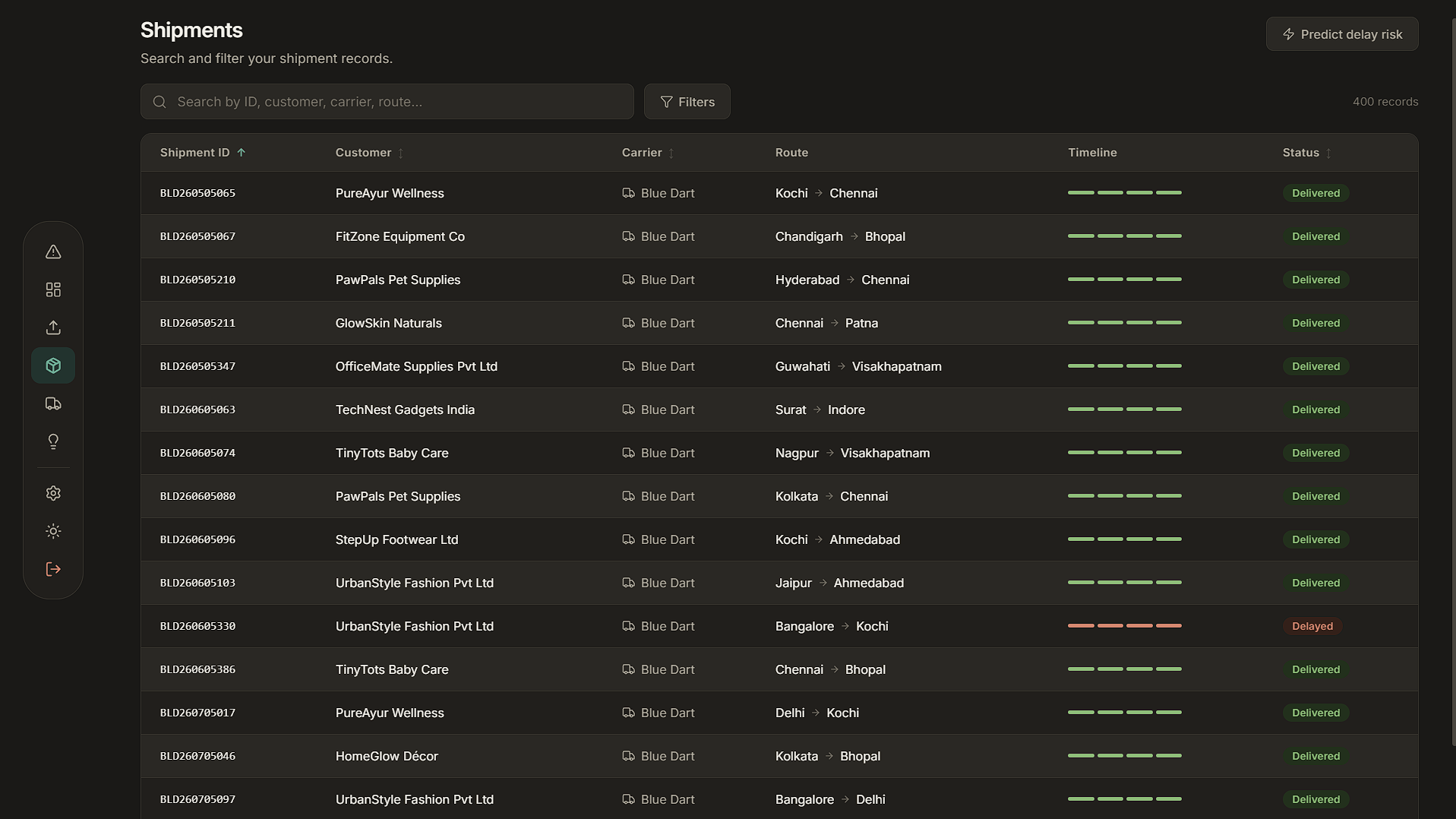
Primary User - Shipments
-
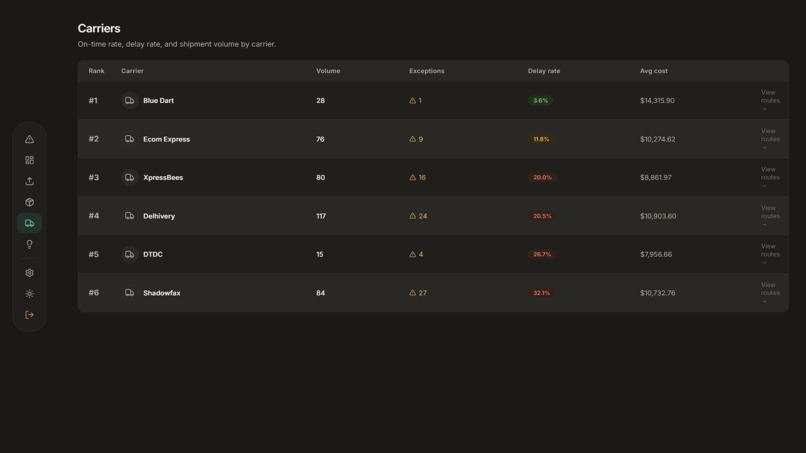
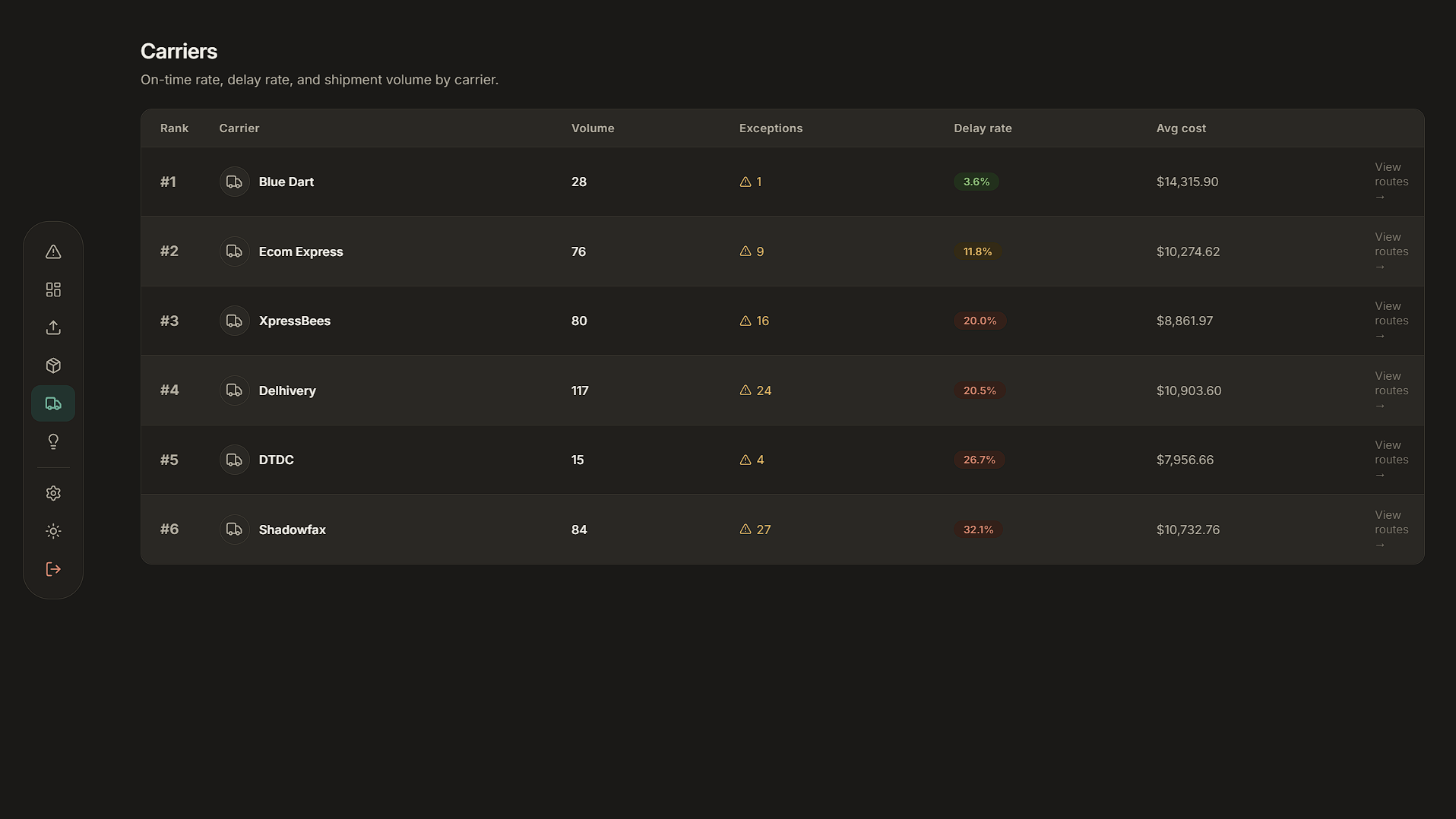
Primary User - Carriers
-
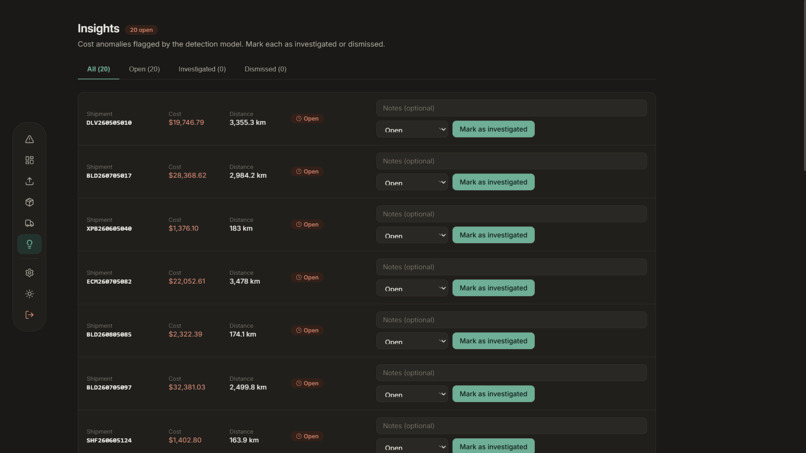
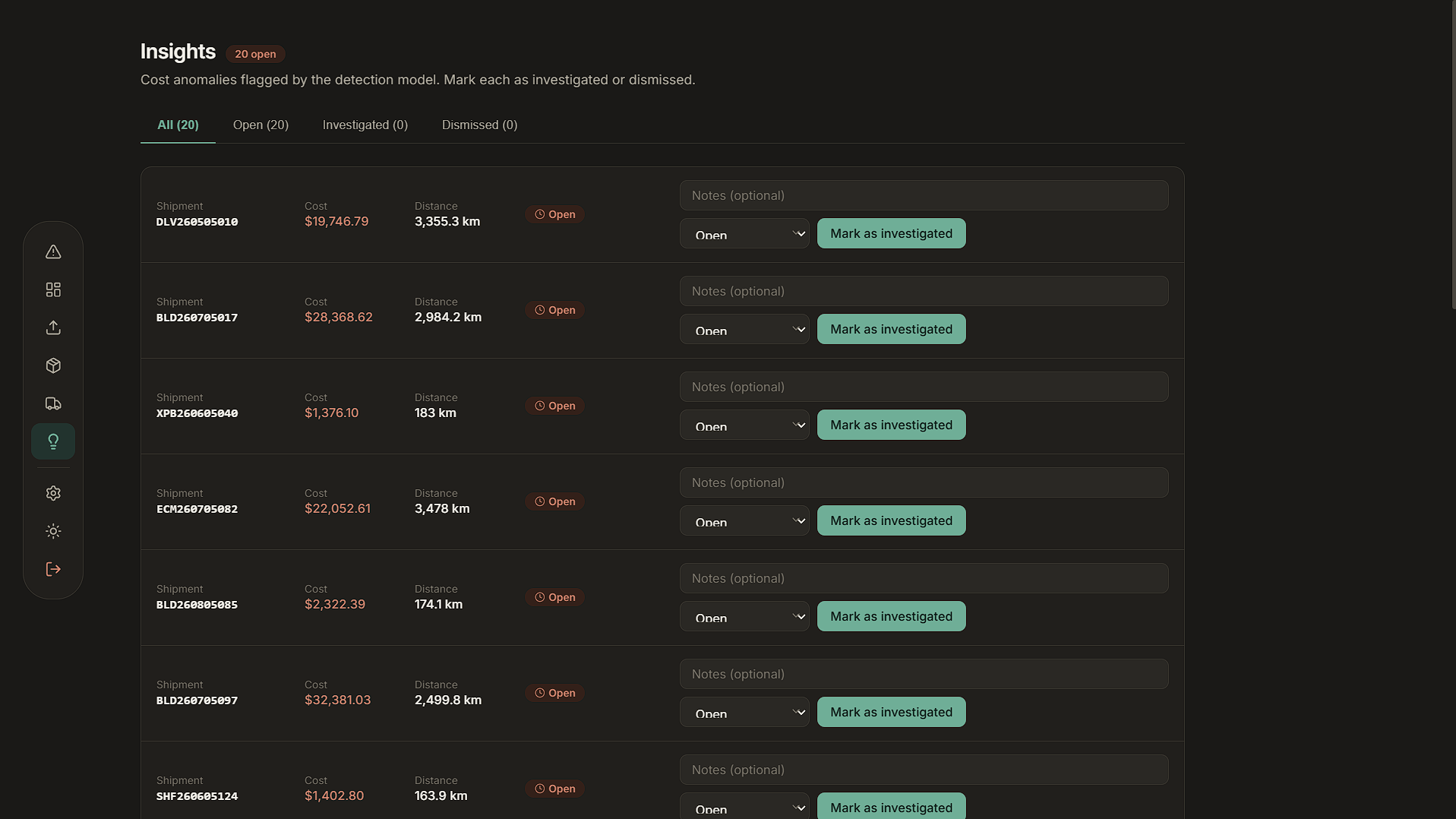
Primary User - Insights
-
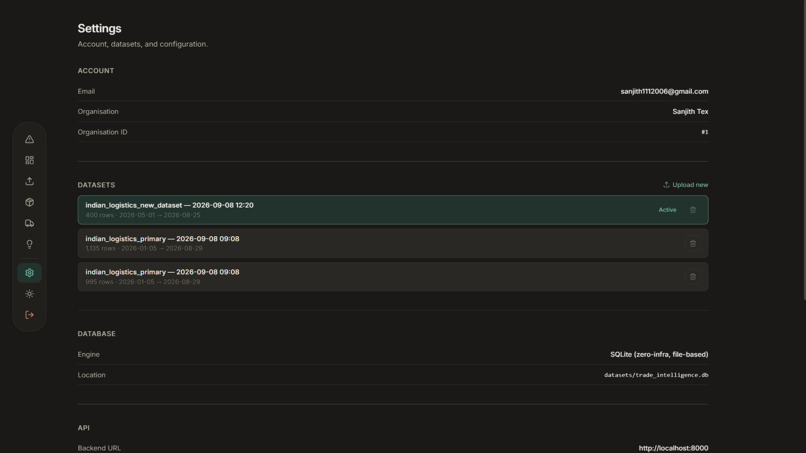
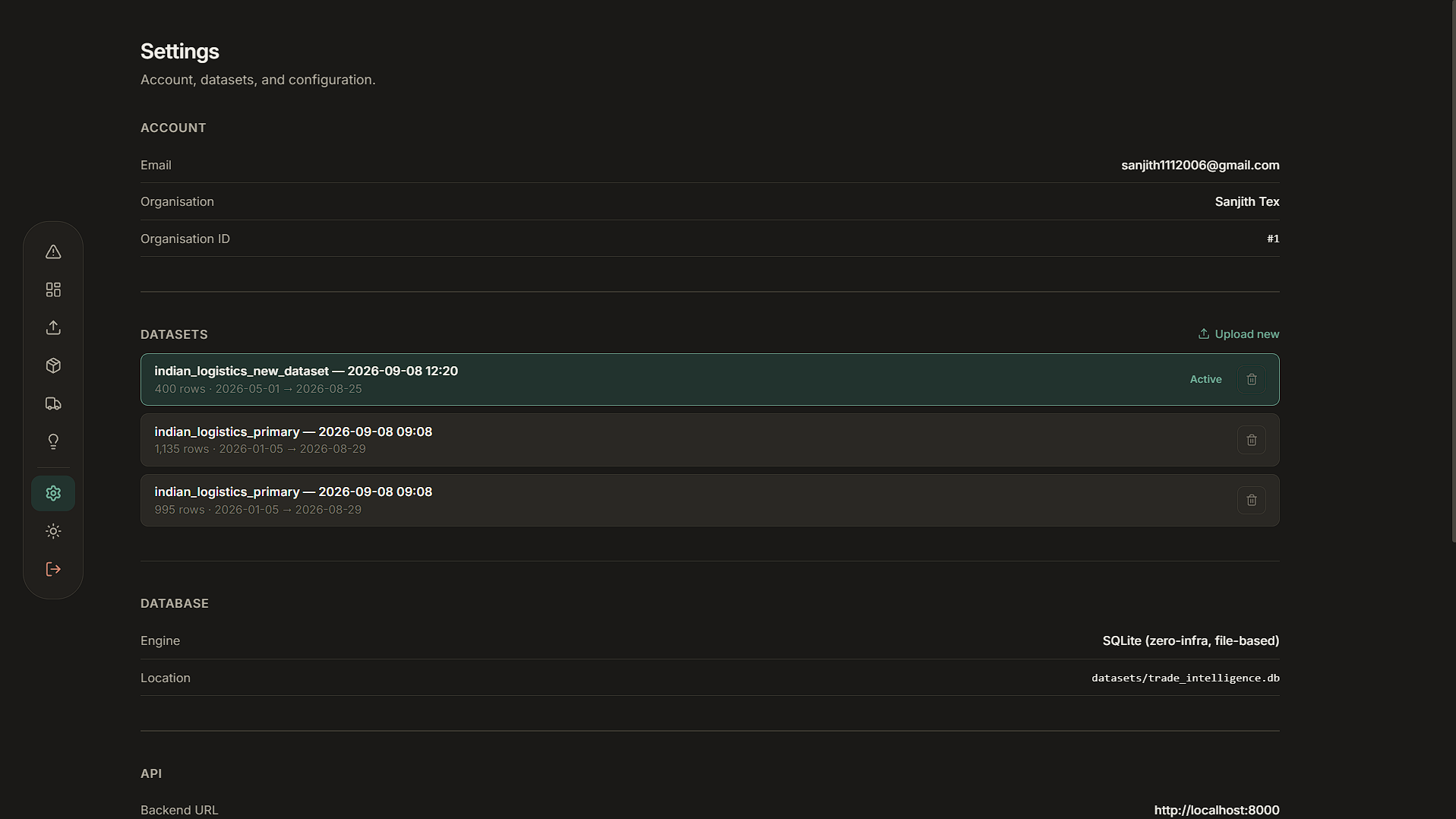
Primary User - Settings
-
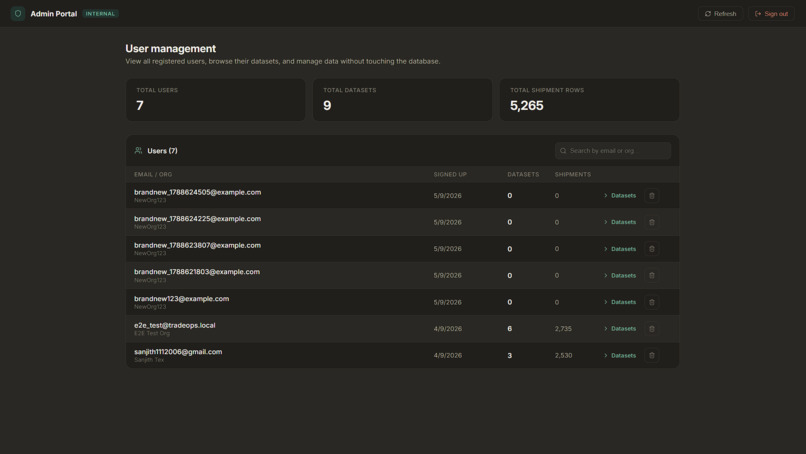
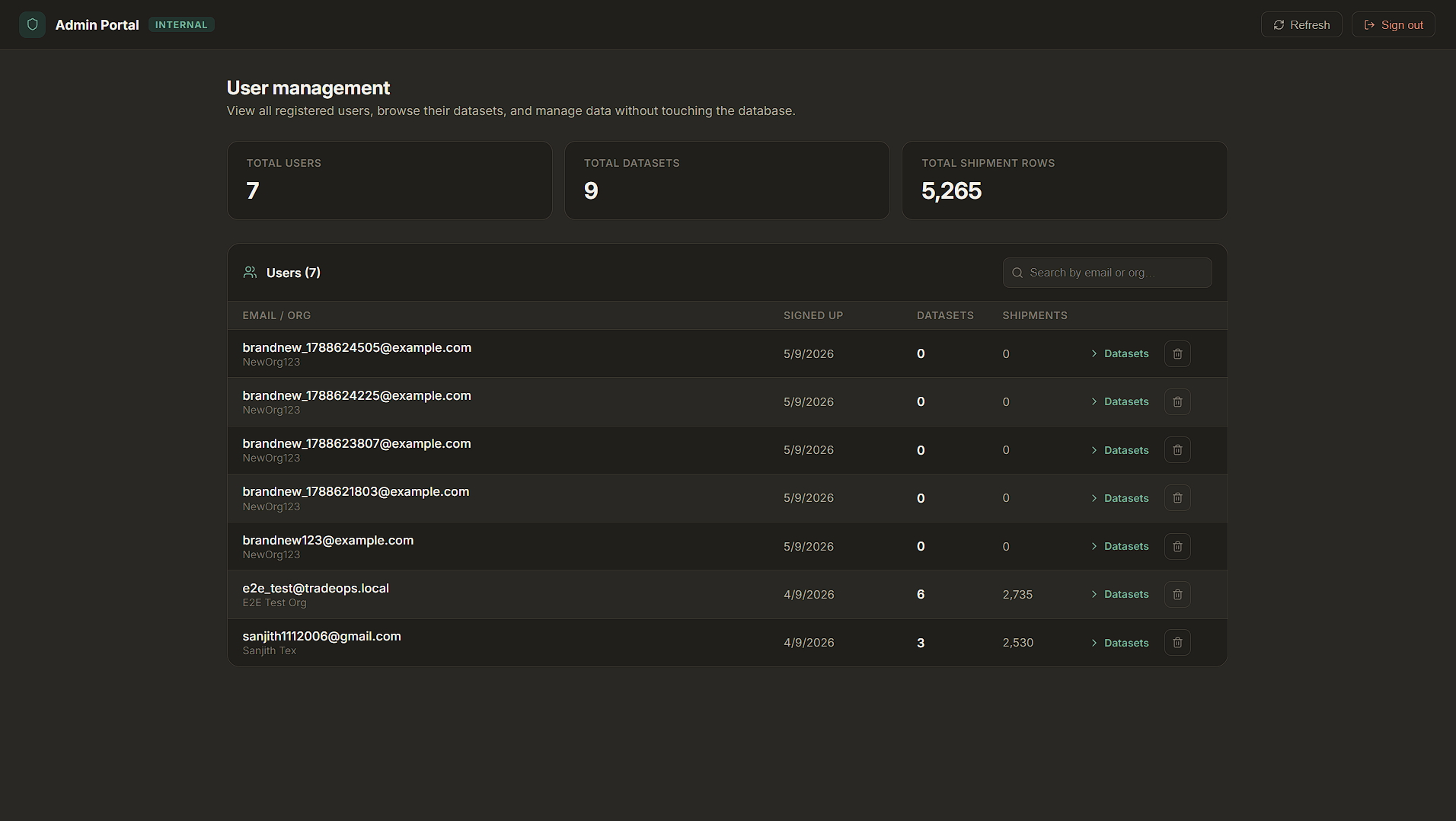
Admin - Dashboard
-
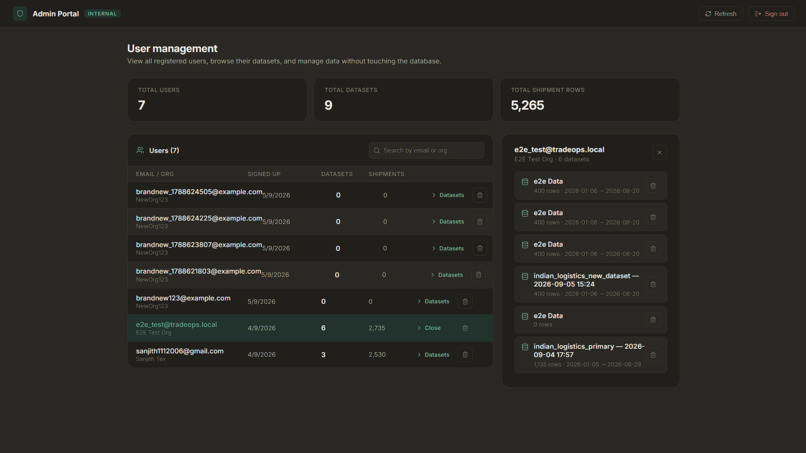
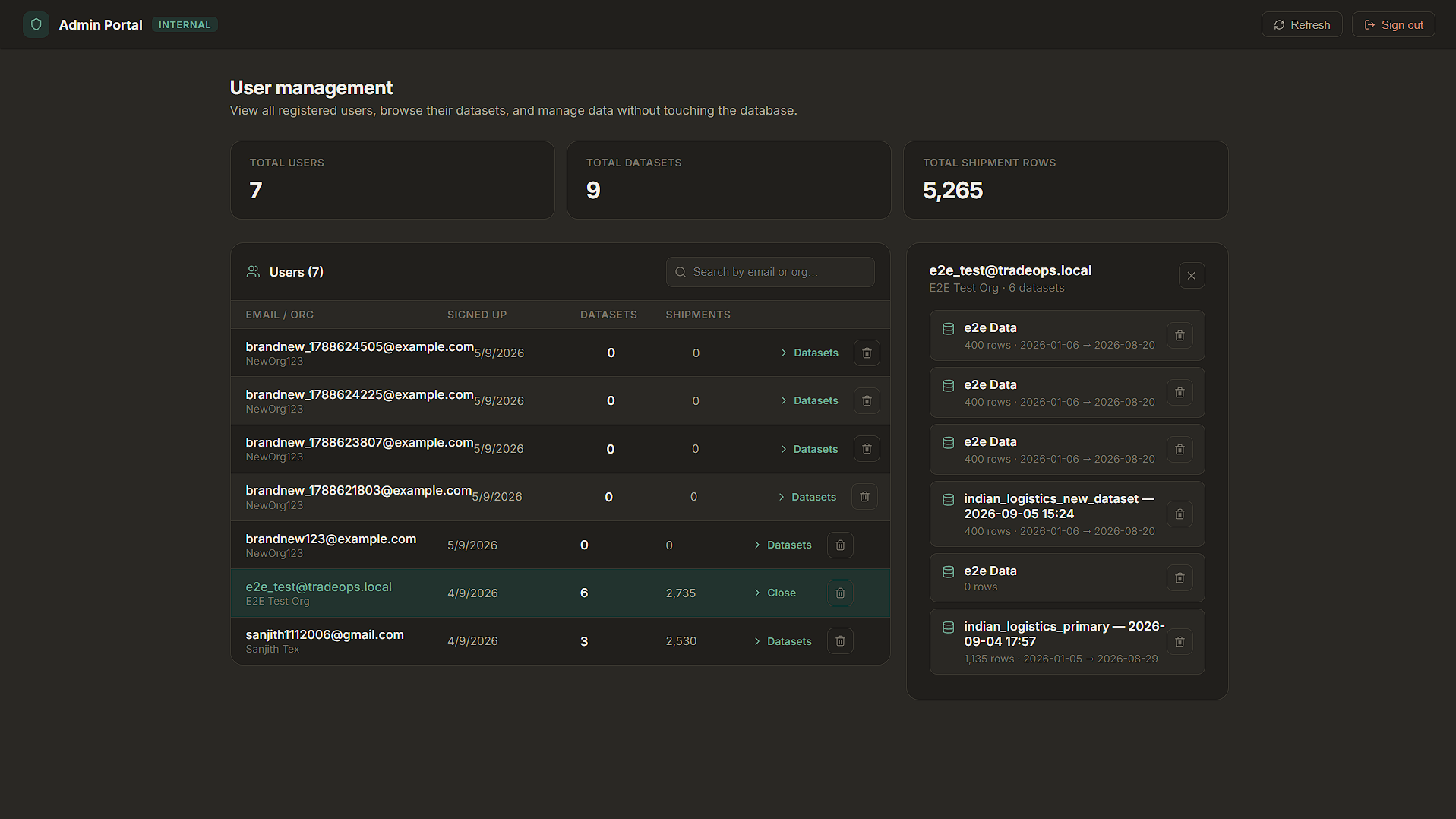
Admin - Record View
Inspiration
Logistics is more than moving goods from one place to another. Businesses also need to understand why shipments get delayed, which carriers perform reliably, and where transportation costs can be improved. We wanted to explore how data analytics and machine learning could help solve these everyday business challenges.
This led us to build CargoScope, a logistics intelligence platform focused on helping teams understand which shipments need attention and why.
What it does
CargoScope brings shipment monitoring and logistics analytics together in one platform. It helps users identify potentially risky shipments, evaluate delivery performance, compare carrier reliability, and understand transportation cost patterns.
Some of its key features include:
- Live Risk Queue: Helps teams identify and prioritize shipments that may require attention.
- OTIF Tracking: Measures On-Time, In-Full delivery performance.
- Carrier Scorecards: Helps compare carriers based on shipment and delivery performance.
- Transit-Time Analysis: Examines transportation timelines and weight-related shipment patterns.
- Cost Intelligence: Helps analyze transportation expenses and identify potential inefficiencies.
How we built it
We started by working with a dataset containing 1,179 shipment records. One of our first challenges was preparing the data for meaningful analysis. We used Python and Pandas to clean inconsistent values, standardize dates and units, handle missing or invalid data, and remove duplicate records.
We then used SQL to organize and analyze shipment information and calculate relevant operational metrics. The analytics and machine learning components were designed to support shipment-risk assessment and identify unusual patterns. We used tools such as NumPy and scikit-learn alongside a FastAPI backend and a React frontend to bring the different parts of the platform together.
Rather than focusing only on historical reports, we wanted CargoScope to help users move from understanding what happened to identifying what might need attention next.
Challenges we faced
One of the biggest challenges was dealing with inconsistent shipment data. Different formats, missing values, and inconsistent measurements can affect the reliability of any analysis or prediction. Preparing the data carefully was essential before building meaningful features.
Another challenge was deciding how to turn analytical results into something useful for business users. We had to think beyond charts and metrics and focus on making shipment exceptions, carrier performance, and cost-related patterns easier to understand.
We also refined the project direction during development to keep it focused on a clear business question: Which shipments need attention right now, and why?
What we learned
Building CargoScope helped us understand that developing a useful AI-powered business solution involves much more than choosing a machine learning algorithm. Data quality, meaningful business metrics, reliable backend processing, and clear presentation all play an important role.
We gained practical experience in data cleaning, SQL-based analysis, API development, machine learning workflows, and connecting analytical insights to real operational needs.
What's next
We want to continue improving CargoScope by refining shipment-risk predictions, strengthening carrier performance analysis, and making its insights more actionable for logistics teams. Our goal is to make complex shipment data easier to understand and help businesses make more informed, data-driven logistics decisions.
Built With
- artificial-intelligence
- data-analytics
- fastapi
- machine-learning
- numpy
- pandas
- python
- react
- scikit-learn
- sql
- sqlite

Log in or sign up for Devpost to join the conversation.