-
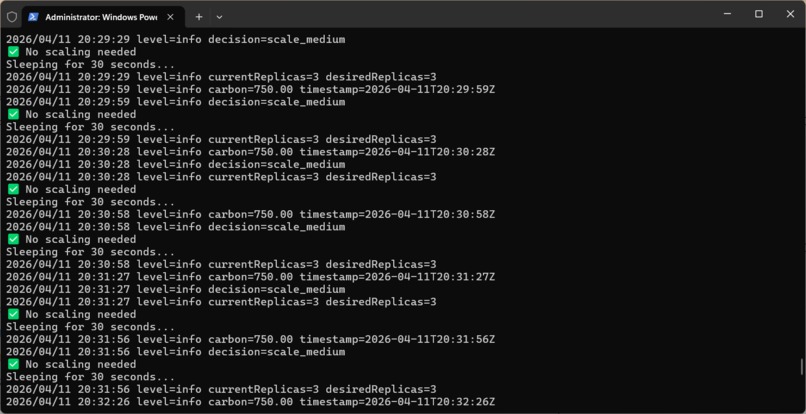
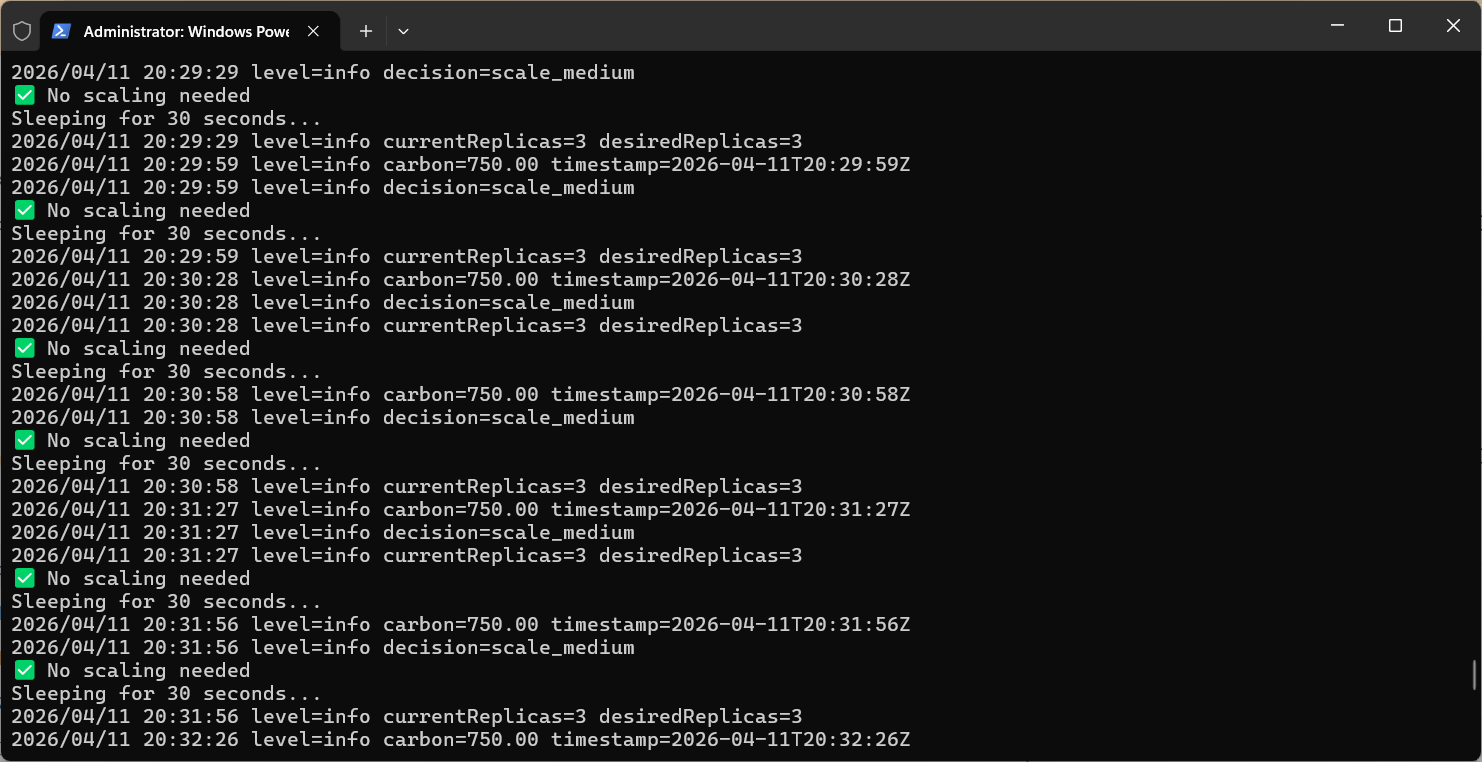
control loop, where the system continuously evaluates grid carbon intensity and makes autonomous scheduling decisions in real time
-
Inspiration
Cloud infrastructure is scaling faster than ever—but it runs on an invisible assumption: all electricity is equal. In reality, the carbon intensity of the power grid changes every hour. We asked a simple question: What if cloud systems could choose when to run based on how clean the energy is? CargoKube was built to turn that idea into reality—by making time a first-class optimization layer in computing.
##What it does
CargoKube is a carbon-aware Kubernetes scheduler that shifts workloads to cleaner energy windows without breaking performance constraints. It predicts grid carbon intensity in real time and dynamically advances or defers workloads within SLA limits reducing peak-time energy strain and improving cluster efficiency. In our simulation, CargoKube reduced peak-time workload execution by up to 28% by aligning compute with low-carbon intervals. Same infrastructure. Smarter timing. Real impact.
##How we built it
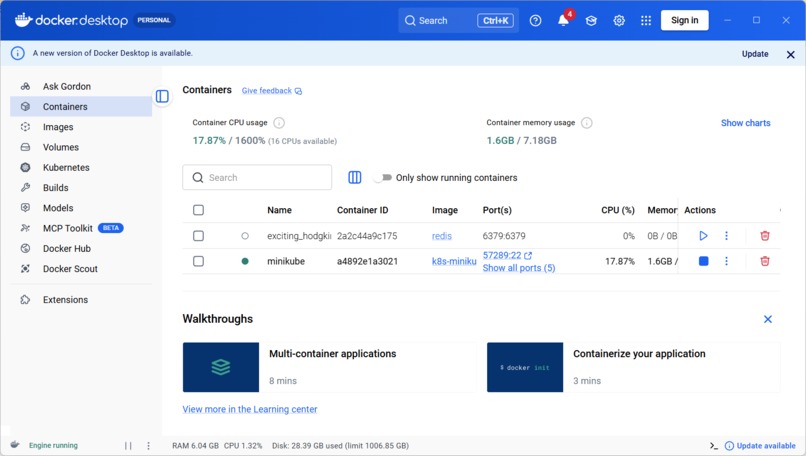
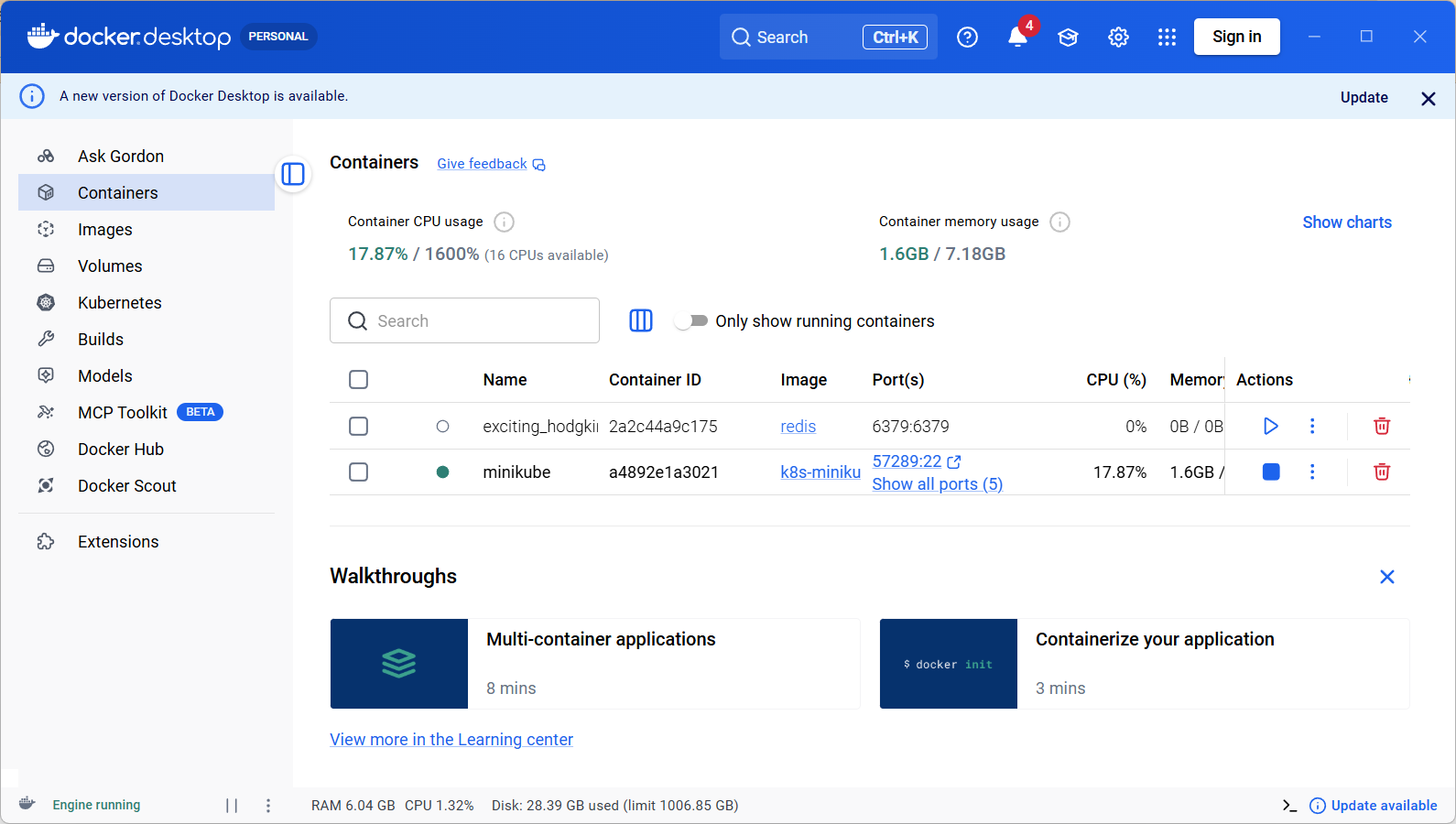
CargoKube extends Kubernetes with a carbon-intelligent decision layer: Carbon Data Pipeline - Ingests real-time + historical grid intensity data Prediction Engine - Forecasts short-term carbon trends Carbon Scoring Model -Assigns priority scores to workloads based on carbon, urgency, and constraints Custom Scheduler Plugin - Reorders workload execution dynamically Simulation Engine - Demonstrates workload shifting across a full grid cycle We tested it on a simulated Indian grid scenario where workloads automatically moved from high-carbon evening peaks to midday renewable surplus.
Challenges we ran into
Limited access to real-time carbon intensity data for India Balancing SLA guarantees vs sustainability goals Integrating deeply with Kubernetes without disrupting scheduling stability Handling prediction uncertainty in real-time decision-making
Accomplishments that we're proud of
Built a working carbon-aware scheduler prototype Achieved measurable 28% reduction in peak-time workload execution (simulation) Demonstrated a new paradigm: time-aware computing optimization Designed a system that works without any hardware changes
What we learned
The biggest inefficiency in cloud systems isn’t just how we compute—it’s when Small scheduling shifts at scale can create massive environmental impact Real-world AI systems must balance accuracy, reliability, and constraints The most powerful solutions are the ones that fit into existing infrastructure
##What's next for CargoKube
Integrate live grid APIs for real-time deployment Expand to multi-region, carbon-aware scheduling Improve forecasting with higher-resolution data Build a dashboard for carbon savings + system insights Explore deployment with cloud providers for real-world validation
Full system design and implementation progress available on GitHub
Built With
- and
- apis:
- carbon
- carbon-aware
- containerized
- custom
- daily
- data
- datasets
- docker
- energy
- fastapi-machine-learning:-time-series-forecasting-models-(for-carbon-intensity-prediction)-cloud-&-platforms:-google-cloud-platform-(compute-+-deployment)
- for
- go-(kubernetes-scheduler-extension)
- golang
- grid
- historical
- intensity
- kubebuilder
- kubernetes
- languages:-python-(ml-+-backend-logic)
- layer:
- microservices
- model
- orchestration
- placement
- plugin
- public
- real-time
- scheduler
- simulation
- sources)
- synthetic
- testing:
- to
- variation
- workload
- yaml-(k8s-configs)-frameworks-&-tools:-kubernetes


Log in or sign up for Devpost to join the conversation.