-
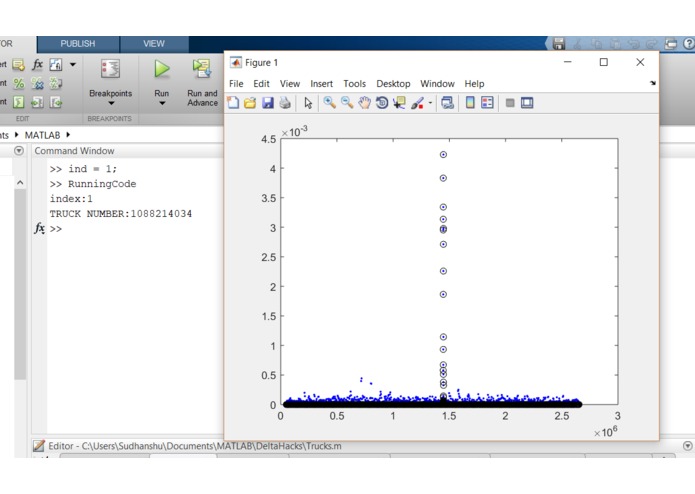
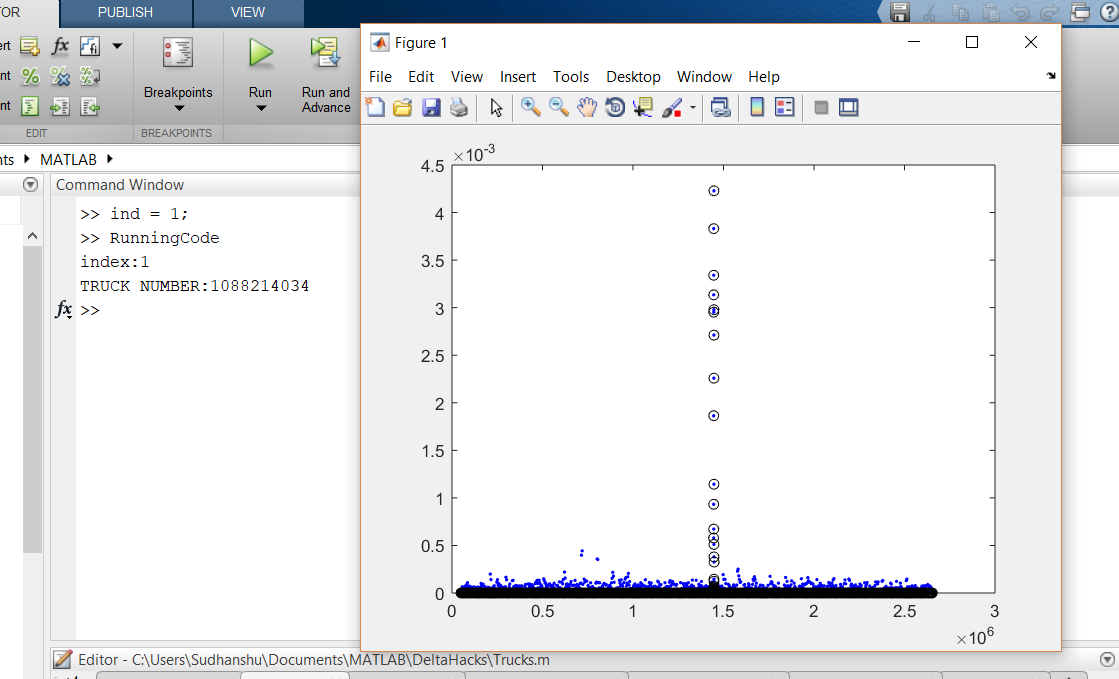
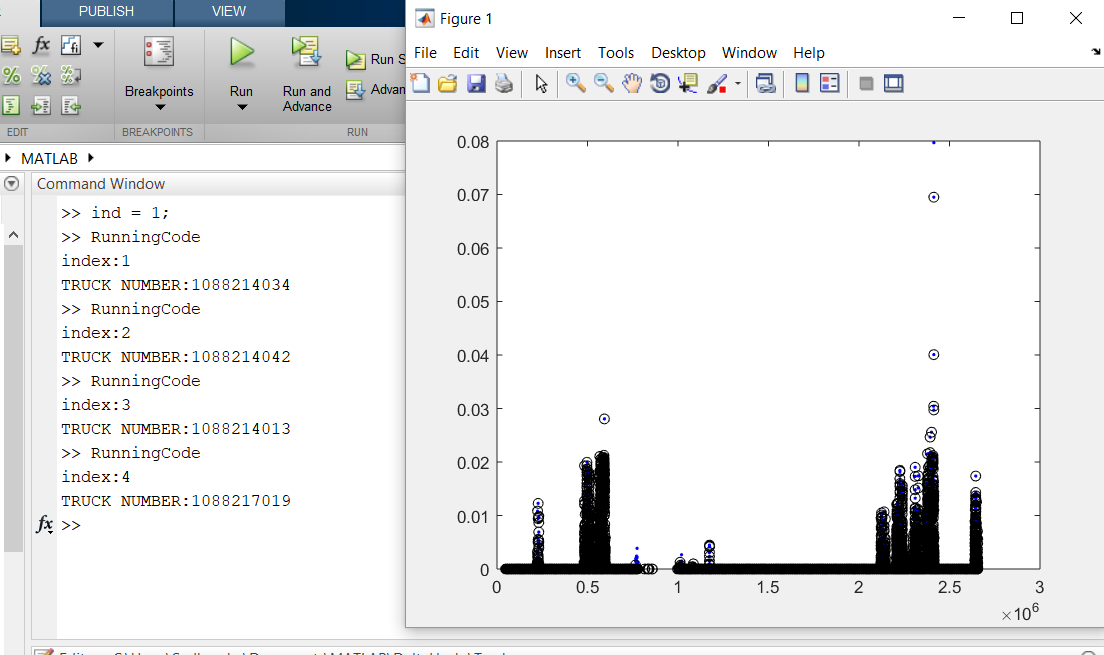
velocity time graph DS:1088214034
-
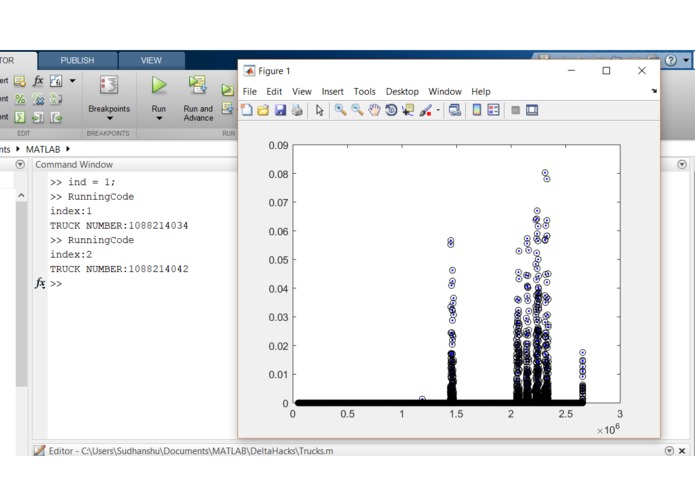
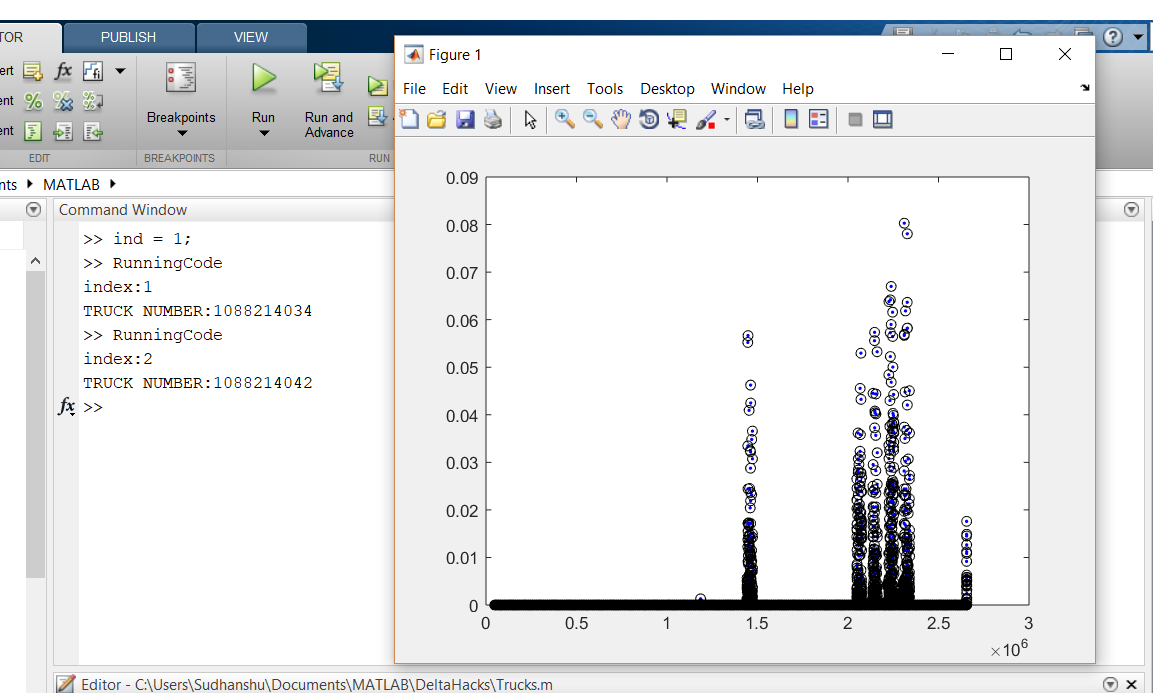
velocity time graph DS:1088214042
-
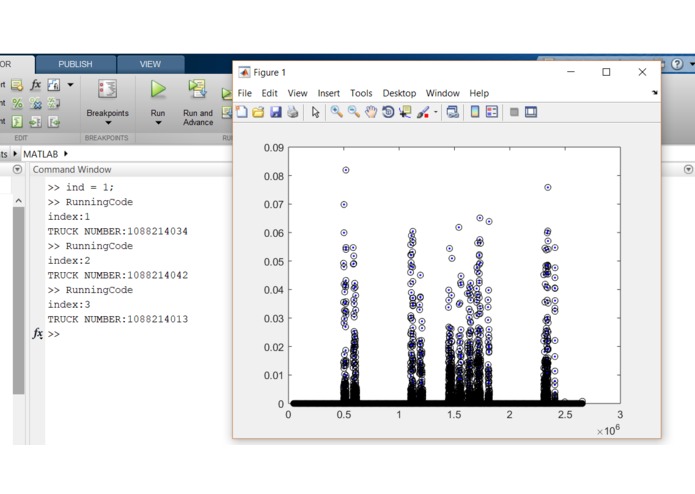
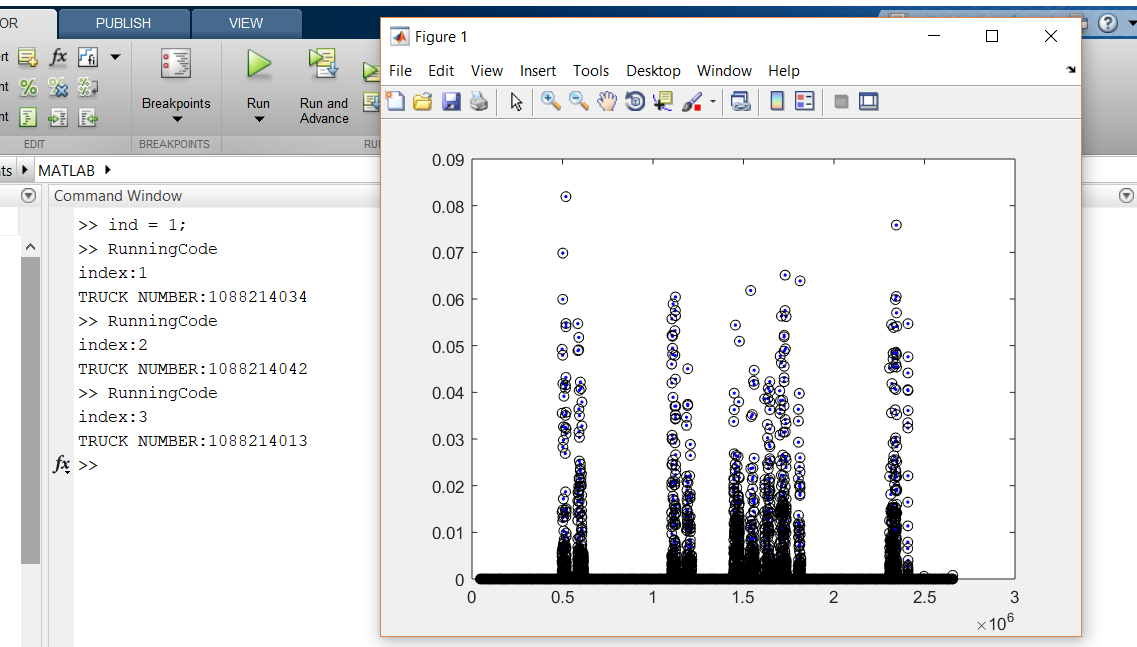
velocity time graph DS:1088214013
-
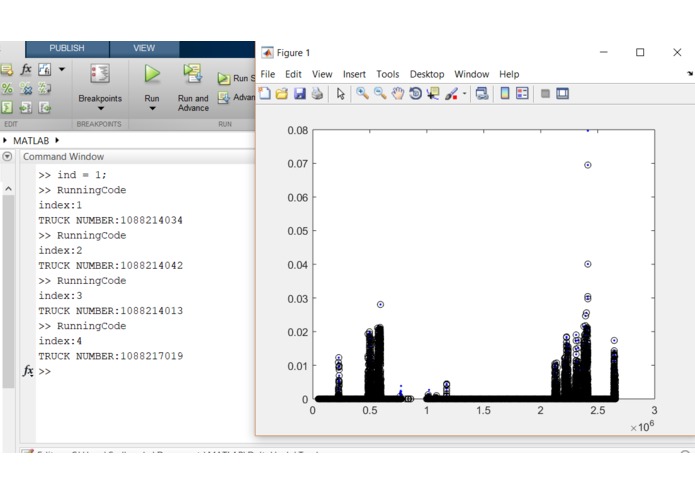
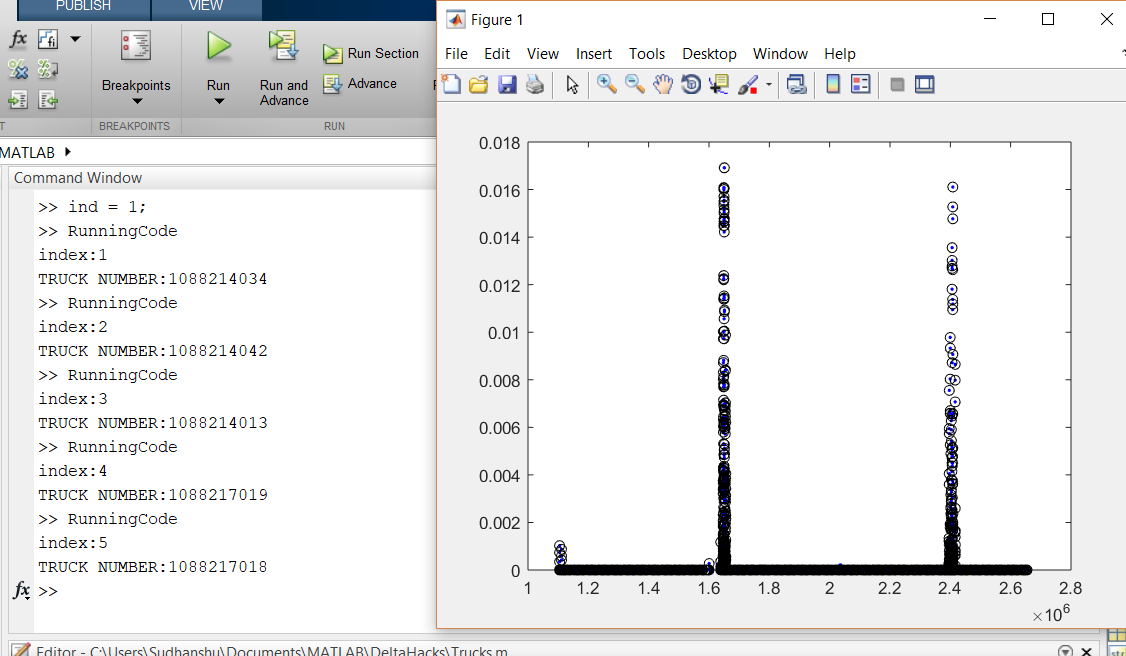
velocity time graph DS:1088217019
-
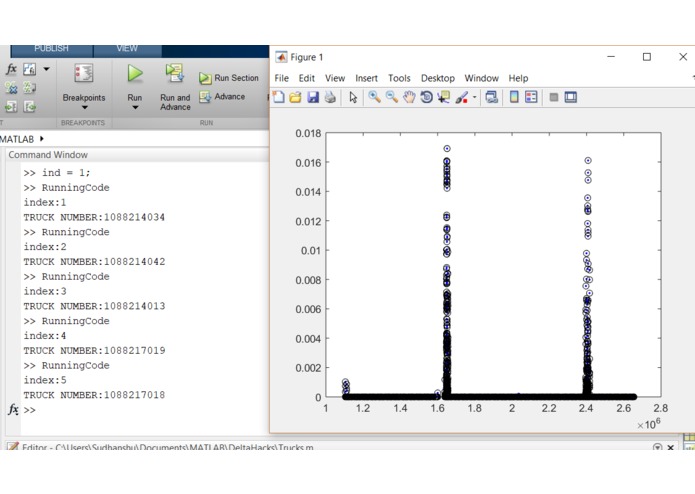
velocity time graph DS:1088217018
-
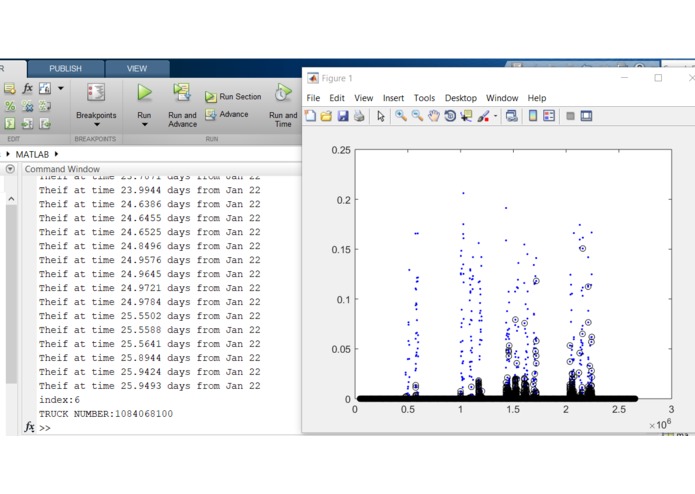
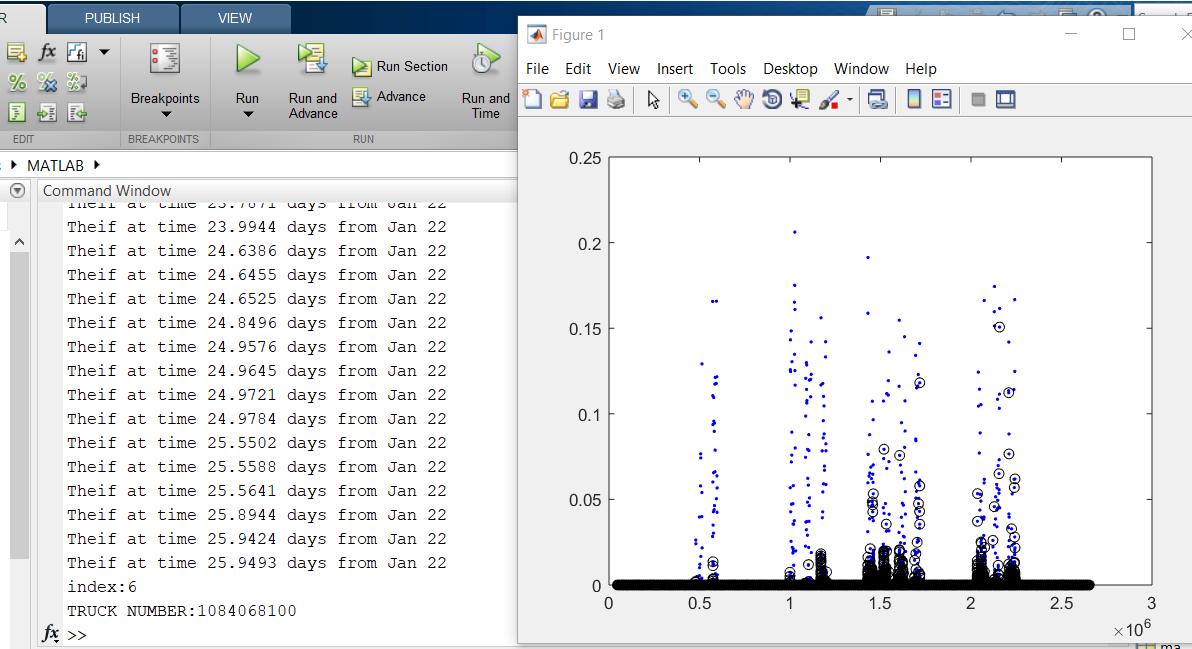
velocity time graph DS:1084068100
-
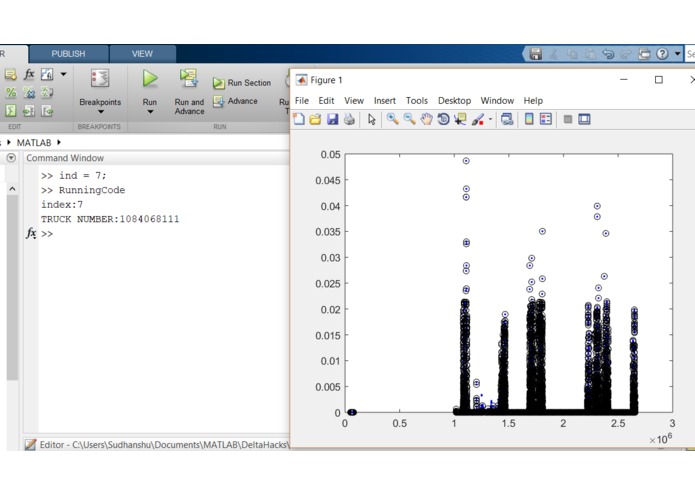
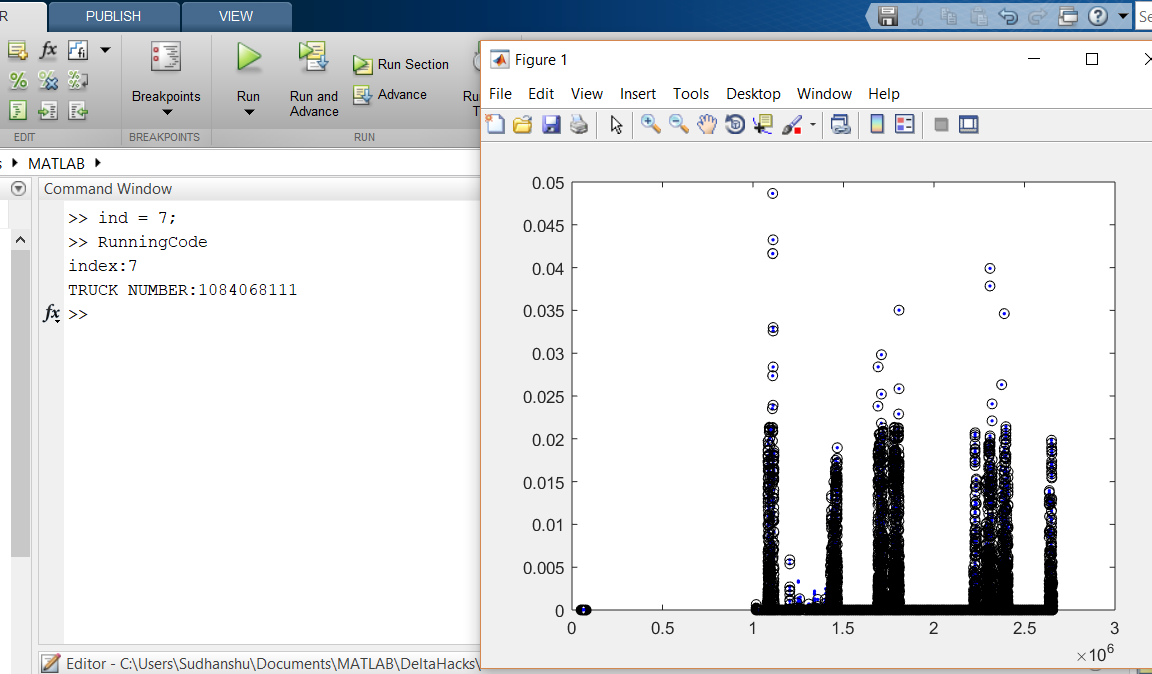
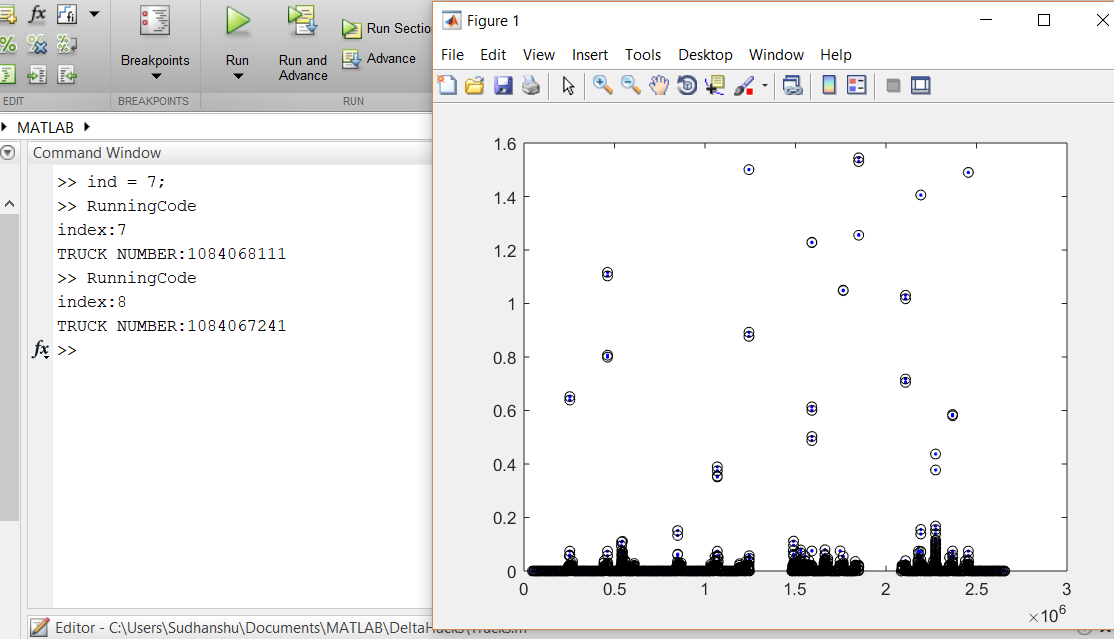
velocity time graph DS:1084068111
-
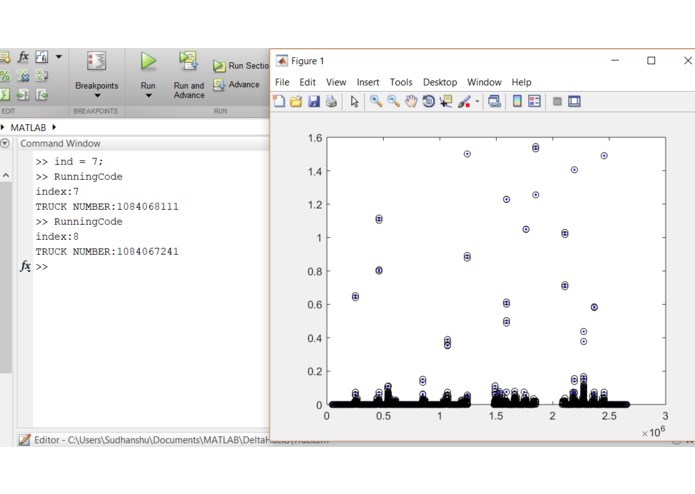
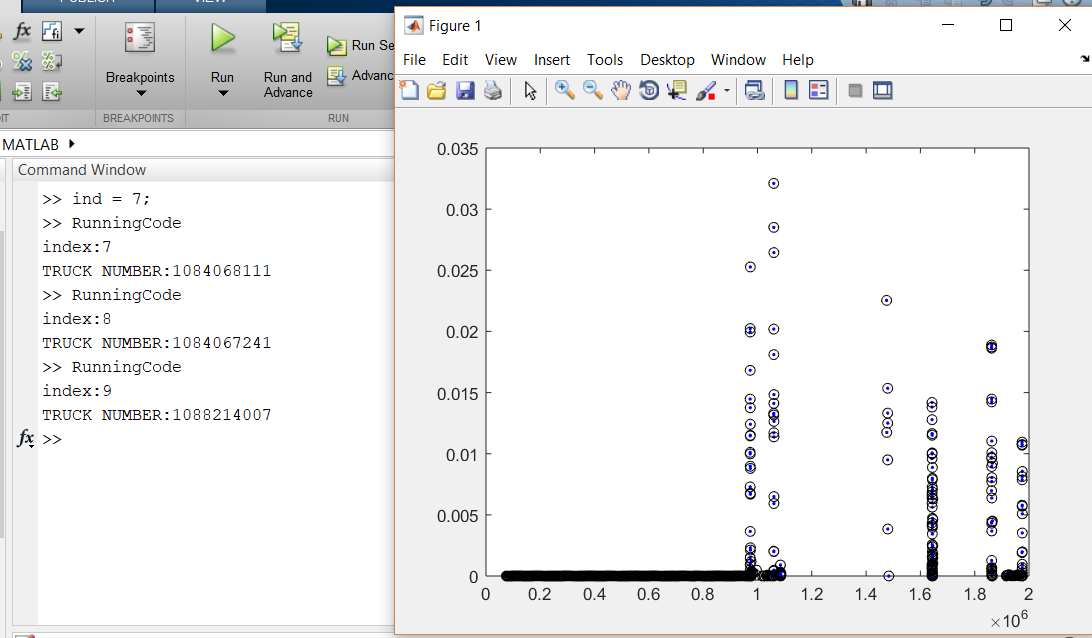
velocity time graph DS:1084067241
-
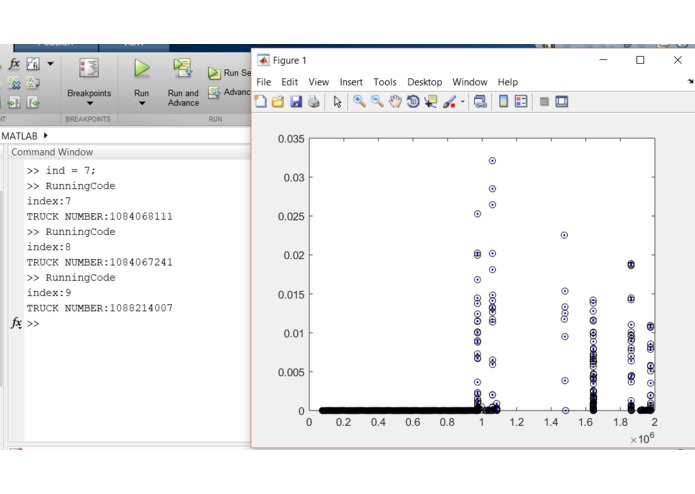
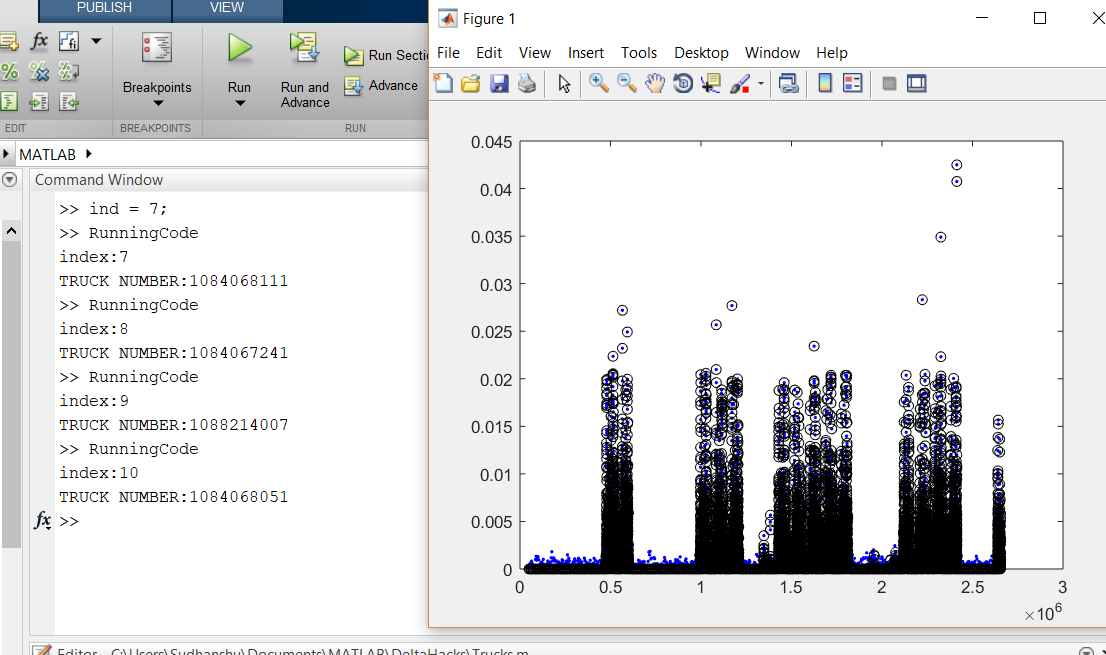
velocity time graph DS:1088214007
-
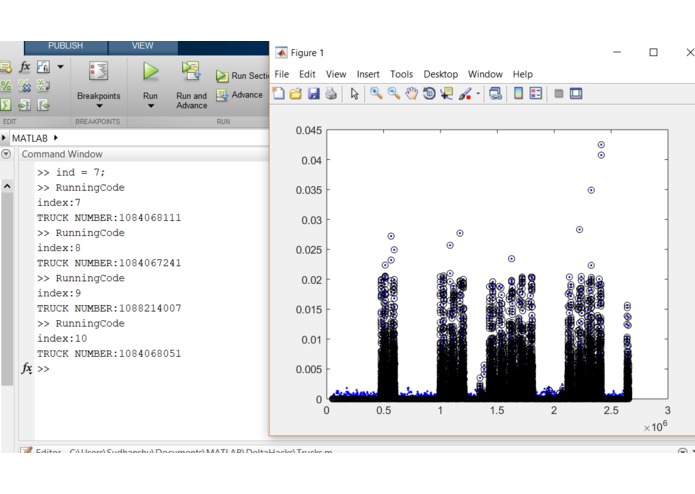
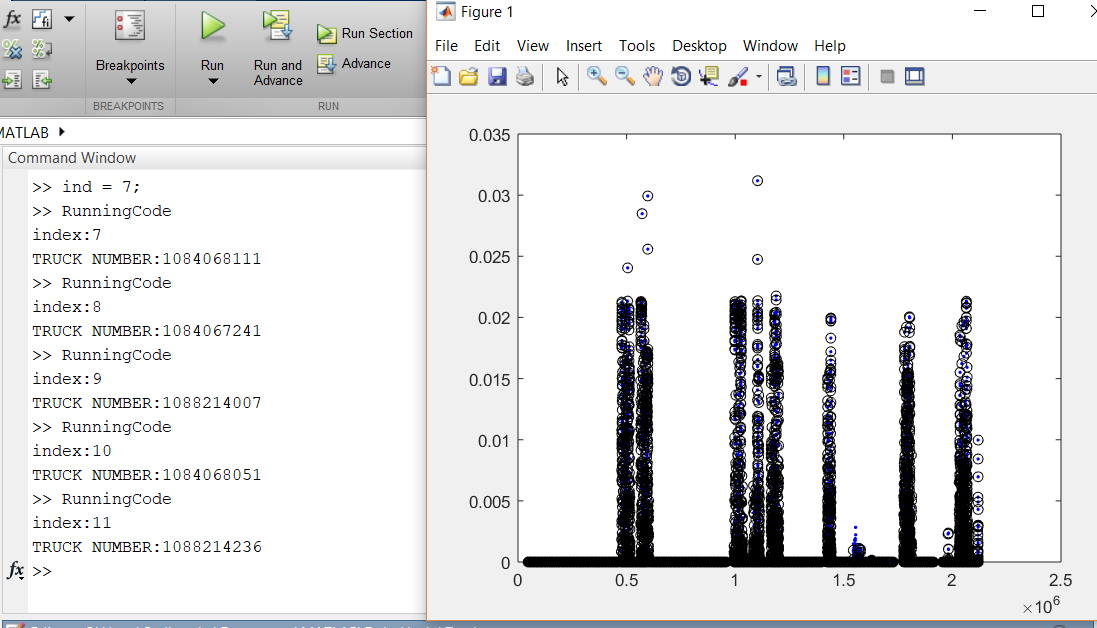
velocity time graph DS:1084068051
-
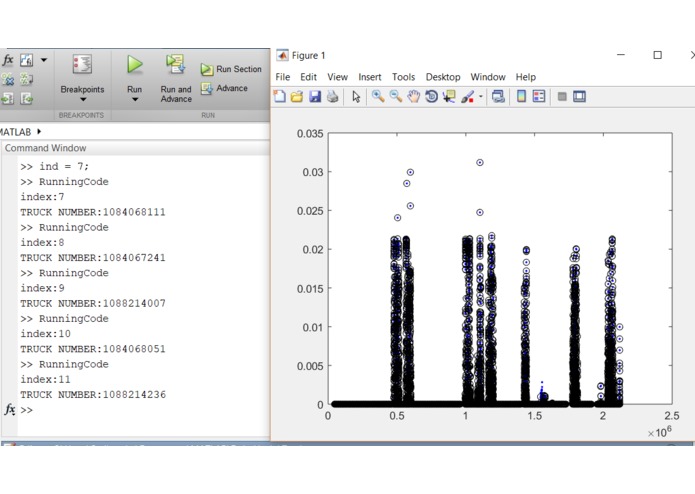
velocity time graph DS:1088214236
-
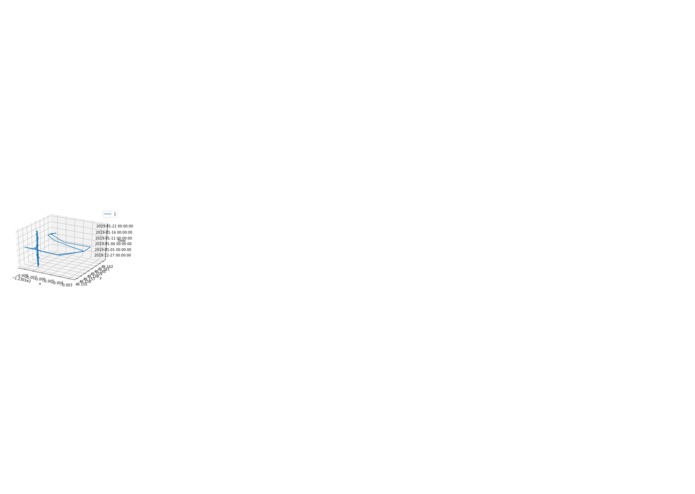
Route data for DS:1088214034
-
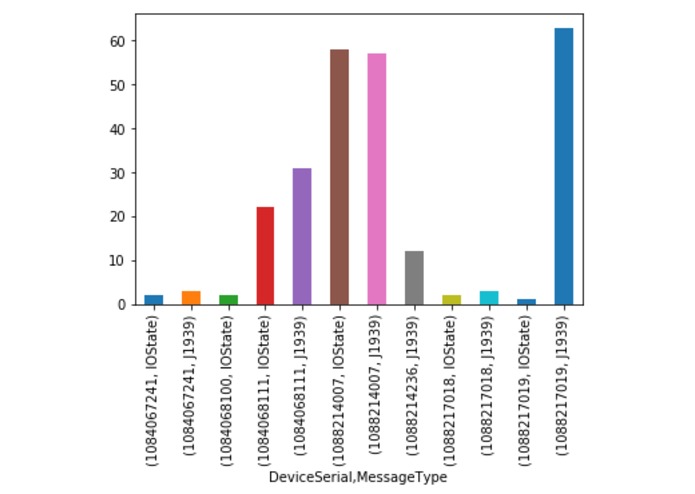
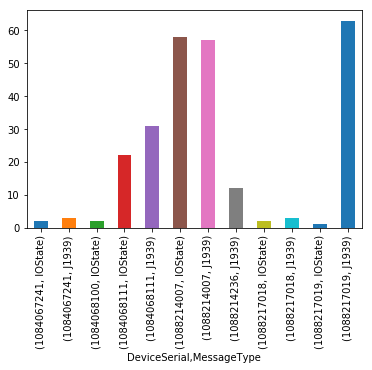
Number of NULL values for each DS

Inspiration
With cargo theft becoming a growing issue for Canadian businesses, our team wanted to develop an application that can help decrease the response time and increase the efficiency to detecting thefts in action.
What it does
Cargo No-Go is built to react to any possible situations. The solution we provided for a scenario where the sensors are destroyed is that the program will check the last updated timestamp from when information was received from any of the sensors. If there has been more than an hour gap, the truck is either in maintenance or the GPS has been destroyed, meaning there is a theft. So an alert is first sent to the driver to confirm whether it is in maintenance. If answered no, the management company is immediately alerted that there could be a possible cargo theft occurring. Our application deal with the scenario that if the sensors are still online (even if it has been tampered with). To combat this, our Cargo No-Go continuously compares in real time whether the drivers GPS and the trucks GPS location is within the same radius. If it sees that the truck is moving even though the driver is not in range, it will automatically send an alert message.
How we built it
There were three major components to the project. The first issue was managing the data that we were provided with and find an anomaly within the set. Using Matlab, we were able to process and analyze the data. The information was extracted from the excel file, and by graphing it using different independent and dependent variables, we could find behaviors and patterns that exist within the data set. The application was built on Visual Studio which uses Windows Forms to implement the user interface and the back-end was programmed in c#. Lastly, for simulation purposes, we created a python program that updates the data in real time. This is used to reproduce the sensor information received during trips.
Challenges we ran into
The challenge that we ran into was working with the large amount of data and analyzing it to find the inconsistency within the data. The the data was raw and was not clean, there were many factors that we had to take within consideration.
Accomplishments that we're proud of
The accomplishment that we're most proud of is successfully processing the data. Through this we produced graphs that made sense and helped us to understand the data better.
What we learned
This is the first time for our team to work with large data sets such as the one provided for the cargo theft challenge. So we learned a lot about how to manipulate the data and how to use excel to increase efficiency to change the data to be more readable for the code.
What's next for Cargo No-Go
For future features, we want to implement an off-route detection system that will send an alert if the truck strays off the predicated route from a certain radius.

Log in or sign up for Devpost to join the conversation.