-
-
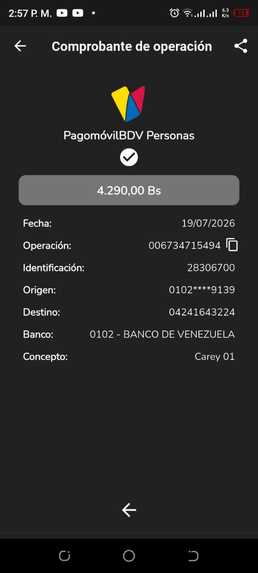
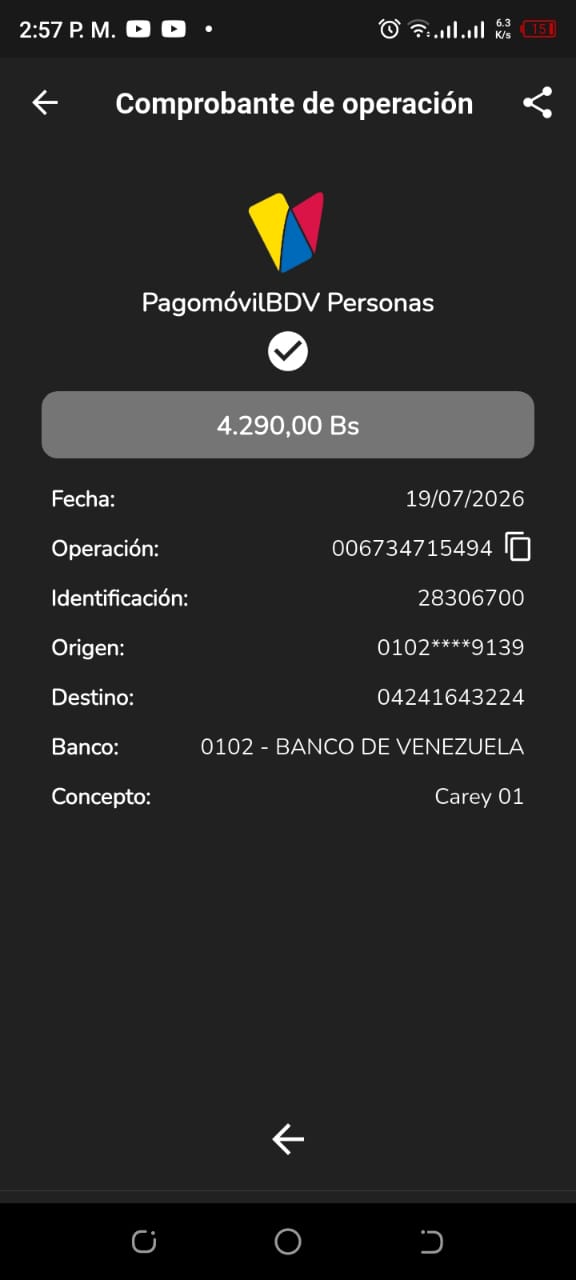
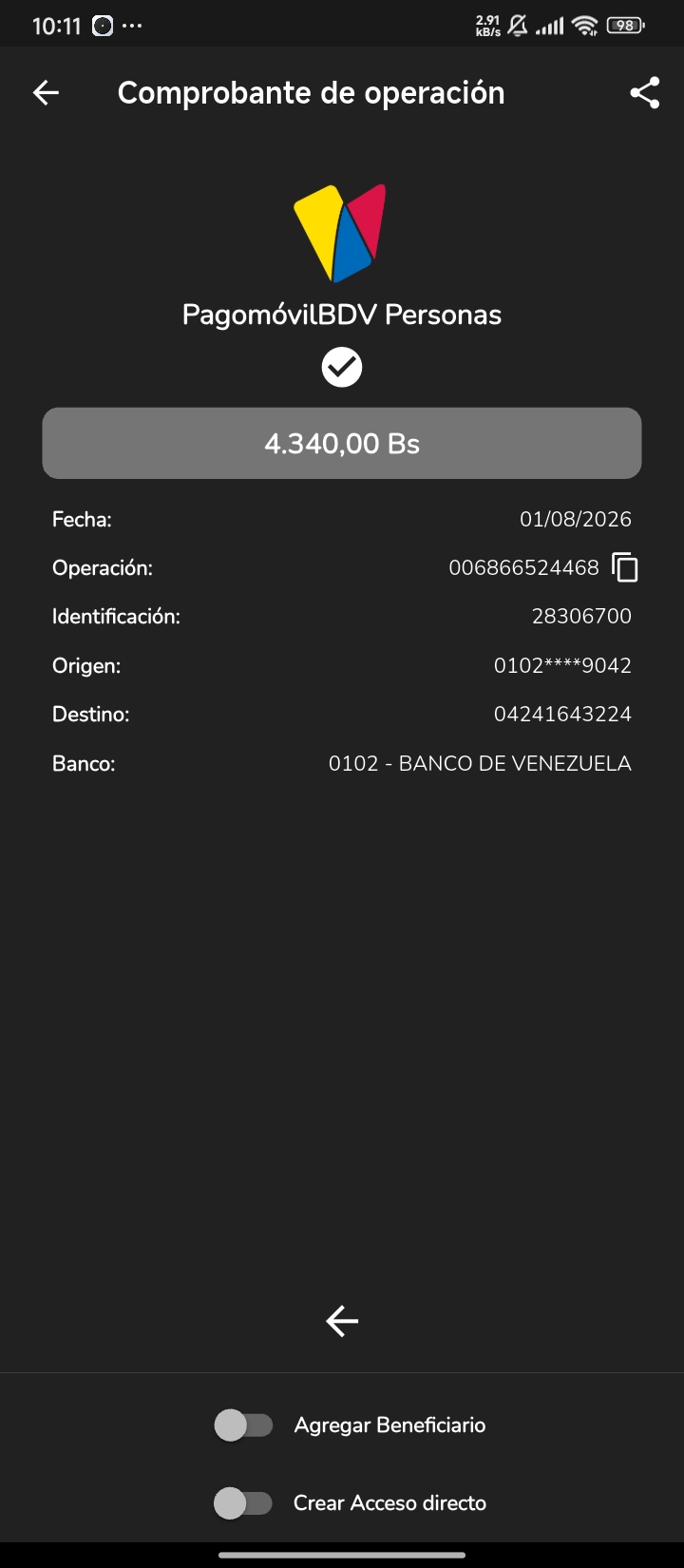
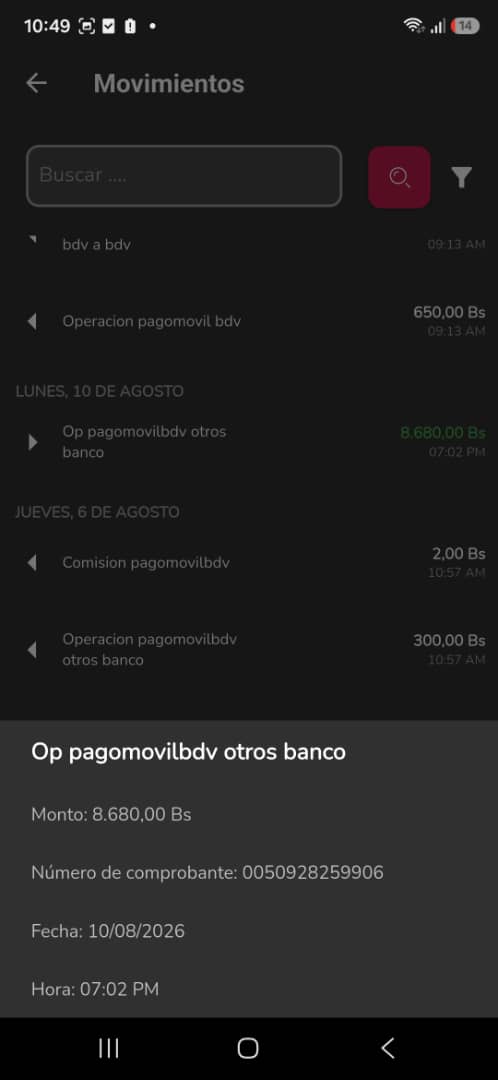
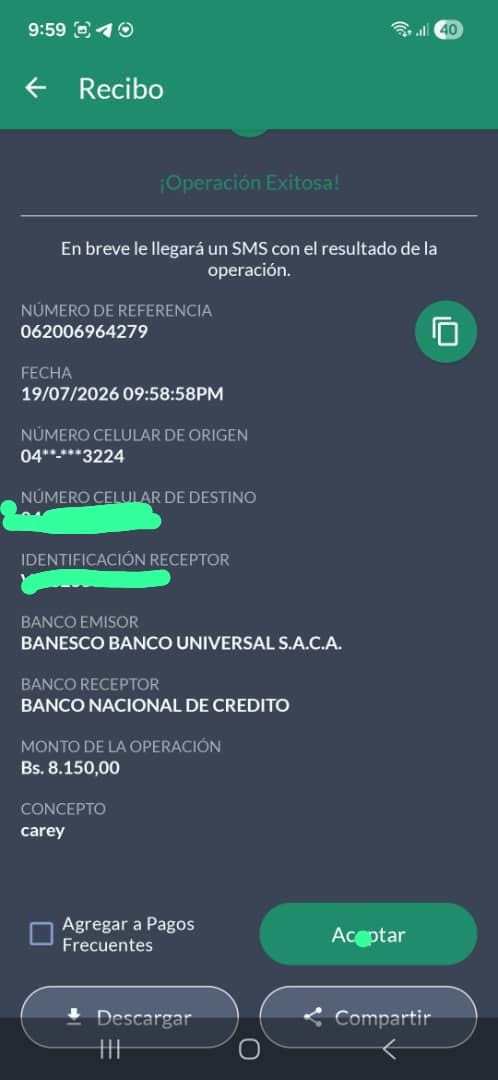
Operación de Deposito 1
-
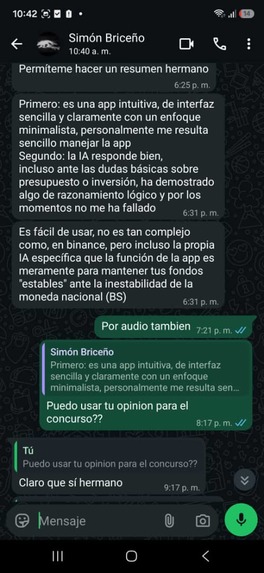
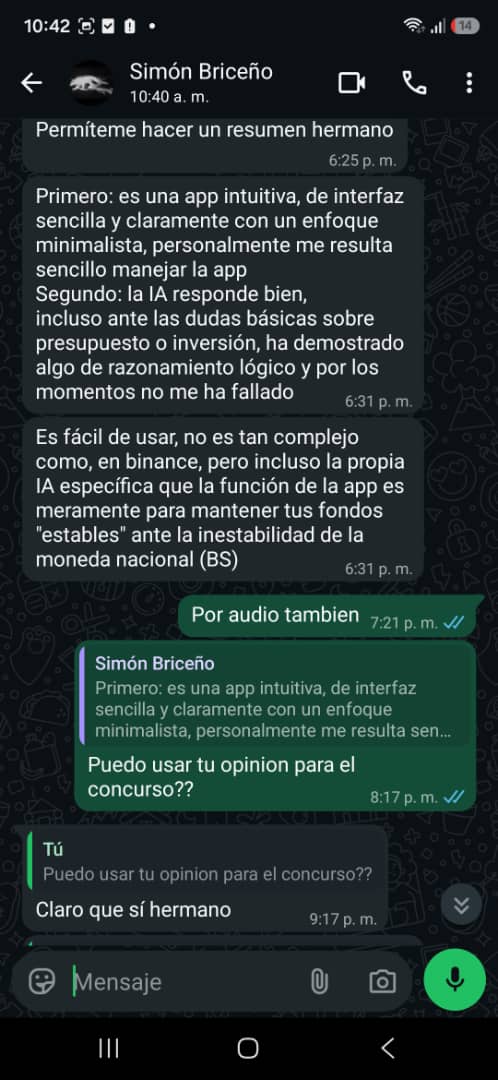
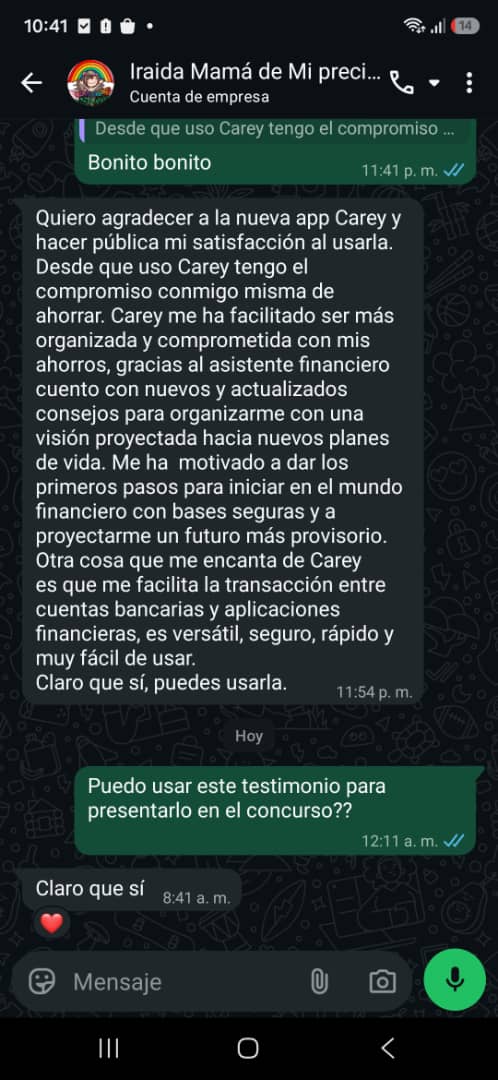
Testimoni 2
-
-
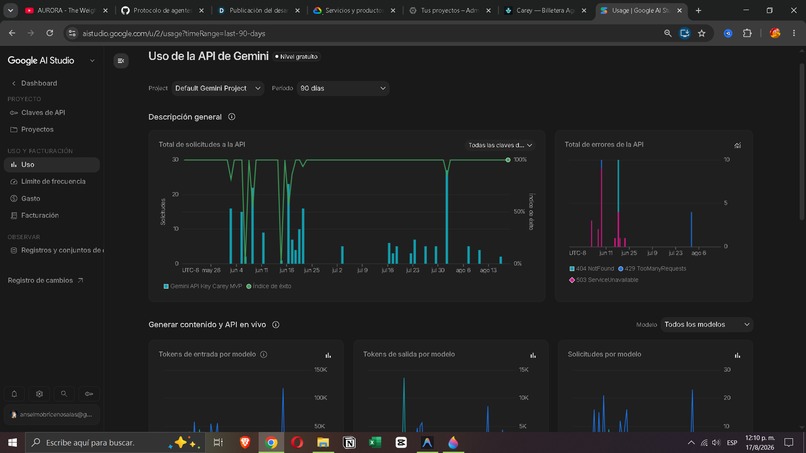
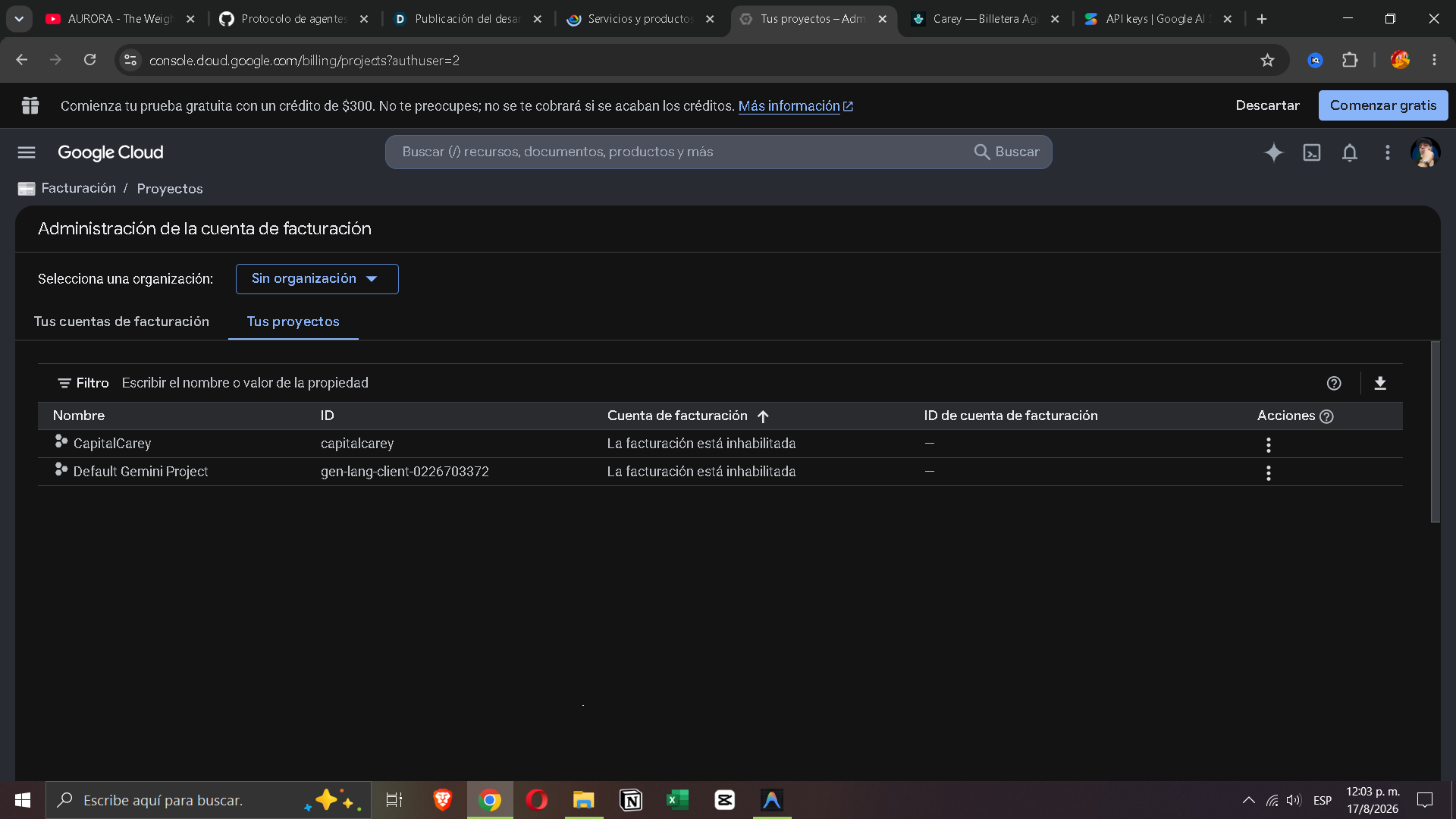
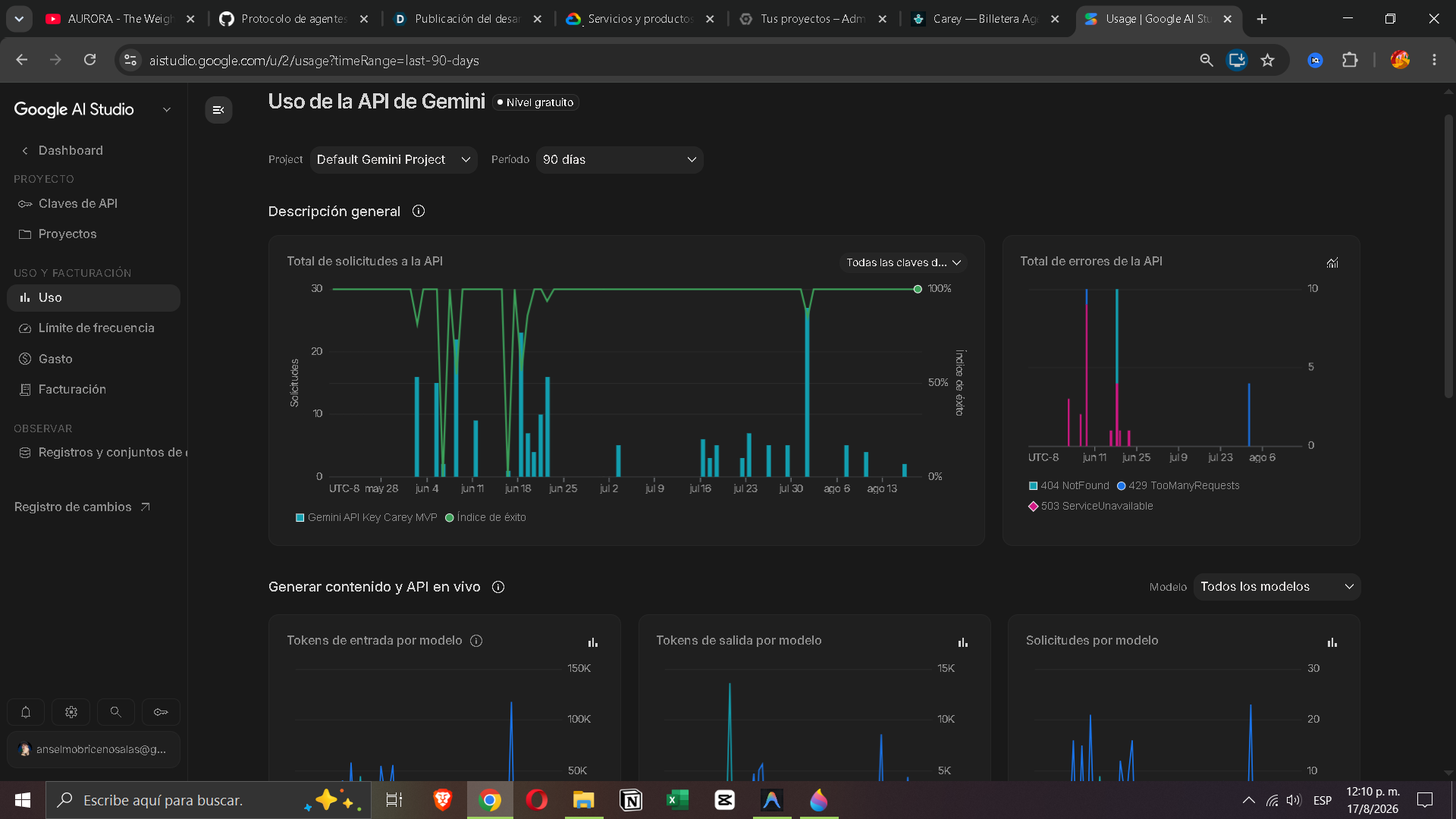
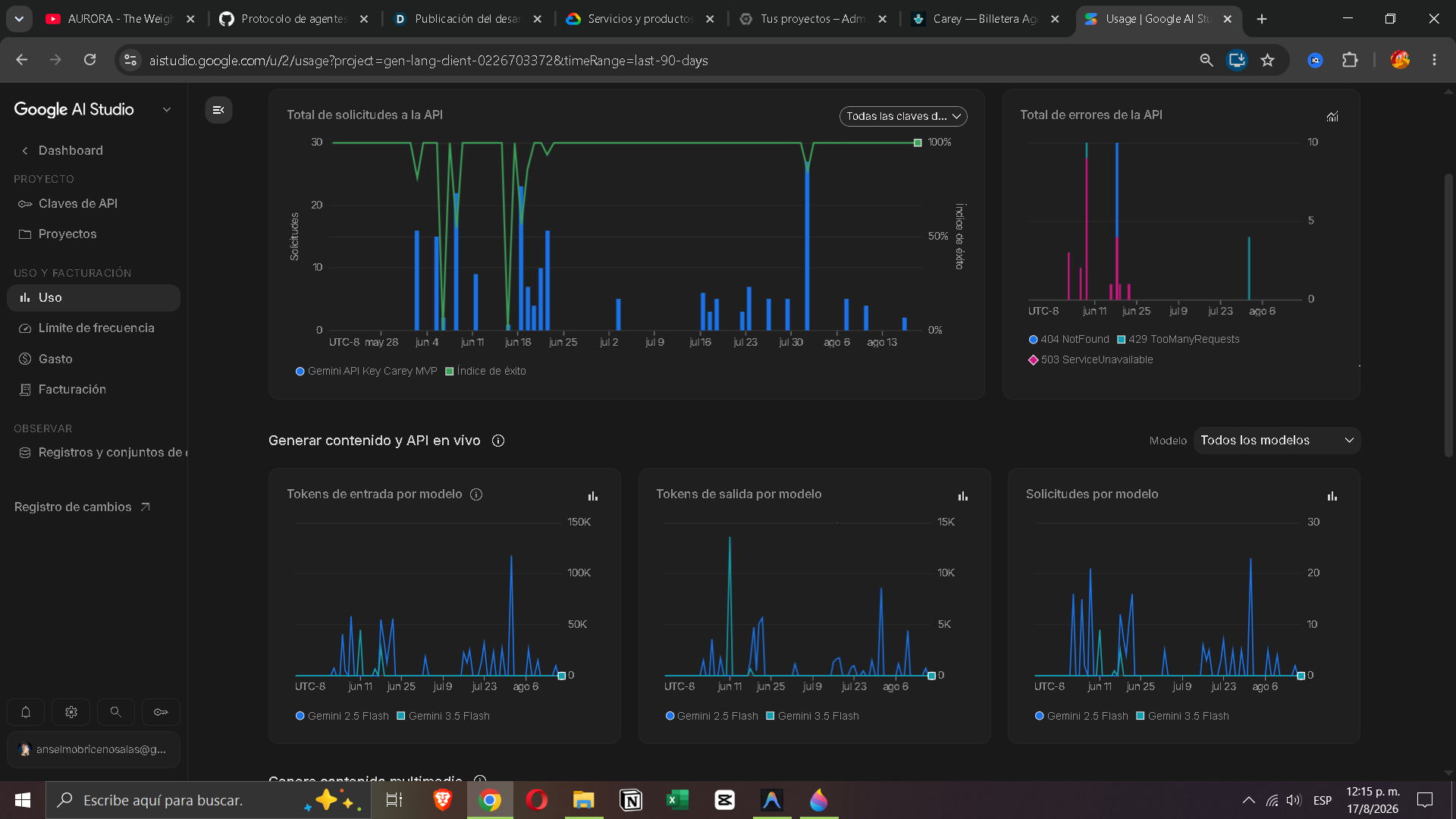
Api gemini
-
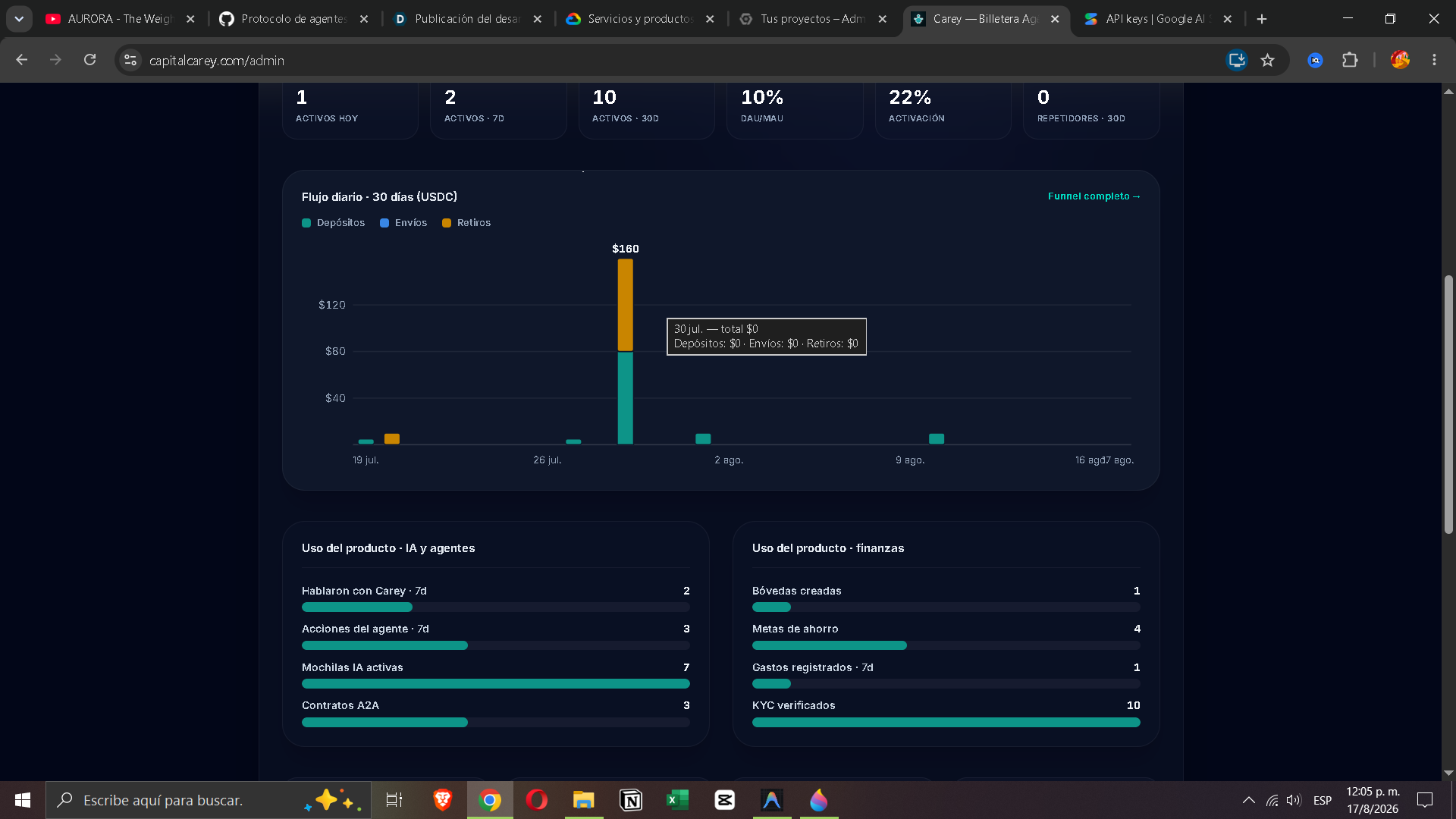
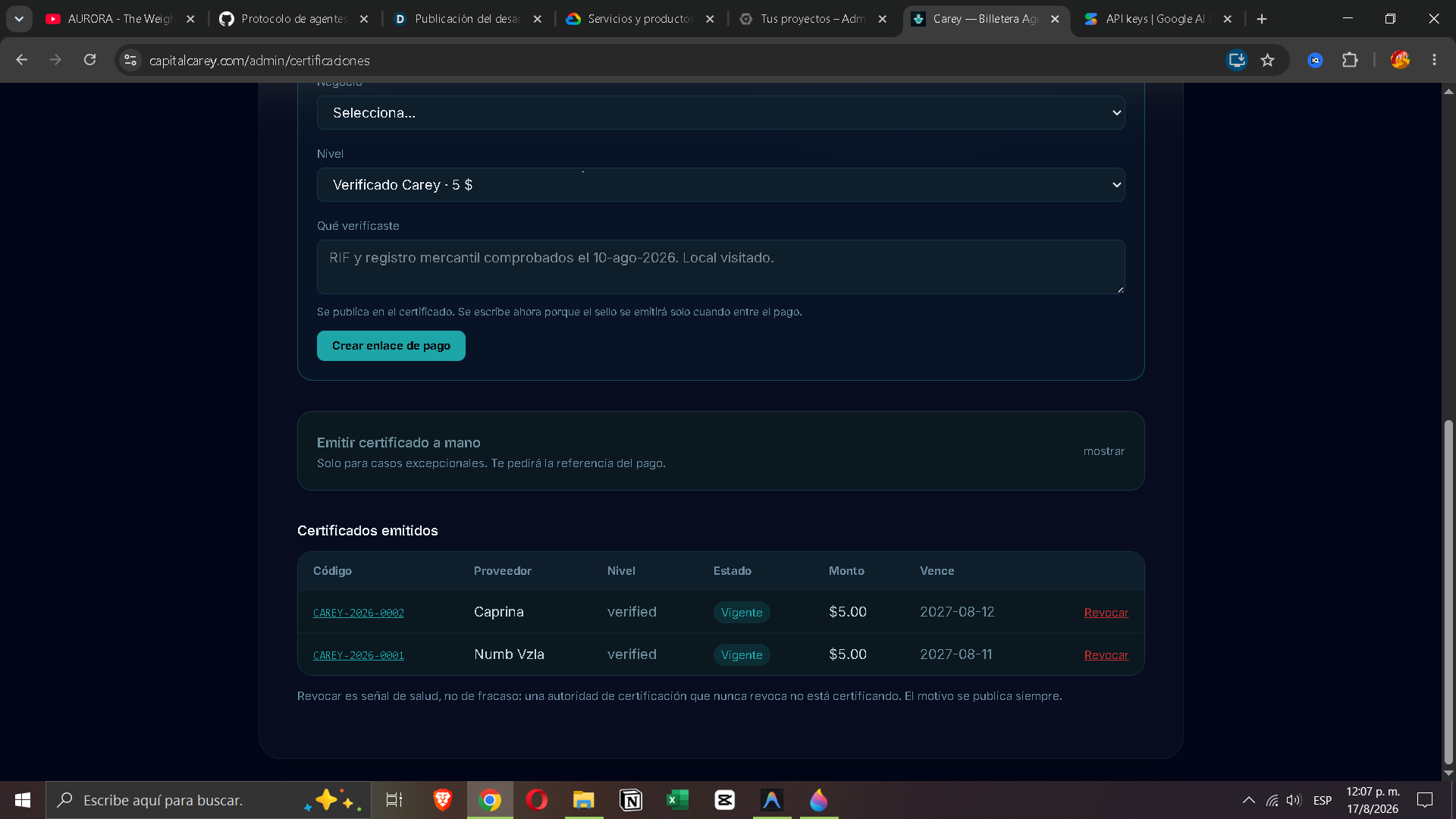
Admin 2
-
Admin
-
Testimoni 1
-
Api gemini 2
-
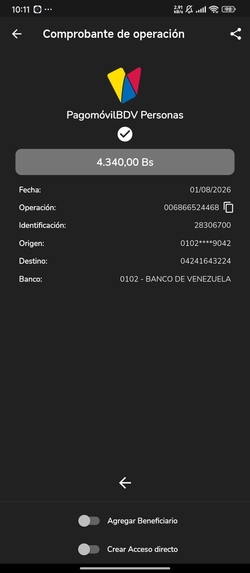
Operación de Deposito 2
-
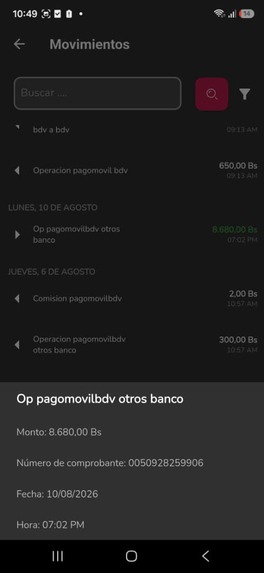
Comprobante de deposito 10$
-
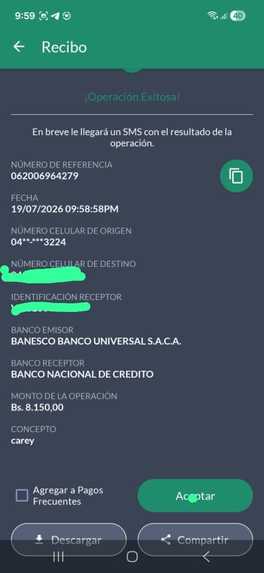
Comprobante de retiro 10$
-
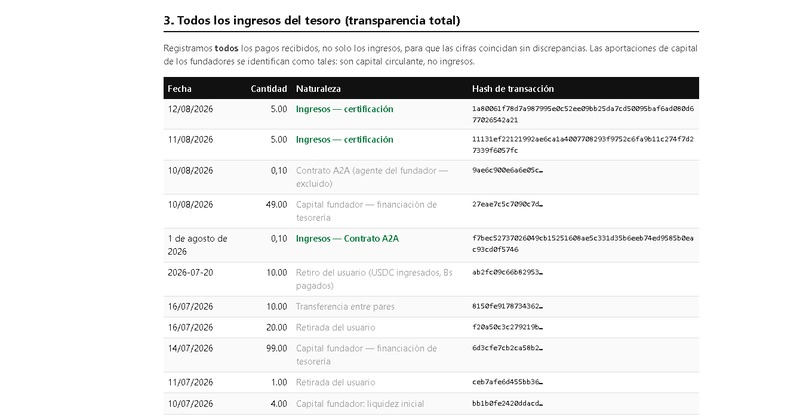
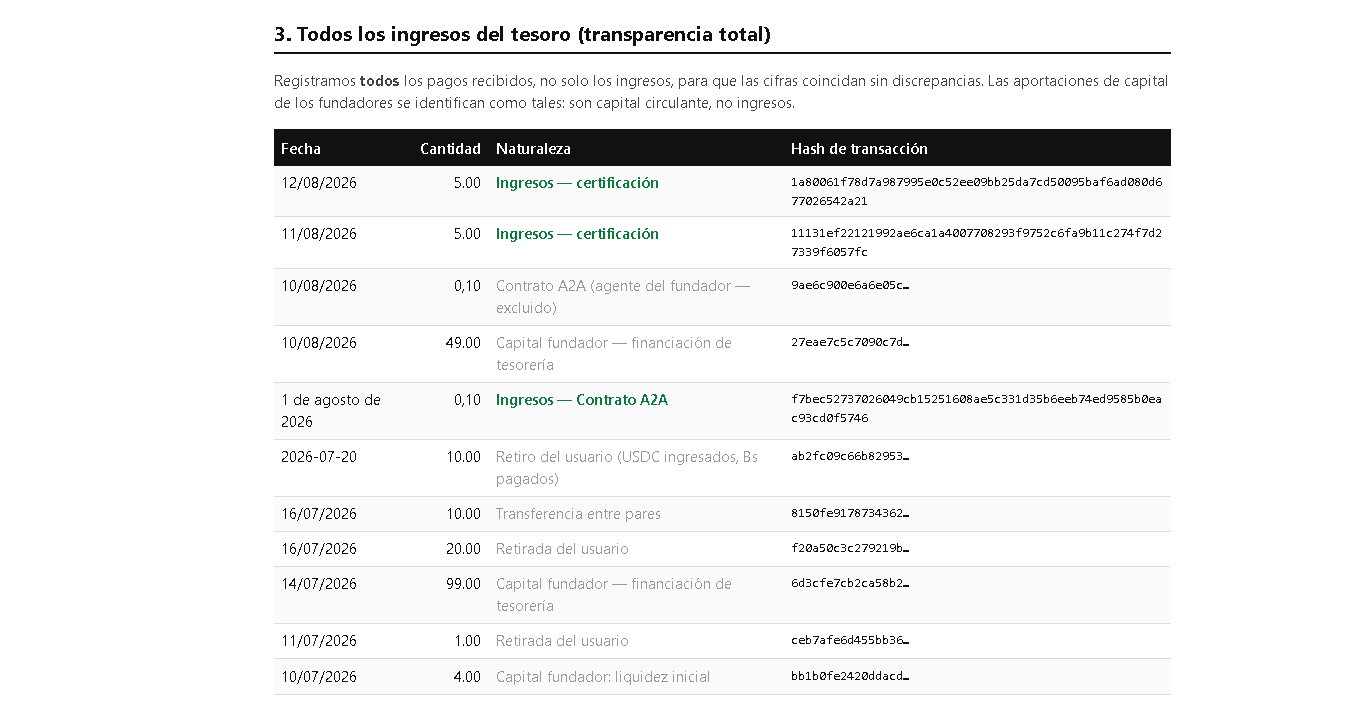
Hash tesoreria
Inspiration
Carey is an idea with many phases.
It started one day in April when all I had to eat was plain rice, listening to the news about the world's big problems. And I told myself: if I'm going to solve a problem, I have to aim at the biggest one I can. "I want to build a superapp." That was the first vision. And I started harvesting ideas.
I'm Gabriel, Venezuelan, living in Caracas. In Venezuela, moving money has always been a tedious process. My family and my friends move money through these channels every month — some lose money, others lose time.
One day I asked several friends how much they pay in fees to send money to their families. To my surprise, many told me 10 to 12%. Having some experience with blockchain, paying those fees per transaction struck me as terrifying. So I started digging.
8.7 million Venezuelans live outside the country. The remittance corridor moves between $3.5 and $4 billion a year, close to 4% of GDP. Binance, Kontigo, Zinli, Meru, Zelle and PayPal are among the most used tools, each with its own features and its own limits — and there are pockets of the market still paying 10-12% per transaction. And experts forecast the market will grow.
More than 90% of that money never passes through the formal financial system, and the valuable information is lost. In a country with wounded financial infrastructure, the data disappears: no records, no credit, but above all — no trust.
So I told myself: OK, there's an opportunity here.
Another important moment came while I was thinking about big problems, and I ran into AI and its integration into economic activity. That brings a whole world of problems with it. And I thought: whoever manages to solve that becomes something important. Becomes infrastructure.
And the days passed, and I kept harvesting ideas. Remittances. AI and the economy. What are the biggest problems right now, and what are the immediate ones? Venezuela — a country with no financial records and no credit. And I thought: if I could find a way to solve all of it, not all at once, but step by step…
Then I found out about the competition, and it blew my mind. And I said: OK, it's now or never. "I'm not in my best moment — but God, what a moment this is." May 27th, I remember it. And I started building. I had some experience using AI as a team, but I had never attempted anything like this. And that's how it all started.
So: remittances, fine. But what happens next? The money arrived — what's left behind?
And then there's the other layer. AI participating in everyday economic activity — with all its questions. How do I trust an agent? What if it's fraudulent? Is there a human behind it? What happens if it makes a mistake?
In a market where there's barely trust between humans, how is there going to be trust between humans and agents? Or between agents? Who provides that trust?
What it does
Carey is a wallet on the Stellar blockchain — a slightly peculiar one: an agentic wallet. It leverages what Stellar gives you — network fees of fractions of a cent, settlement in seconds, an immutable record — to be part of the Venezuelan remittance corridor.
It gives the user a personal financial agent, capable of taking part in commercial relationships, supporting them in managing their money, saving, and the financial health of their goals — and trading with other agents.
The agent runs on the Gemini API under a rules engine with hard limits: it proposes, but it never moves funds without a human signature via PIN, and every decision is written to an immutable audit log. It follows the IMF's framework for agentic AI payments (How Agentic AI Will Reshape Payments, April 2026).
It also has an agentic trust protocol: every agent goes through an activation process where it acquires an identity tied to its user, a trust score, and financial limits that the user decides.
But a commercial relationship needs the other side. That's where the Carey business registry comes in: a database served through an MCP that any agent can query, where we require RIF, commercial registration and other documents to certify that a business is valid and safe to trade with.
Carey is not another wallet and it is not an agent: it is the trust pre-validation infrastructure that the commerce of the future needs in order to exist.
How we built it
In 90 days, alone, with AI as a real working team — not as an assistant, but executing as CTO. Which I had to learn how to do.
I spent weeks alternating between two problems: the immediate, sector-specific one — remittances in Venezuela — and the macro one the world is presenting right now, the economy between agents. Carey exists because they are the same problem at two scales: nobody knows who to trust.
Stack: Next.js with strict TypeScript, Supabase with row-level security, Stellar mainnet for settlement, the Gemini API for the agent, Didit for KYC, and our own MCP server so other AIs can query the registry. All deployed in production, with real money.
Challenges we ran into
Everything a 25-year-old with a 2013 laptop and a $100 budget can be up against.
Venezuela's great double earthquake, which left everything in shock. Power and internet failures — fairly normal in Venezuela. Hours of trial and error with AI. The UI design took weeks of changes because nothing felt right. The logo I asked a designer for — my mother — and she didn't charge me.
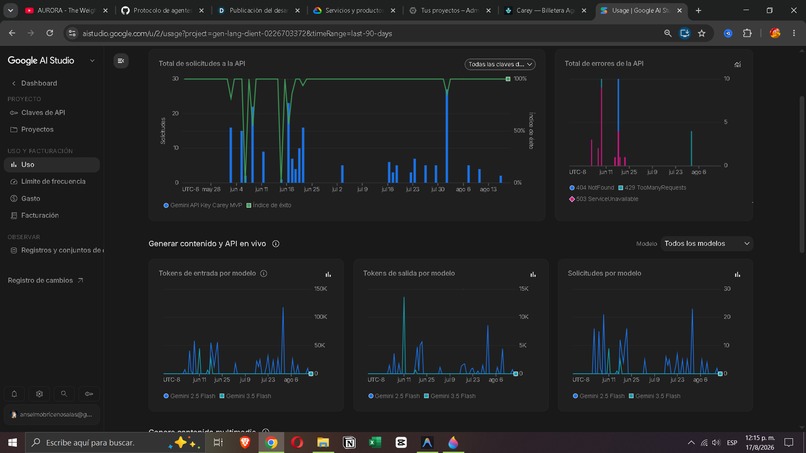
The $20 Claude plan burned through its tokens. Gemini's free tier broke an A2A contract in production: one agent hired another and the call died with a 429. The system failed safe — nothing was charged, no result was invented — but it taught us that a limit of 20 requests a day doesn't hold up under a real pilot.
The agent's microphone never worked, and it wasn't the microphone. Gemini doesn't accept WebM, and Chrome and Android only record WebM. The audio was recording fine and Gemini was rejecting it. Zero voice notes registered until we converted it to WAV in the browser.
When we opened certification to strangers, we audited the new surface and found an execution vector. The file type was being read from whatever the browser declared: you could upload an HTML file disguised as an ID document and execute it in the reviewer's browser, with their admin session open. We closed it by validating the file's real bytes before upload, and forcing download instead of rendering.
We added the concept of an AI Backpack, which has to be activated, and I had a lot of trouble with the onboarding.
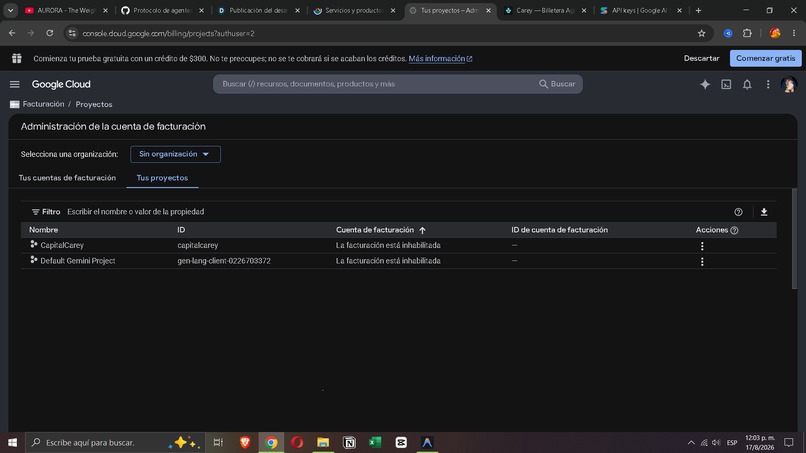
I spent months on a plan to integrate on-ramps for Carey. We tried Ramp Network; it didn't work. I wanted to use Truora for KYC — they denied me the API. I wanted to work with a foundation to help people affected by the earthquake — they denied me the API. The one I'm on now is Transak, through its free sandbox API, with a successful integration — but I didn't pass their KYB, so it isn't live in production yet.
Many security audits of the AI. Seed phrases were leaking; some things had to be rebuilt. And plenty more.
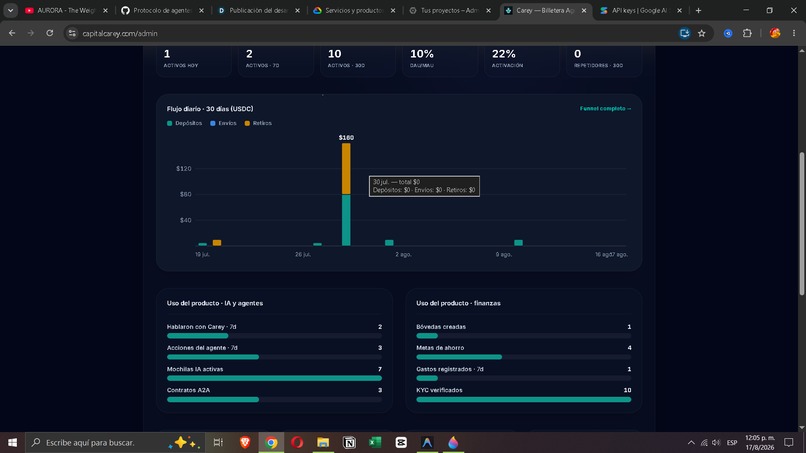
And auditing our revenue, we discovered that 96 % of July's margin was the founder's own self-dealing — me, testing the rails. It was excluded from declared revenue and documented operation by operation.
Accomplishments that we're proud of
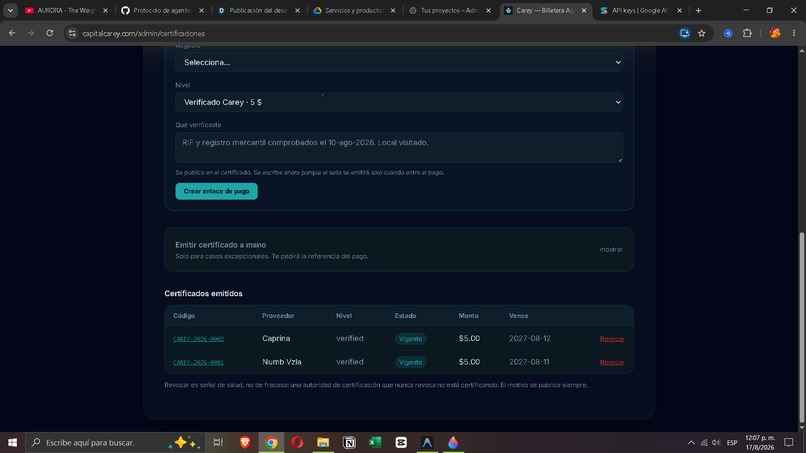
The first certification fee, collected. A merchant received the notice inside their app, entered their PIN, and 5 USDC left their wallet. The certificate was issued automatically the moment the payment was detected on-chain. It is the first time the registry has charged for what it verifies.
Carey is built to the standard the industry is converging on. In April 2026 the IMF published its framework for agentic AI payments — hard limits, mandatory human approval, full traceability — and Visa and Mastercard launched their Know Your Agent programs that same quarter. Carey implements all four, in production: a rules engine with hard per-transaction and monthly ceilings, PIN signing on every movement of funds, an immutable audit log of every agent decision, and a registered agent identity. The alignment is documented pillar by pillar in our compliance file, not claimed in a slide.
And an MCP server in production that any AI in the world can query today to find verified businesses and validate certificates.
What we learned
That a mistake isn't discovered when you make it, but twenty moves later — something I learned playing chess, and the reason the system has hard limits and an audit trail on every decision.
That declaring your limits before anyone asks builds more trust than hiding them. Every figure in this project is audited against the database, including the ones that make us look worse.
And that a solo founder today can execute like a team of five, if they know how to direct AI agents. This product is the proof.
What's next for Carey
An external security audit, before anything else. Carey is a wallet. Driving volume without being certain that everything is sound would be irresponsible, so I deliberately stopped growth until an outside firm has reviewed it. Nothing scales before that.
Then volume, not construction. The machinery works end to end — what's left is using it. That means automating the last manual leg, the USDC→Bs exchange, which I still do by hand; taking the registry to critical mass; and formalizing the company so we can partner with on-ramps like Transak and MoneyGram.
And making the protocol bidirectional. Today any AI can query our registry. The next step is for an agent to prove its own identity and track record to another agent, without exposing its owner. That's where commerce between agents stops needing intermediaries.
Built With
- gemini-api
- google-gemini
- model-context-protocol
- next.js
- postgresql
- react
- stellar
- supabase
- tailwind-css
- transak
- typescript
- usdc
- vercel

Log in or sign up for Devpost to join the conversation.