-
-
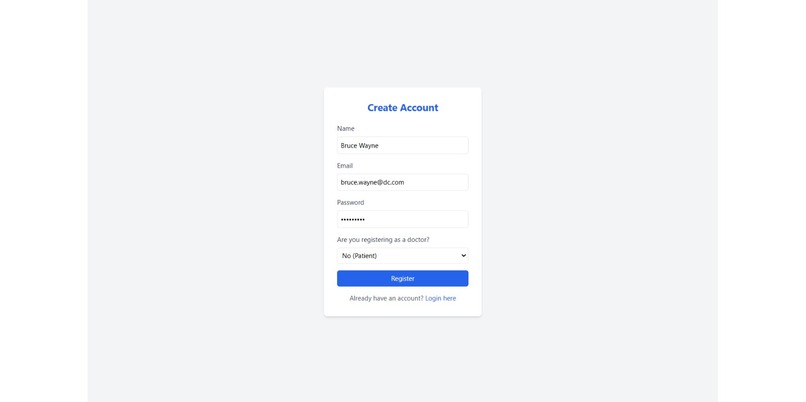
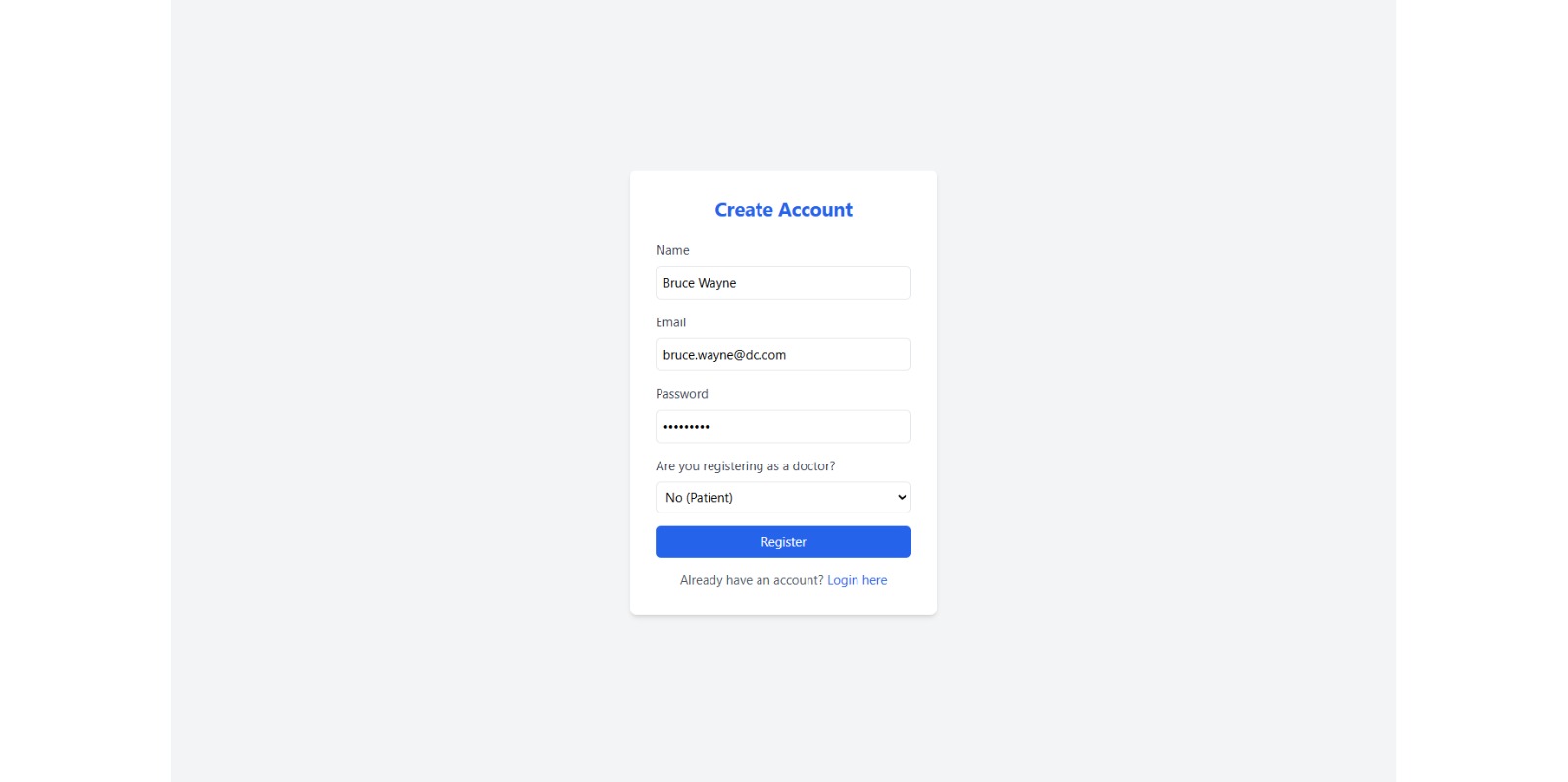
Create Account page
-
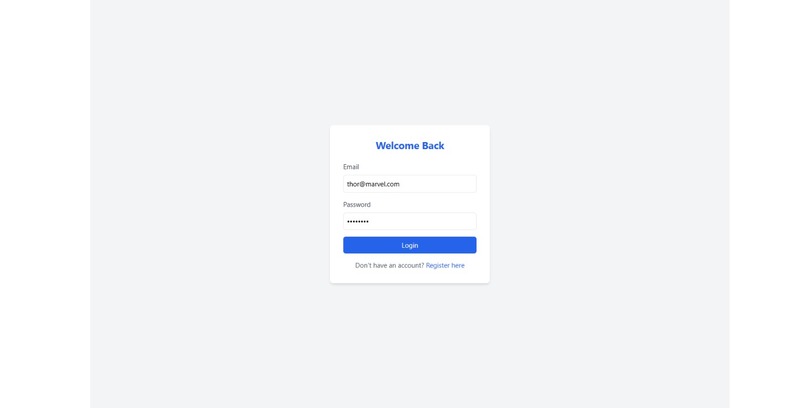
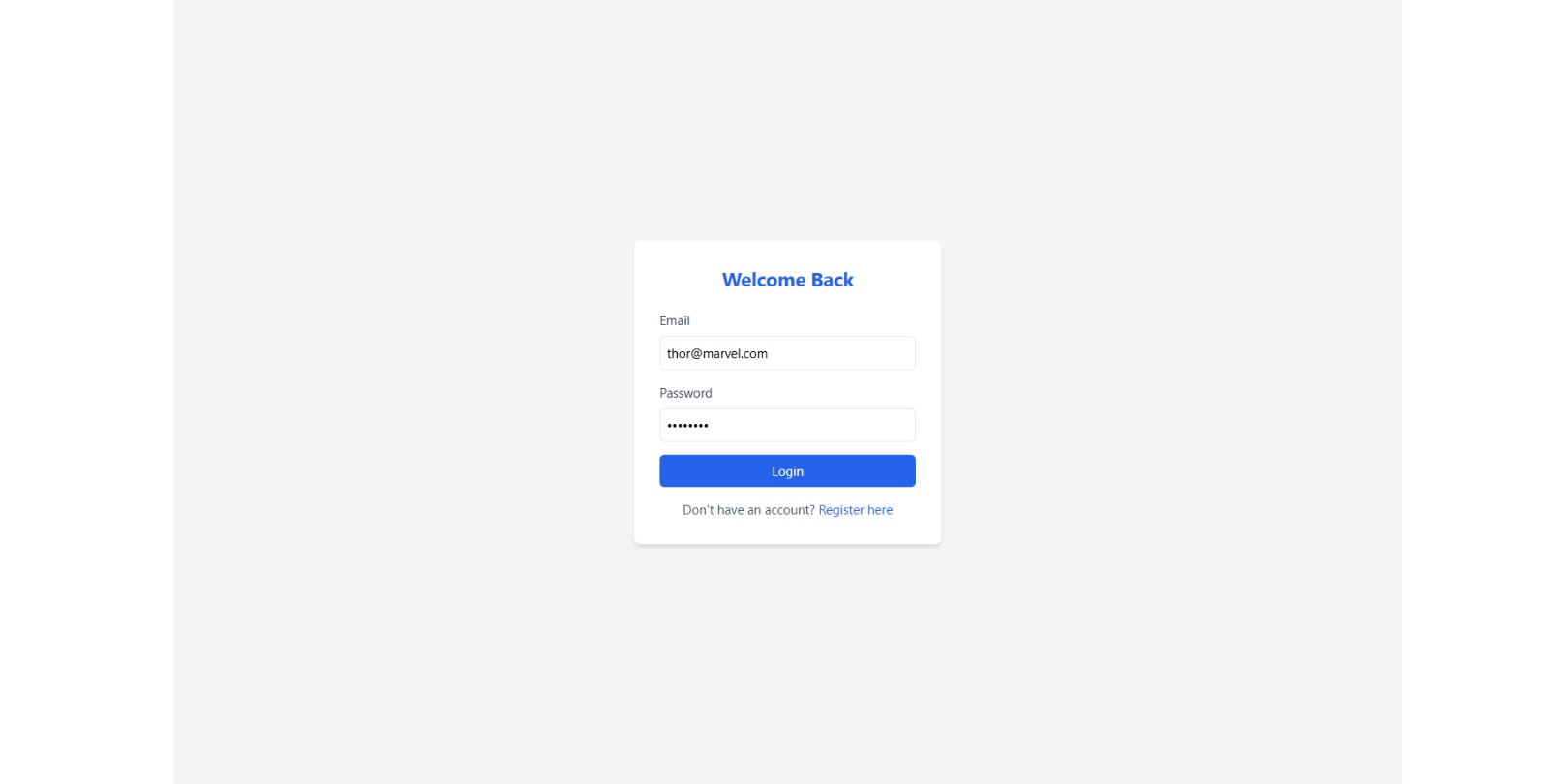
Login page
-
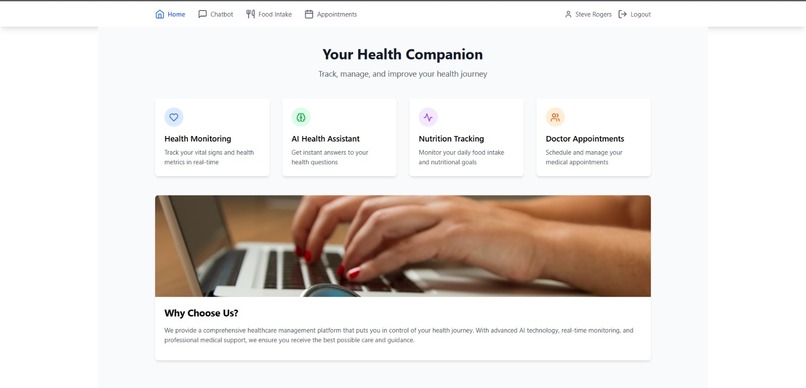
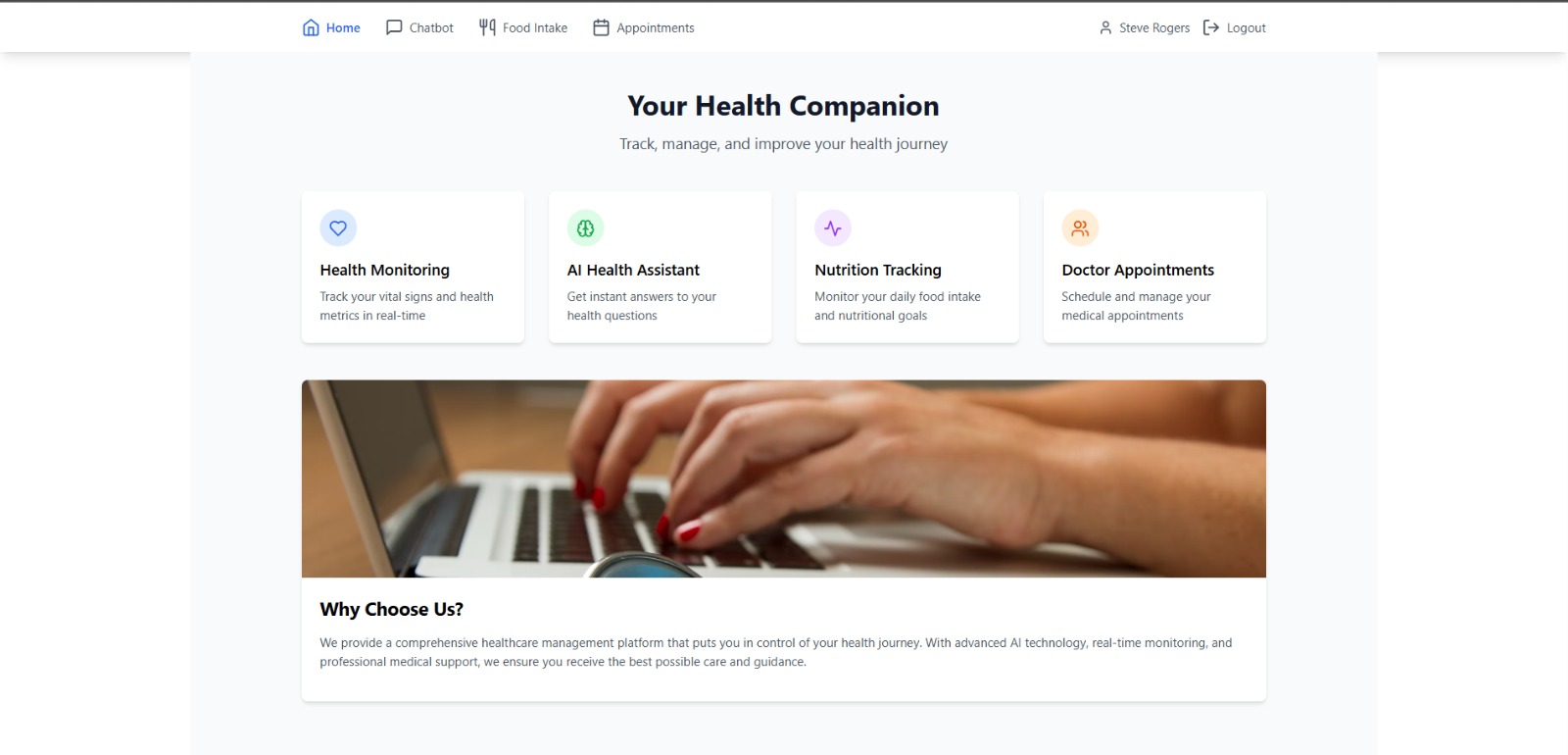
Home Page
-
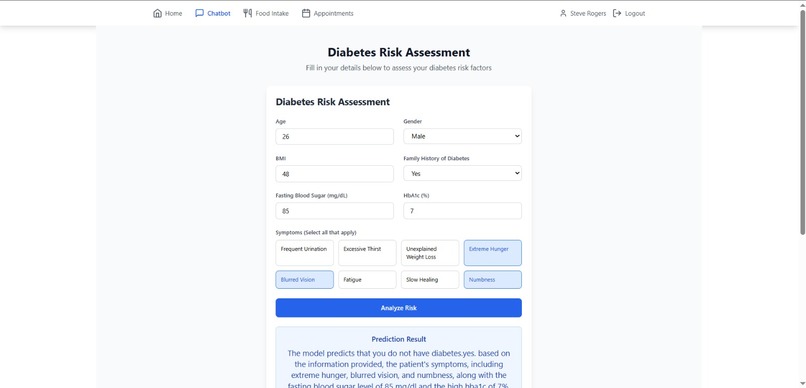
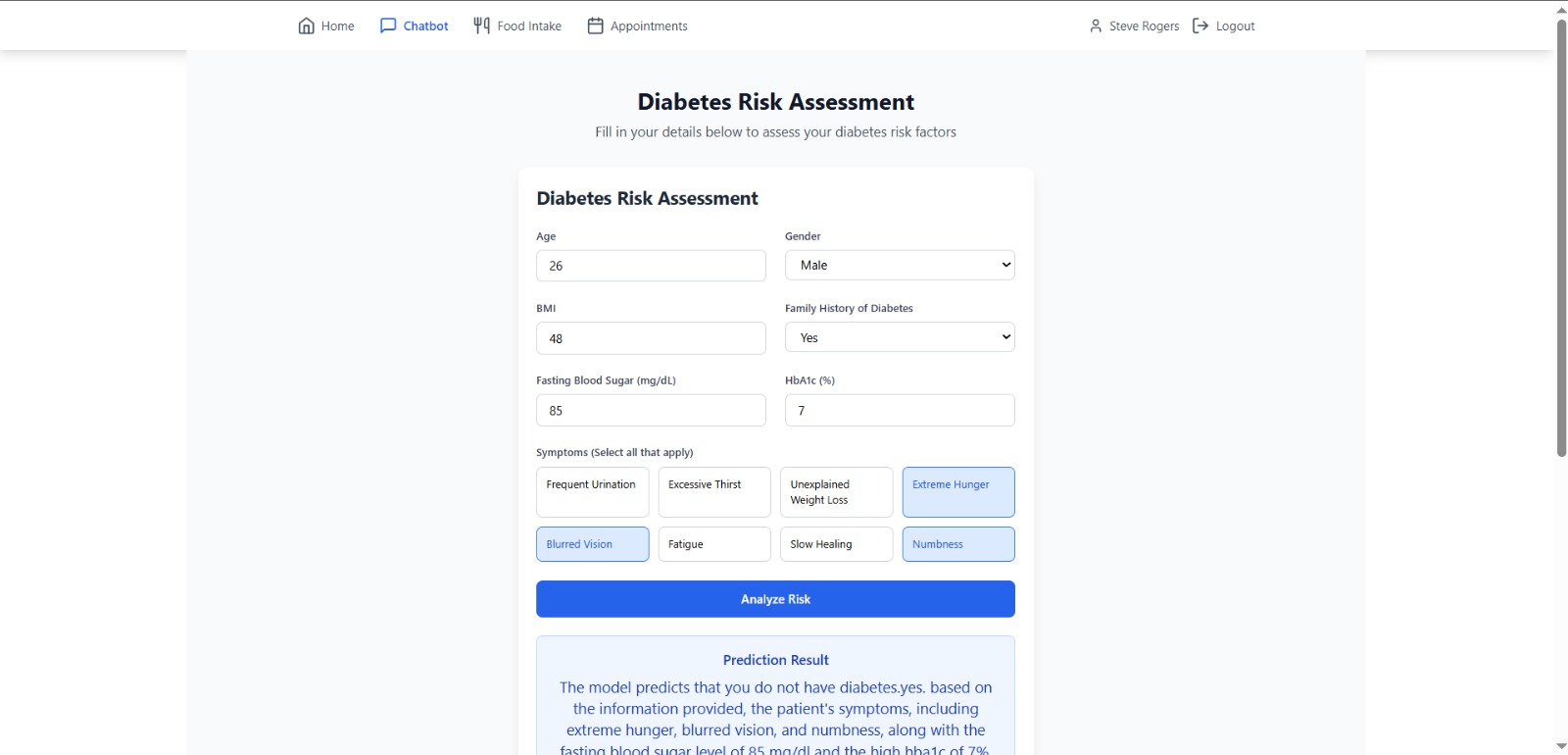
Diabetes Assessment Form
-
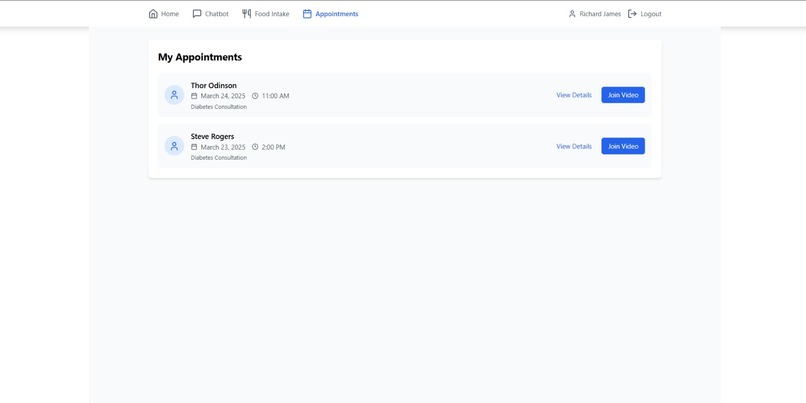
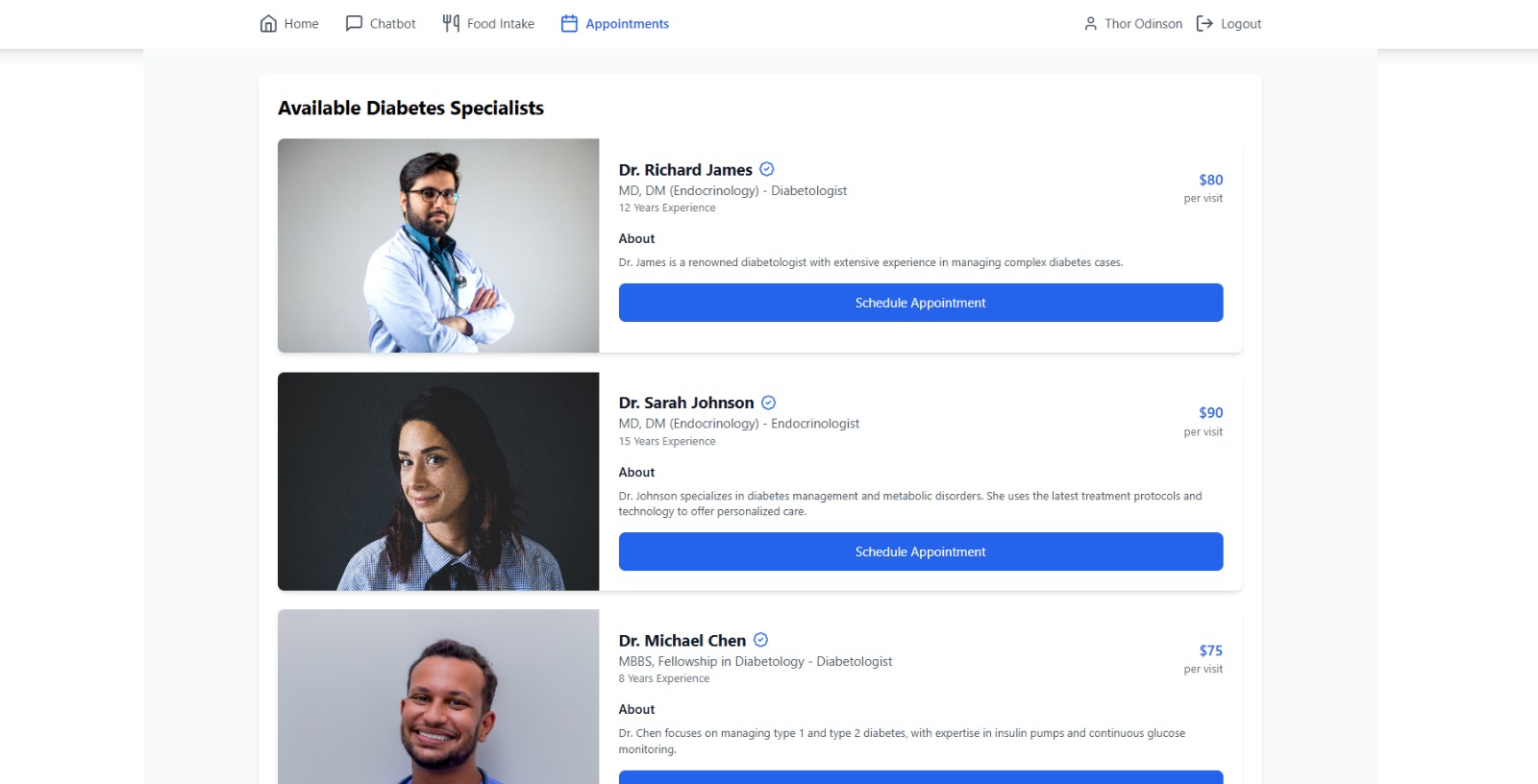
Doctor Appointments Page
-
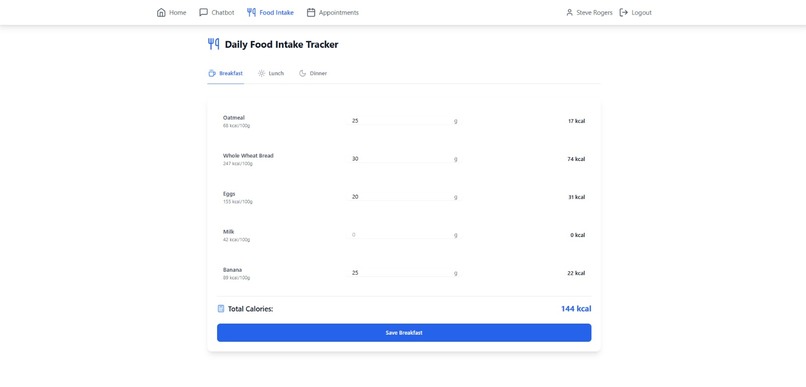
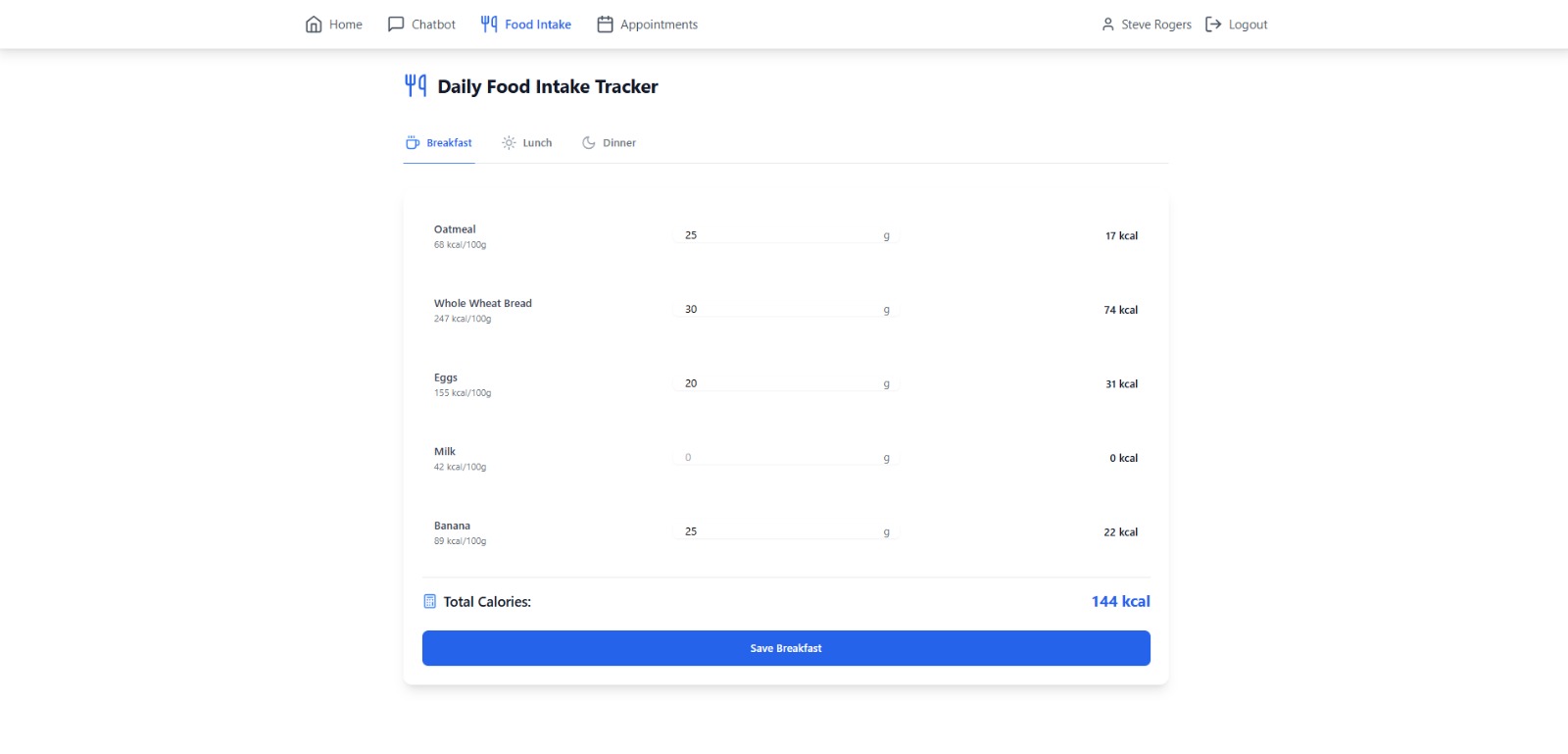
Food Intake
-
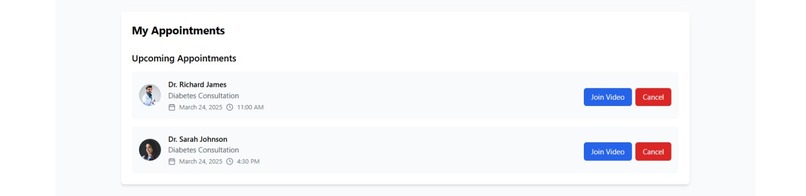
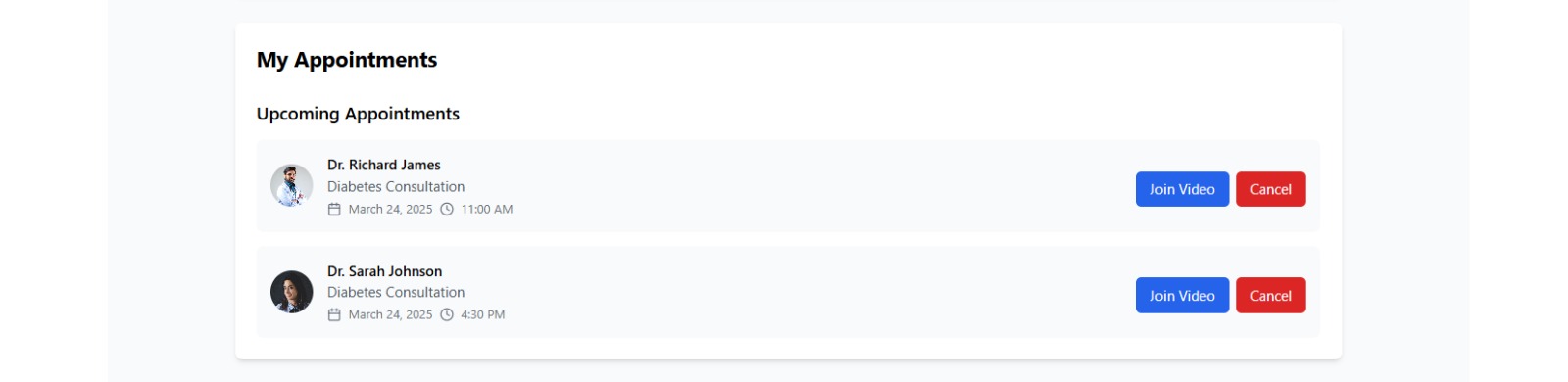
Patients Appointments Info
-
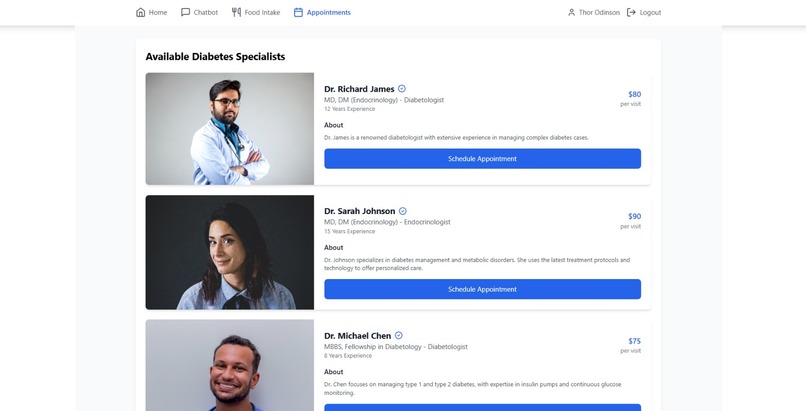
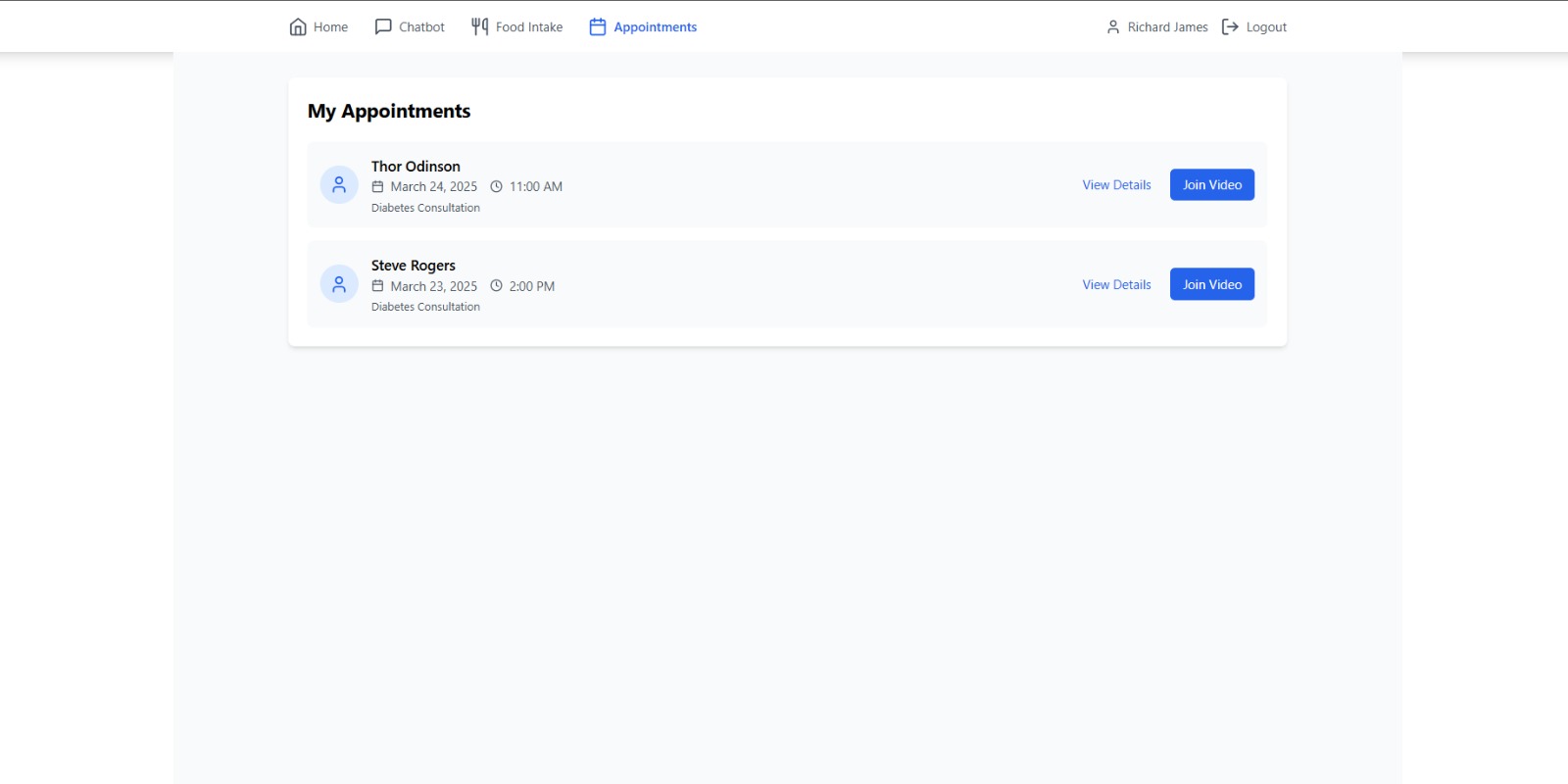
Patients Appointments Page
-
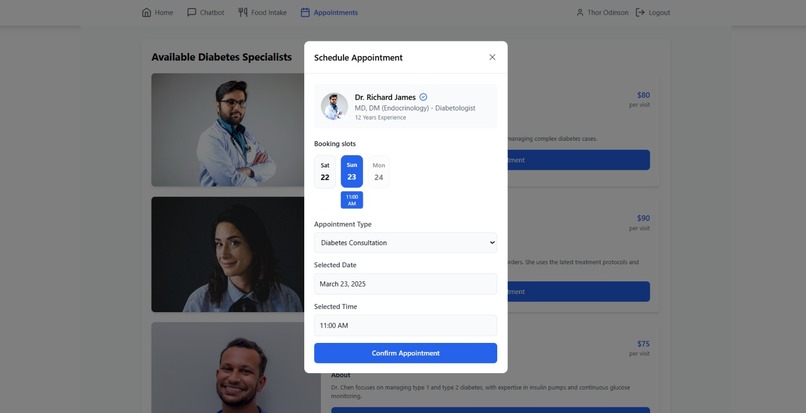
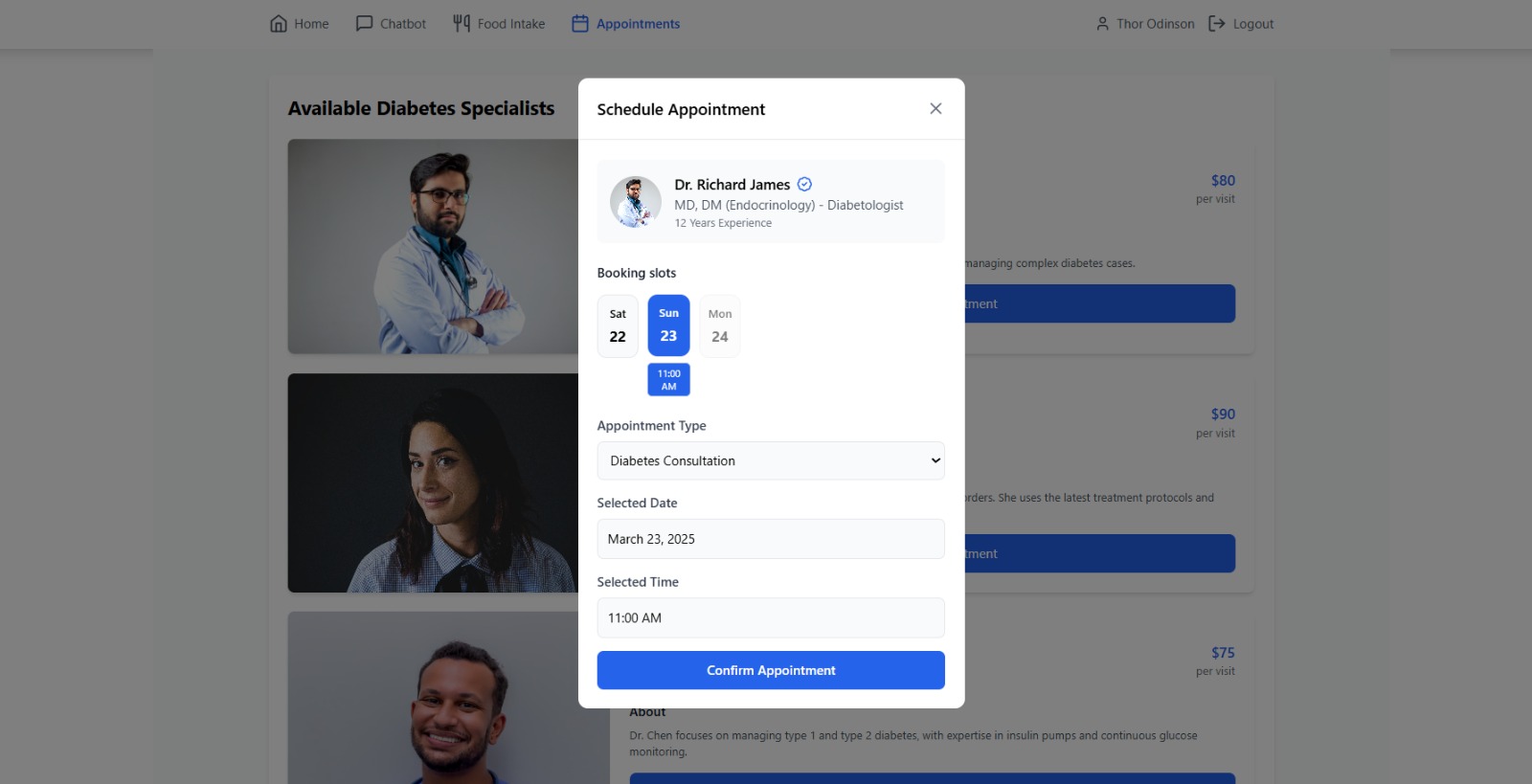
Patients Appointment Boooking Calendar
-
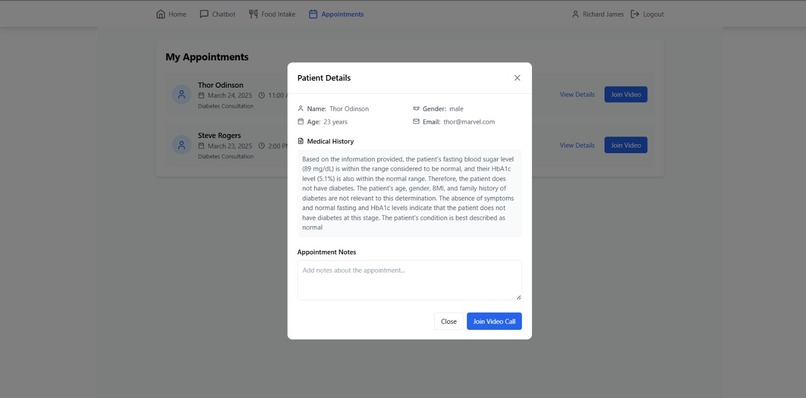
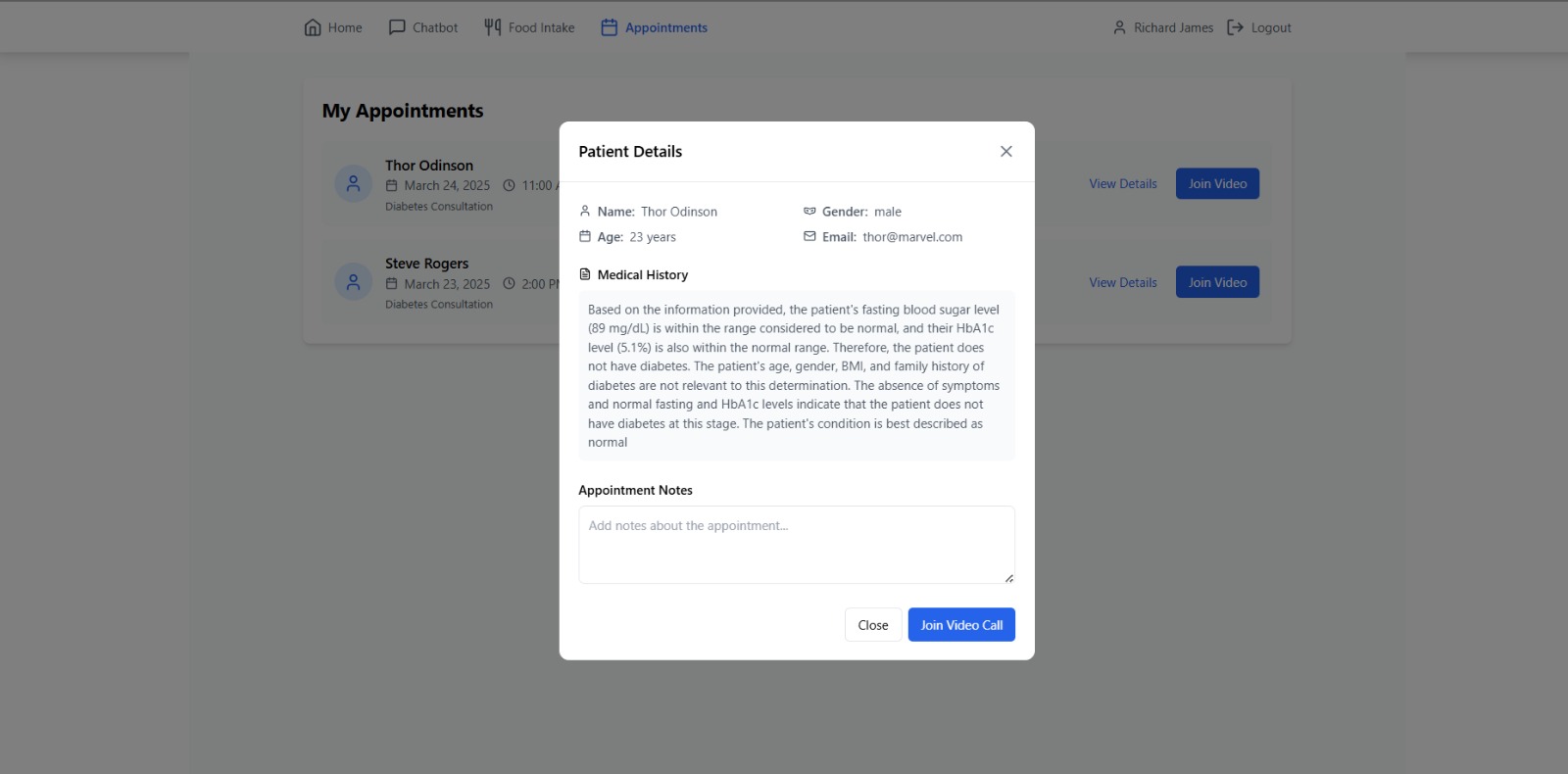
Patients Info In Doctor's Appointment
Inspiration
In today's fast-paced world, lifestyle diseases like diabetes are rapidly becoming alarmingly common. What most caught our attention was the sheer number of people who cannot recognize early warning signs or make healthy decisions before things become too late. That's what gave birth to the idea behind CareSync—a smart, user-friendly platform that bridges that gap. Our vision wasn’t just to create another health app, but rather build a smart companion that makes you the owner of your well-being by identifying health problems early on, providing preventive interventions, and offering you personalized nutritional analysis—all in one spot.
CareSync is driven by the belief that the right information at the right time has the power to change lives. By unlocking the potential of AI, we set out on the mission to go beyond symptom checkers and provide a proactive health management platform that encourages healthier living from the start
What it does
CareSync is a comprehensive AI-powered health monitoring platform that evaluates user health data to determine the possibility of diabetes using an LLM (Diabetica), and provides personalized recommendations based on the outcome.
If the user is at risk of diabetes → Suggests booking a doctor appointment.
If the user is not at risk → Encourages logging dietary intake, followed by nutritional analysis and diet suggestions.
Offers interactive charts to help users visualize their food consumption patterns.
Includes a Doctor Appointment System with a calendar-based UI and notification services for both patients and doctors.
How I built it
The system is architected with modular components and modern technologies for scalability and responsiveness:
Frontend: Built using ReactJS, providing an intuitive and dynamic user interface for patients and doctors.
Backend: Developed using Flask (Python), serving RESTful APIs to handle health data processing, appointment booking, and nutrition analysis.
LLM Integration: Used Transformers and custom-trained LLM (Diabetica) to analyze patient information and predict diabetes risk.
Database: Implemented MongoDB to manage structured and semi-structured health data efficiently.
Challenges I ran into
Integrating a transformer-based LLM with a Flask backend while maintaining low latency for real-time predictions.
Ensuring the prediction output remains medically reliable and interpretable for users.
Building a calendar-appointment system with synchronization for doctors and patients.
Creating a meaningful dietary analysis algorithm that translates raw food input into actionable insights.
Designing user flows based on dynamic prediction outcomes, making the UI both intelligent and user-friendly.
Accomplishments that I'm proud of
Successfully integrated a custom LLM model (Diabetica) for real-time diabetes prediction using natural language.
Designed a seamless end-to-end health workflow, from condition detection to lifestyle correction.
Developed a fully responsive and intuitive frontend with data visualization.
Created a dual-interface appointment system (for both doctors and patients), enhancing usability and adoption.
What I learned
Deepened understanding of LLM integration into practical healthcare applications.
Gained valuable experience in building real-time AI-powered web systems.
Learned how to handle user-centric conditional workflows based on model predictions.
Strengthened expertise in frontend-backend synchronization, state management.
What's next for careSync
Expand LLM capabilities to predict other health conditions.
Implement multi-language support to make the system globally accessible.
Add telehealth video consultation features for doctor-patient communication.
Enable diet suggestion automation using a nutrition database API.
Containerization: Leveraged Docker to create lightweight, scalable, and portable application containers.
Built a modular, scalable, and Dockerized architecture that can be deployed and expanded easily.

Log in or sign up for Devpost to join the conversation.