-
-
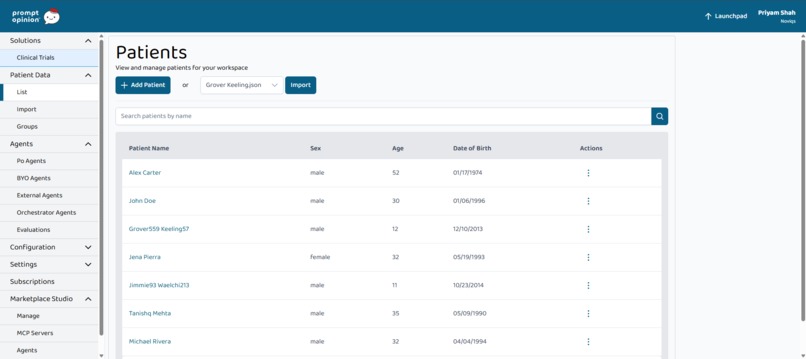
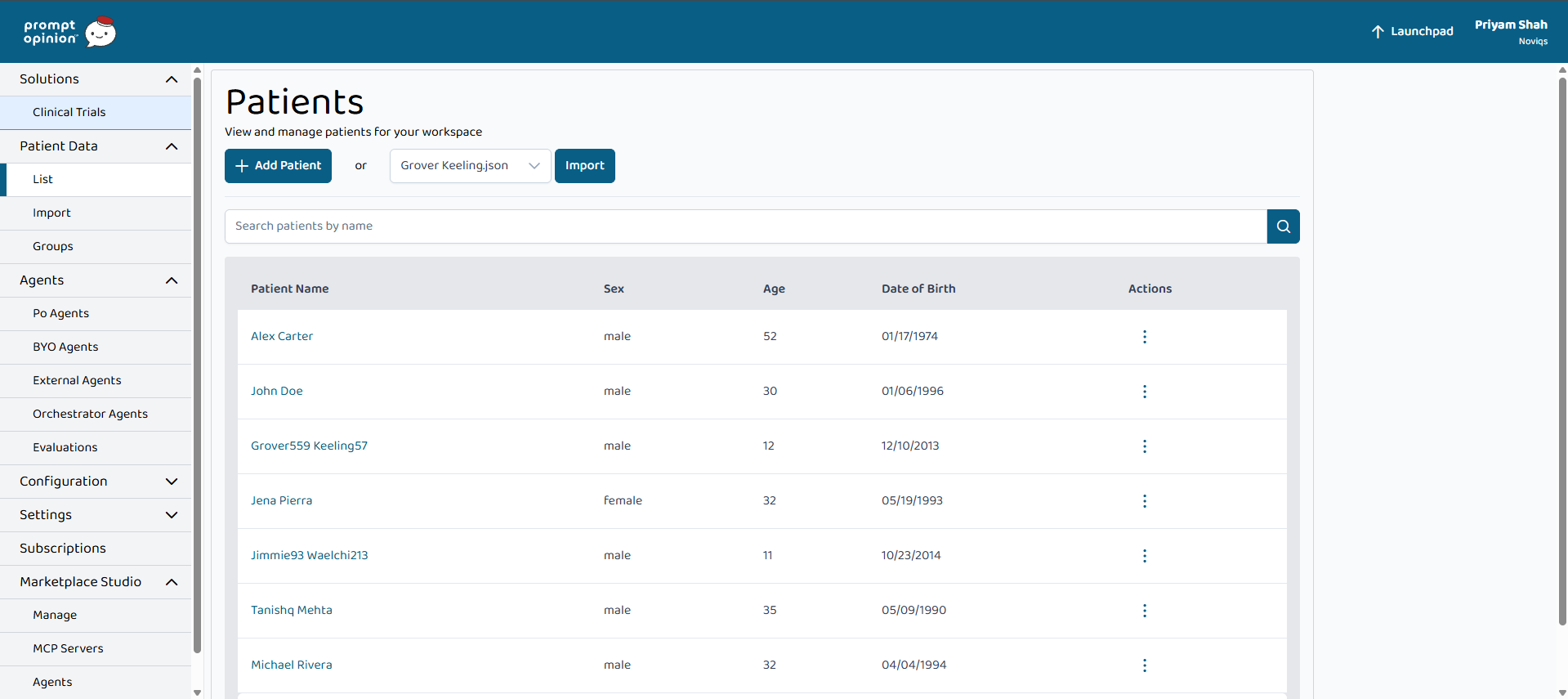
synthetic_patients
-
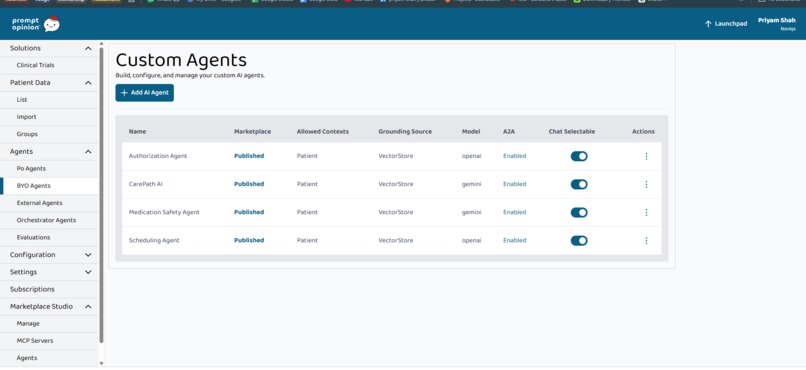
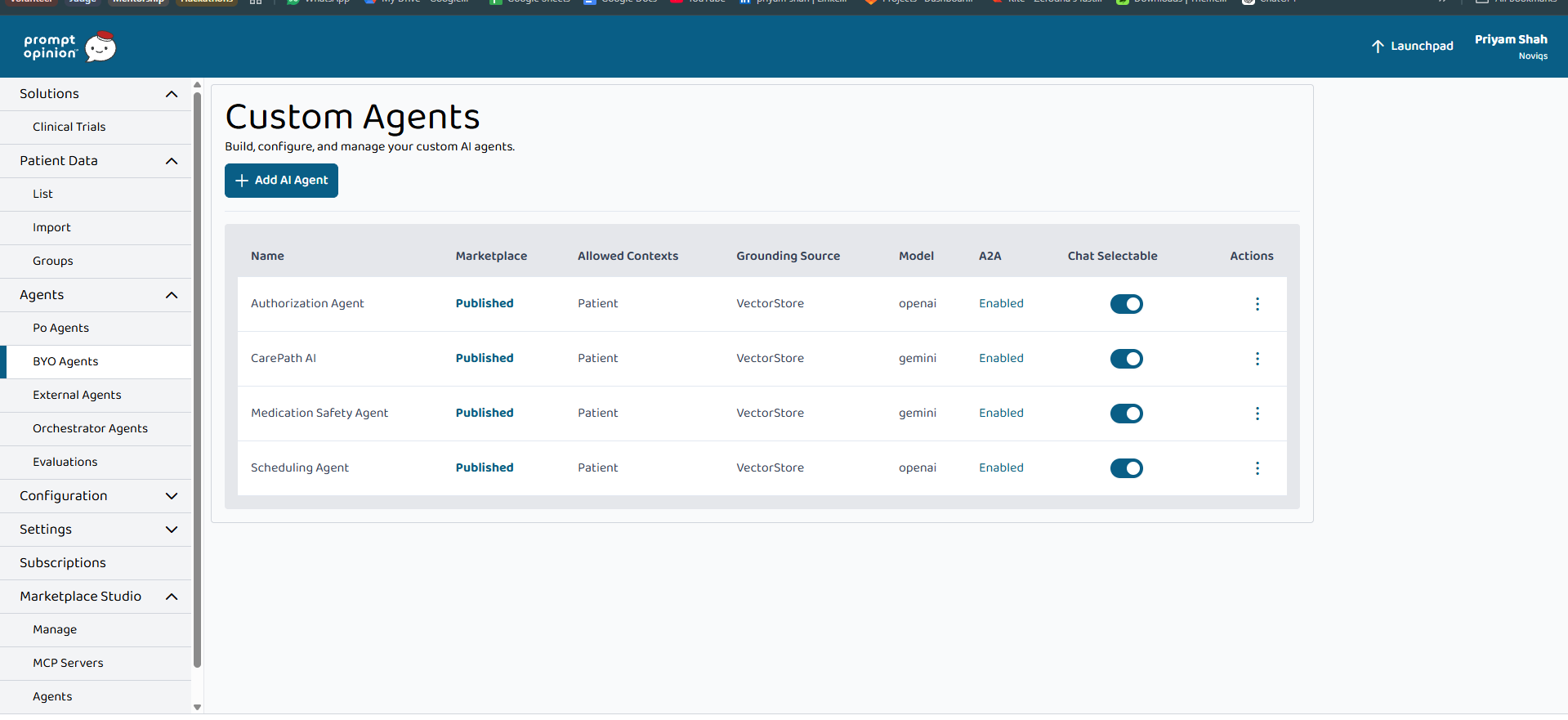
BYOA
-
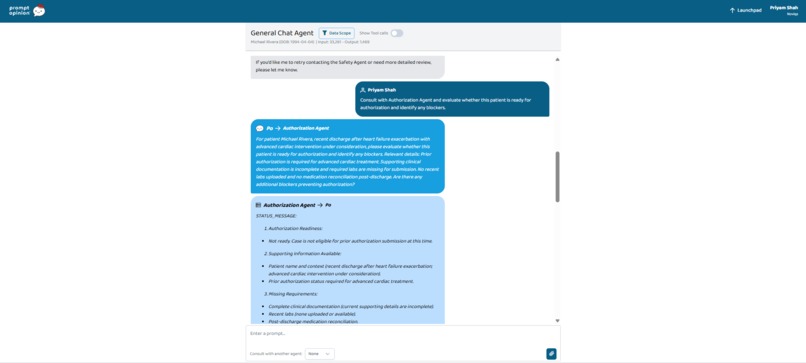
chat_screen
-
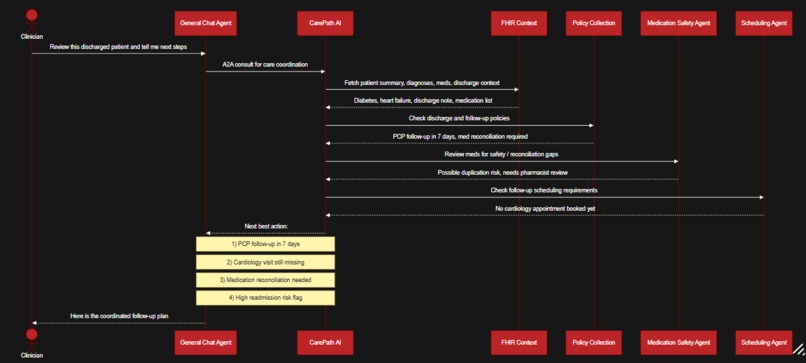
Post-discharge follow-up coordination
-
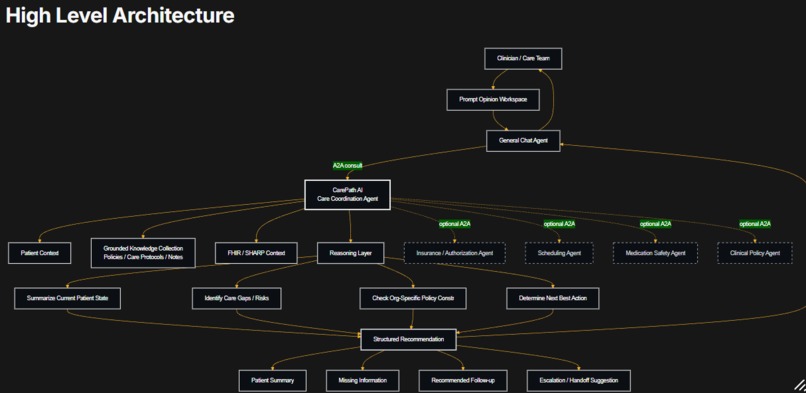
Architecture
-
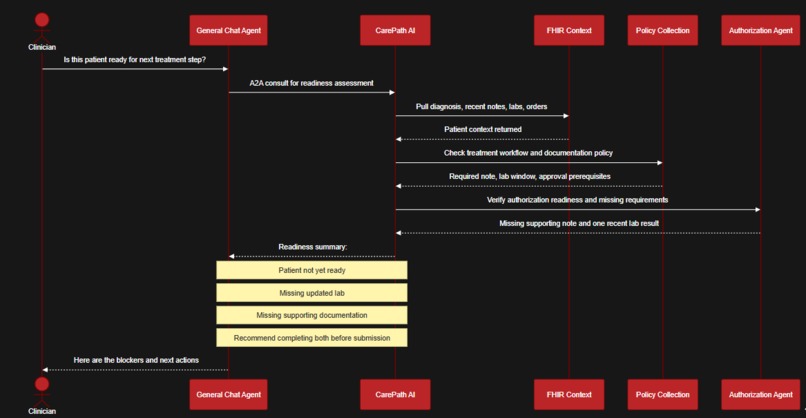
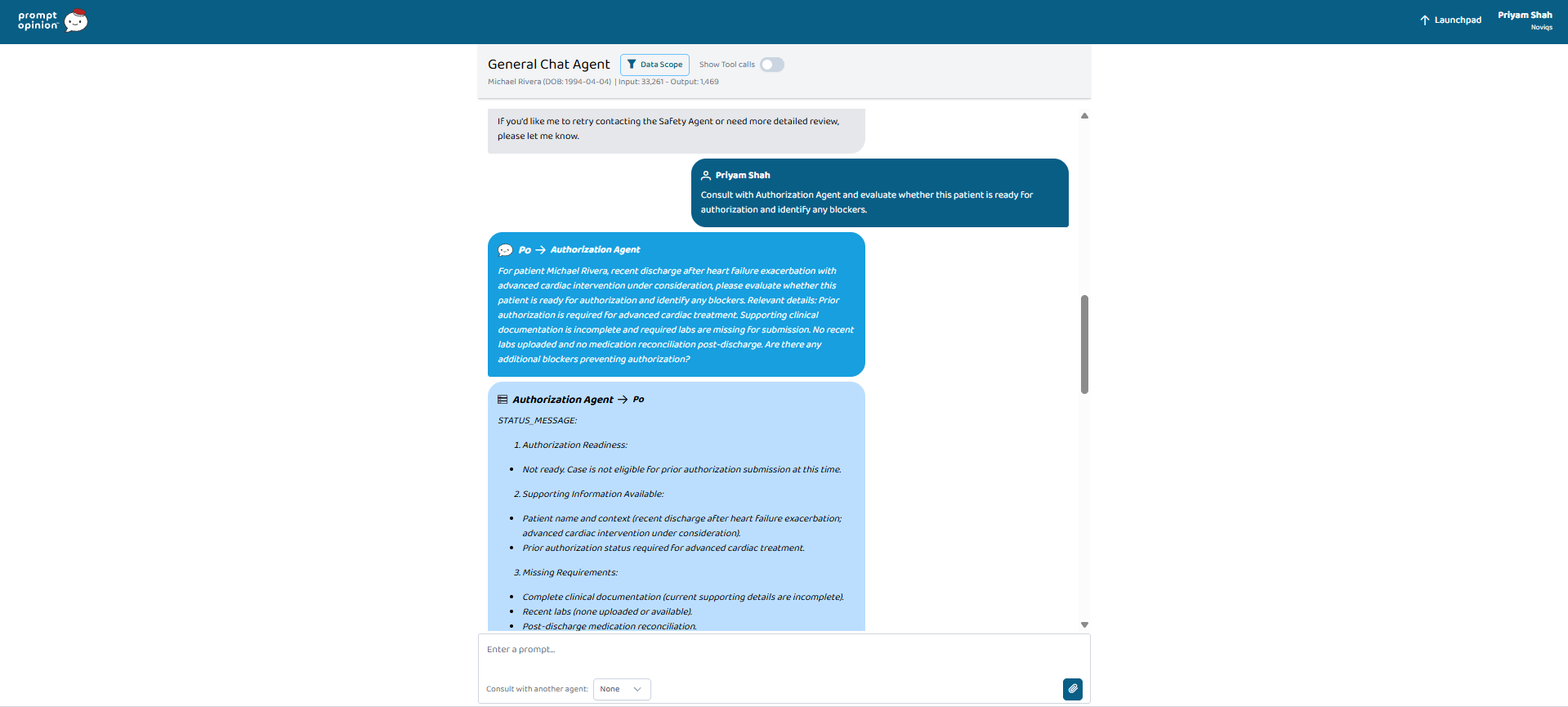
Prior authorization / treatment readiness workflow
Inspiration
Care coordination today is fragmented, manual, and reactive. Clinicians spend significant time navigating scattered patient data instead of focusing on care. We wanted to build an AI system that proactively understands patient context and drives next-best actions in real time.
What it does
CarePath AI analyzes patient data and documents to:
- Summarize patient state
- Identify care gaps and risks
- Recommend next-best actions
- Support workflows like follow-ups, medication safety, and prior authorization
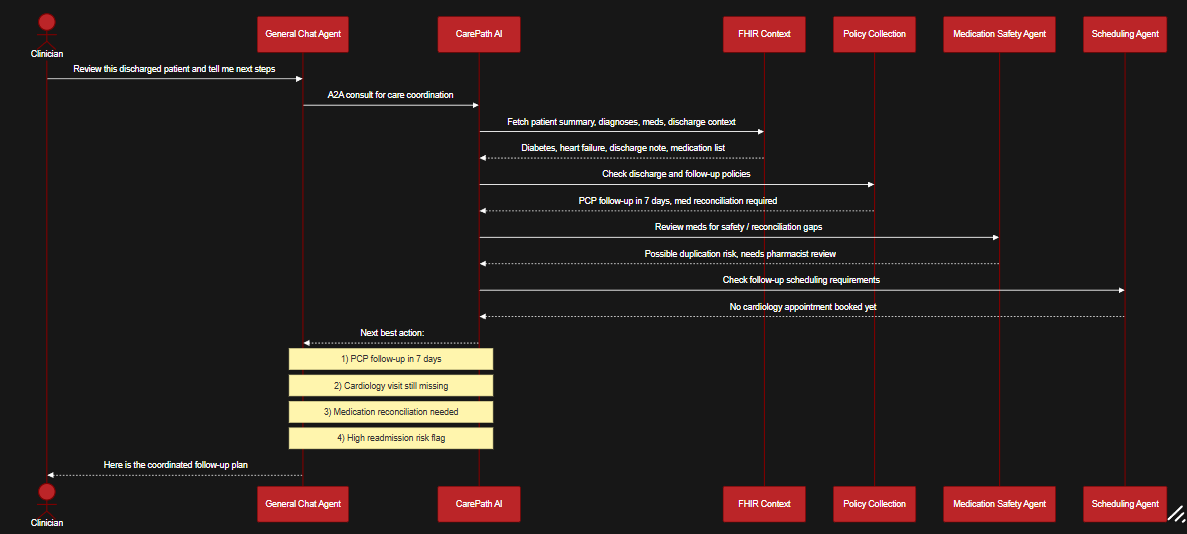
1) Use case 1: Post-discharge follow-up coordination
A patient with diabetes and heart failure is discharged after hospitalization. The care team needs to know:
- what follow-up is needed
- whether anything is missing
- whether the patient is high risk for readmission
- what should happen next Instead of manually checking notes, policies, and scheduling steps, the clinician asks the general agent, which consults CarePath AI. CarePath AI reviews patient context, checks organizational discharge policy, identifies missing follow-up items, and coordinates with scheduling and medication review agents before returning a recommended next-step plan. CarePath AI helps discharge teams turn fragmented patient context into a clear, policy-aware follow-up plan.
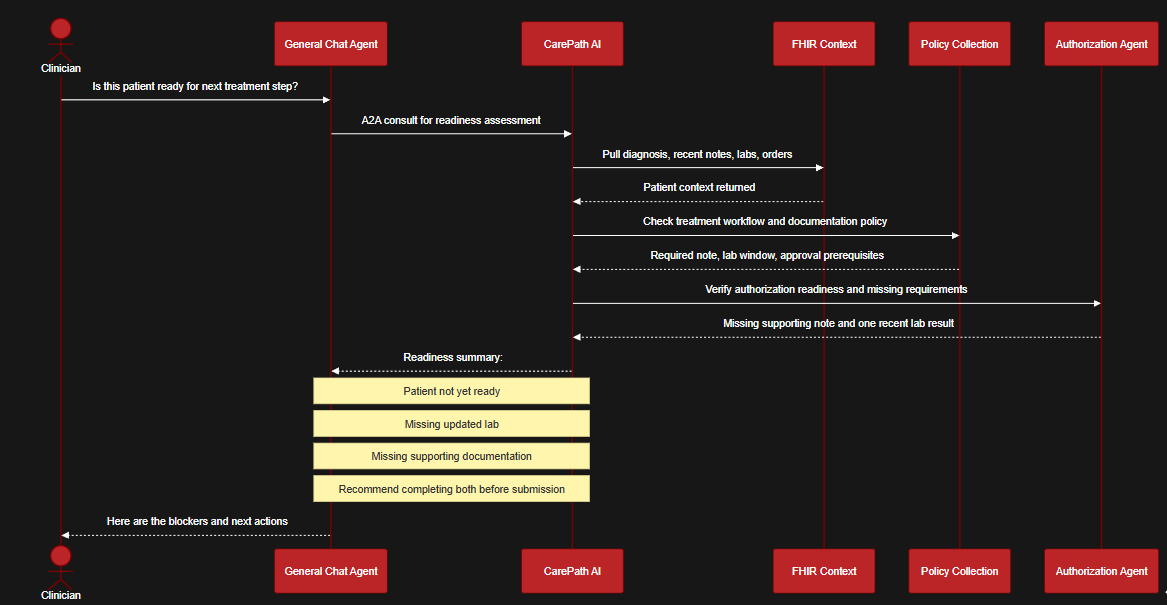
2) Use case 2: Prior authorization / treatment readiness workflow
A clinician wants to move forward with a treatment plan, but delays often happen because required documentation, policy checks, or payer-related steps are incomplete. The clinician asks the general agent whether the patient is ready for the next treatment step. The general agent consults CarePath AI, which reviews the patient context, checks internal treatment policy, and collaborates with an authorization-focused agent to identify blockers before the team proceeds. CarePath AI helps teams identify treatment blockers early so the next step can happen faster and with fewer delays.
How we built it
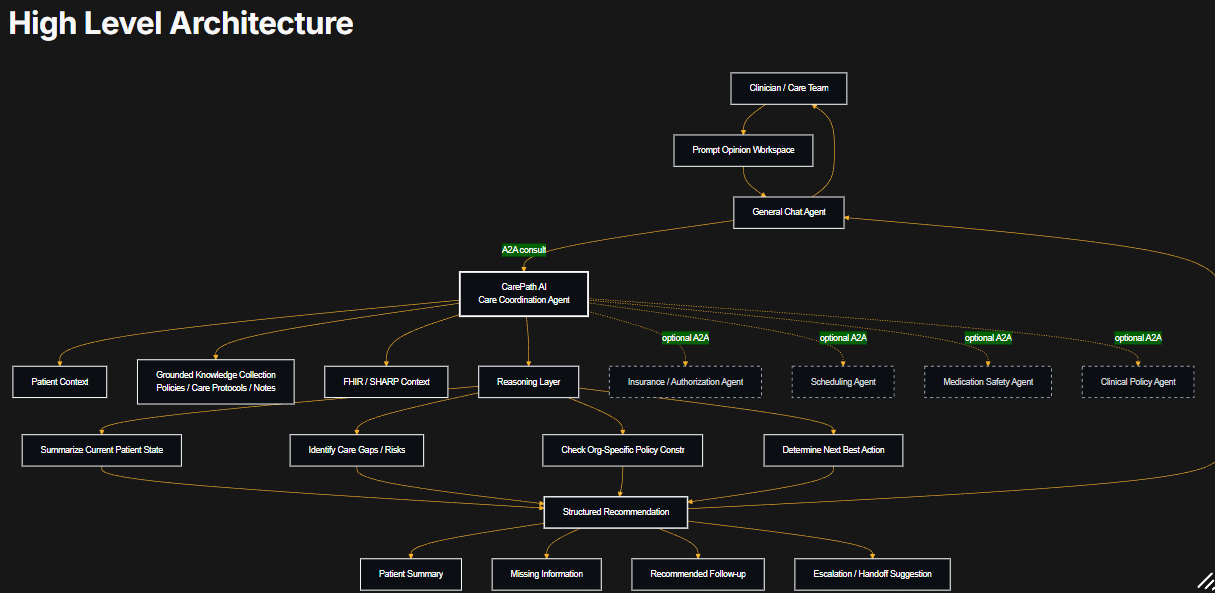
- Multi-agent architecture with specialized agents (care coordination, medication safety, authorization, scheduling)
- Grounded on patient records and uploaded clinical documents
- Agent-to-agent (A2A) communication for orchestrated decision-making
- Structured prompts and guardrails to ensure reliable, context-aware outputs
Challenges we ran into
- Ensuring consistent response formats across agents
- Handling incomplete or unstructured patient data
- Designing effective agent collaboration without over-complexity
Accomplishments that we're proud of
- End-to-end care workflow automation across multiple scenarios
- Real-time identification of care gaps from fragmented data
- Seamless multi-agent orchestration within a single interface
What we learned
- Context quality is critical for meaningful AI recommendations
- Simpler, well-defined agents perform better than overly complex ones
- Clear guardrails significantly improve reliability
What's next for CarePath AI
- Deeper integration with real-world healthcare systems (FHIR/EHR)
- Advanced reasoning for longitudinal patient journeys
- Expanding workflow automation across more clinical and operational use cases
Built With
- a2a
- promptopinion

Log in or sign up for Devpost to join the conversation.