-
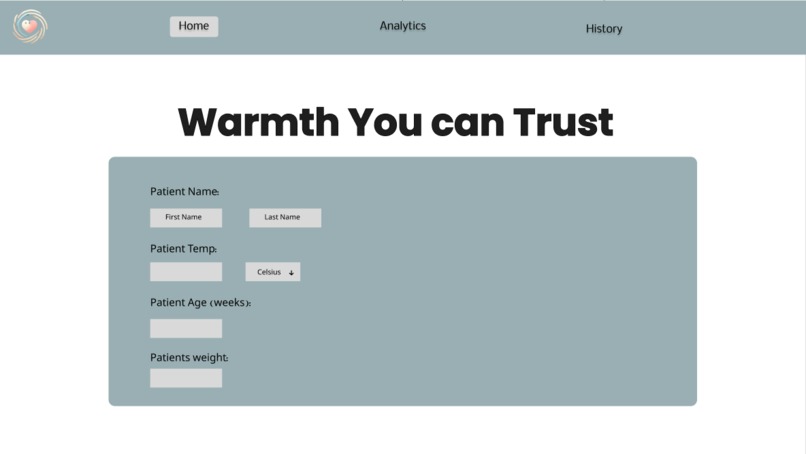
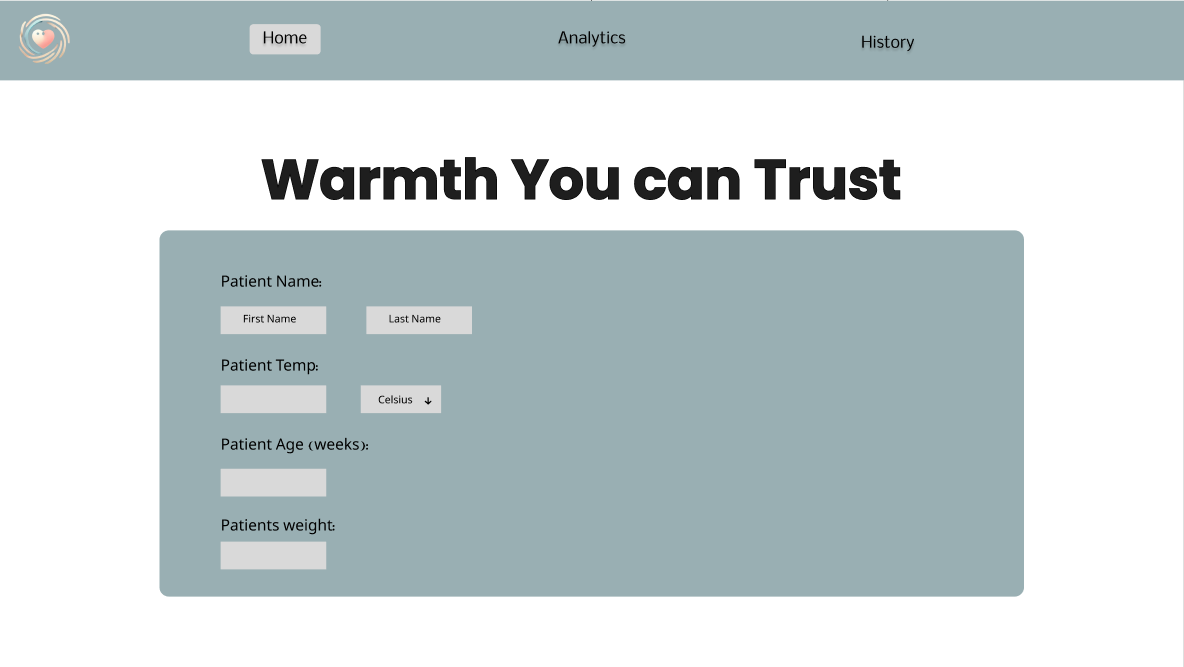
Our home page
-
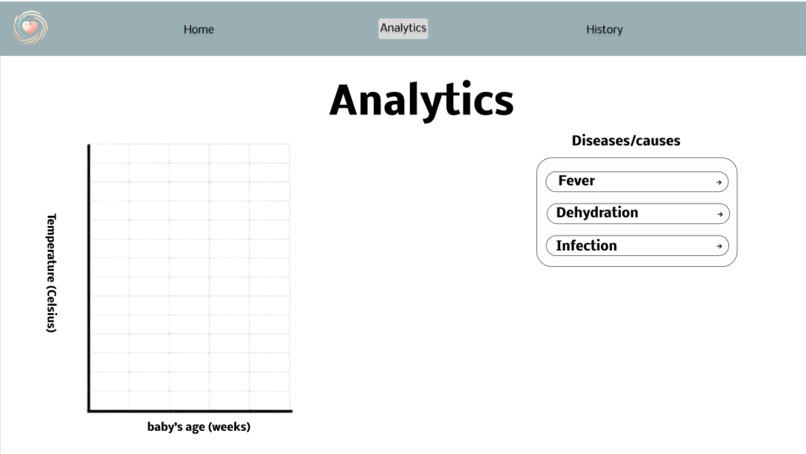
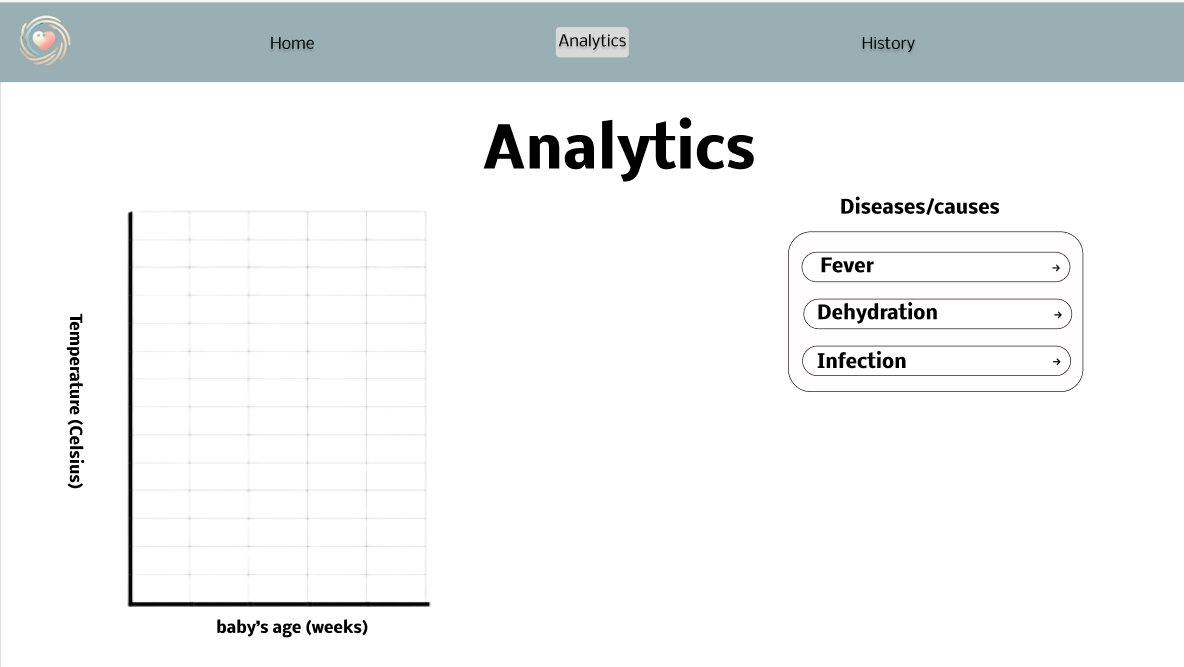
Analytics page
-
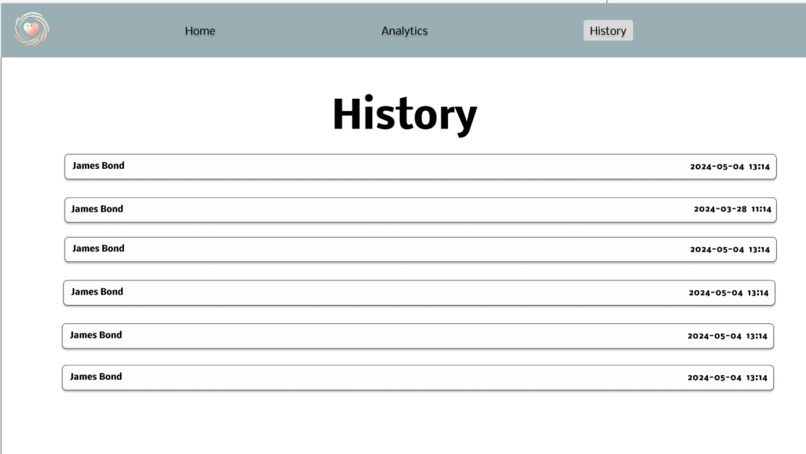
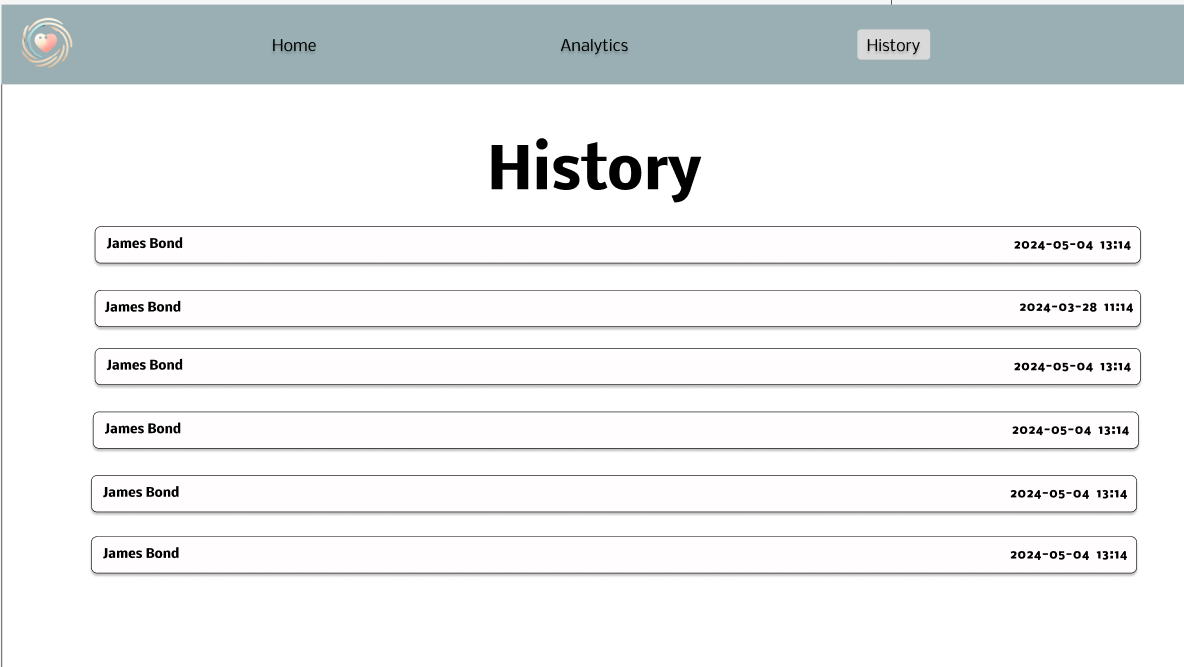
History page (past analytics)
-
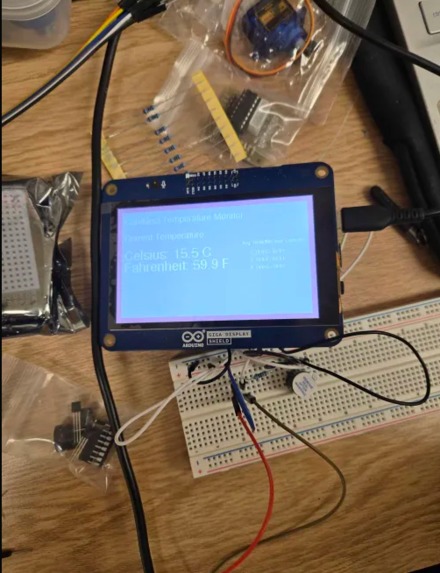
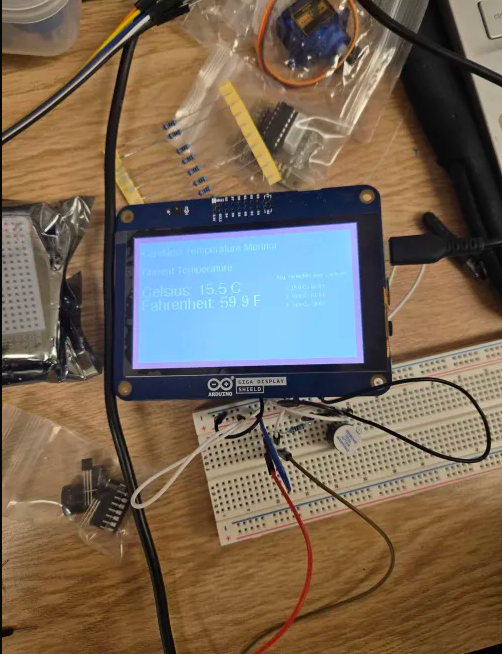
Hardware (temperature sensor)
Inspiration
The inspiration for CareNest comes from a pressing problem: the lack of affordable, accessible neonatal support in low-resource settings. We wanted to create something impactful, something that could empower both parents and healthcare providers with life-saving tools. CareNest is our answer to this challenge—a device that combines simplicity and innovation to make neonatal care more accessible and cost-effective for everyone.
What it does
CareNest is a cutting-edge system designed to empower parents and healthcare providers in low-resource settings with a simple yet powerful tool.
Hardware: Our device continuously monitors an infant’s temperature in real time, providing both instantaneous readings and rolling 5-minute averages for accuracy. Software: On the software side, we’ve built an intuitive, user-first dashboard that enables caregivers to input contextual data like a child’s weight and age. Leveraging the power of large language models (LLMs), the dashboard generates personalized insights, diagnoses, and treatment recommendations, bridging the gap between limited resources and informed care.
How we built it
We combined hardware ingenuity with state-of-the-art software design to bring CareNest to life:
Hardware: Using the Elegoo Starter Kit and Arduino GIGA, we created a reliable and efficient monitoring system.
Software: Our stack includes React.js, Vite, TypeScript, CSS, and OpenAI APIs, brought together through meticulous design on Figma. This convergence of tools and creativity allowed us to build a system that’s both robust and scalable, even within tight constraints.
Challenges we ran into
As with any groundbreaking innovation, our journey wasn’t without hurdles:
Hardware: Achieving real-time temperature updates on the display presented significant challenges, requiring iterative problem-solving.
Front-End Development: Translating a sophisticated UI design into functional code tested our resilience.
Back-End Simplicity: While leveraging OpenAI APIs simplified our LLM integration, it came with its own learning curve.
Through relentless teamwork and creativity, we overcame these obstacles, turning roadblocks into stepping stones.
Accomplishments that we're proud of
In just 8 hours, our team built a functional, health-focused web app that integrates full-stack development with OpenAI’s advanced capabilities. CareNest isn’t just a prototype—it’s proof that ambition paired with innovation can create solutions with real-world impact.
What we learned
Every moment of this project was a learning opportunity.
Hardware Skills: We mastered the intricacies of Arduino GIGA and learned to interpret technical documentation under pressure.
Software Integration: We explored new libraries like Chart.js and integrated OpenAI APIs into a full-stack application.
Collaboration: Balancing speed and precision taught us the value of clear communication and shared vision.
What's next for CareNest
The potential of CareNest is limitless, and we’re only getting started.
Solar Power Integration: To empower caregivers in off-grid locations, we aim to incorporate solar panels for energy independence.
Enhanced User Experience: We’ll refine the dashboard with features like folder organization for tracking health trends over time.
Broader Functionality: From advanced analytics to predictive modeling, we envision CareNest becoming the ultimate neonatal care assistant.
CareNest isn’t just a project—it’s the future of accessible neonatal care. With the right partnerships and resources, we’ll change the lives of millions, one baby at a time.
Built With
- css
- figma
- openai
- react
- typescript
- vite

Log in or sign up for Devpost to join the conversation.