Inspiration
Caring for a loved one who depends on you 24/7 is both an act of love and a tremendous responsibility. Many family caregivers experience constant anxiety when they’re away from home, worrying about their dependent’s well-being. Whether it’s an aging parent, a grandparent, or a family member with special needs, the fear of not knowing what’s happening in their absence can be overwhelming.
We created Carenest to provide peace of mind to caregivers. Our platform allows families to stay connected, ensuring that their loved ones are safe and cared for, even when they can’t be physically present. By leveraging smart monitoring and real-time updates, Carenest helps caregivers feel reassured, reducing stress and enabling them to manage their responsibilities more effectively.
What it does
Carenest is an AI-powered caregiving companion that provides peace of mind to families while improving the well-being of dependents. Our platform combines AI avatars, smart wearables, and intelligent video monitoring to create a safe and connected home environment.
🔹 Tackling Loneliness: Dependents often struggle with isolation, which affects their emotional well-being. With our AI-powered companion, they can engage in meaningful conversations anytime, helping them feel connected and supported.
🔹 Wearables to the Rescue: Health monitoring is critical for dependents who require constant care. Carenest integrates with wearable devices to track vital signs and detect anomalies, ensuring caregivers are alerted to potential health concerns in real time.
🔹 Mishap Prevention: Accidents can happen when no one is watching. Our AI video agent continuously monitors for falls, unusual movements, or emergencies, instantly notifying caregivers so they can take immediate action.
Carenest empowers caregivers with the tools to ensure their loved ones are safe, healthy, and never alone.
How we built it
CareNest uses a powerful tech stack that ensures a seamless, responsive, and intelligent caregiving experience. Our architecture combines AI, real-time monitoring, and smooth user interactions to create a reliable platform for caregivers and their dependents.
🖥️ Frontend
-React: A JavaScript library for crafting dynamic and interactive web interfaces.
- JavaScript: Enables interactive elements and enhances user engagement.
- HTML & CSS: Responsible for structuring and styling the web application for a visually appealing and user-friendly experience.
- Flutter: Used for building a cross-platform mobile experience with a smooth and intuitive UI.
⚙️ Backend
- Python: The core language for building our AI models and backend logic.
- Flask: A lightweight and powerful web framework that handles API requests, user authentication, and data processing.
🗄️ Database
- MongoDB: A NoSQL database that efficiently stores user data, health records, and AI-generated insights for real-time access.
🔗 Integrations
1. AI Video Agents: Monitors and detects unusual activity using computer vision.
2. Wearable Device Integration: Captures vital signs and health metrics for real-time analysis.
3. AI Chat Companion: Provides dependents with an engaging, conversational experience to reduce loneliness.
Integrations:
- ElevenLabs: The ElevenLabs voice generator can deliver high-quality, human-like speech with their AI Audio Platform
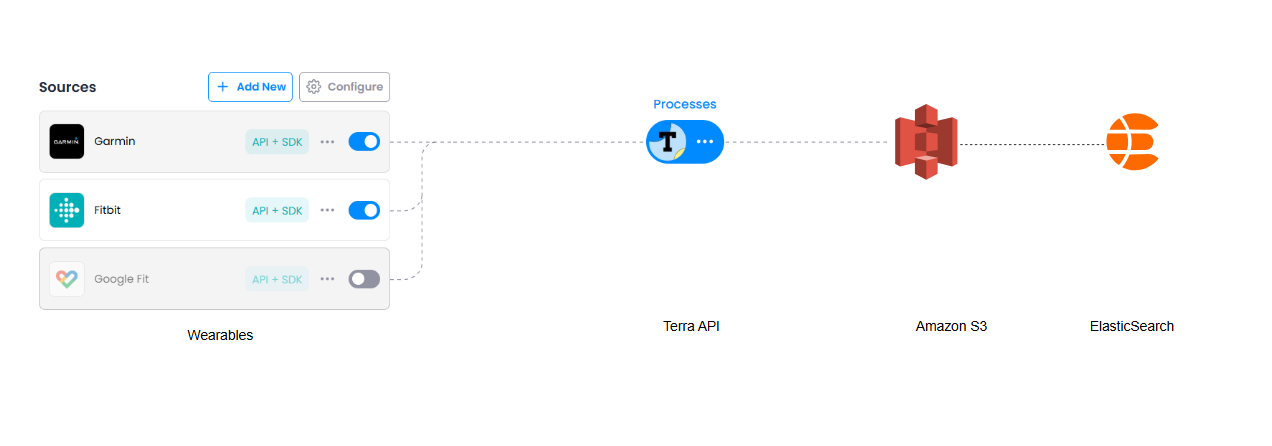
- TerraAPI: The Health API for Wearable and Sensor Data
- Elastic: An open-source search engine and analytics tool that stores, indexes, and analyzes data
Video link for Demo of AI Assistant and Observability with Wearables:
Pipeline for wearable observability in ElasticSearch
- Groq: n open-source, cloud-native, and scalable data processing and analytics platform designed for large-scale data processing and machine learning workloads.
Fall Detection System Demo:
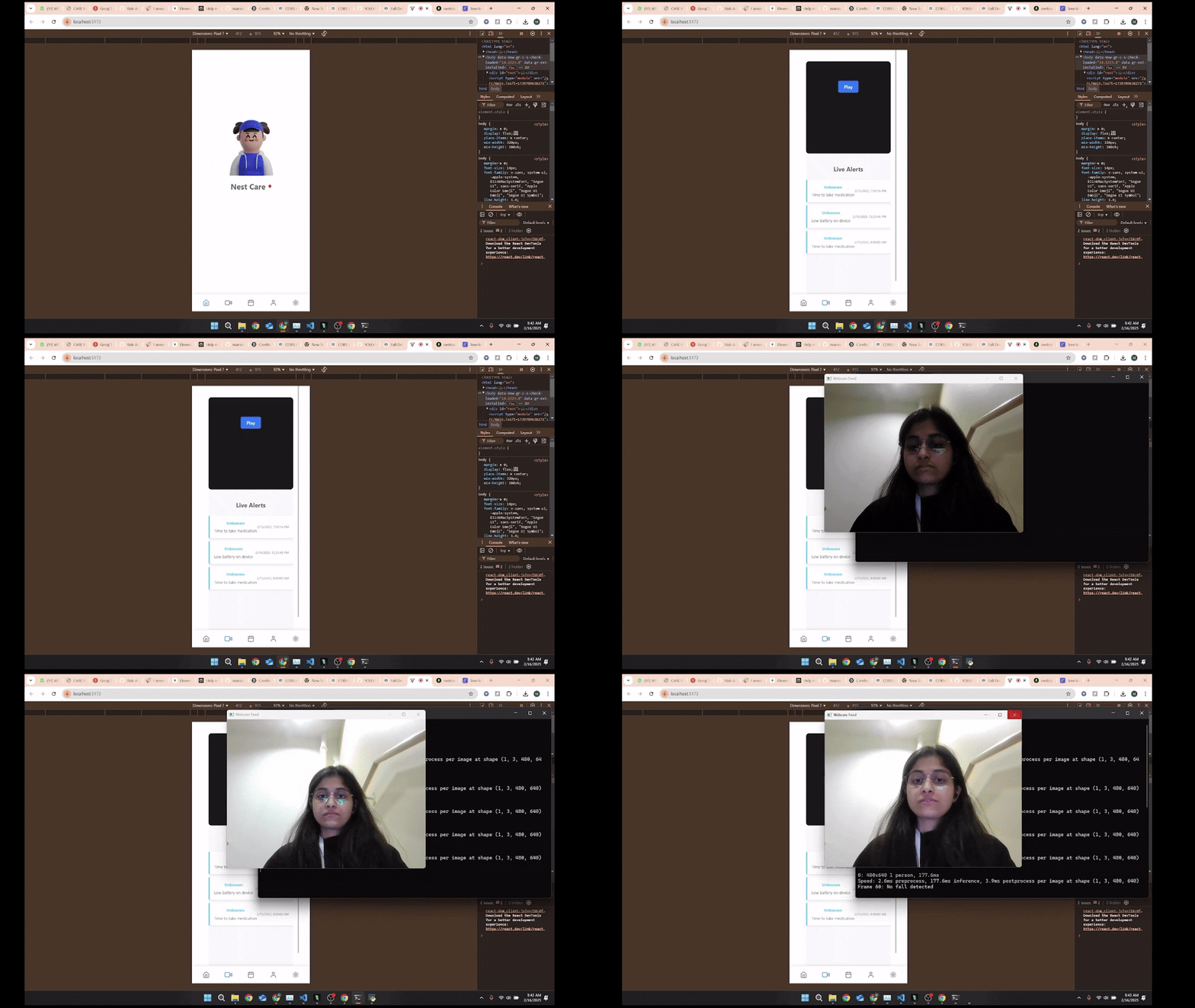
Flow of Fall Detection System

Usages
- Codeium Windsurf: first AI agent-powered IDE that keeps developers in the flow.
- FlutterFlow: Platform that helps you build high-quality, customized apps quickly
Challenges we ran into
Building Carenest came with several technical and logistical hurdles, which pushed us to think creatively and adapt quickly. Some of the key challenges we faced include:
🔹 Compute-Intensive Mobile App Development: We initially designed our mobile app UI using FlutterFlow, but we soon realized that the compute-heavy operations required for AI-driven monitoring and real-time analytics made it difficult to maintain smooth performance. To ensure a seamless user experience, we pivoted to a React-based web app.
🔹 TerraAPI Data Limitations: Our integration with TerraAPI was hindered by data accessibility restrictions. Fitbit’s data format was accessible for only one day of development, which limited the amount of historical health data we could analyze for anomaly detection in Elasticsearch.
🔹 Elasticsearch & S3 Permissions Roadblocks: Setting up an observability pipeline between our AWS S3 bucket and Elasticsearch required fine-tuning IAM policies. Ensuring the correct permissions for secure and efficient data ingestion took considerable effort and troubleshooting.
🔹 Customized Ingestion for Garmin Data: Wearable devices use different data formats, meaning our ingestion process had to be adapted for each device. Specifically, Garmin’s data structure required a separate parsing and processing pipeline to ensure consistency in our analytics workflow.
🔹 Limited Fitbit Data Rendering: Even after integrating Terra to send Fitbit’s health metrics to our S3 bucket, we encountered a bottleneck where only a small fraction of heartbeat monitoring data was being captured and stored—significantly less than expected. This made it challenging to generate insights using Elasticsearch.
Accomplishments that we're proud of
✅ Real-Time Observability Pipeline for Healthcare: We successfully established an end-to-end observability pipeline that ingests real-time wearable data from multiple sources, processes it via Elasticsearch, and generates actionable health insights.
✅ Alert System for Caregivers: Our system provides instant notifications for critical health events, such as abnormal vital signs or unusual movements detected through video monitoring. This ensures timely intervention and enhances the safety of dependents.
✅ AI-Powered Companion for Emotional Support: By integrating ElevenLabs’ voice synthesis technology, we enabled a natural and engaging AI-driven conversational experience, reducing feelings of loneliness among dependents.
Meet Nest: Your Assistant and Friend:

What we learned
Building Carenest was an insightful journey that deepened our understanding of the challenges and opportunities in AI-powered caregiving. Some of our key takeaways include:
🔹 The Complexity of Wearable Data Standardization: Every wearable device provides health metrics in different formats, making it clear that a one-size-fits-all ingestion approach isn’t feasible. We learned how to design adaptable pipelines that normalize and process data across multiple devices.
🔹 Observability is Crucial for Healthcare Applications: Real-time monitoring and anomaly detection require a robust observability pipeline. Fine-tuning Elasticsearch for healthcare data allowed us to create a more efficient and responsive alerting system.
🔹 The Balance Between AI and Human-Centric Design: While AI-powered monitoring and conversation agents enhance caregiving, they should complement—not replace—the human touch. The emotional well-being of dependents remains just as important as their physical health.
🔹 Optimizing Compute-Heavy Workflows: Our experience with FlutterFlow and mobile development showed us the importance of optimizing computational workloads. Shifting to a React-based web app significantly improved performance without sacrificing user experience.
🔹 Integration Challenges in HealthTech: Working with APIs like TerraAPI and dealing with data access limitations highlighted the importance of early-stage testing and vendor communication to avoid last-minute roadblocks.
🔹 AI’s Role in Reducing Caregiver Stress: Caregivers often experience anxiety when they’re away from their loved ones. Implementing real-time monitoring, AI alerts, and engaging conversational AI reaffirmed how technology can play a crucial role in reducing stress and providing peace of mind.
What's next for CareNest
🔹 Personalized AI Assistant with Smart Alerts Our AI companion will evolve beyond simple conversations by integrating persistent storage and sentiment analysis. If the assistant detects triggering words related to illness, distress, or loneliness, caregivers will receive real-time notifications, allowing them to step in with empathy and support when it’s needed most.
🔹 Enhanced Predictive Health Monitoring By adding inference capabilities to the data collected from wearables, we aim to detect anomalies in vitals early and predict potential health risks before they escalate. This proactive approach will help caregivers and healthcare professionals intervene in time to prevent unforeseen emergencies.
🔹 Automated Emergency Response System If a dependent experiences a fall or any critical mishap, Carenest will not only alert the primary caregiver but also notify the nearest emergency contacts. This ensures a faster response time and an added layer of security, providing peace of mind to families and improving the dependent’s safety.
Built With
- elasticsearch
- elevenlabs
- flask
- flutterflow
- groq
- kibana
- mongod
- python
- react
- s3
- terraapi

Log in or sign up for Devpost to join the conversation.