-
-
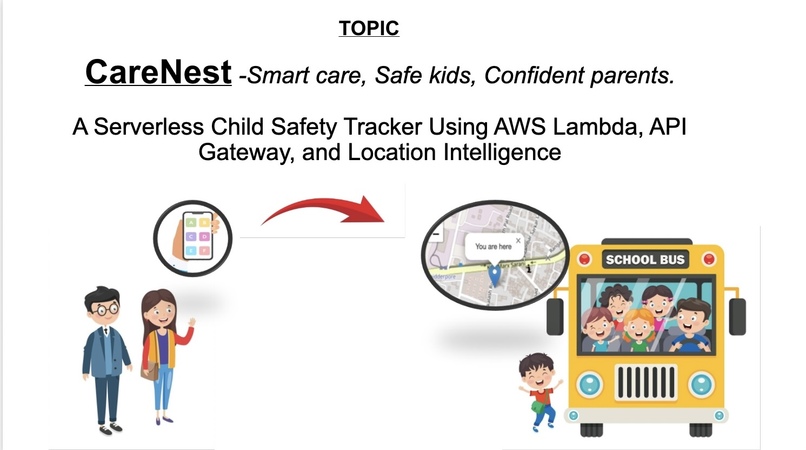
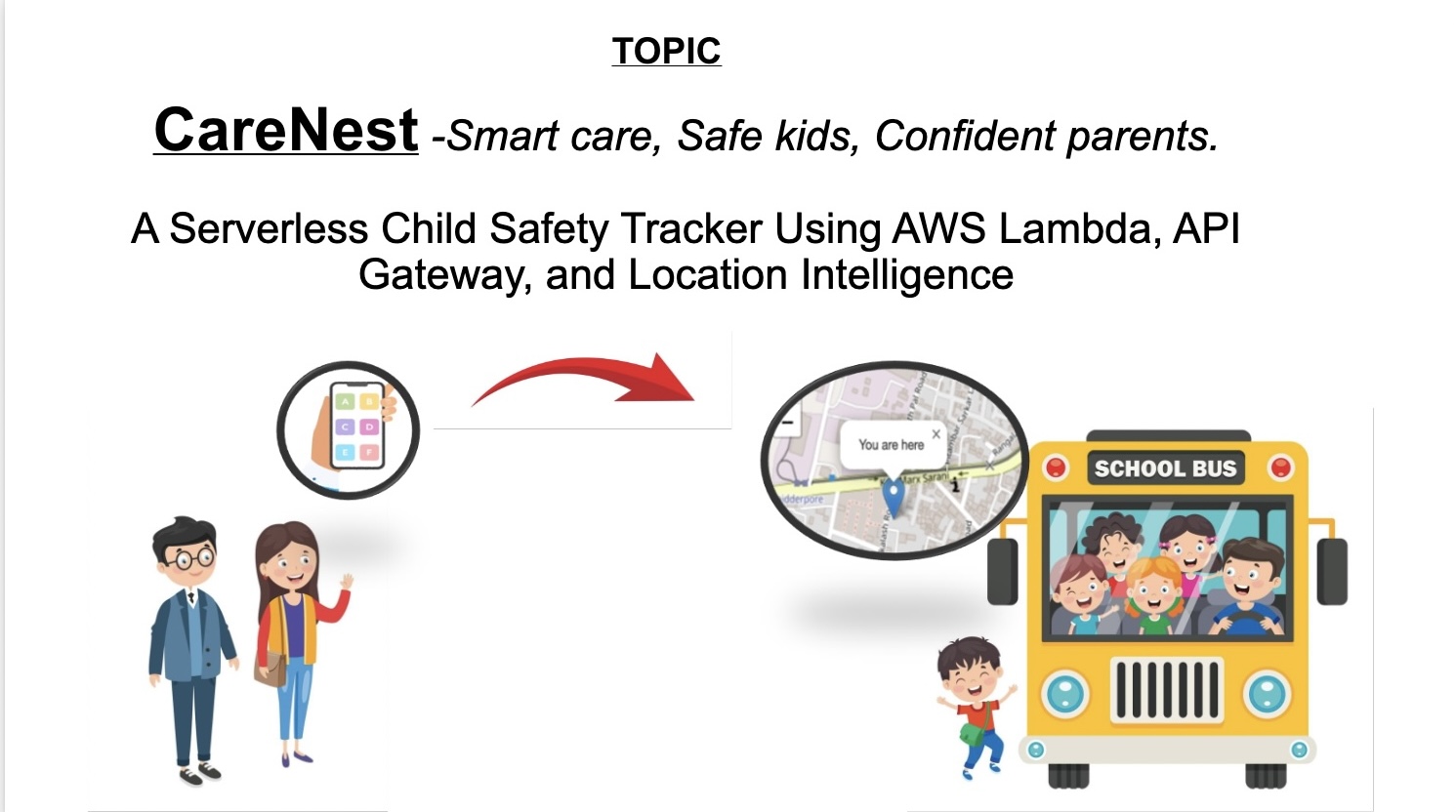
Introduction of CARENEST
-
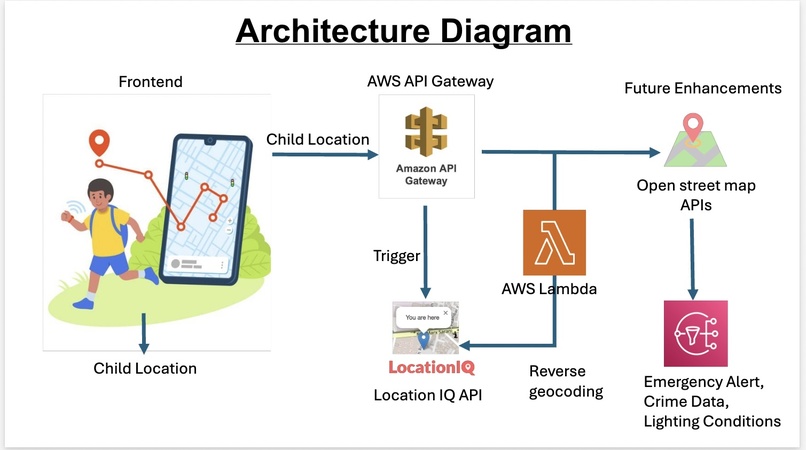
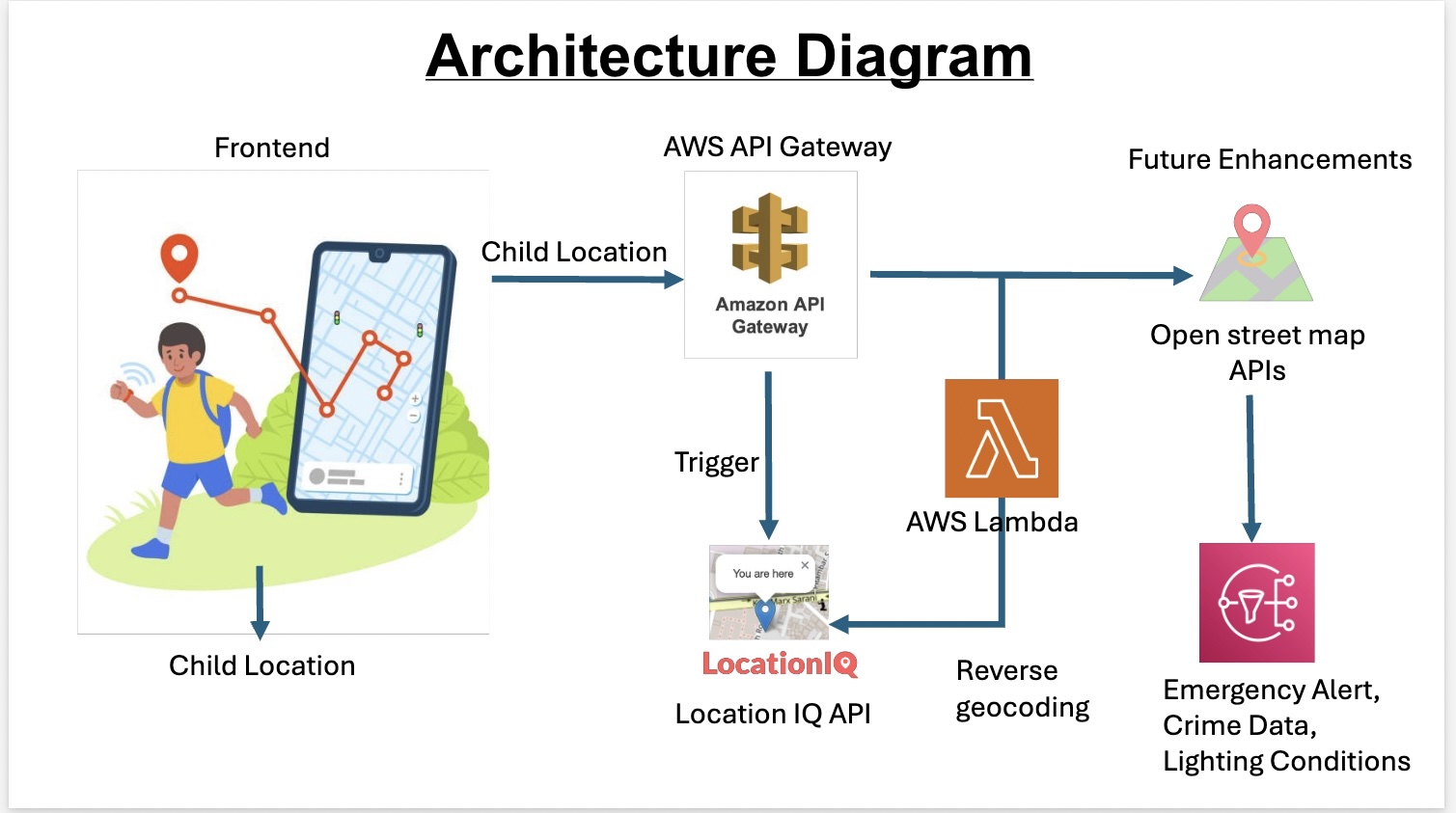
An architecture diagram illustrating how different services are integrated to achieve the final outcome.
-
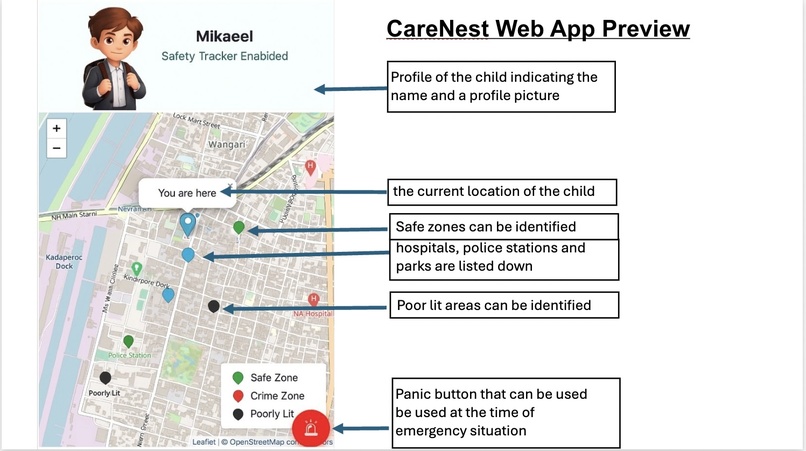
The final product is live and ready, with future enhancements planned for smarter safety features.
-
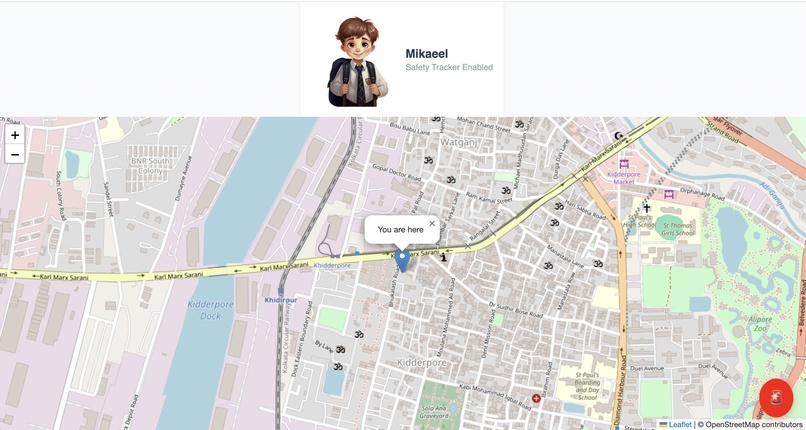
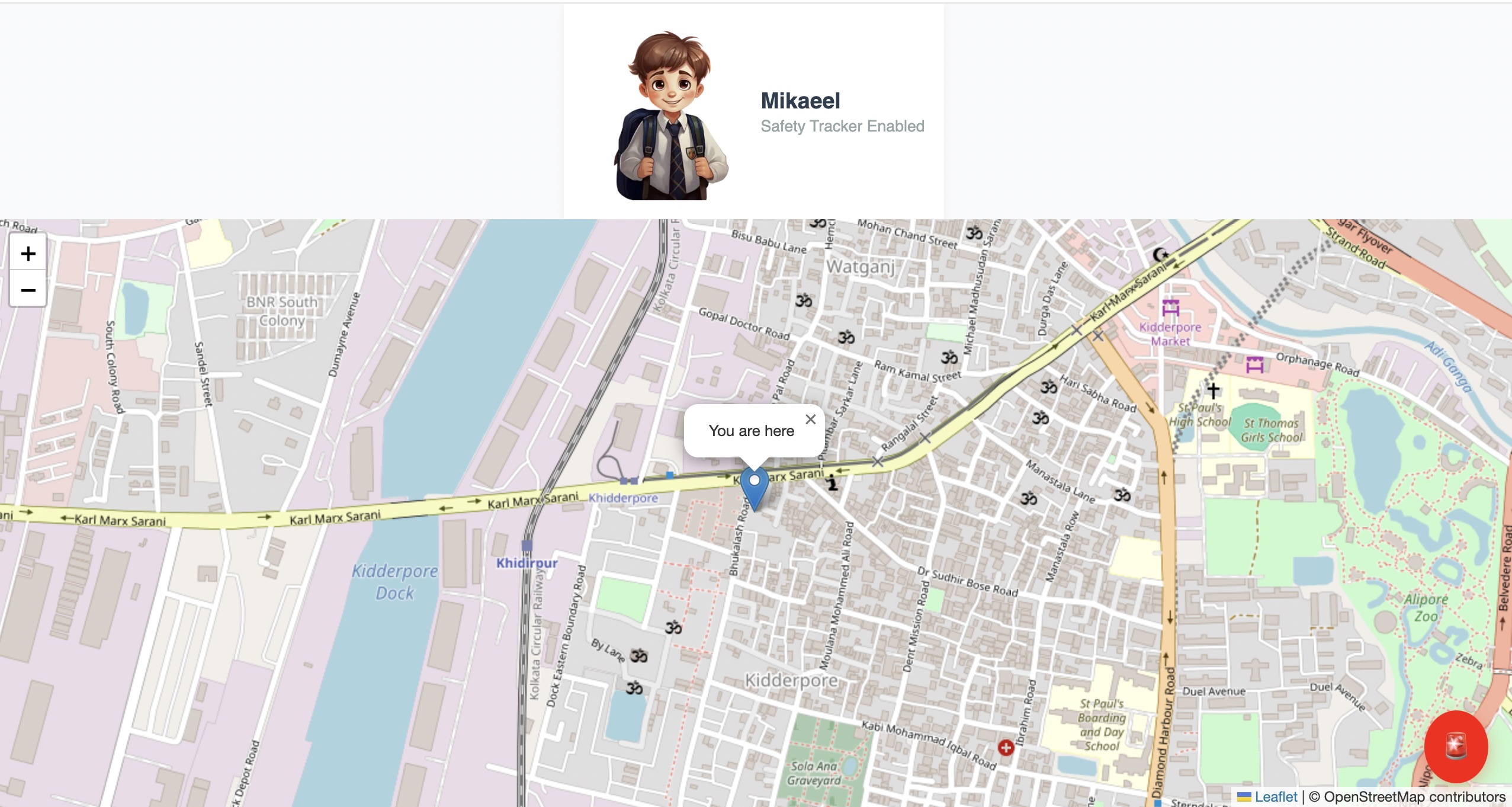
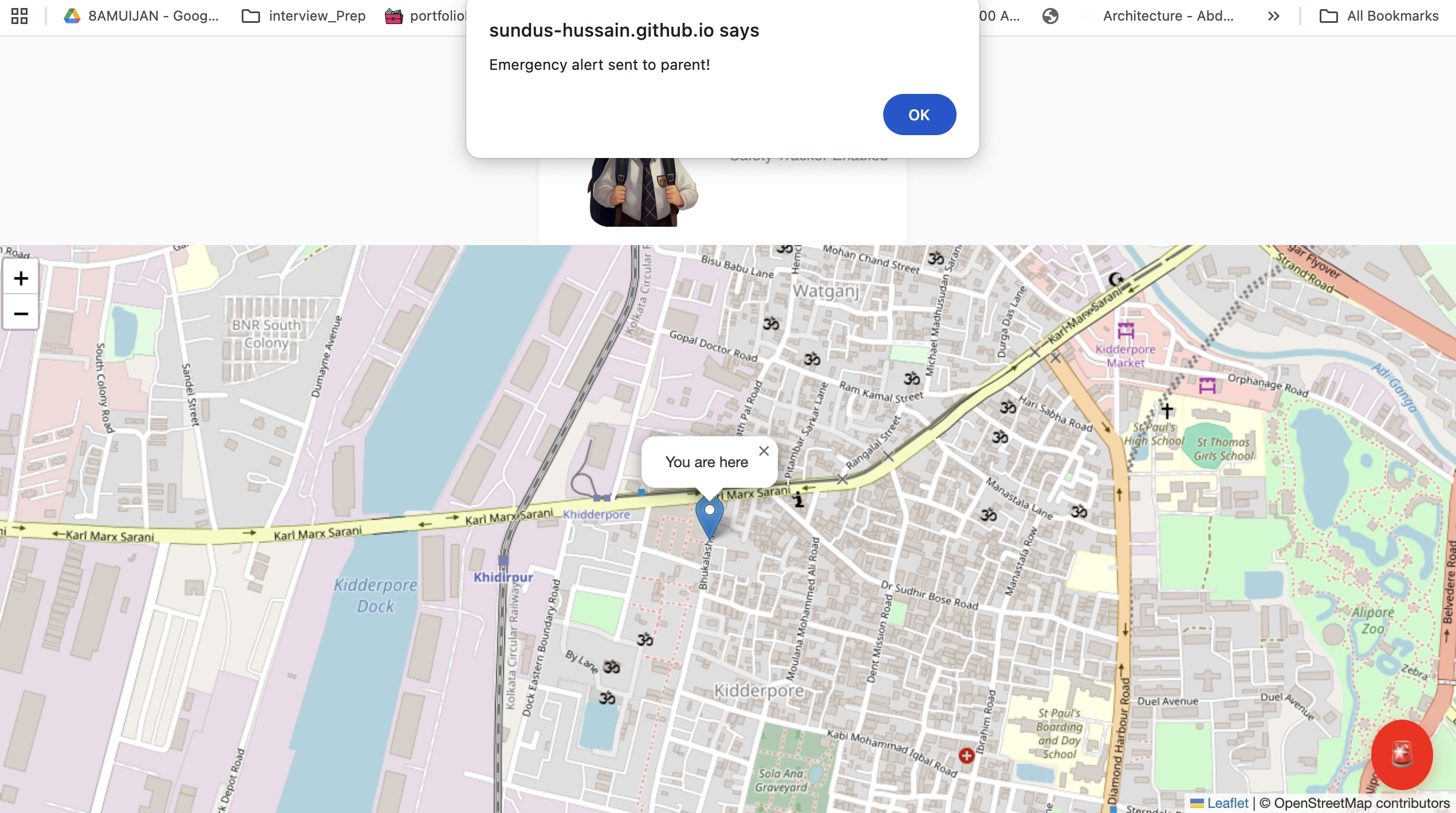
The real-time live location is tracked, and when the panic button is triggered, an emergency alert message is displayed on the screen.
-
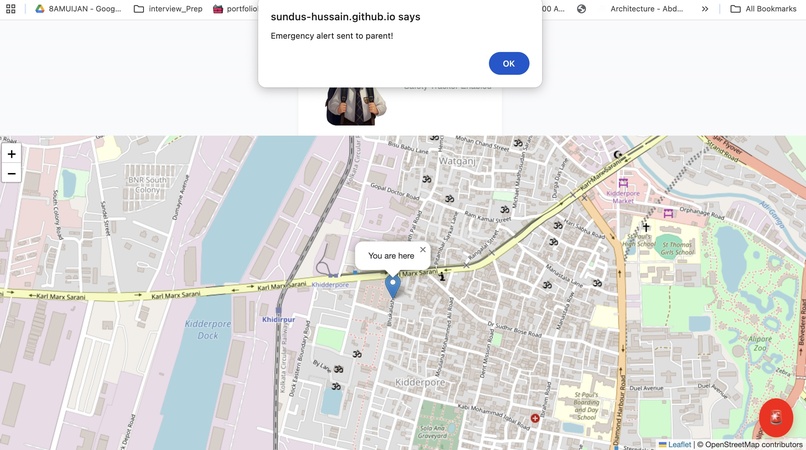
A notification popup appears, and an alert is sent via email and SMS to the registered contact.
-

An authenticated email is received via Amazon SNS.
-
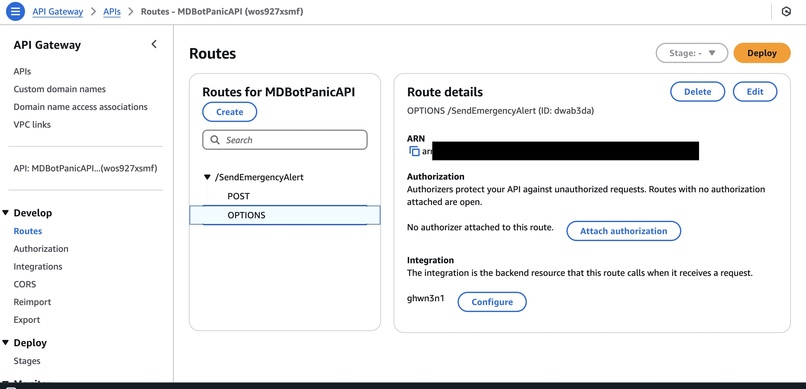
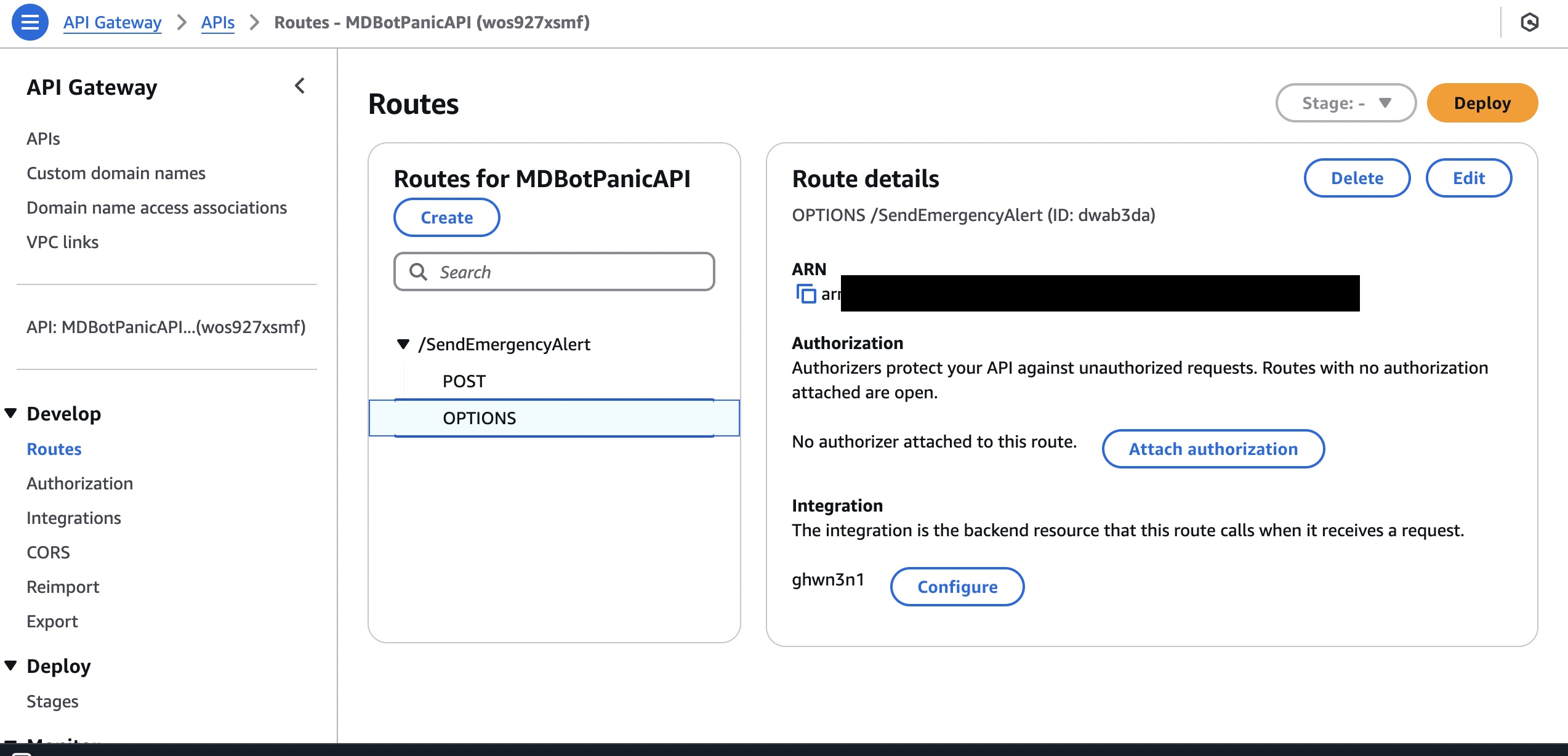
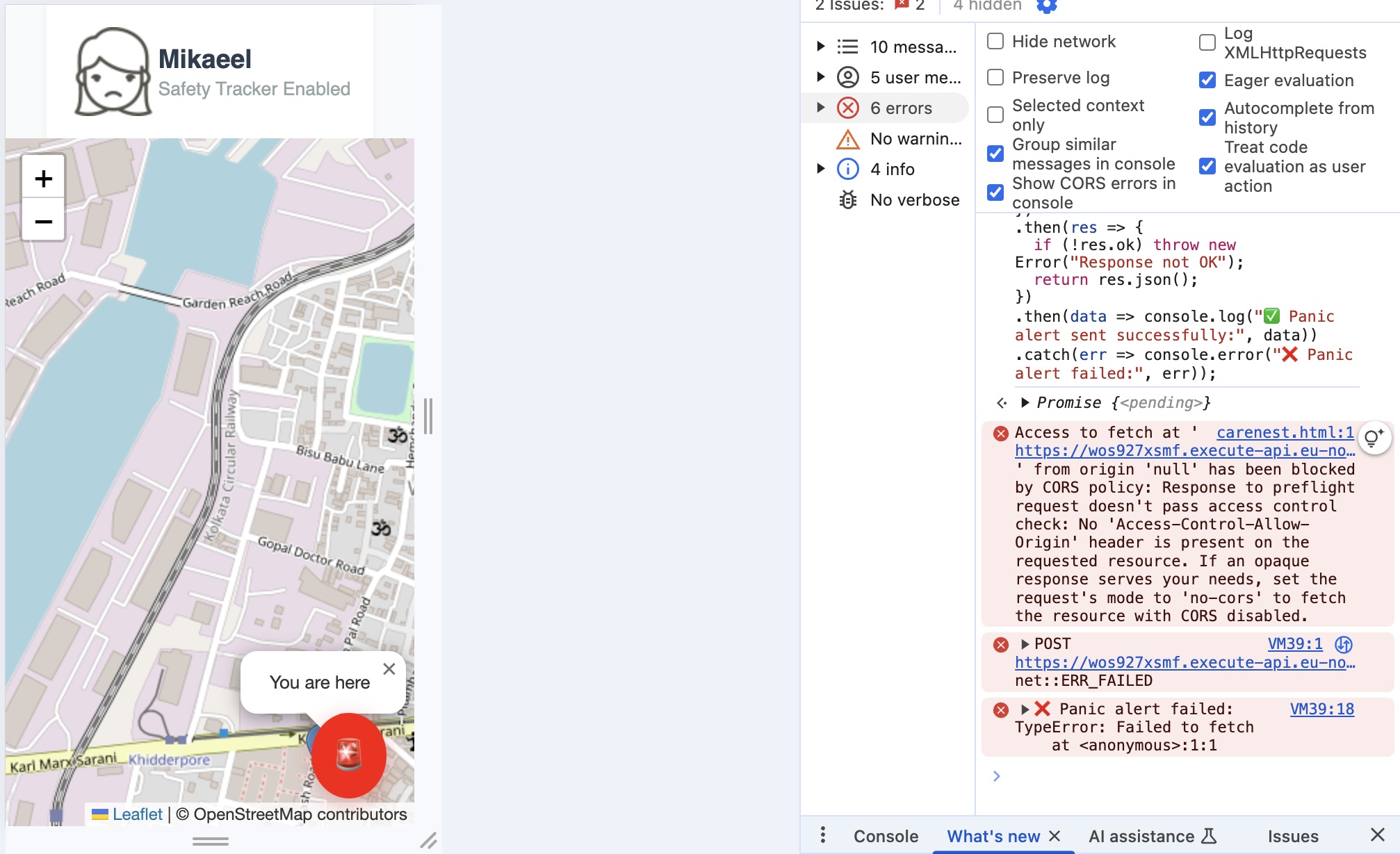
While working on API Gateway, I kept receiving an error every time I triggered the panic button, which needed to be resolved
-
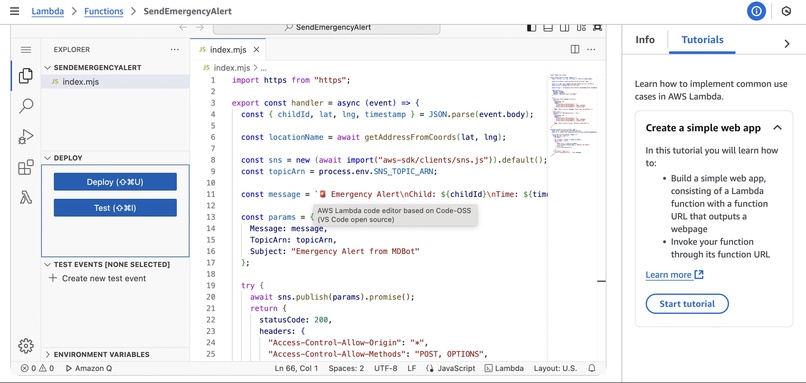
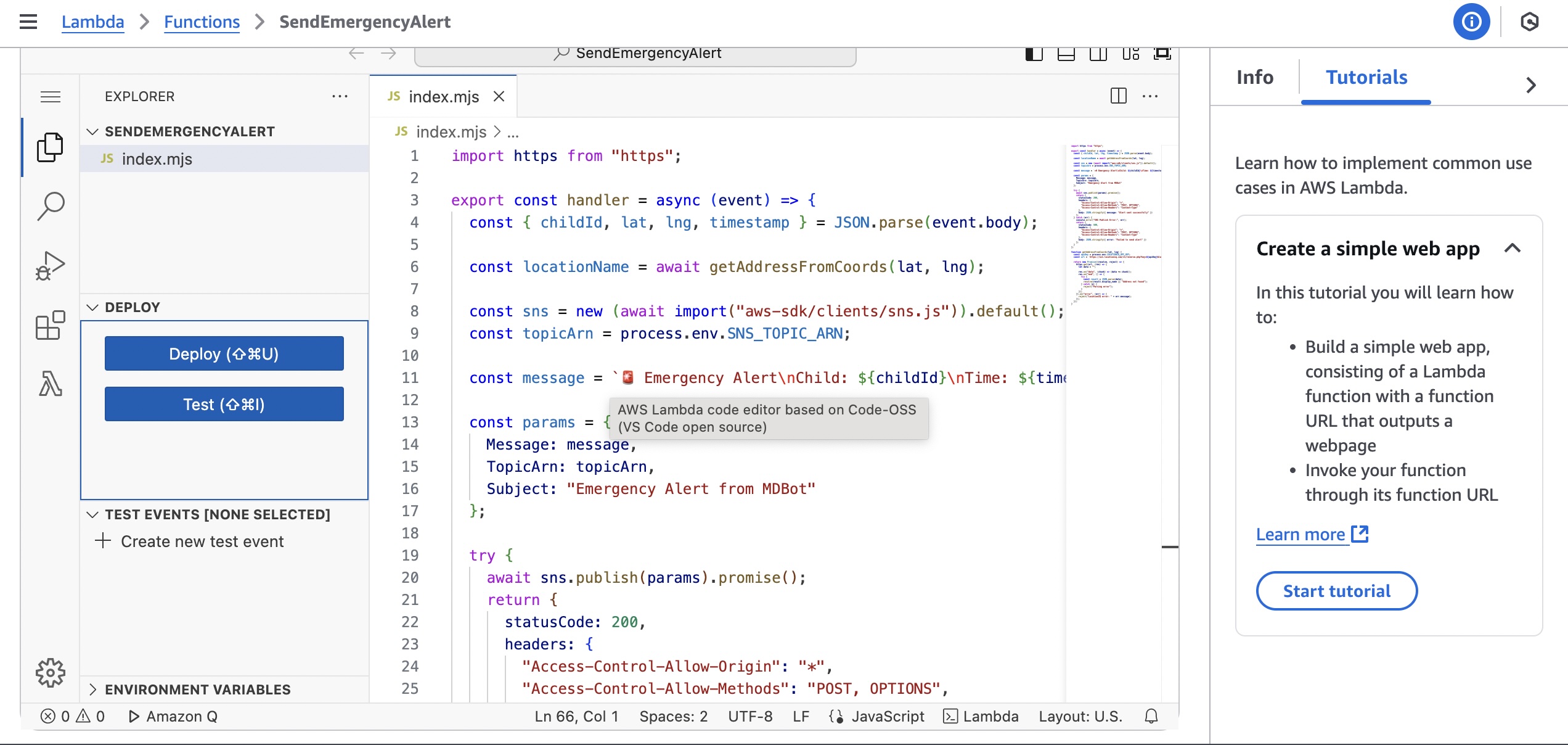
Working with AWS Lambda, I faced errors during function execution that needed to be resolved for the panic alert to work properly.
-
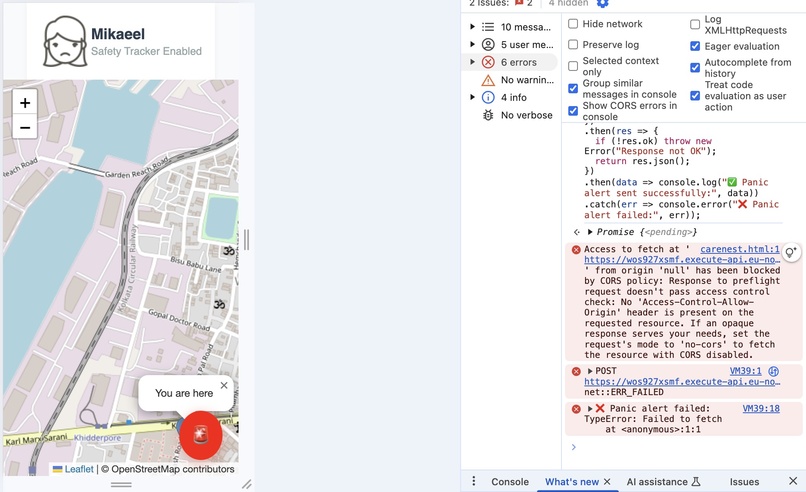
An error was received every time I triggered the panic button, which needed to be resolved."
-
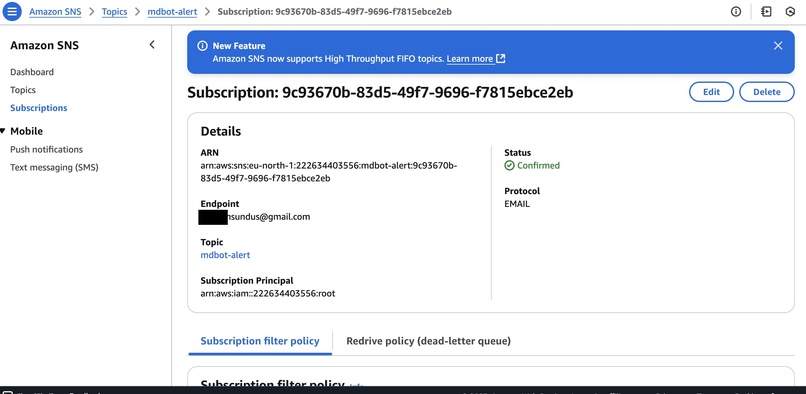
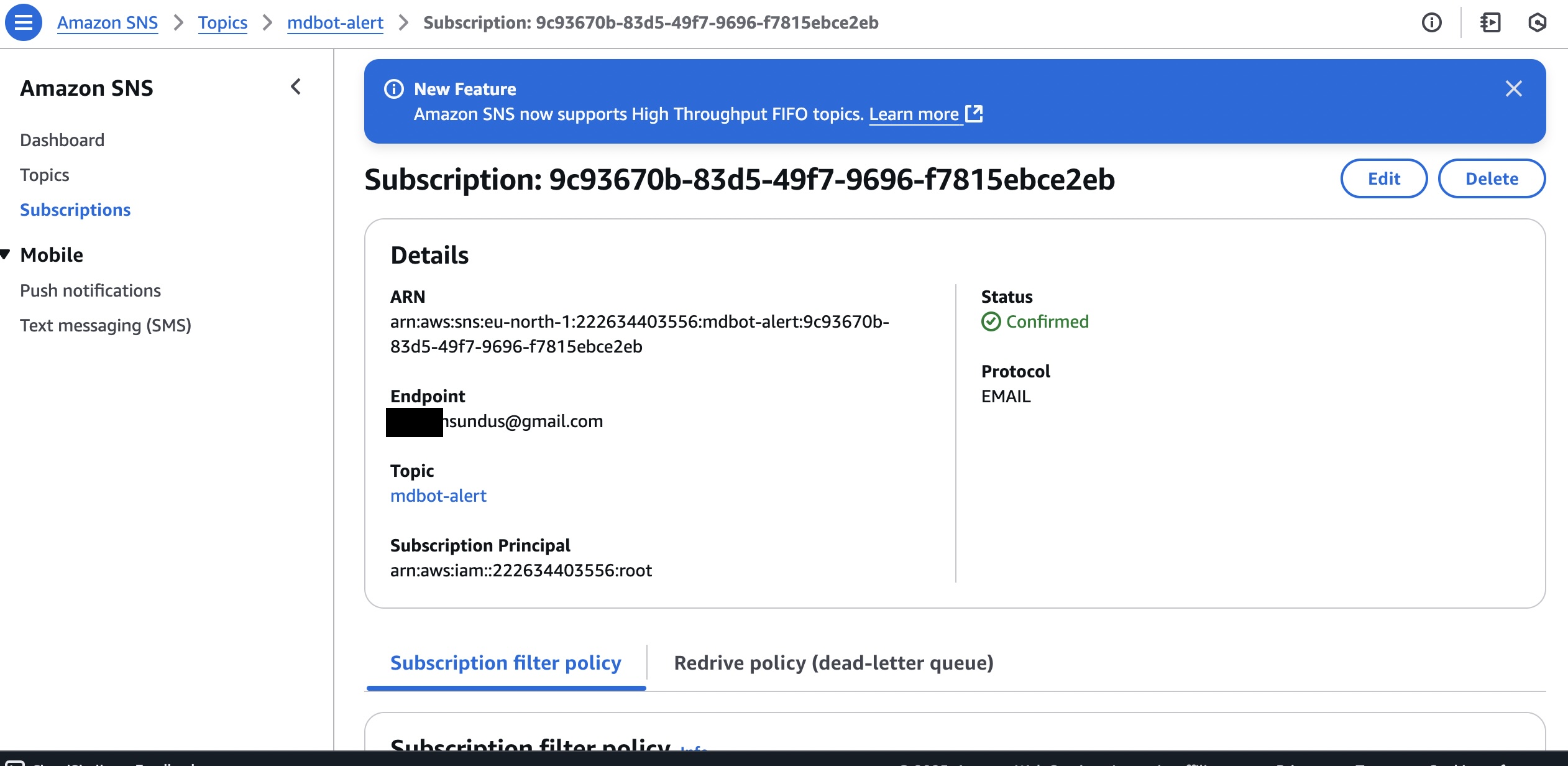
To enable real-time notifications, the parent’s email and phone number are registered as subscribers to an Amazon SNS topic.

About the Project –
CareNest -Smart care, Safe kids, Confident parents.
Inspiration
As a mother of two beautiful children, their safety is my top priority. In a world where more than 47,000 children go missing in India every year (as per NCRB), I wanted to create something that provides peace of mind to parents like me. Technology, especially cloud services and AI, offers an incredible opportunity to bridge this gap. That’s how CareNest was born—a geolocation-based child safety tracker powered by AWS.
What it does
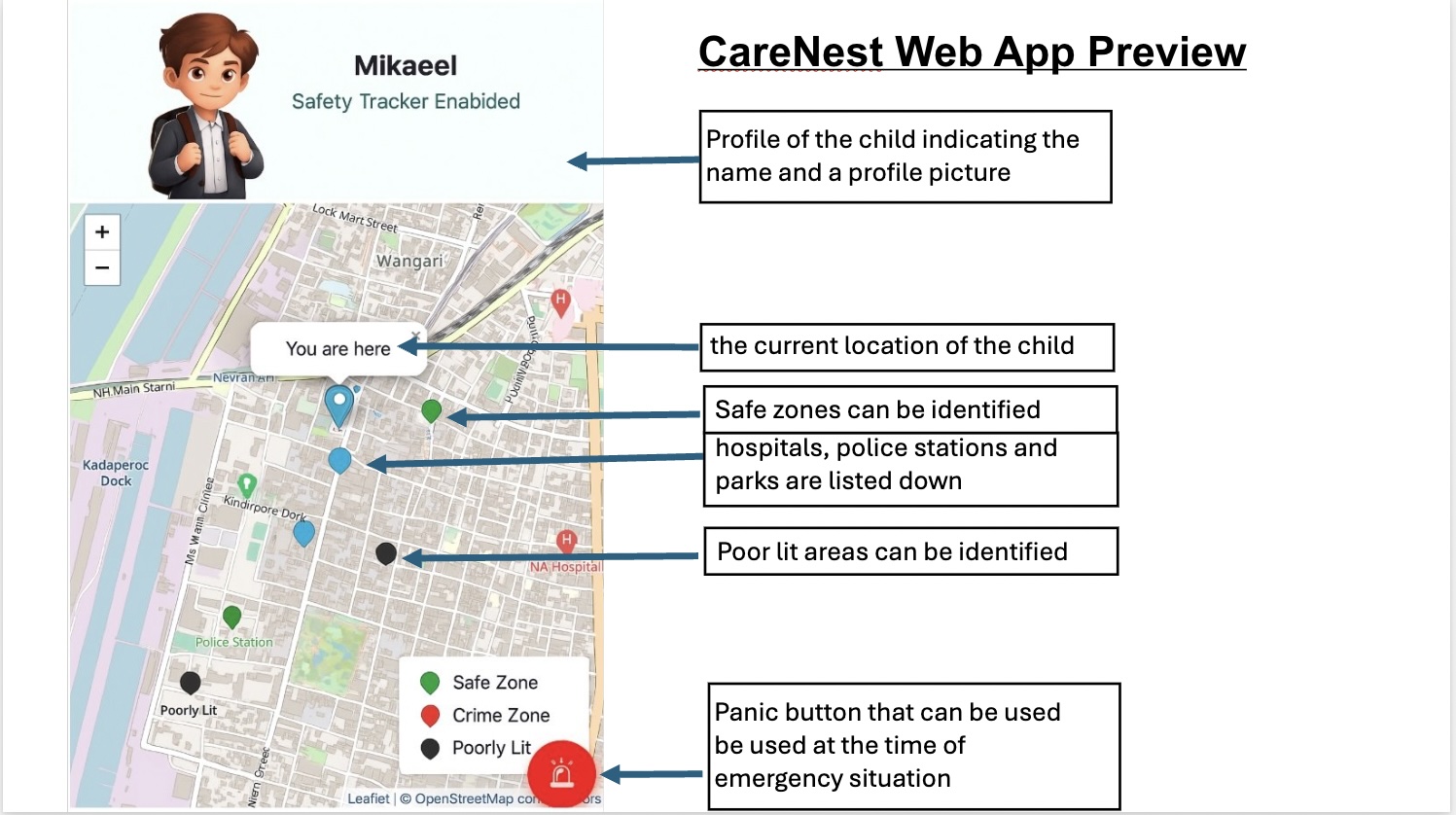
CareNest is a real-time child safety tracking web application that helps parents:
Track their child's live location using GPS and geolocation features. Send emergency alerts instantly with a panic button—parents receive alerts via AWS SNS. Identify safe zones, including nearby hospitals, police stations, and parks. Avoid risky areas by marking: Poorly lit or dangerous streets (based on mock or future ML data). Areas with recent crime incidents.
How we built it
Frontend HTML, CSS, and JavaScript hosted on GitHub Pages Map Integration Using LeafletJS and the browser's Geolocation API Emergency Button Sends live coordinates to an AWS API Gateway endpoint Backend (Serverless) An AWS Lambda function processes the alert and uses LocationIQ to convert coordinates into a readable address Alerts Emergency alerts are delivered to the parent using Amazon SNS Data Visualization Map highlights safe zones, dangerous streets, and past crime locations (mock data for now)
Project Walkthrough
Project PPT Presentation (Google Drive)
Challenges we ran into
Handling CORS errors during API requests Styling and mobile optimization for a better user experience Setting up SNS properly with topic subscriptions Visualizing dangerous vs safe areas clearly on the map Making sure the emergency alert system is fast and reliable
Accomplishments that we're proud of
End-to-End AWS Integration Successfully built and deployed a full-stack serverless application using GitHub Pages, API Gateway, AWS Lambda, SNS, and LocationIQ.
Real-Time Location Tracking Integrated geolocation and LeafletJS to visualize the child’s live location with a clean, user-friendly interface.
Emergency Panic Button Developed a working panic feature that immediately alerts parents with the child’s location.
Data-Driven Awareness Created a separate section highlighting demographic survey and crime statistics around child safety in India.
Personal Motivation As a mother, building this app was not just technical—it was emotional and purposeful, with a real-world impact in mind.
Future-Ready Vision Designed with scalability in mind—plans for a React Native mobile app, AI/ML-based risk detection, and battery health tracking.
What we learned
AWS Services in Action Gained hands-on experience integrating multiple AWS services—API Gateway, Lambda, SNS, and how they work seamlessly in a serverless setup.
Zero-Infrastructure Deployment Learned how to deploy and scale without managing servers, making the app more efficient and cost-effective.
CORS & API Security Tackled CORS issues and understood how to configure APIs securely and efficiently for frontend communication.
Geolocation & Map Rendering Discovered how to use LeafletJS with live geolocation to build an intuitive, real-time map experience.
Presenting Data Visually Learned how to represent critical statistics using charts and infographics to enhance the impact of the message.
Future AI/ML Potential Explored ideas for how machine learning could help predict risky zones and improve safety over time.
Empathy in Tech Most importantly, learned that technology has heart—this project was driven by a personal need as a parent, and building it taught us how tech can truly serve humanity.
What's next for CareNest
ML-Based Risk Prediction We plan to implement machine learning models to analyze patterns in movement, time of day, and public data to predict high-risk zones in real-time.
Battery Health Tracking We will add support to monitor the child's device battery status, sending notifications when the battery is low to avoid losing contact.
Mobile App with React Native We aim to build a dedicated mobile application to make CareNest more accessible and intuitive for parents on the go.
Alerts via WhatsApp or Telegram We will integrate with AWS Pinpoint or Twilio APIs to enable instant alerts via popular messaging platforms beyond SMS or email.
Safe Route Recommendations We plan to use map intelligence to suggest safer, well-lit paths and public-friendly zones as children travel.
Behavioral Insights Eventually, CareNest will provide insights and tips to parents based on the child’s commuting patterns and behaviors.
Built With
- amazon-api-gateway
- amazon-sns
- aws-lambda
- css
- geolocationapi
- github
- html
- javascript
- leaflet.js
- locationiq-api
- node.js


Log in or sign up for Devpost to join the conversation.