-
-
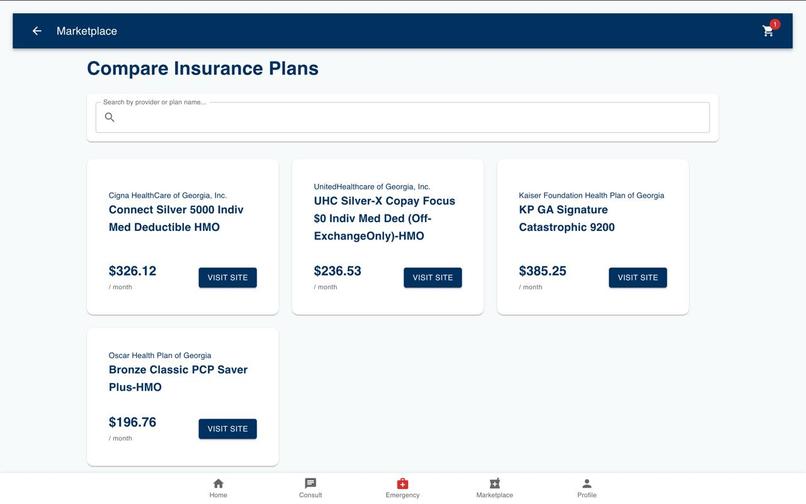
Find ER
-
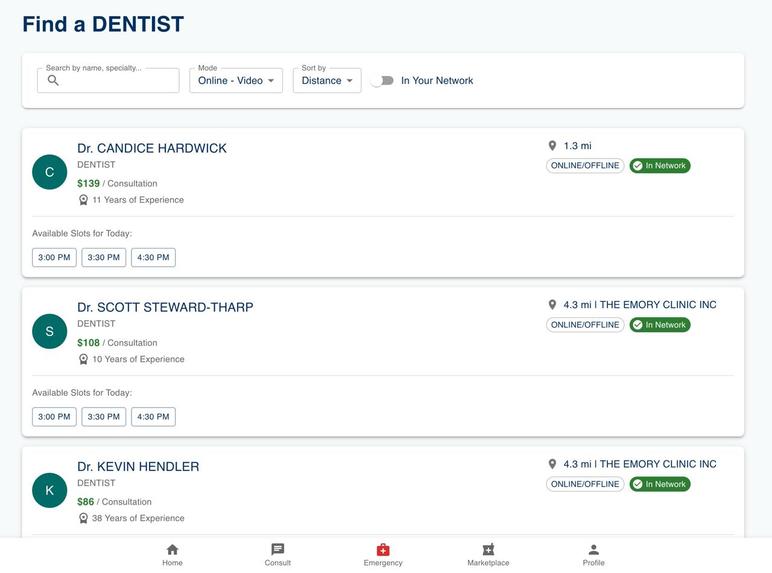
General Consultation
-
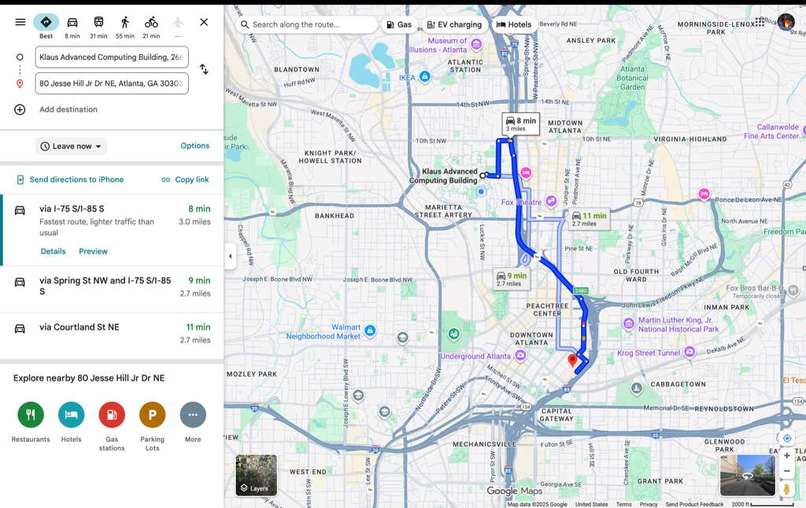
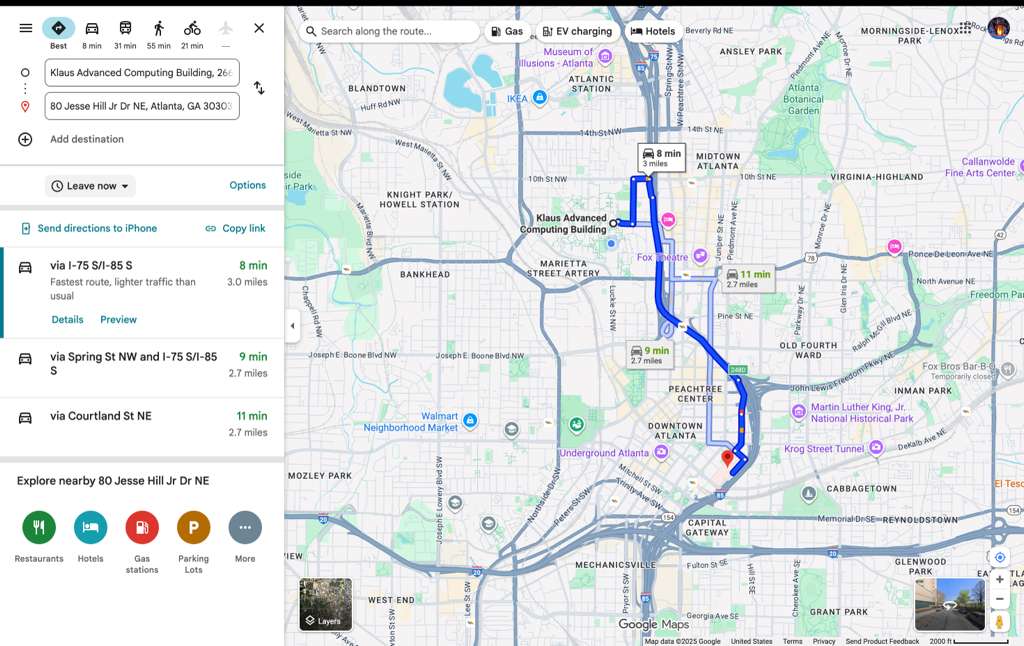
Directions to ER
-
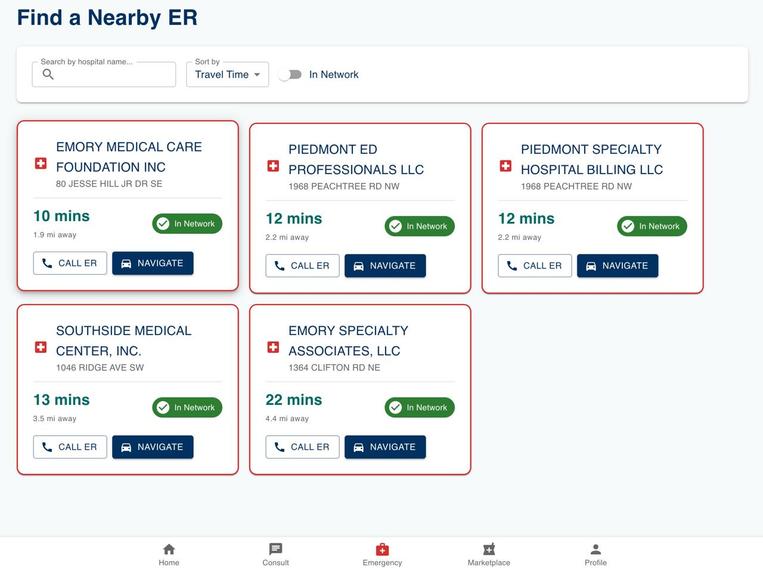
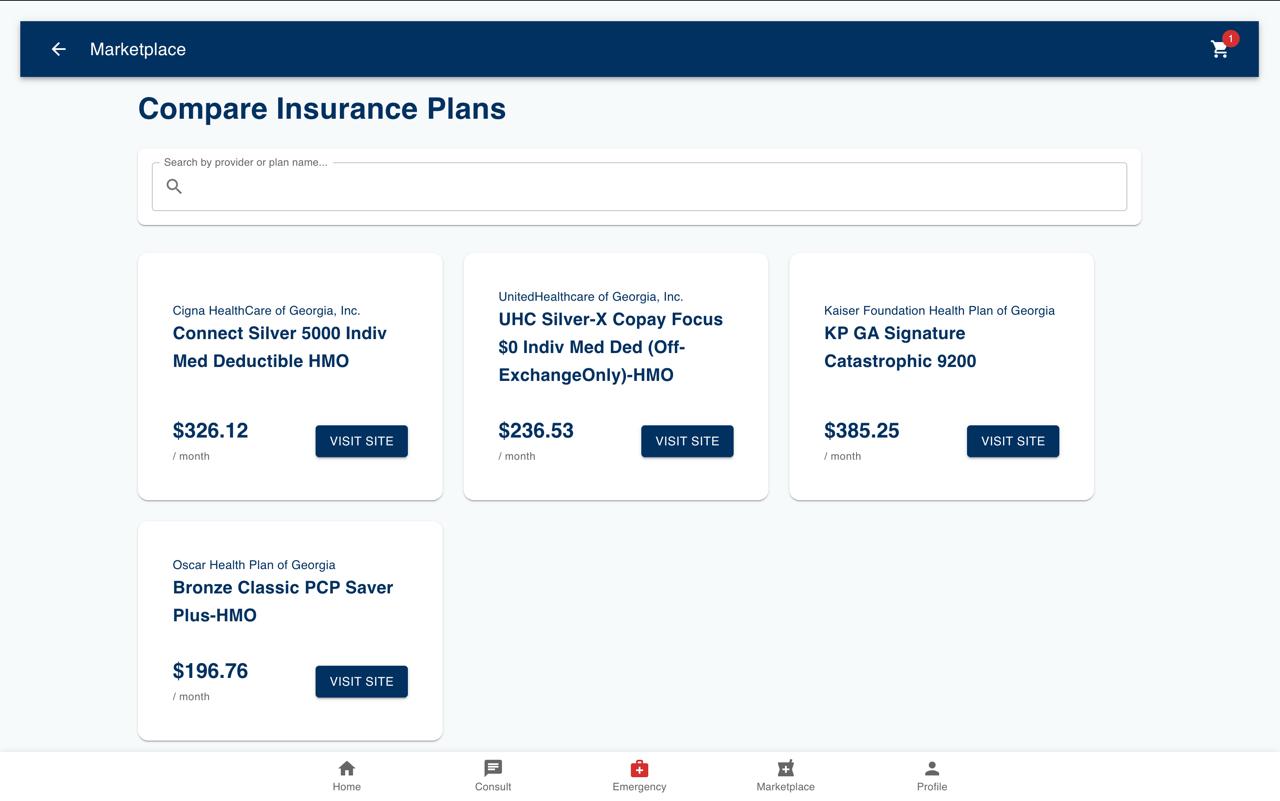
Insurance Plan


Inspiration
Healthcare is often fragmented patients juggle multiple apps for doctors, insurance, medicines, and emergencies, all while under stress.
We were inspired by the idea of creating a single, trusted place where patients can instantly access the right care without confusion.
Every minute counts in emergencies: studies show that for heart attacks, each 10-minute delay in treatment increases mortality risk by ~3%.
This urgency drove us to design a platform that prioritizes speed, transparency, and patient trust.
What it does
CareNest is a one-stop health navigation platform that:
- Builds a secure patient profile with medical, insurance, and emergency details.
- Offers a consultancy page where patients instantly find the right doctors filtered by proximity, insurance, and expertise.
- Provides a Marketplace to purchase medicines, insurance plans, lab tests, and treatments, all personalized.
- Includes an Emergency module with one-tap ambulance calls, lock-screen hospital suggestions, and ER booking.
- Brings everything together on a Home dashboard showing appointments, claims, and upcoming needs.
In short, CareNest turns fragmented healthcare into a fast, seamless, and transparent experience.
How we built it
We combined strong data engineering with modern web technologies:
- Database design: Optimized SQL schemas with indexing, multiple primary keys, and geospatial precomputation for real-time proximity searches.
- Backend: Python (Flask) REST APIs with SQLAlchemy ORM and distance calculations using geopy.
- Frontend: React.js Progressive Web App, Material-UI components, React Router, and Context API for state management.
- Deployment: GitHub Pages (frontend) + Azure (backend).
- Dataset: Over 300,000 providers, meticulously structured, linked, and queried to ensure accuracy and low latency.
Formally, we optimized queries for ( O(\log n) ) lookup complexity using spatial indexing.
Challenges we ran into
- Structuring fragmented medical datasets into a usable, query-efficient schema.
- Handling real-time geospatial queries without sacrificing latency.
- Designing an interface that feels simple during panic situations, while hiding backend complexity.
- Balancing patient consent, privacy, and HIPAA compliance requirements.
Accomplishments that we're proud of
- Created a working end-to-end prototype that covers the full spectrum: profile → doctor booking → marketplace → emergencies.
- Integrated live location-based search with insurance filters for doctors and hospitals.
- Built a modular architecture that can scale to microservices.
- Prioritized patient trust and transparency in every design decision.
What we learned
- The complexity of healthcare is not in the technology itself, but in integrating multiple moving parts while ensuring compliance and usability.
- How crucial query optimization and data modeling are when dealing with large-scale healthcare datasets.
- That designing for emergencies requires simplicity above all else, every second saved matters.
- Realized that effective healthcare tech must balance patient needs with provider efficiency.
What's next for CareNest
- Achieve full HIPAA compliance and obtain necessary regulatory licenses.
- Expand the dataset to cover global providers beyond the current set.
- Introduce AI-driven triage questionnaires to guide patients before they see a doctor.
- Build integrations with insurance providers for real-time claims tracking.
- Migrate to a microservices architecture for scalability in production.
CareNest is just the beginning. Our vision is to make healthcare access as simple as booking a cab.


Log in or sign up for Devpost to join the conversation.