-
-
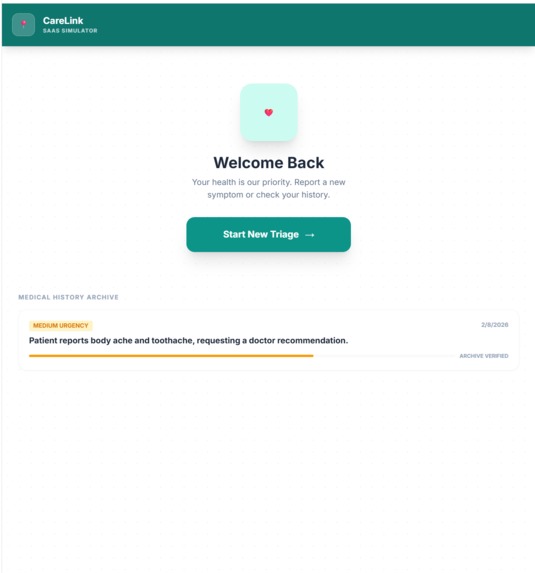
Carelink Main
-
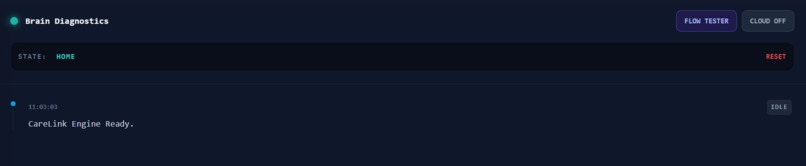
Carelink Gemini Brian
-
-
CareLink Logo
What it does
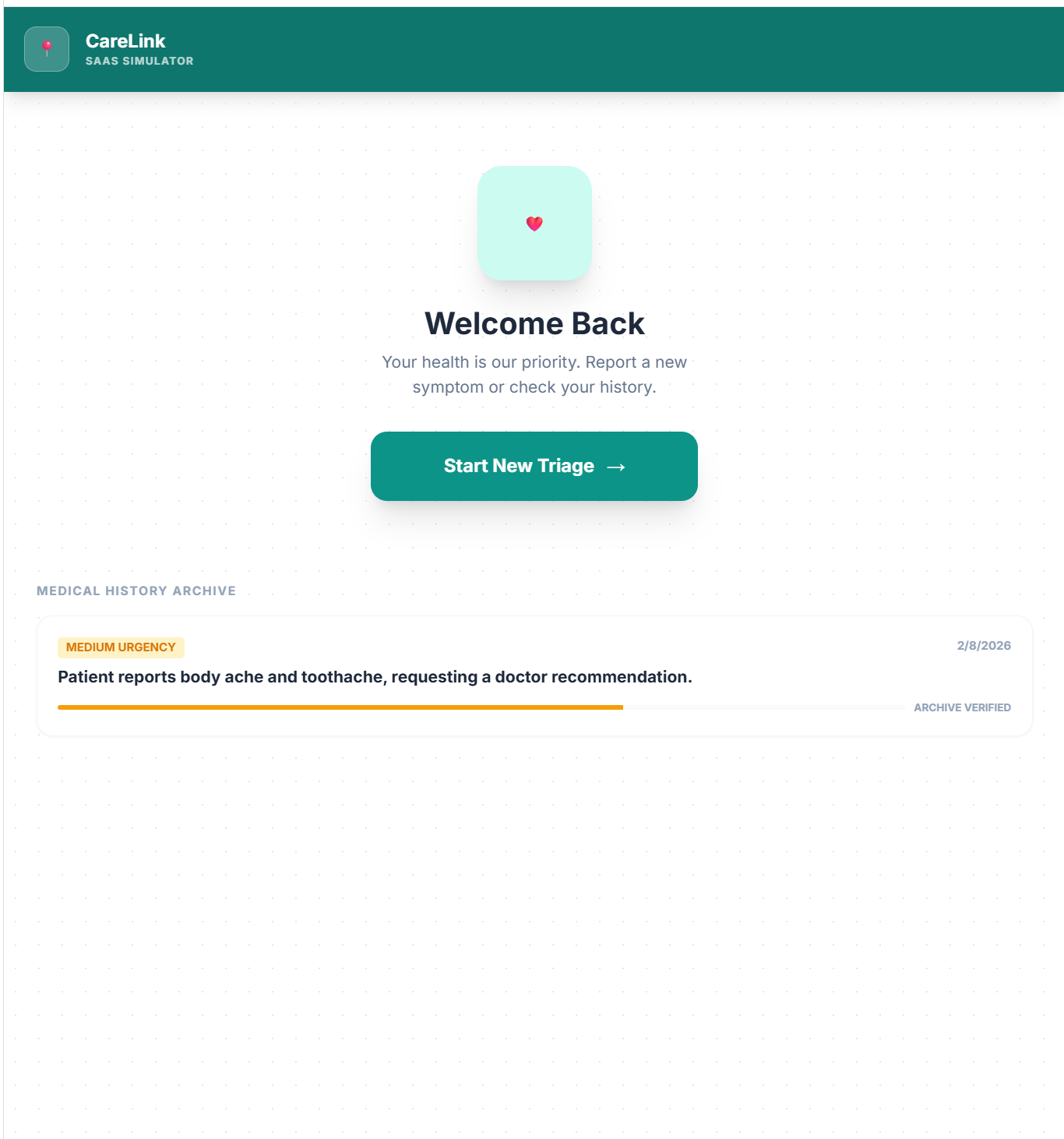
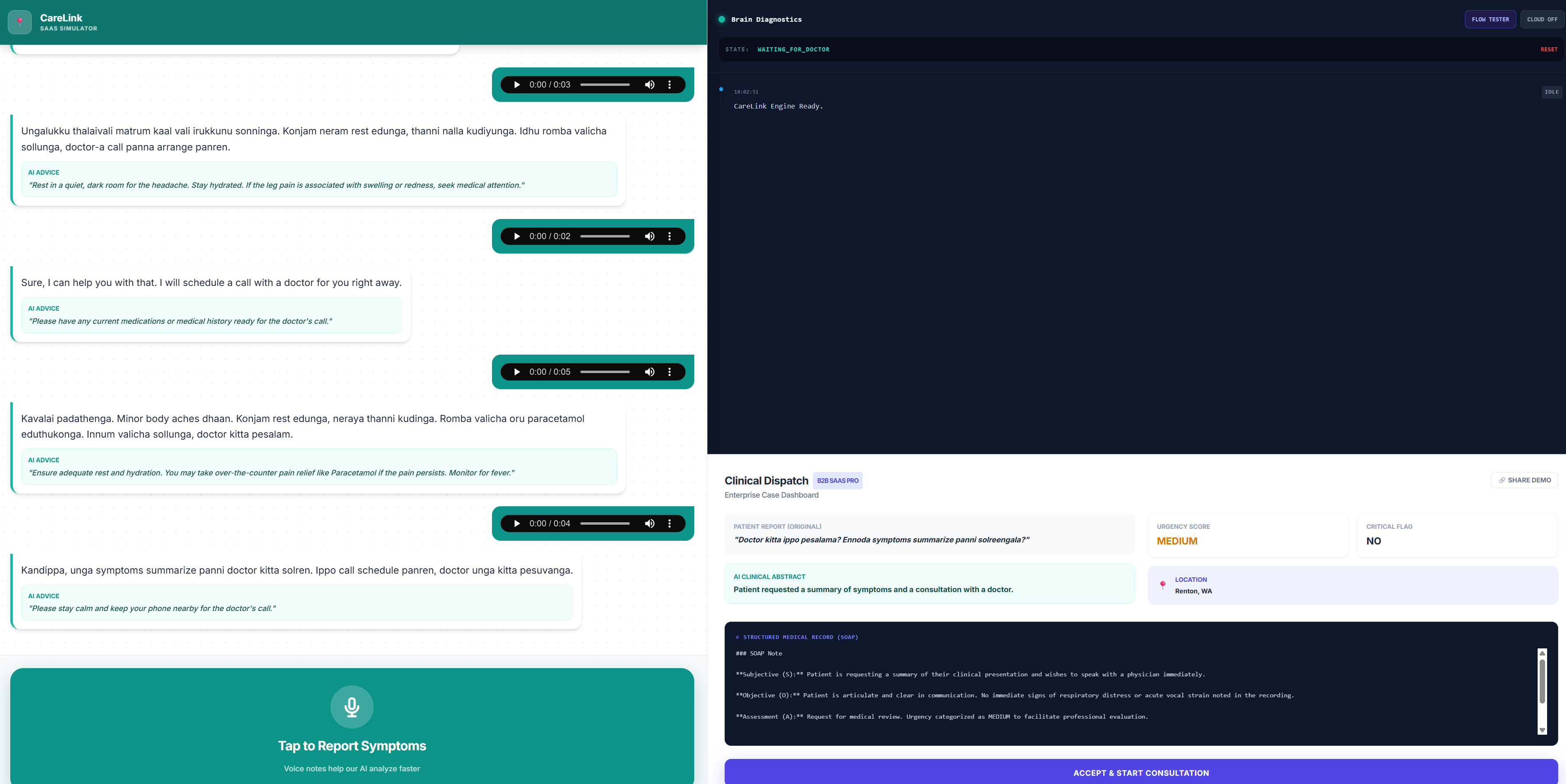
CareLink is a voice-first medical simulator and intelligent triage agent. Designed with a high-contrast, "frictionless" interface that mimics the familiar layout of WhatsApp, it allows users to simply speak their symptoms in their native or mixed languages (such as "Tanglish").
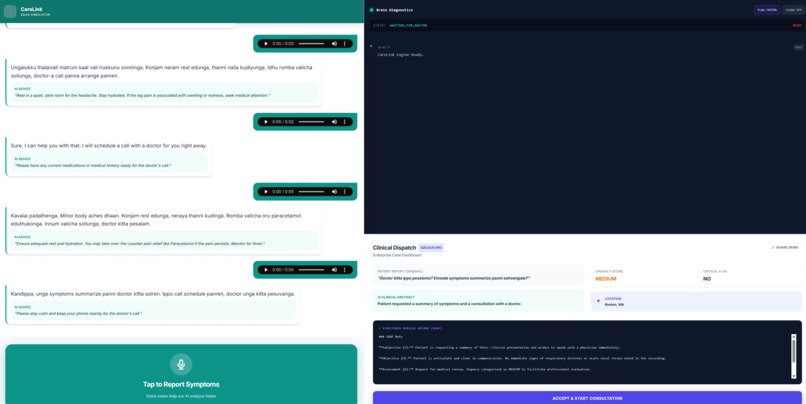
Intelligent Triage: Powered by Google Gemini, it listens to voice notes, analyzes clinical urgency, and detects life-threatening emergencies (like heart attacks) in real-time.
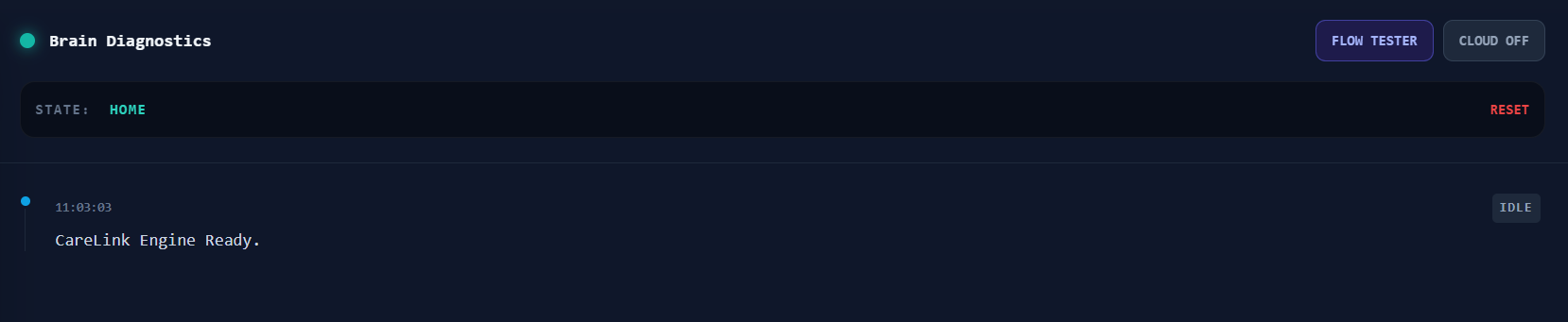
Live Dashboard: It captures precise geolocation and synchronizes patient data instantly to a Doctor Dashboard, allowing medical professionals to view AI-generated clinical summaries and accept cases immediately.
How I built it I built the application as a web-based platform with a focus on speed and accessibility using Google AI Studio.
The Intelligence: I utilized Google Gemini to process unstructured voice inputs. Its ability to parse code-mixed language allowed me to extract accurate medical data from casual speech.
The Backend: I architected the system using Supabase Realtime. This ensures that as soon as a patient speaks, the data appears on the doctor's screen with sub-second latency.
The UI: I designed the frontend to look exactly like WhatsApp because it is an interface my target users already know, removing the learning curve entirely.
Challenges:
Language Parsing: Ensuring the AI could accurately interpret "Tanglish" (Tamil-English mixing) without losing critical medical context was difficult.
UI Discipline: My biggest struggle was stripping the interface down. As a developer, I wanted to add features, but I had to constantly remind myself that for this demographic, every extra button is a barrier.
Latency: Optimizing the voice-to-text-to-dashboard pipeline to ensure it felt like a real-time conversation rather than a form submission.
Accomplishments that I am proud of I am most proud of the "Zero-Training" nature of the app. Seeing the system successfully take a vague, mixed-language voice note and convert it into a structured, medically accurate summary on the dashboard felt like a breakthrough. I'm also proud of the production-ready architecture; the Supabase integration allows the app to handle real-world scale right out of the box.
What I learned I learned that the best User Interface for non tech savvy users is often no interface at all—just voice. I discovered that Large Language Models are not just for generating text. they are powerful accessibility tools that can bridge the digital literacy gap, turning natural language into a reliable command line for complex systems.
What's next The architecture is designed to be extensible. Next, I plan to:
Expand the Language Library: Ingest more regional language models to support users across different states and dialects.
Wearable Integration: Connect CareLink to smartwatches for passive health monitoring (heart rate/fall detection) that triggers the voice agent automatically.
Built With
- api
- gemini
- gemini3
- gemini?s
- model
- native
- natural
- natural-language-processing
- react
- supabase
- tailwindcss
- text-to-speech
- tts)
- typescript

Log in or sign up for Devpost to join the conversation.