-
-
Carelify
-
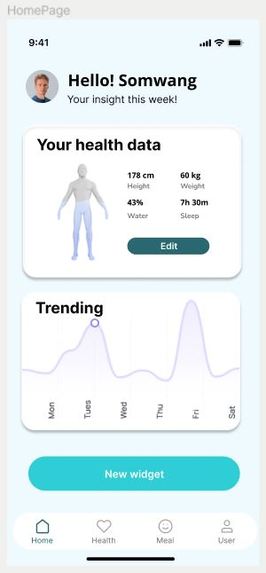
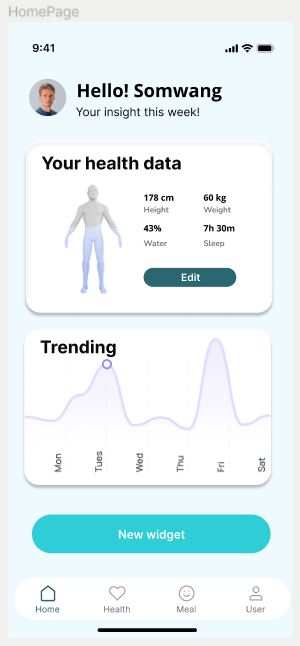
Home page (UI)
-
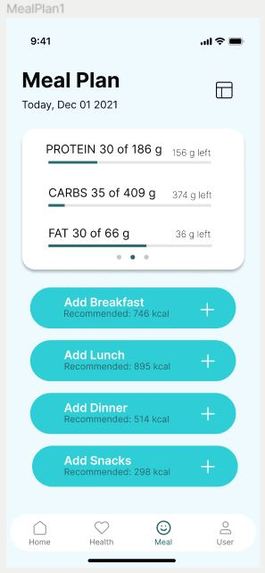
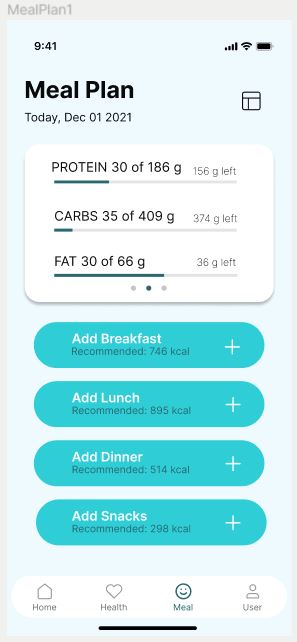
Meal Summary (UI)
-
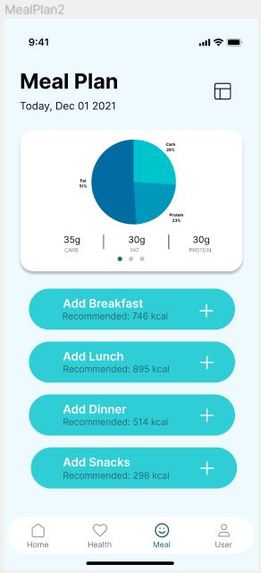
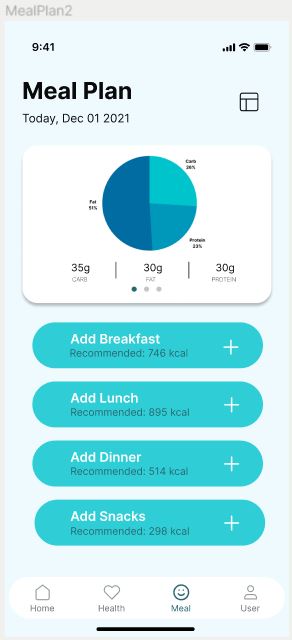
Meal Summary (UI)
-
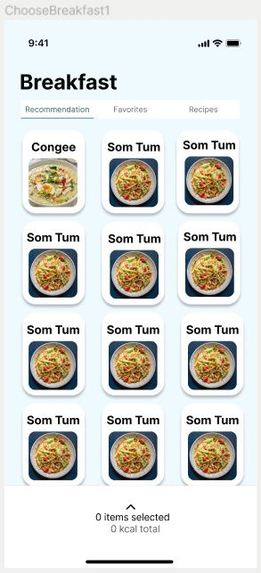
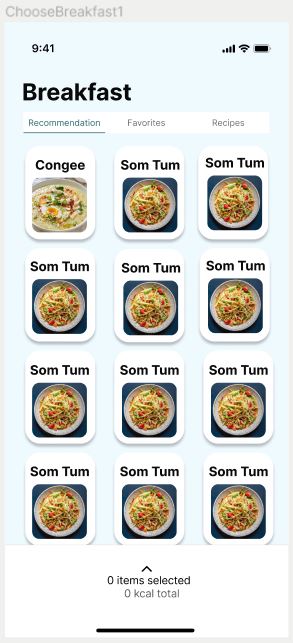
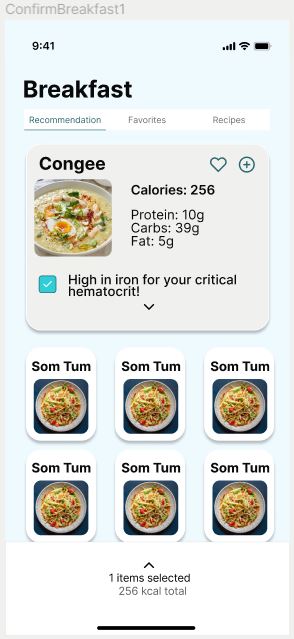
Meal Selection (UI)
-
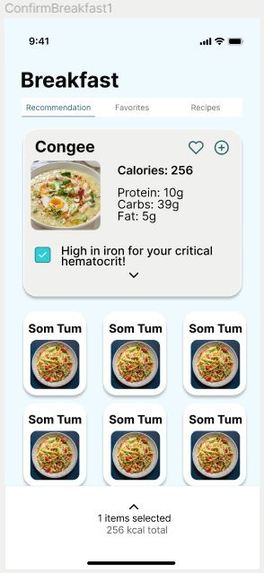
Meal Selection (UI)
-
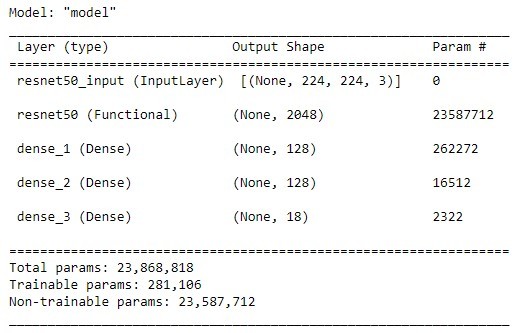
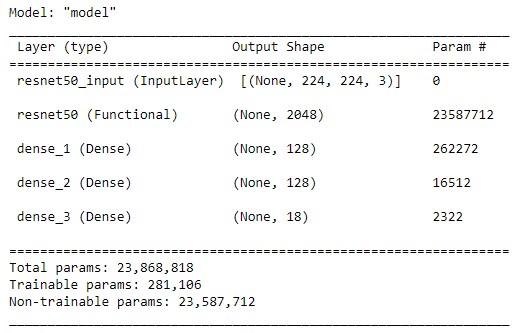
Transfer Learning and Fine Tuning using ResNet50
-
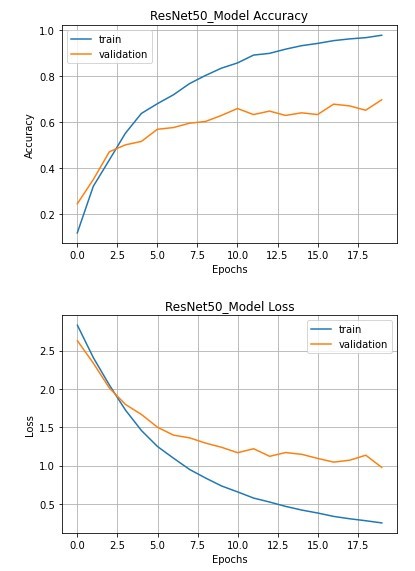
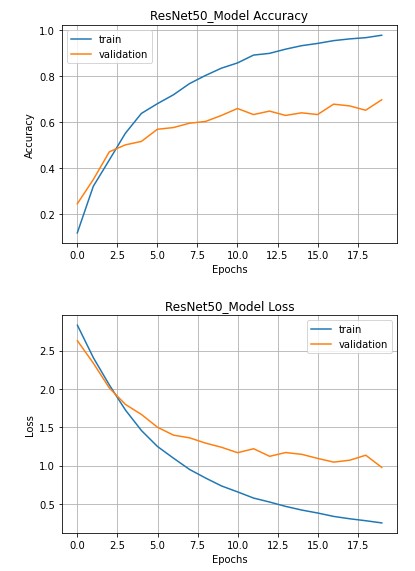
ResNet50_model Accuracy and Loss graphs
-
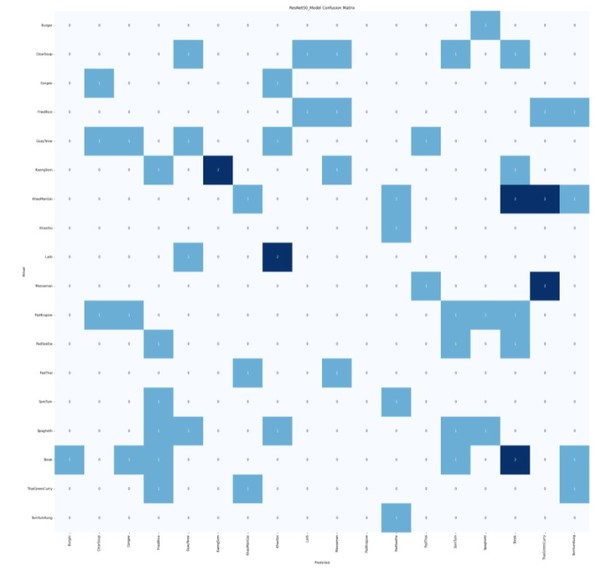
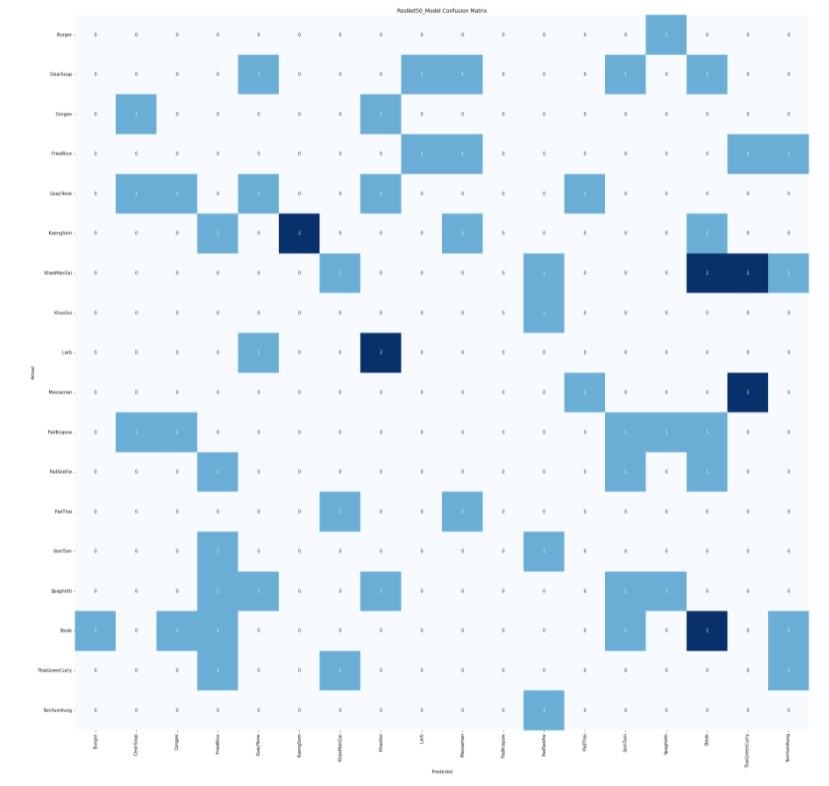
Confusion Matrix (Heat map)
-
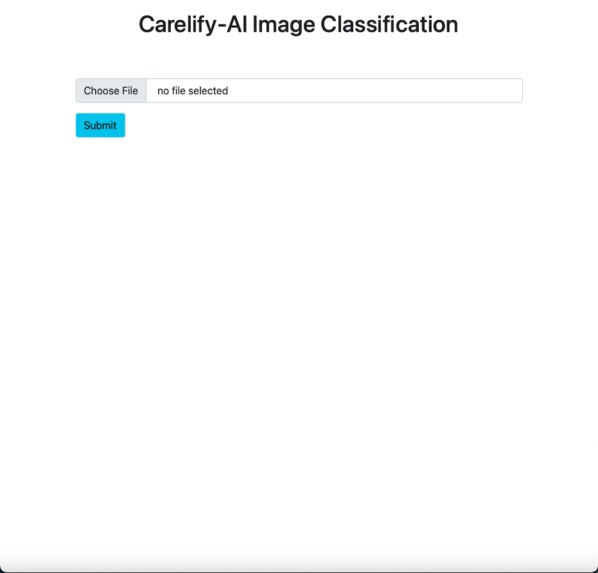
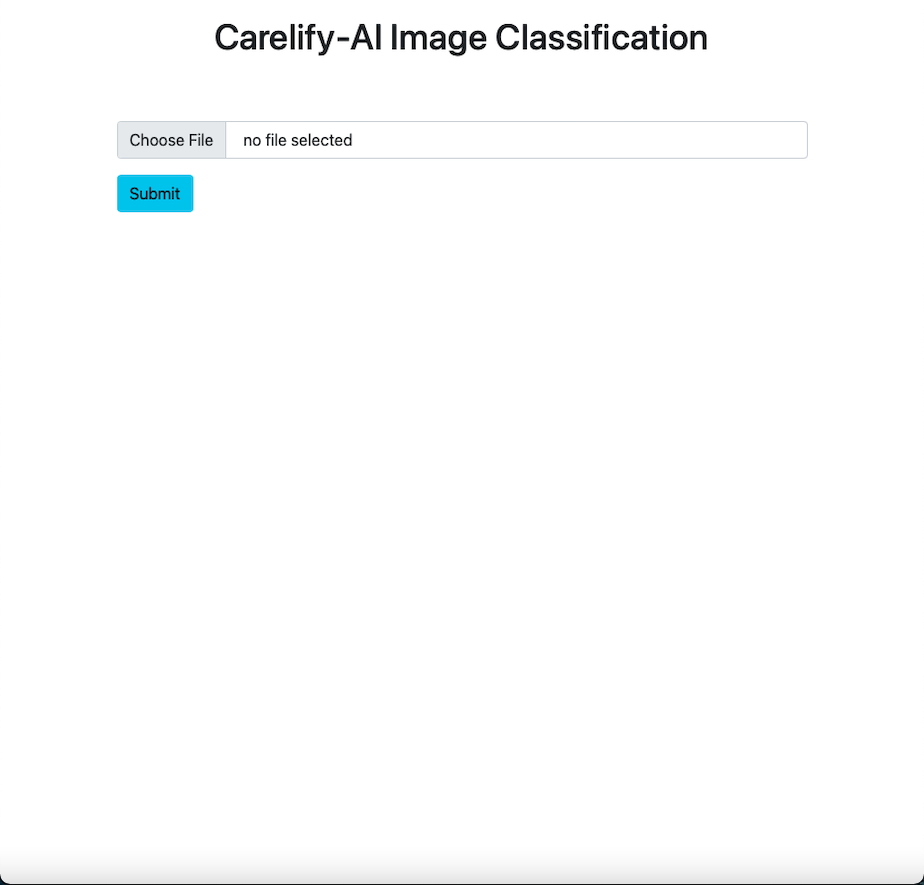
Web API using Flask
-
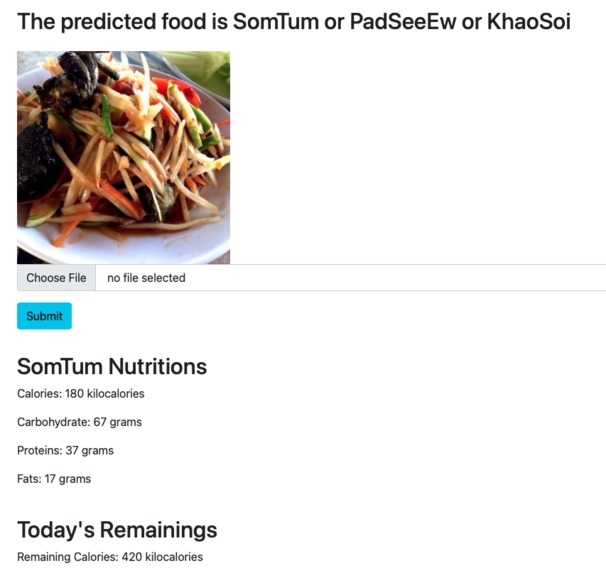
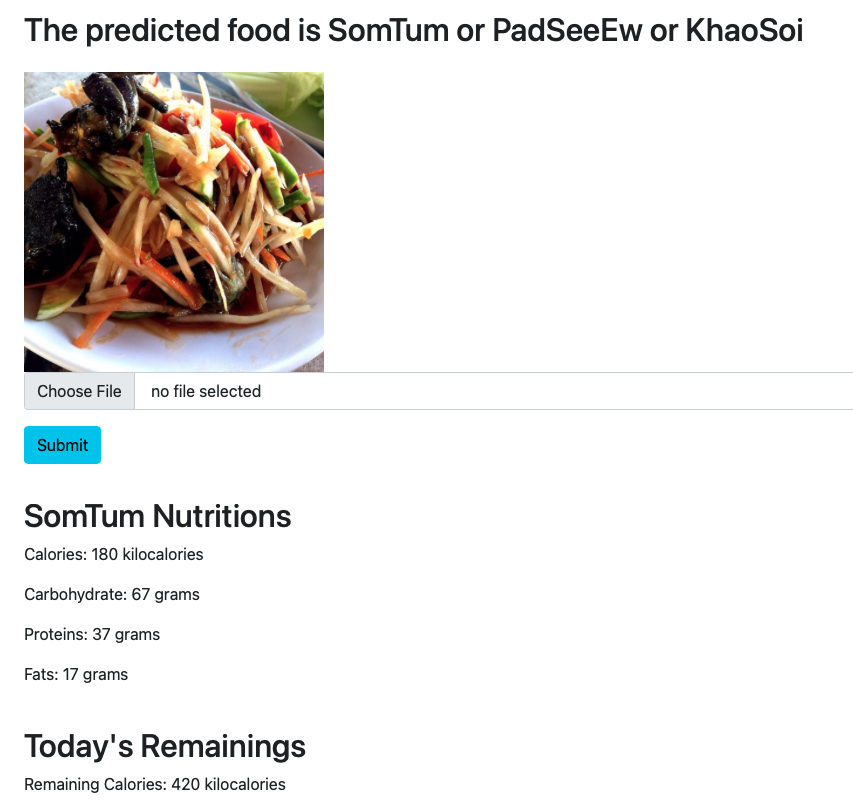
Prediction Example
Inspiration
Observing a general trend of increasing health awareness and healthy habits, our team was able to narrow our focus down to our consumption habits and eating habits, as well as the general direction, or lack thereof, for exercise most people in sedentary lifestyle have. Referring to these two common concerns, our team began to think about how we can apply our knowledge, experience, and interest in projects related to the field. What we were able to conclude was a trend in increasing health awareness amongst everyone, and growth in the digital health industry as a whole. The passion for the health field in our team let us to these pain points we have discovered:
- No flexible and customized plans that fit the user’s requirement or routine, including exercise and meal plans
- Finding appropriate food that suits a customer’s medical data, in reality, is not always possible, especially for the one who does not have so many food choices to choose. We saw a huge opportunity from these pain points and all of these combined is what inspired us to create ‘Carelify’
What it does
Carelify is a highly personalized and customizable health application that can generate plans that could fit users' time limitations. User health information will be requested, serving as our major competitive advantage, identifying not only the height, weight, and externally identifiable factors, but more potential hidden health issues such as blood health data. The application will take the user’s personal health data into consideration and calculate an optimal amount of daily nutrients and calories. The user is then able to add recommended dishes (which are based on the user’s health condition) to their daily plan, see the remaining amount of required nutrients and calories and adjust their meal accordingly to fit the recommendation. As for the AI part, the users are able to input their dishes manually as well by taking a photo of the food. Our image classification system will then automatically distinguish the given food dishes and will add them to the user’s plan mentioned above. We hope this AI system will improve ease of use as well as give users an improved sense of awe when engaging with our system.
How we built it
We built the AI classification image using the transfer learning and fine-tuning method from Keras. The selected model is ResNet50 which is best suited for our group right now from others since we have retrained different models several times and try to catch the best one. By using Flask, a microframework for python, we could utilize our trained image classification model locally on the web framework.
Challenges we ran into
We faced difficulties finding the right images and had issues where our identification system was too general and needed to be more specific. Even though we were able to train the model, there was not enough data to create a very efficient and accurate model since the food data set was difficult to find especially for Thai foods which some of them look very similar such as TomYum and KaengSom.
Accomplishments that we're proud of
We weren’t able to procure large amounts of images but still made do with what we had and constructed our own version of a program that can serve as a prototype to show for. We had pride in overcoming technical challenges despite our inexperience and inefficiencies. We especially take pride in our final product when the AI system was able to run sufficiently at an acceptable level, and felt motivated by its progress as well as hopeful in its potential growth and improvement. We will continue to display this accomplishment and utilize this progress, integrating it into an integral part of our final product as a whole.
What we learned
We learned the complications of creating AI models especially when we have a lack of resources and time. But we also learned the ability to be flexible to these otherwise rigid steps and processes. In addition, we have also learned the process of integrating AI into an existing business. It was a surreal experience to finally get past discussing the utilization of AI and digital technology into actually playing testing with the tech and figuring it out. Even if simple, we believe this experience will serve as well in the future in utilizing digital technologies in our products, projects, and solutions. We’ve also been able to experience the vast amount of technology and methods in which digital technology can be applied. It is often implied that there is a direct and straightforward way to apply AI, however the reality is not so simple. There were numeral methods and potential solutions, as well as means and methods of execution available at the conceptualization stage of our project. We have had the chance to evaluate each option and select the most appropriate system for our operation.
What's next for Carelify
Some of the current milestones for Carelify are conducting MVP testing while gathering valuable supporters and partners. Then we plan to launch it and eventually penetrate into the health market. As for the AI part, our next plan is to continue improving the sensitivity of our recognition, increase its accuracy and improve the range of detection to identify more types of food, and when the workable prototype is done, we will seriously implement the AI into our application. Not just locally on the computer.
Our Team
Teerapat Leerahanan Responsibilities
- The model training (Transfer learning and Fine-Tuning) using the pre-trained model ResNet50
- Creating web api for the AI image classification using Flask framework (Run locally)
- Drafted the system function for interface design
- Video demonstration of our project (AI part)
Nattapoom Ninwatcharamanee Responsibilities
- Mainly for the business part, problems, solutions, and business model.
- For the AI part, I helped Teerapat with model training, creating web api, and demonstration video.
Hao Zheng Responsibilities
- Had a responsibility in the creation of User interface design.
- Business model that includes competitor analysis, business future growth.
- Quality check of final deck and organization.
- Assisted in creating Model training using the pre-trained model ResNet50.
Piyabud Lertthummajinda Responsibilities
- The procurement of 1602 images for 18 classes from google, quality check, and their organization, followed by overseeing the utilization of all images
- Assisted in the creation of the user interface design
- Assisted in overseeing model training process
Athitchai Wanapaison Responsibilities
- Conceptualization and ideation of the project topic as well as market research to identify competitors we want to reference and learn from
- Assisted in the creation of the user interface design
- Assisted in Designing web api


Log in or sign up for Devpost to join the conversation.