-
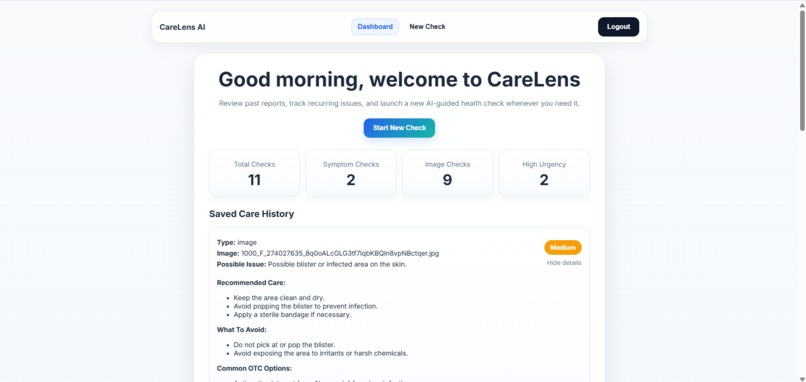
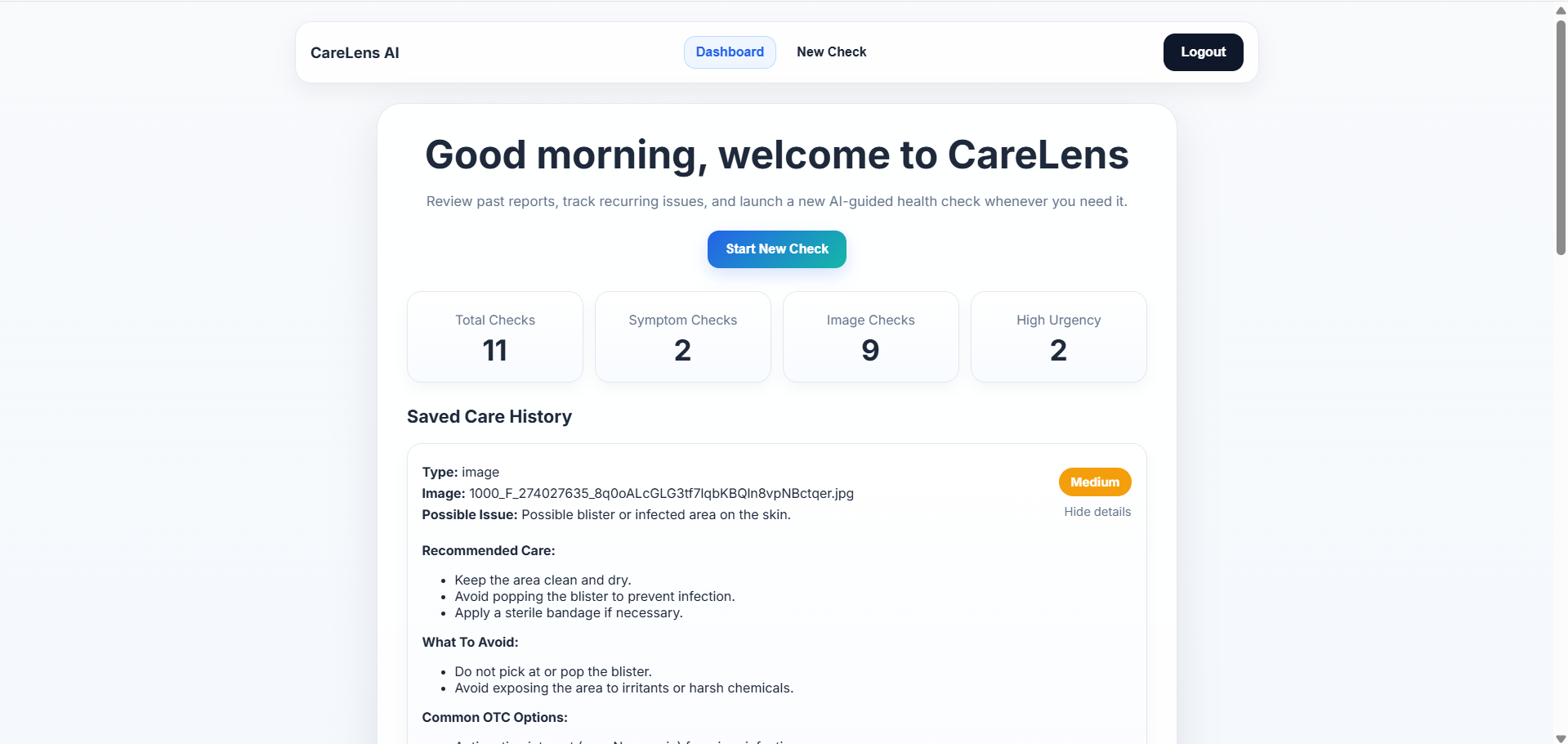
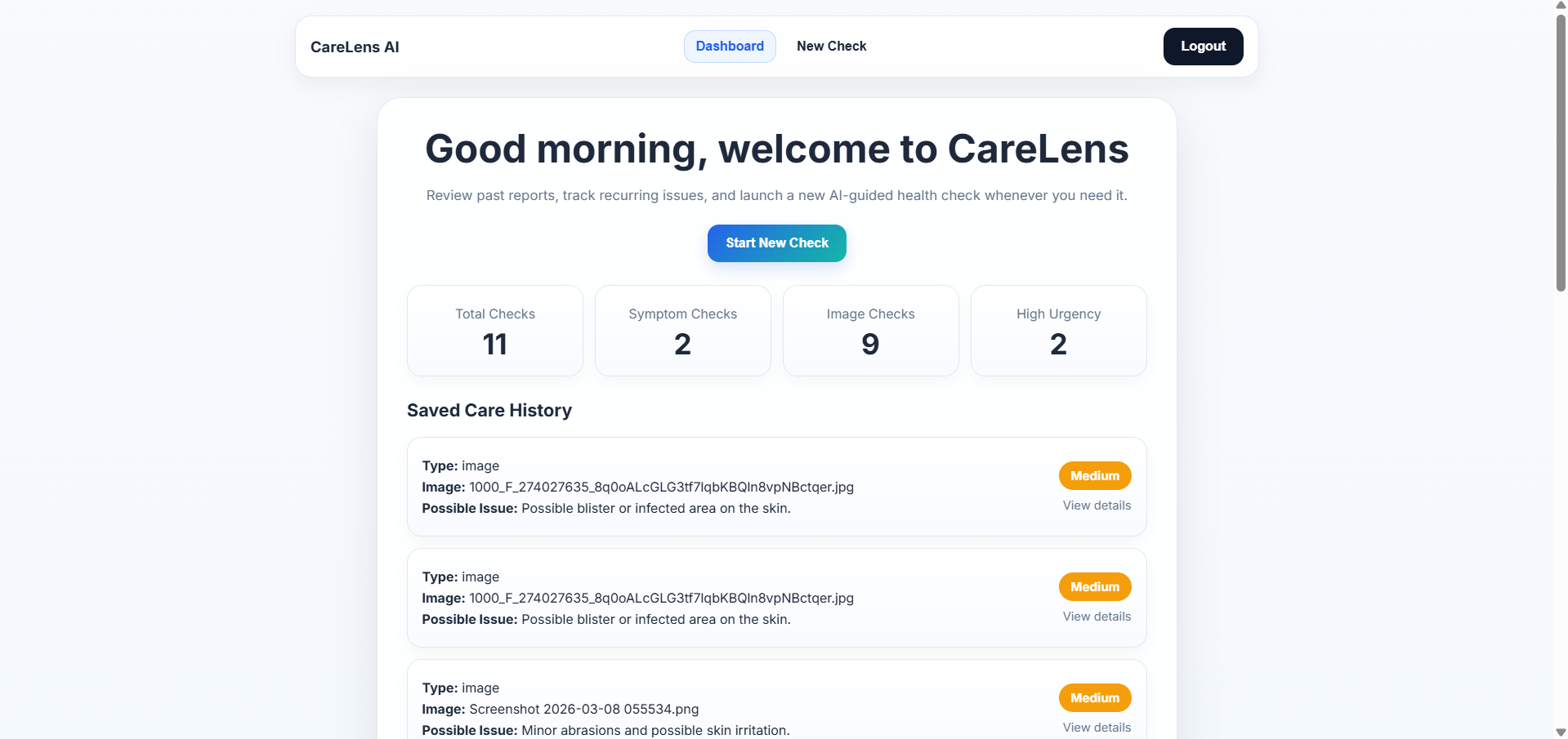
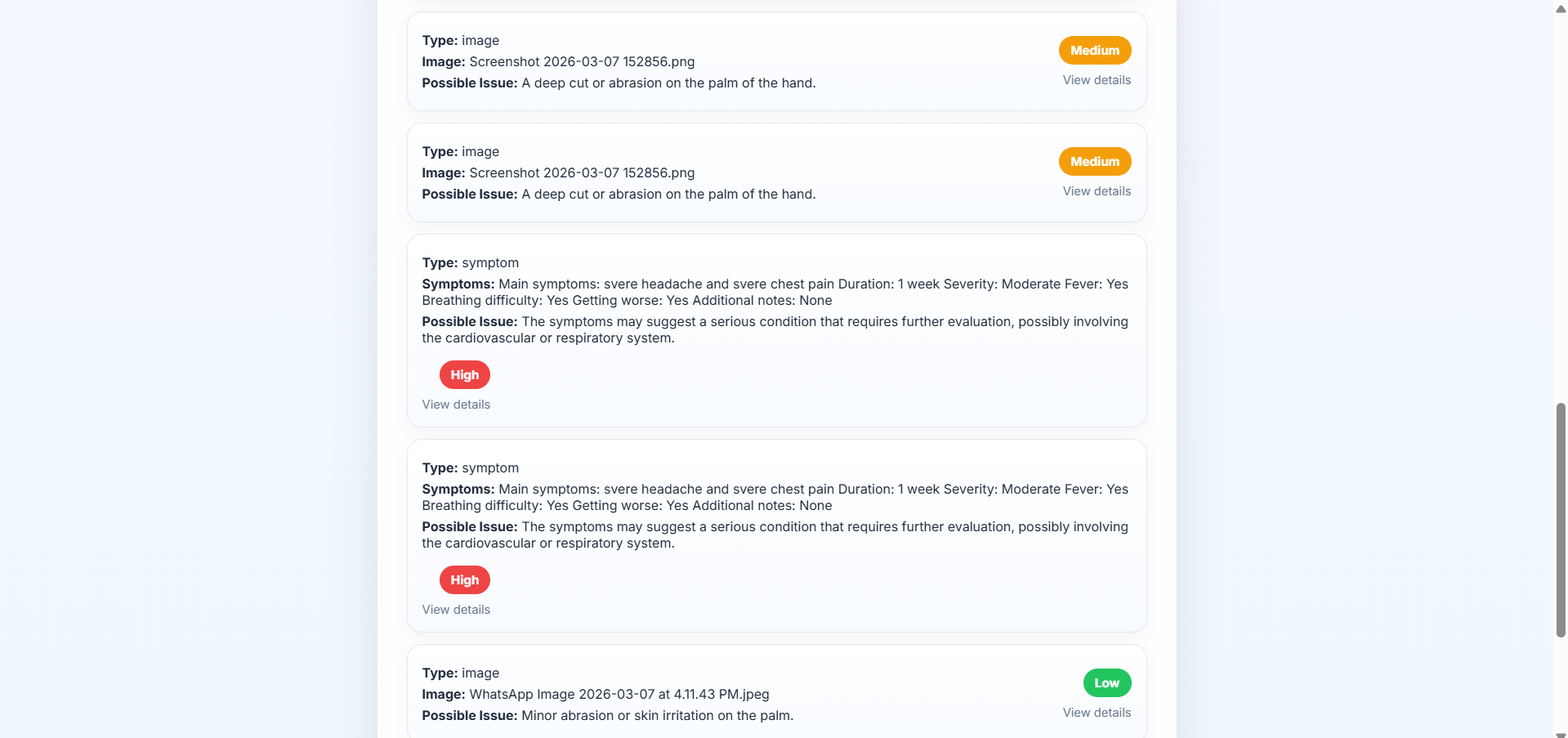
See your history
-
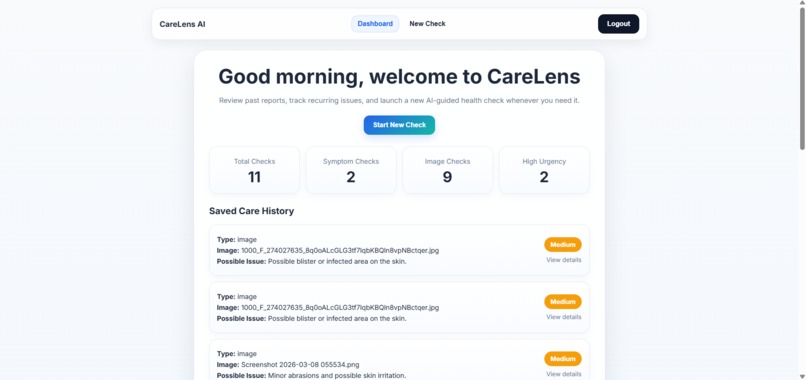
Dashboard
-
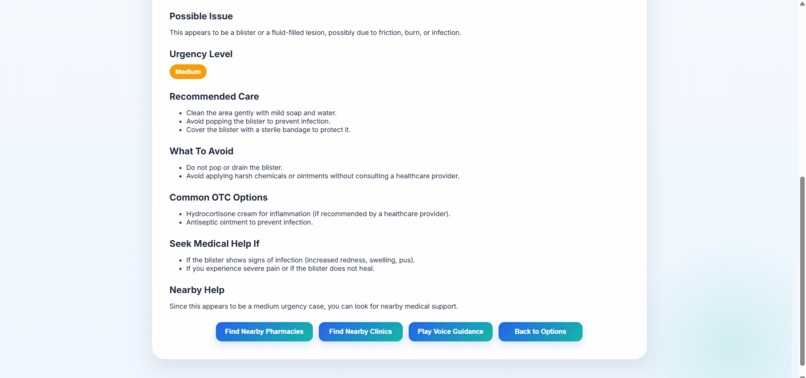
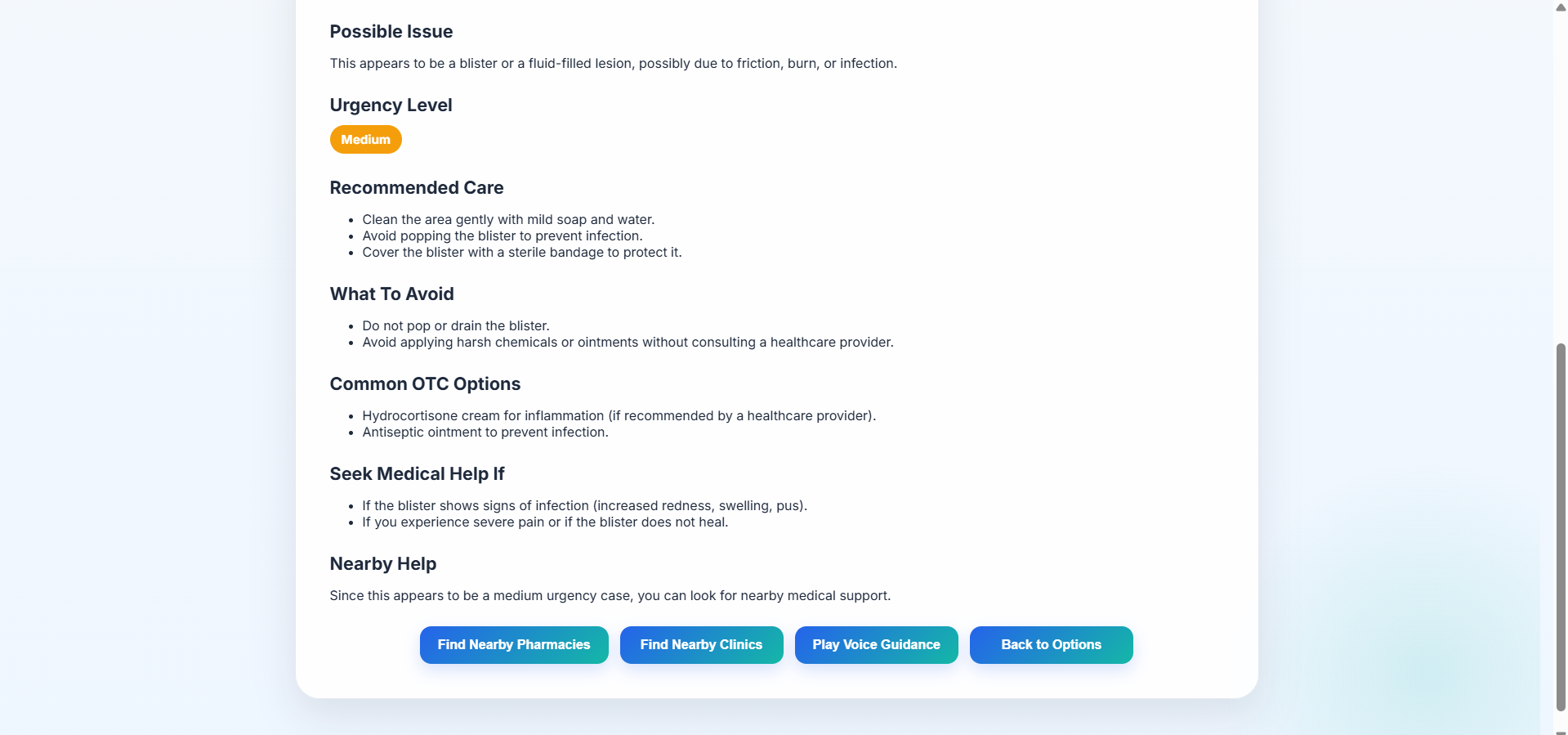
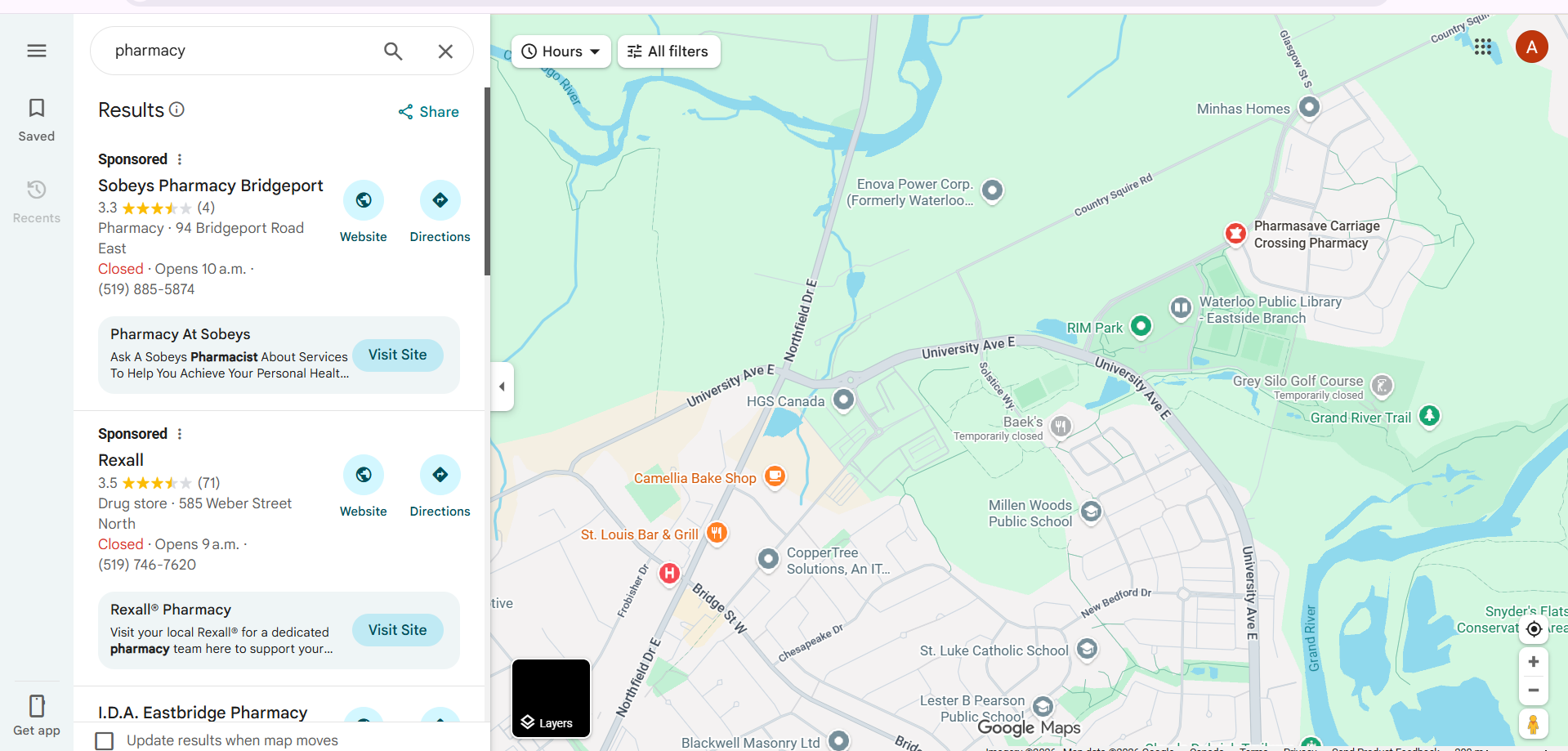
it also provides you with the link for nearby pharmacies and clinics
-
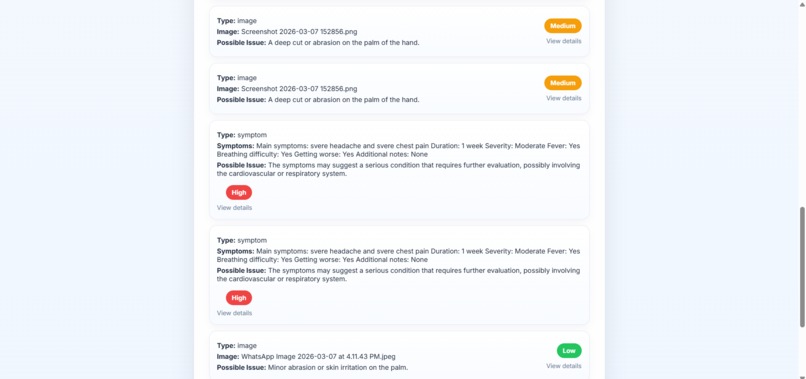
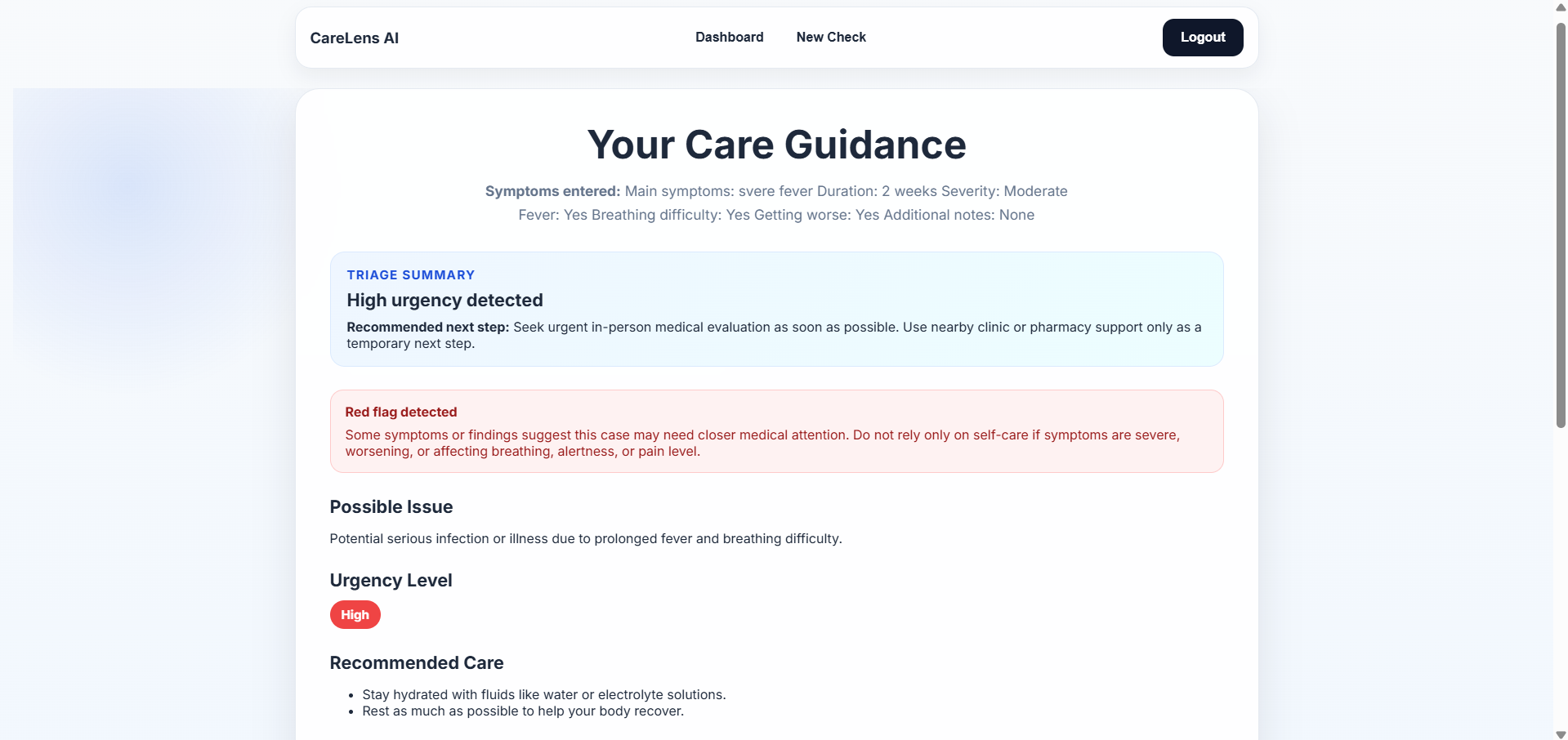
red , orange , green flags are given according to the severity
-
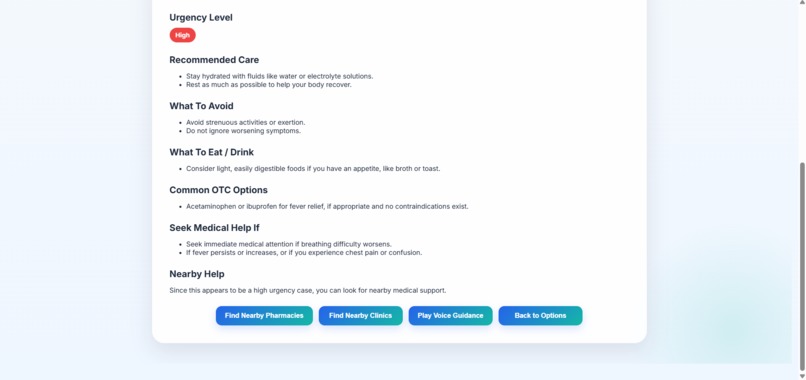
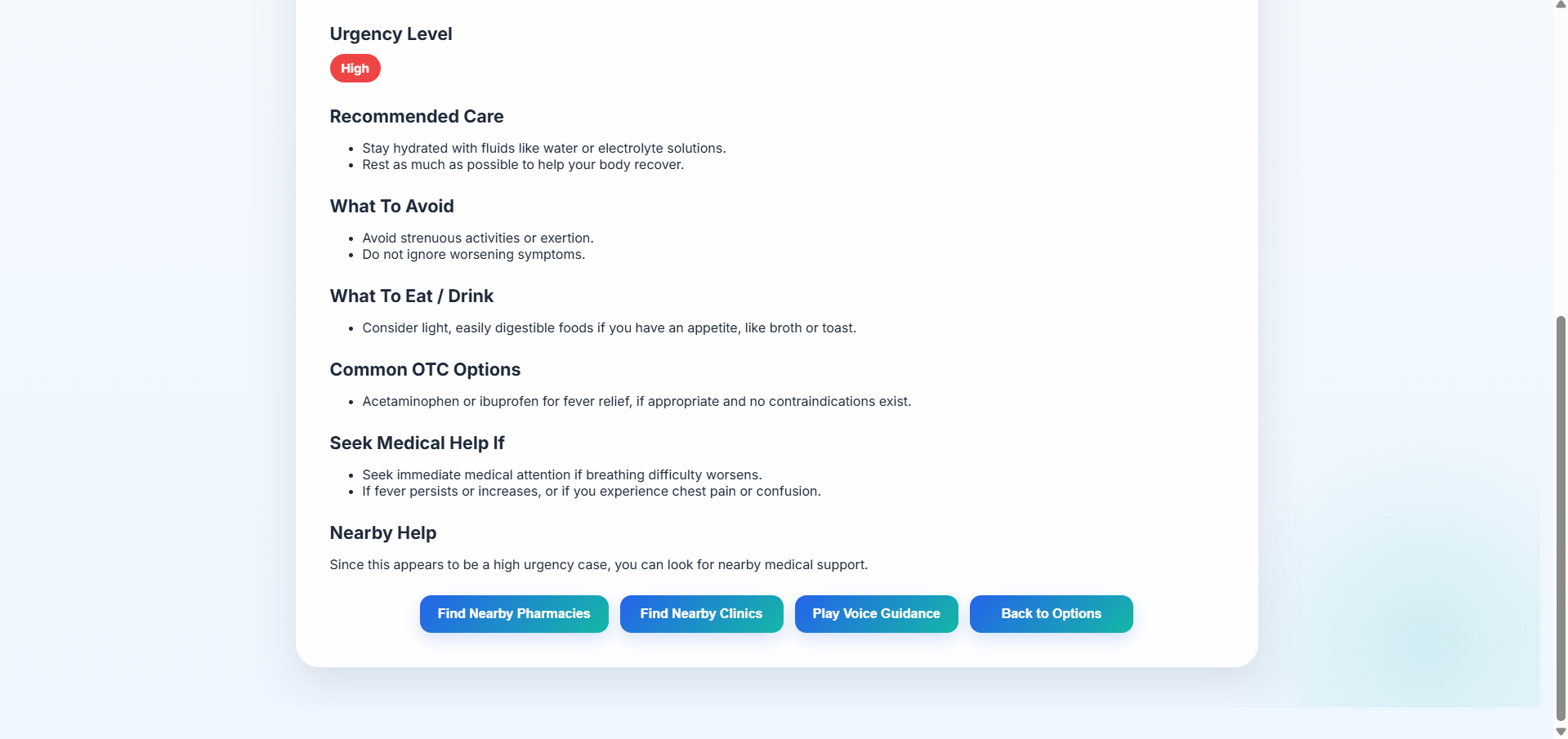
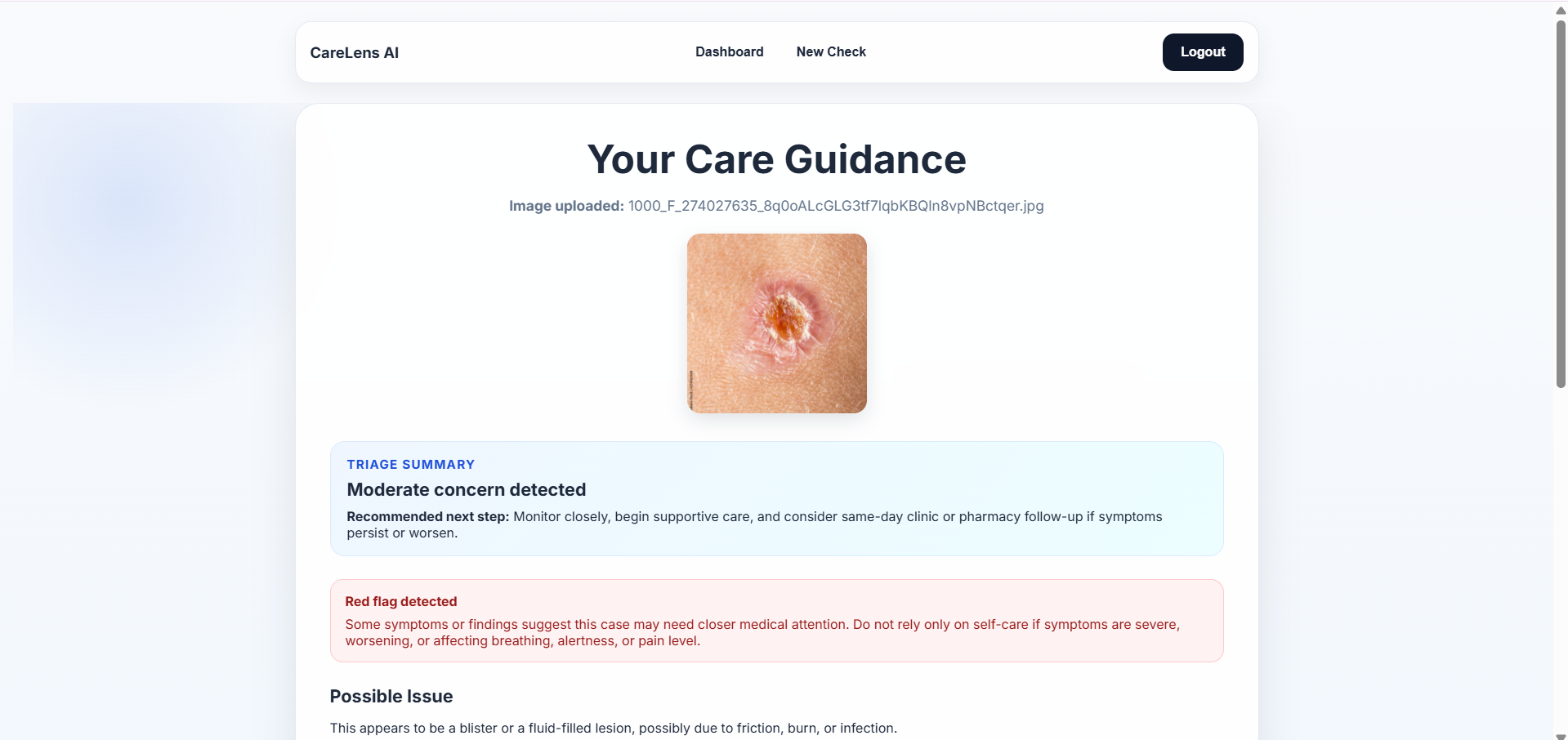
again it provides the link for the nearby pharmacies and nearby clinics and if you have other thing to diagnose you can go back
-
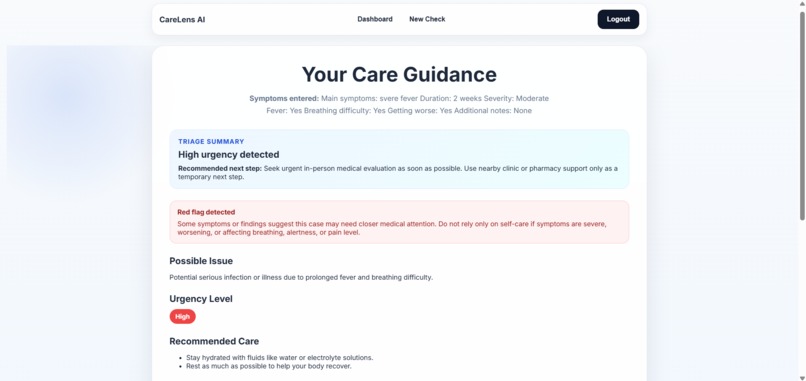
it shows you all the details , what to do now , level of urgency , and all other required details about the problem
-
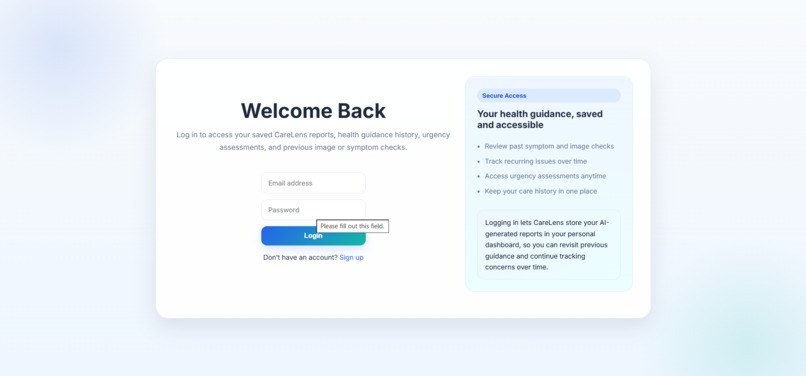
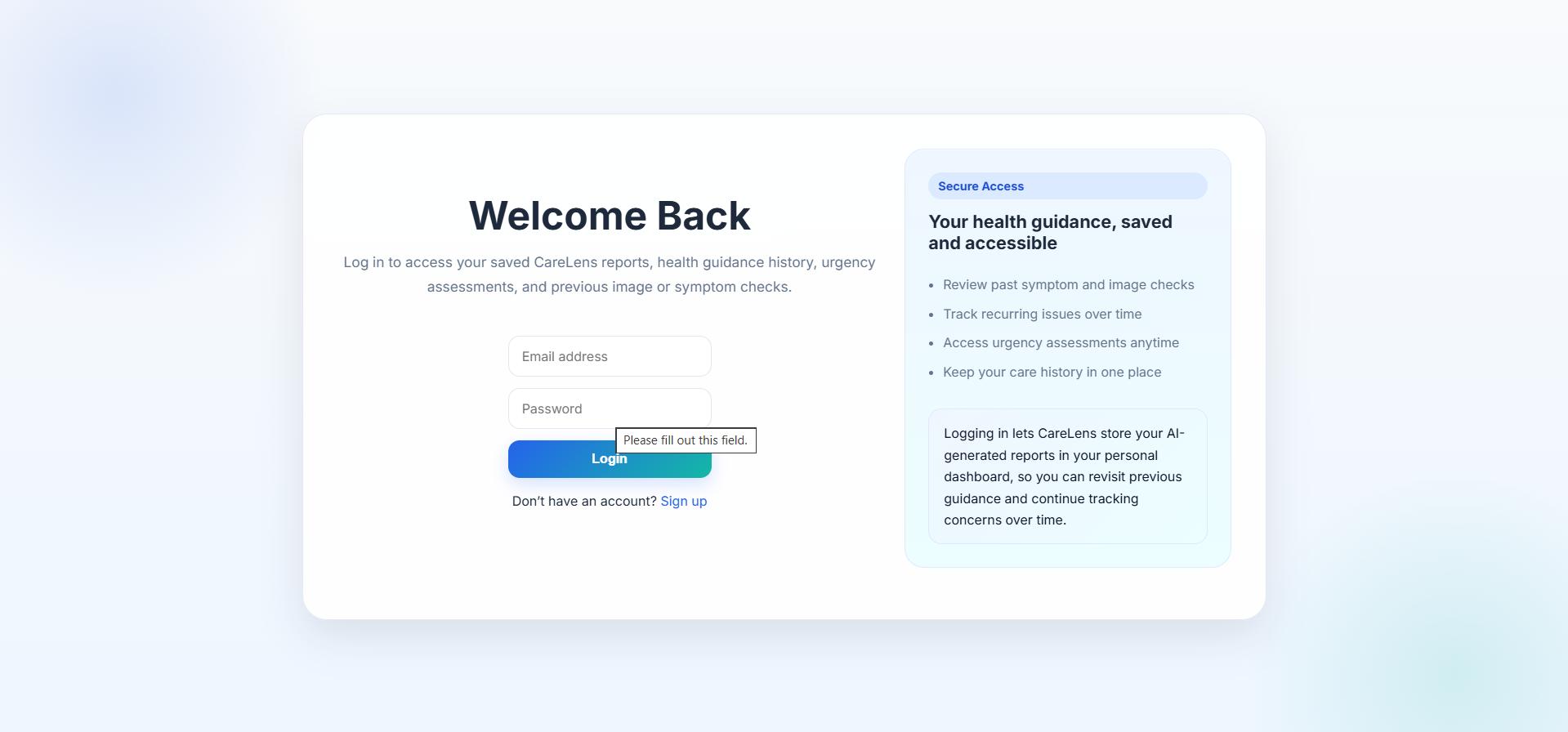
Login page
-
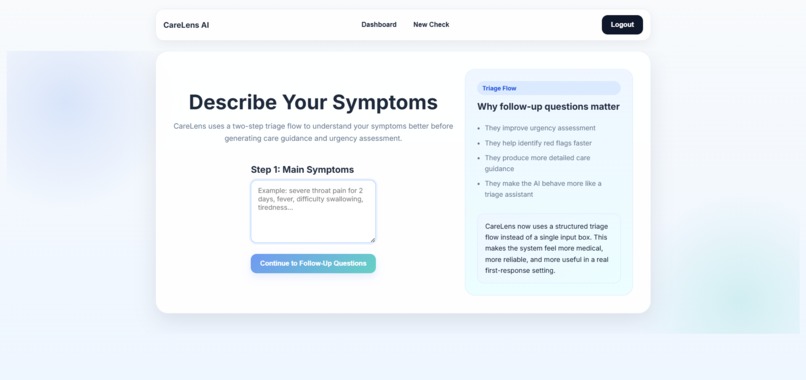
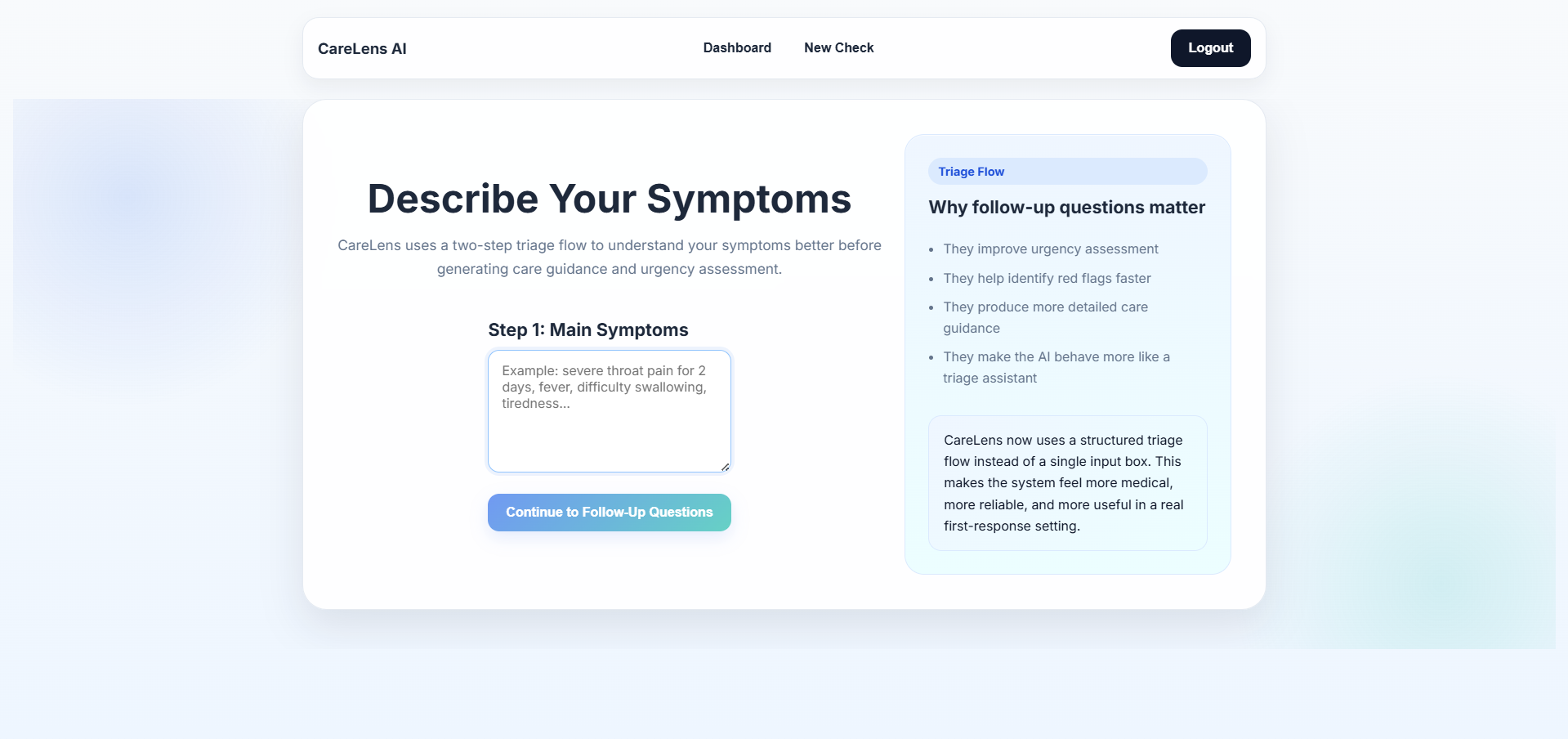
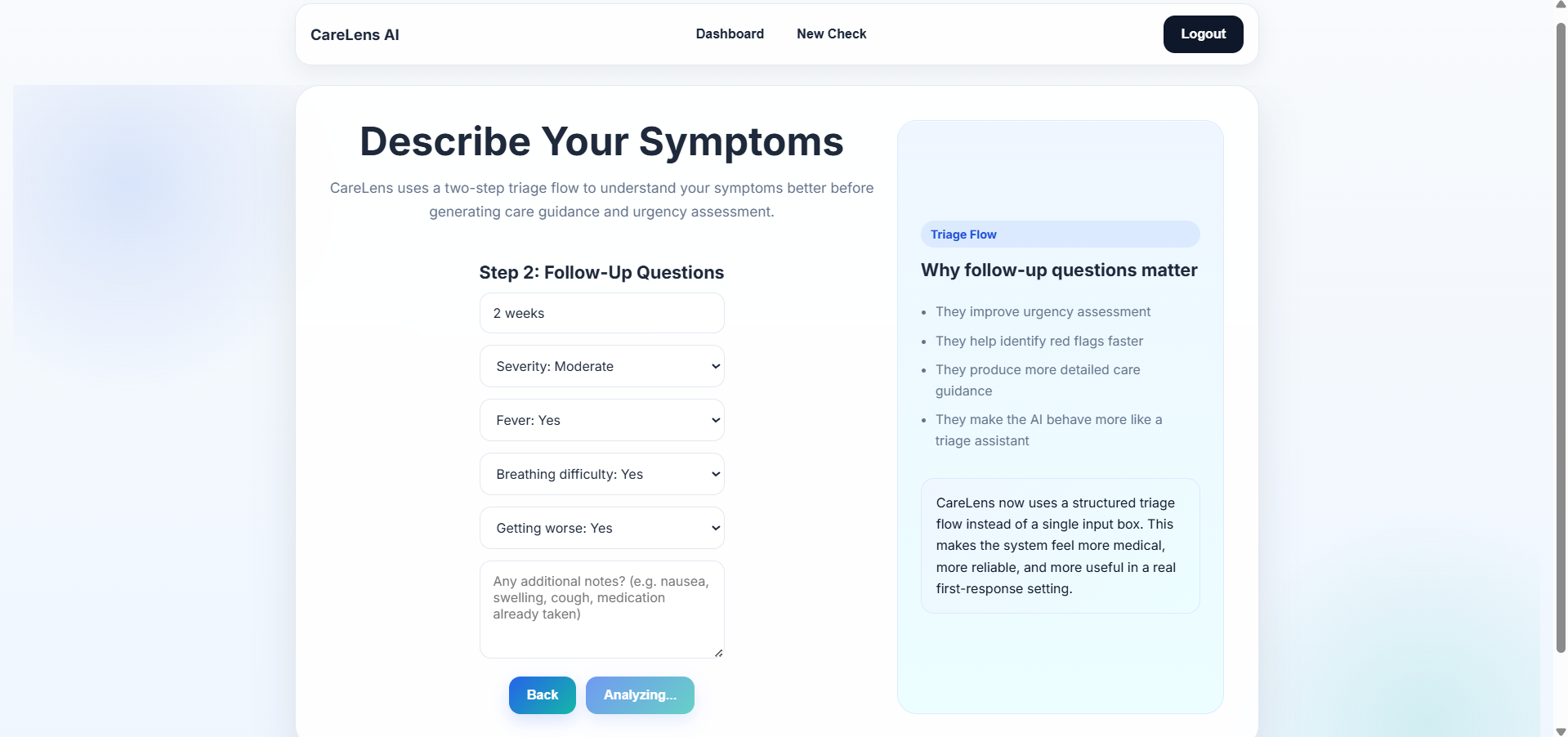
A user can also describe their symptoms by writing
-
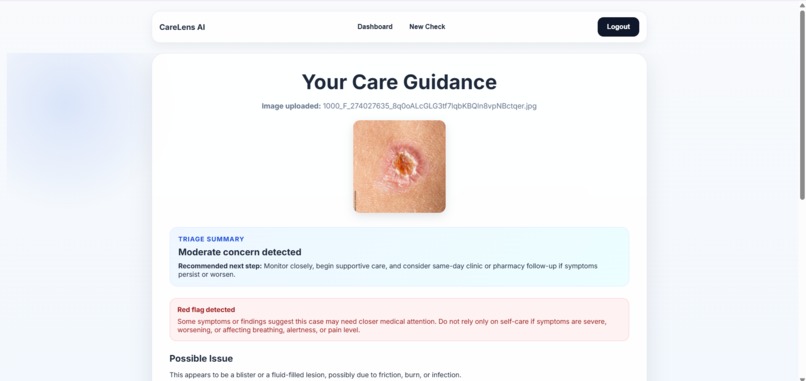
CareLens.ai give detailed information about it , what to do now , level of urgency and all essential details
-
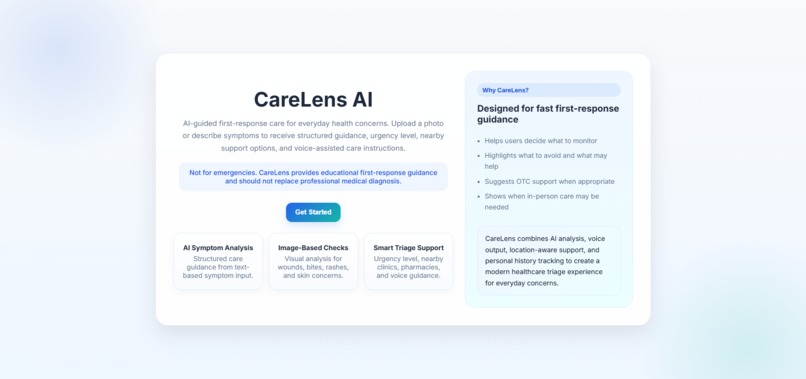
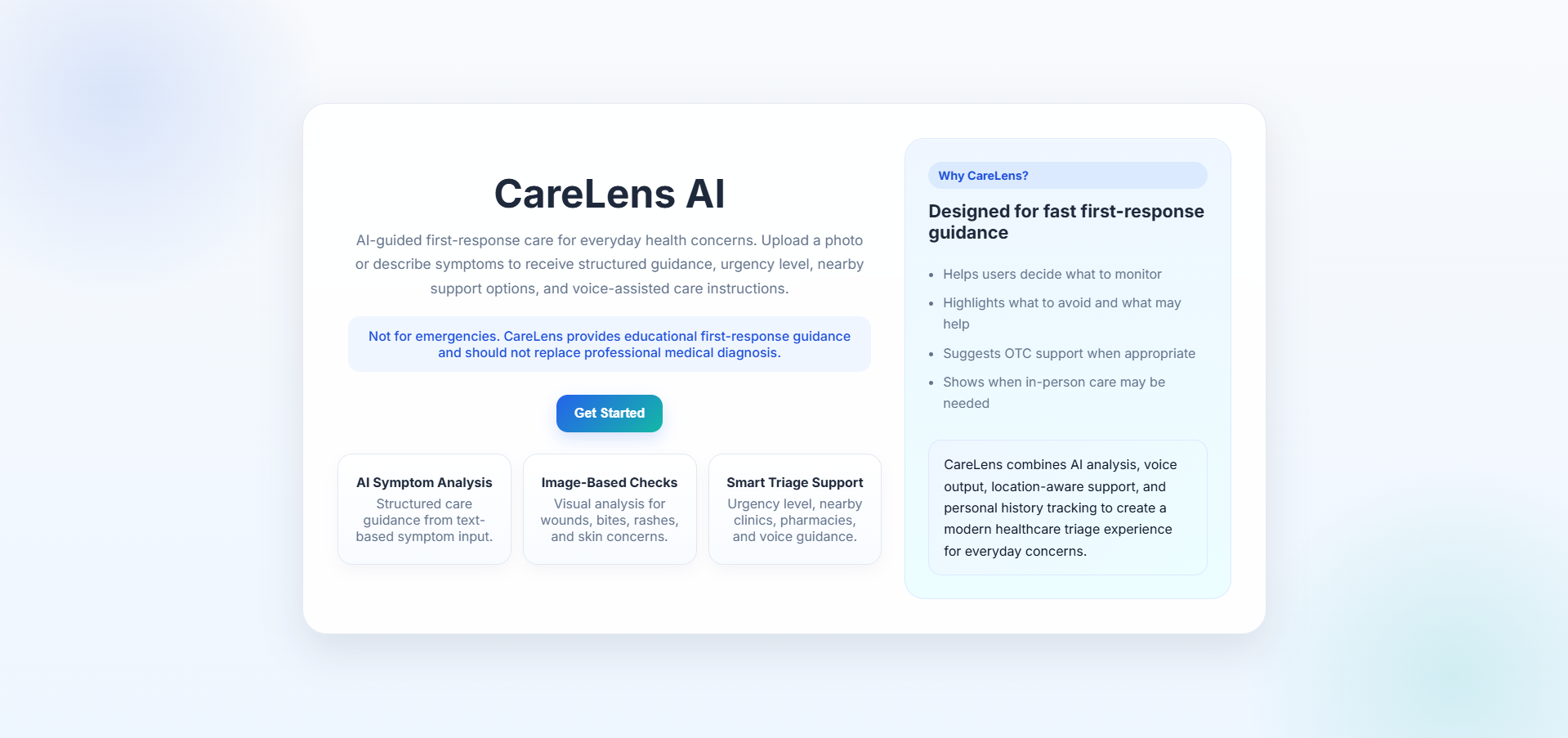
Landing Page
-
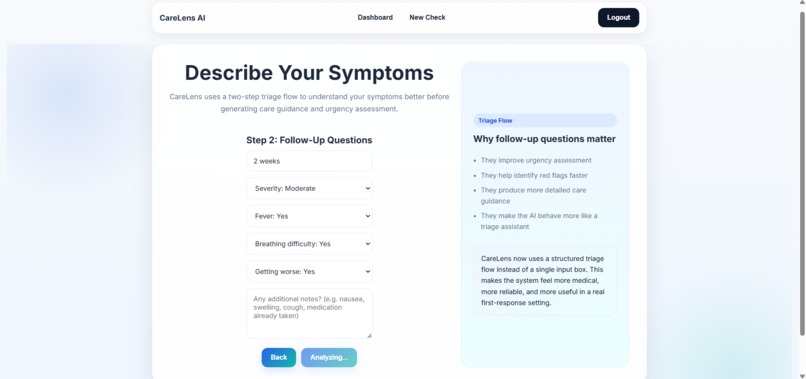
CareLens.ai asks you some follow up questions so it can guide you better
-
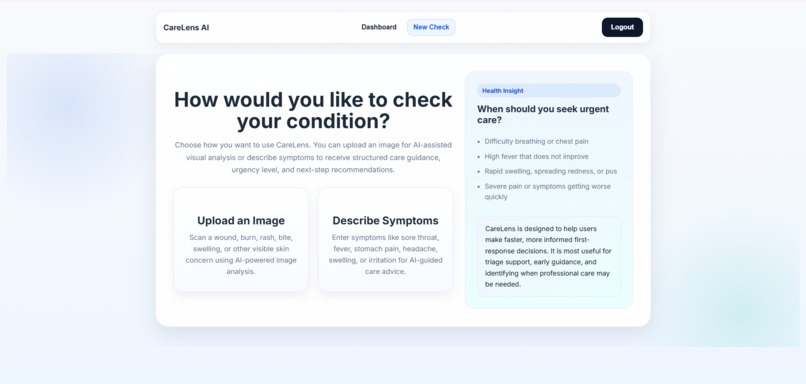
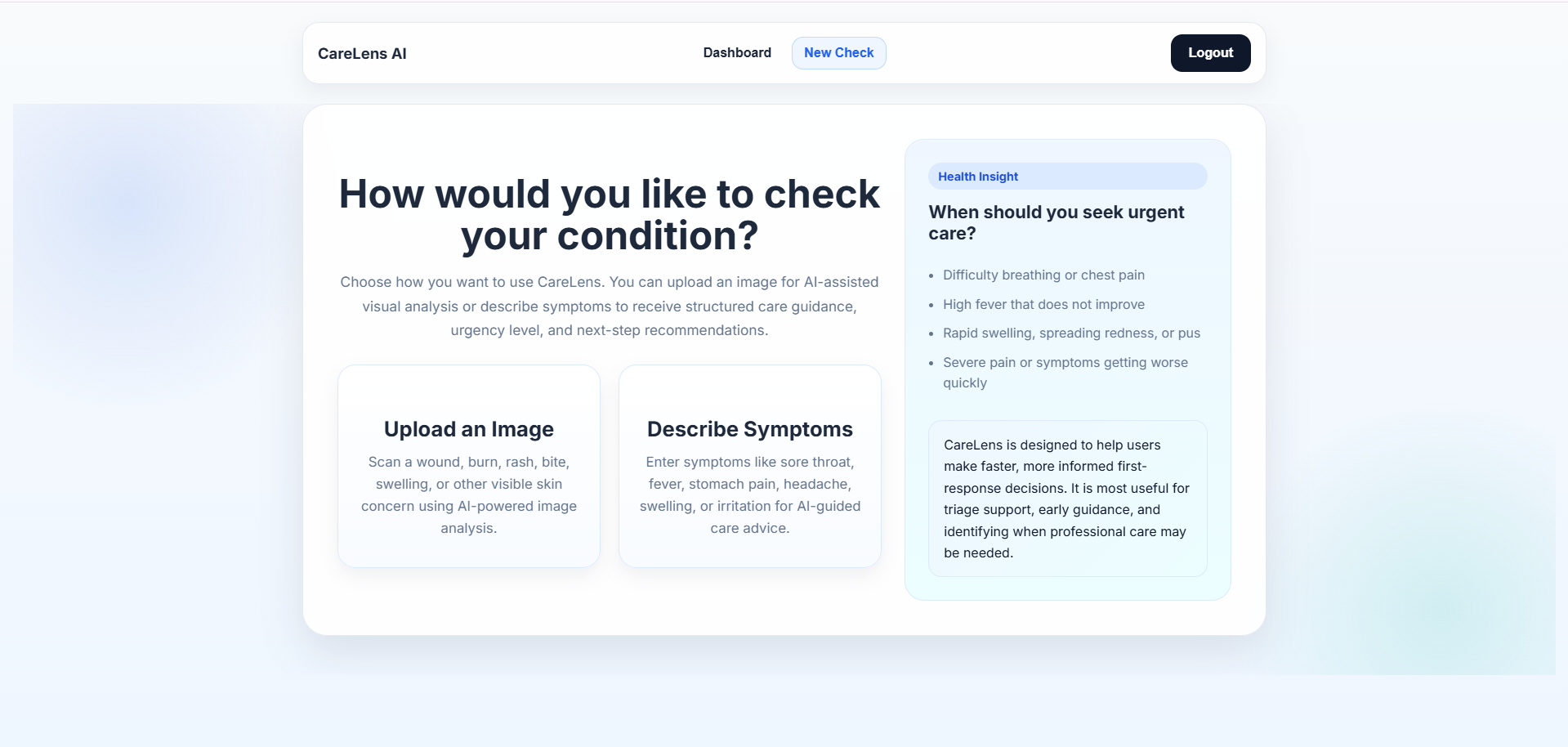
choose how you would like to get diagnosed
-
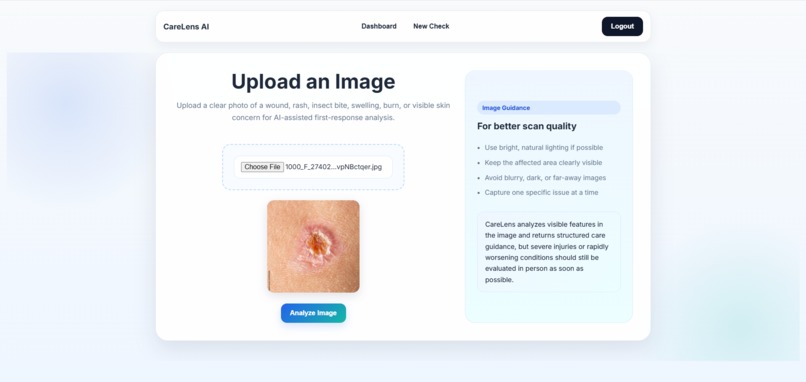
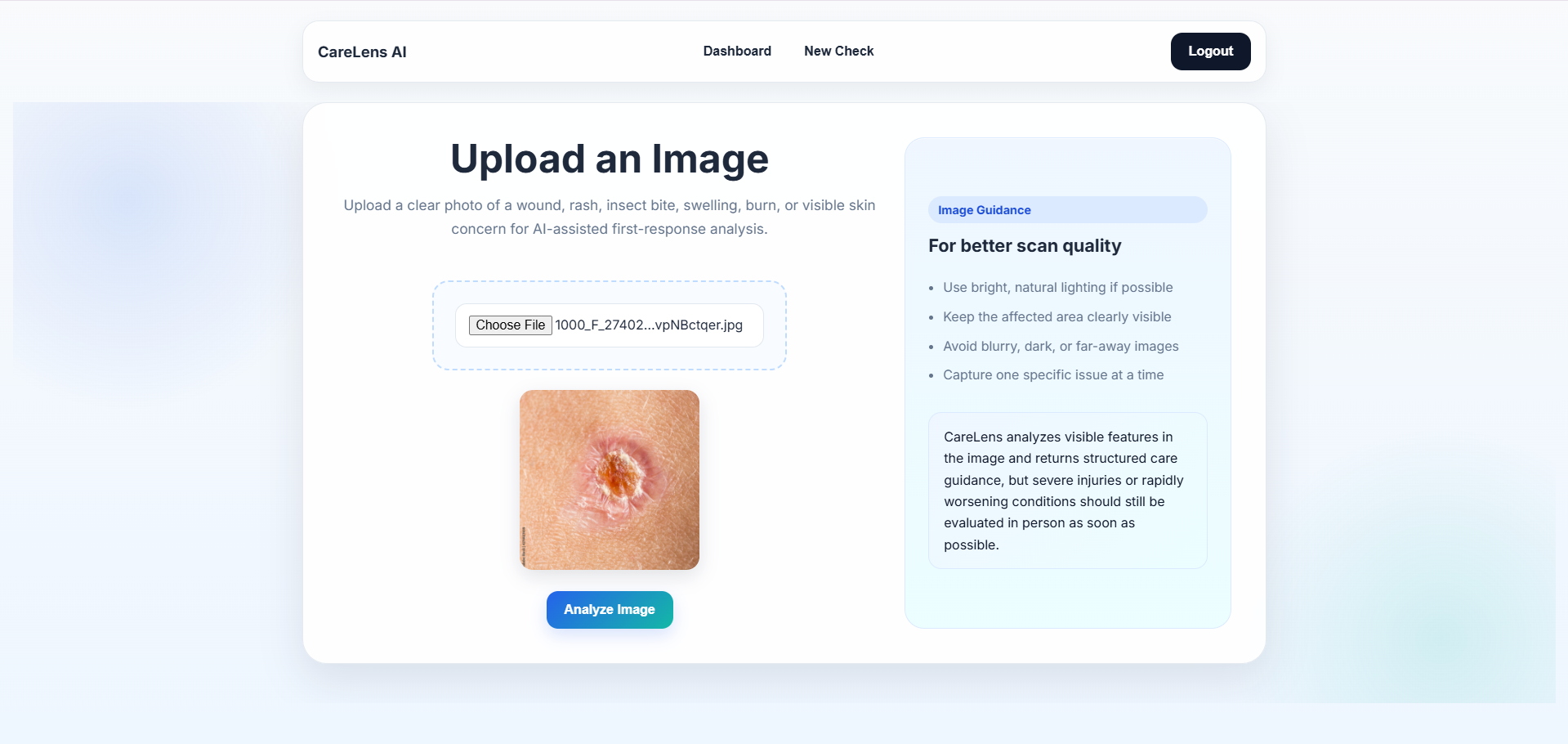
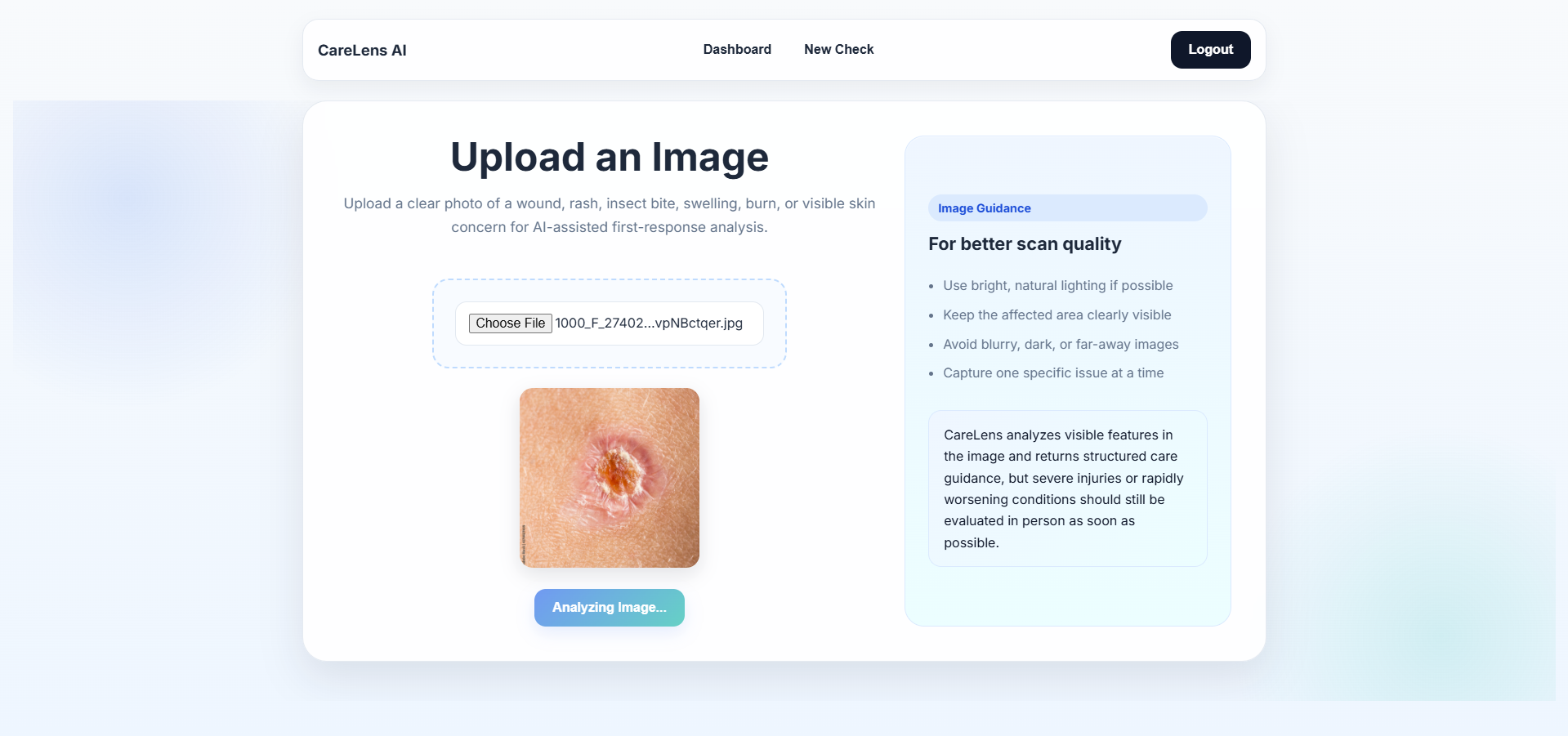
upload image
-
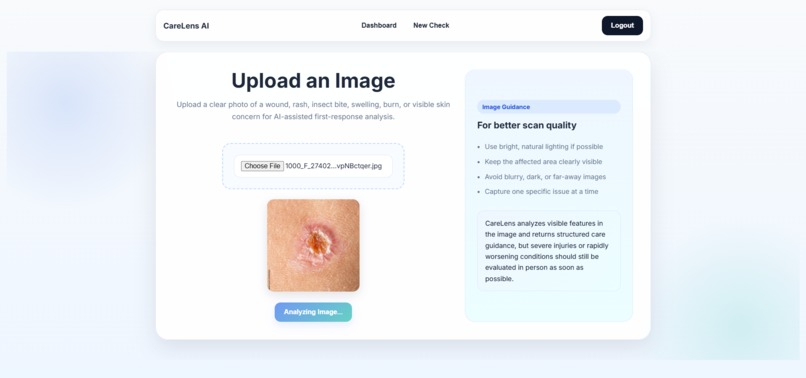
CareLens.ai analyzes it
-
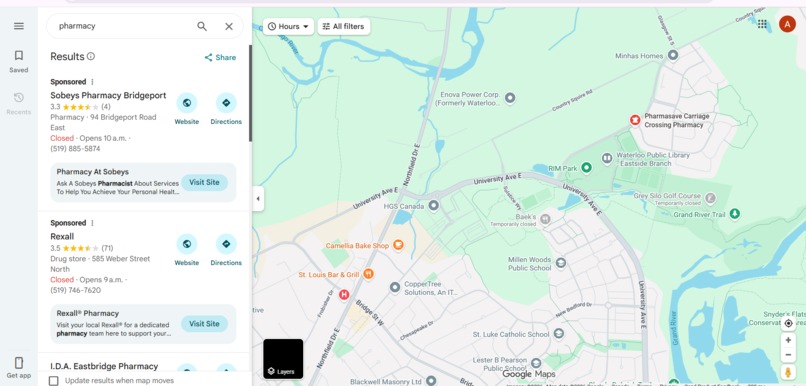
nearby pharmacies
I#nspiration
Healthcare decisions are often confusing when symptoms first appear. Many people turn to search engines and end up reading unreliable information or worst-case scenarios. Small health issues can cause unnecessary anxiety, while serious symptoms can sometimes be underestimated.
We wanted to create a tool that helps people quickly understand what might be happening and what the next step should be, without replacing medical professionals. The idea behind CareLens AI is simple: provide structured first-response guidance when someone experiences a health concern.
Instead of random internet searches, users can either describe their symptoms or upload an image of a visible issue and receive organized guidance, urgency levels, and practical care suggestions.
What it does
CareLens AI is an AI-powered health triage assistant designed to help users assess everyday health concerns.
The platform allows users to: Describe symptoms using natural language Upload images of skin issues, wounds, rashes, or visible injuries Receive AI-generated health guidance and possible explanations Get an urgency level assessment (Low, Medium, High) View recommended care steps Identify what to avoid and what may help Listen to voice-assisted care instructions Find nearby pharmacies or clinics using location services Track previous health checks in a personal dashboard
The goal is to give users clear, structured, and calming first-response guidance before deciding whether professional medical care is needed.
How we built it
CareLens AI was built using a modern full-stack web architecture:
Frontend React.js Vite
Custom responsive UI with modern healthcare-focused design
Backend / Services OpenAI API for AI health analysis Firebase Authentication for secure user accounts Firestore Database to store user health history Cloudinary for image uploads and processing
Additional Features
Browser Speech API for voice guidance Geolocation API for nearby pharmacy and clinic search Dynamic dashboards to track past health checks We focused heavily on user experience, ensuring that the interface remains simple, calming, and easy to understand, especially when someone might already be worried about their health.
Challenges we ran into
One of the biggest challenges was ensuring the AI responses were structured, safe, and useful rather than vague or alarming. Health information must be presented carefully, so we implemented: Structured AI responses (care advice, urgency level, next steps) Safety fallbacks in case AI responses fail Clear disclaimers that the platform is not a medical diagnosis tool Another challenge was integrating multiple services together, including AI analysis, image uploads, authentication, geolocation, and persistent user history. Ensuring that all these components worked smoothly within a short hackathon timeframe required careful debugging and iteration.
What I learned
Building CareLens AI taught me a lot about: Designing AI-assisted healthcare experiences Structuring AI outputs into clear medical guidance Integrating real-time services like geolocation and voice synthesis Building scalable applications using Firebase and modern frontend frameworks Most importantly, I learned how thoughtful design can make AI tools feel helpful and reassuring rather than overwhelming.
What's next for CareLens AI
In the future, CareLens AI could expand with: Medical knowledge base validation Integration with telehealth providers Improved image diagnostic models Multi-language support Personalized health insights based on user history Wearable health data integration My vision is to create a smart first-response healthcare assistant that helps people make informed decisions about their health quickly and confidently.
Built With
- cloudinary
- css
- firebase
- gemini
- openai
- react.js
- vite

Log in or sign up for Devpost to join the conversation.