-
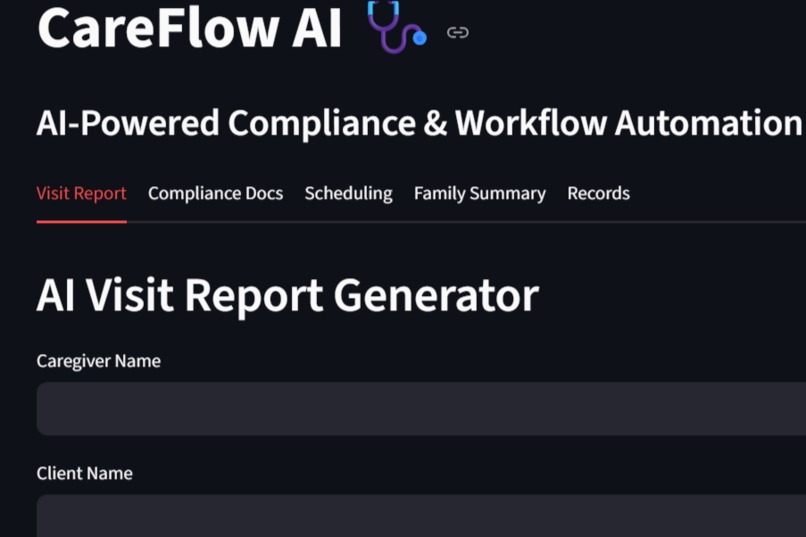
first section
-
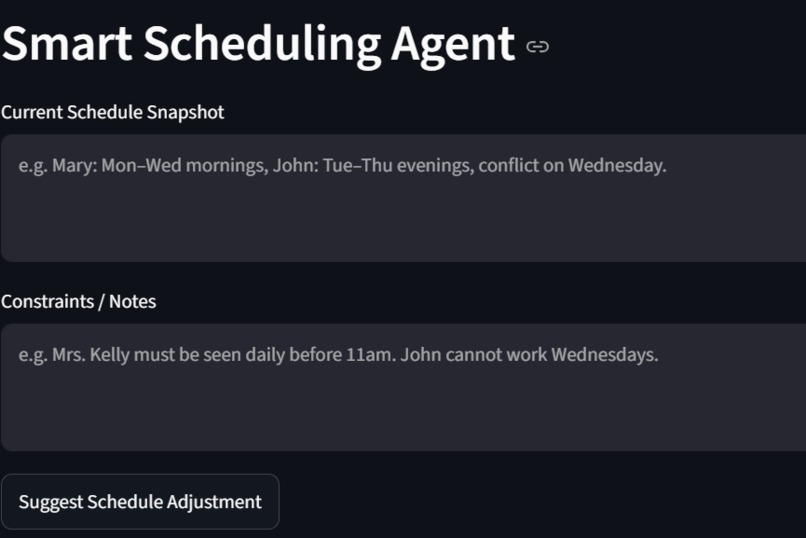
second section
-
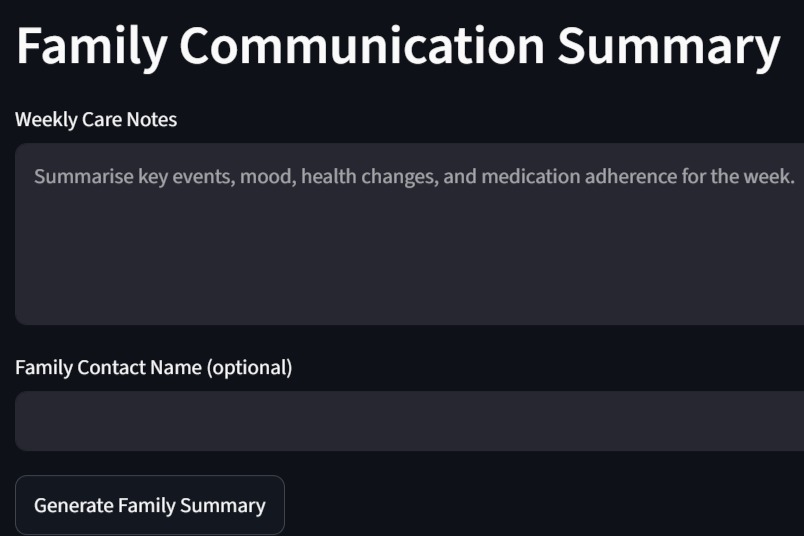
third section
-
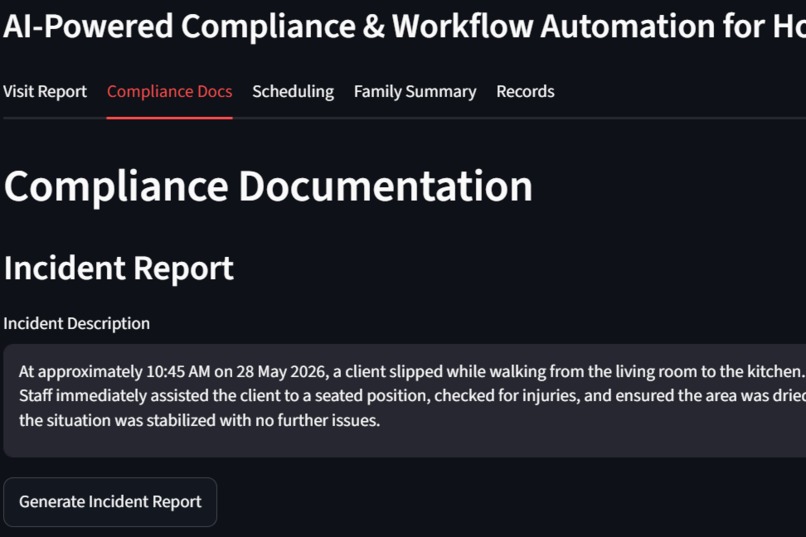
fourth section

Inspiration
What it does
How we built it
Challenges we ran into
Accomplishments that we're proud of
What we learned
What's next for CareFlow AI
Inspiration Home‑care agencies spend hours every week writing visit reports, incident logs, medication notes, schedules, and family updates. Caregivers are overwhelmed, and agencies struggle to stay compliant. I wanted to build something that reduces this burden and lets caregivers focus on what matters most — caring for people.
What it does CareFlow AI is an AI‑powered assistant that automates the core documentation and communication tasks in home‑care:
Generates visit reports from caregiver notes
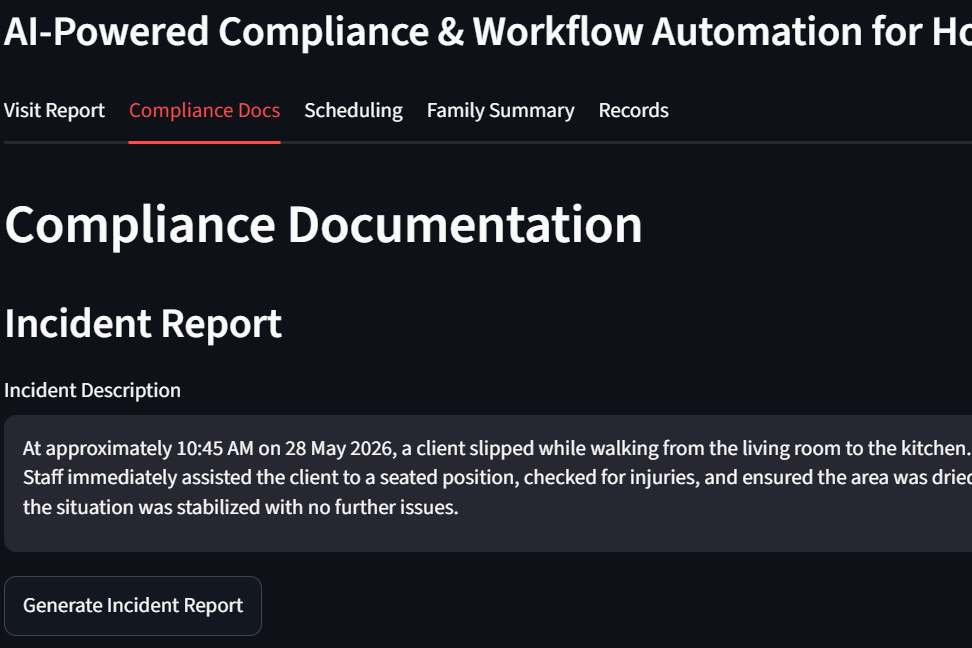
Creates incident reports and medication logs
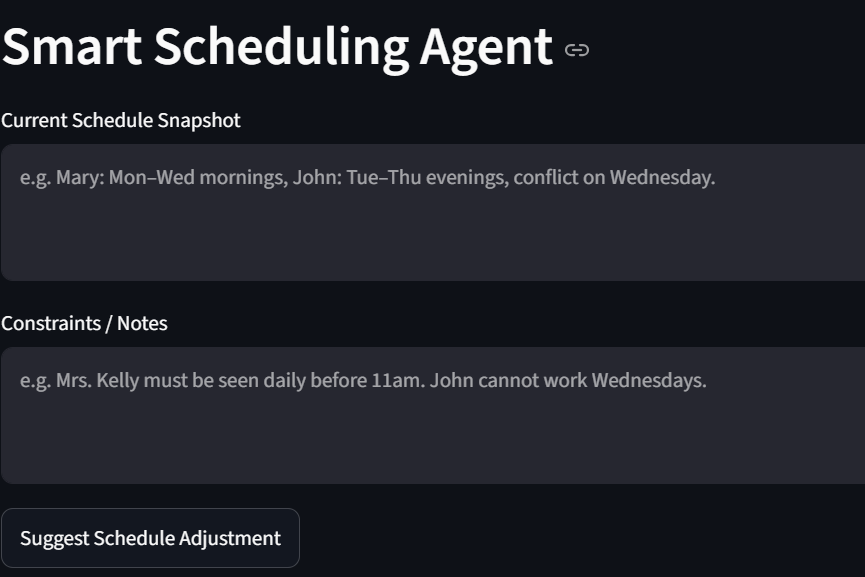
Suggests schedule adjustments based on constraints
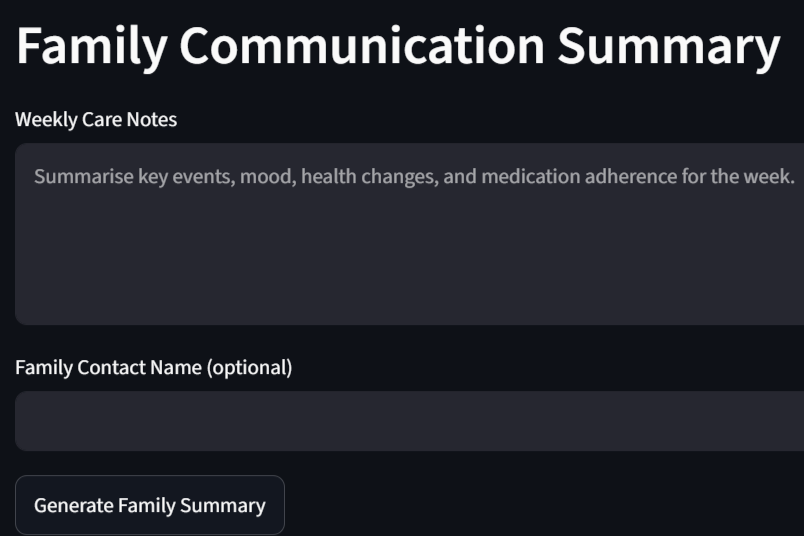
Produces weekly family summaries
Stores session‑level records for quick review
It turns messy notes into clean, structured, compliant documentation in seconds.
How I built it Designed a modular agent architecture (report agent, compliance agent, scheduling agent, summary agent).
Built a Streamlit interface with multiple tabs for each workflow.
Implemented a lightweight Firestore‑style in‑memory database for demo storage.
Integrated text‑processing utilities for validation, formatting, and audio‑to‑text support.
Deployed the app on Streamlit Cloud for public access.
Challenges I ran into Structuring imports correctly for Streamlit Cloud deployment
Ensuring each agent produced consistent, reliable output
Designing a UI that felt simple but still powerful
Managing state and temporary storage without a full backend
What I learned How to design multi‑agent AI workflows
How to build and deploy Streamlit apps
How to structure a clean, scalable Python project
How to turn real‑world care‑agency workflows into automated systems
What’s next Add real Firestore or Supabase backend
Add caregiver authentication
Add voice‑to‑report pipeline
Expand compliance templates
Build a full dashboard for agencies

Log in or sign up for Devpost to join the conversation.