-
-
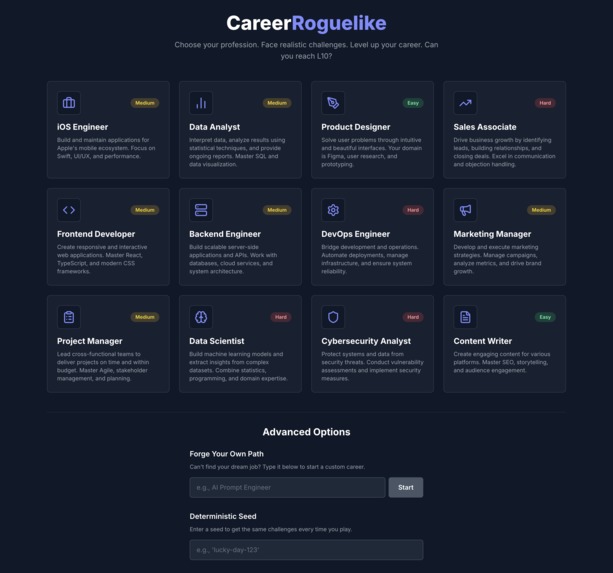
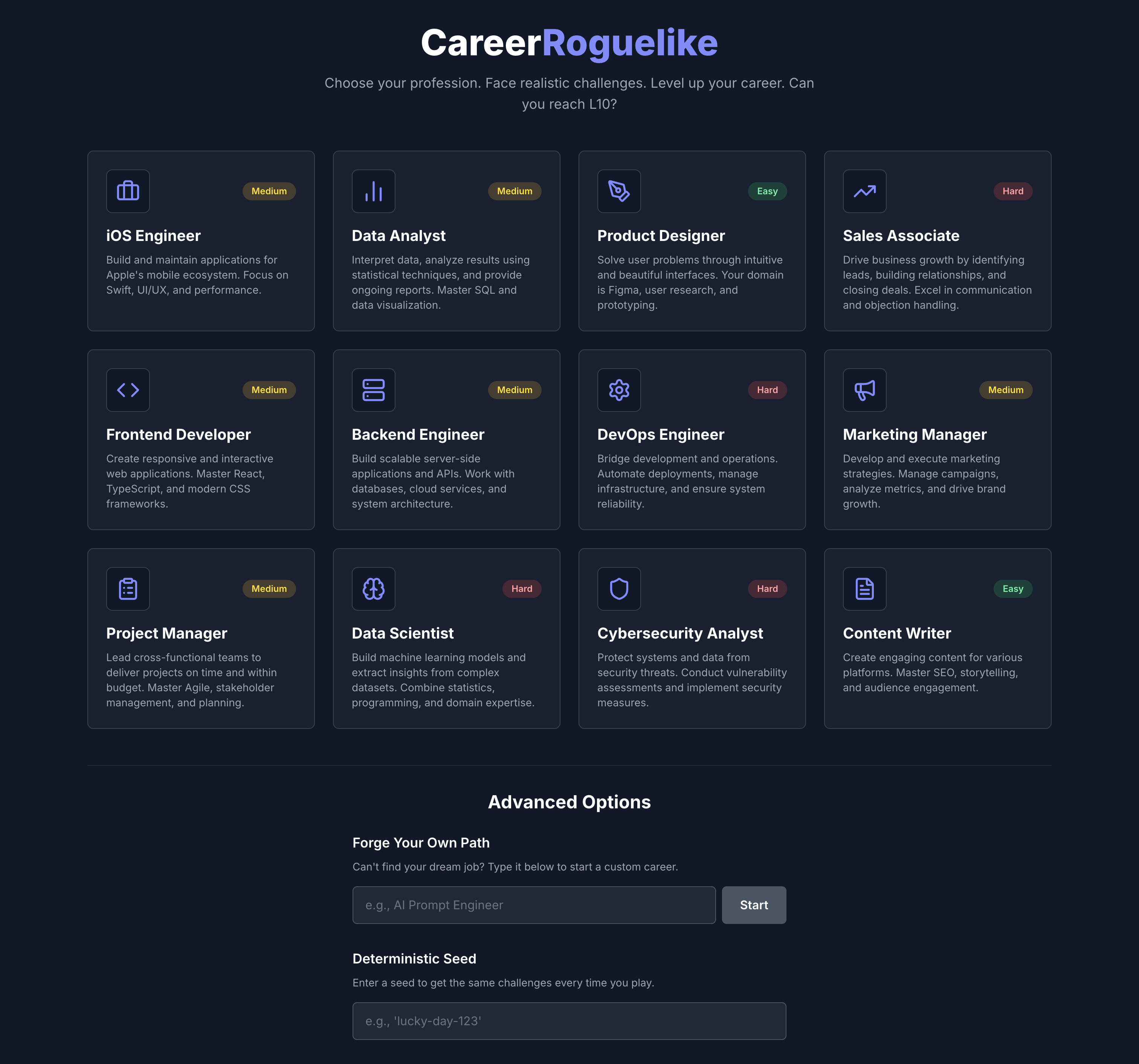
Profession Selection - Choose from the list or type anything you want
-
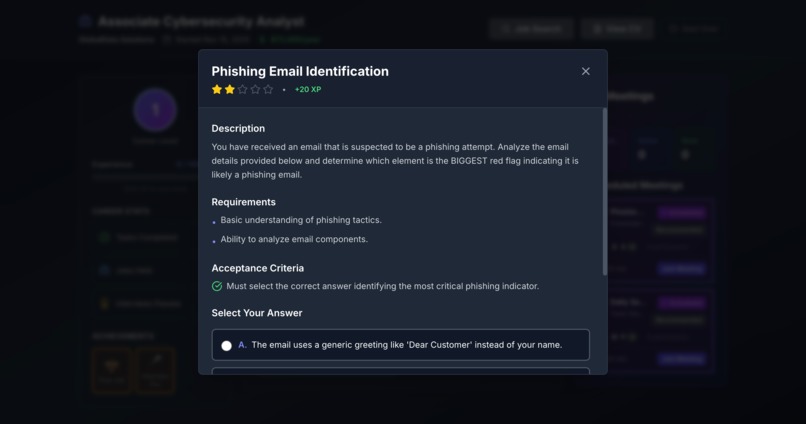
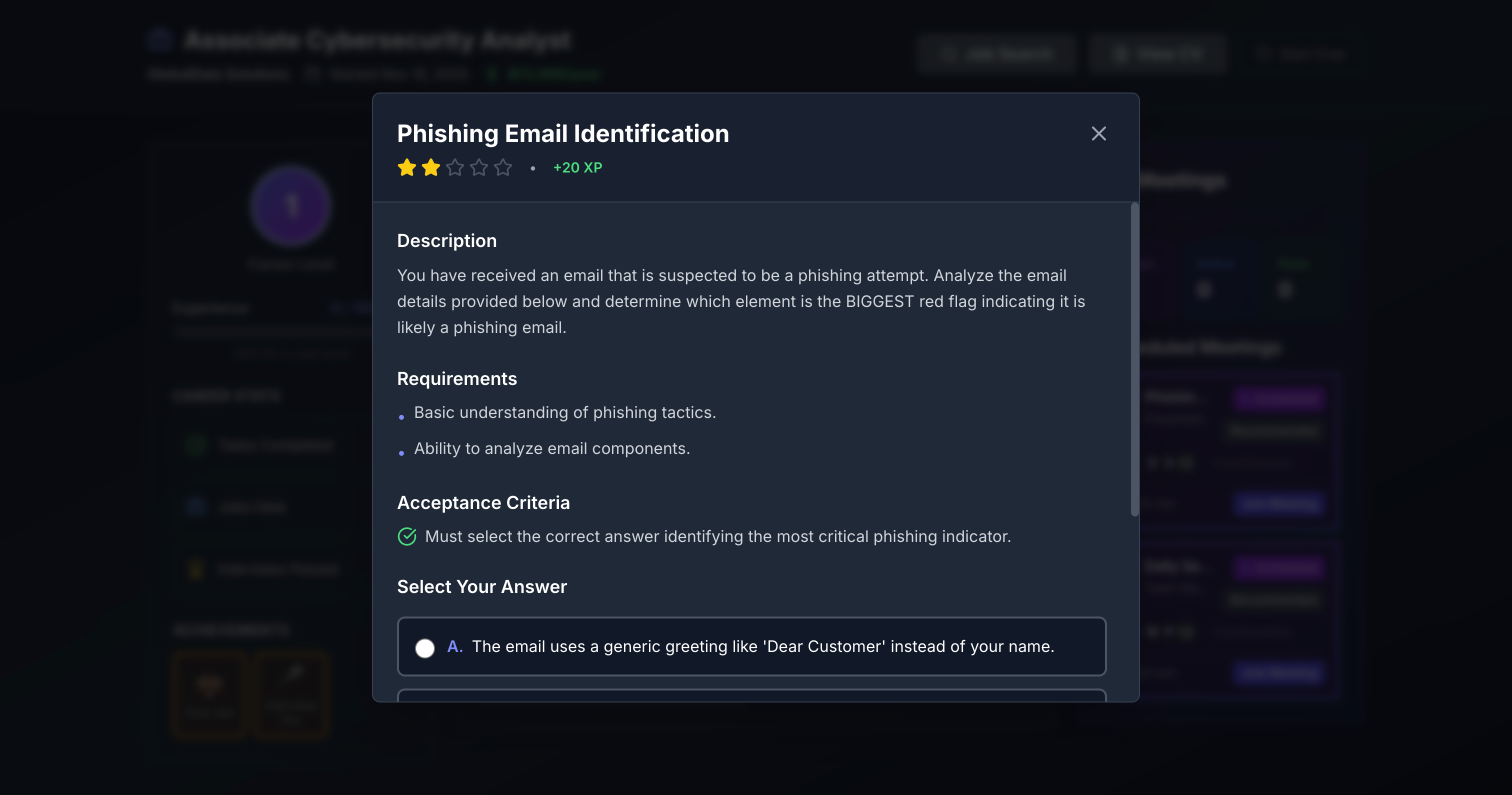
Example Task Widget
-
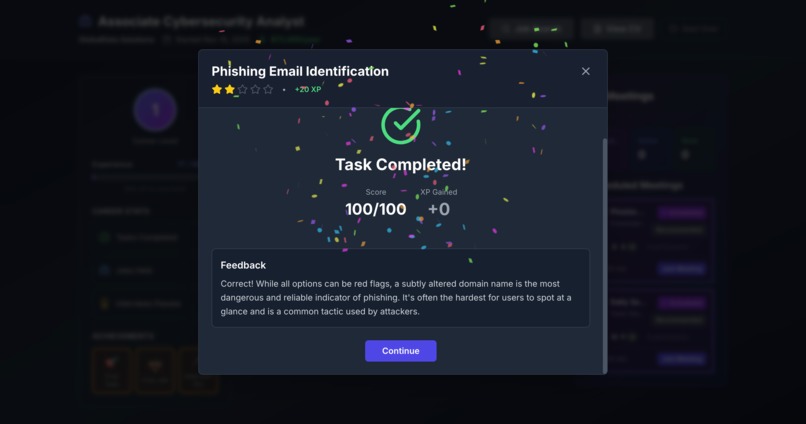
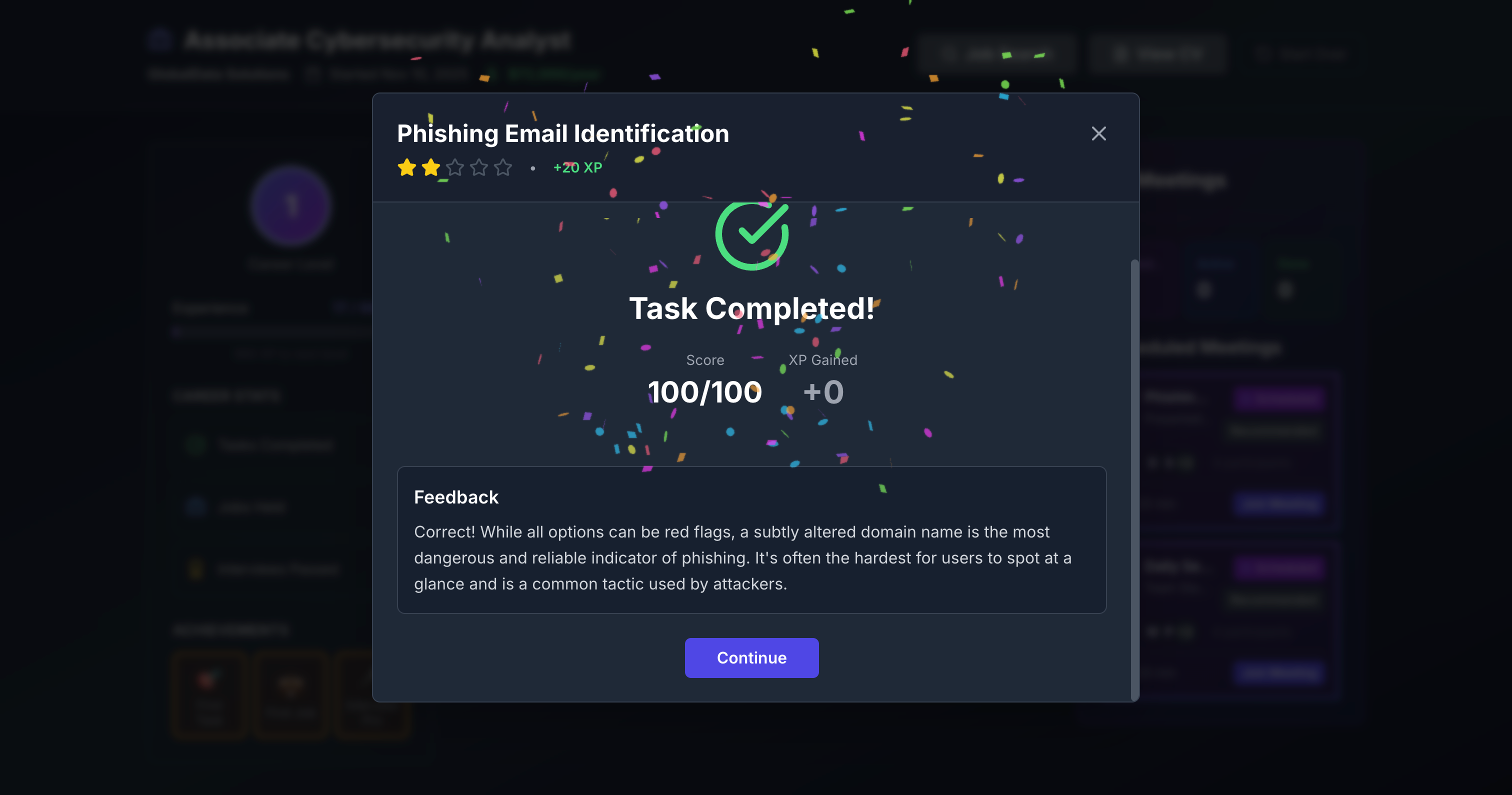
Task Completing Success Widget
-
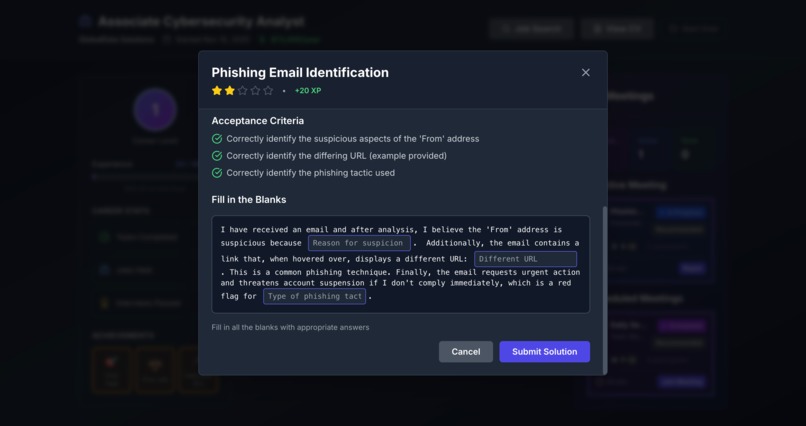
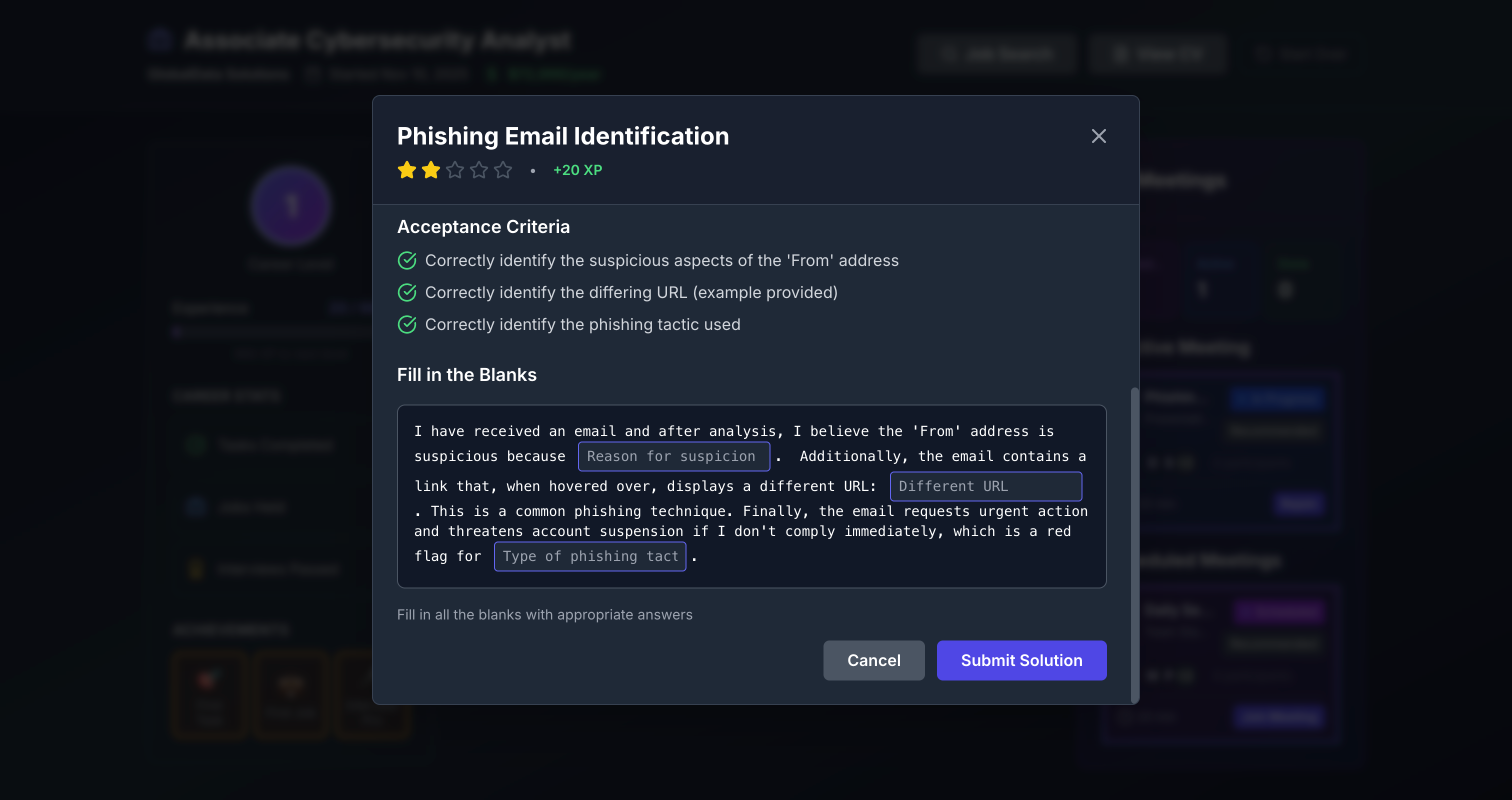
Fill in the blanks task widget
-
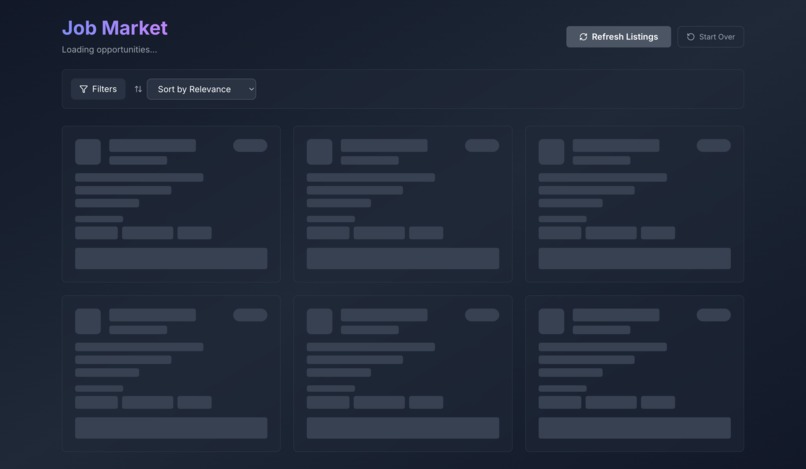
Job Creating Page
-
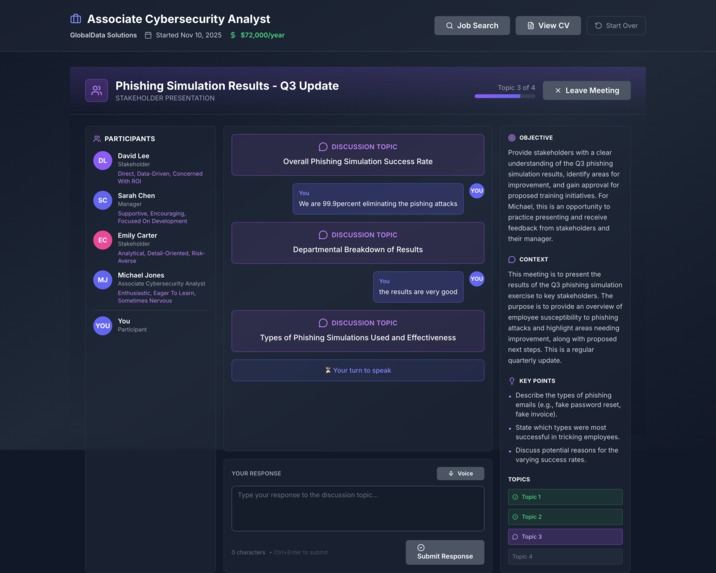
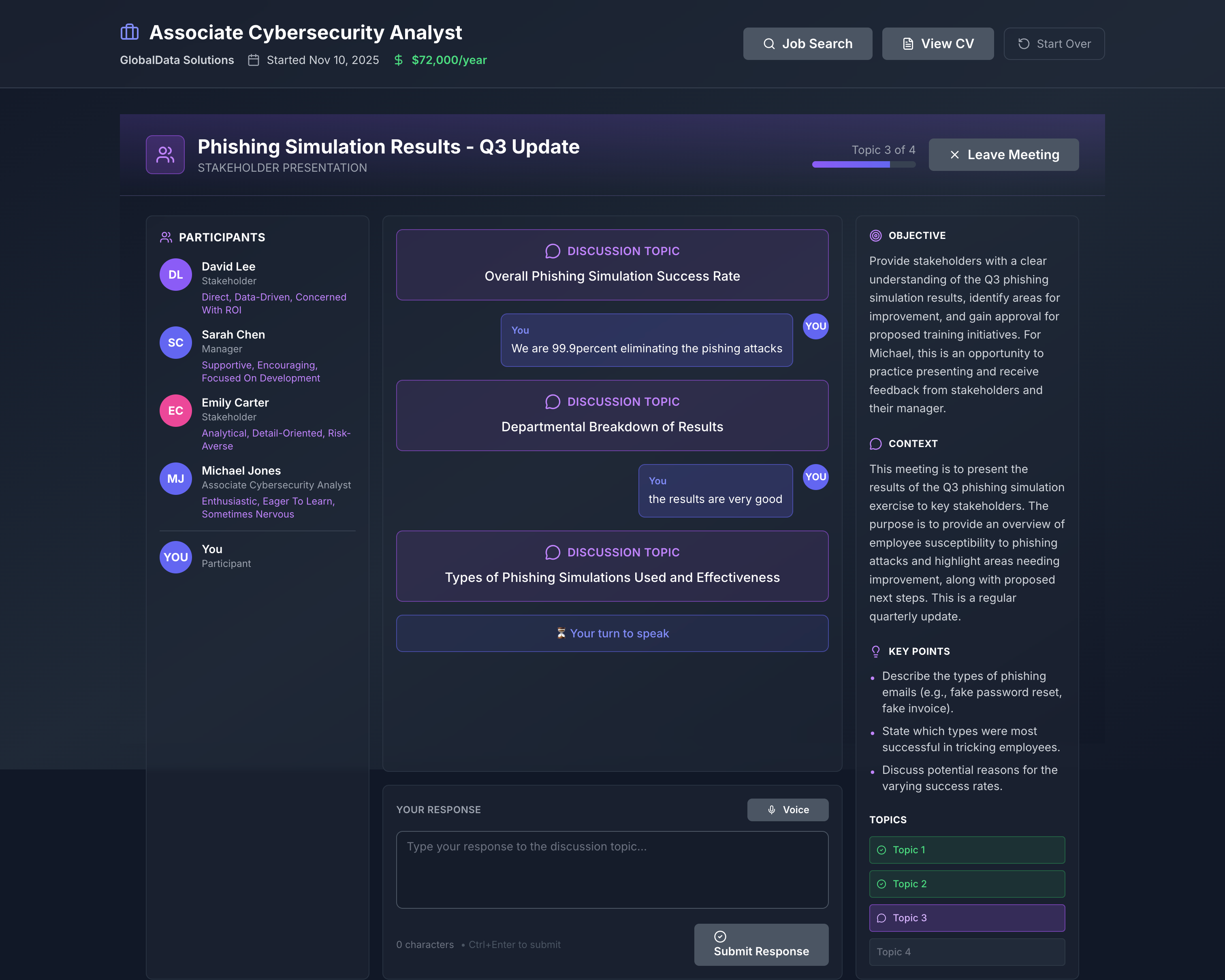
Meeting View
-
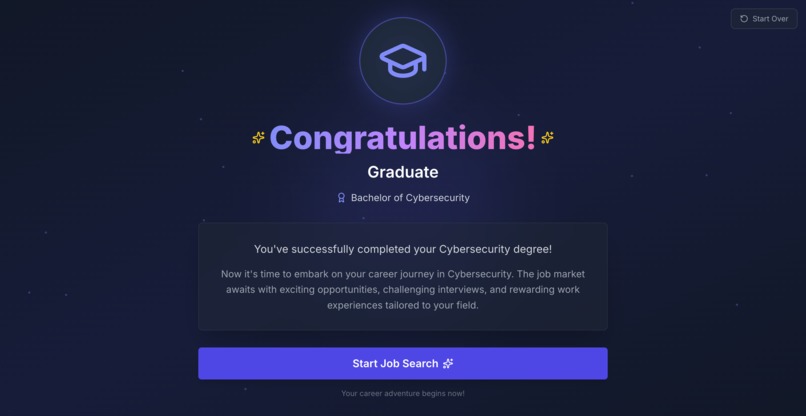
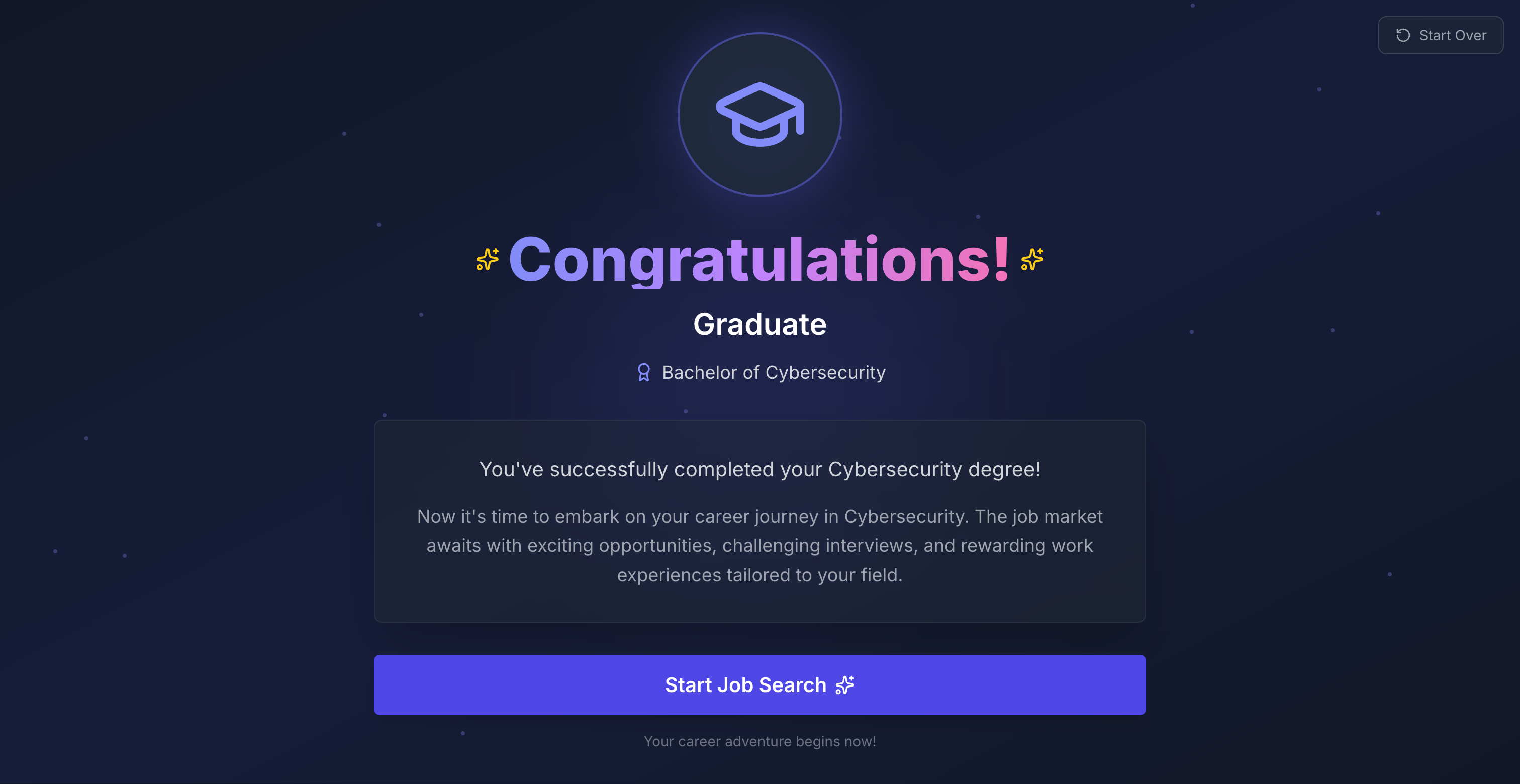
Graduation Page
-
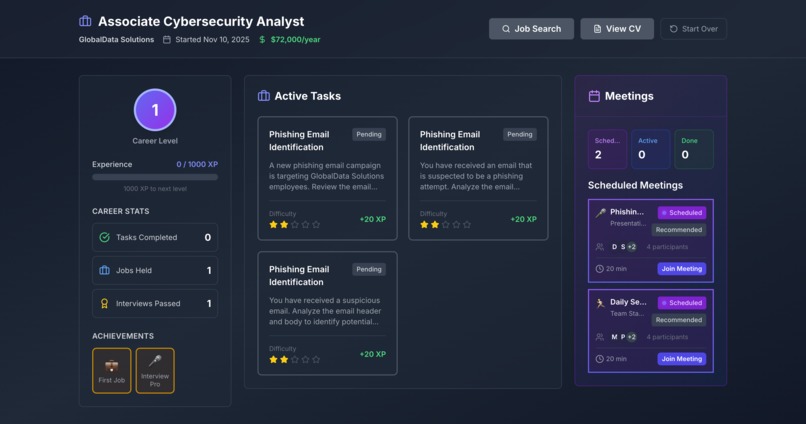
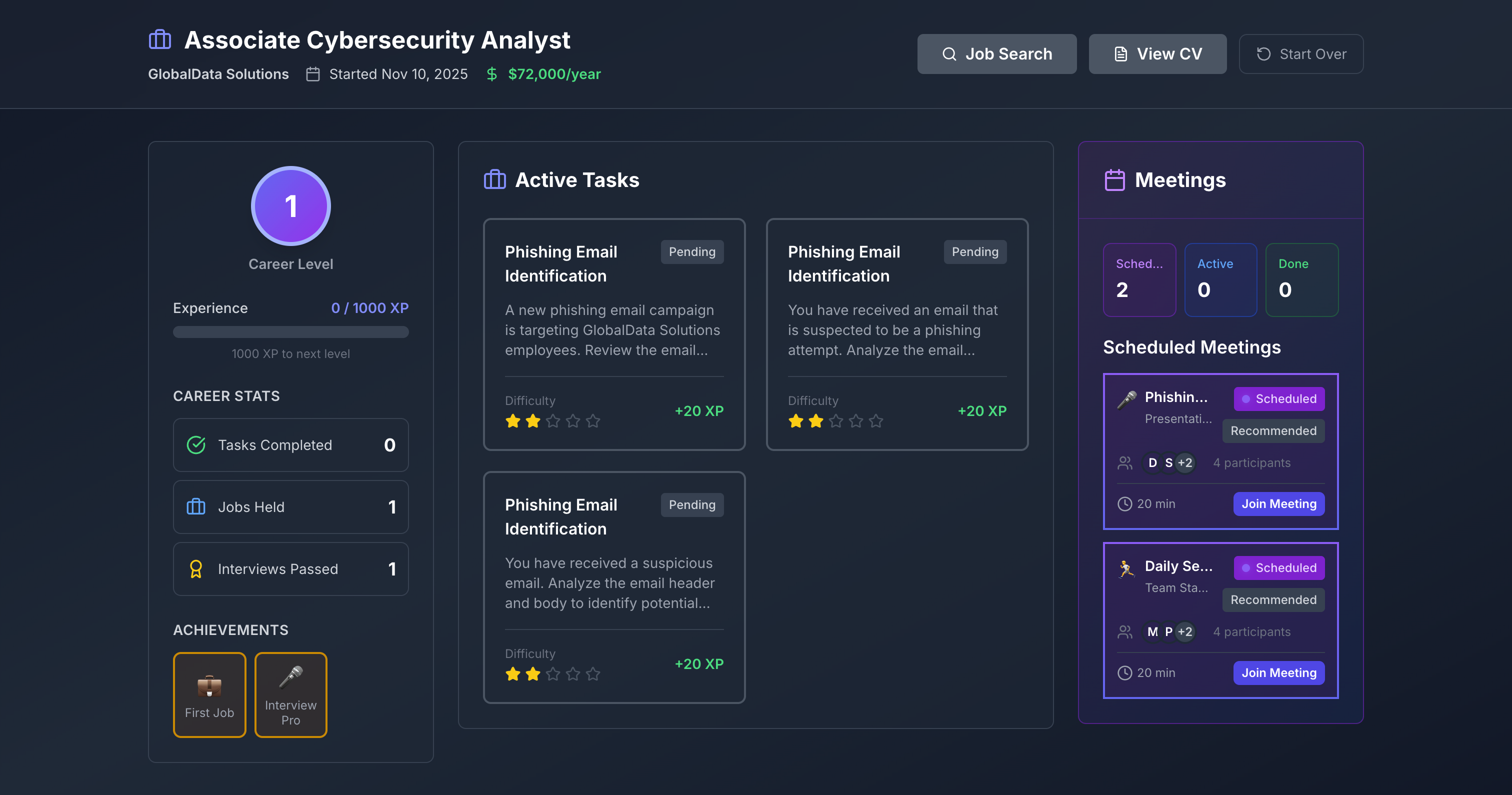
Work Dashboard - Users can see assigned tasks and meetings..
-
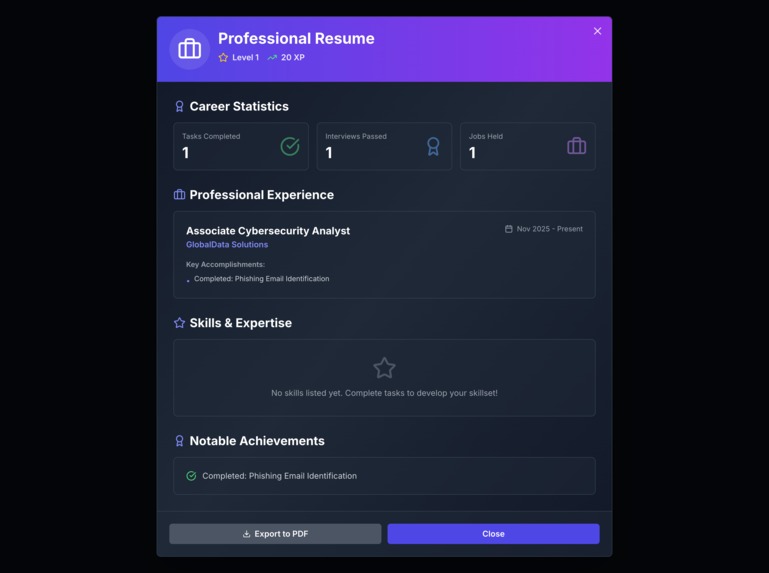
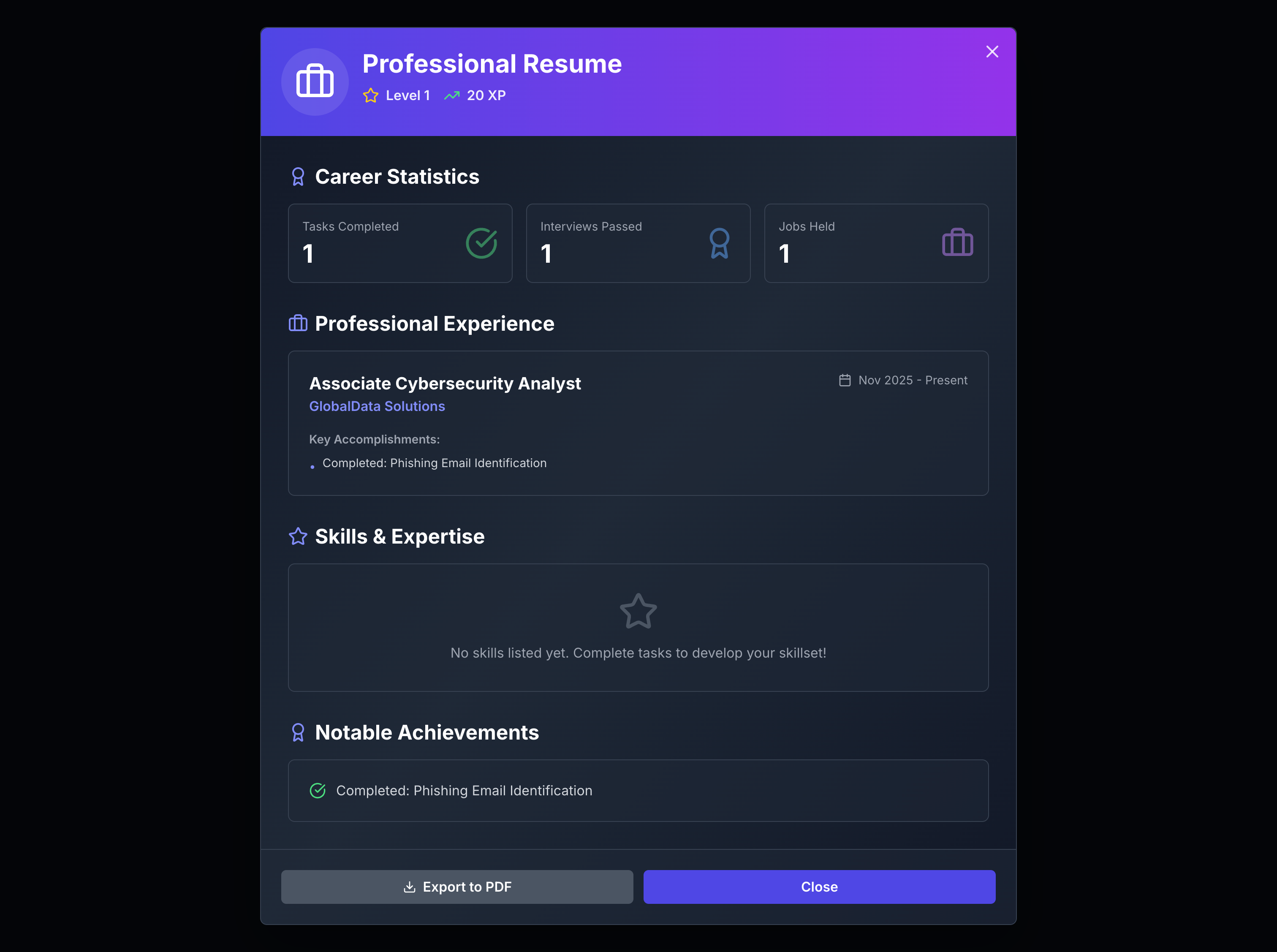
CV page, When users change their jobs or accomplish tasks the CV is updated
-
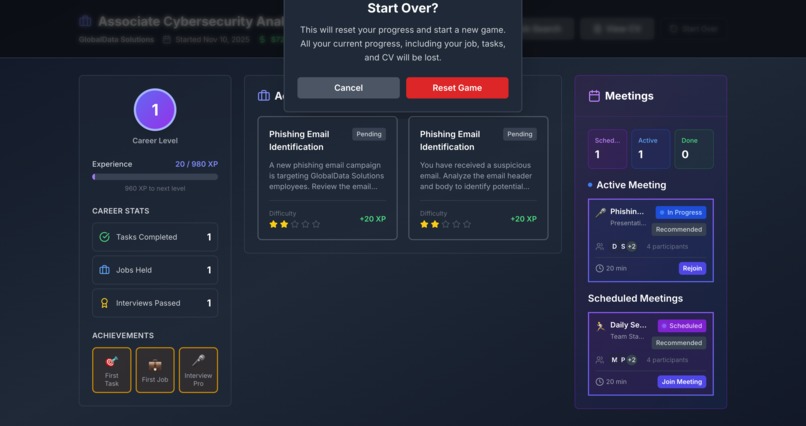
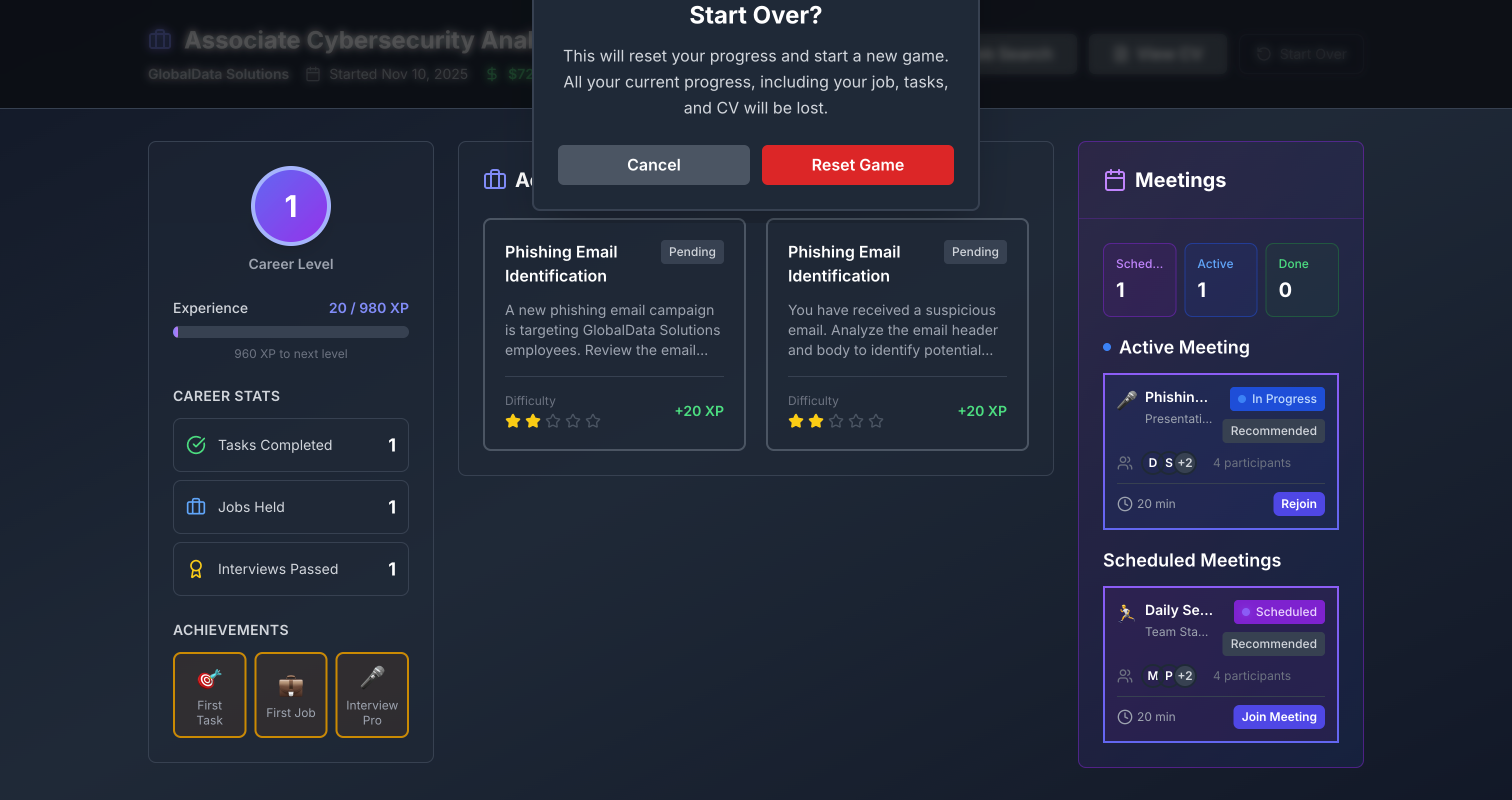
The sessions are saved to the firebase without login.. But if user wants, can start from the very beginning with any kind of profession
-
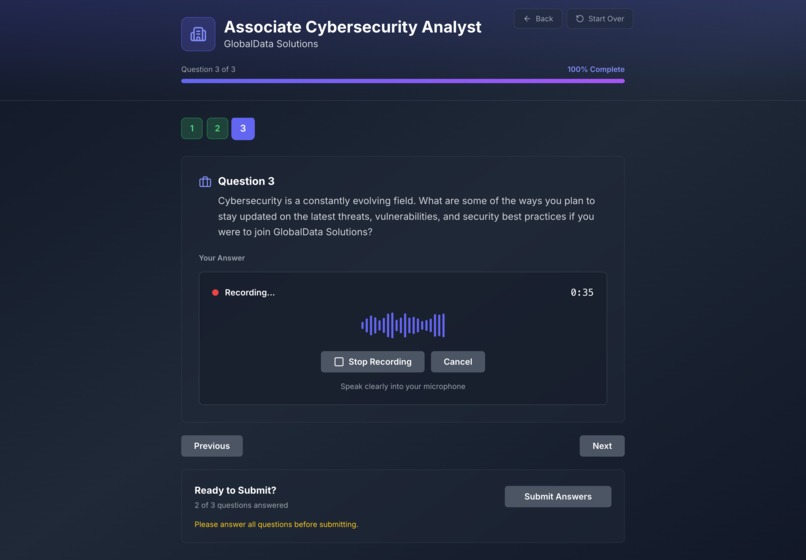
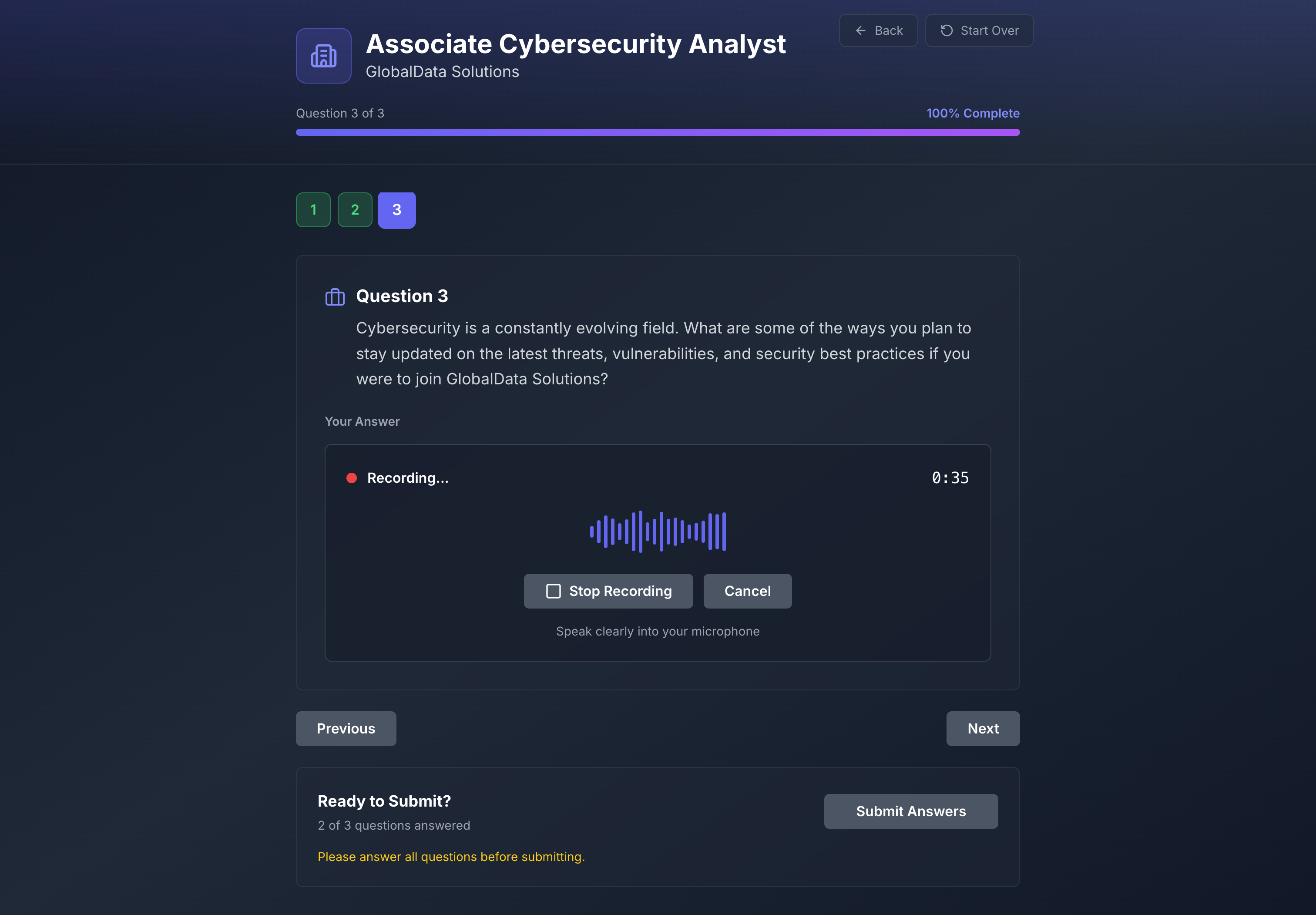
Interview page with different questions and answers fields
-
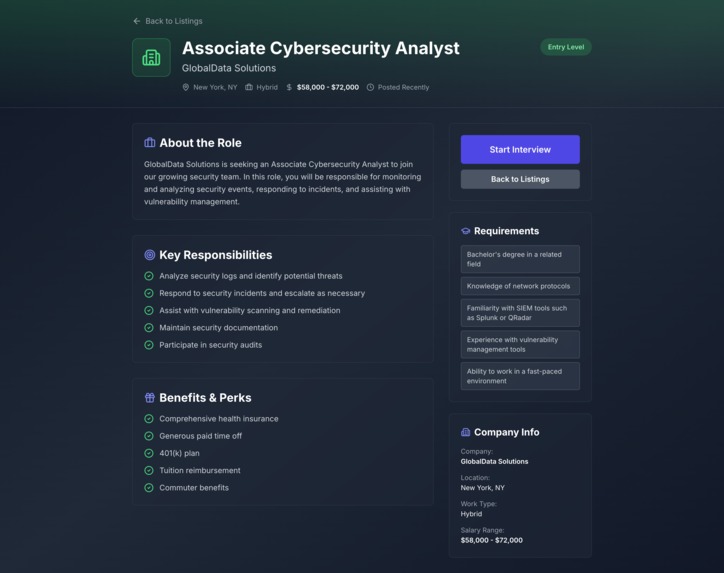
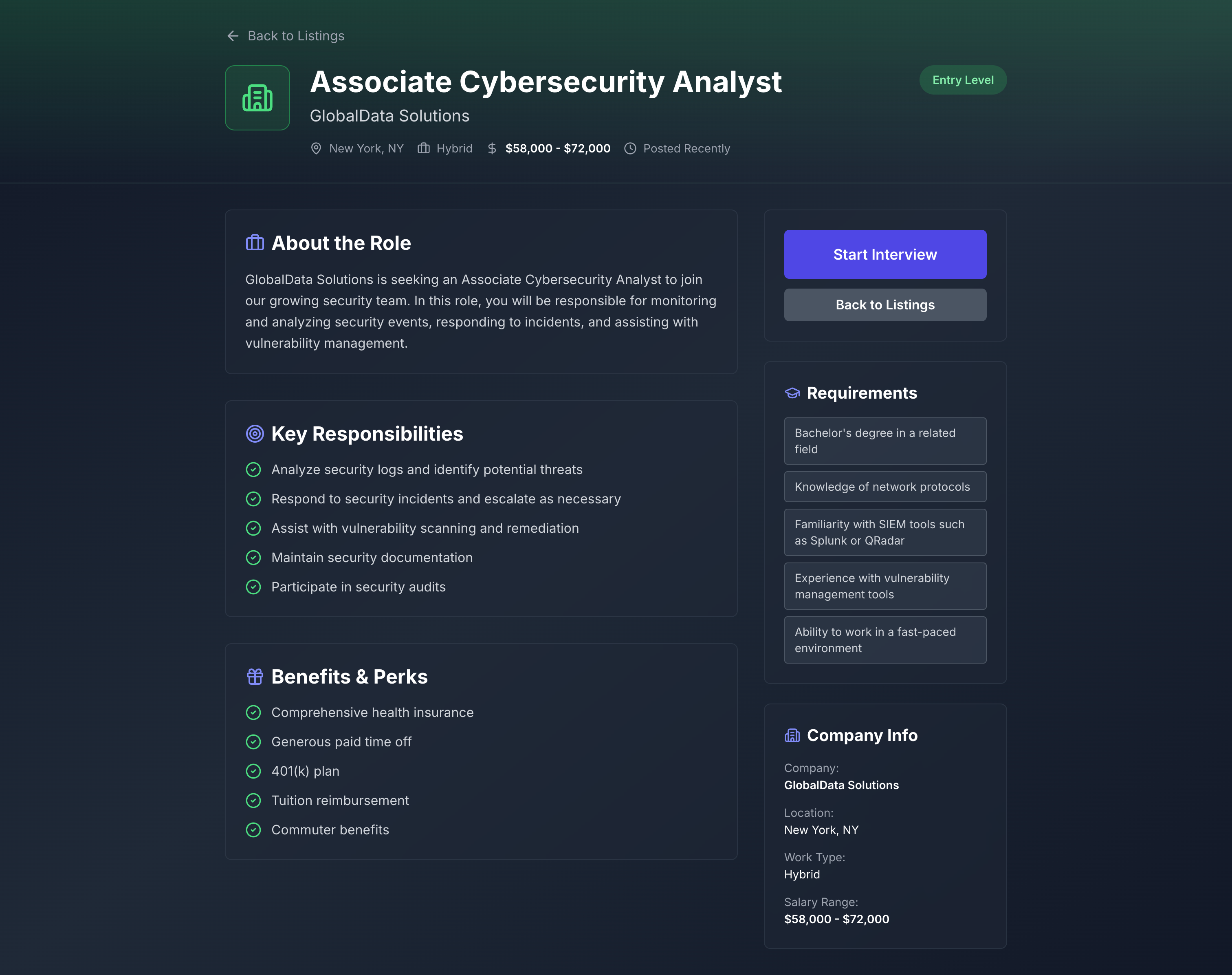
Job Details Page
-
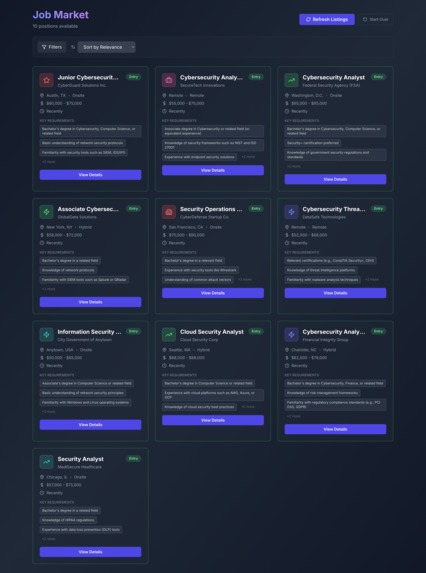
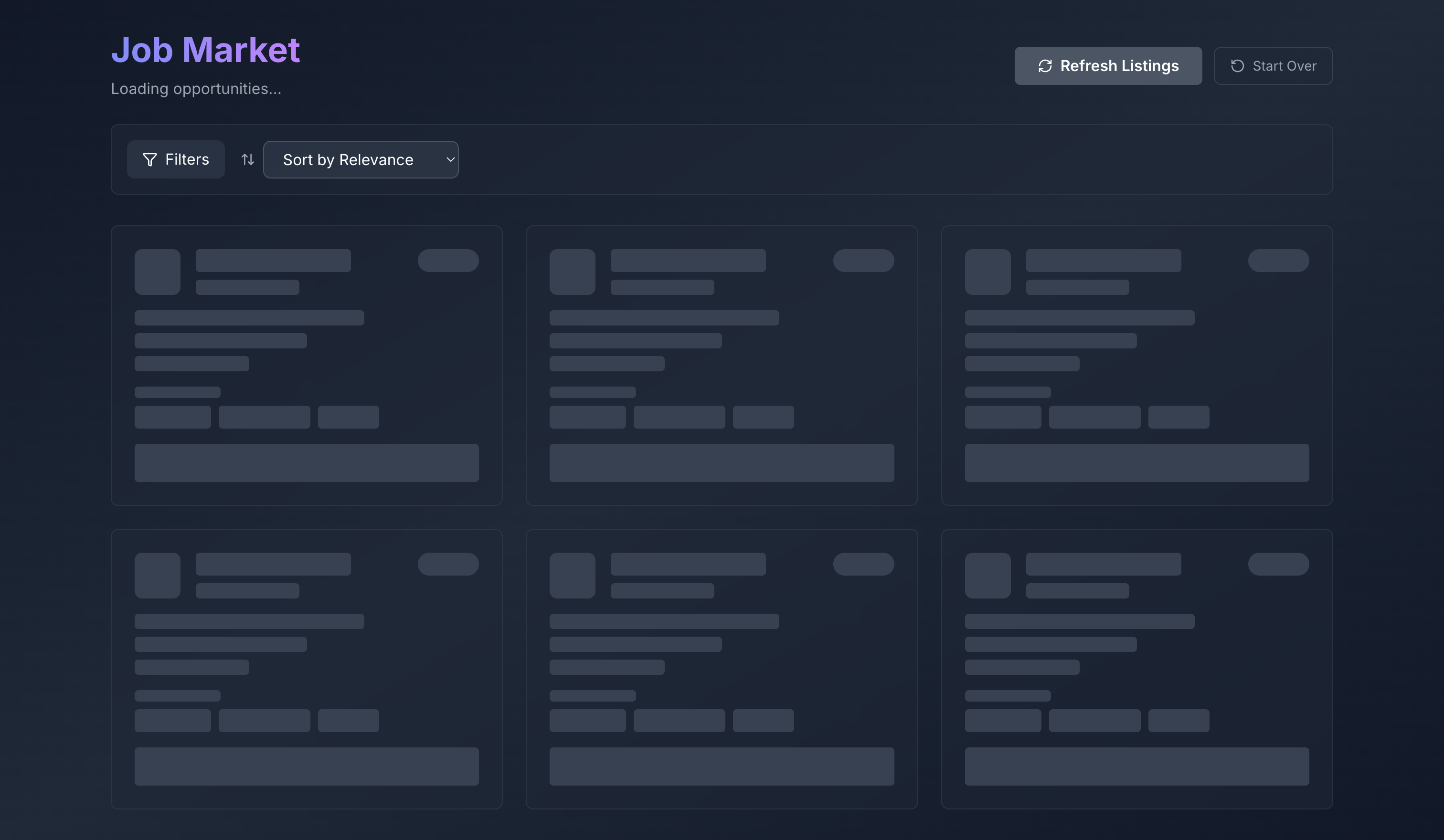
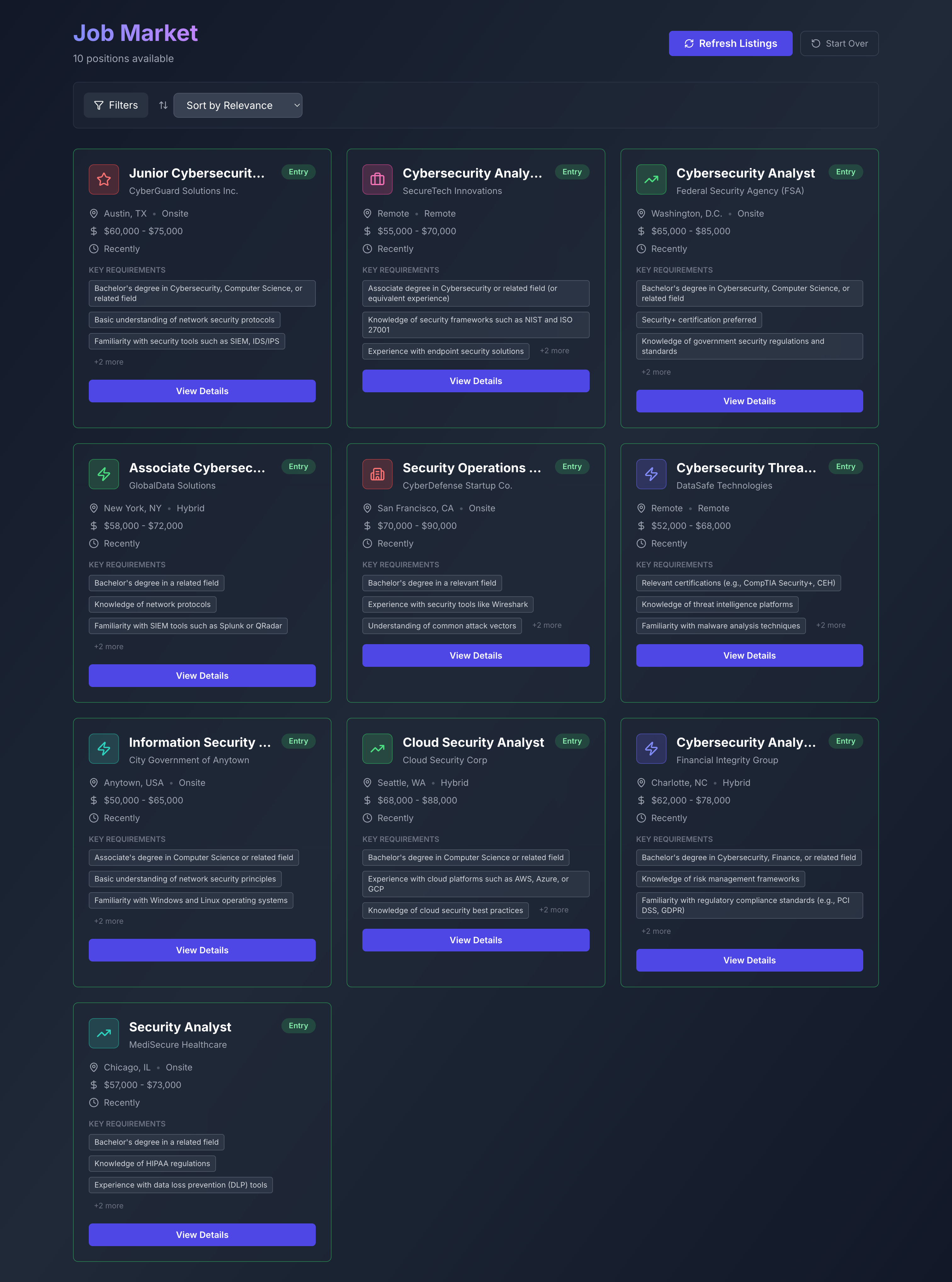
Job Listing page
-
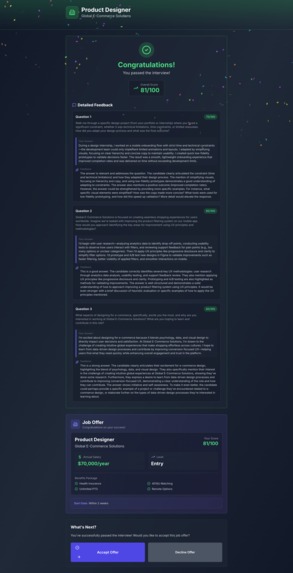
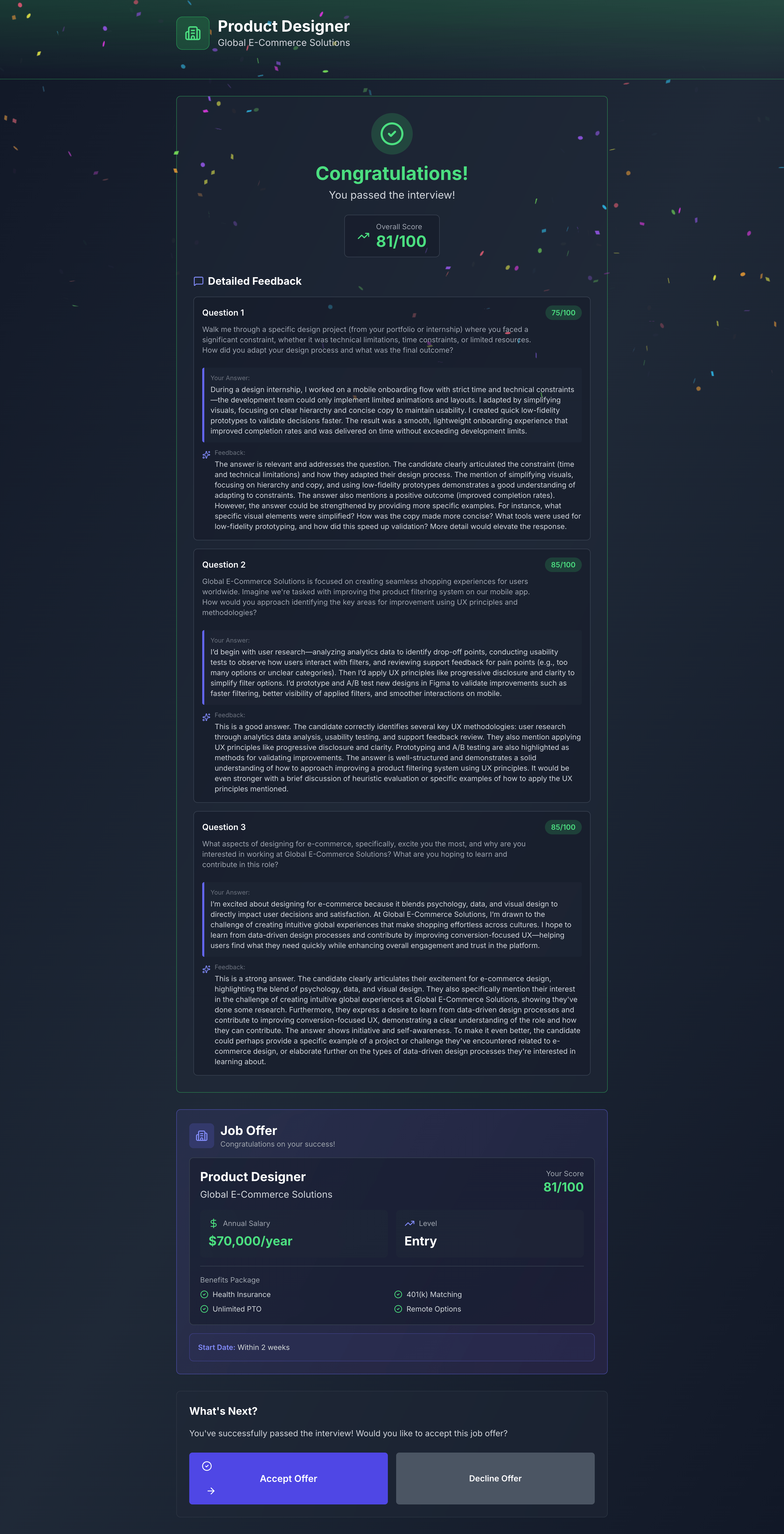
Interview Result page with scores questions and answers and the job accept decline buttons
Inspiration
I wanted to create a realistic career simulation that demonstrates advanced multi-agent AI collaboration. The idea was to show how specialized AI agents can work together bidirectionally—where tasks trigger meetings and meetings generate tasks—creating a dynamic workplace experience.
What I Learned
- Multi-agent orchestration: Centralized coordination beats autonomous agents for production systems
- Bidirectional workflows: Agents triggering each other creates emergent, realistic behavior
- Cloud Run scalability: Serverless is perfect for AI workloads with generous timeouts
- Prompt engineering: 40% of development time went into refining AI prompts for consistency
- Pre-validation: Filtering invalid inputs before AI calls saved 30% on API costs
How I Built It
- Architecture: Designed a Workflow Orchestrator to coordinate 7 specialized AI agents
- Agents: Built Job, Interview, Task, Grader, CV, Meeting Generator, and Meeting Evaluator agents using Gemini 2.5 Flash
- Bidirectional System: Implemented intelligent triggers—completing 2-4 tasks generates meetings, meetings generate 0-3 follow-up tasks
- Frontend: Created React UI with job search, interviews, work dashboard, and virtual meetings
- Backend: Built FastAPI gateway with direct Gemini API calls for reliability
- Deployment: Containerized both services and deployed to Cloud Run with auto-scaling
- State Management: Used Firestore for persistent player state, jobs, tasks, and meetings
Challenges Faced
- Grading consistency: Implemented pre-validation + AI grading to prevent gaming the system
- Task quality: Enhanced prompts to ensure self-contained tasks without external dependencies
- Meeting flow: Built conversation management to detect repetition and determine topic completion
- Dashboard balance: Created intelligent monitoring to maintain 3-5 tasks and 1-2 meetings
Built With
- adk
- docker
- fastapi
- firebase
- firestore
- gemini
- gemini-2.5-flash
- google-artifact-registry
- google-generative-ai-sdk
- googlecloudbuild
- googlecloudrun
- javascript
- nginx
- pydantic
- python3.9
- react
- react-query
- tailwindcss
- typescript
- uvicorn
- vertexai
- vite


Log in or sign up for Devpost to join the conversation.