-
-
Career Canvas Logo
-
Onboarding
-
Onboarding
-
Onboarding
-
Onboarding
-
-
Recommendation
-
Recomendation
-
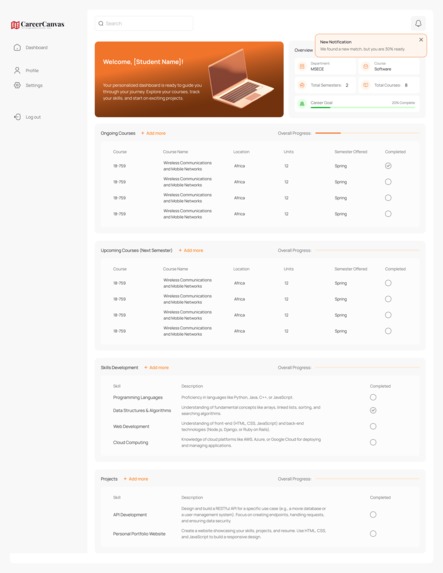
Student Dashboard
Inspiration
Our inspiration for CareerCanvas came from a critical need identified among CMU-Africa students. Through interviews with students, faculty, and staff, we found that many students are overwhelmed by their academic workloads and are not gaining the necessary skills for internships, jobs, and presumed life after CMU-Africa. Despite the availability of career development resources, students either were unaware of them or lacked the motivation to use them. This gap inspired us to create a system that would serve as a companion to guide students through their academic journey, helping them balance coursework with career readiness.
What It Does
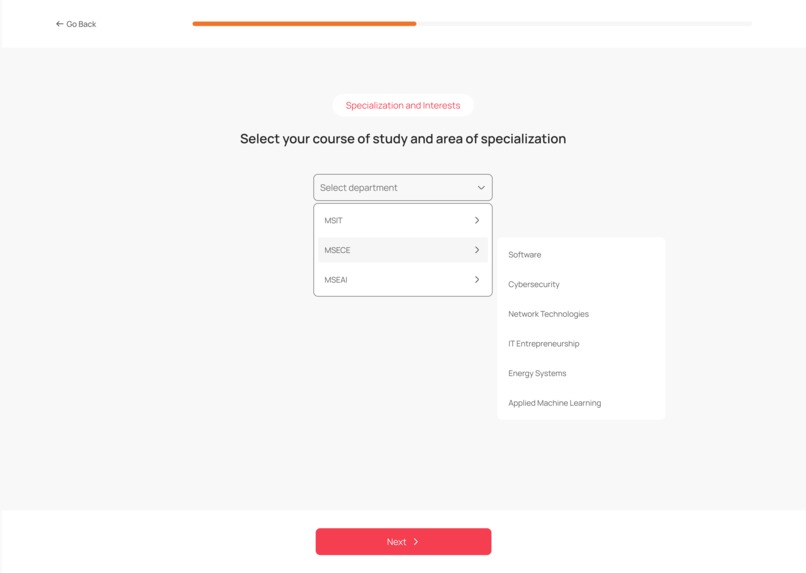
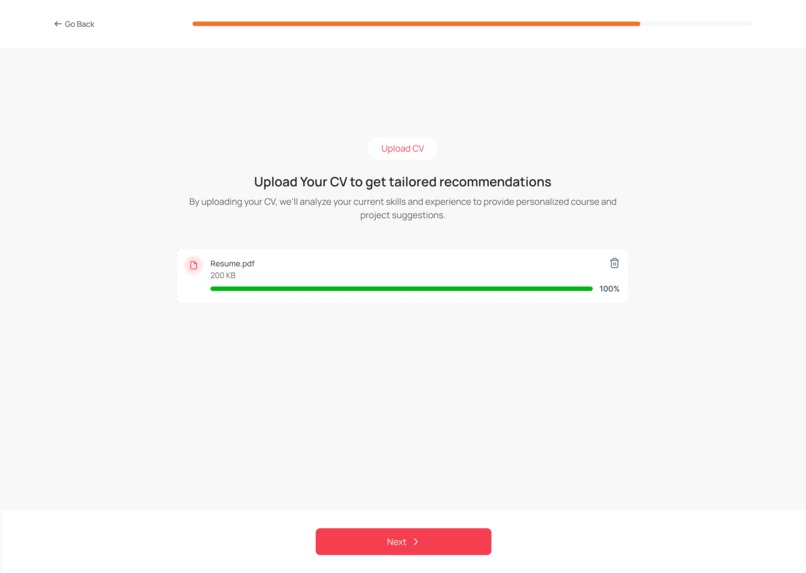
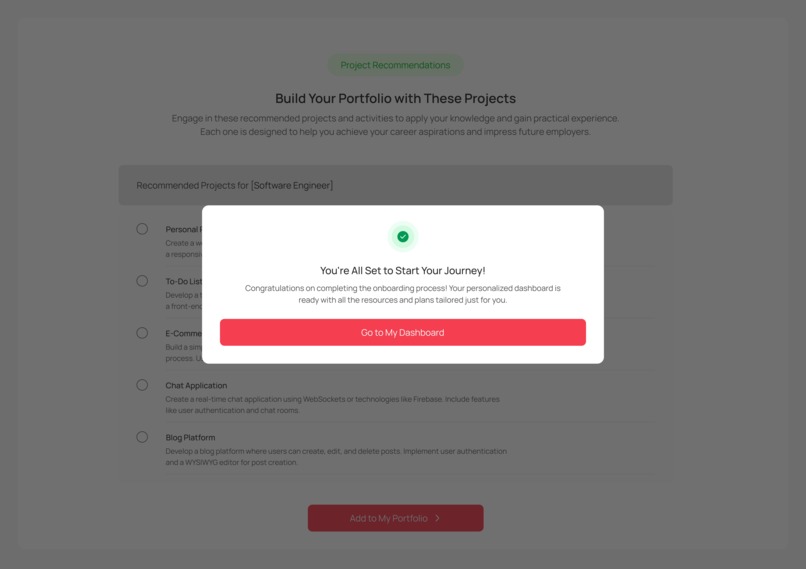
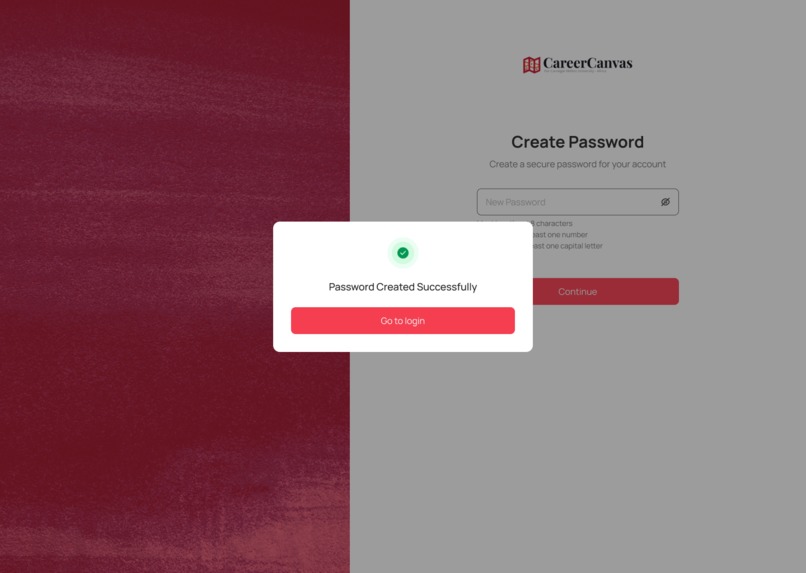
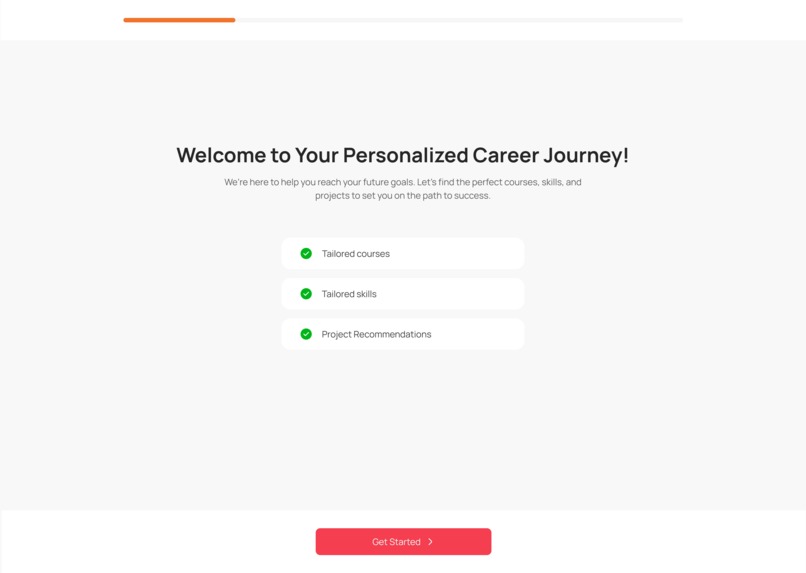
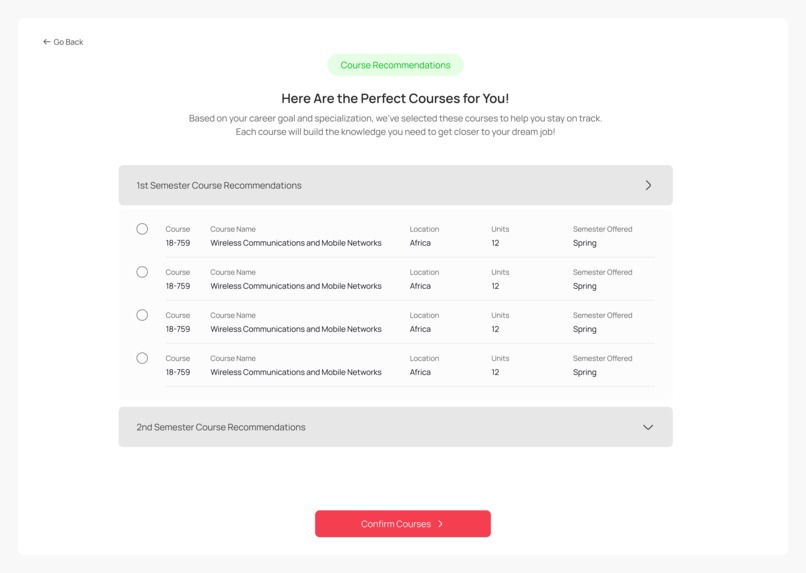
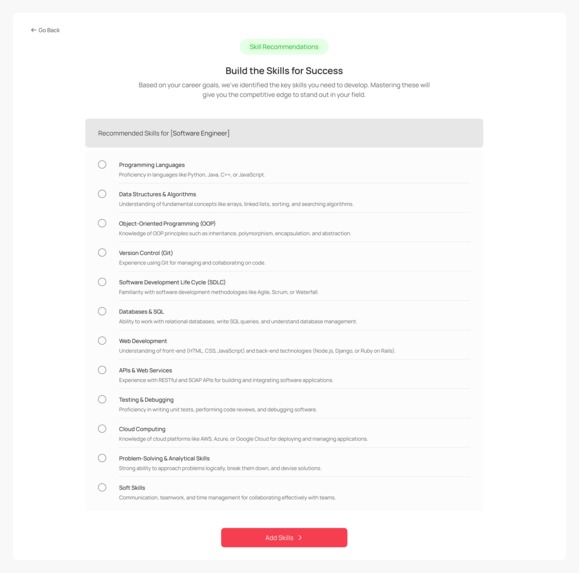
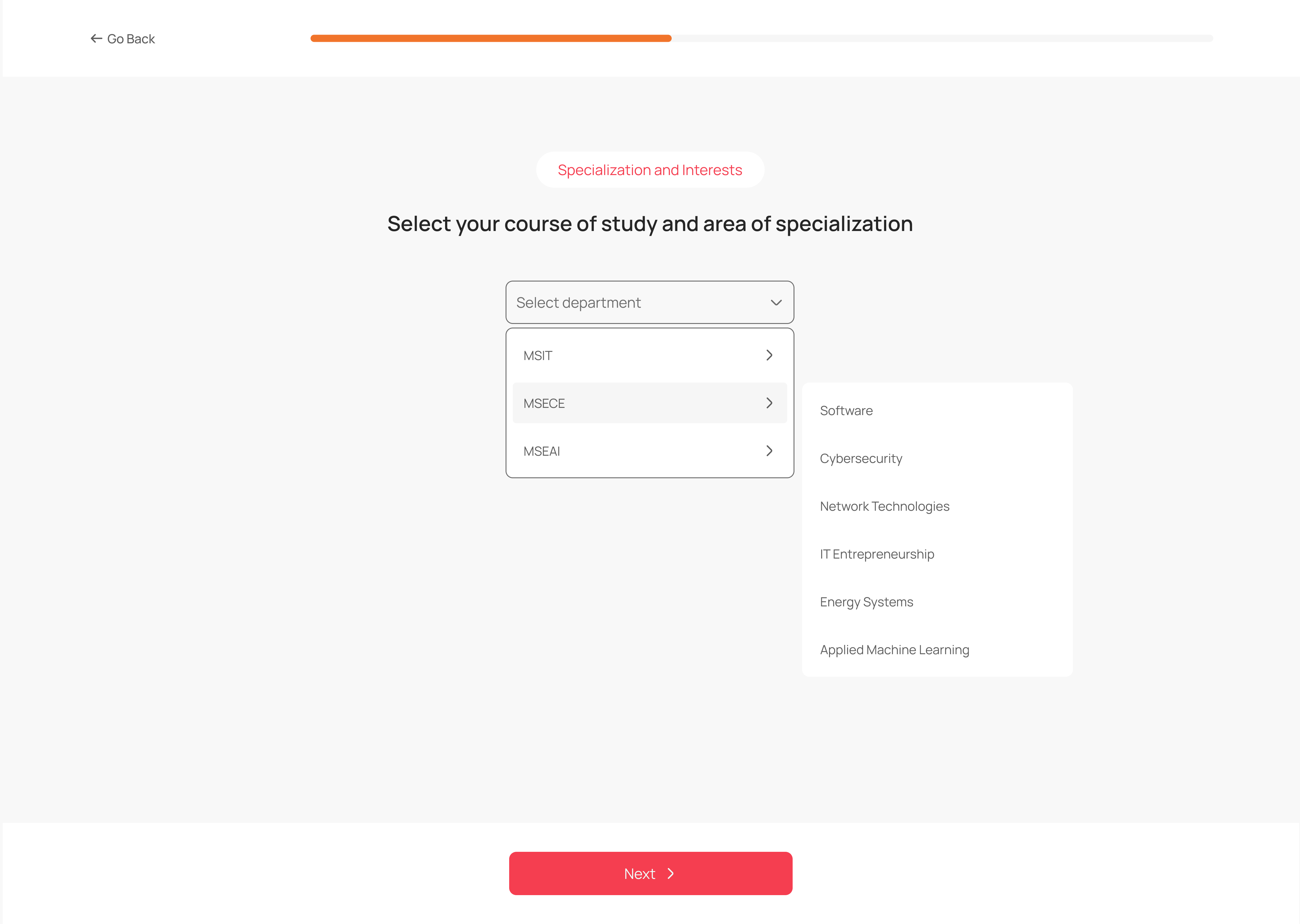
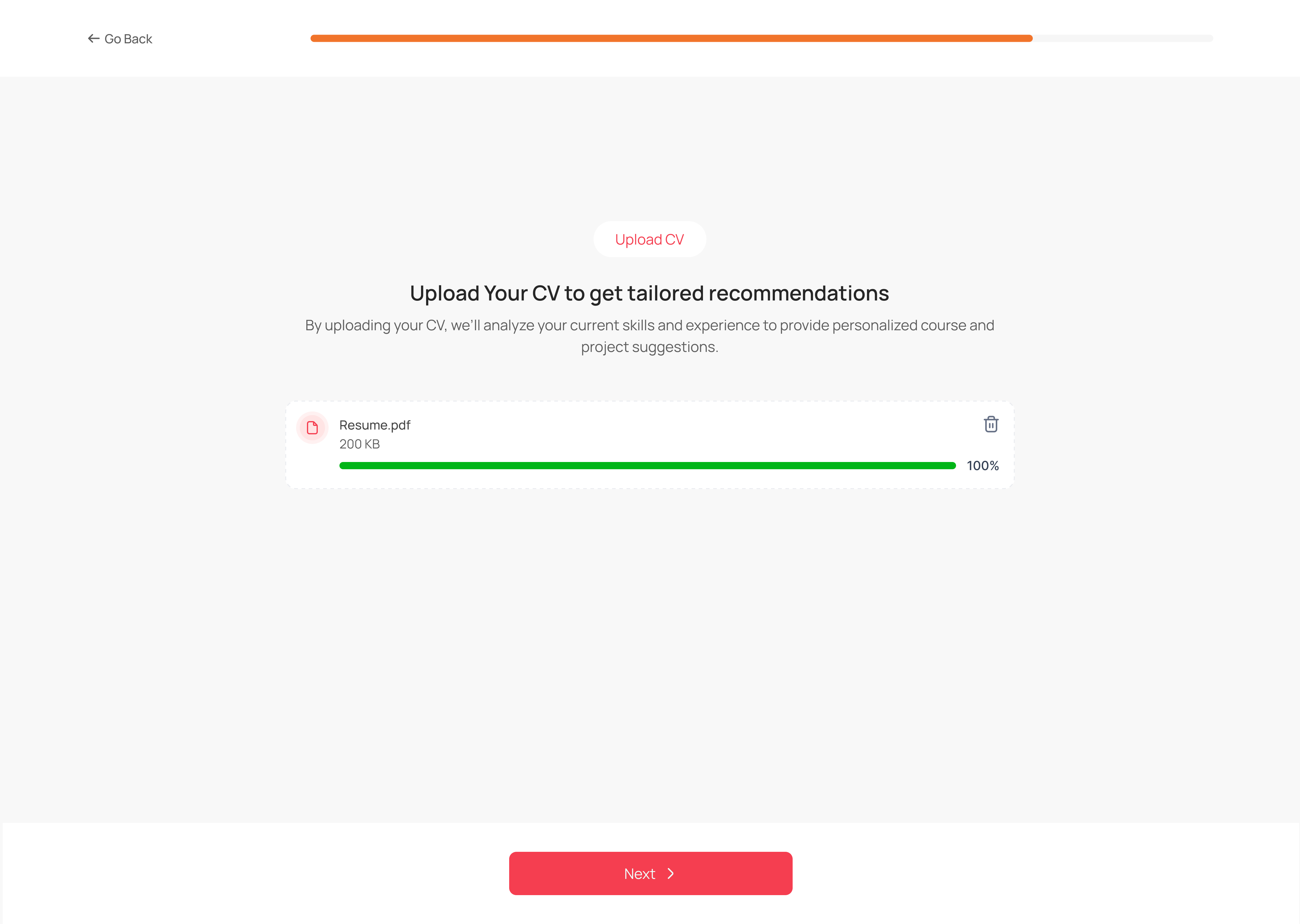
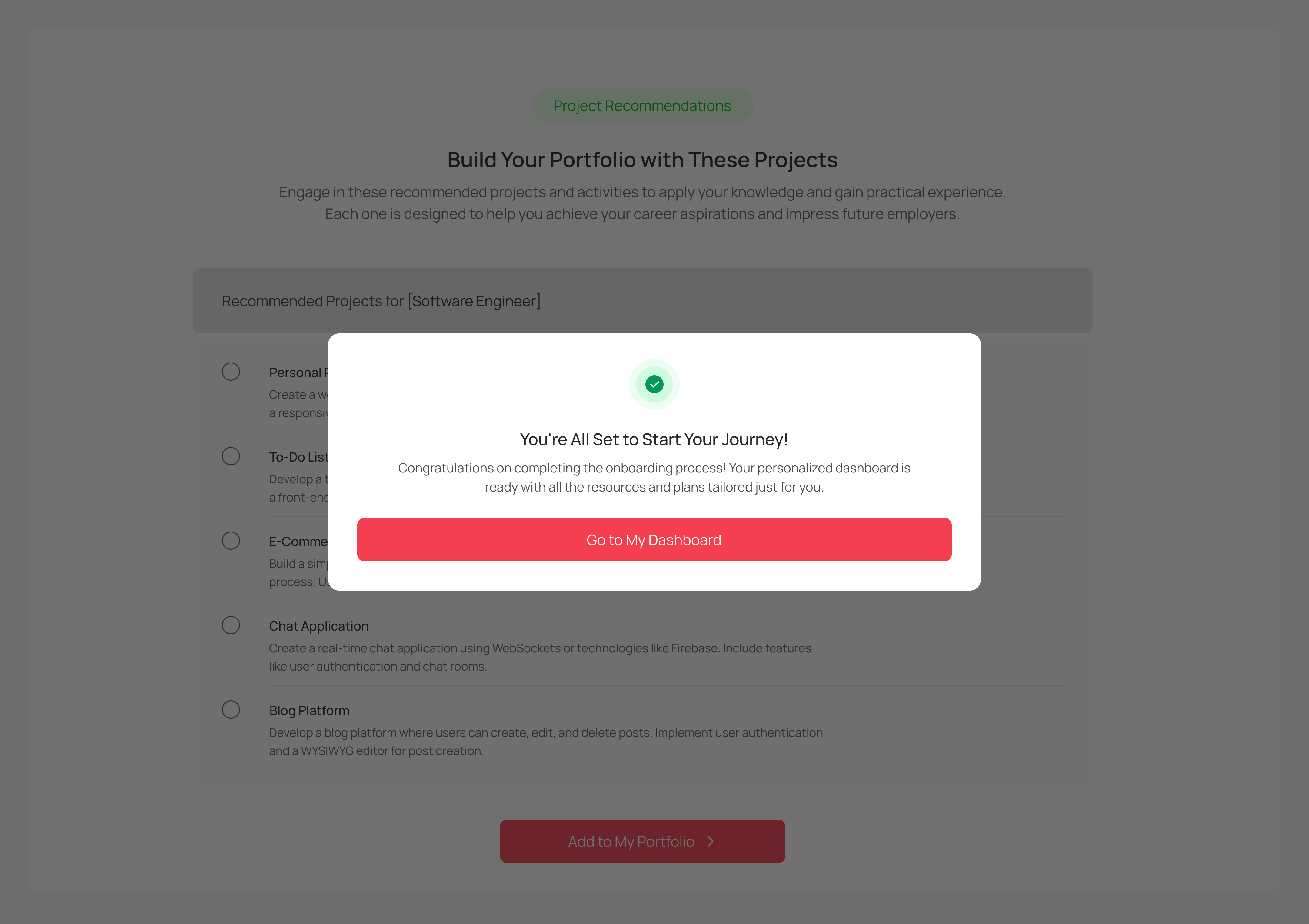
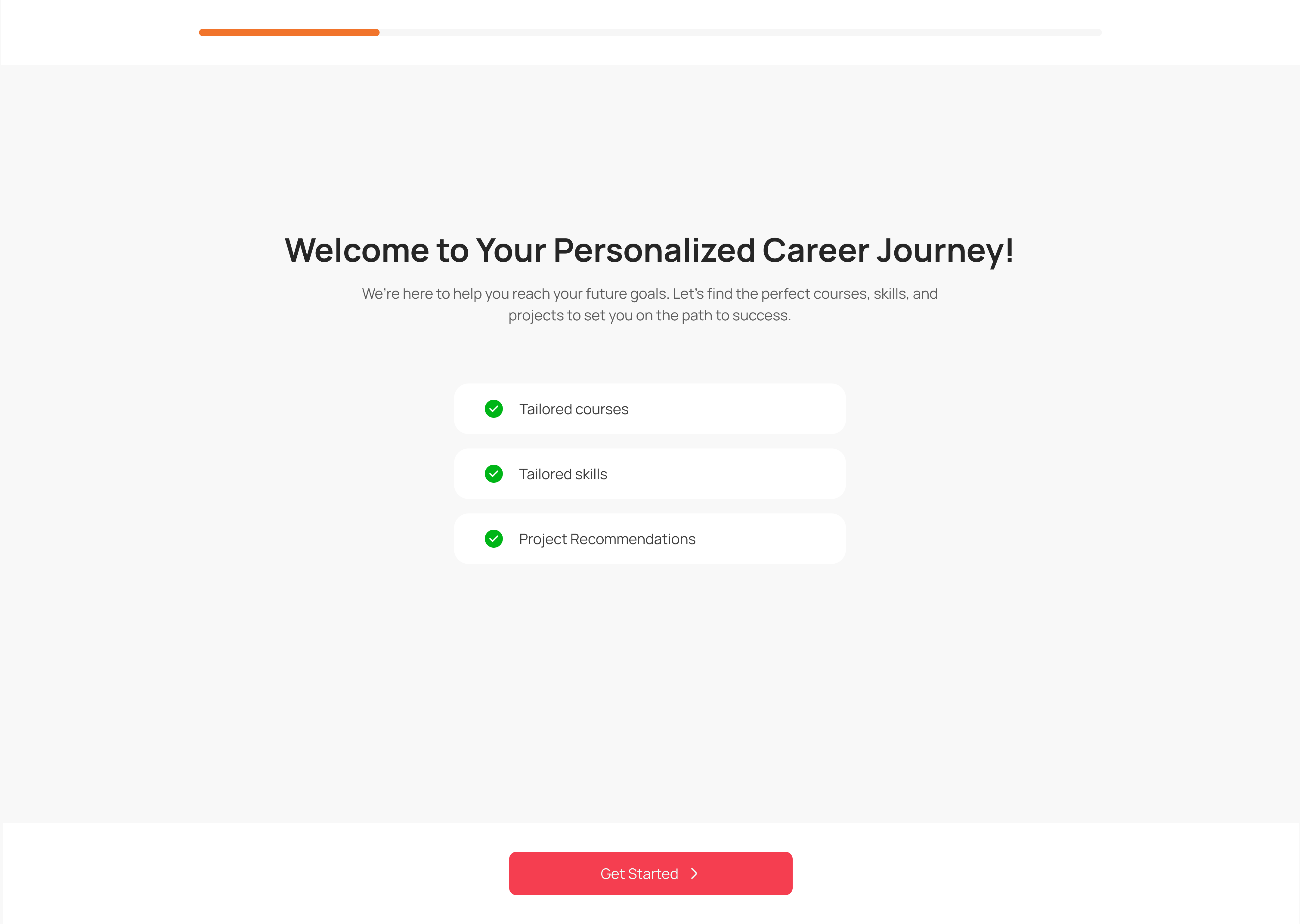
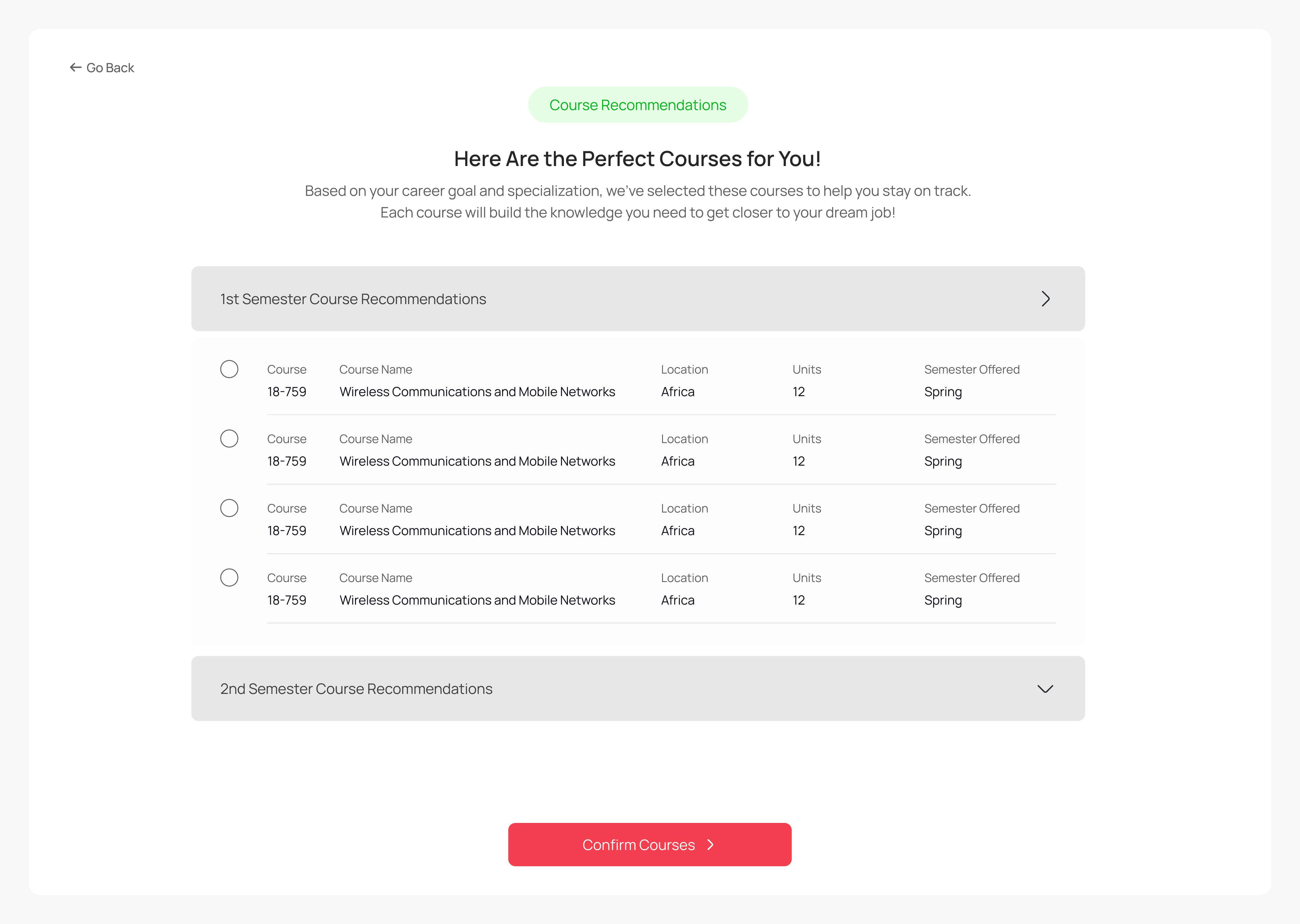
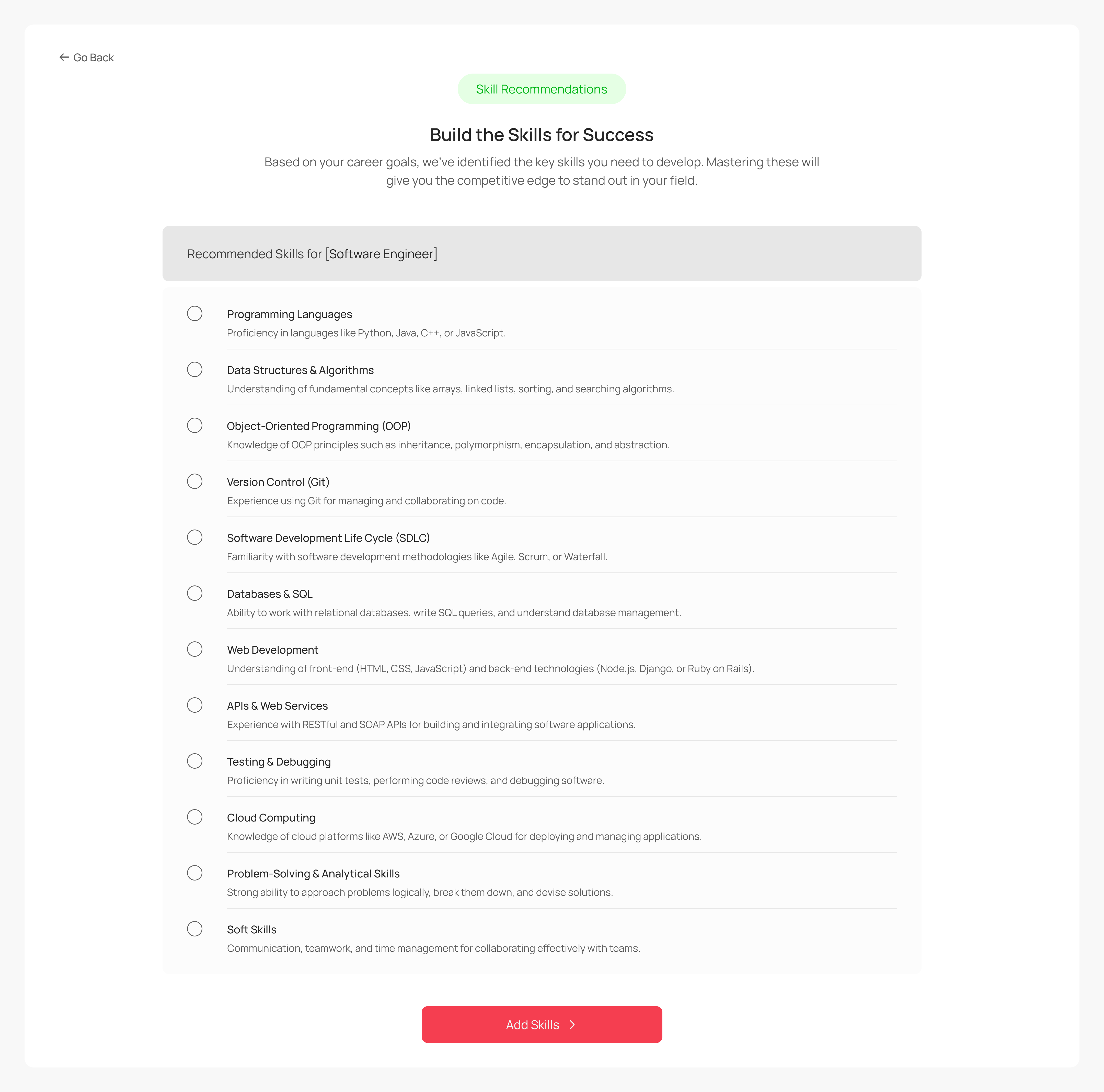
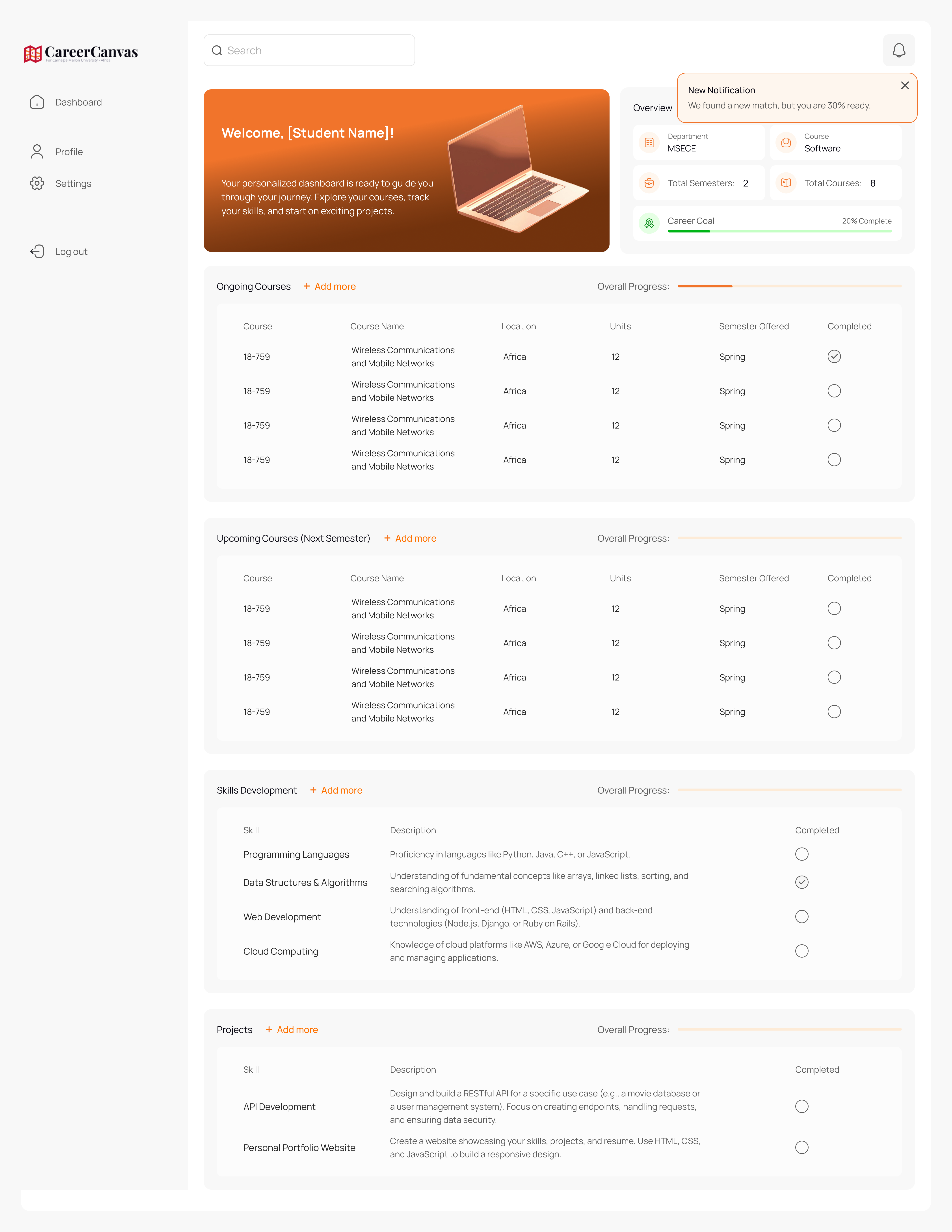
CareerCanvas is designed to help students prepare for internships, jobs, and other career opportunities by providing personalized recommendations on course selection, extra learning opportunities, and skill-building activities. The system collects student data during onboarding, including their CVs, academic focus, and career interests. It also gathers available CMU resources and company job listings. Based on this information, CareerCanvas guides students in selecting relevant courses and tracks their progress toward their career goals, sending notifications about job openings and milestones through channels like WhatsApp.
How We Built It
Our system was built by collecting data from students, CMU resources, and companies. We then developed an AI-based recommendation engine that matches students to courses and internship opportunities based on their career interests and academic backgrounds. The system also includes a progress tracker and notification system to keep students informed and engaged. We used Python, a robust and versatile language, for backend development, while the recommendation engine uses advanced algorithms to map students’ profiles to relevant job or internship listings.
Challenges We Ran Into
We faced several challenges throughout the project:
- Finding a Middle Ground Between Students, Staff, and Faculty Pain Points: Students emphasized academic rigor, which affected skills acquisition, while staff focused on students not using the available services for career development. Aligning both perspectives was a challenge.
- Data Collection for the Recommender System: Gathering, organizing, and effectively utilizing the necessary student data, the course catalog, and company job listings required extensive coordination and careful data structuring.
- Onboarding Companies: Convincing companies to participate by listing internships and jobs took more work than anticipated, as we had to communicate the benefits to them.
Accomplishments That We’re Proud Of
We are proud of building a system that helps students stay on track with their career goals and connects them directly with relevant internship and job opportunities. Another major accomplishment was designing a functional progress tracker and notification system that keeps students informed and engaged throughout their academic journey. The collaboration between students, faculty, and staff to ensure the system meets everyone’s needs was also a key achievement.
What We Learned
This project taught us the importance of balancing different stakeholder needs, from students to faculty and companies. We learned how to design a user-friendly system that simplified the career planning process for students and discovered the power of data in providing personalized recommendations. We also gained experience building a solution that integrates existing resources and aligns academic goals with career readiness.
What's Next for CareerCanvas
The following steps for CareerCanvas involve developing the student onboarding process to ensure smooth data collection and designing a recommender system that focuses specifically on course recommendations using only the course catalog. This will allow us to streamline the process and give students even more targeted advice regarding course selection.
Built With
- figma
- laravel
- machine-learning
- python
- streamlit
- vonage


Log in or sign up for Devpost to join the conversation.