Inspiration
After the success opening of the Cracked Dev Hackathon, the inspiration for this project dawned with the discovery of a powerful job API. Recognising the potential to revolutionise job search experiences, I envisioned elevating the process by introducing a unique feature – visualising available jobs on a map based on their locations. Many job platforms lack this dynamic functionality. To add excitement and interactivity to the job-hunting journey, CareerAtlas empowers users, especially those seeking hybrid opportunities, to effortlessly locate jobs in proximity. With integrated map features, users can evaluate distances from home, making informed decisions with ease
What it does
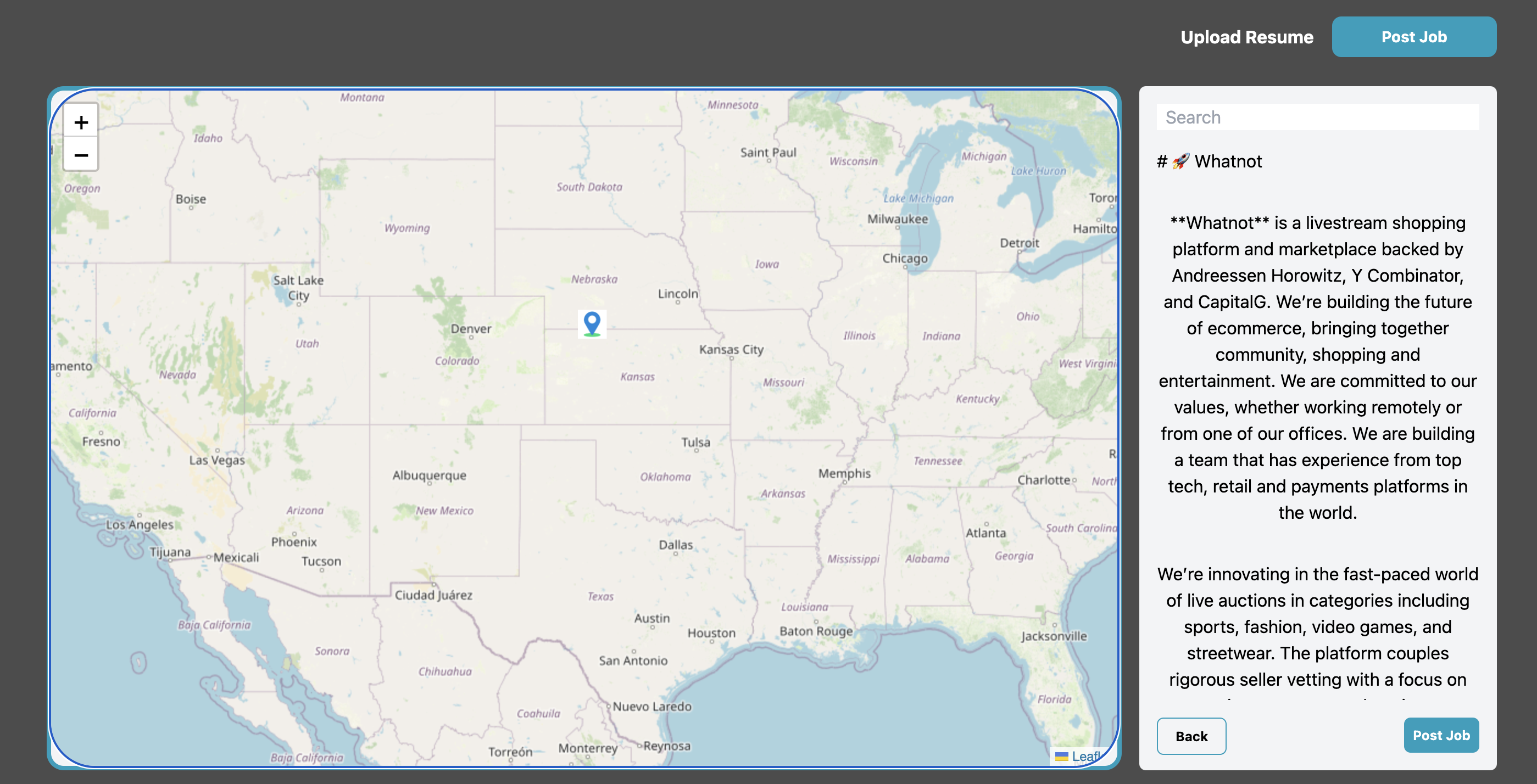
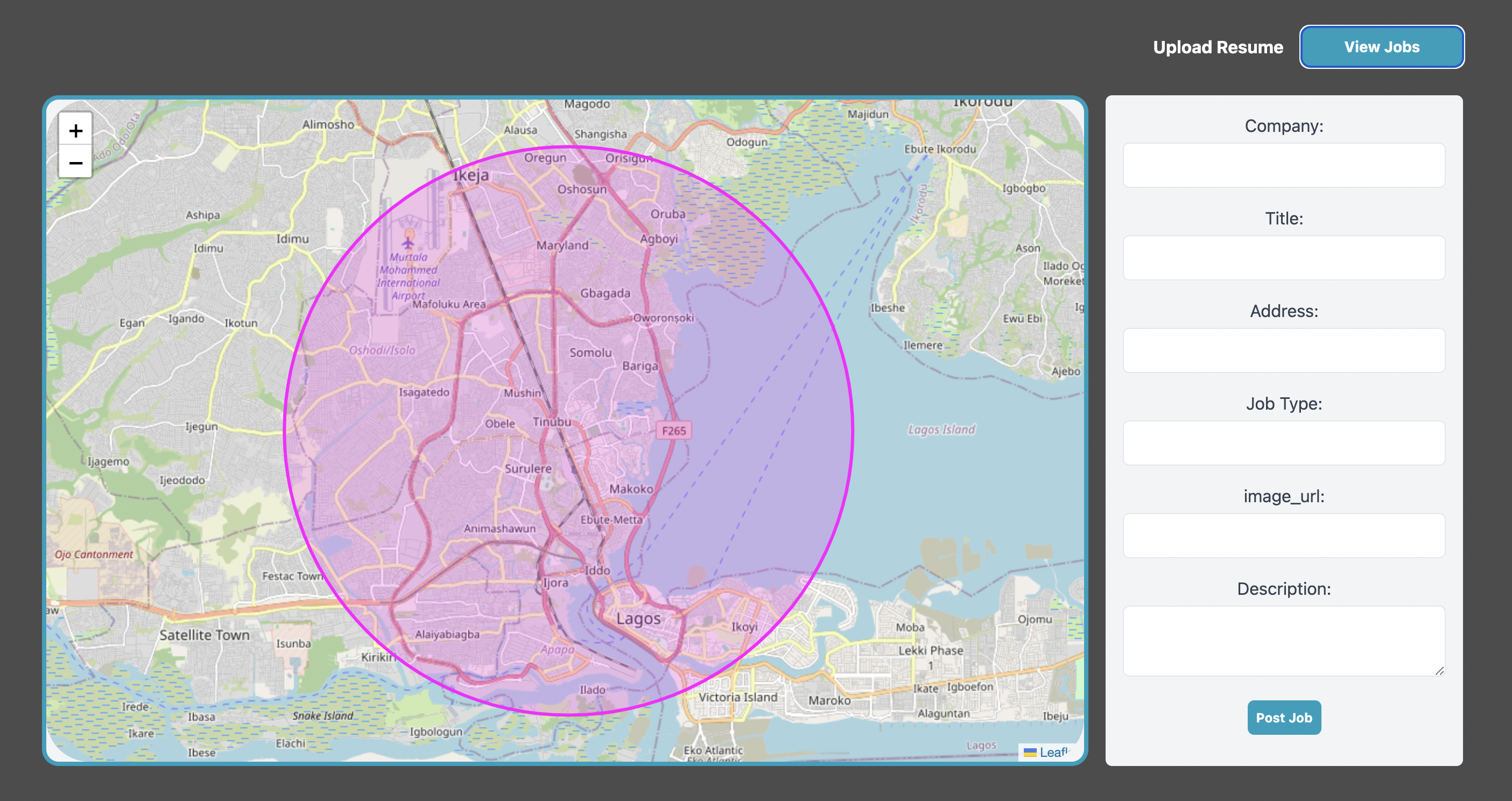
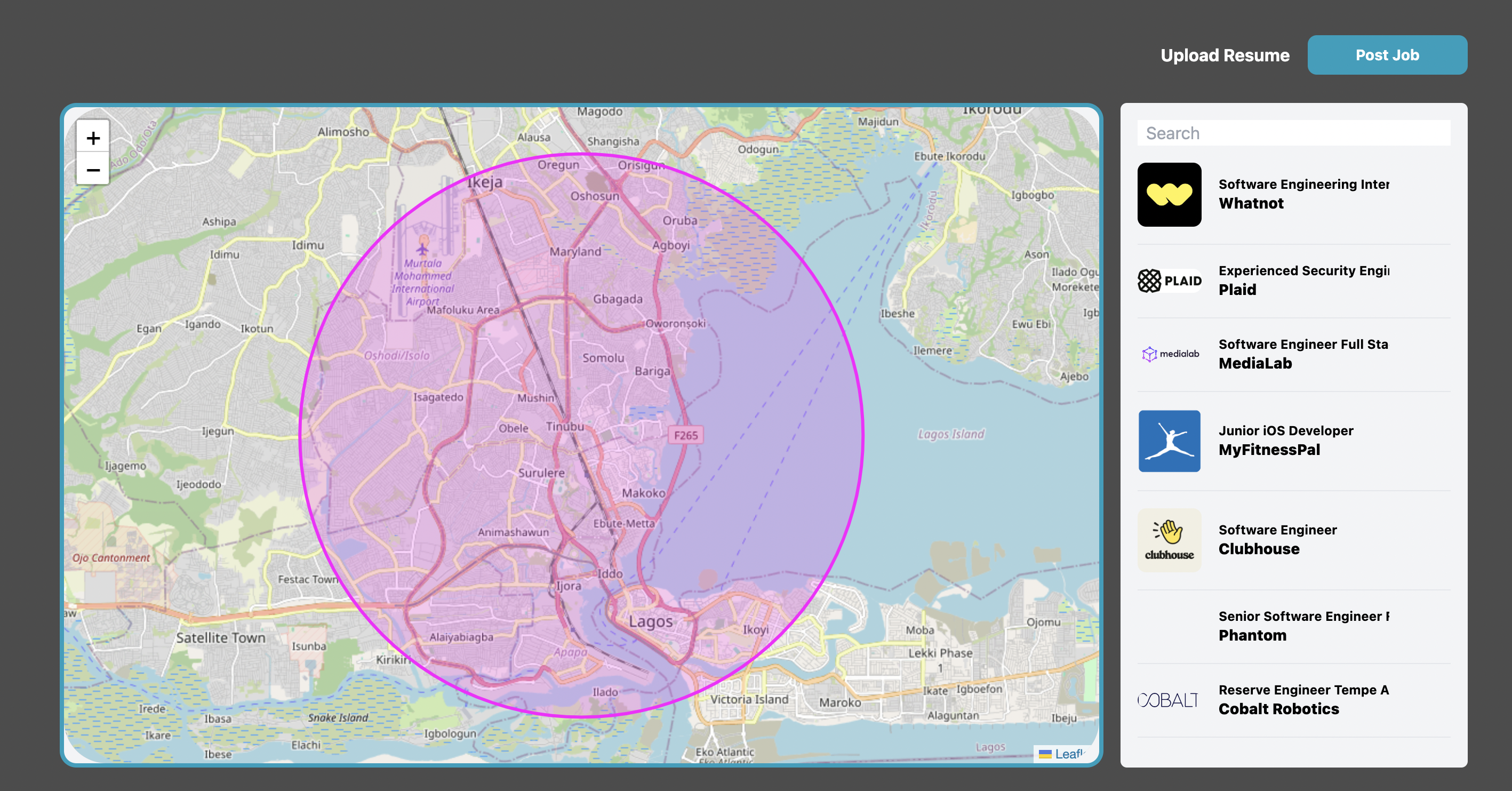
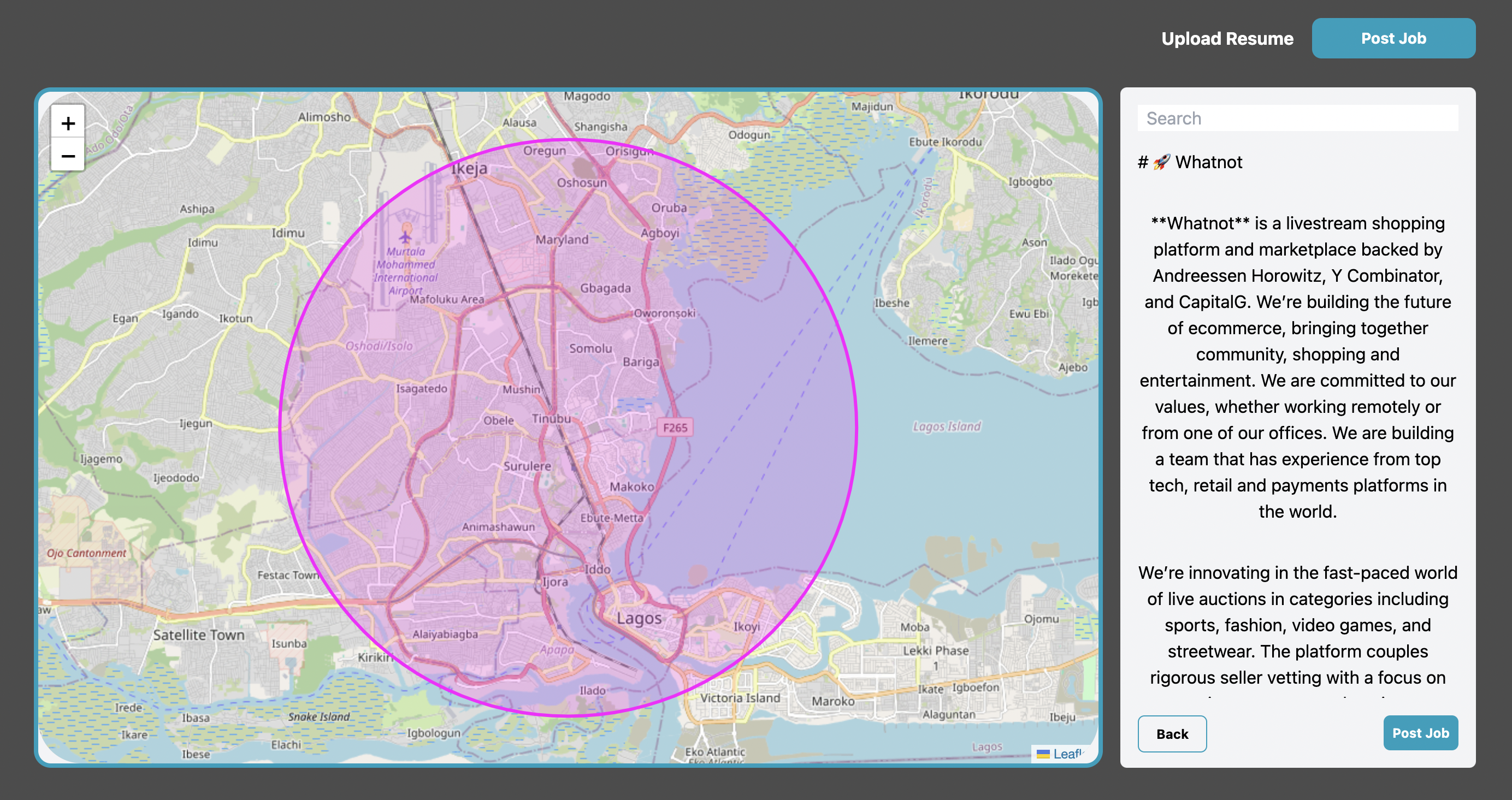
CareerAtlas is a web application that provides users with an innovative way to explore job listings through an interactive map interface based on job locations. Users can visualize job opportunities in both list and map formats. Jobs are scattered across the map, each marked with an anchor icon, making it easy to identify available positions. The anchor icons come in different colors, indicating whether a job is newly posted, currently available, or unavailable. Each job status is represented by a unique anchor icon.
Moreover, CareerAtlas offers a platform where users can upload their resumes. The application then filters and suggests relevant jobs on the map and in the listings based on the uploaded resume. Users can seamlessly apply for jobs directly through the platform, enhancing the overall job search experience.
How we built it
Built using React and TypeScript, CareerAtlas features components developed with a focus on seamless user interaction. Leveraging external libraries such as Axios for streamlined API calls and Leaflet for integrated map functionalities, the application utilizes external APIs for geocoding and fetching job listings. The combination of React, TypeScript, and these additional libraries enhances the overall performance and functionality of CareerAtlas.
Challenges we ran into
I encountered several challenges during the development process. Firstly, the API lacked sufficient attributes, such as addresses for geocoding, making it difficult to obtain accurate job locations. To enhance the user experience, I needed company addresses to properly display jobs on the map.
Additionally, filtering the API based on job types posed a challenge. Achieving a hybrid job visualization required careful filtering to provide users with relevant and personalized job listings on the map interface.
Furthermore, unforeseen circumstances, including issues with timing and a prolonged period of downtime for my PC, added an extra layer of complexity to the project. Despite these challenges, I persevered to ensure the successful development of CareerAtlas.
Accomplishments that we're proud of
Building an interactive map
What we learned
I specifically enhanced my skills by focusing on the implementation of Leaflet within the project. This learning experience allowed me to deepen my understanding and proficiency in utilizing Leaflet for effective map integration.
What's next for CareerAtlas
The next steps for the project involve advancing the user interface to create an appealing and user-friendly design. Additionally, setting up a server infrastructure will contribute to the seamless integration of the application, ensuring optimal performance and reliability. This dual approach aims to enhance both the visual aesthetics and the overall functionality of CareerAtlas.
Built With
- crackeddevapi
- gecode
- leaflet.js
- react
- typescript

Log in or sign up for Devpost to join the conversation.