-
-
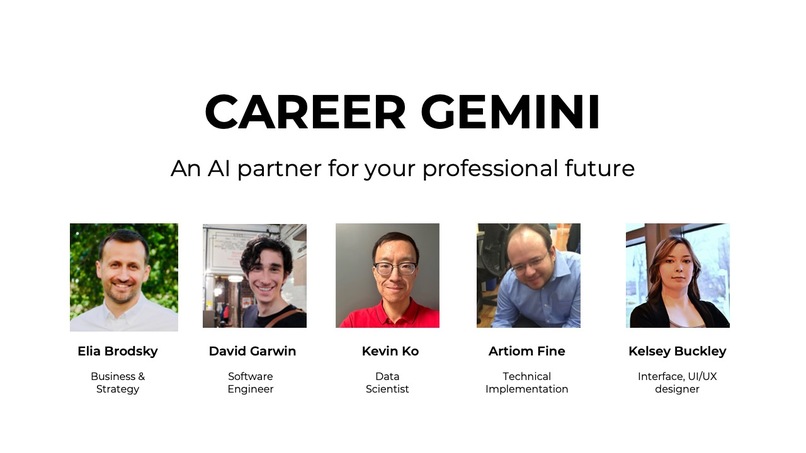
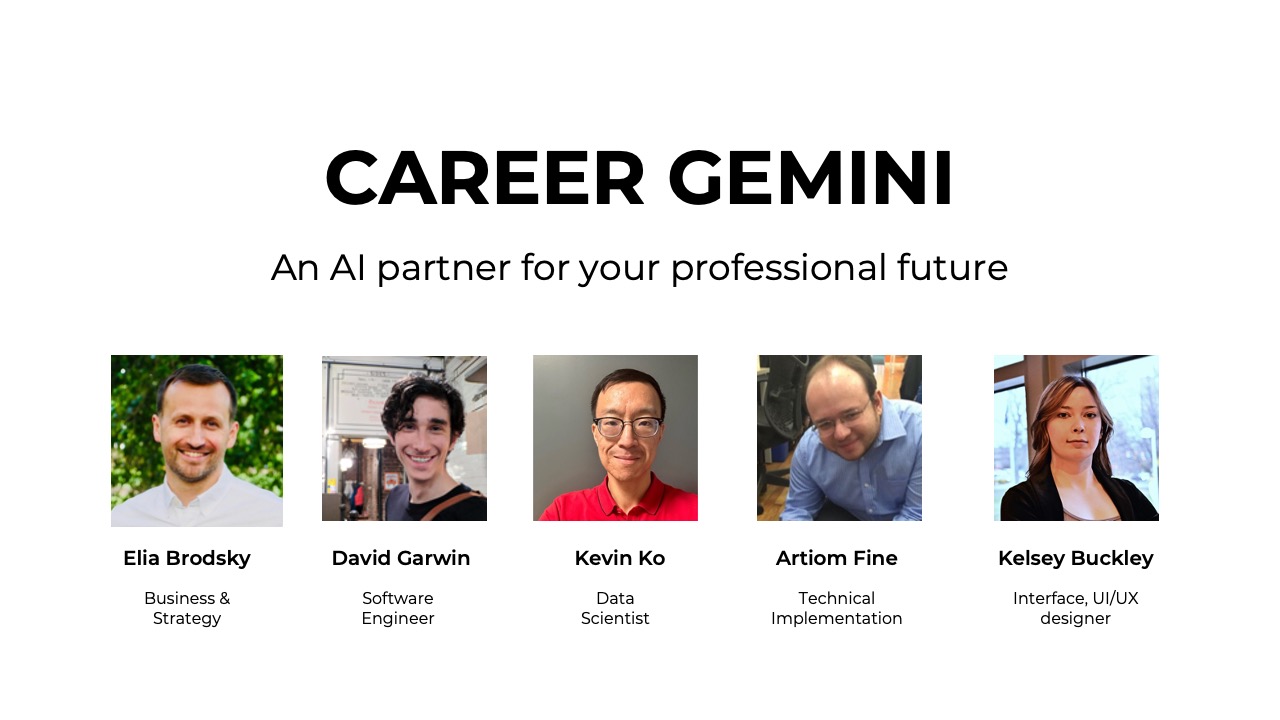
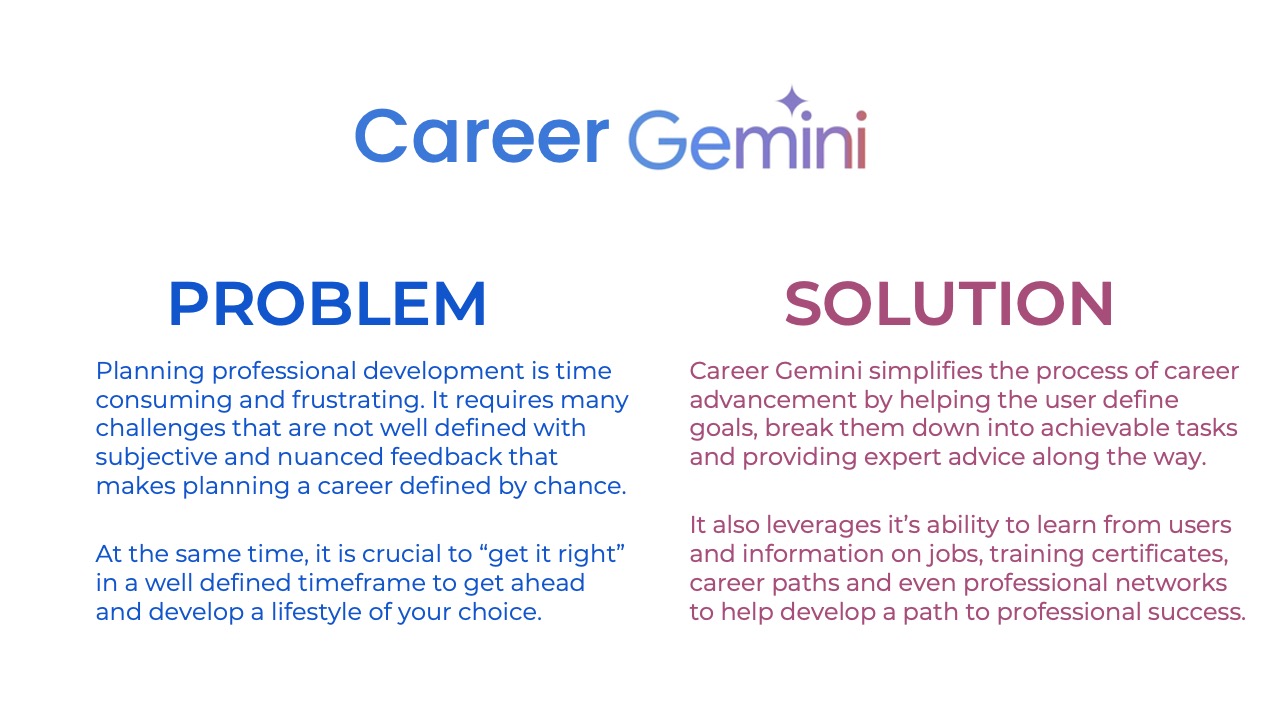
Career Gemini: An AI-powered tool transforming your job search and career development using Google's Gemini API!
-
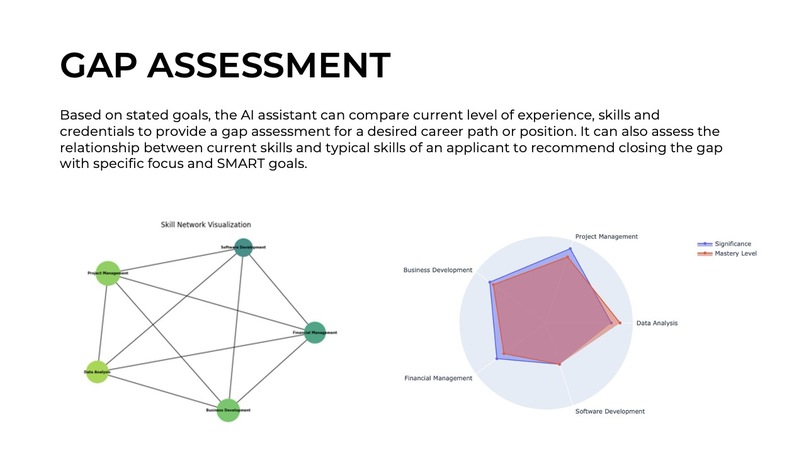
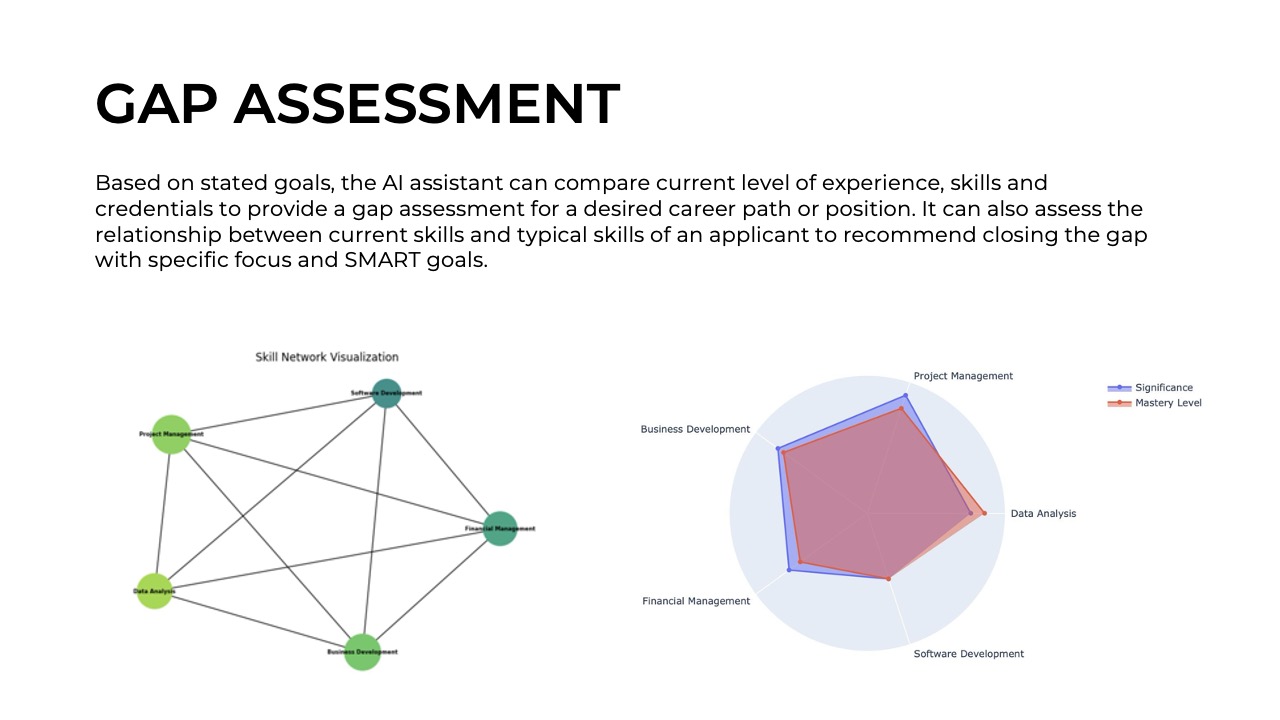
Discover your potential: Our tool assesses skill gaps and suggests tailored steps to prepare you for your dream job.
-
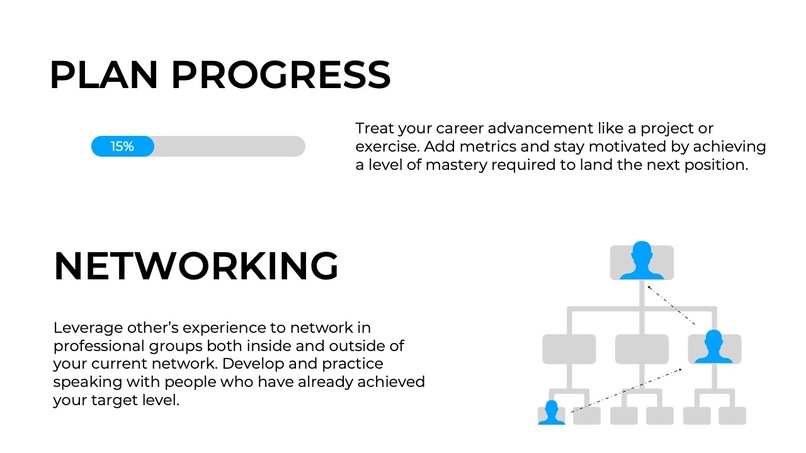
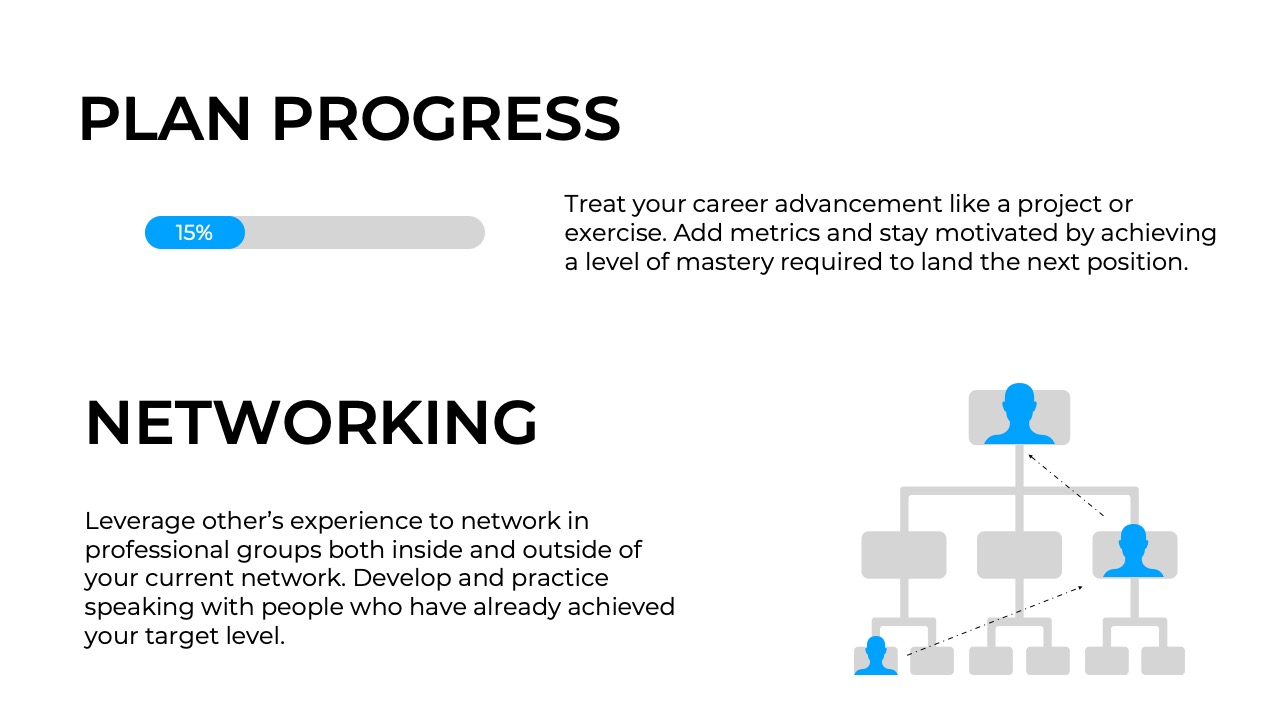
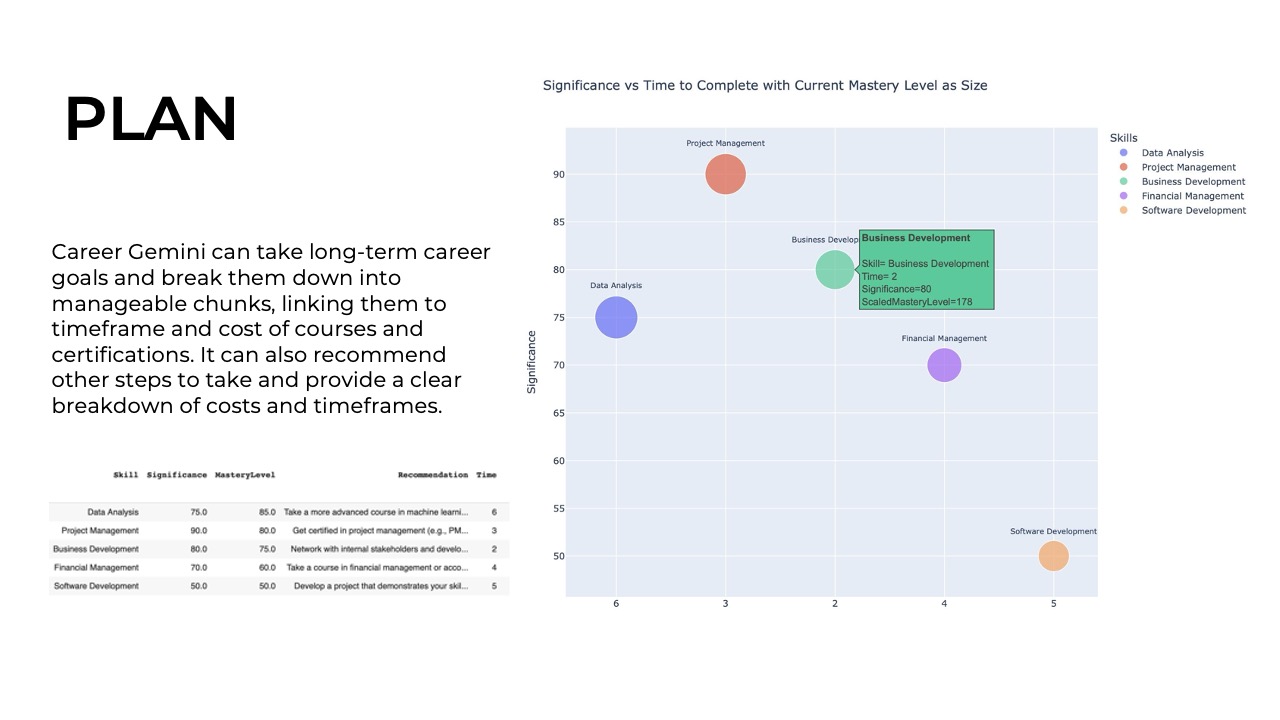
Track your career progress with intuitive dashboards, maintaining momentum and motivation as you reach each milestone.
-
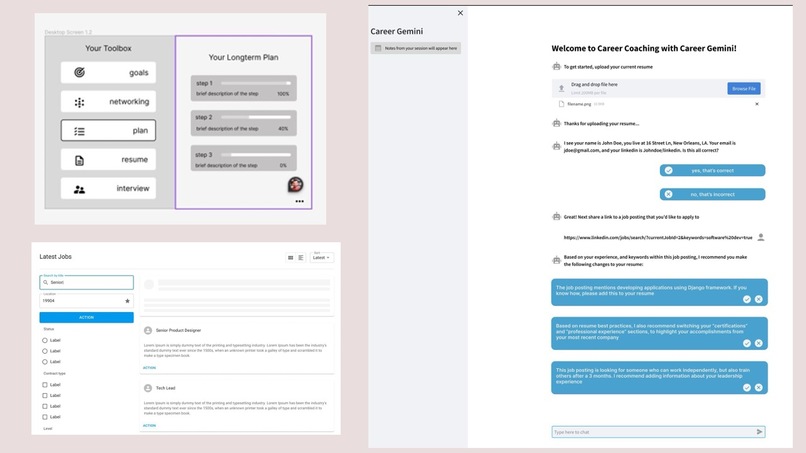
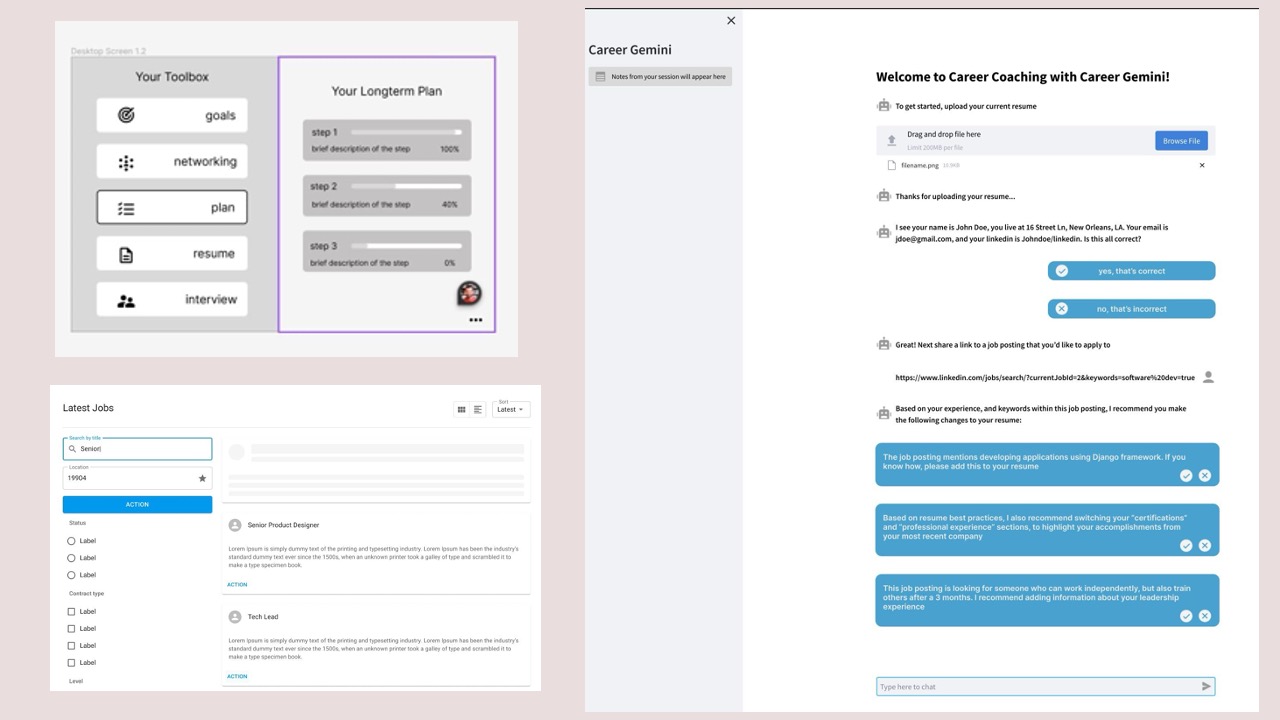
Experience simplicity with our Streamlit-based interface, designed for ease of use, enabling seamless navigation and interaction.
-
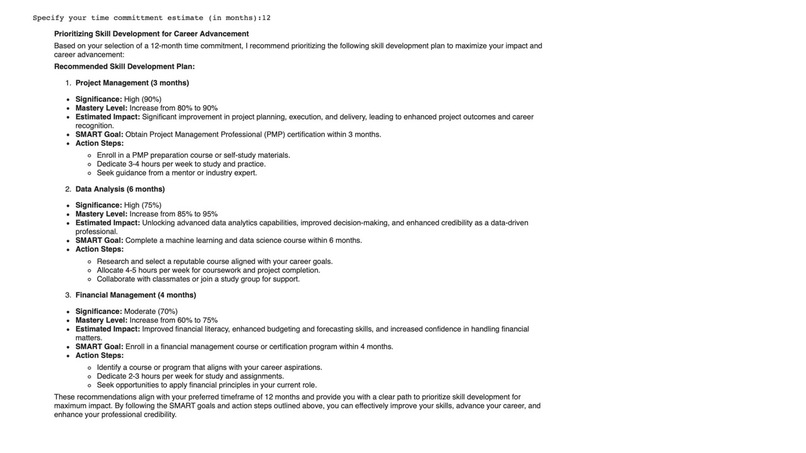
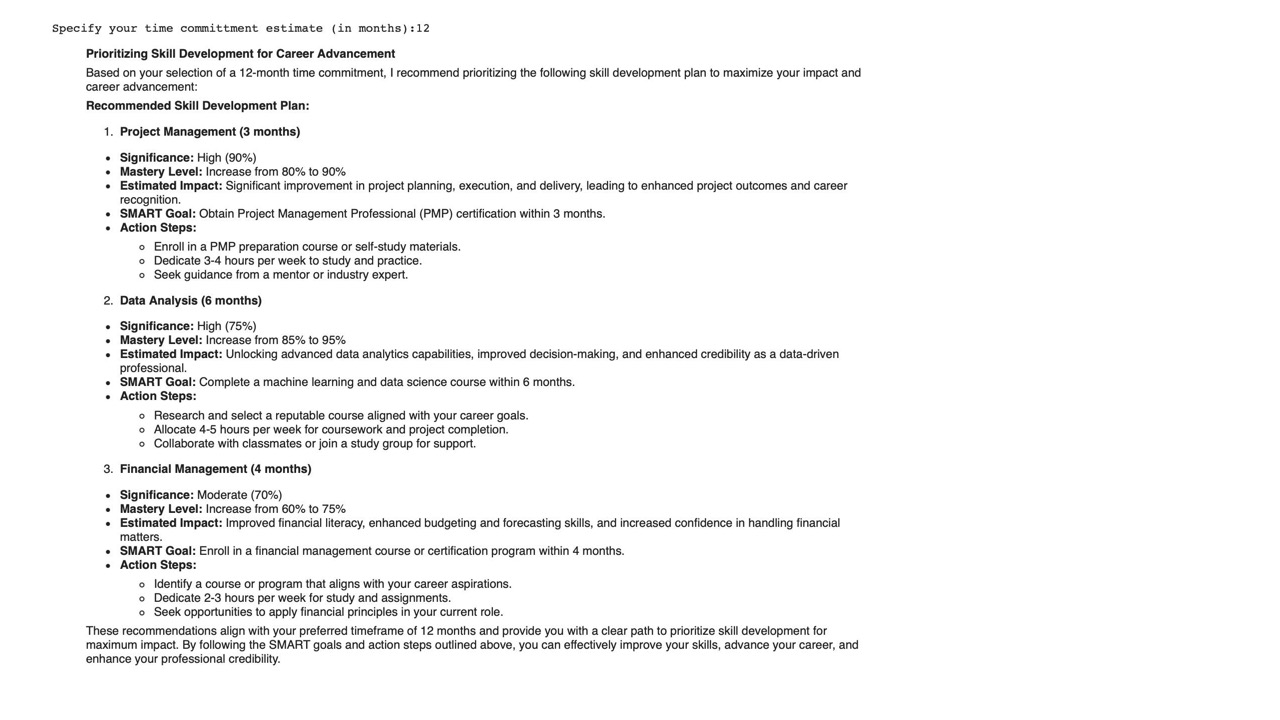
Set and achieve SMART goals: Specific, Measurable, Achievable, Relevant, Time-bound targets for ultimate career success.
-
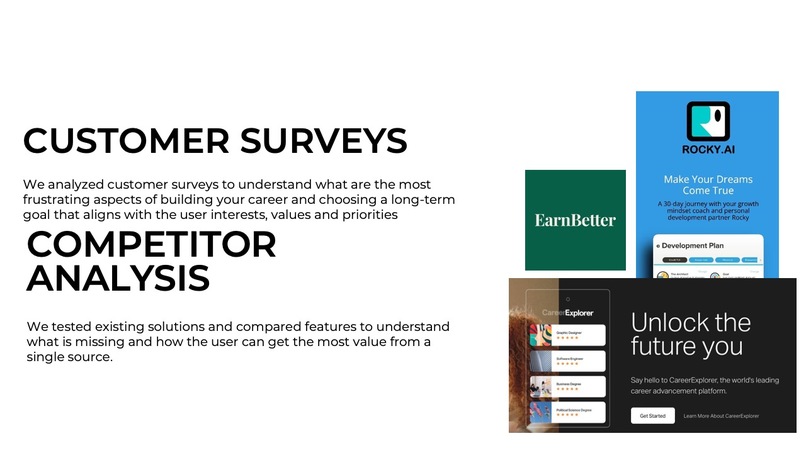
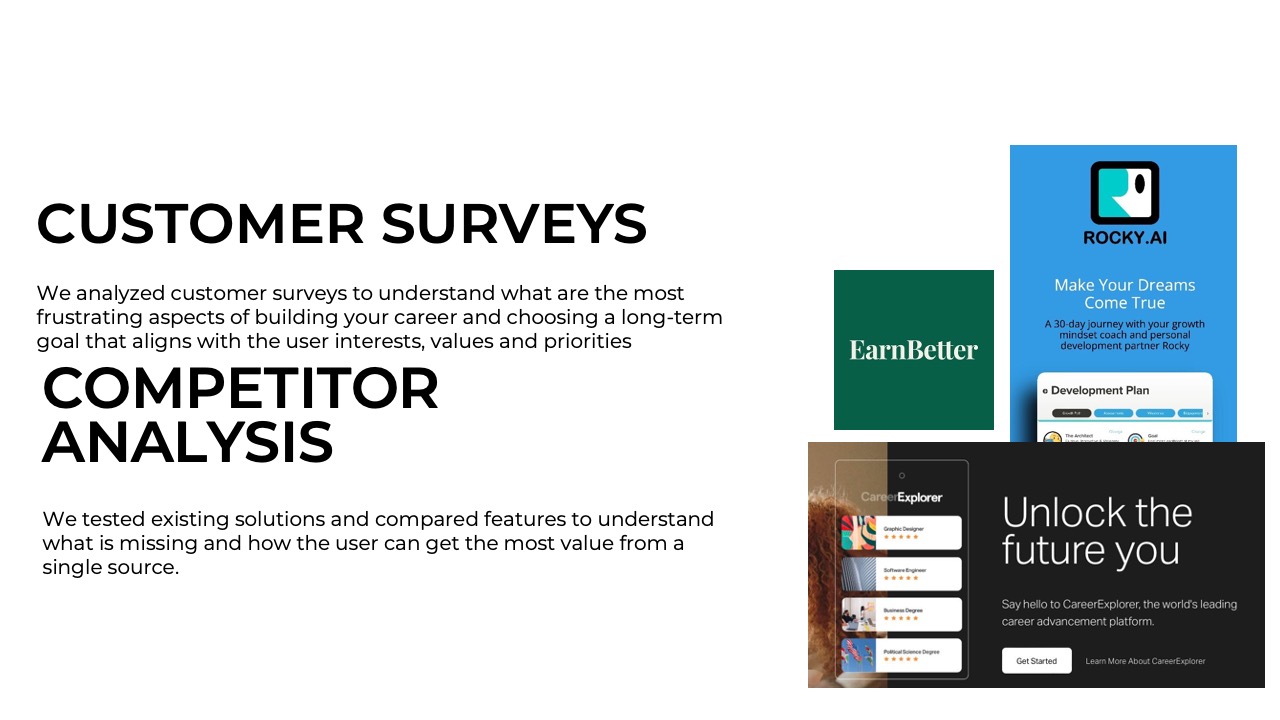
Developed from robust market research, our solution is finely tuned to meet the dynamic needs of today’s job seekers.
-
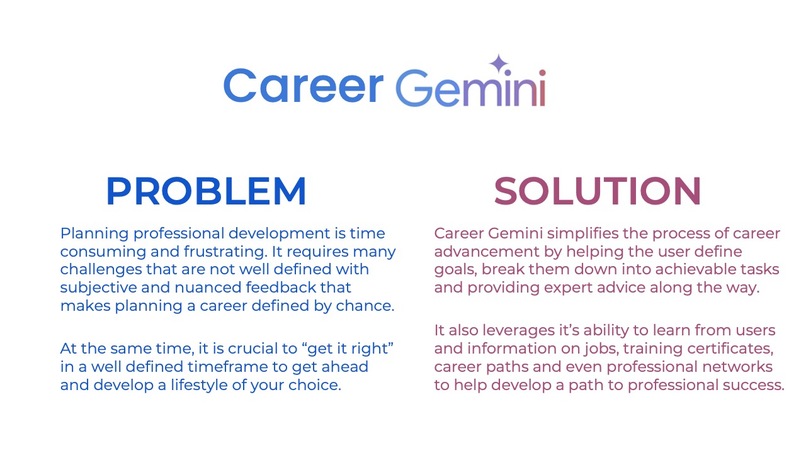
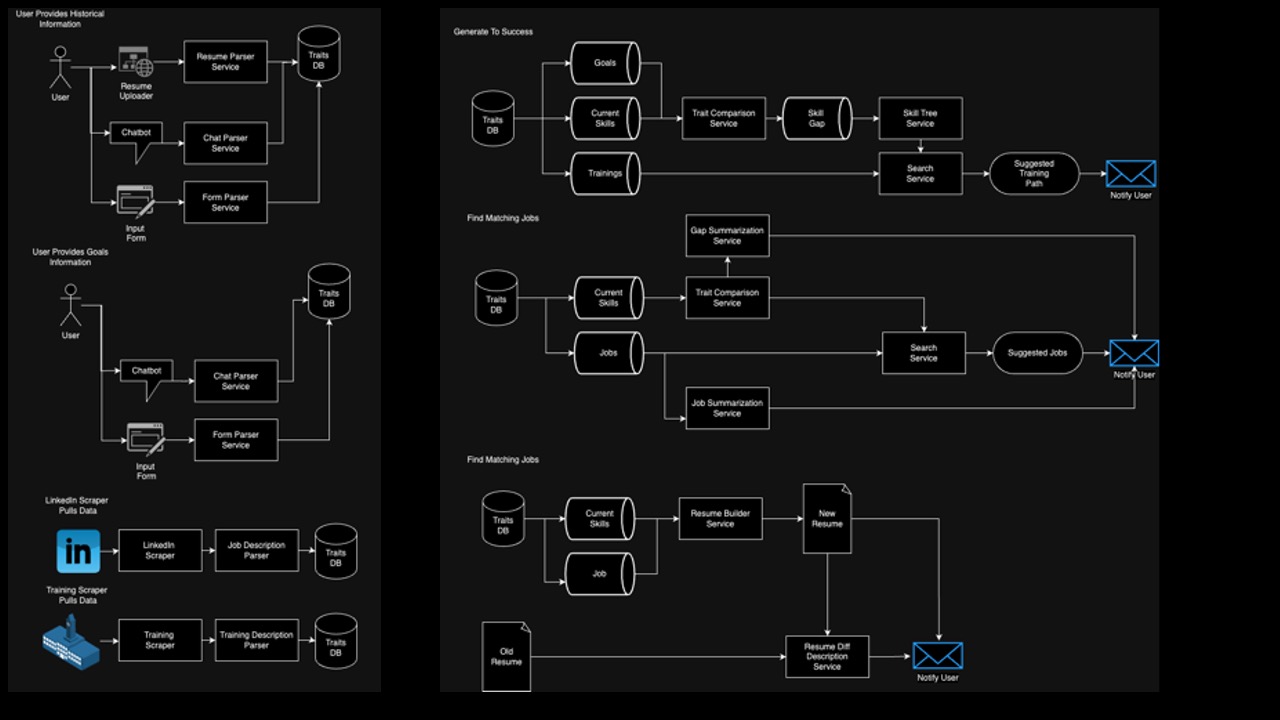
Tackling the tedious job hunt: Career Gemini automates resume analysis and matches you with ideal job opportunities effectively.
-
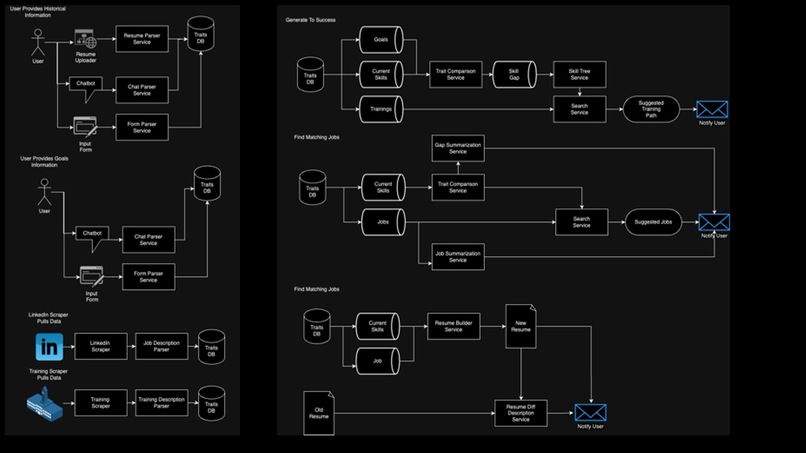
Advanced architecture integrates job scraping, data vector search, and RAG to deliver precise and personalized job matches.
-
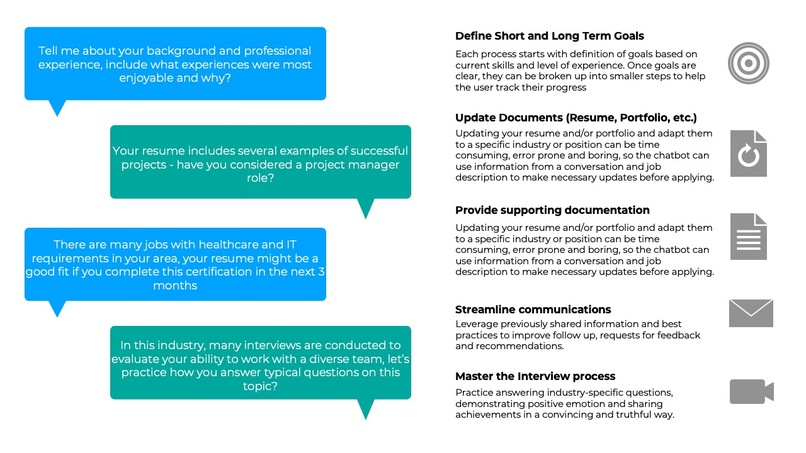
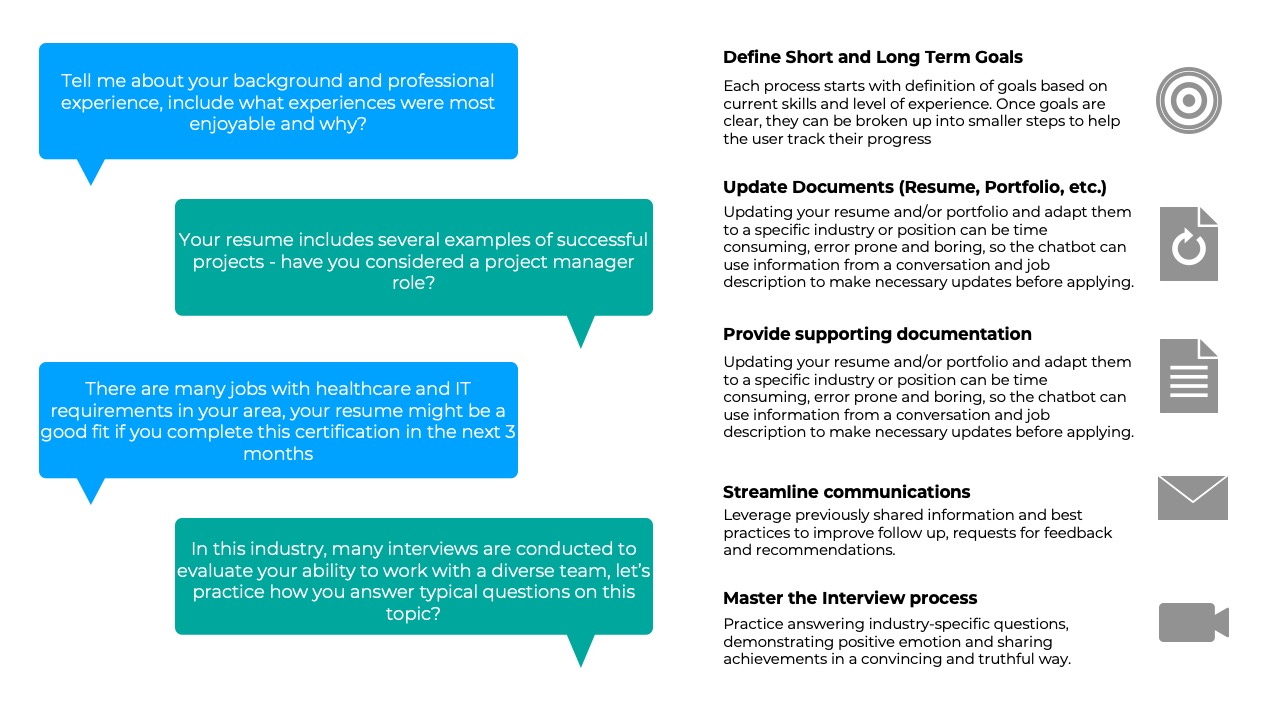
Engage with our AI chatbot for real-time career guidance, streamlining your job search and decision-making process.
-
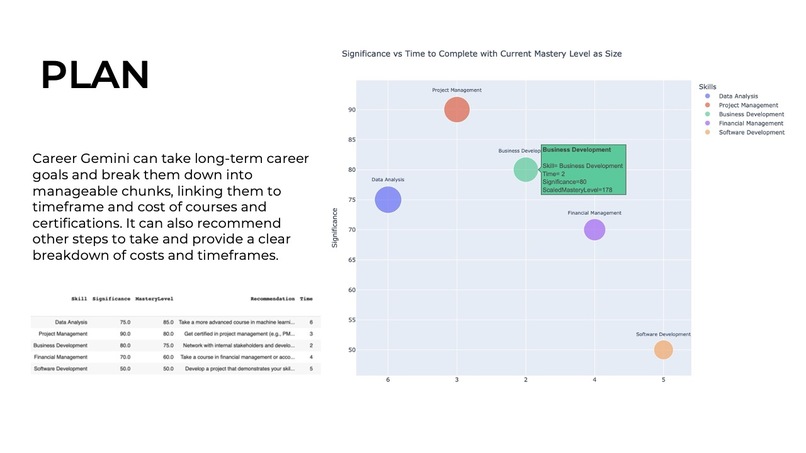
Plan strategically with Career Gemini, mapping out career trajectories that align with your long-term professional goals.
Inspiration
Almost everyone has looked for a job or wondered what their career would look like. It might have been a first job, a job after college, or a painful transition after being fired. And while most people have a good idea of possible jobs they might tolerate, it is much more rare to find people planning their career and managing the way to get there. That is because career planning spans years, not hours or days. And it requires lots of elements that are not interconnected. These include job boards, career coaches, online courses and certifications, internships and projects, networking, various assessments and interview practice. But how to organize them into something that resembles a plan or a strategy and how to keep track of these diverse activities so that you can make progress in your career? Importantly, how do you avoid scams, budget and develop patience for each step of the way as you make progress.
What it does
Career Gemini is a tool that brings together various aspects of job search, coaching, planning and automated tasks to simplify career planning. By leveraging LLMs capability, the application can integrate many of the functions that a career coach would serve and link goals, assessments, gaps and tasks into a dynamic plan that will help you get the career you deserve at the time when you are ready.
How we built it
Using Google Gemini, Langchain and Streamlit, we developed a chatbot-based application that anyone can use online. To enhance the LLM, we used data from coaching textbooks, posted jobs, courses and resumes. Leveraging these data points, we personalize the experience by asking the user about their background, relevant experience and plans to develop assessments and planning for their career. We found it useful to prototype and experiment with Google Gemini in AI Studio as well as to leverage the API in Google Colab. Github’s Codespace provided us with the right development environment to develop and test early prototypes of the application.
Challenges we ran into
One of the challenges we ran into was prompt engineering. Not only is it important to collect user information and use it for the application, it is also extremely important to keep it truthful. While LLMs do a great job turning chat replies into something meaningful, we needed to avoid fabrications on resumes and untruthful information about outcomes of certain tasks. We also ran into some issues with the interface (time constraints), scraping data that we need and bringing the pieces of the application into a single, logical workflow. Finally, we were excited to use the RAG architecture and work with custom curated data in prompt responses. While a full pipeline started to emerge, we did not have time to test and refine it for the use case.
Accomplishments that we're proud of
We figured out how to improve prompts to achieve various tasks, such as assessment of the user skills, using langchain to deal with PDFs and Google sheets, produce visualization and leverage Streamlit for rapid prototyping. In our discussions around front-end user experience, we identified interesting UI components that will make this application user-friendly when it is fully developed.
What we learned
Each member of our team brought relevant skills and experiences from their current work, studies and struggles in their own career. Getting to work together on this project enabled us to deal with LLMs in a more practical way and usse it to think about various challenges LLM-based solutions will face when producing meaningful, practical and useful results.
What's next for Career Gemini
While researching existing solutions for job search and online learning, we found many promising applications that leverage LLMs for short-term tasks. The hope is that these elements can be integrated in an ecosystem of apps and services offered by real people to make career planning and professional development more predictable for talented people worldwide.


Log in or sign up for Devpost to join the conversation.