-
-
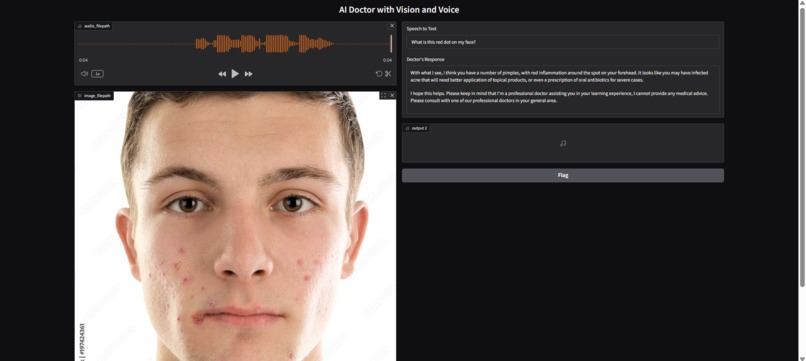
landing pagr
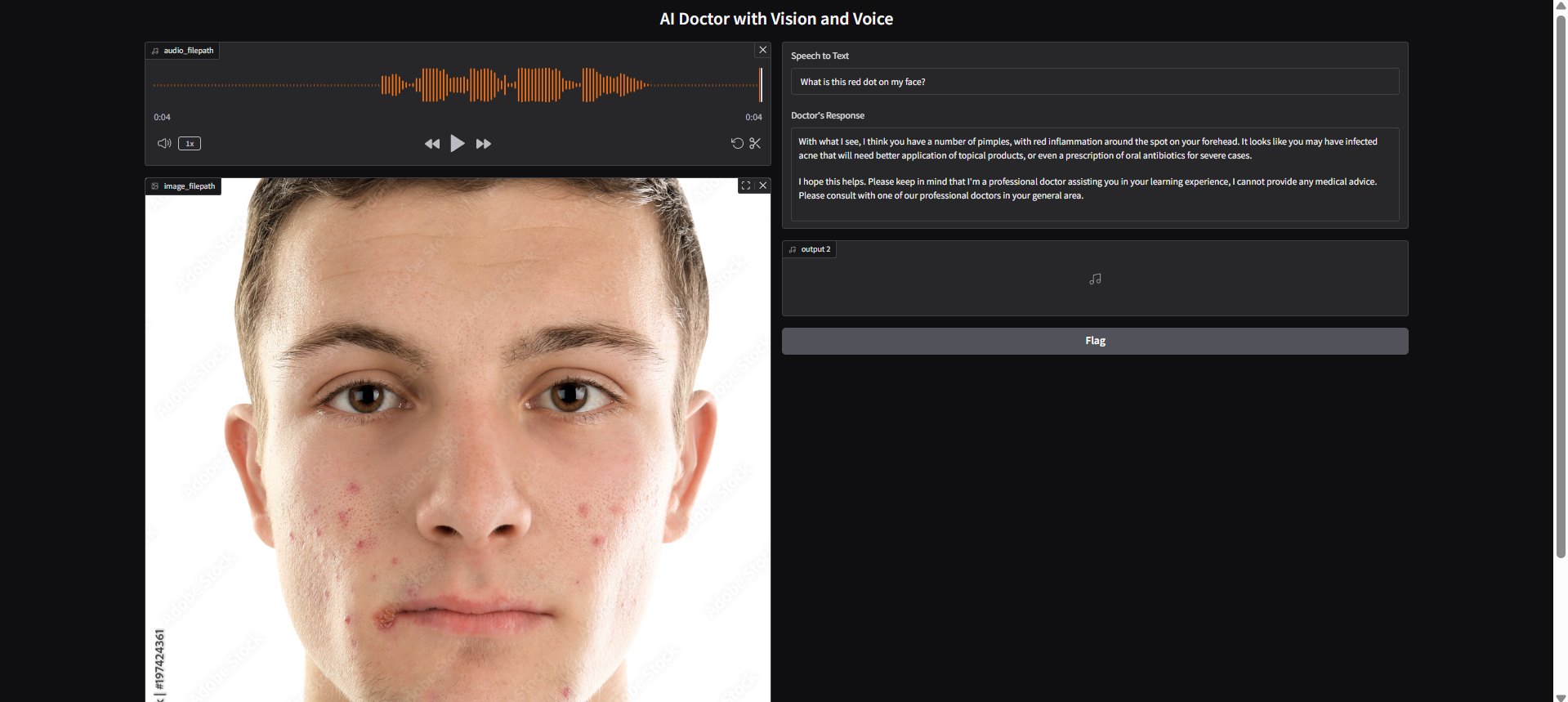
The problem it solves
Limited Healthcare Access CareConsult AI bridges the gap for people with limited access to healthcare professionals due to geographic isolation, mobility challenges, or resource scarcity. Medical Information Barriers We've overcome the challenge of medical jargon and complex health information by translating it into conversational, easy-to-understand guidance. Multimodal Communication Needs By integrating both voice and visual capabilities, we've made healthcare information accessible to those with different abilities, preferences, and literacy levels. After-Hours Medical Guidance CareConsult AI provides reliable health information outside regular healthcare operating hours, addressing the need for timely guidance. Privacy Concerns Our solution offers a confidential way to discuss sensitive health issues that patients might be uncomfortable bringing up face-to-face. Information Overload We've cut through the overwhelming amount of medical information online by providing personalized, relevant responses to specific health questions. Preliminary Symptom Assessment CareConsult AI helps users understand potential causes of symptoms and appropriate next steps before seeking professional care. Health Literacy Gaps Our conversational interface improves health literacy by explaining medical concepts in accessible language. Medication Management Challenges The visual recognition feature helps users identify medications and understand proper usage, potential interactions, and side effects. Emergency Response Uncertainty We've implemented protocols to quickly identify potentially serious situations and guide users toward appropriate emergency care. RetryClaude can make mistakes. Please double-check responses.
What it does
CareConsult AI is a medical chatbot with voice and visual capabilities that: Voice Features:
Answers spoken health questions conversationally Guides through symptom assessments via natural dialogue Provides verbal medication instructions and reminders Delivers first aid guidance through voice commands
Visual Capabilities:
Analyzes skin condition photos to suggest possible causes Identifies medications from pill/package images Reviews wound healing through sequential images Reads and explains photographed medical documents
Core Functions:
Delivers evidence-based health information in plain language Screens symptoms to recommend appropriate care levels Provides medication guidance including interactions and side effects Recognizes emergencies and offers immediate guidance
How we built it
How we built it
Challenges we ran into
Medical Accuracy: Ensuring reliable information while avoiding diagnostic claims required extensive validation protocols and clear limitation boundaries. Voice Recognition Complexity: Training speech models to accurately understand medical terminology, symptoms described in various ways, and different accents proved technically demanding. Image Analysis Precision: Developing vision systems capable of analyzing diverse medical images (skin conditions, medications, documents) with sufficient accuracy was particularly challenging. Multimodal Integration: Creating seamless interactions between voice and visual inputs required complex architecture to maintain context across modalities. Privacy Compliance: Implementing HIPAA-compliant systems while maintaining performance and usability added significant technical and design challenges. Edge Case Handling: Developing appropriate responses for emergency situations, unclear symptoms, or ambiguous images required careful protocol development. Accessibility Balance: Making the interface accessible to elderly and less tech-savvy users while maintaining robust functionality demanded thoughtful design compromises. Data Limitations: Securing sufficient training data for uncommon medical conditions while respecting privacy regulations restricted certain capabilities. Latency Management: Optimizing response times for real-time voice conversations while processing complex medical queries required significant performance tuning.
Accomplishments that we're proud of
Accomplishments that we're proud of
Multimodal Medical Interface: Successfully integrated voice and vision capabilities into a single, cohesive healthcare assistant. Accessibility Achievements: Created an inclusive design that serves users across age groups, technical abilities, and physical limitations. Medical Content Balance: Developed a system that provides helpful guidance while clearly communicating limitations and avoiding diagnostic overreach. Privacy-First Architecture: Built a secure platform that prioritizes user data protection while delivering personalized experiences. Rapid Response Protocol: Implemented effective emergency detection and response systems that can potentially save lives. High Accuracy Rates: Achieved strong performance metrics in both voice recognition of medical terminology and image analysis of common conditions. User Satisfaction: Received positive feedback during testing on interface intuitiveness and information clarity.
What we learned
The critical importance of involving healthcare professionals throughout the entire development process. How to effectively balance technical capabilities with ethical responsibilities in healthcare AI. Techniques for optimizing speech recognition for specialized medical vocabulary. Methods for improving computer vision systems for specific medical use cases. The complexity of creating conversational flows that handle healthcare topics sensitively. Strategies for making technical features accessible to users with varying tech literacy. The value of iterative testing with diverse user groups for identifying unexpected usability issues.
What's next for CareConsult AI
Expanded Condition Coverage: Broaden our knowledge base to include more specialized medical conditions and rare diseases. Enhanced Personalization: Develop features to remember user health profiles for more tailored guidance. Integration Capabilities: Create APIs to connect with electronic health records and wearable devices. Community Languages: Add support for additional languages to serve more diverse communities. Advanced Visual Analysis: Improve image recognition capabilities for more subtle medical conditions. Telemedicine Bridge: Develop features to seamlessly transition users to professional telehealth services when needed. Research Partnerships: Collaborate with medical institutions to validate and improve our systems through clinical research. Mobile Applications: Develop dedicated mobile apps with offline capabilities for areas with limited connectivity.

Log in or sign up for Devpost to join the conversation.