Inspiration

I had to wait for 5 hours at a CVS on a vacation because I was stung by a jellyfish

What it does

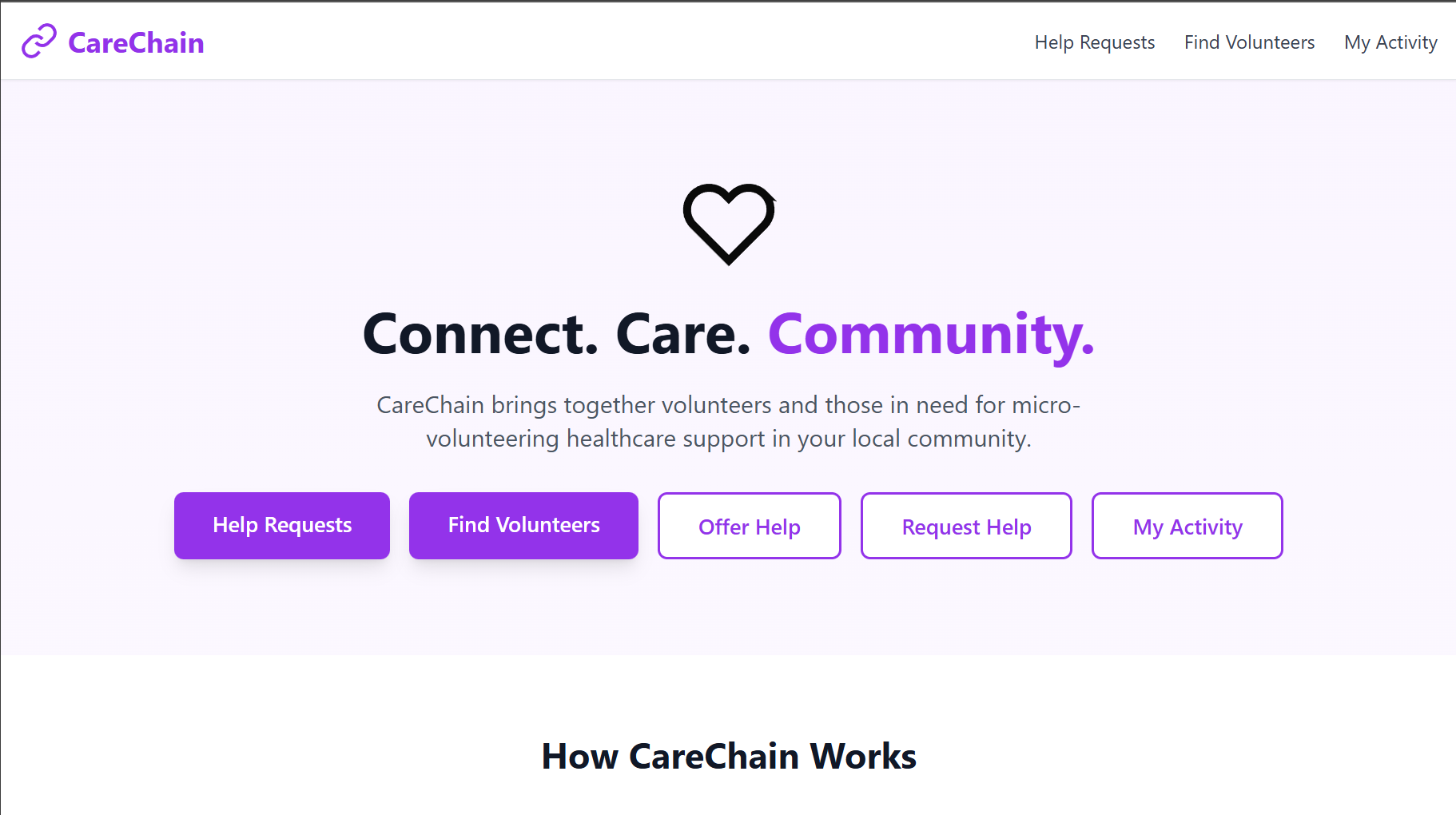
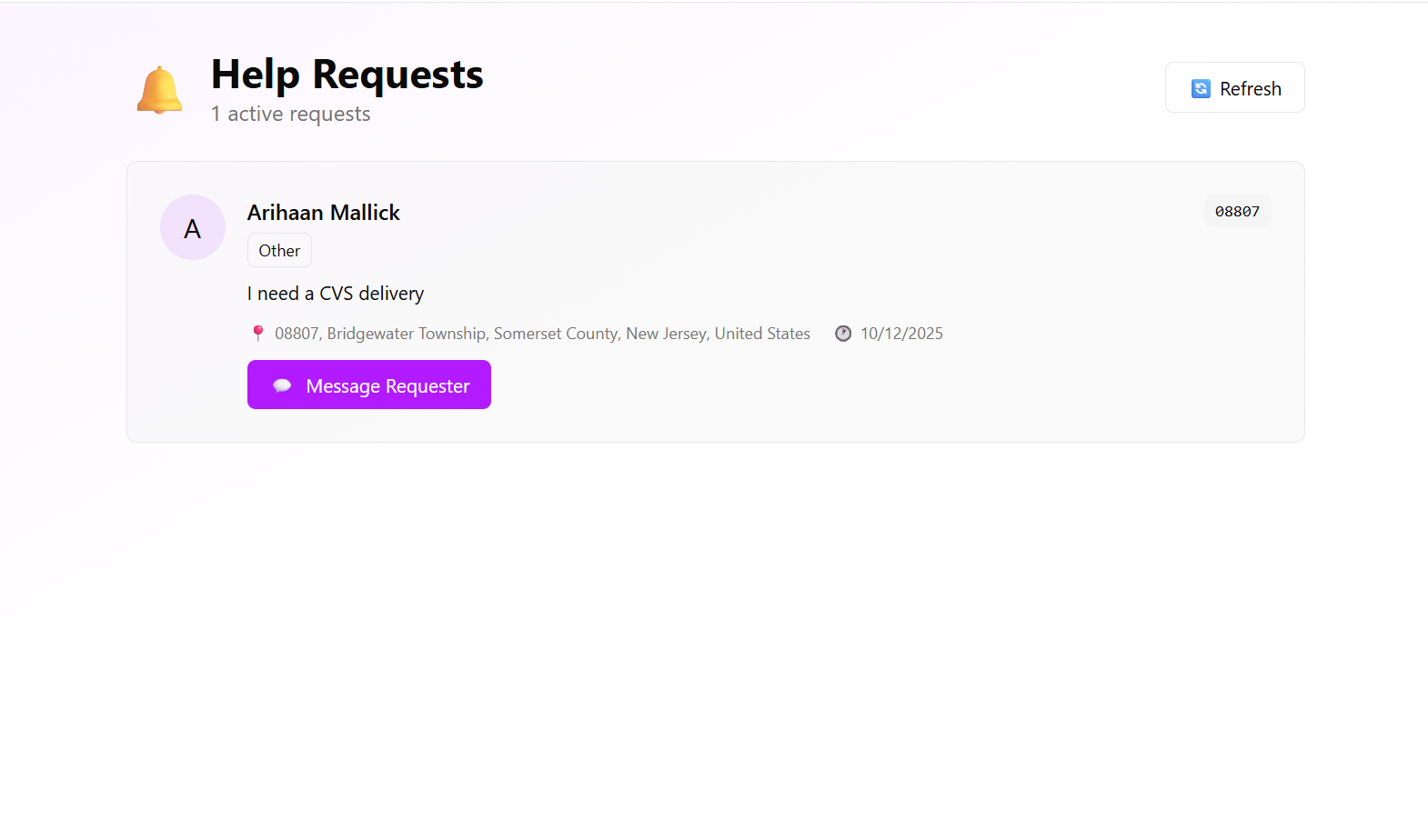
Allows people to request and offer help for things like medication pick up, drop of for appointments, check-ups, etc.

How we built it

used neon API keys, and databases to gather information about users, and using basic js to create interfaces allowing user to communicate

Challenges we ran into

Google Maps API key didn't work, could not geocode location of users

Accomplishments that we're proud of

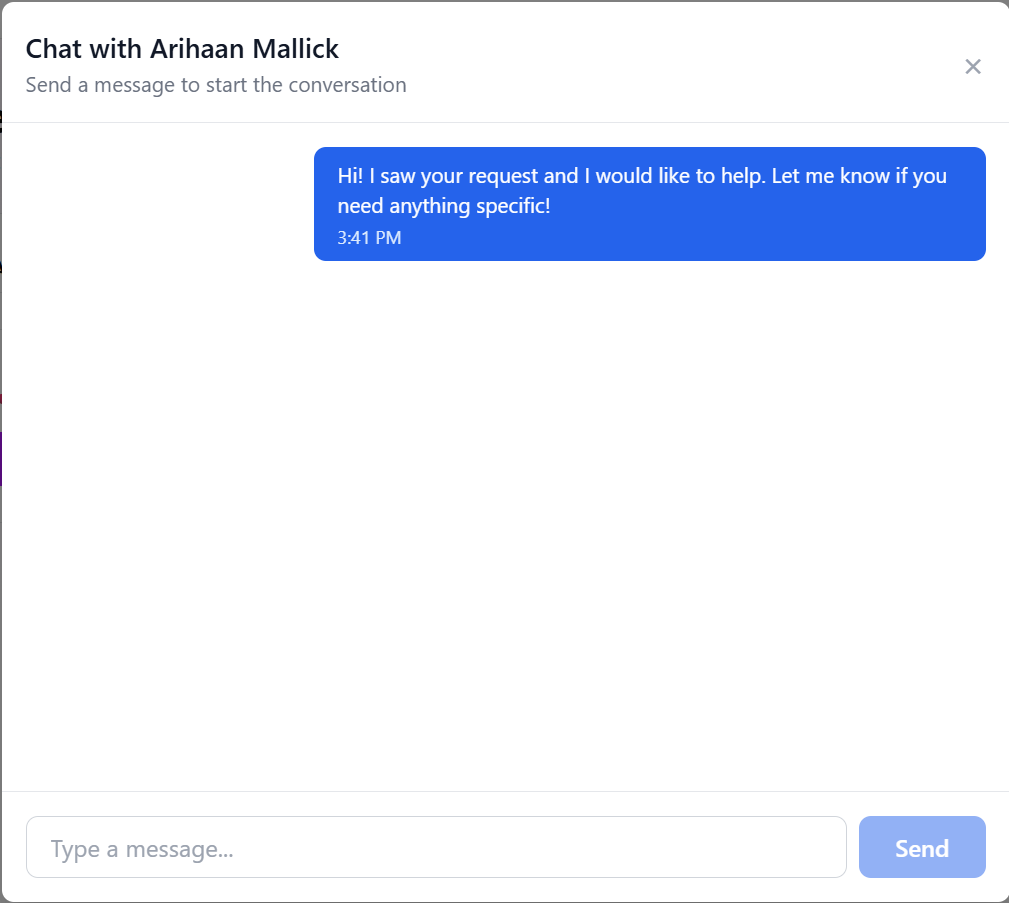
User to User Chat box

What we learned

you have to code around obstacles and can't always rely on API keys

What's next for CareChain micro-volunteering

paid option for more definite and expedited delivery

Built With

Share this project:

Updates

posted an update —

Better more in depth description:

Overall Category CareChain Micro-Volunteering for Community Healthcare

Inspiration

While on vacation, I was stung by a jellyfish and found myself waiting for five hours at a CVS to get treatment. In that moment I realized how difficult it can be to get basic, timely help when you're far from home or in a pinch. I wanted to build something that would let people tap into local goodwill and mutual aid at precisely those moments.

What It Does

CareChain connects people who need small but essential healthcare-adjacent tasks (medication pickups, ride-sharing to appointments, check-ups, errands) with nearby volunteers willing to help. Users can either request assistance or offer support within their community.

Key functions include:

Post a request for a specific errand, appointment help, or medical delivery

Offer help for others’ requests

Match requests and offers based on location and availability

In-app messaging so users can coordinate details securely

How We Built It

We used the following stack:

Frontend: HTML, CSS, and vanilla JavaScript for form handling, UI flows, and messaging

Backend / Data: Neon (PostgreSQL) for user and request data, API endpoints to manage creation, matching, and updates

Communications: Real-time chat functionality to coordinate between users

Challenges We Faced

Our Google Maps API key ran into quota or billing issues, which prevented us from reliably geocoding users’ addresses or plotting them on a map.

Because of that, matching by distance and proximity became harder; sometimes users couldn’t see nearby volunteers reliably.

Handling edge cases (e.g. when a volunteer doesn't show up, or a user cancels) required more logic than initially anticipated.

Accomplishments We’re Proud Of

Built a user-to-user chat box so volunteers and requesters can coordinate securely in the app

Created a working prototype where users can both offer help and post requests, and see “matches” even without full map support

Established a foundation for location-based matching (even if geocoding is imperfect right now)

What We Learned

Third-party APIs can fail or have limitations; it’s essential to design fallback paths or abstractions so your system doesn’t break when an API is unavailable.

Messaging, conflict resolution, and state synchronization (knowing who accepted a request, cancellations, reassignments) are more complex than they look.

Iteration and small experiments are key, building minimal functionality and then improving is better than overengineering from the start.

What’s Next for CareChain

Paid / premium delivery option to offer guaranteed, expedited help

Better mapping / geolocation resilience (fallback geocoders, address validation, caching)

Enhanced reputation / trust system, so users can build credibility (ratings, proof of completion)

Notifications, reminders, and status updates (e.g. “Volunteer en route,” “Task completed”)

Mobile app or PWA version for smoother user experience

Submission history