-
-
Cover
-
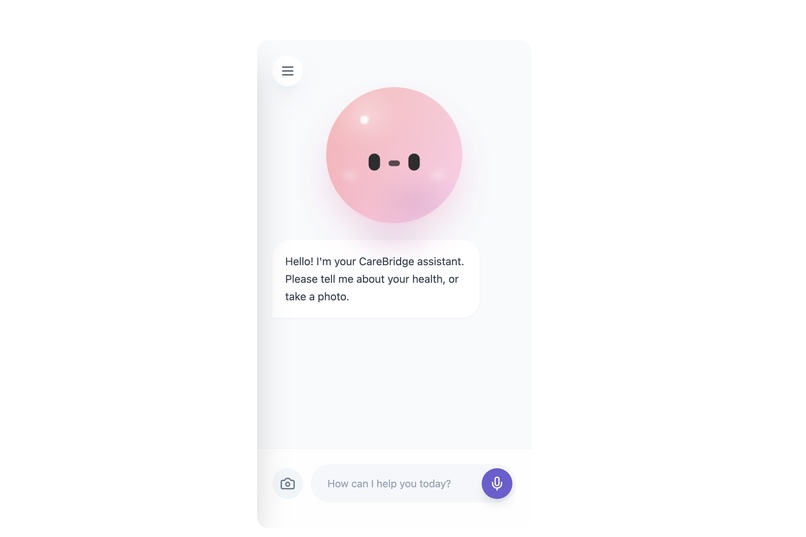
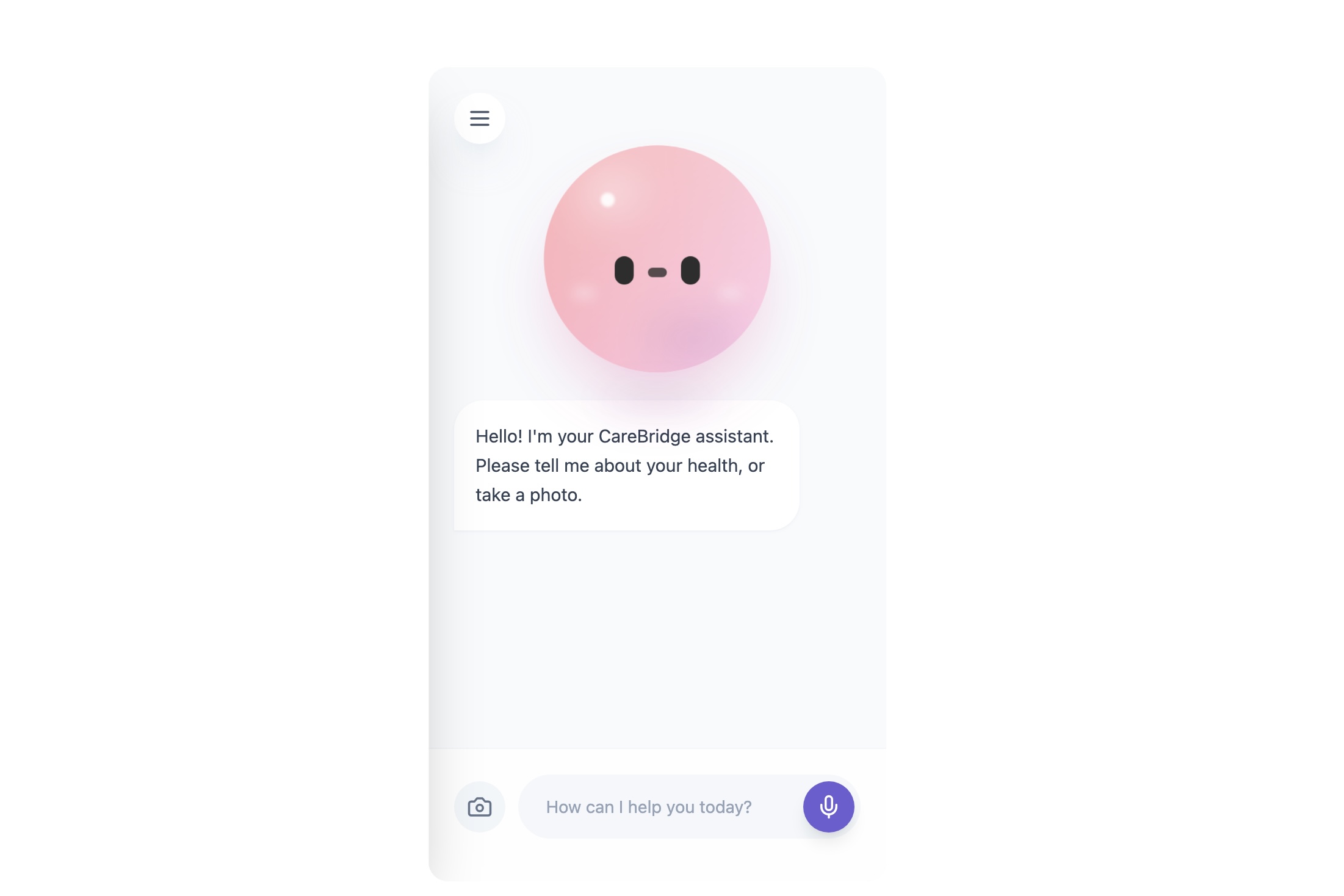
Main Page - Chatbox
-
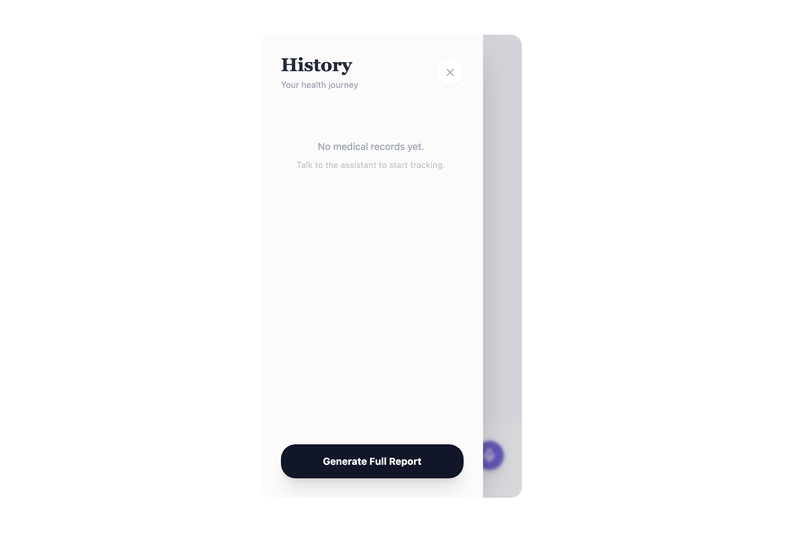
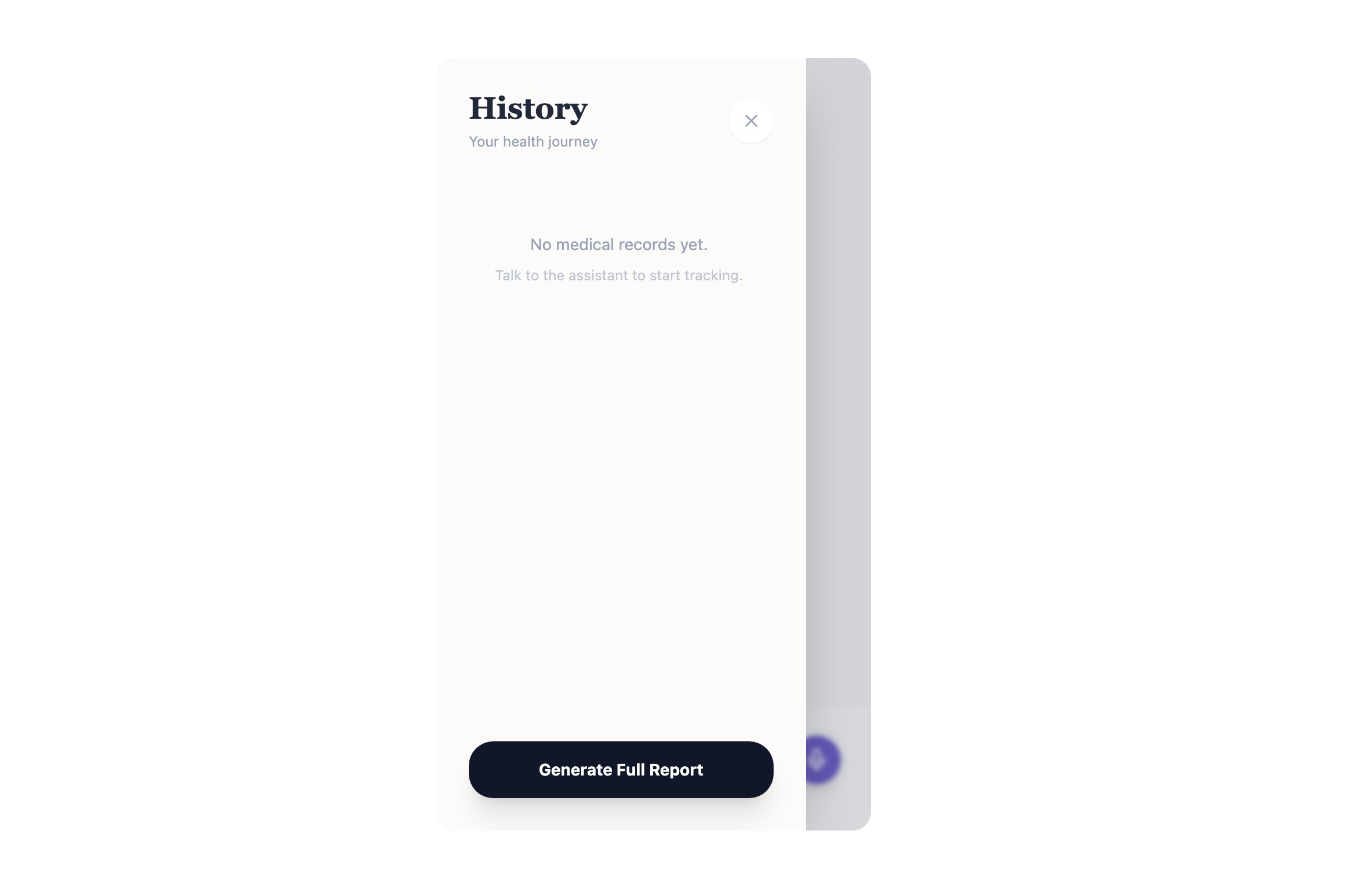
History Report Page - Blank
-
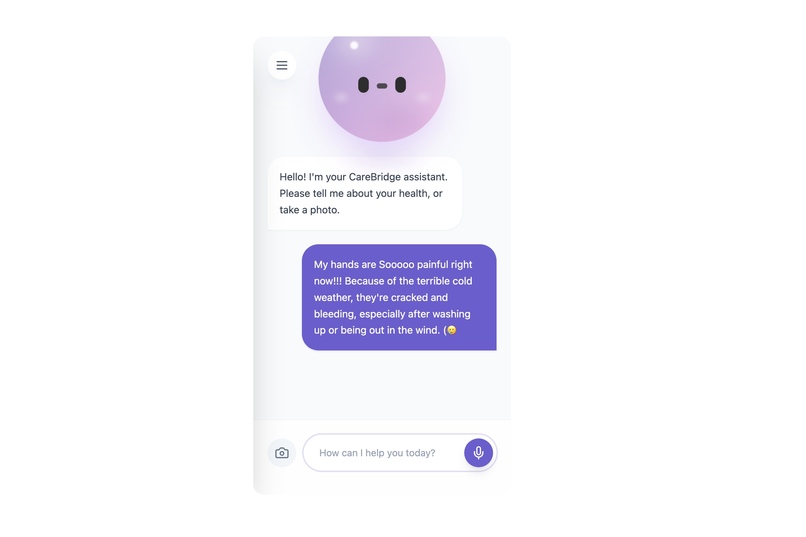
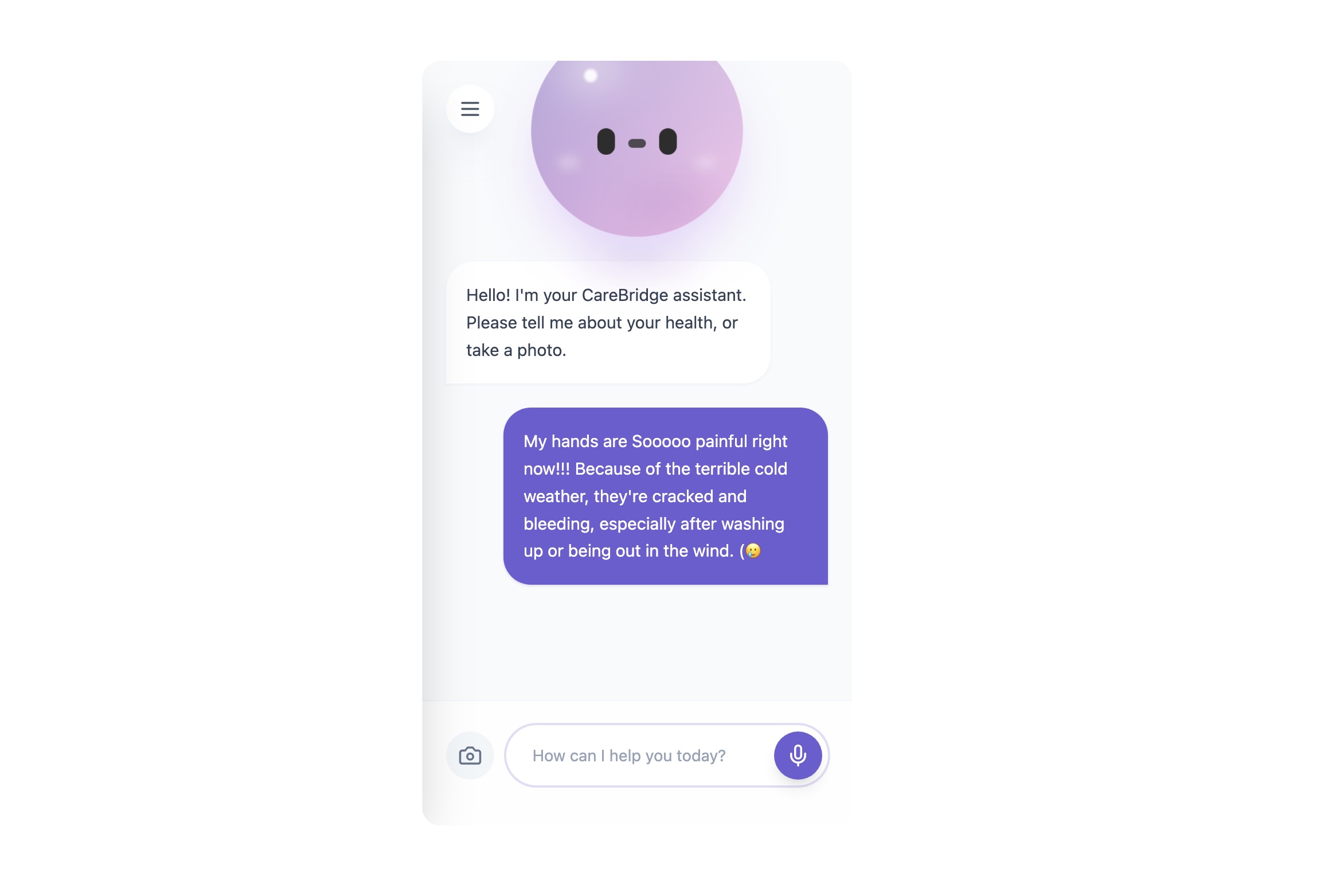
Main Page - User Input in Chatbox Page Demo
-
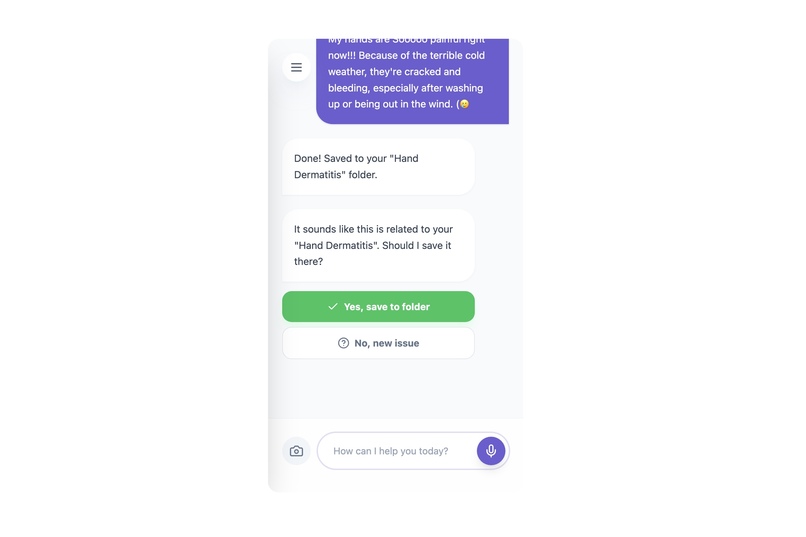
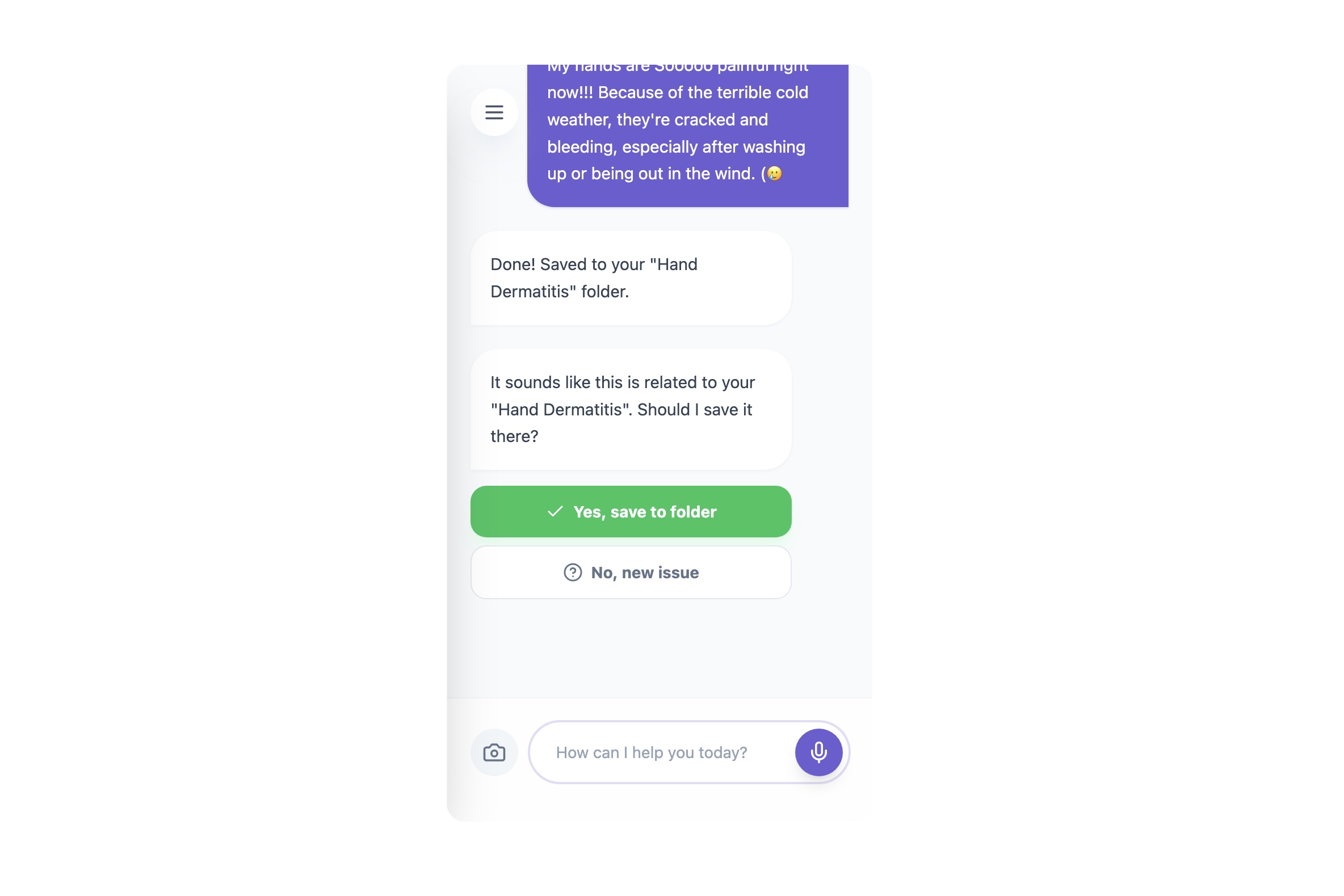
Main Page-Add Folder or Not Option
-
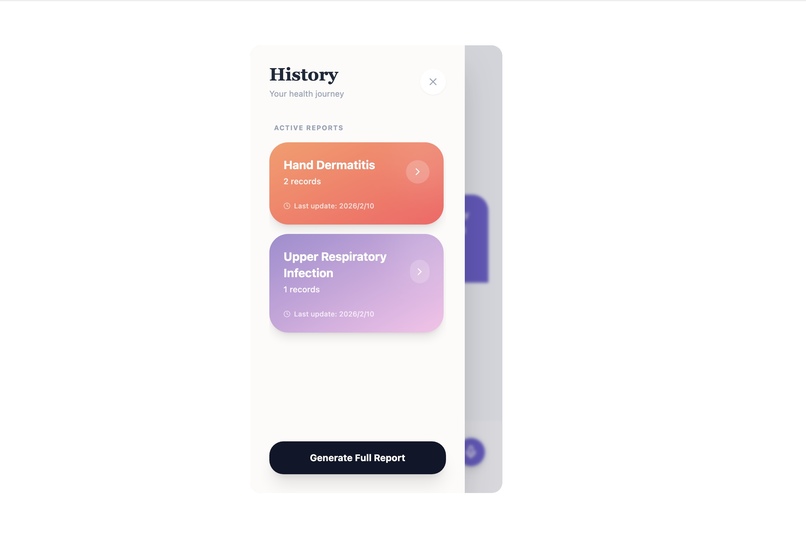
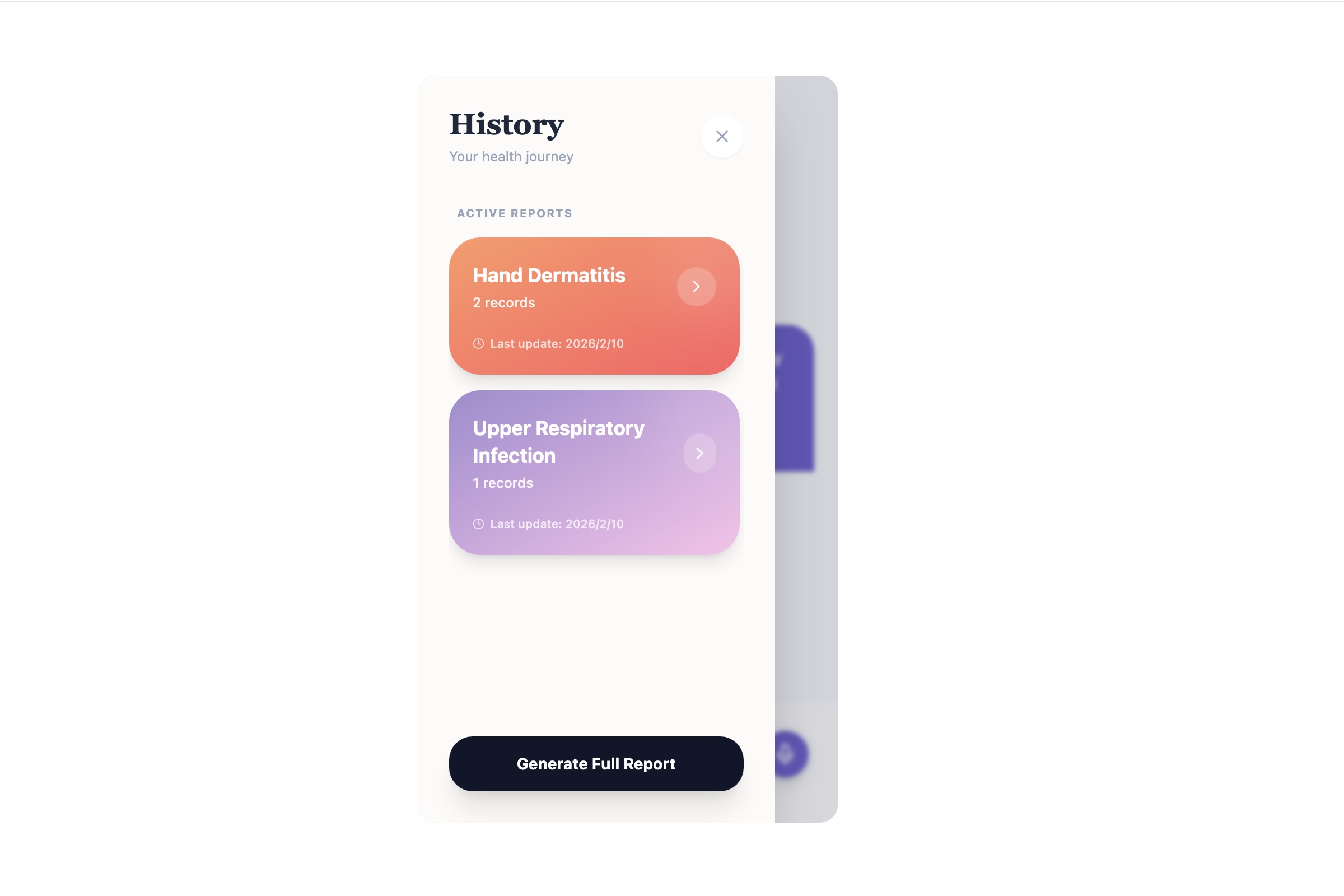
History Report Page - Show active history reports
-
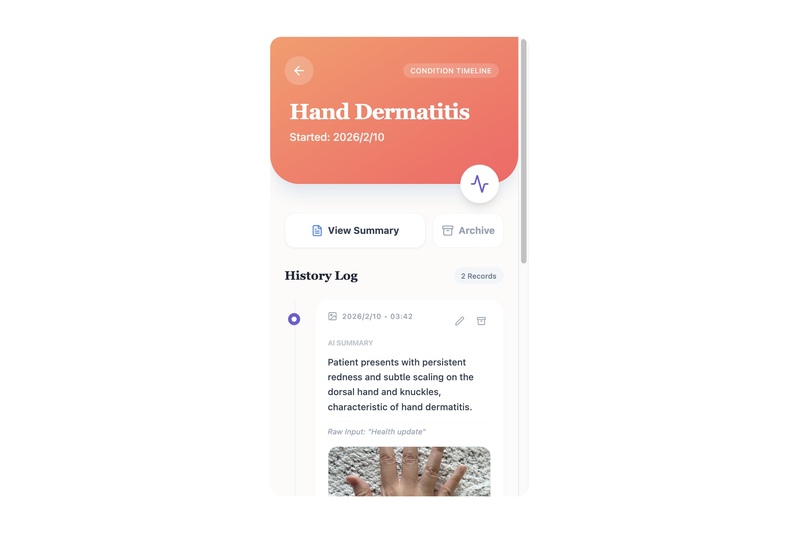
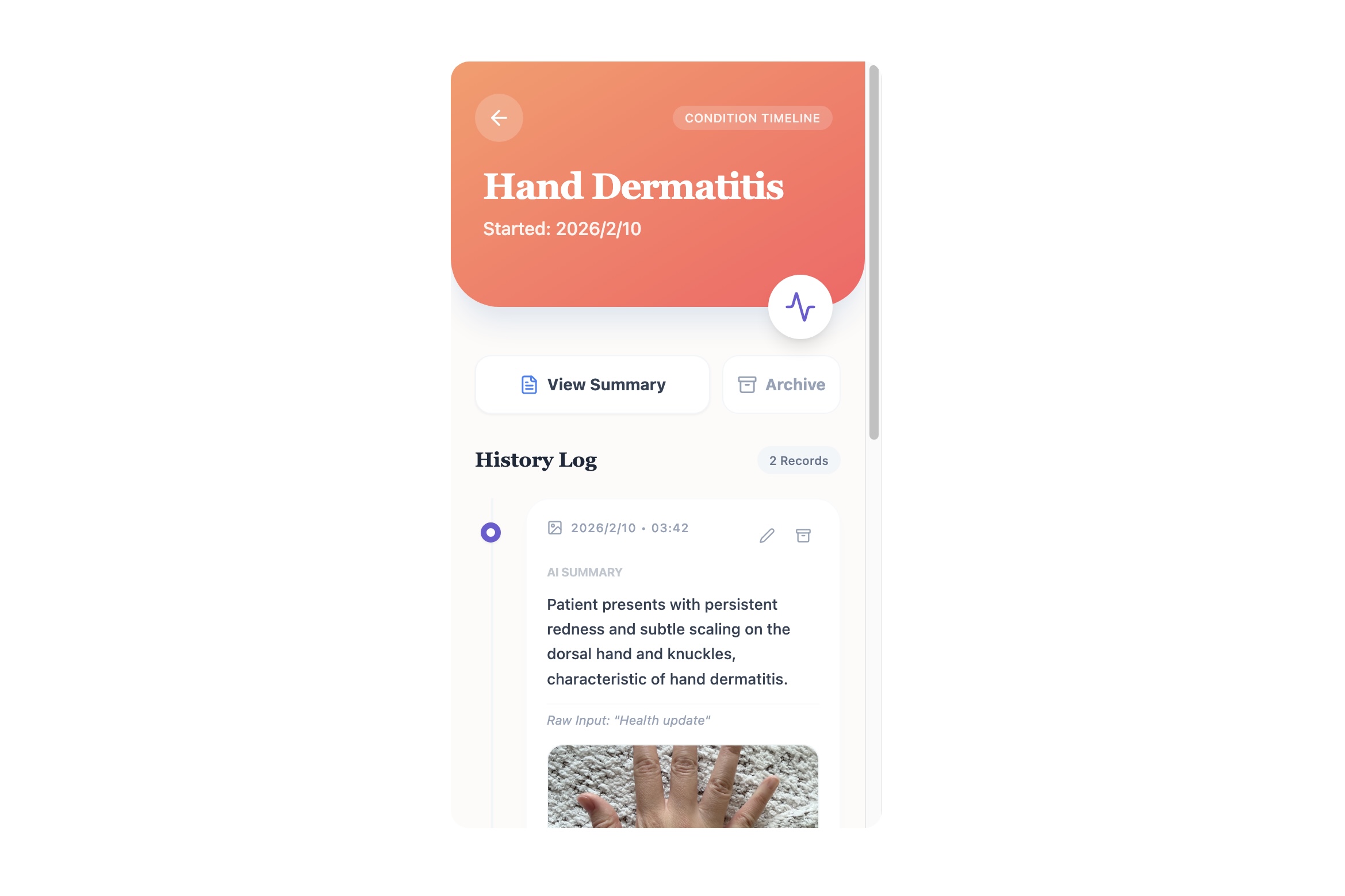
Single Report Page - Show history records under a single disease
-
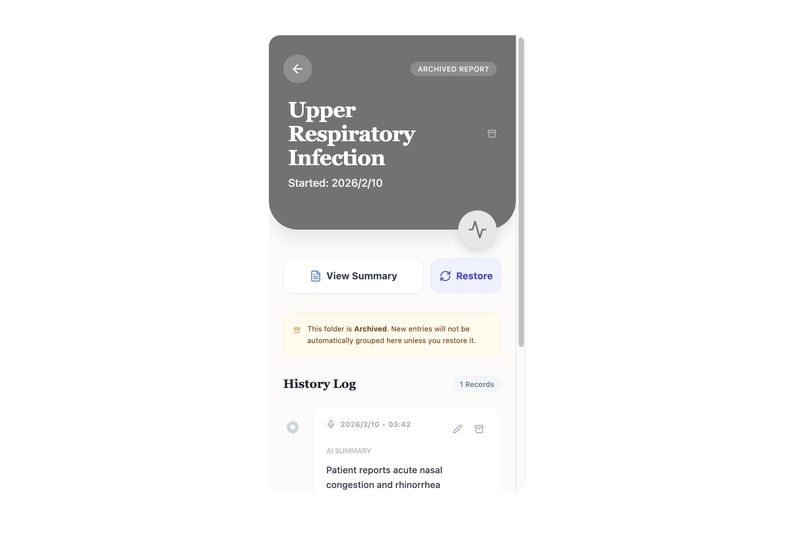
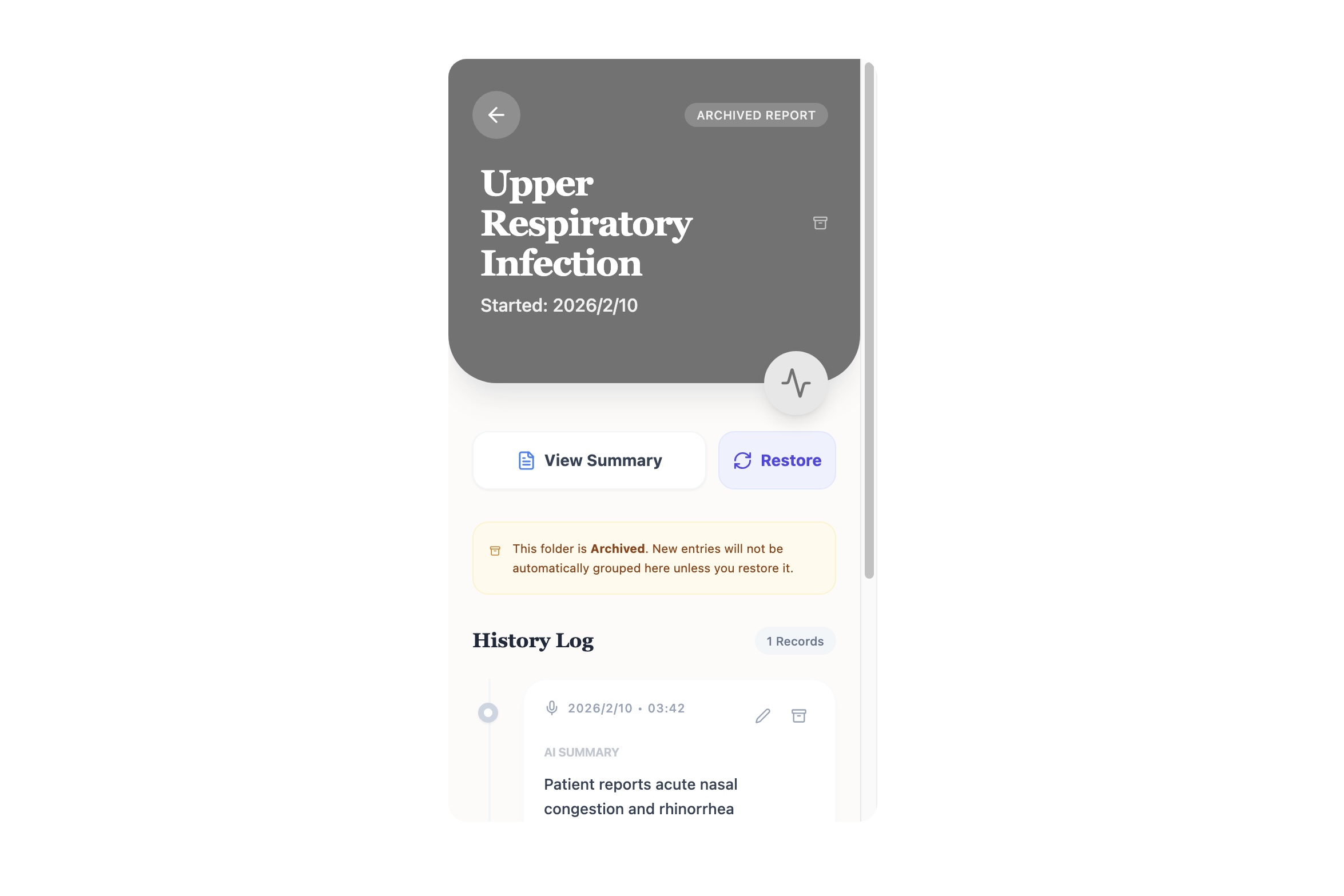
Single Report Page - Archive status
-
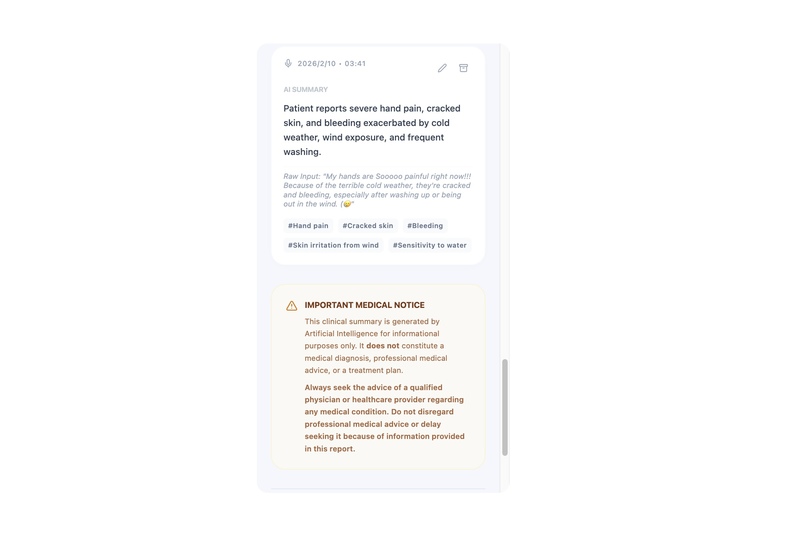
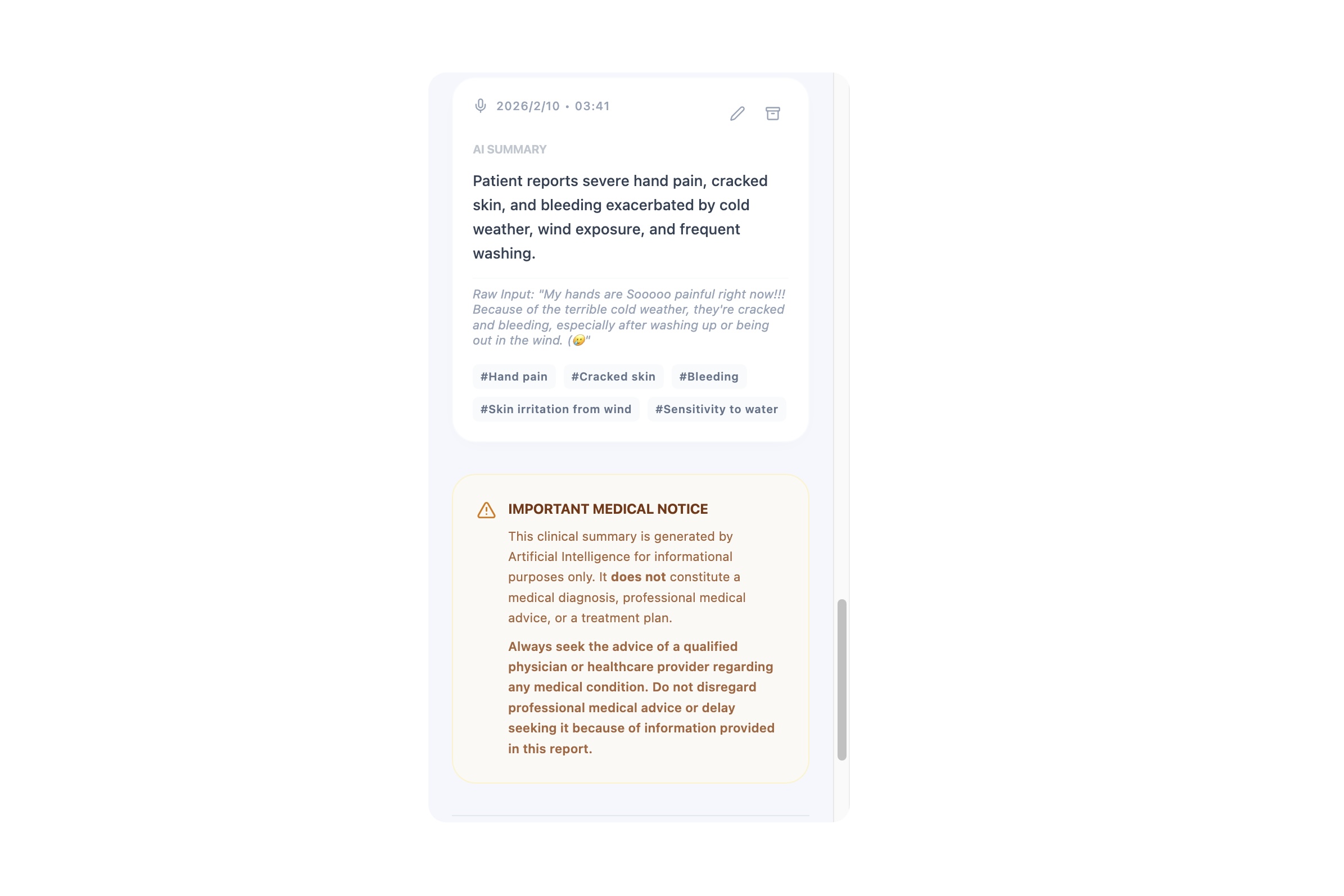
Other - Reminder for non-professional diagnostic and therapeutic medical use
-
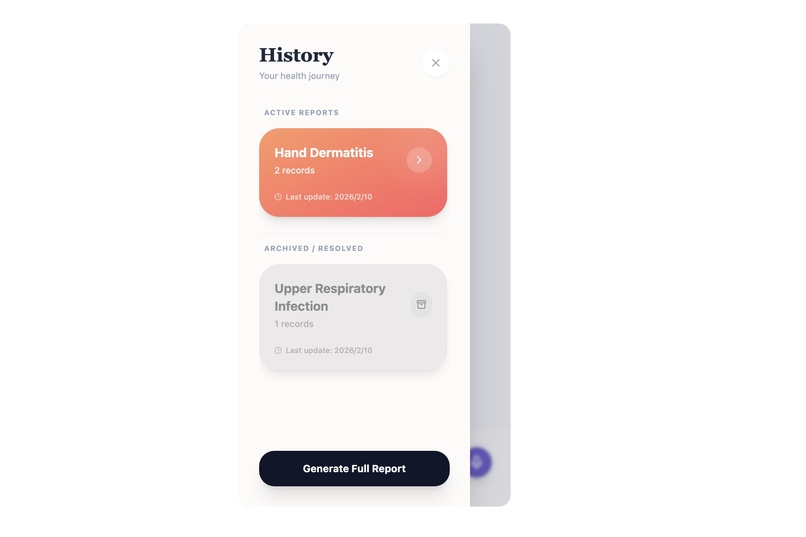
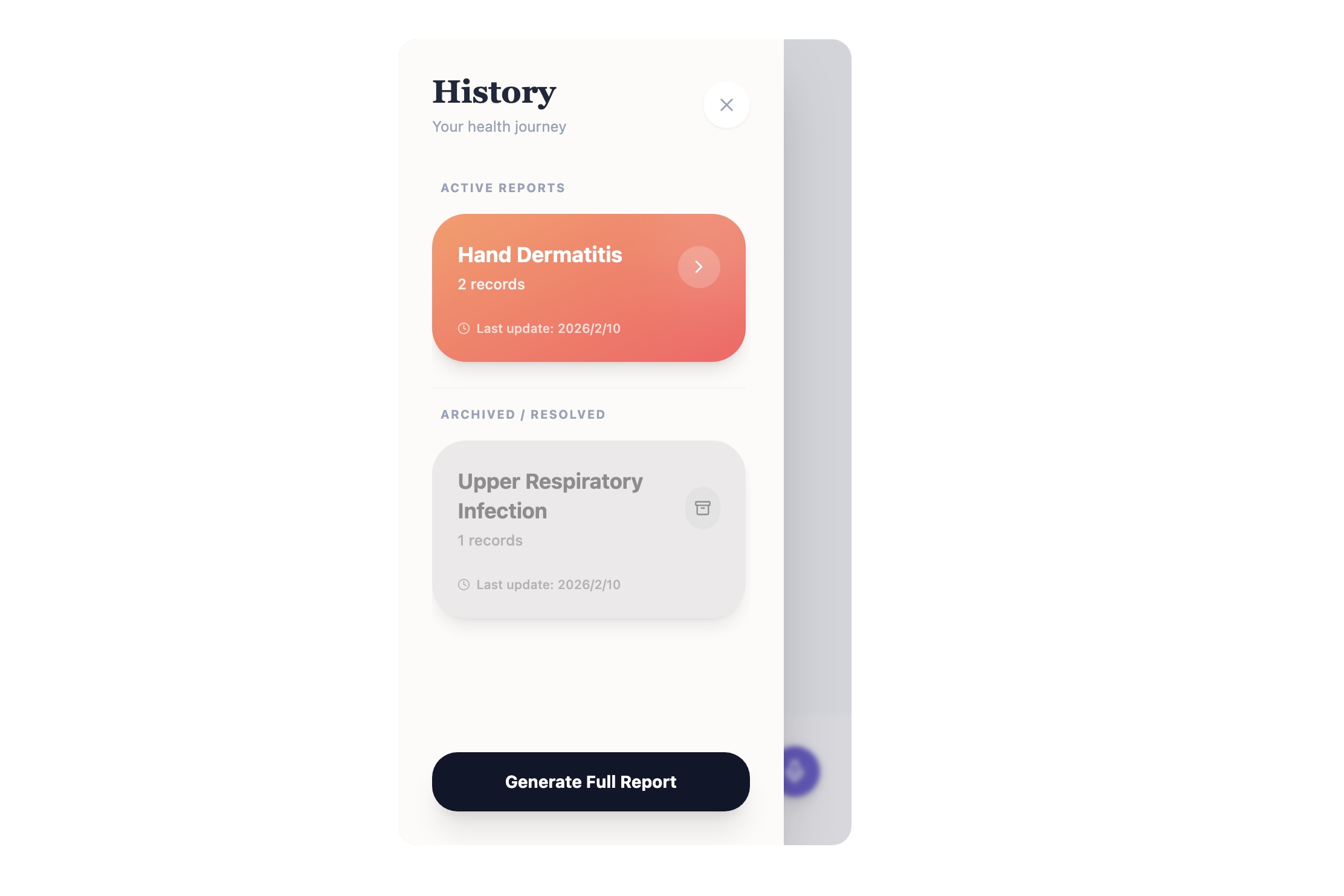
History Report Page - Show active and archived history reports
-
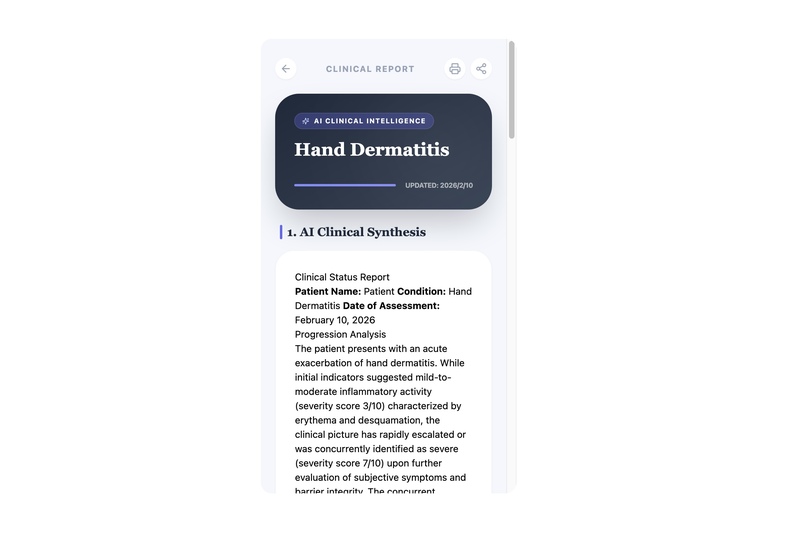
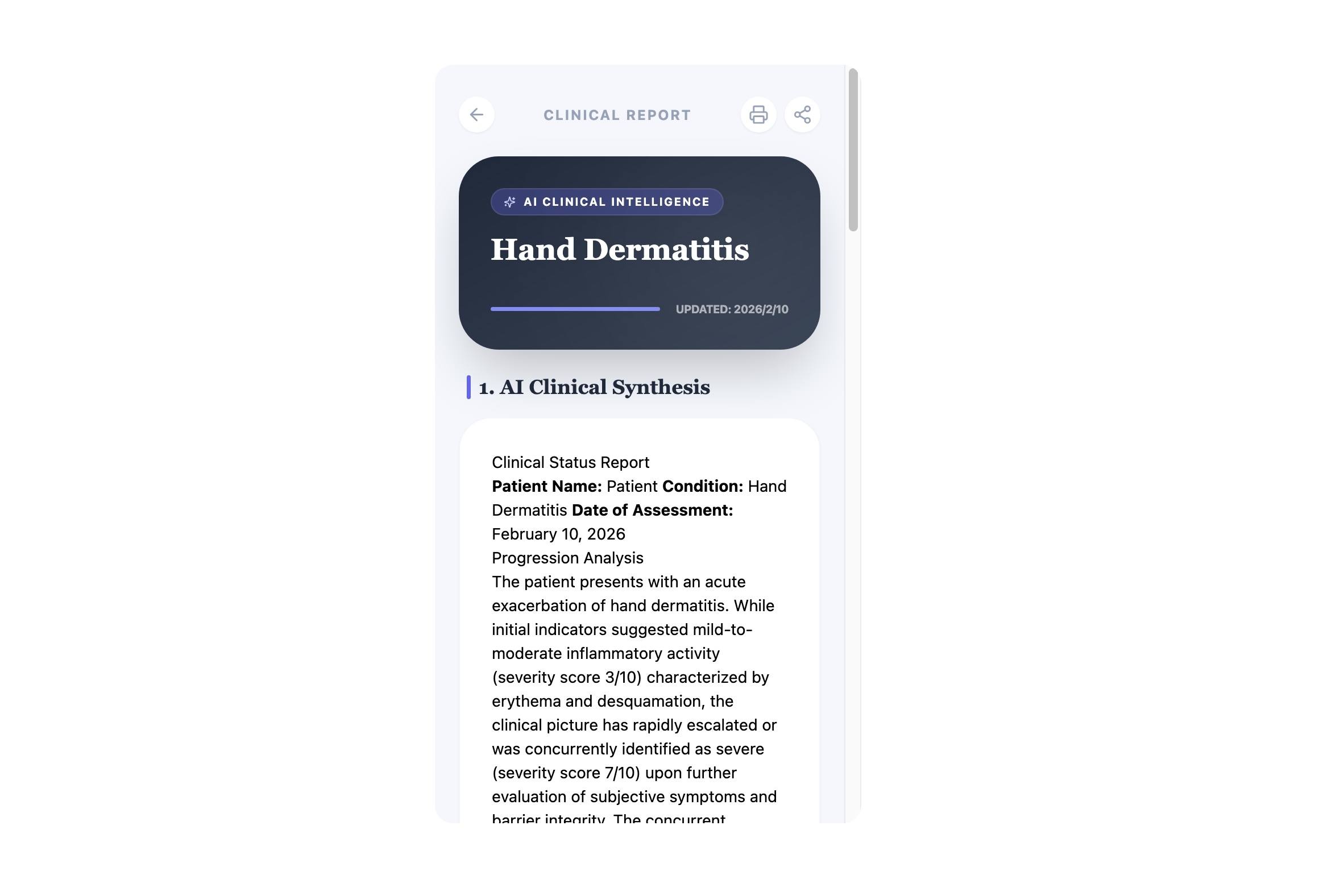
Report Summary Page - Summary for a Single Disease
Inspiration
My inspiration is deeply personal. I often accompany my elderly family members to various hospitals. It is physically exhausting for them to carry stacks of paper medical records across different departments. More critically, due to fatigue, memory loss, or language barriers, they often struggle to describe their symptoms clearly to doctors. This "communication gap" has led to misdiagnoses and missed treatment windows in the past.
I realized that while doctors are professional, the transfer of information is the bottleneck. I wanted to build a bridge—CareBridge—to ensure doctors get the full picture and patients experience less stress.
What it does
CareBridge serves as a communication liaison between patients and doctors.
- Pre-visit Logging: Patients (or caregivers) can log daily symptoms via voice, text, or photos. The app provides real-time captions for voice input to ensure accuracy.
- Structured Symptom Summaries: Before the doctor's visit, the app analyzes the logged data and generates a clear, organized pre-visit report.
- Holistic Health View: It consolidates current symptoms and past history, helping doctors identify potential drug interactions or side effects that might otherwise be missed.
- Note: The app organizes information to aid communication; it does not provide medical diagnoses or treatment advice.
How I built it
I built this using Google AI Studio. As a non-technical person who only discovered "Vibe Coding" in January 2026, I relied entirely on Gemini 3.
- Generative UI & Logic: I started with a simple text prompt to generate the prototype's frontend and backend logic.
- Multimodal Features: I integrated the "Transcribe Audio" feature from Google AI Studio to power real-time captioning, ensuring accessibility for elderly users.
- Collaborative Debugging: The development process relied on Gemini's advanced reasoning. When the standard "Fix" button didn't resolve an error, I engaged in a "What-Why-How" dialogue with Gemini. This allowed me to understand the underlying logic of the bug and refine my instructions, effectively treating Gemini as a co-developer.
Challenges I ran into
The biggest challenge was my lack of coding background. Initially, I built a demo that became too complex, resulting in a "White Screen of Death" that was unresponsive. With only 3 days left in the hackathon, I had to make a tough decision: abandon the old code and restart from scratch. It was stressful, but under Gemini's guidance, I successfully rebuilt a cleaner, more functional version in record time.
Accomplishments that I 're proud of
I am incredibly proud of going from zero coding knowledge to submitting my first hackathon project in just one month. I successfully created a tool that is genuinely useful for my family, reducing the need to carry heavy paper records and lowering the risk of misunderstanding during doctor visits.
What I learned
I learned that AI and human capabilities are evolving together like a DNA double helix. This hackathon showed me the "Catfish Effect" of AI—it pushes us to learn and create faster than ever before. AI extracts patterns from human logic, while we explore new boundaries of creativity by interacting with AI. I realized that with tools like Gemini, the barrier to software creation has practically vanished.
What's next for CareBridge
- Longitudinal Analysis: Adding features to compare health reports over time to track progress.
- Medication Management: Implementing reminders for medication and appointments.
- Doctor-to-Patient Translation: The next major step is to reverse the flow—using AI to "translate" complex medical terms into simple, easy-to-understand language for patients, ensuring they understand their path to recovery.
Built With
- gemini
- google-ai-studio
- react
- typescript
- vercel
- vite

Log in or sign up for Devpost to join the conversation.