-
-
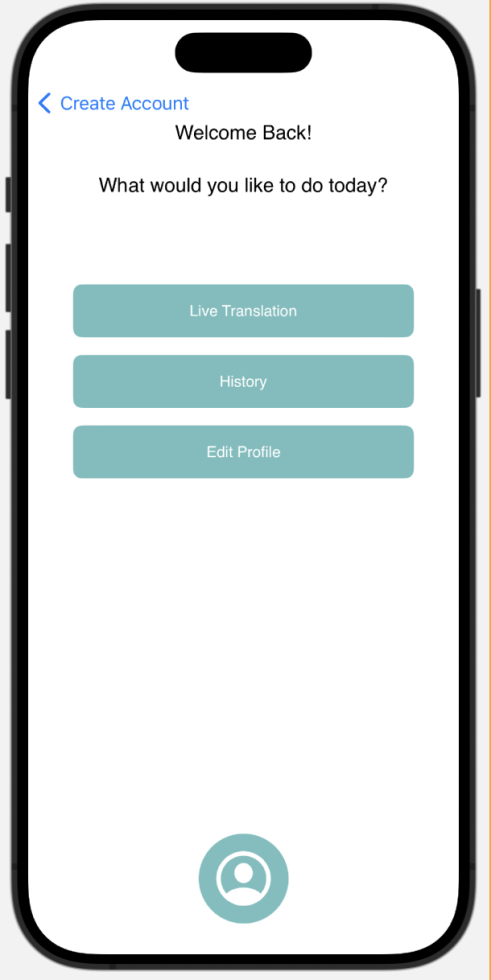
Home page
-
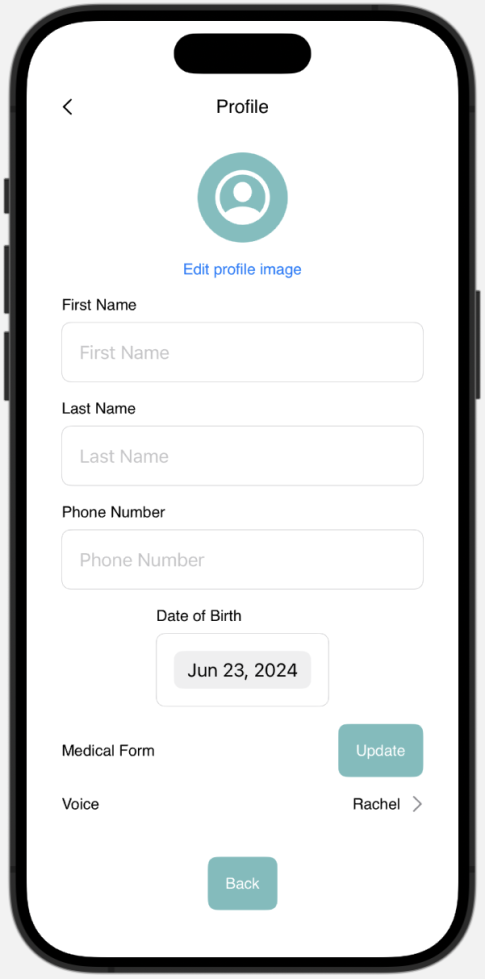
Profile page
-
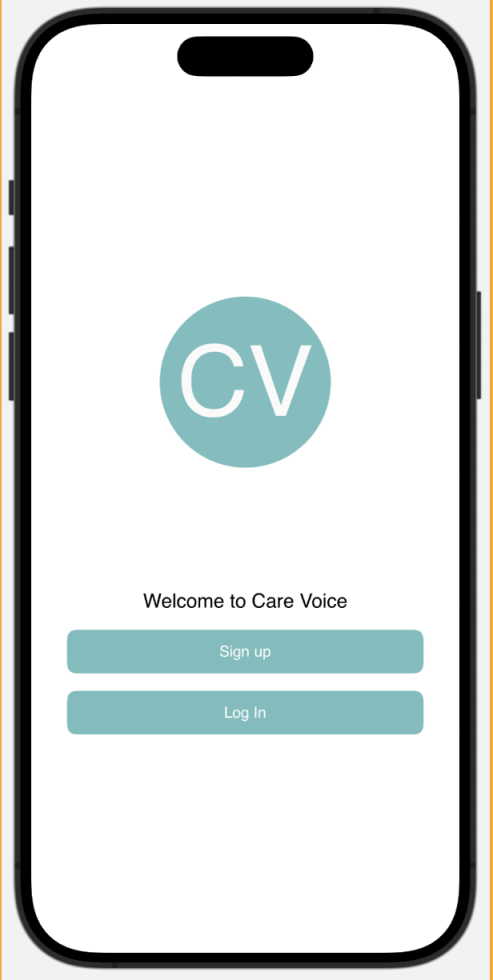
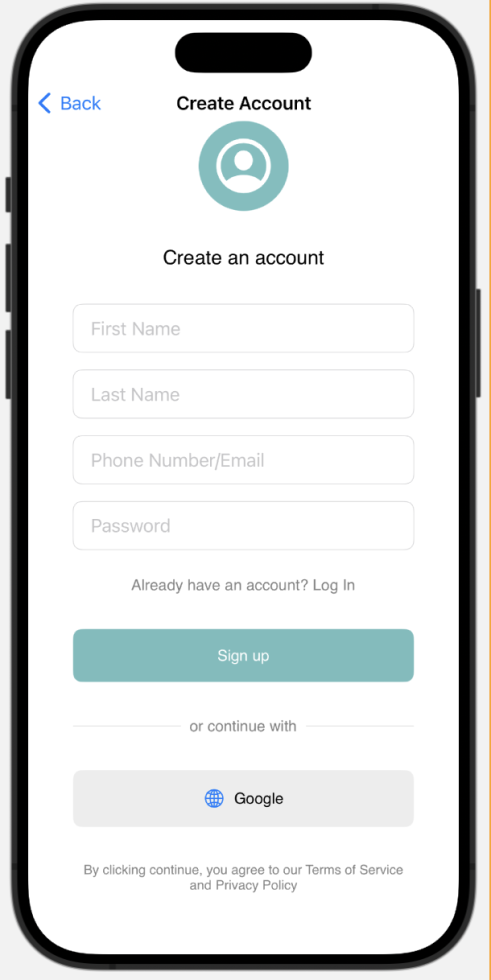
Login page
-
Inspiration
Our team members have all witnessed the struggles our grandparents face due to language barriers in healthcare. They constantly need to call our parents to translate whenever a doctor or nurse visits their room. When our parents are unavailable, these challenges become even more daunting. This inspired us to create Care Voice, a solution to ensure seamless communication for non-English speaking patients.
What it does
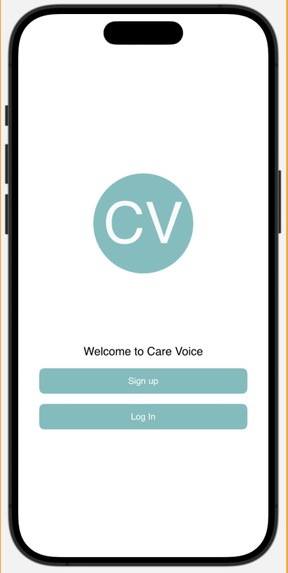
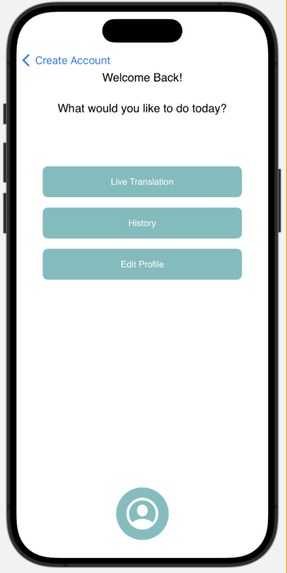
CareVoice is a medical translator mobile app designed to bridge the communication gap between doctors and patients. It records and translates the doctor's explanations into language that is easily understandable by the patient. Additionally, it provides background information on the doctor's recommended procedures.
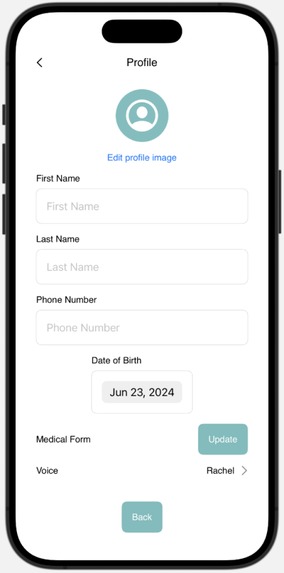
CareVoice tailors its services to each user by considering their personal information, such as age, primary languages or dialects spoken, health conditions, and disabilities. This allows the app to customize translations and features to enhance accessibility. For example, it can enlarge text, offer read-aloud options, and use multisensory input to cater to various patient needs. CareVoice ensures that all patients, regardless of their disabilities, can receive and understand their medical information clearly.
How we built it
We designed our application using Figma and implemented the front end in Swift using SwiftUI in XCode. For the backend, we integrated several advanced technologies: DeepL, which provides context-sensitive translations. Groq which was used to integrate Whisper AI which transcribes the doctor's voice into English text, as well as Meta LLaMA 70B, which offers additional information on medical terms and context, and provides personalized recommendations based on the patient's medical history. Lastly, Eleven Labs, offered various voice options for a richer user experience. This combination allows us to deliver a seamless, user-friendly, and highly personalized application.
Challenges we ran into
We encountered several challenges while integrating the backend with the frontend, particularly in connecting our text-to-voice feature with the existing frontend components. Additionally, since it was our first time working with backend development, we faced a steep learning curve in setting up and managing the backend infrastructure.
Accomplishments that we're proud of
Despite our initial lack of experience with mobile application development, we successfully implemented a functional backend and developed a text-to-speech feature. We are also proud of our ability to design and implement the app's user interface within the given time constraints.
What we learned
Throughout this project, we gained valuable insights into creating a text-to-voice, and voice to text feature, implementing our design using Swift, and effectively connecting the front end with the back end. These experiences have significantly enhanced our skills and understanding of mobile app development.
What's next for Care Voice:
Due to time constraints, we couldn't implement all the features we envisioned. In the future, we plan to add text analysis capabilities, and the ability to save data for reviewing past results and analyzed information. These enhancements will further improve CareVoice's utility and user experience.

Log in or sign up for Devpost to join the conversation.