Inspiration
CareNest was inspired by the challenges faced by domestic workers such as nannies, cleaners, and caregivers in Kenya and across Africa. Most domestic work is informal, with no contracts, inconsistent payments, limited trust, and little protection for workers. We wanted to build a system that creates fairness, accountability, and dignity for both workers and employers while making the process safer and more structured.
What it does
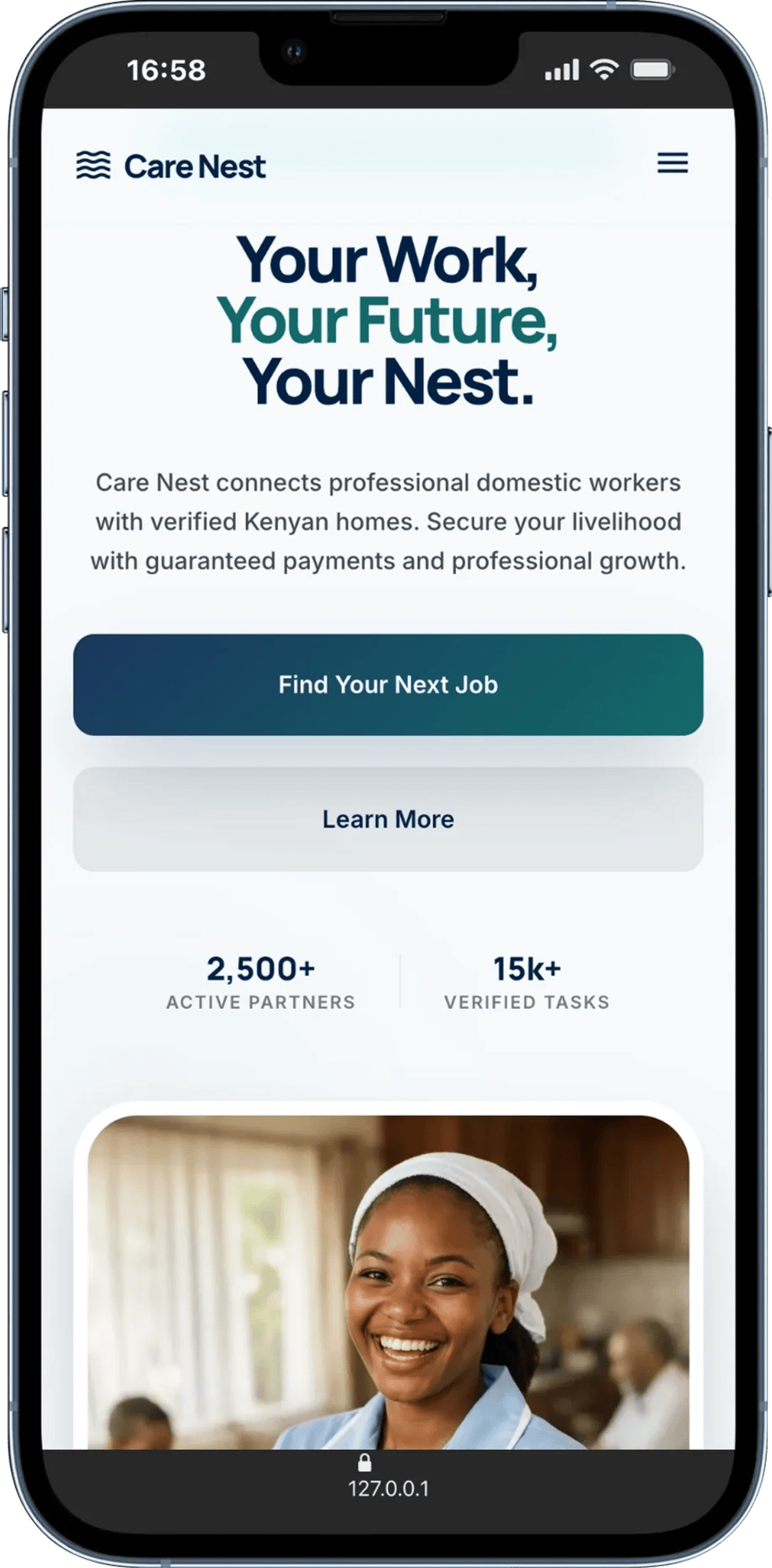
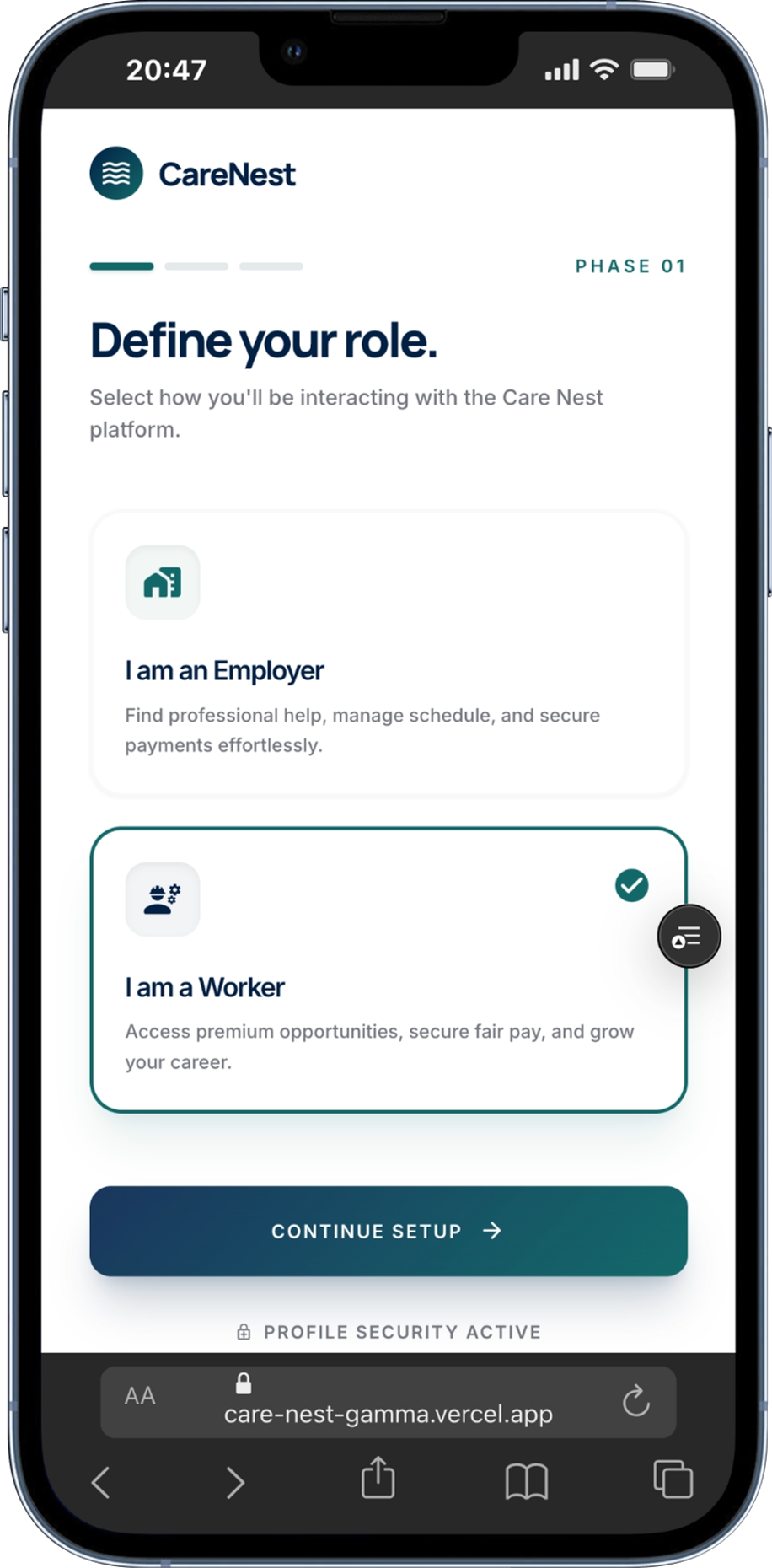
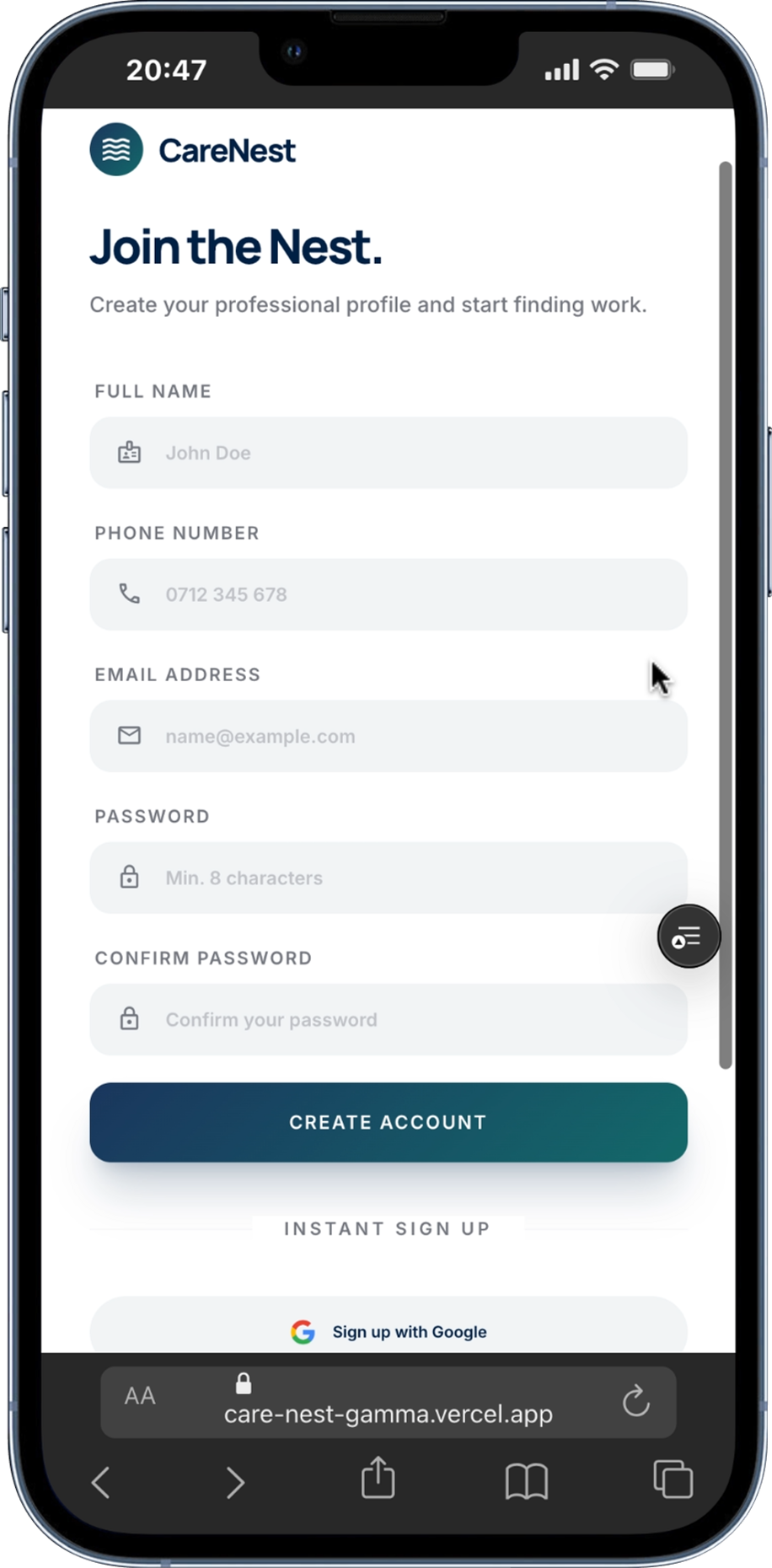
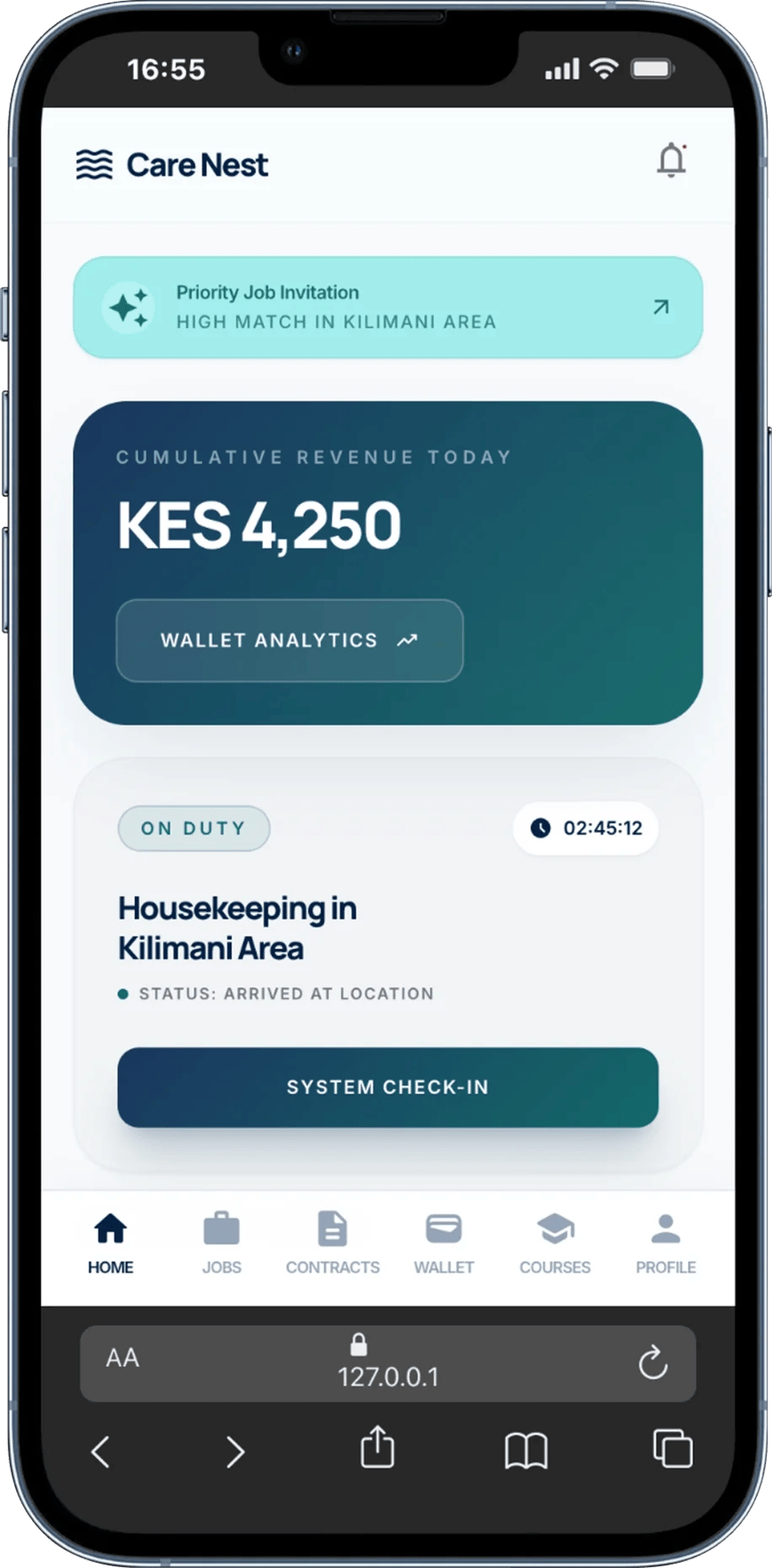
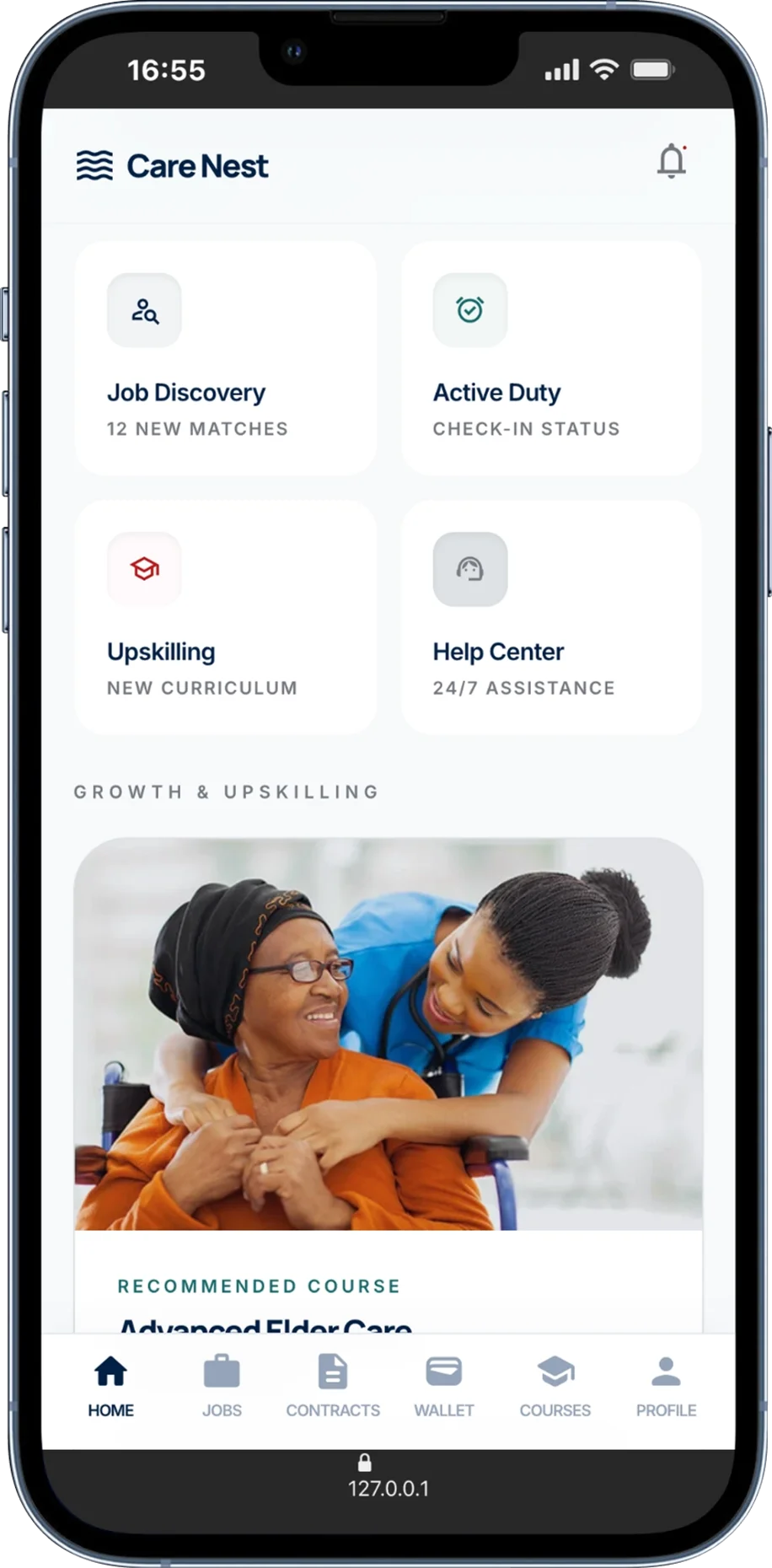
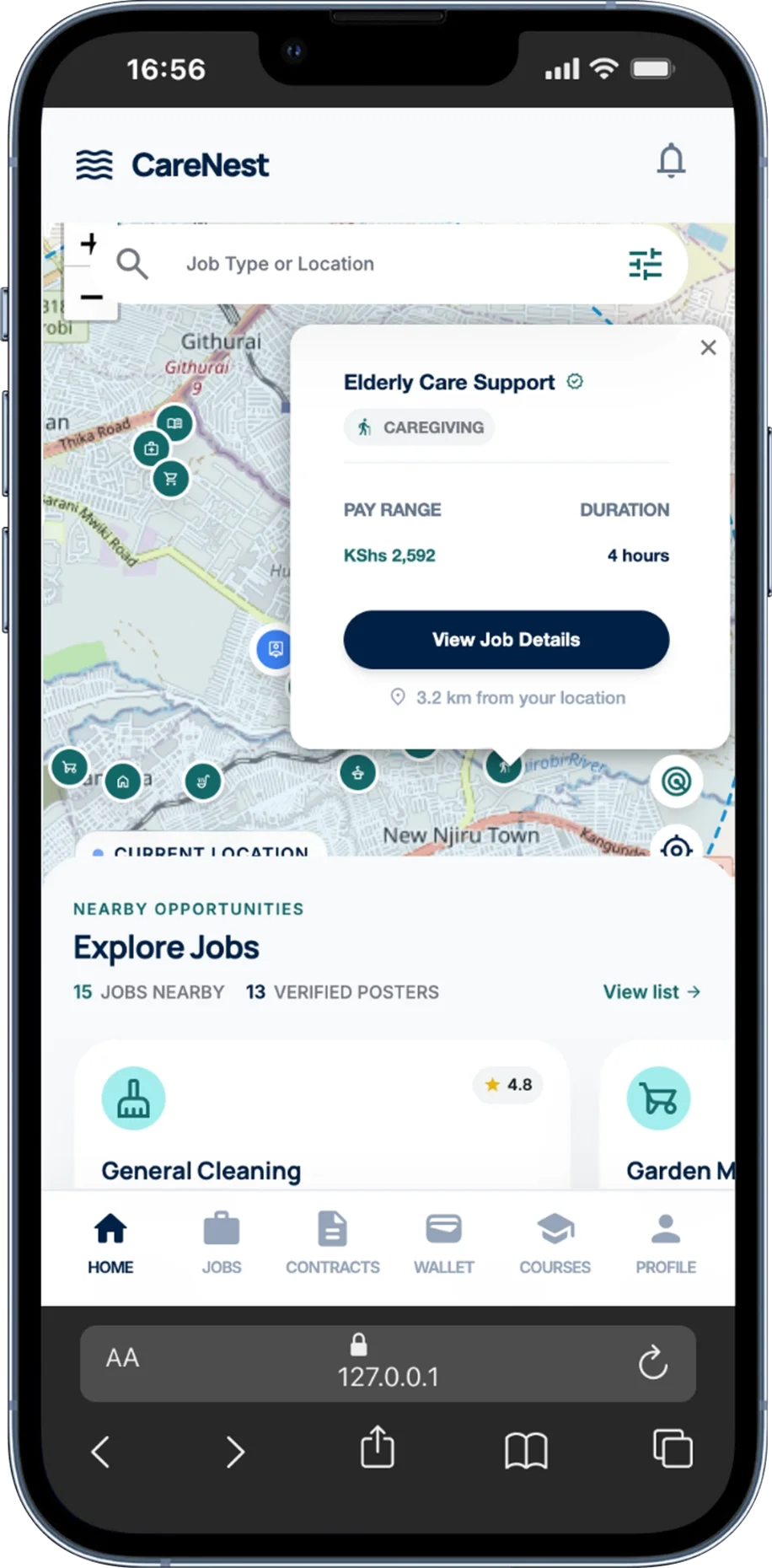
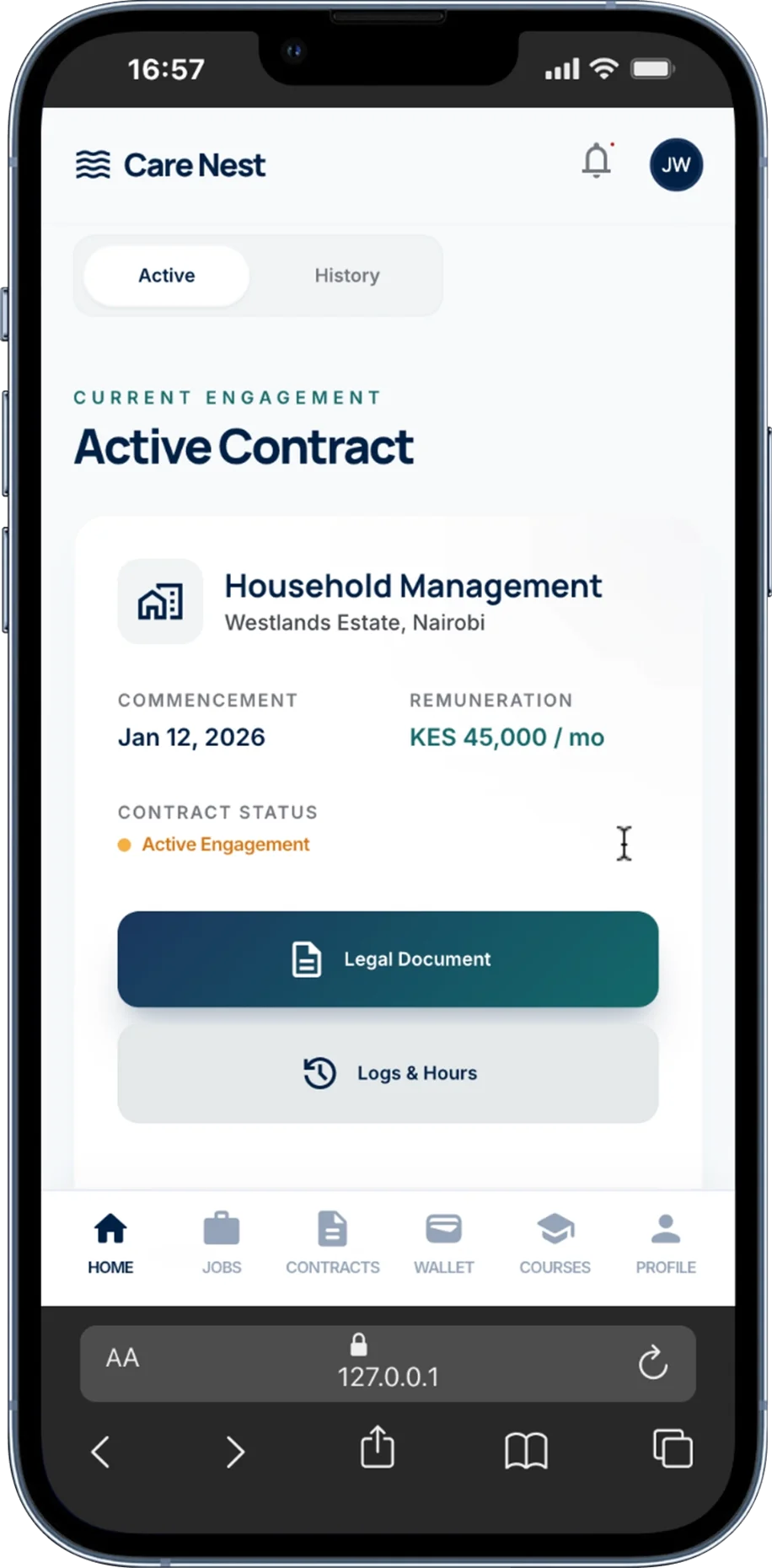
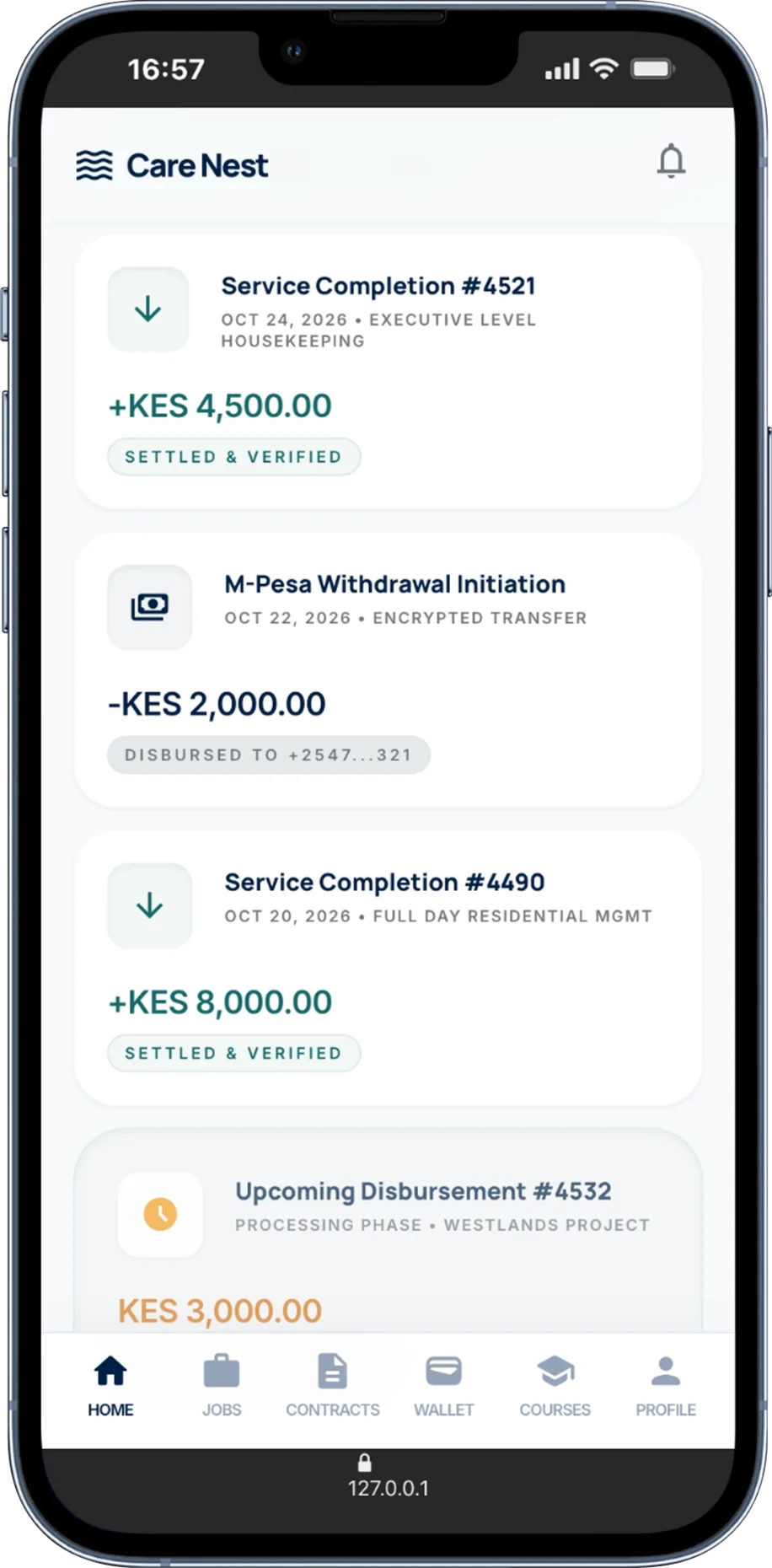
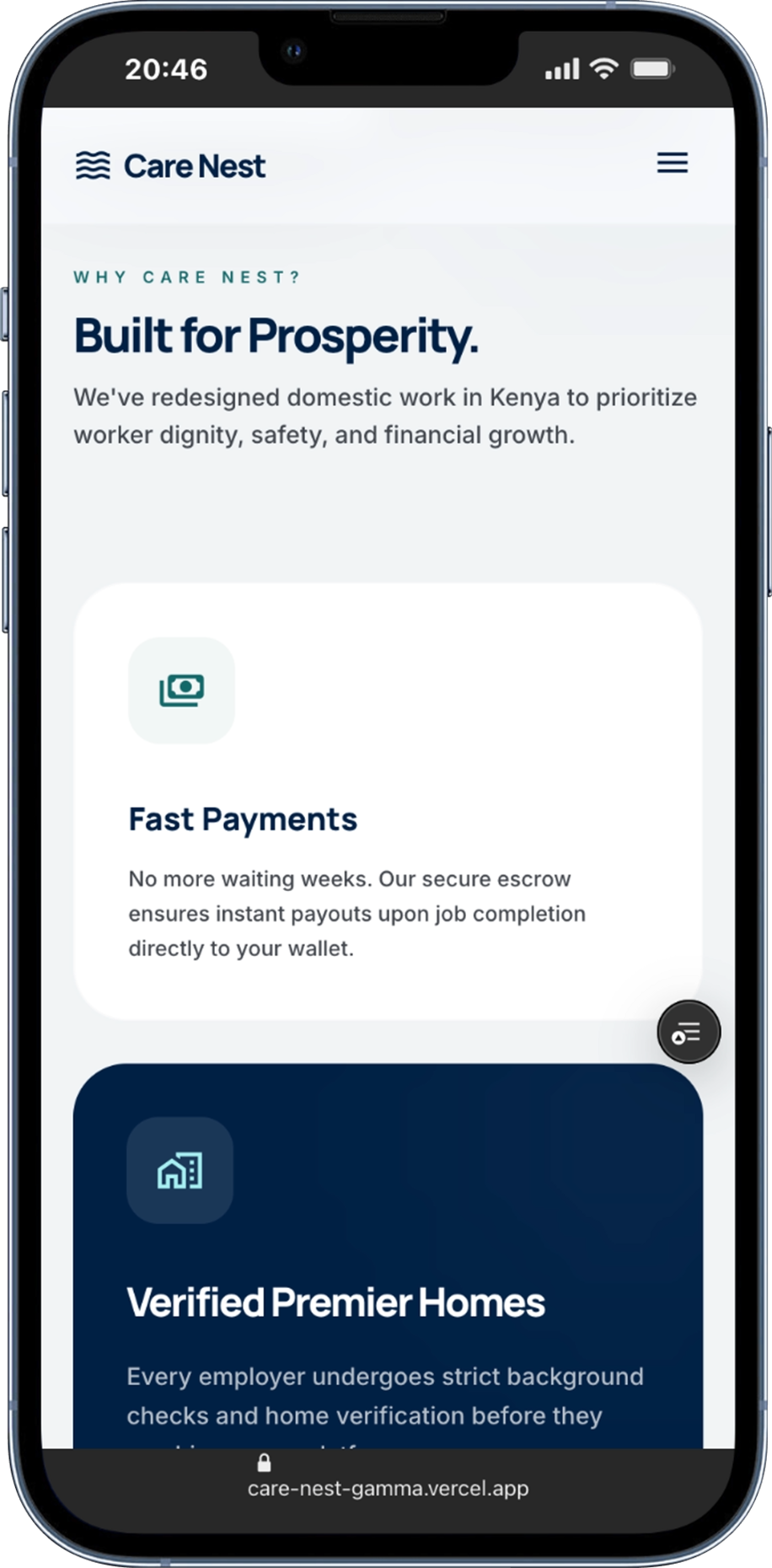
CareNest is a digital platform that connects domestic workers with employers through a trusted and structured system. The platform provides:
- Verified worker profiles
- Job discovery and matching
- Standardized contracts
- Time tracking and attendance
- Secure escrow-based payments
- Wallet and transaction tracking
- Emergency and safety support
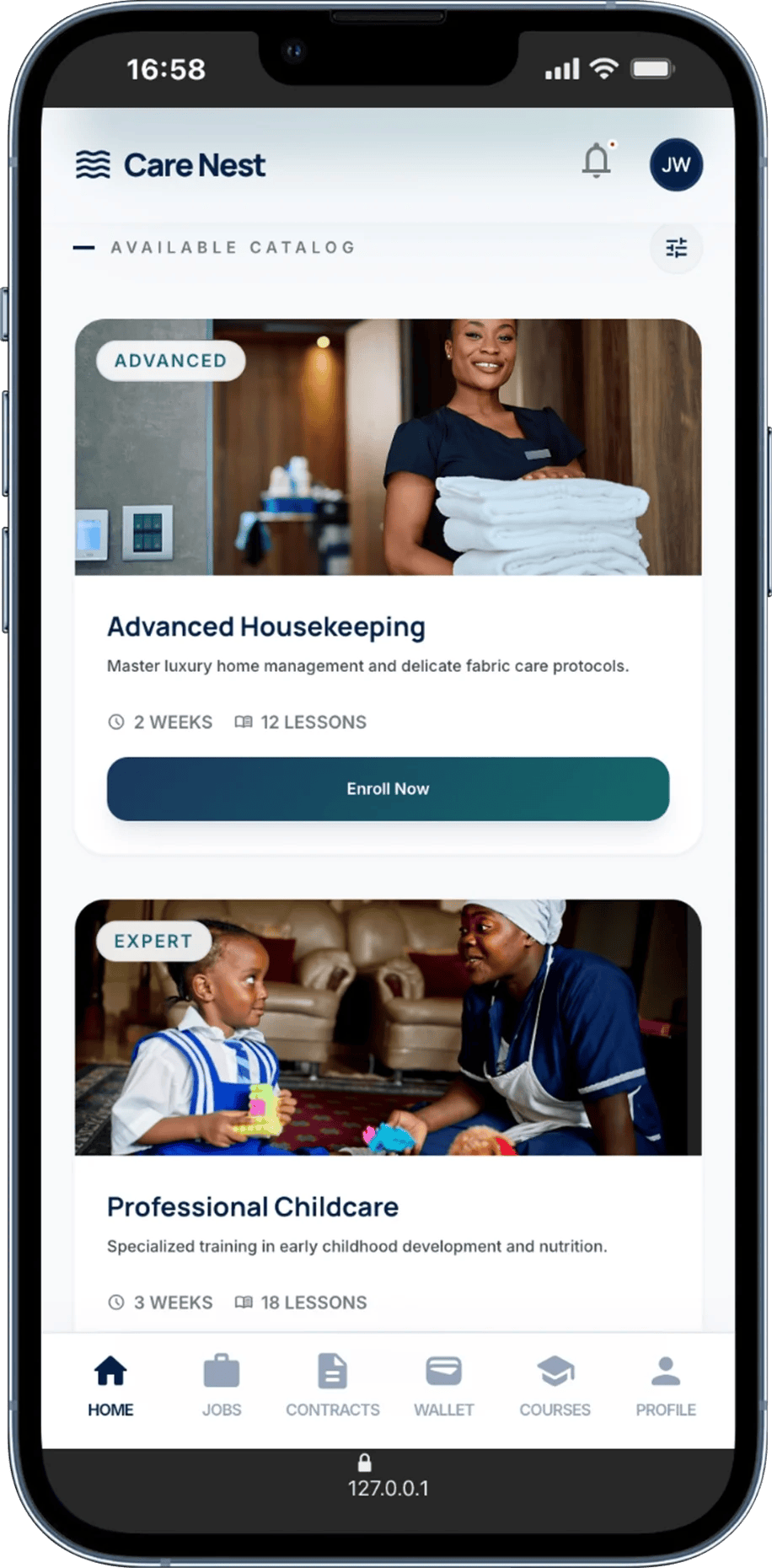
- Upskilling and training opportunities
- USSD support for non-smartphone users
The platform works through both a responsive mobile/web application and USSD integration to ensure accessibility for everyone.
How we built it
We built CareNest using the Django web framework with a modular backend architecture. The system was divided into separate apps such as accounts, jobs, contracts, wallet, courses, and USSD to ensure scalability and clean organization.
The frontend was designed as a responsive mobile-first interface with support for desktop layouts. We also integrated Africa’s Talking APIs for SMS and USSD communication to support users without smartphones.
For future scalability, we designed the payment architecture with Stellar blockchain integration in mind for escrow and secure low-cost transactions.
Challenges we ran into
- Structuring a scalable Django architecture with multiple user roles
- Designing a system that works for both smartphone and non-smartphone users
- Handling USSD session flow and menu logic
- Creating a trust-based system for informal work
- Integrating secure payment and escrow concepts into the workflow
- Balancing simplicity for users while maintaining strong functionality
Accomplishments that we're proud of
- Building a working prototype focused on real African problems
- Creating both mobile/web and USSD accessibility flows
- Designing a trust-first domestic work platform instead of a basic marketplace
- Developing features like contracts, time tracking, escrow, and worker profiles
- Being shortlisted for the Stellar East Africa Builder Mentorship Program
What we learned
Through building CareNest, we learned the importance of designing technology around real human problems and accessibility. We also gained experience in modular backend architecture, role-based systems, USSD workflows, and designing solutions for informal economies.
Most importantly, we learned that trust and accessibility are critical when building digital solutions for underserved communities.
What's next for Care Nest
Our next steps are to:
- Launch a pilot program with domestic workers and employers in Nairobi
- Complete Stellar blockchain integration for escrow payments
- Expand the USSD system for wider accessibility
- Add AI-powered job recommendations and worker support
- Introduce worker certifications and advanced upskilling programs
- Scale beyond domestic work into the broader African gig economy
Long term, we aim to make CareNest the trusted infrastructure layer for informal work across Africa.
Built With
- africastalking
- django
- django-rest-framework
- fastapi
- google-cloud
- python
- stellar

Log in or sign up for Devpost to join the conversation.