Inspiration
Chemo Duck link
Little Ouchies link
What it does
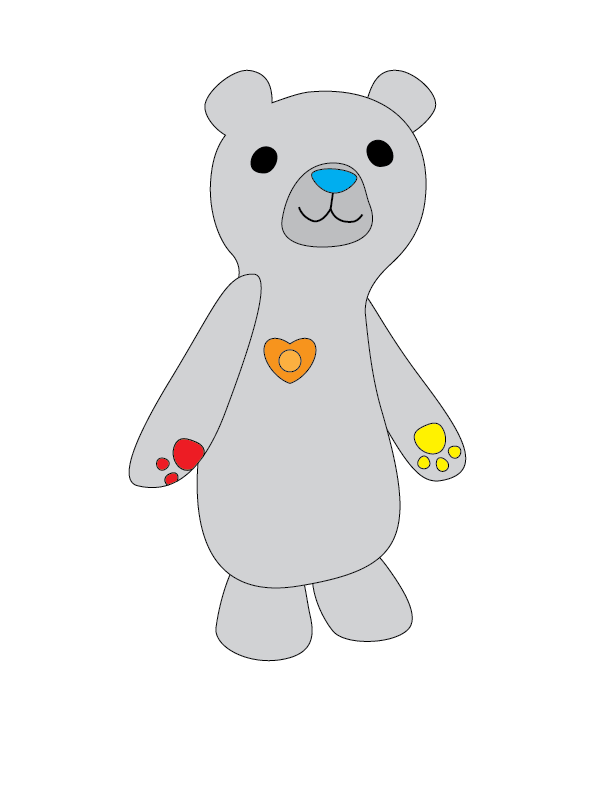
Mirroring Having a toy that reflects the tough situations a child is going through helps the child to cope. Much like having a doll in a wheelchair boosts the confidence of a child who uses a wheelchair, having a doll with a chemo port can boost the confidence of a child going through chemotherapy, and will make them feel less alone in this process. In addition, a toy like the one we’ve made can assist in educating the patient about the procedures they will be going by through.
Sensory Stimulation One important piece of the project is including sensory components that are proven to soothe and reduce anxieties, which we implemented in the bear’s paws.
The smooth paw works in the same way a worry stone does, where a person can rub their thumb against it to soothe themselves.
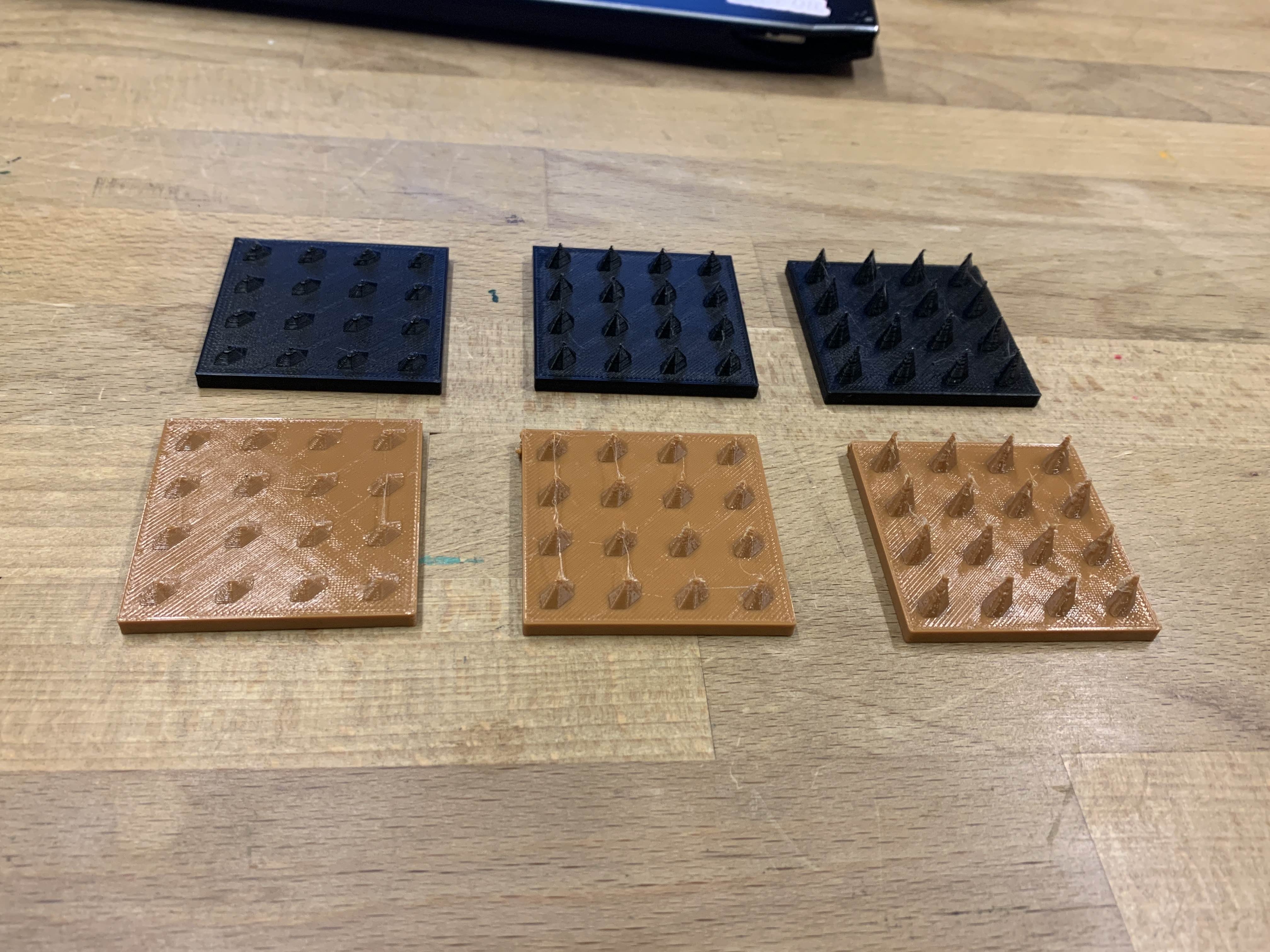
The spiky paw provides a safely painful stimulation, which is advantageous for preventing harmful “pain stimming” behaviors, such as picking at skin, which can lead to more medical issues. In addition, the small amount of pain can shock the brain out of fight or flight mode, much like how particularly sour or minty candies do.
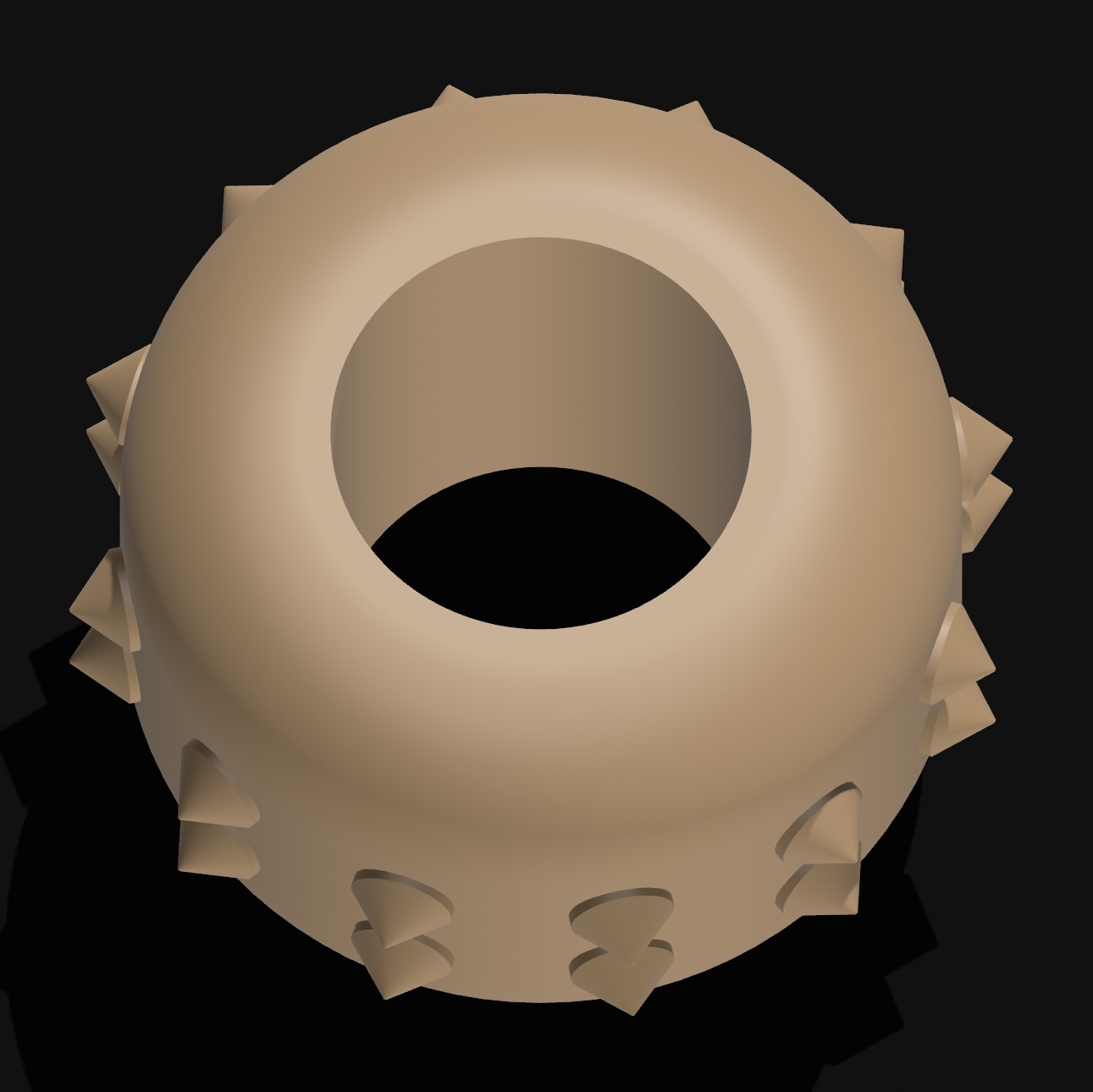
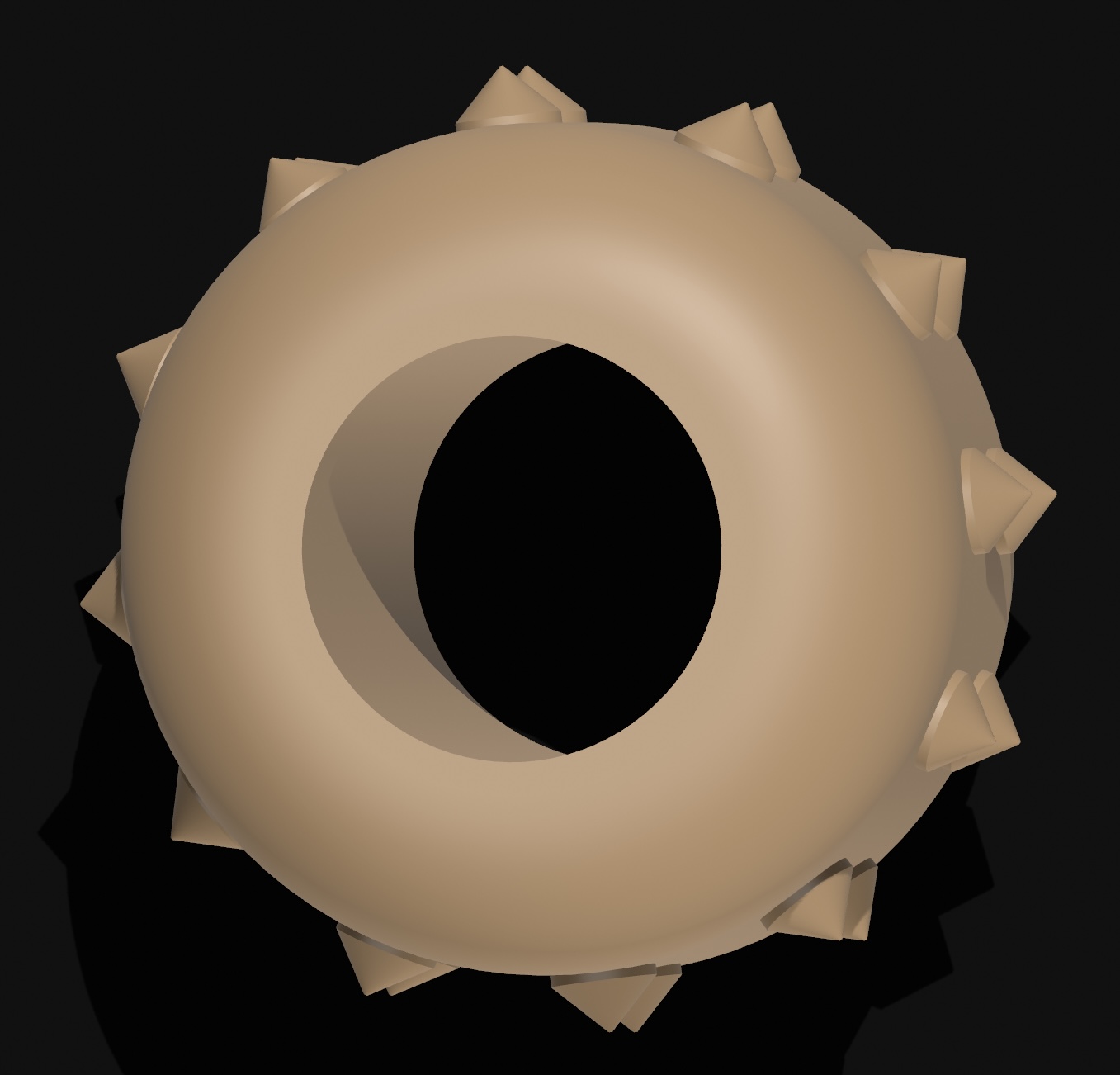
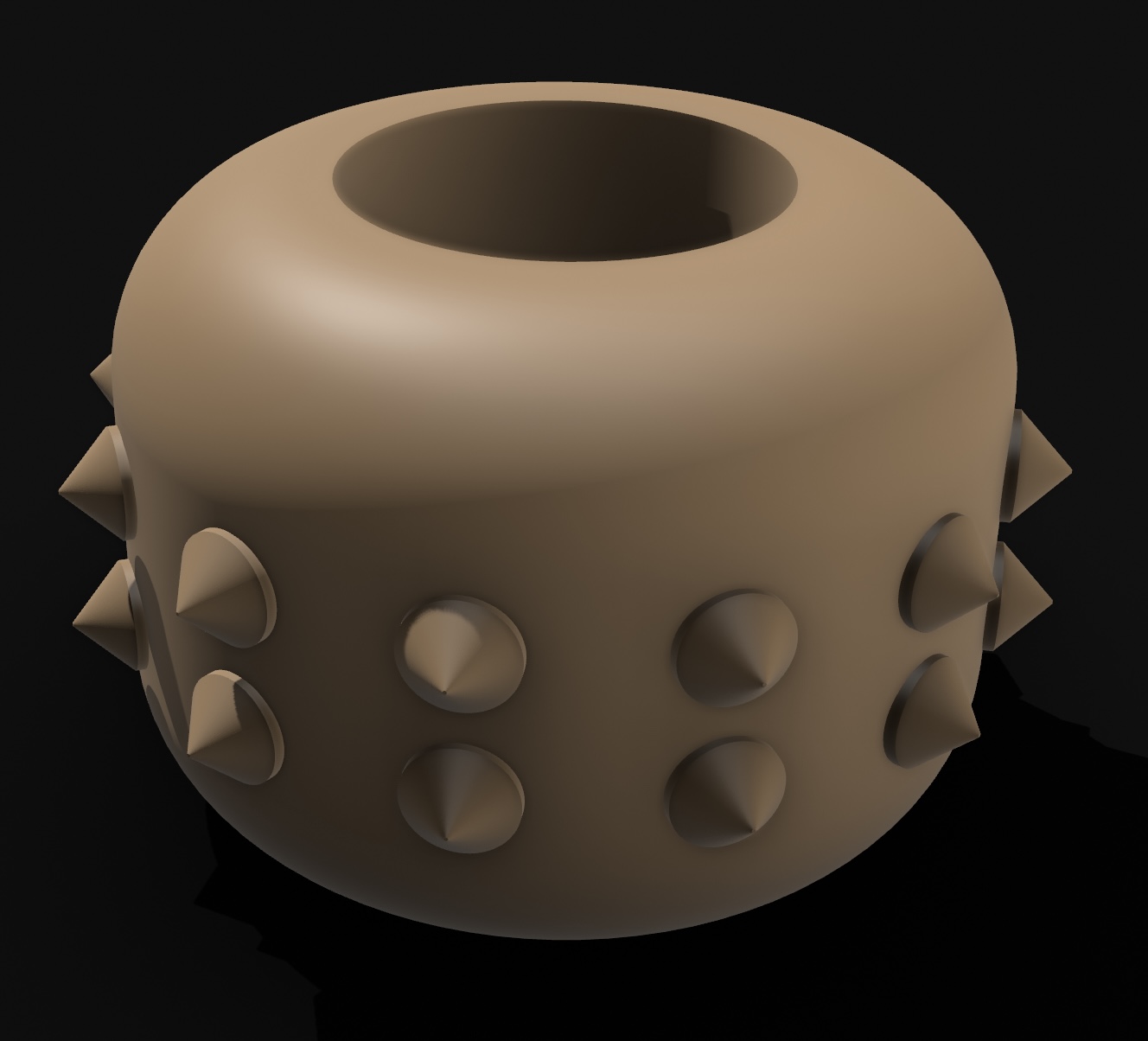
We chose to also create a bracelet for this pain response so as to branch out applications for the product. A bracelet is less conspicuous than a teddy bear, and is more suitable for adults experiencing medical anxiety as well as the anxieties of everyday life. The bracelet can be worn as a stylish piece of jewelry, can be rolled up and down the arm to self soothe and promote circulation and blood flow (just like pre-existing products like acupressure rings), or it can be taken off and squeezed in one hand. This pain stimming can greatly improve care for patients with anxiety by allowing them to have clear minds as they speak with providers about symptoms and medical history.
How we built it
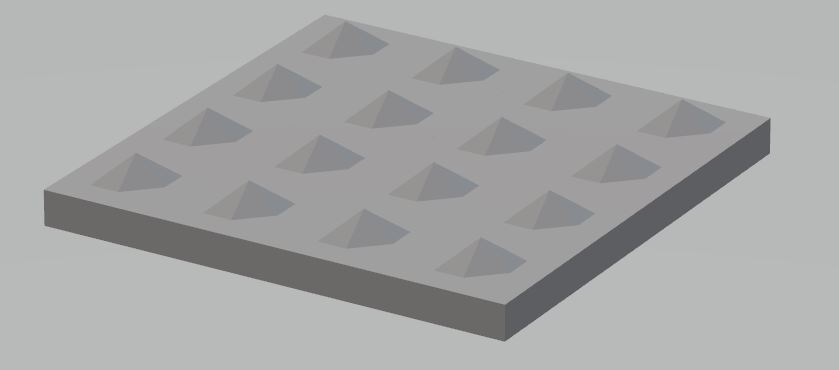
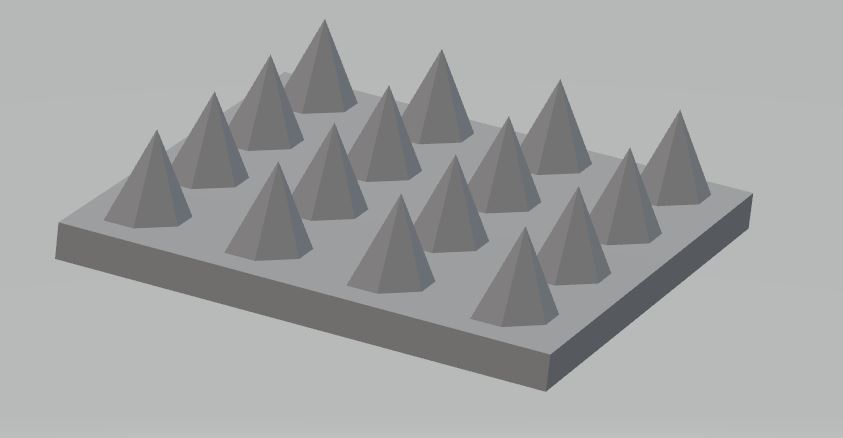
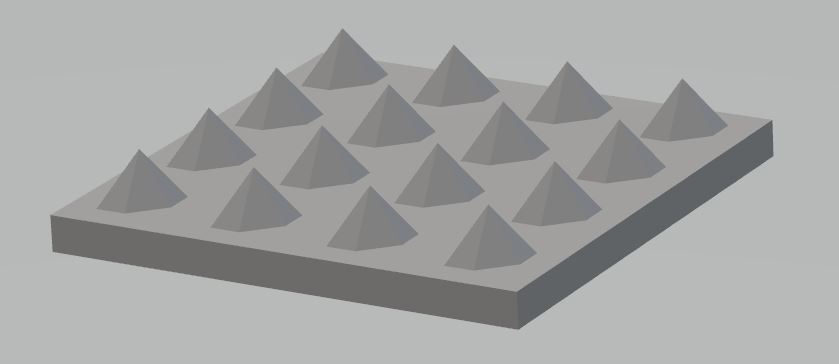
As we built this project, we went through a few iterations of spikes to see what would be just right. We tested three different spike sizes and two different filaments, and conducted a small amount of user testing on other hackathon participants to see which was most effective.
Cay 3D modeled paws, beads for the bracelets, and the port, while Ash improvised a pattern and sewed the bear out of an easily cleanable fabric.
Challenges we ran into
The biggest challenge we ran into was the time it takes to 3D print objects, as it meant we couldn’t quite do everything we wanted to do in the time provided. In addition, we were challenged in the way that we could not use the full 24 hours due to conflicting work schedules.
Accomplishments that we're proud of
We are proud of the amount of iterations we were able to go through in this small amount of time through rapid prototyping and user testing. We are also very proud of the bear itself.
What we learned
During the 24 hour hackathon, Cay learned an entirely new CAD software (Shapr3D), and we both learned about the advantages and limitations of flexible 3D printing filament, which neither of us has used before.
What's next for Care Bear?
In next steps for the project, we would like to refine the bracelet component and conduct user testing with a wider range of people, including our actual target audience of children.
Built With
- shapr3d

Log in or sign up for Devpost to join the conversation.