-
-
-
-
-
-
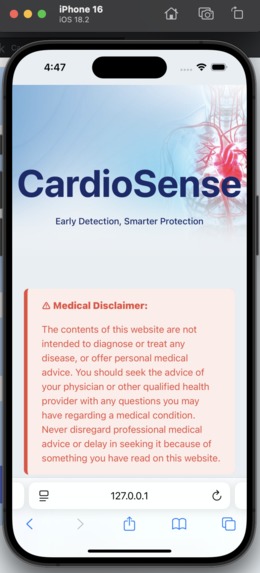
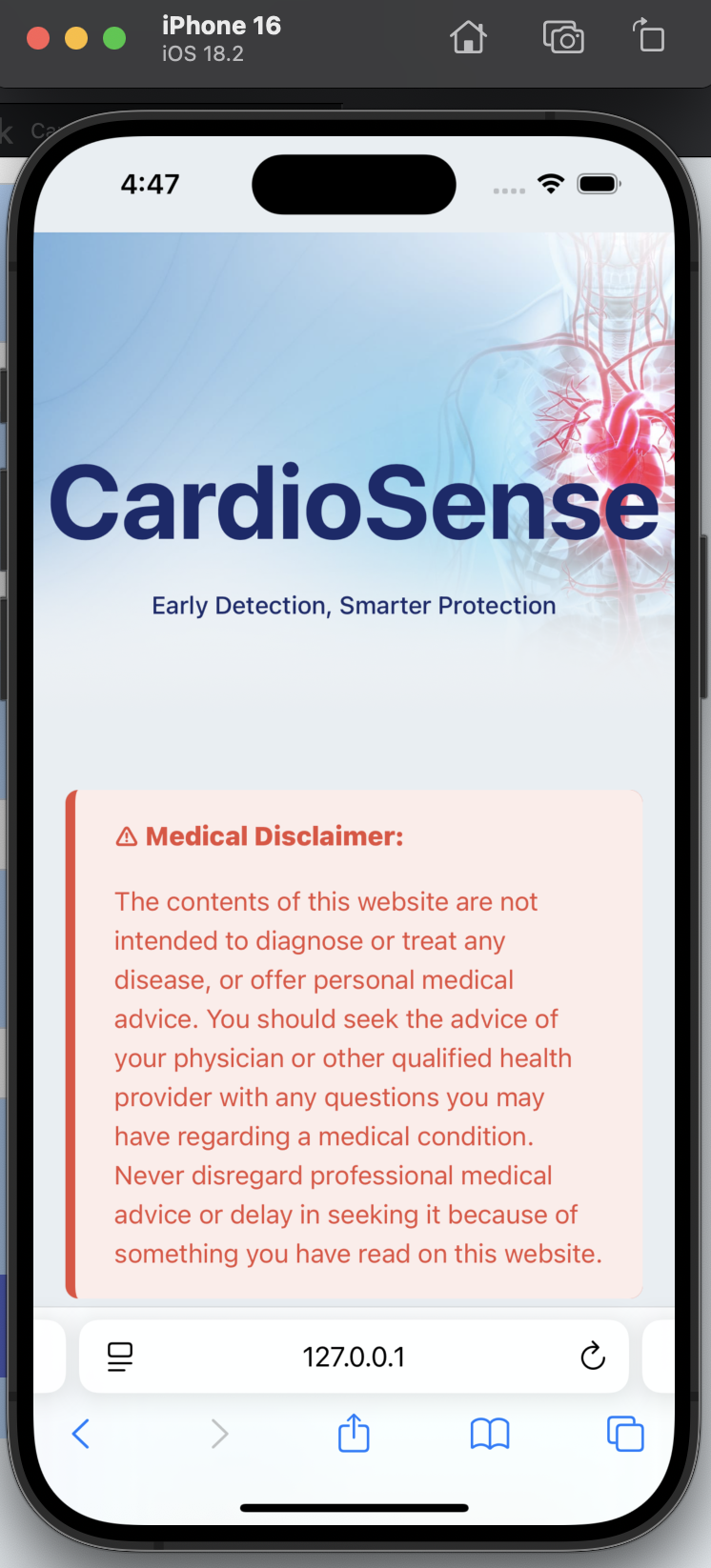
Mobile Responsive
-
-
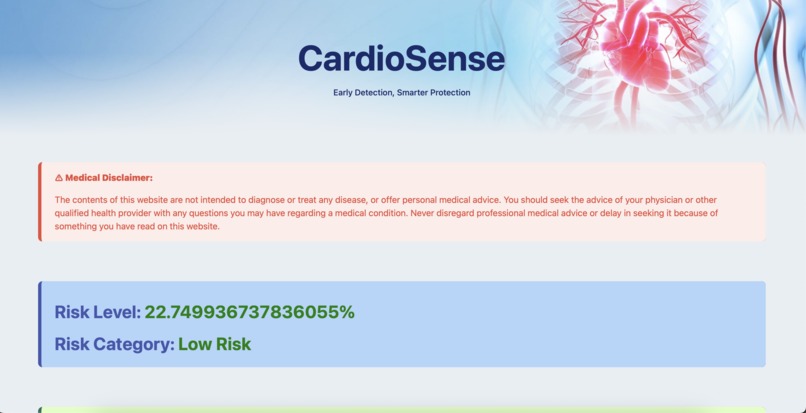
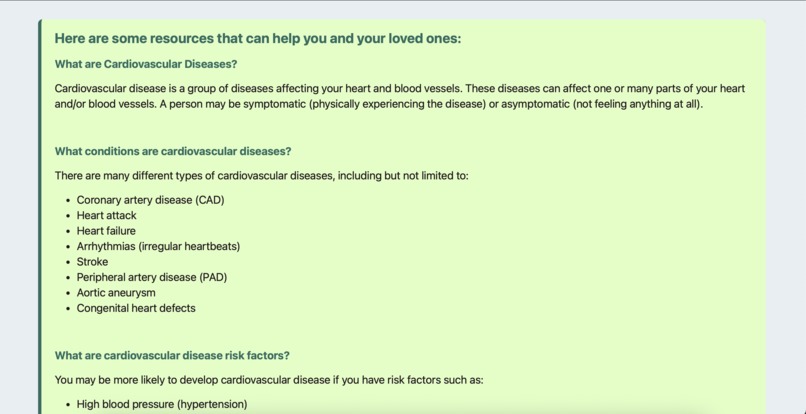
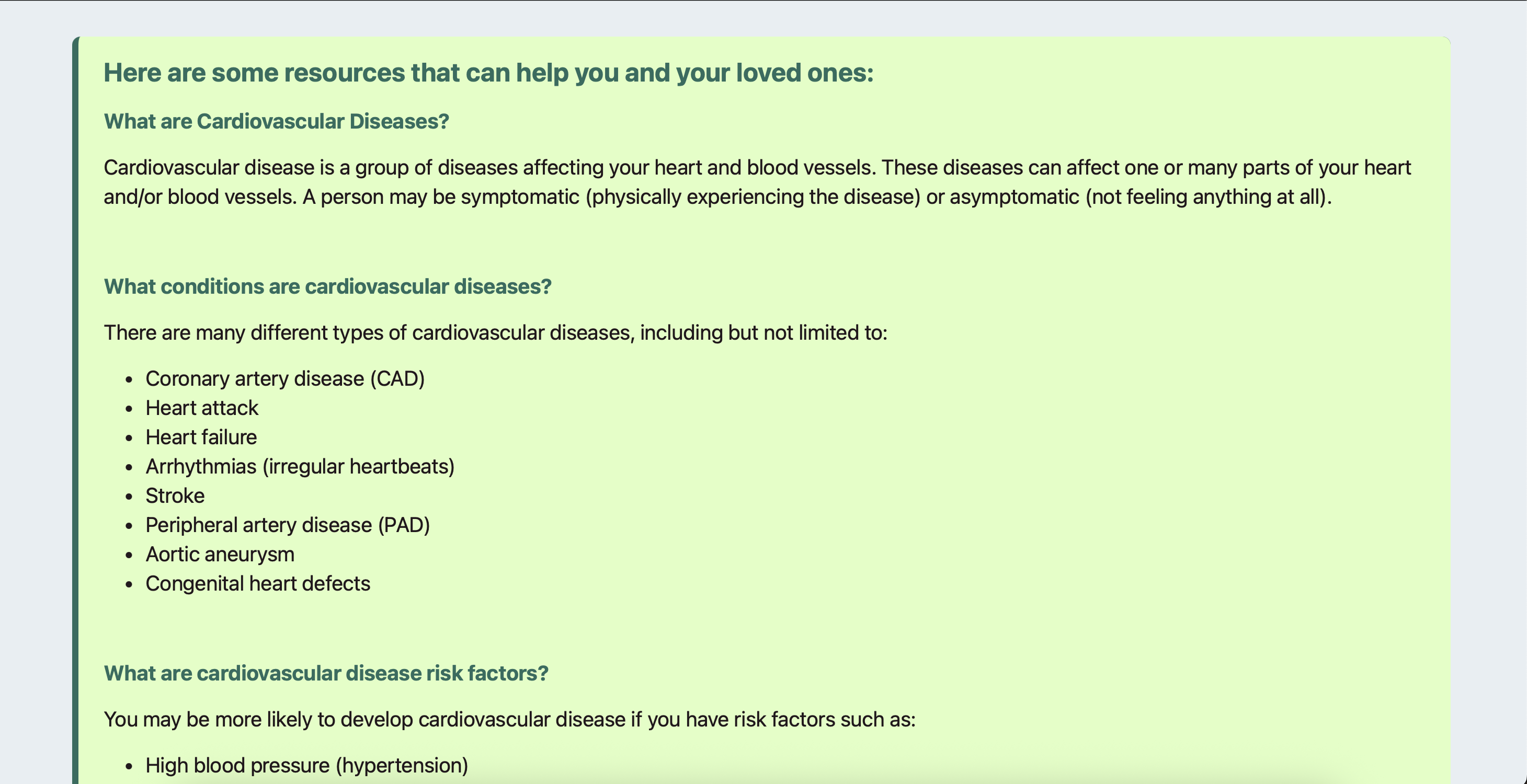
Result Display
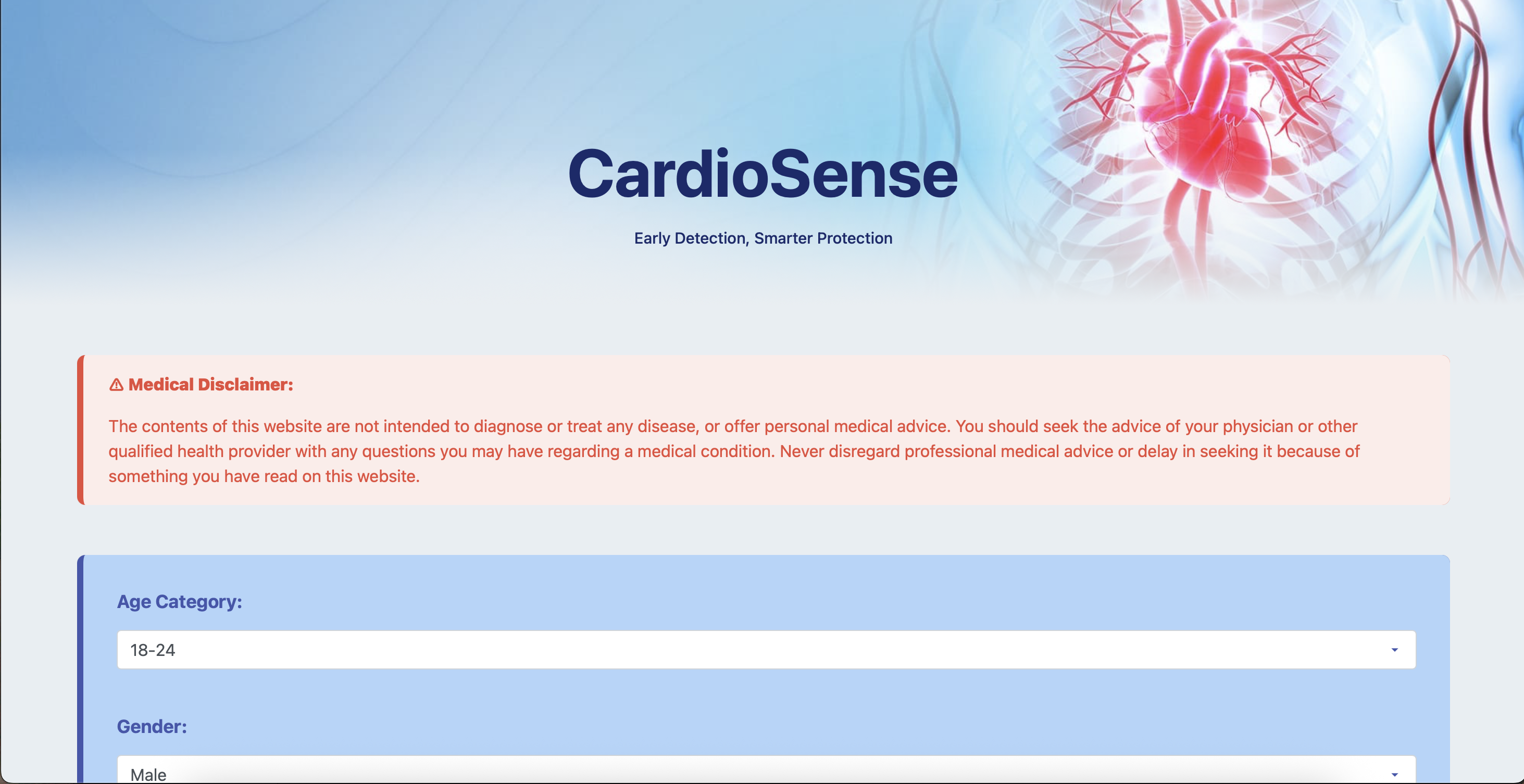
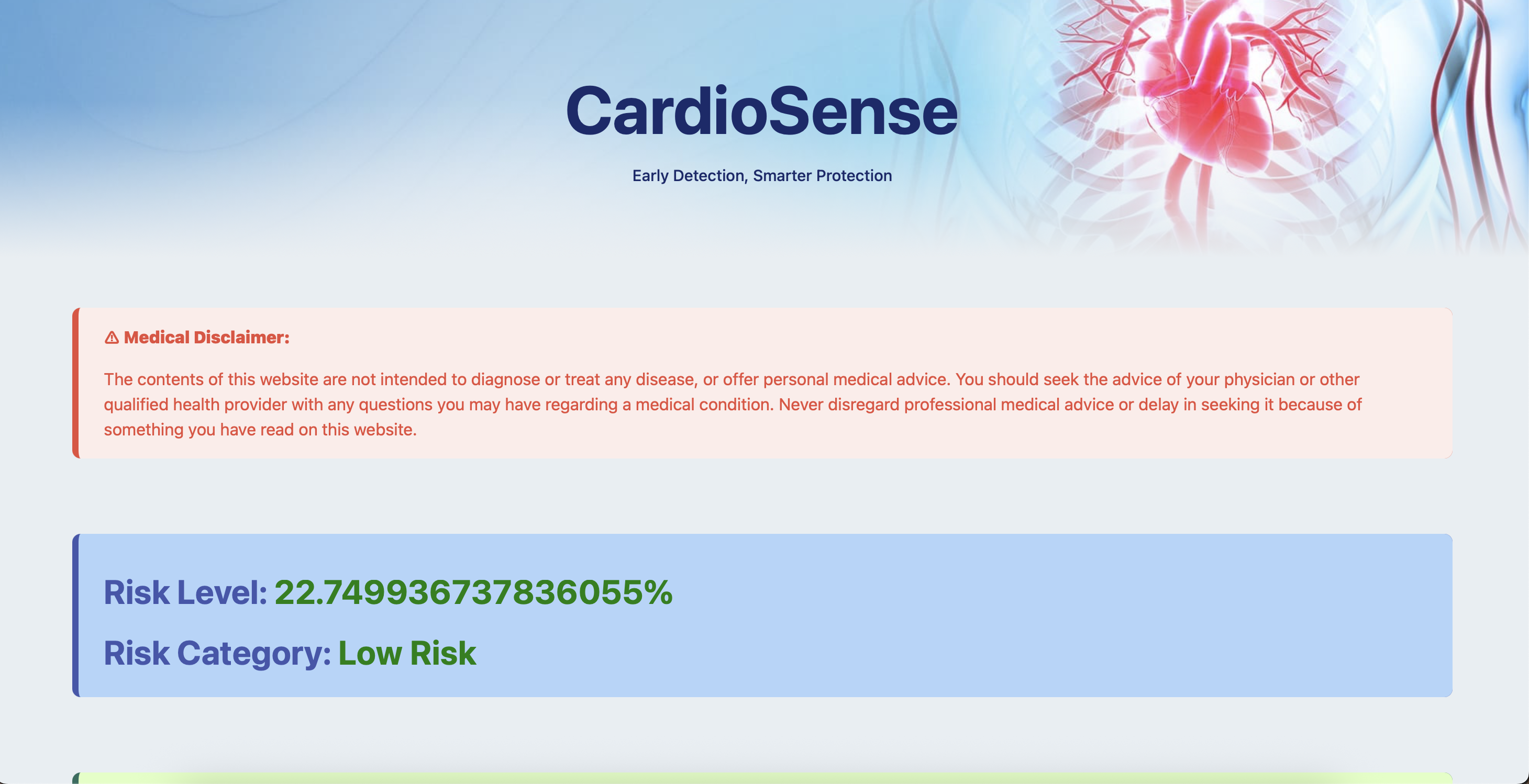
CardioSense – Early Detection, Smarter Protection
Problem Statement:
Cardiovascular diseases (CVDs) are the leading cause of death globally, claiming nearly 17.9 million lives annually (according to WHO). What’s alarming is that over 80% of these deaths are preventable with early detection and lifestyle changes. Unfortunately, millions remain undiagnosed due to limited awareness and lack of accessible, affordable risk assessment tools—leading to late-stage intervention and higher mortality.
Inspiration:
I was motivated by the shocking preventability of most heart disease-related deaths and wanted to design a tool that empowers everyday people with awareness through accessible technology.
What it does:
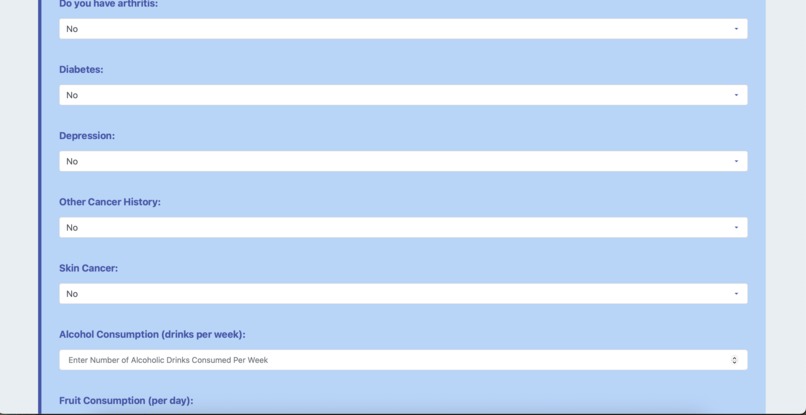
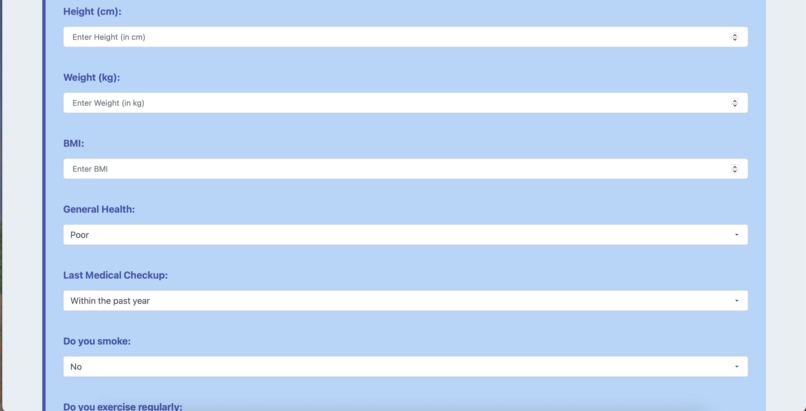
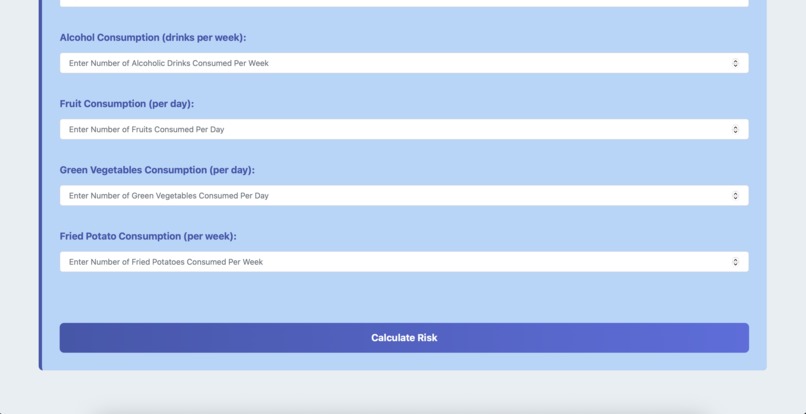
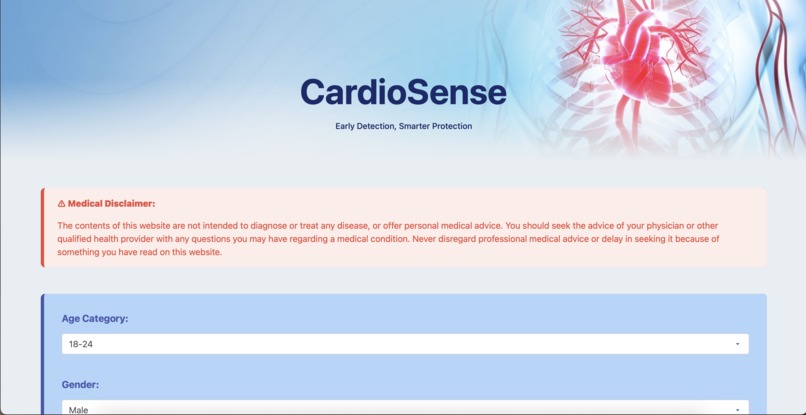
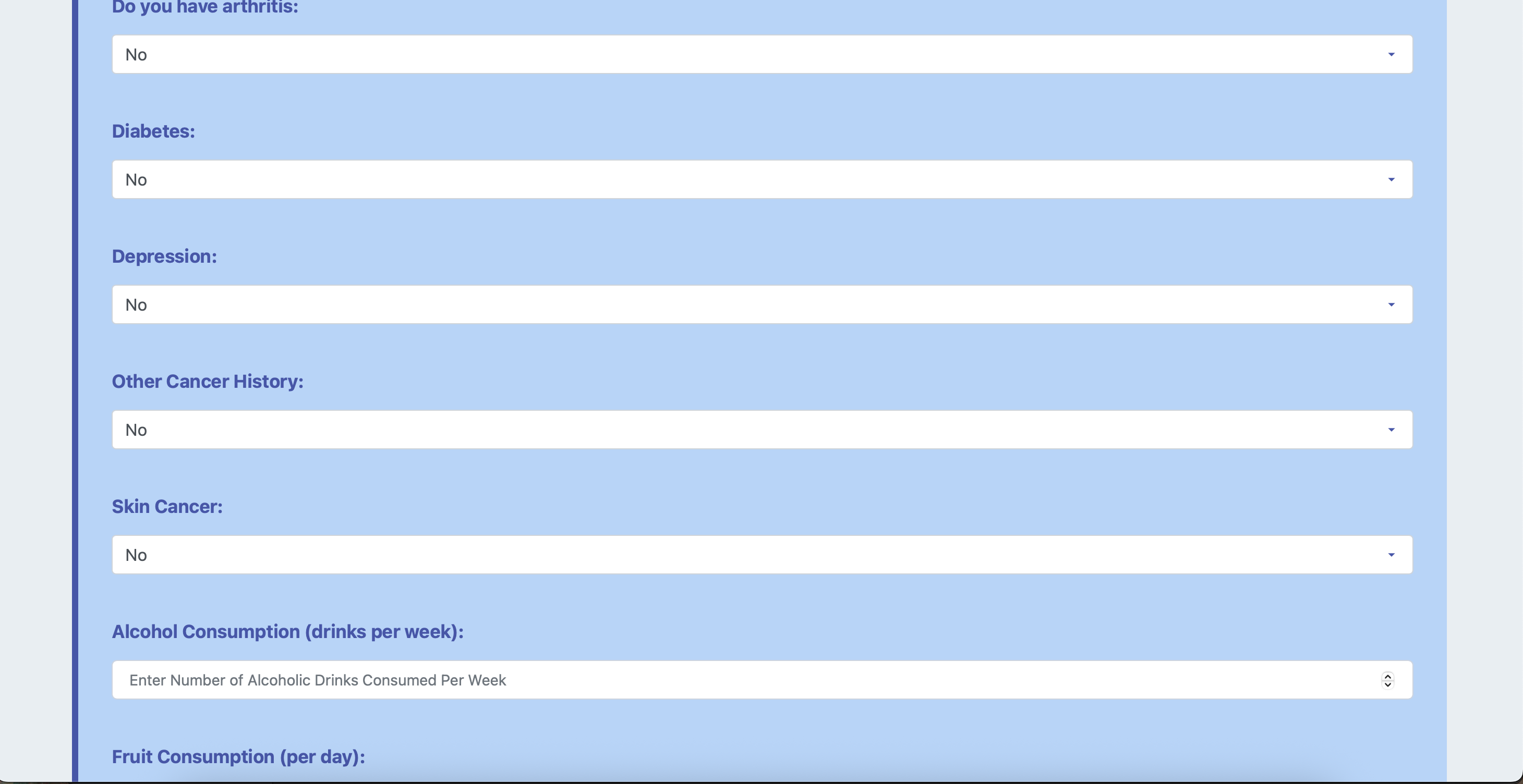
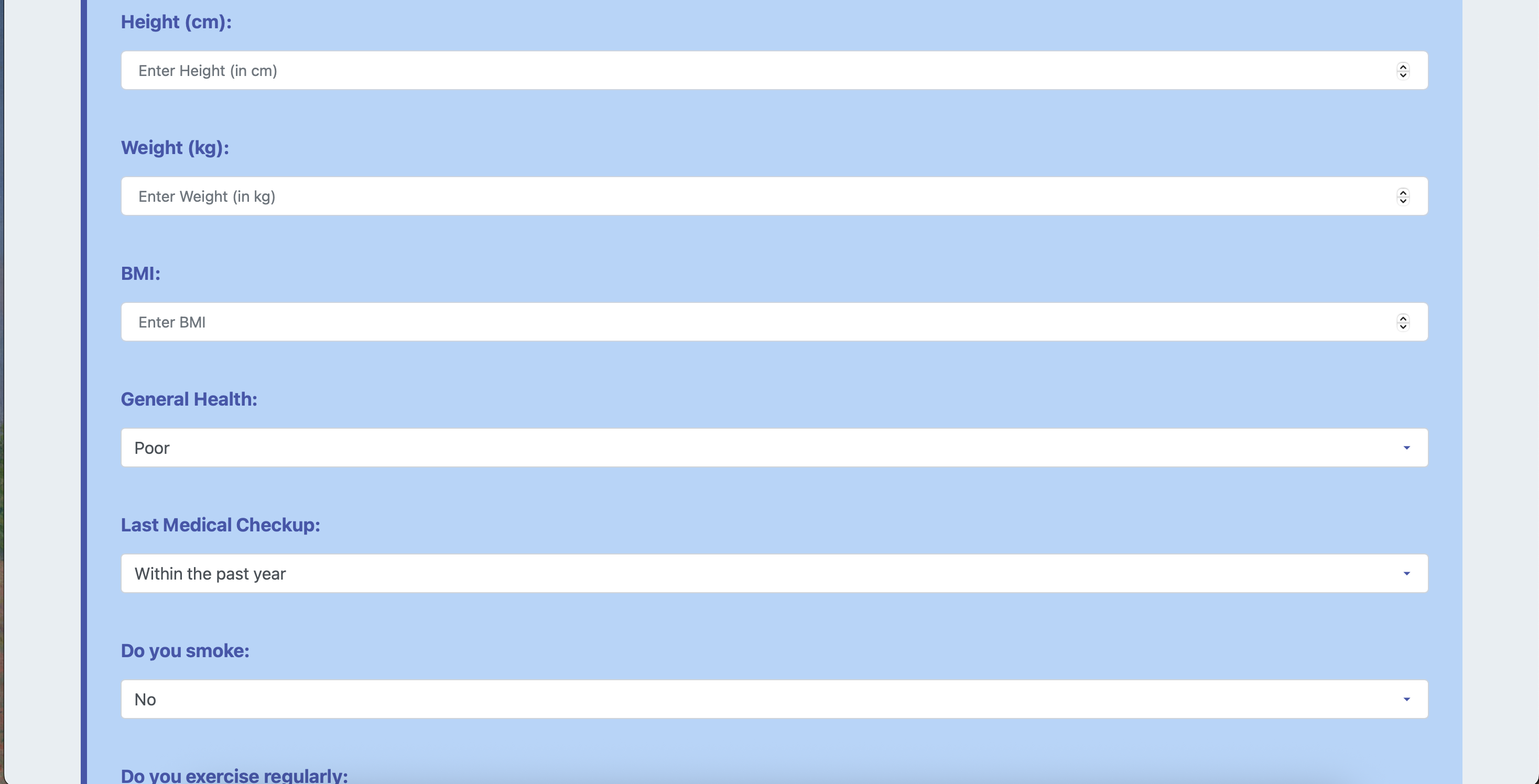
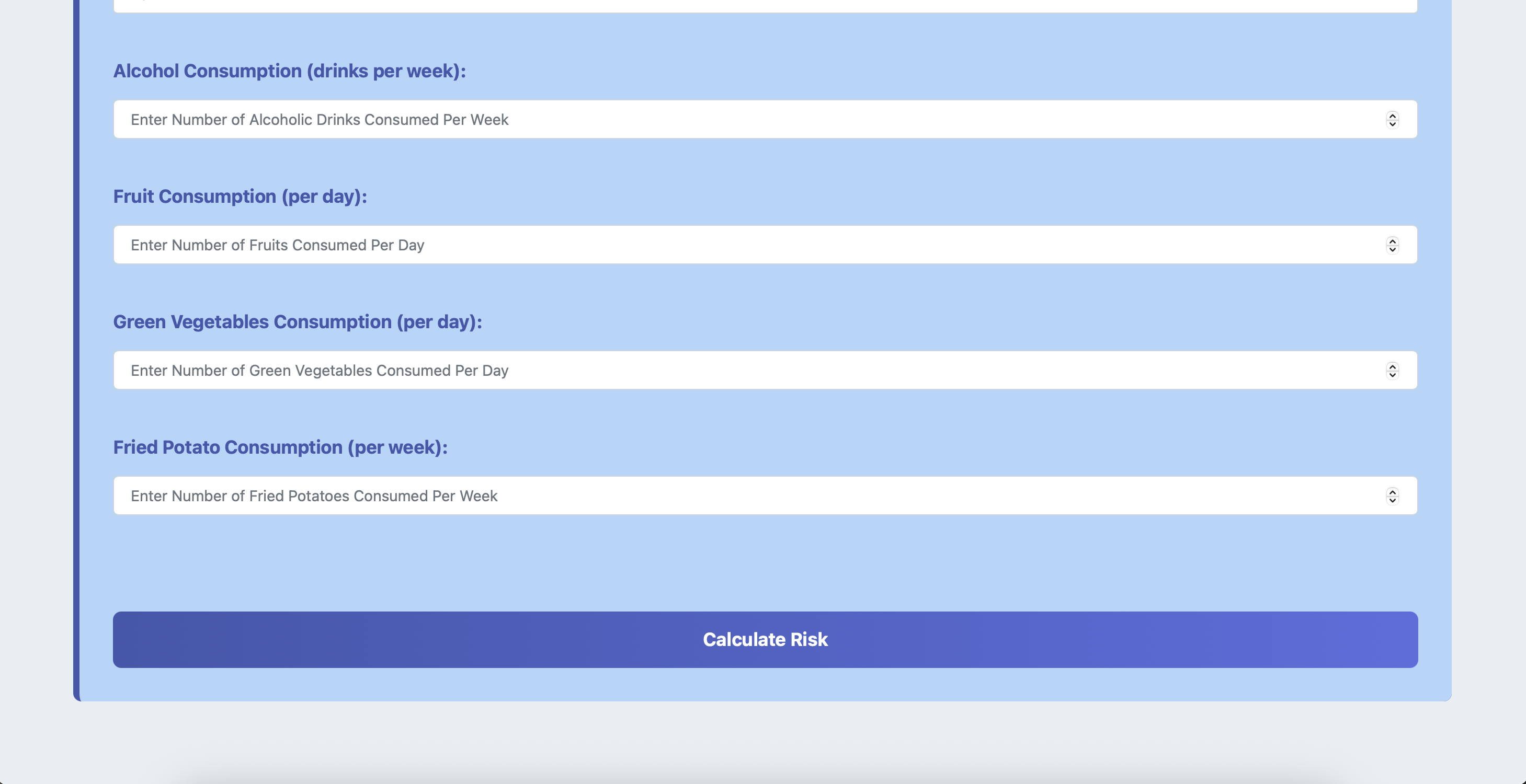
CardioSense is a web-based Machine Learning application that predicts an individual’s cardiovascular disease risk using simple health inputs such as age, blood pressure, cholesterol, and lifestyle factors. It delivers clear, actionable results through a minimal, intuitive interface, ensuring accessibility even for non-technical users.
How I built it:
- Dataset: Cardiovascular Diseases Risk Prediction Dataset (60,000+ patient records).link
- Model: Implemented in Python using scikit-learn, with Logistic Regression chosen for its interpretability and reliable performance.
- Web App: Built with Flask (backend) and HTML, CSS, JS (frontend) for deployment.
Features:
- Simplistic UI for ease of use
- Mobile-friendly design for accessibility
- Fast, real-time predictions
- Gradient-styled header and clean form inputs for a professional yet approachable look
Challenges I ran into:
- Balancing accuracy and recall to ensure high-risk individuals aren’t missed
- Designing a uniform UI across inputs for consistency
- Deploying the ML model seamlessly into a user-facing web app
Accomplishments that I'M proud of:
- Built a fully working prototype that combines ML and web development
- Achieved a user-friendly experience while maintaining technical robustness
- Created a tool that demonstrates the practical role of ML in preventive healthcare
What I learned:
- Handling real-world healthcare datasets (preprocessing, feature engineering, balancing metrics)
- Importance of UI/UX design in increasing accessibility of technical tools
- Building and deploying an ML model into a web app workflow
What's next for CardioSense:
I aim to:
- Integrate wearable device data for continuous monitoring
- Explore deep learning to improve prediction accuracy
- Add interactive dashboards for long-term health tracking
- Partner with healthcare organisations to bring preventive screening closer to communities

Log in or sign up for Devpost to join the conversation.