Cardiovascular Disease (CVD) is the leading cause of death in the world. It affects over 1 billion people across the globe, and is responsible for over 40 million deaths per year.
The disease often starts with plaque buildup in patients’ coronary arteries. This can be caused by a variety of contributing factors including poor diet, lack of exercise, genetic predisposition, unhealthy behaviors, and old age. As the plaque buildup continues, it begins obstructing blood flow in the coronary arteries, eventually leading to further complications like heart attacks.
Many people who have cardiovascular disease remain unaware of it and do not get diagnosed until they suffer serious complications. One of the primary reasons for this is that the symptoms of cardiovascular disease vary widely from person to person, and in many cases, do not present themselves at all. In fact, for thousands of people every year, the first symptom of the disease is sudden death. Even when symptoms are present, they are often overlooked or attributed to other causes. This allows the disease to progress unchecked and undiagnosed until it causes serious and often irreversible damage.
An effective way to assess cardiovascular health is Heart Rate Recovery. Multiple studies have established a strong relationship between heart rate recovery and the presence of cardiovascular disease. In addition, studies have shown a consistent correlation between heart rate recovery and all-cause mortality. Poor heart rate recovery results can encourage people to seek medical care, especially those who have no obvious symptoms and risk factors and would not otherwise consider themselves at risk for the disease.
Up until now, there have been several obstacles in encouraging widespread heart rate recovery tests, one of them being the costs. There are heart rate monitors available that are capable of measuring heart rate recovery, but these are often expensive and unaffordable for many people, especially people from low income families. Furthermore, an individual with no obvious symptoms and no reason to believe they are at risk for cardiovascular disease would likely not bother purchasing such a device for the purposes of conducting the test.
An alternative to using monitors is to conduct the tests manually. However, conducting the tests in this manner is often more time consuming and complicated than using an automated system. Additionally, it does not allow for the same level of accuracy and detail as a monitor. There are many important data values, like instantaneous recovery rates, that cannot be obtained by conducting the tests manually.
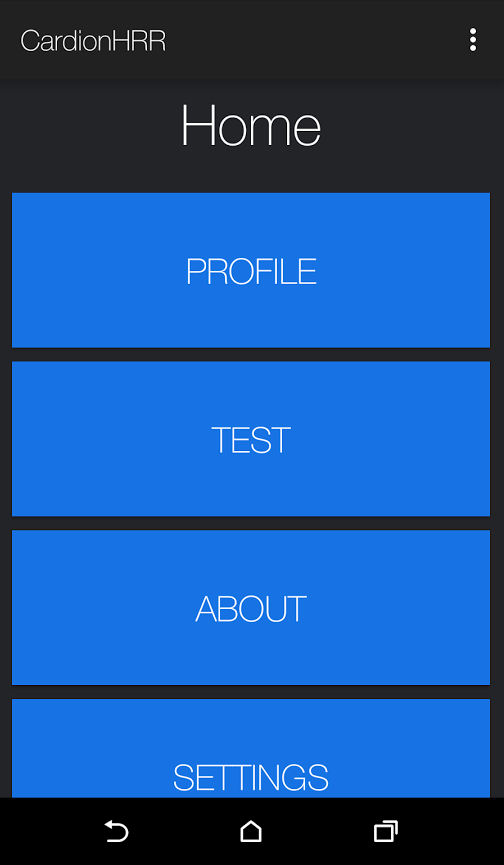
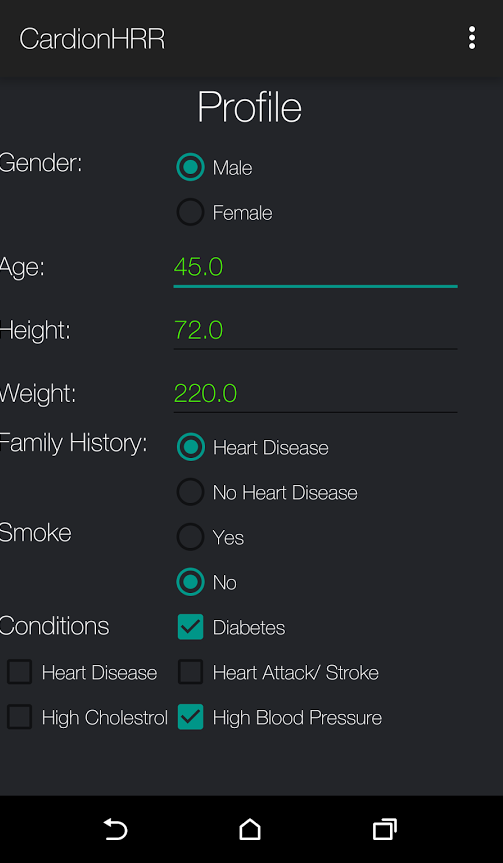
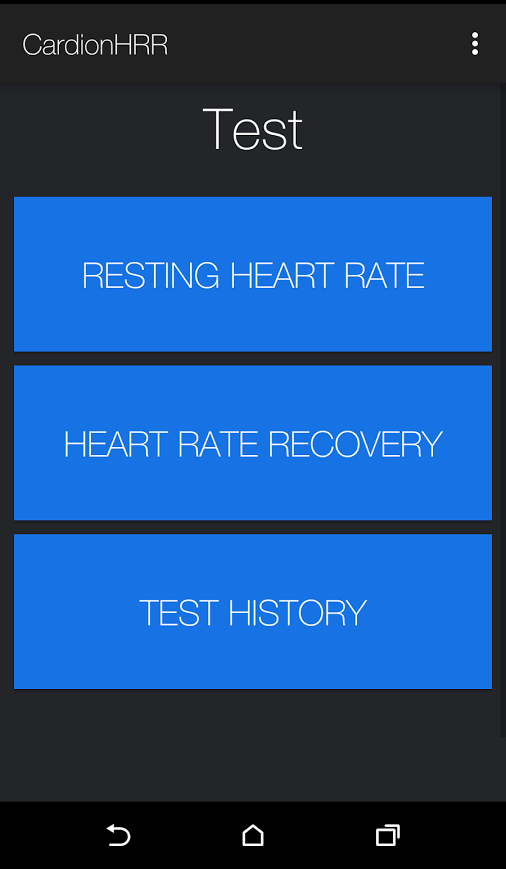
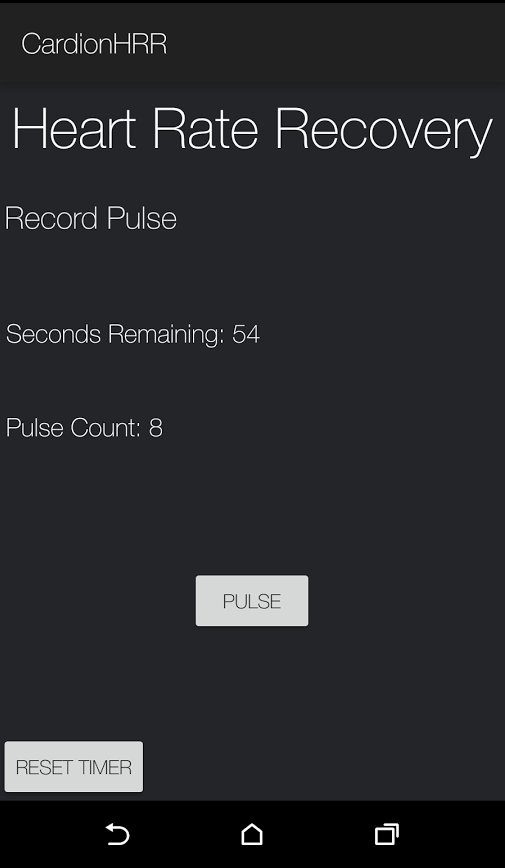
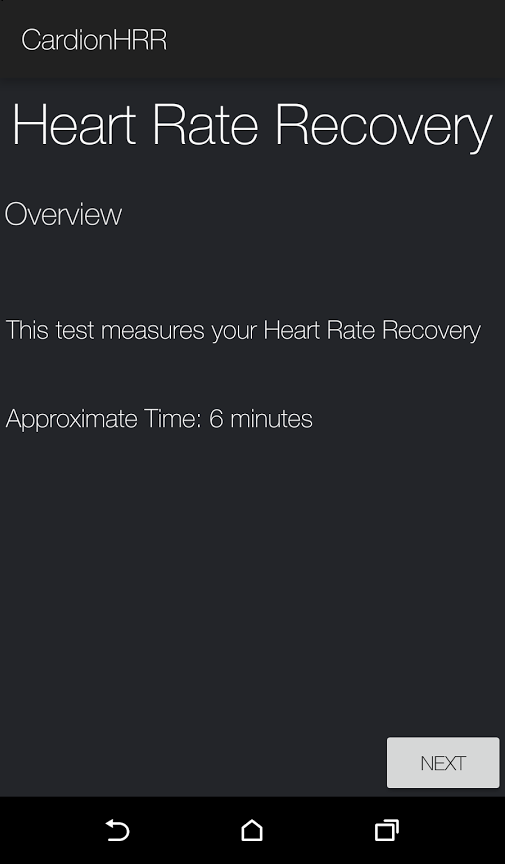
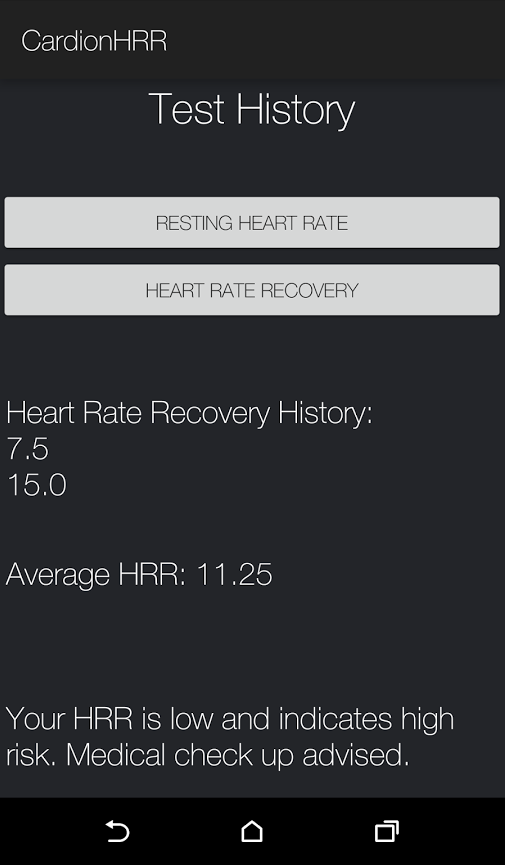
This application attempts to address the aforementioned issues by providing a free and easy way to measure heart rate recovery. The goal is to make heart rate recovery tests as accessible as possible in order to give the greatest number of people an opportunity to benefit from their results.
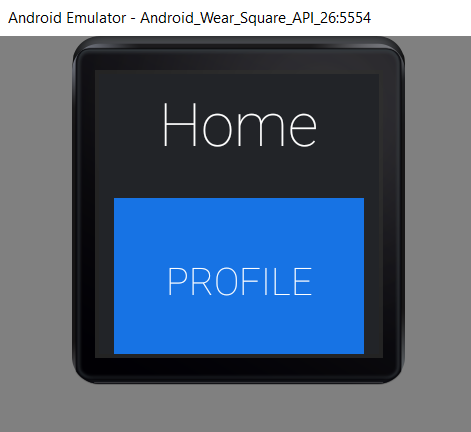
However, the direct applications of Cardion do not end at heart rate recovery tests. The algorithm employed in this app employs piece-wise analysis of individual time intervals of heart rate data. This method can be extended to detect potential arrhythmias and other heart abnormalities. It is also important to note that the method of data input may be further streamlined to utilize existing technology included on most smartphones. For instance, existing algorithms can calculate heart rate continuously using photoplethysmogram measurements derived directly from the phone camera. This would be a step beyond the "measure and tap" method employed in this app, which serves strictly as a proof of concept. Additionally, a wearable version of this application has been partially developed, which can further employ features like IR scanners and oximeters found in many commercially available smartwatches.


Log in or sign up for Devpost to join the conversation.